
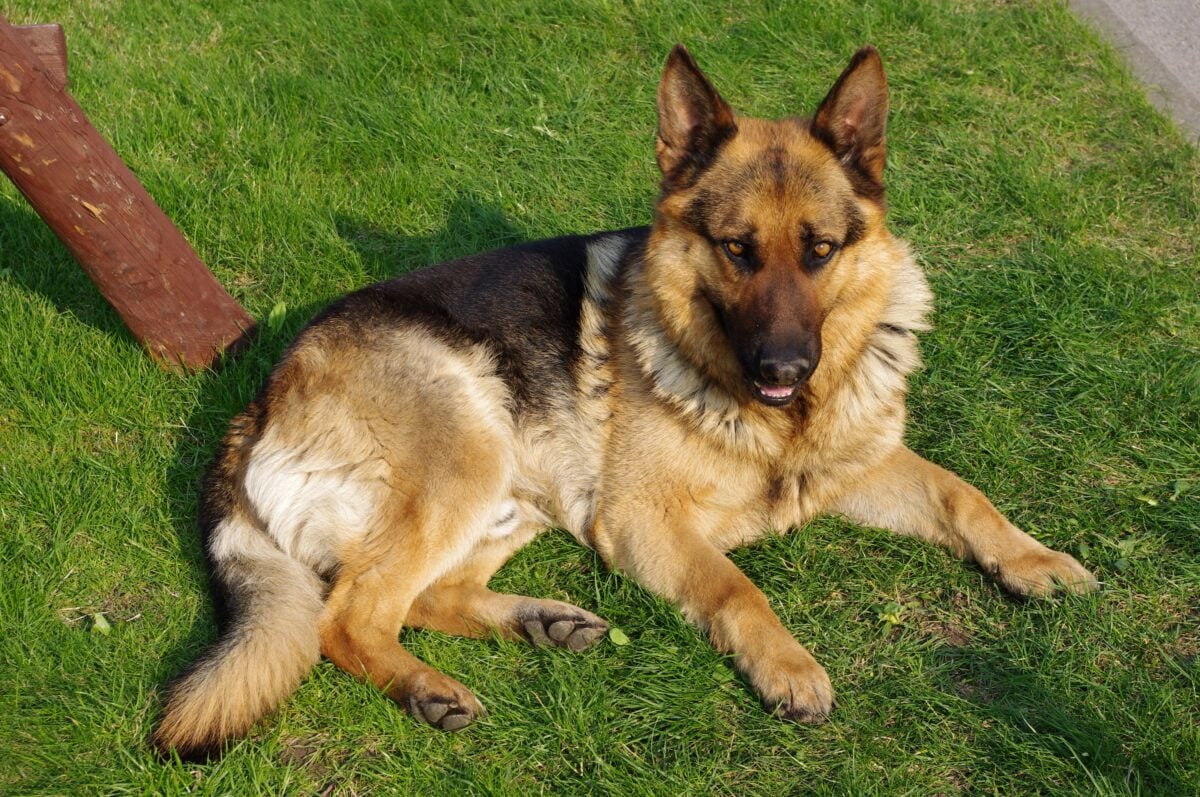
Your dog can’t walk up to you and say “my hip has been killing me for three weeks” or “I’m terrified every time you leave.” So instead, they yawn a little more. They lick their paw a little longer. They follow you into the bathroom like their life depends on it. And you smile, because it looks like personality, not pain.
Here’s the uncomfortable truth vets deal with every single day: most of the “cute quirks” owners brag about are actually distress signals in disguise. Dogs are hardwired to hide weakness, a survival instinct left over from their wild ancestors, which means by the time a behavior looks obviously wrong, it’s often been building for months. Keep reading, because a few of these are probably happening in your living room right now.
#13 – The Yawn That Has Nothing to Do With Sleep
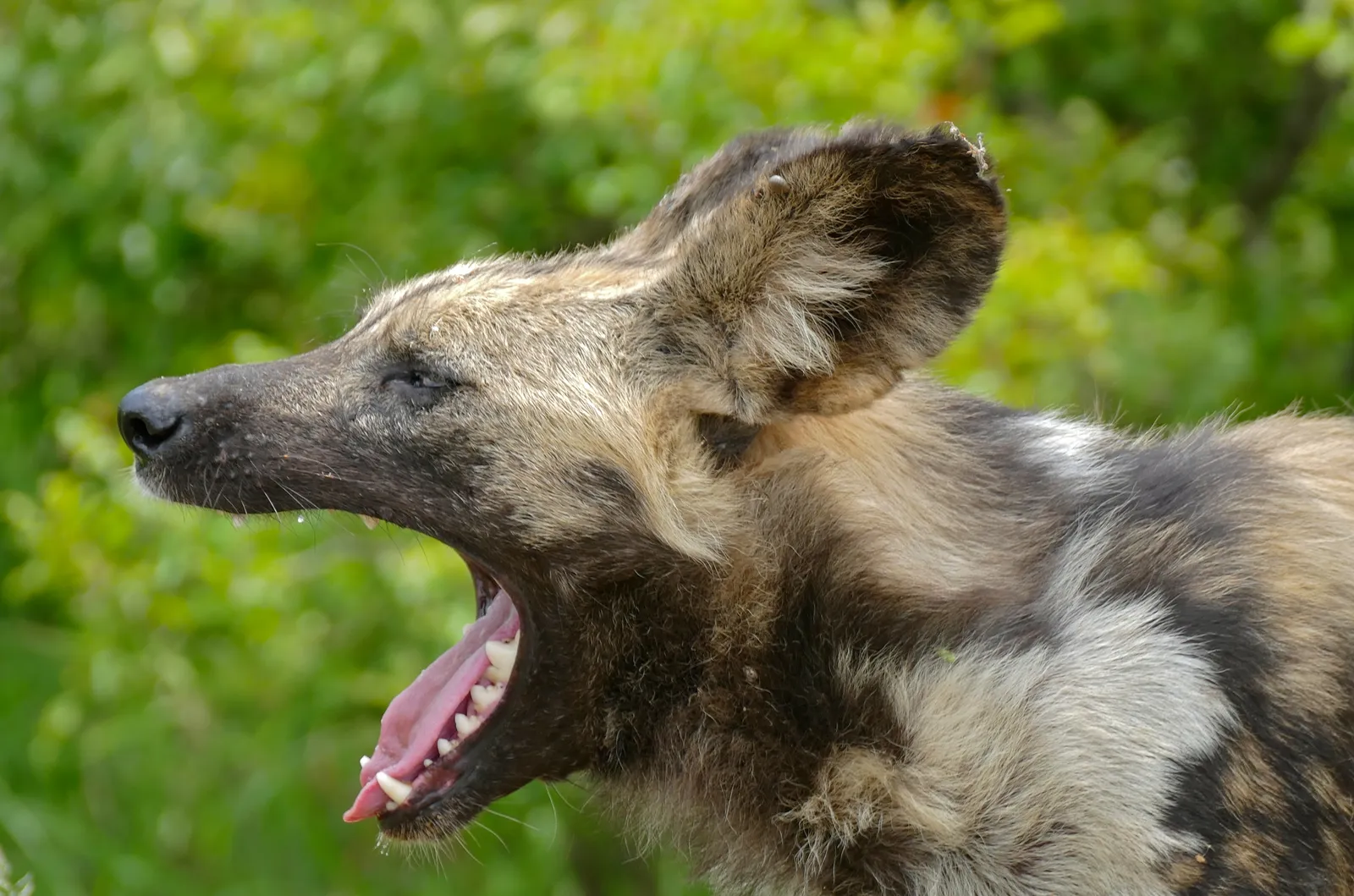
Everyone assumes a yawning dog is tired or bored. It’s an easy mistake, because the gesture looks identical to the one your dog makes right before a nap. But a long, exaggerated yawn that shows up at the vet’s office, during a thunderstorm, or out of nowhere on the living room floor is rarely about sleepiness at all.
Vets call this a calming signal, a dog’s way of trying to self-soothe when it feels cornered or uncomfortable. It shows up more often in dogs dealing with chronic pain, and it tends to travel with other quiet cues like restless nights and clinginess. The tragedy is how often it gets a laugh instead of a second look.
Fast Facts
- The term “calming signal” was popularized by Norwegian dog trainer Turid Rugaas.
- Yawning, lip licking, and turning away are among the most common calming signals dogs use.
- These signals often appear within seconds of a dog feeling overwhelmed or unsure.
- Calming signals are meant to defuse tension, not to express boredom.
#12 – The Nose Lick With No Food in Sight
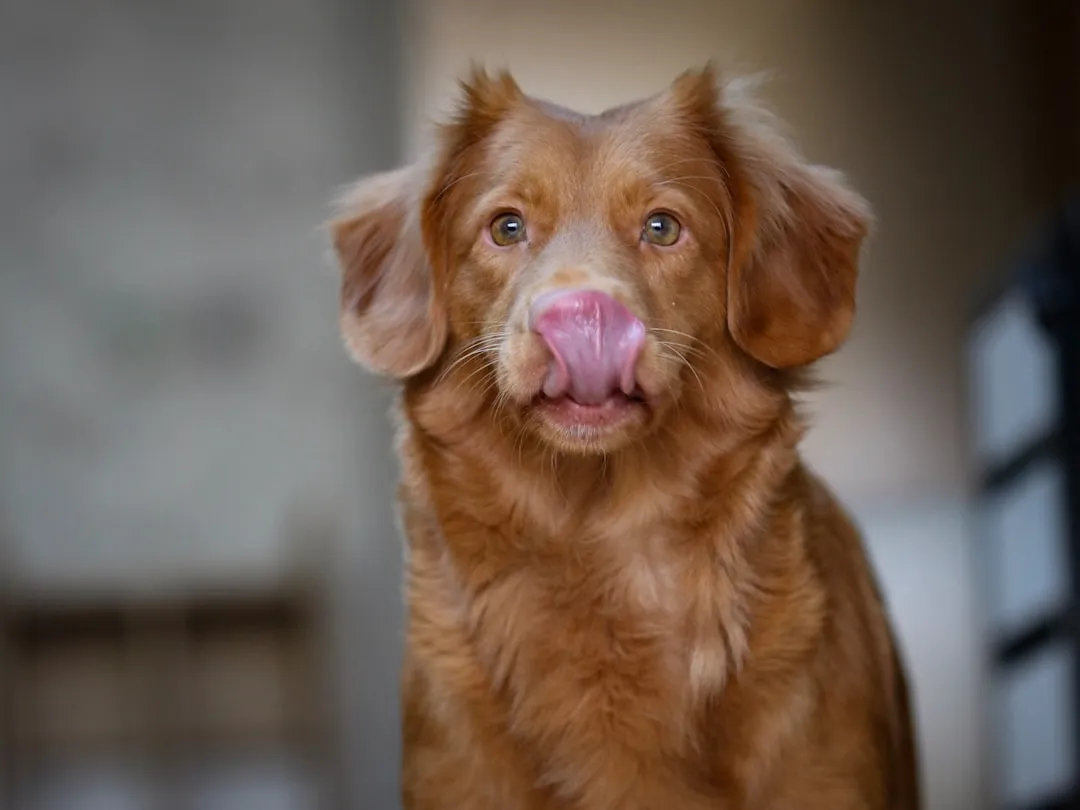
A little tongue flick over the nose looks almost comical, like a dog savoring a memory of dinner. But when there’s no food anywhere nearby and the licking keeps happening, it’s usually not habit. It’s your dog trying to calm a stomach that’s churning, or a body that’s aching somewhere you can’t see.
This self-soothing behavior tends to spike alongside nausea, gastrointestinal trouble, and arthritis flare-ups. Owners write it off as a weird tic because it seems too small to matter. In reality, it’s often the first flicker of a much bigger problem quietly building underneath.
#11 – Pacing That Never Actually Goes Anywhere

A dog wandering from room to room looks like restless energy, maybe even boredom that a longer walk could fix. But this kind of pacing has a tell: it loops. There’s no destination, no sniffing, no purpose, just movement for the sake of movement, especially at night.
In senior dogs, this is one of the clearest signs of pain or cognitive decline, yet it gets waved off as “just getting old.” That dismissal costs time. Arthritis and urinary discomfort are both treatable, but only if someone bothers to ask why the dog can’t seem to settle.
#10 – The Sleep Schedule That Suddenly Falls Apart

A dog that keeps waking up, switching sleeping spots, or pacing at 3 a.m. seems like it just has an odd internal clock. What’s actually happening more often is pain that gets worse the moment the dog lies still, or a mind that’s starting to slip with age.
This is one of the single most missed pain signals in dogs, according to vets who see it repeatedly dismissed as a personality quirk. A dog who can’t get comfortable lying down is telling you something about their joints, their organs, or their nervous system. Catching it early is often the difference between a quick fix and a much harder road.
#9 – The Sudden Shadow Who Won’t Leave Your Side

It feels flattering when your once-independent dog suddenly won’t let you out of their sight. Most people take it as a sign of deep love, and honestly, it’s easy to see why. But a dramatic shift from independence to velcro behavior is frequently a dog reaching out for reassurance because something feels wrong.
Dental pain, anxiety, and hidden discomfort all show up disguised as clinginess. The dog isn’t just seeking affection, they’re seeking safety, because they can no longer manage whatever they’re feeling on their own. That shift in behavior deserves a closer look, not just a warm heart.
#8 – The Walk That Ends Too Soon
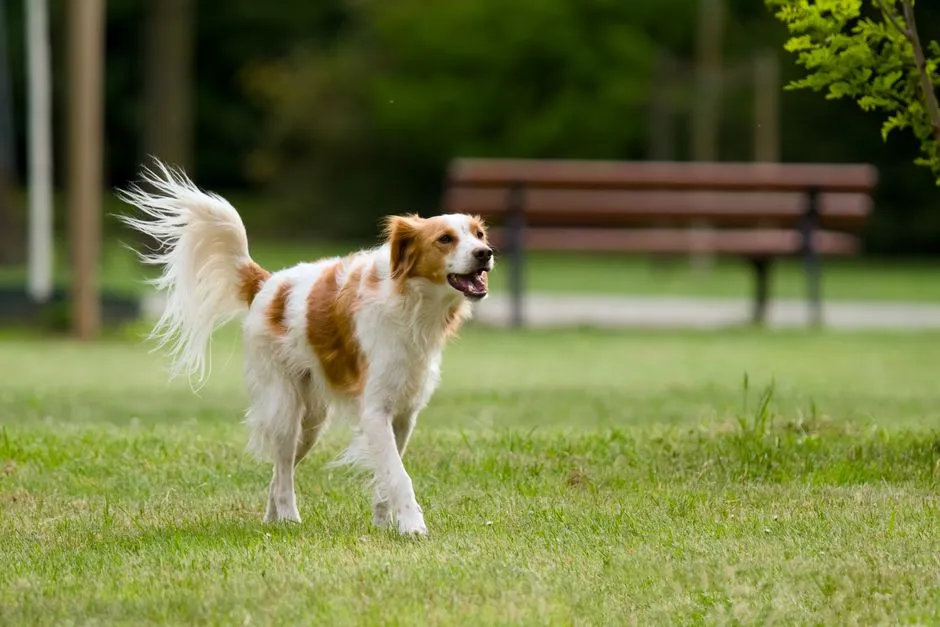
A dog that turns back early or drags their feet on a walk looks like they’ve simply had their fun. It’s an easy story to believe, especially if the dog still seems happy at home. But shortened walks and sudden reluctance rank among the most overlooked signs of joint pain, fatigue, or illness.
Dogs are experts at hiding mobility problems until they can’t anymore, which means the early stages look a lot like preference. What seems like your dog simply losing interest in the walk might actually be your dog quietly telling you every step hurts.
#7 – The Grooming That Never Seems to Stop
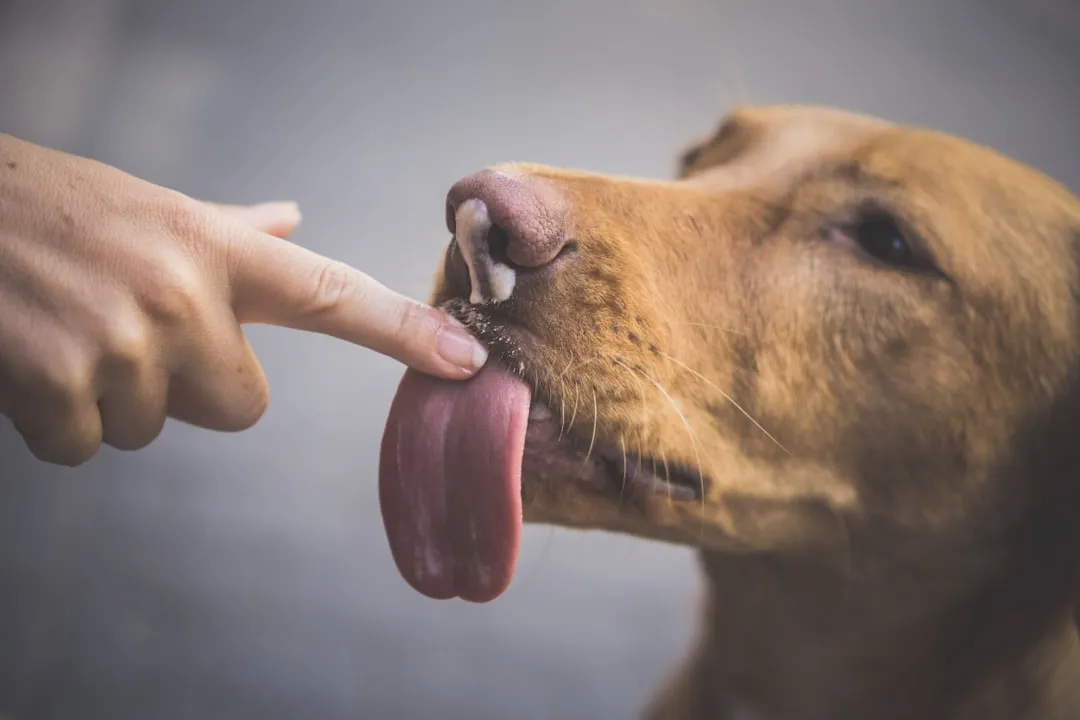
Nonstop licking or grooming looks like a clean, well-kept dog taking care of business. But when it’s fixated on one spot, especially with no visible irritation, it’s rarely about hygiene. It’s far more often a sign of allergies, joint pain, or anxiety spilling out as a compulsive habit.
Owners usually don’t catch it until a bald patch appears or the skin gets infected. By then, what started as a quiet cry for help has turned into a physical wound. The early warning was there long before the damage became visible.
Quick Compare
- Normal grooming: brief, spread across the body, and stops on its own.
- Compulsive licking: fixed on one spot, repeated daily, hard to interrupt.
- Normal grooming: coat and skin stay healthy underneath.
- Compulsive licking: often leads to bald patches, redness, or open sores.
#6 – The Picky Eater Who Wasn’t Always Picky
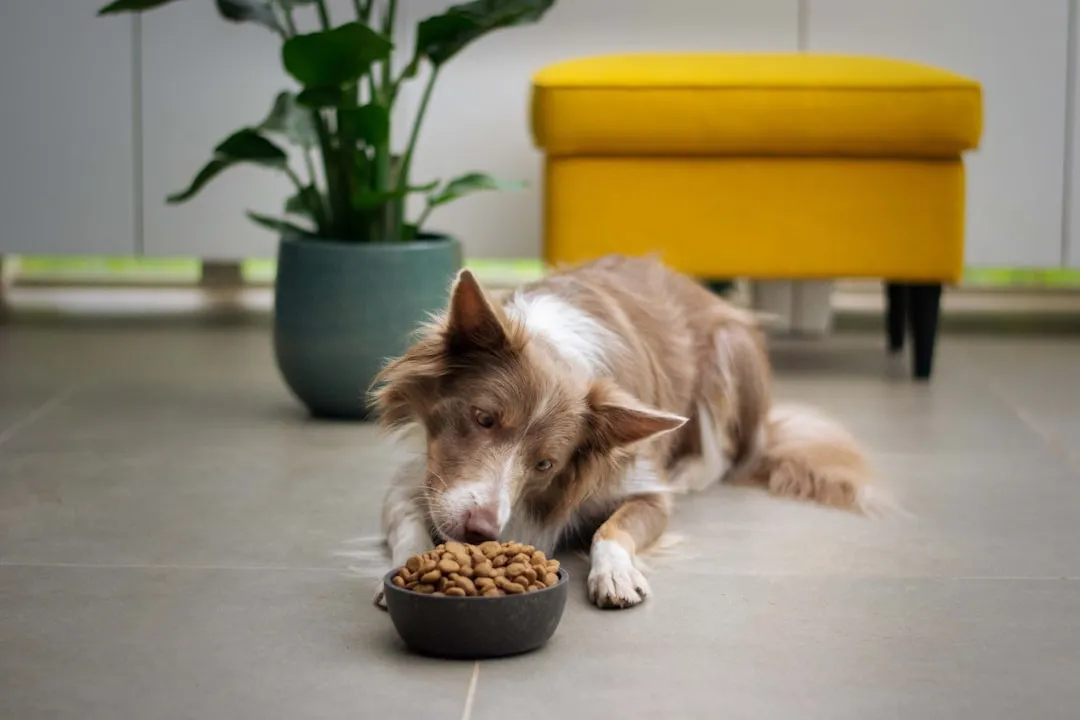
A dog that suddenly eats slower or leaves food in the bowl gets labeled fussy, as if they’ve simply developed opinions about kibble. In truth, sudden changes in appetite are one of the clearest early warnings of dental pain, nausea, or stress, not preference.
Vets are blunt about this one: rule out a medical cause before blaming mood. Dogs mask discomfort so well that changes in eating are often the first visible crack, showing up well before anything looks obviously wrong.
#5 – The Whining That Gets Mistaken for Attention-Seeking
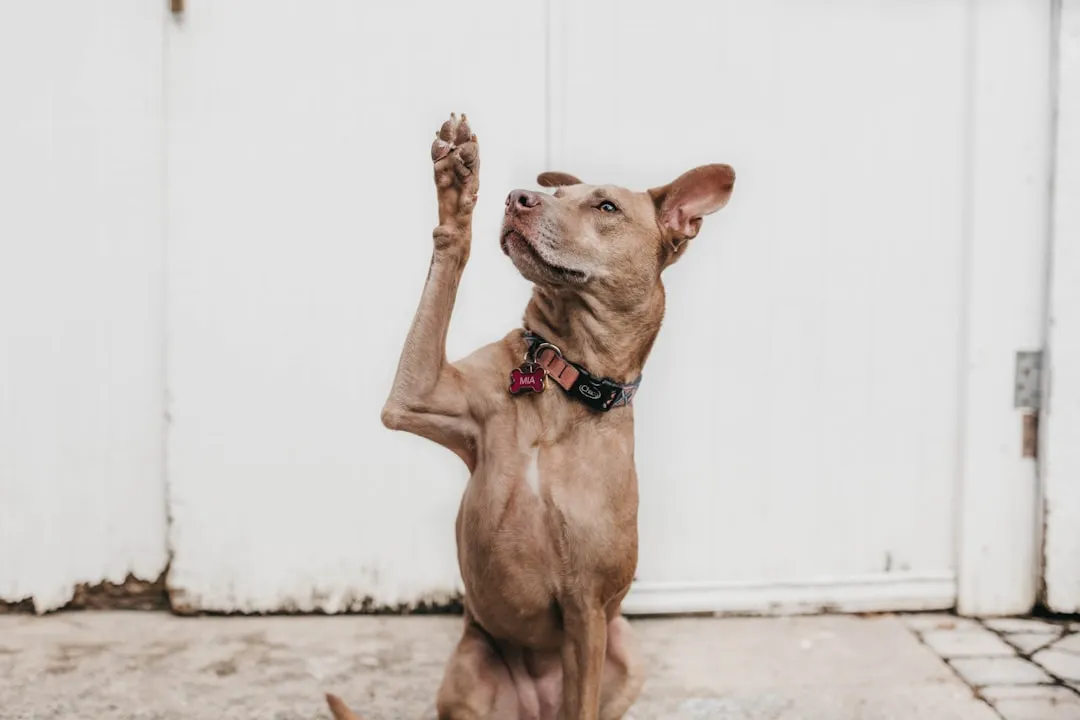
Extra whining or soft, persistent barking gets read as a dog demanding attention, and sometimes it gets scolded for exactly that reason. But there’s a difference between excited noise and the low, insistent sound of a dog in discomfort, and context usually gives it away.
Urinary issues, anxiety, and pain all show up this way, disguised as neediness. Punishing the noise instead of investigating it means the actual problem just keeps building quietly in the background, unheard in the truest sense of the word.
#4 – The Sudden Need to Disappear
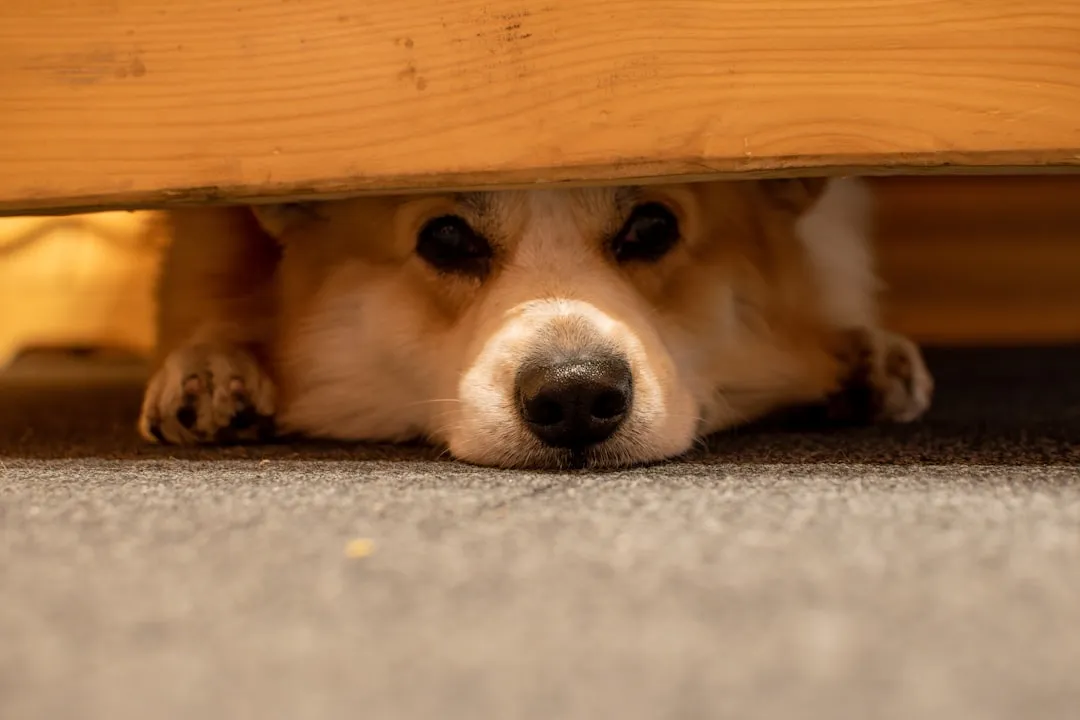
A dog that retreats to another room looks like they’re simply enjoying some alone time, the same way a person might want quiet after a long day. But when withdrawal shows up suddenly and out of character, it’s usually not about independence at all.
It’s a dog trying to escape pain or stress they can’t otherwise express. Because owners are taught to “respect the dog’s space,” this one slips by more than almost any other sign, even though the dog is actively asking to be noticed, not left alone.
#3 – The Heavy Panting With No Heat and No Exercise
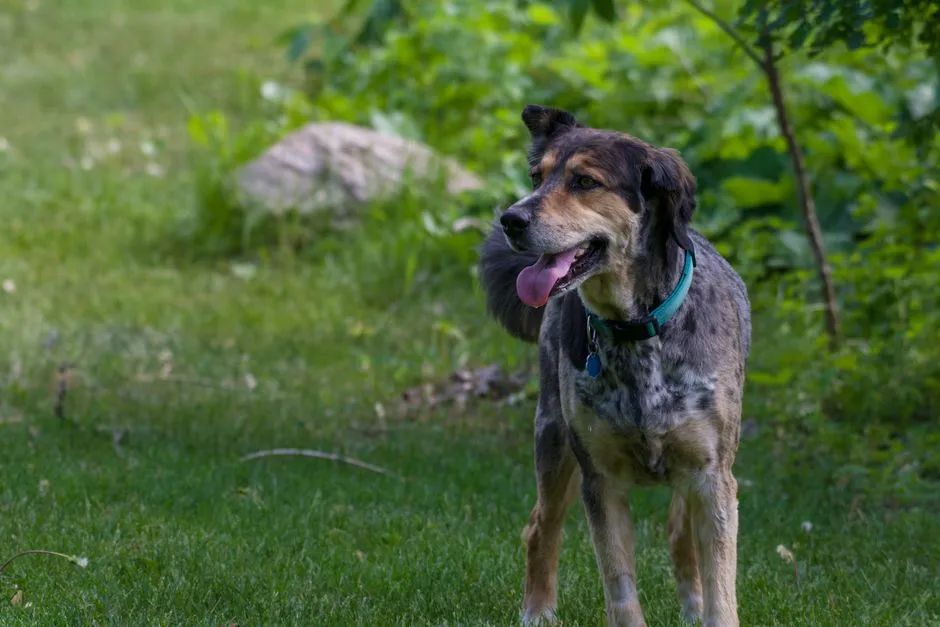
Panting at rest looks like leftover excitement from a good play session, easy to dismiss with a laugh. But when there’s no heat, no exercise, and no obvious trigger, heavy panting is frequently the body’s response to pain, anxiety, or even early heart trouble.
This is one of the signs vets say gets missed the most, largely because it looks so ordinary. By the time other symptoms show up alongside it, whatever caused the panting has usually had time to get worse.
#2 – The Hesitation Before Jumping or Standing Up
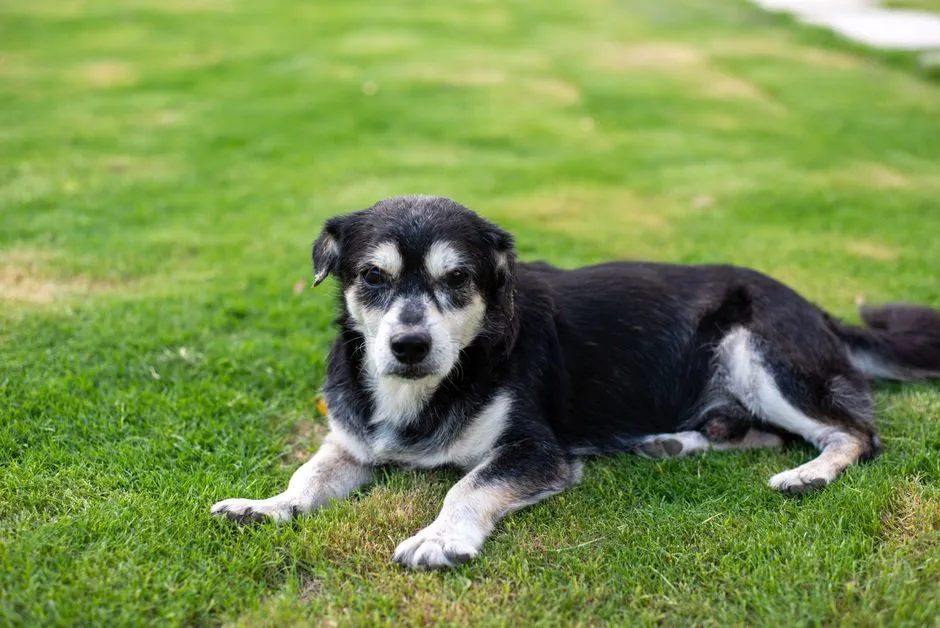
A dog that pauses before hopping onto the couch, or takes an extra beat to stand after a nap, looks like a small, harmless quirk of getting older. Most owners shrug it off with an affectionate “okay, grandpa” and move on with their day.
But that hesitation is frequently arthritis or injury announcing itself long before an actual limp appears. Subtle stiffness and reluctance to jump are among the most common pain signals owners miss entirely, mostly because a dog getting a little slower doesn’t look like an emergency. It just looks like age.
Worth Knowing
- Arthritis affects a large share of senior dogs, though many cases go undiagnosed until they’re advanced.
- Large and giant breeds tend to show joint stiffness earlier than small breeds.
- Cold, damp weather often makes hesitation and stiffness more noticeable.
- Catching joint pain early usually means simpler, less invasive treatment.
#1 – The Micro-Expressions Hiding in Plain Sight
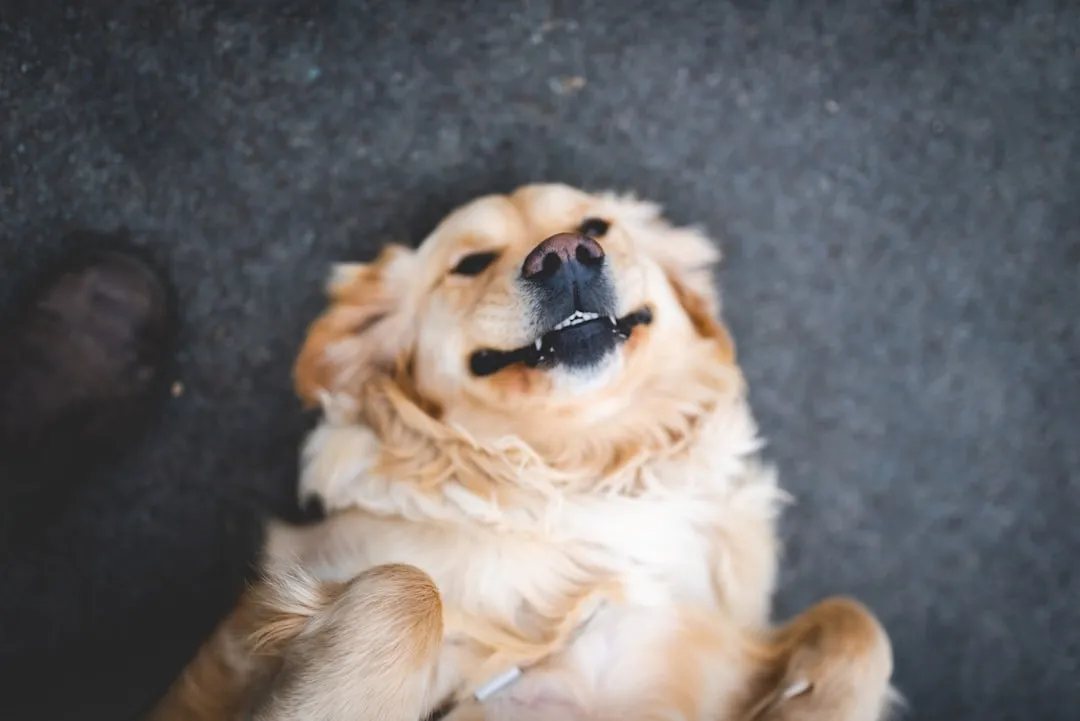
Ears pinned slightly back. Eyes a touch too wide, showing more white than usual. On their own, these look like nothing more than normal alertness, the kind of expression a dog makes a hundred times a day. That’s exactly why this sign tops the list.
When these tiny facial shifts become constant rather than occasional, they’re one of the clearest tells vets rely on to spot stress or pain in a dog who otherwise looks completely fine. It’s the hardest signal for an owner to catch, and the most honest one a dog has to give.
The Bottom Line
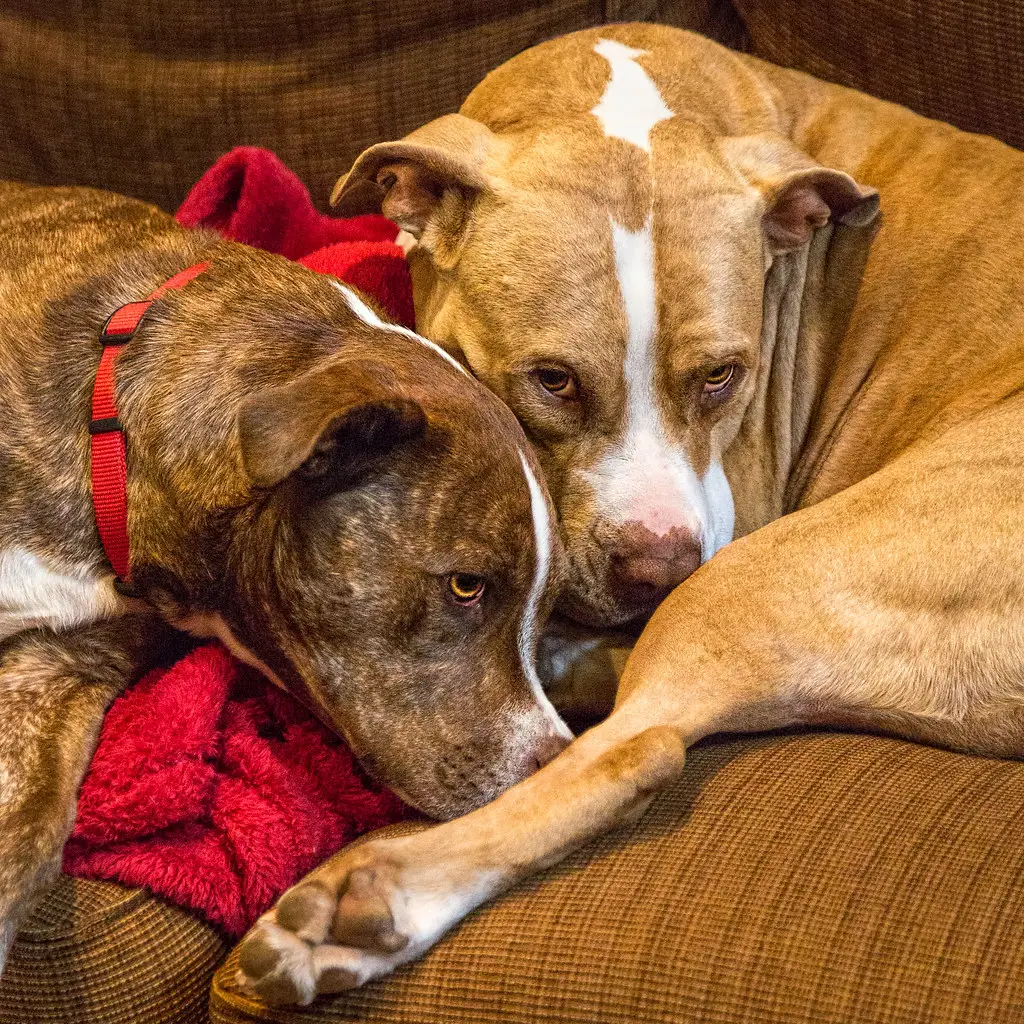
Dogs don’t fake being okay because they’re being difficult. They do it because somewhere in their instincts, looking fine still means staying safe. That’s what makes this list so uncomfortable: almost every behavior on it looks sweet, funny, or completely unremarkable on the surface.
I’ll say the quiet part out loud: “normal” is not the same thing as “fine,” and treating them as interchangeable is how small problems turn into emergency vet bills. If even two or three of these sound like your dog, that’s not a coincidence, and it’s not something to wait out. Pay attention to the quiet stuff. It’s usually the loudest warning your dog knows how to give.
At a Glance
- Track patterns, not single moments – repeated signals matter most.
- Sudden changes in appetite, sleep, or energy deserve a vet check.
- Subtle signs like lip licking or hesitation often appear months before obvious symptoms.
- When in doubt, a short vet visit is cheaper and easier than a late diagnosis.
