
Ask most people how to find a quiet dog and they’ll tell you to pick one that barely barks. That’s the wrong question, and it’s why so many “quiet” dogs turn into a very loud surprise. The better question is which dogs actually settle, lounge and leave your living room standing.
The answers on this list are not what you’d expect. They include giants that outweigh most adults, retired racers who treat the sofa like a full-time job, and one breed that technically can’t bark. But a few popular “quiet” favorites come with a catch nobody mentions at the pet store, from nighttime snoring that fills a bedroom to health bills that stun first-time owners. Count down with us from #13, because the dog at the top isn’t the one its reputation suggests.
#13 – Shih Tzu: The Palace Dog That Never Left
🔥 Would you like to save this?
We'll email this post to you, so you can come back to it later!
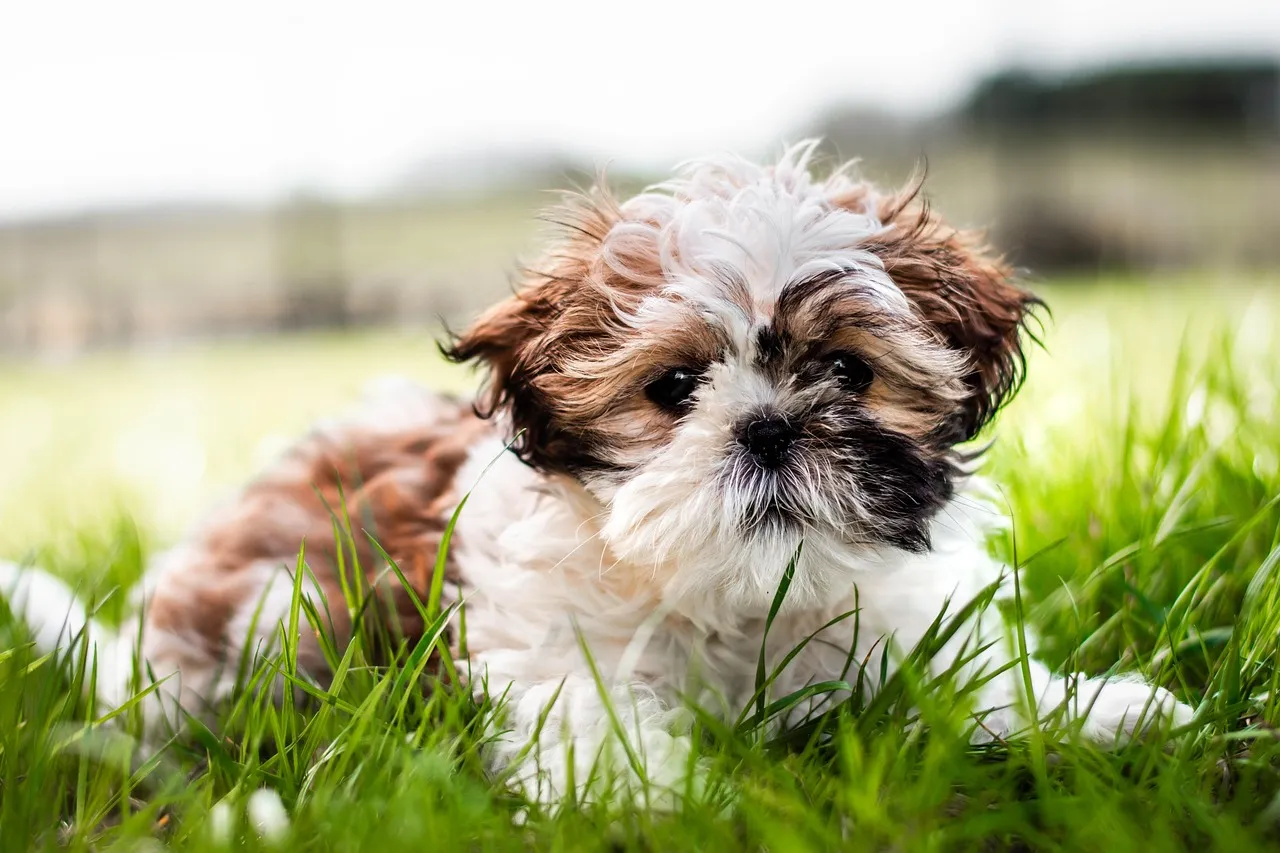
The Shih Tzu was bred to sit quietly in an imperial palace, and it still does.
The name means “lion” in Chinese, which is a bold title for a dog that rarely tops 16 pounds. These dogs were companions to Chinese royalty, not guards or hunters. Their entire job was keeping someone company, and that history shows up in a mellow, people-focused temperament.
Genetic studies group the Shih Tzu among the oldest breed lineages in the world. That makes this tiny lapdog more ancient than many working breeds with far tougher reputations.
They aren’t silent. Expect an alert bark at a doorbell or a delivery truck. But most don’t keep it up, and they’re happy with short walks and a little indoor play.
- Typical size: roughly 9–16 pounds
- Energy: low to moderate
- Catch: the long coat needs daily brushing, or a trimmed “puppy cut”
Their flat faces also mean they overheat more easily than longer-nosed dogs. Keep summer walks short and shaded.
But the next breed makes a very different promise about quiet, and the fine print matters…
#12 – French Bulldog: Quiet Mouth, Noisy Nose
🔥 Would you like to save this?
We'll email this post to you, so you can come back to it later!
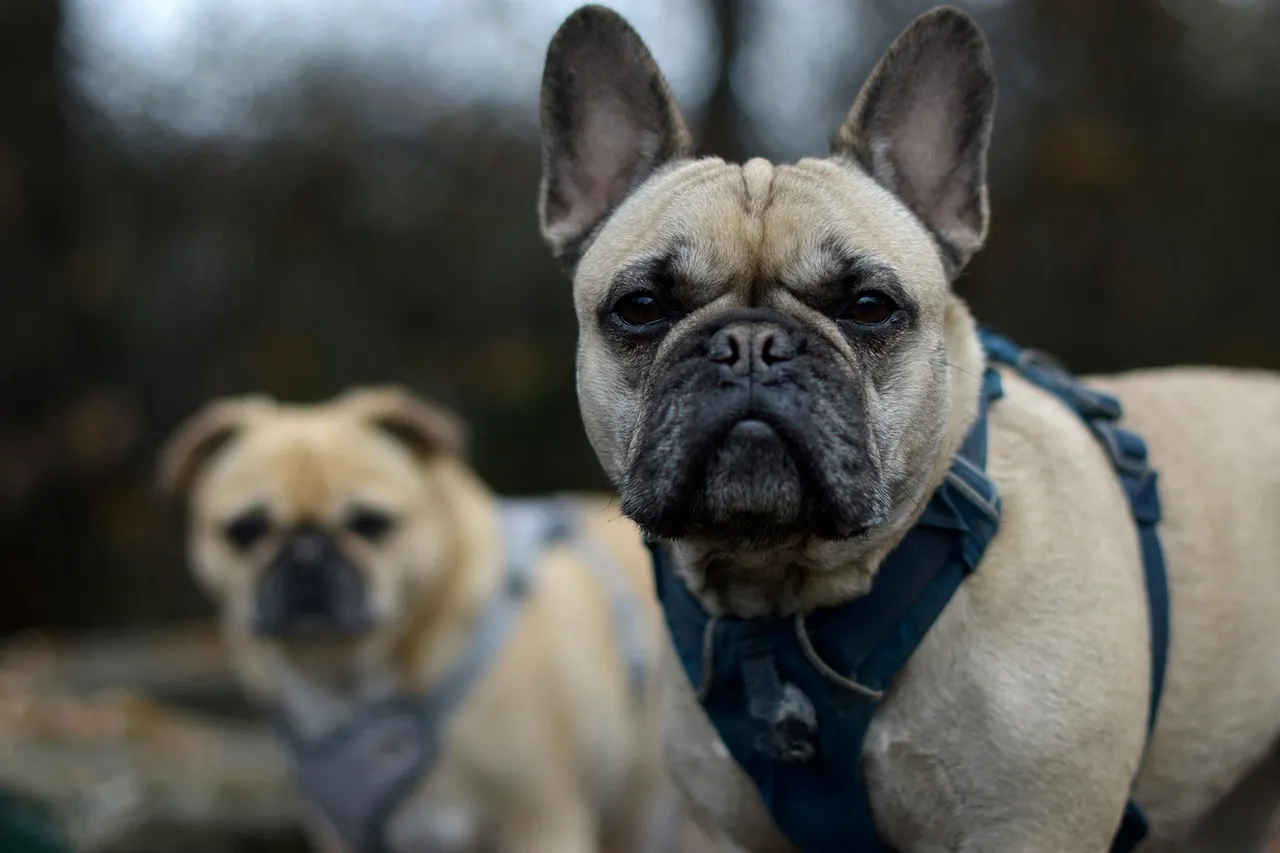
The Frenchie rarely barks, but that doesn’t make it silent.
French Bulldogs knocked the Labrador off the top of the AKC popularity rankings in 2022, ending a run of more than three decades. Part of the appeal is a low-key personality and a small frame that suits apartments. They tend to be sociable and not especially vocal.
Here’s the truth the glossy photos skip. Flat-faced breeds often snore, snort and wheeze, sometimes loudly. A dog that never barks can still keep a light sleeper awake all night.
That noise can also signal brachycephalic airway syndrome, a breathing problem common in short-nosed breeds. Heat and exercise make it worse, so a “calm” Frenchie may simply be a dog that can’t safely do much.
If you want one, ask about airway health before you ask about color. The quiet you’re paying for should be real.
Worth Knowing
- Size: the breed standard keeps adults under 28 pounds, which is why they fit small spaces so easily
- Night noise: snoring and snorting are common, so think about where the dog will sleep
- Heat rule: skip midday walks and keep a cool room available in summer
- Buyer questions: ask about the parents’ breathing, exercise tolerance and nostril shape
And if you want elegance without the wheeze, the next breed is a much better bet…
#11 – Italian Greyhound: The Miniature Sprinter Who Prefers Your Lap
🔥 Would you like to save this?
We'll email this post to you, so you can come back to it later!
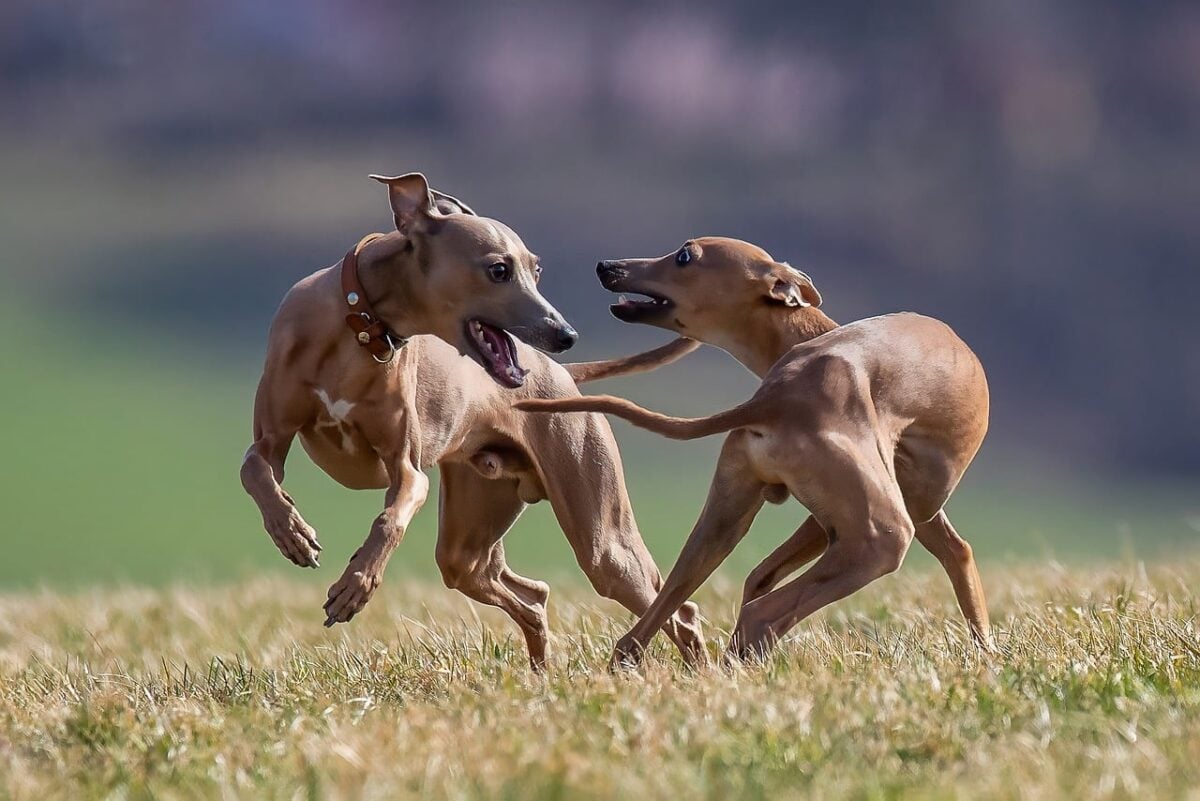
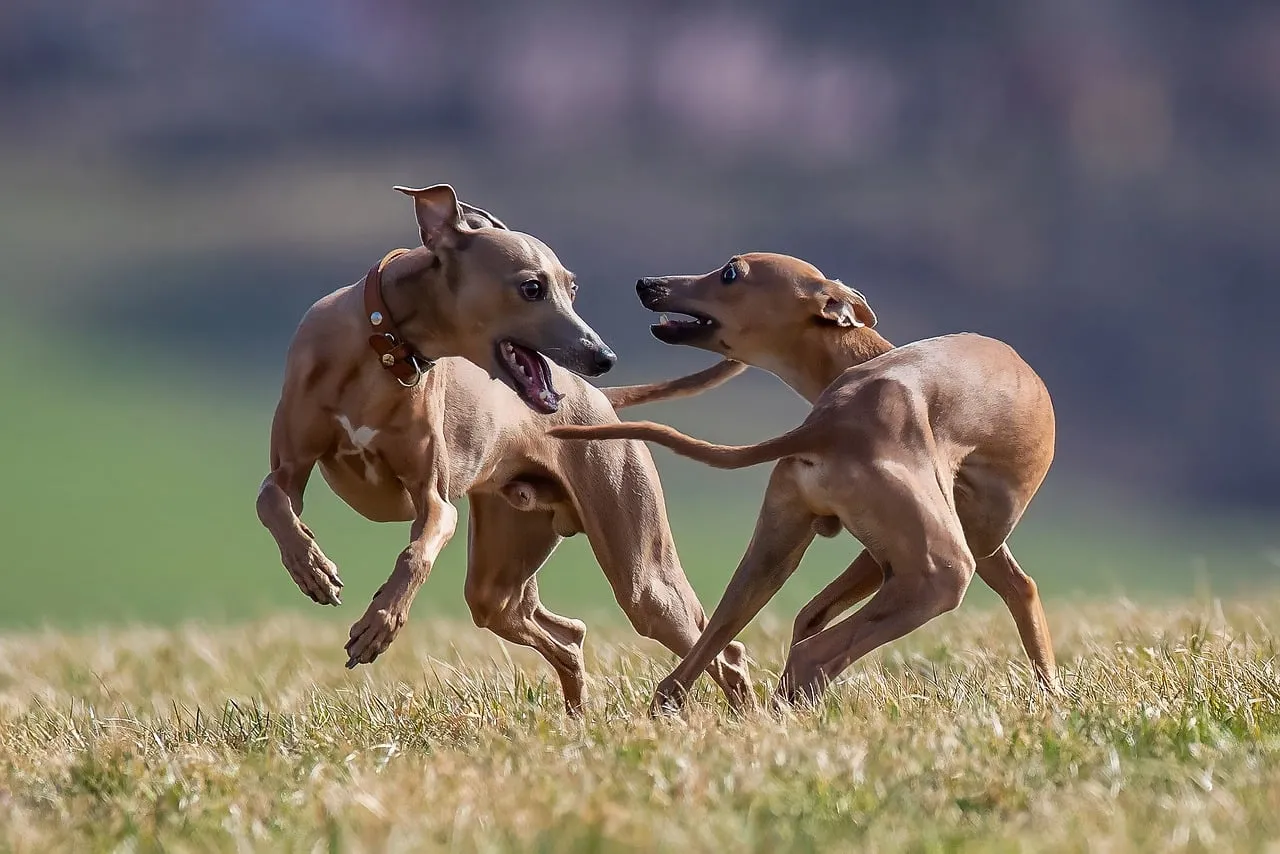
The Italian Greyhound is a true sighthound packed into a body under about 15 pounds.
Sighthounds, as a group, tend to be quiet and calm indoors, and the Italian Greyhound keeps that trait in miniature. It’s happiest curled in a blanket or burrowed under your sweater.
It’s also one of the most heat-seeking dogs you’ll ever meet. Their thin coat and lean build mean many wear sweaters in cool weather. They will find the warmest spot in the house, and it’s usually yours.
They’re not flawless. Housetraining can be a long project, and some individuals are more vocal than their larger cousins. Their slender legs can also break after a bad jump off the couch.
- Best for: calm adults who like a shadow
- Watch for: fragile legs, cold sensitivity, slow housetraining
- Exercise: short sprints and daily walks
Next up is a small dog with a surprisingly feline streak…
#10 – Japanese Chin: The Cat That Happens to Be a Dog
🔥 Would you like to save this?
We'll email this post to you, so you can come back to it later!
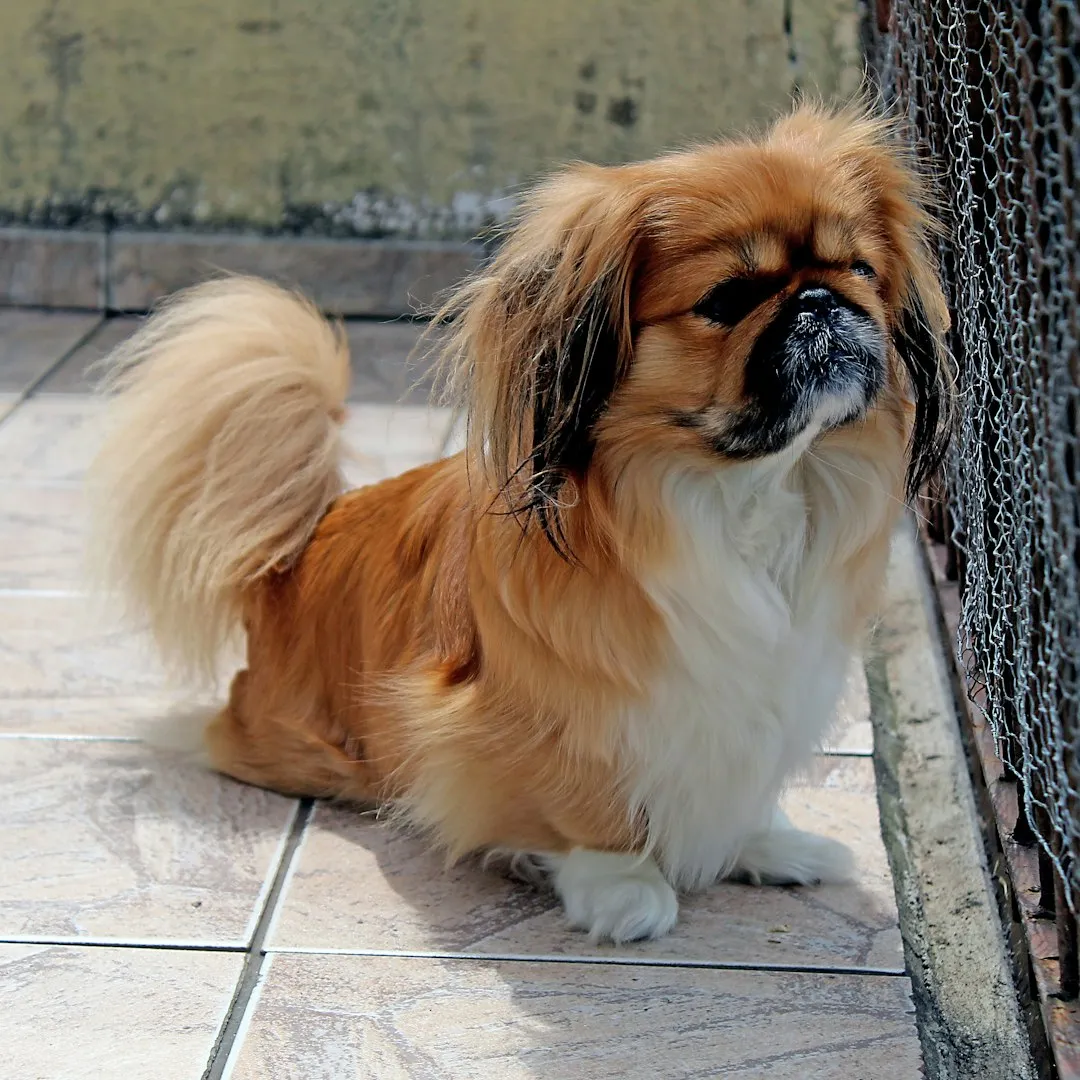
The Japanese Chin is often described as catlike, and the comparison is fair.
Chins were companions to Japanese nobility for centuries. They tend to be gentle and observant, and many prefer perching on furniture to playing rough. Plenty of them wash their faces with a paw, much like a cat.
They’re usually soft-spoken, though a Chin may offer the occasional comment when something interests it. Most weigh under about 11 pounds and need very little room.
Their calm comes with a trade-off. Chins tend to bond tightly with their person and may fret when left alone for long stretches. Few people expect a serene dog to be this clingy.
If your household is gentle and someone is home often, this one fits beautifully. If your schedule is chaotic, think twice.
Next up: a breed that weighs as much as a grown adult yet barely makes a sound…
#9 – Newfoundland: The Gentle Giant With a Lifeguard’s Instinct
🔥 Would you like to save this?
We'll email this post to you, so you can come back to it later!
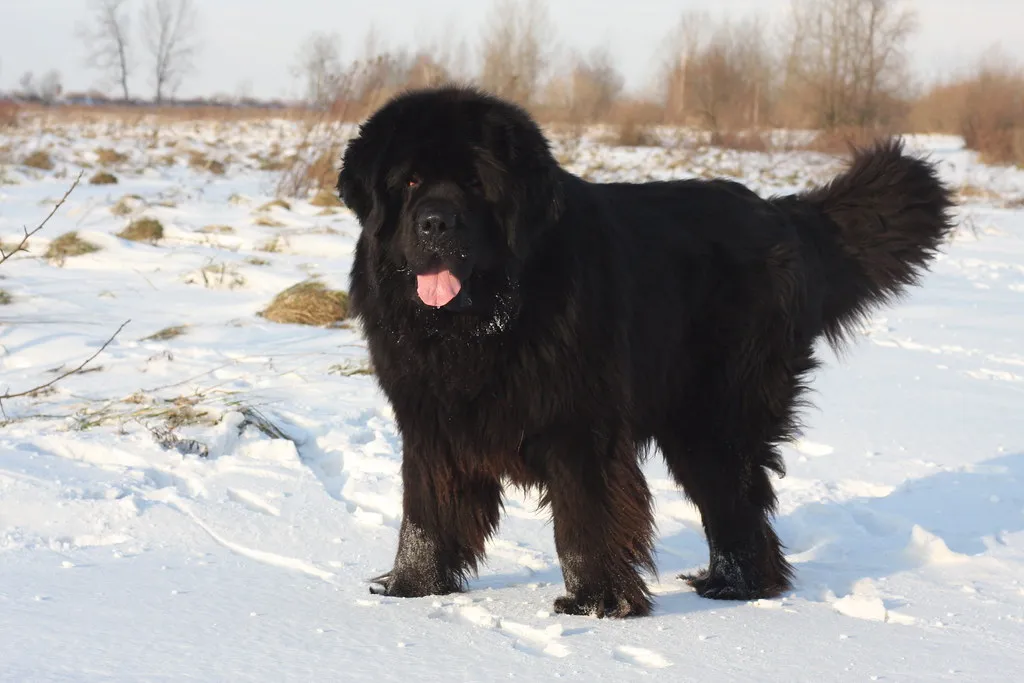
The Newfoundland was bred to haul fishing nets and rescue people from cold water.
That job produced a patient, steady temperament. Newfs are known for a soft, gentle manner with family, and many adults are calm indoors. Barking is generally not their signature.
They have webbed feet and a thick, water-resistant double coat. Those features made them superb water-rescue dogs, and they still love anything wet, including your kitchen floor after a drink.
The “quiet” here is the quiet of a very large, very relaxed animal. Adults commonly weigh well over 100 pounds.
Be realistic about the rest. They drool, shed heavily and need regular brushing. They also need space and a cool room.
If you can handle the mess, you get one of the calmest big dogs around. The next breed was built for something very different…
#8 – Bullmastiff: The Silent Guardian
🔥 Would you like to save this?
We'll email this post to you, so you can come back to it later!
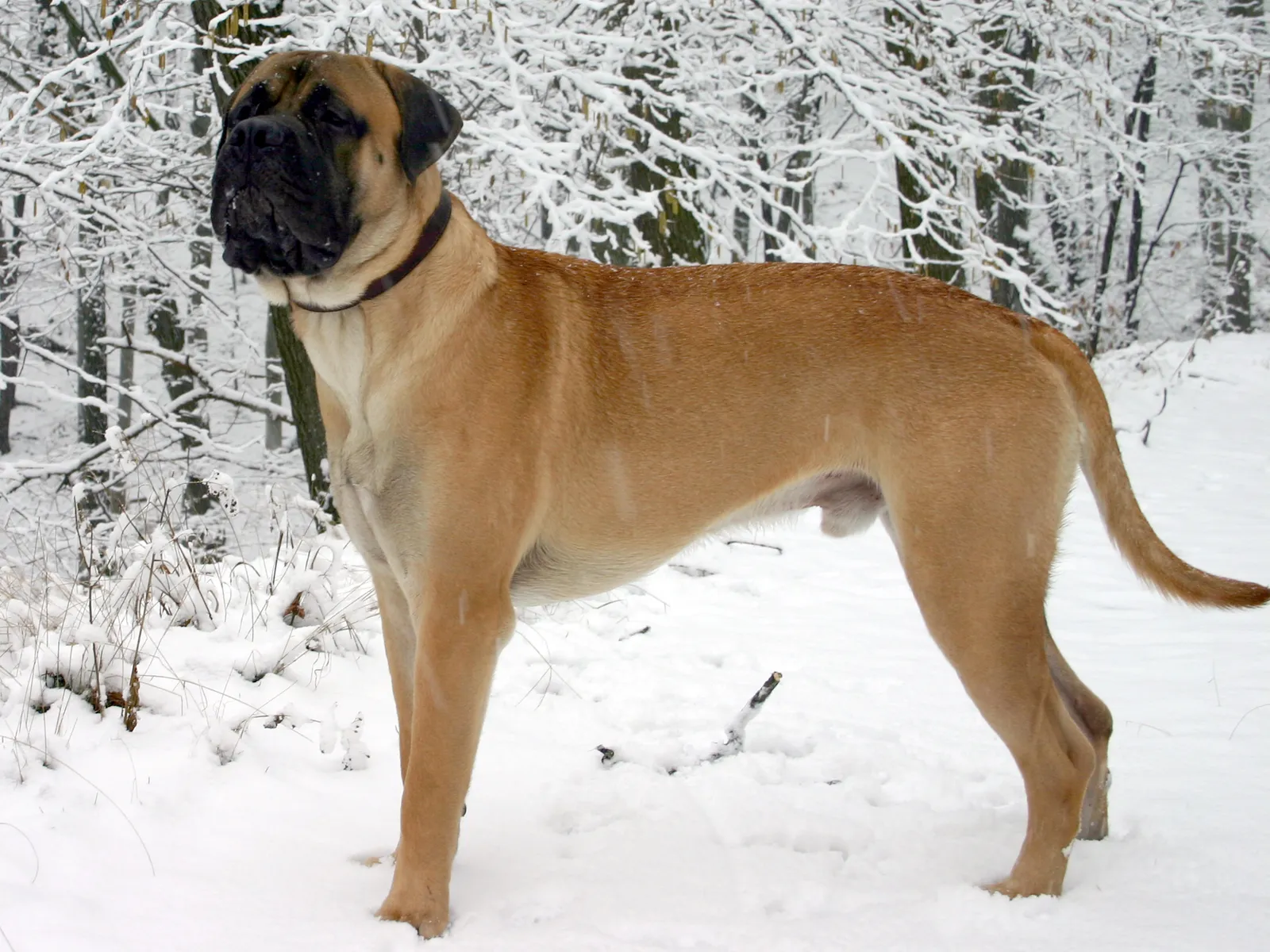
The Bullmastiff was developed to stop poachers without making a fuss.
English gamekeepers reportedly wanted a dog that would pin an intruder quietly rather than bark and chase. That purpose shaped the breed. Many Bullmastiffs are watchful and reserved, and they don’t bark without a reason.
Most people don’t realize how sedentary they can be at home. Adults often spend much of the day lounging, despite weighing roughly 100 pounds or more. Moderate daily walks usually satisfy them.
Their size demands respect. A strong, confident dog needs early socialization and consistent training, so this isn’t a great pick for first-time owners who can’t manage a powerful animal.
- Noise level: low barking, but expect snoring and drooling
- Lifespan: shorter than most breeds, commonly 7–9 years
- Best for: experienced owners with room
That short lifespan is an honest drawback of many giant breeds. The next one shares it, and it’s the giant people ask about most…
#7 – Great Dane: The Apartment Dog Nobody Believes In
🔥 Would you like to save this?
We'll email this post to you, so you can come back to it later!
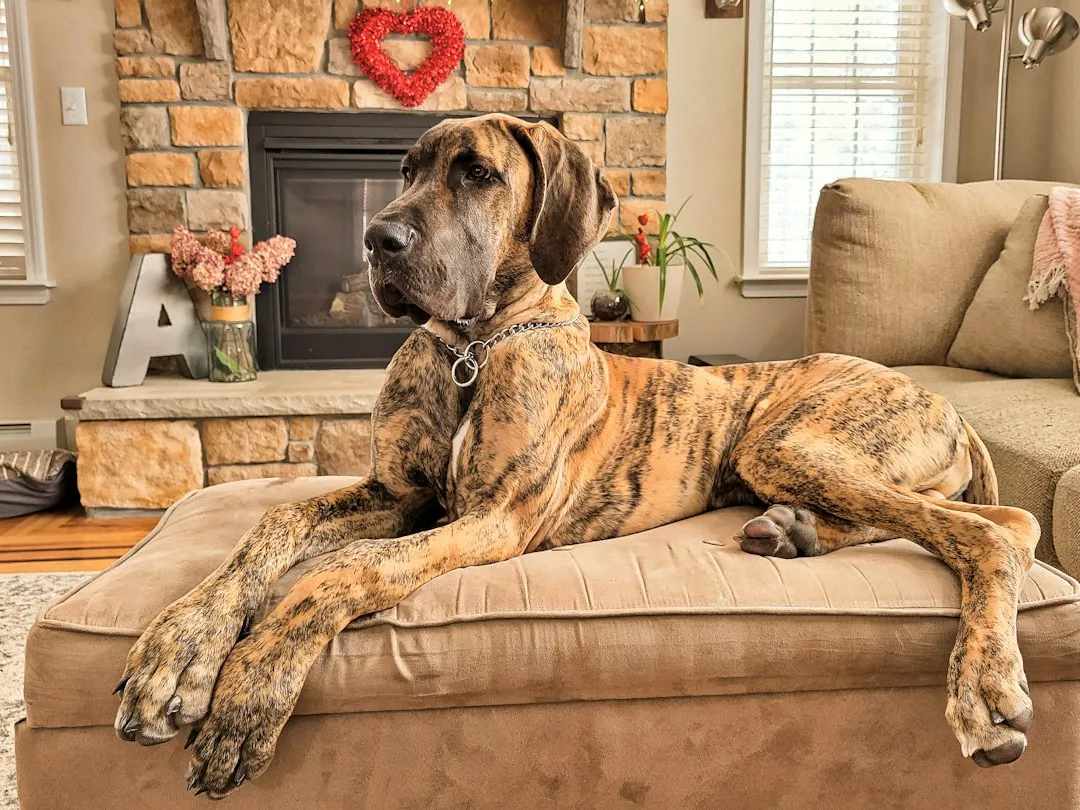
The Great Dane is huge, but it’s a surprisingly good fit for calm homes.
Danes often spend their days sprawled across a sofa, and they take up more of it than you’d think. Many are mellow, affectionate and unbothered by small disruptions. A well-exercised adult is usually less hyper than a young Labrador.
Here’s the part people get wrong. A Dane’s biggest risks aren’t noise, they’re health: bloat and a short lifespan. Gastric dilatation-volvulus, a life-threatening stomach twist, is a recognized concern in deep-chested breeds. Many Danes live only about 7–10 years.
Honestly, a Dane in a small apartment is a stretch, no matter how calm the dog. Counter space, doorways and car trunks all become negotiations.
Fast Facts
- Origin: Germany, despite the name
- Height: the breed standard calls for at least 30 inches at the shoulder for males and 28 for females
- Weight: commonly somewhere around 110–175 pounds
- Lifespan: often about 7–10 years
If you have room and a strong budget for food and vet care, few dogs are more peaceful. The next giant is even taller…
#6 – Irish Wolfhound: The Tallest Dog That Whispers
🔥 Would you like to save this?
We'll email this post to you, so you can come back to it later!
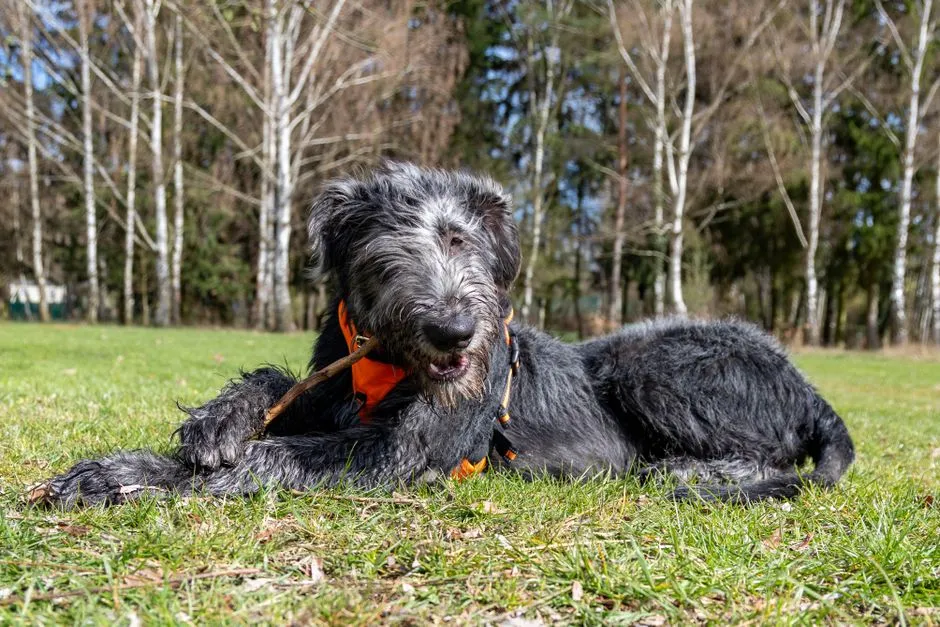
The Irish Wolfhound is the tallest of the AKC-recognized breeds, yet it’s among the gentlest.
Wolfhounds were once used to hunt wolves and large game. Today they’re typically calm, dignified and quiet in the house. They aren’t generally yappy and tend to observe more than they react.
The heartbreak is how short their time with you tends to be. Their lifespans are often only 6–8 years. Heart disease and bone cancer are known concerns in the breed.
Their prey drive can also surprise owners. A wolfhound that’s a sleepy statue indoors may still take off after a squirrel outside, so a fenced yard and a leash are essential.
- Strength: calm, gentle, quiet
- Weakness: short life, heavy health costs
- Needs: space and secure fencing
Quiet-dog seekers, take note: the next breed comes straight out of Russian aristocracy…
#5 – Borzoi: The Silent Aristocrat
🔥 Would you like to save this?
We'll email this post to you, so you can come back to it later!
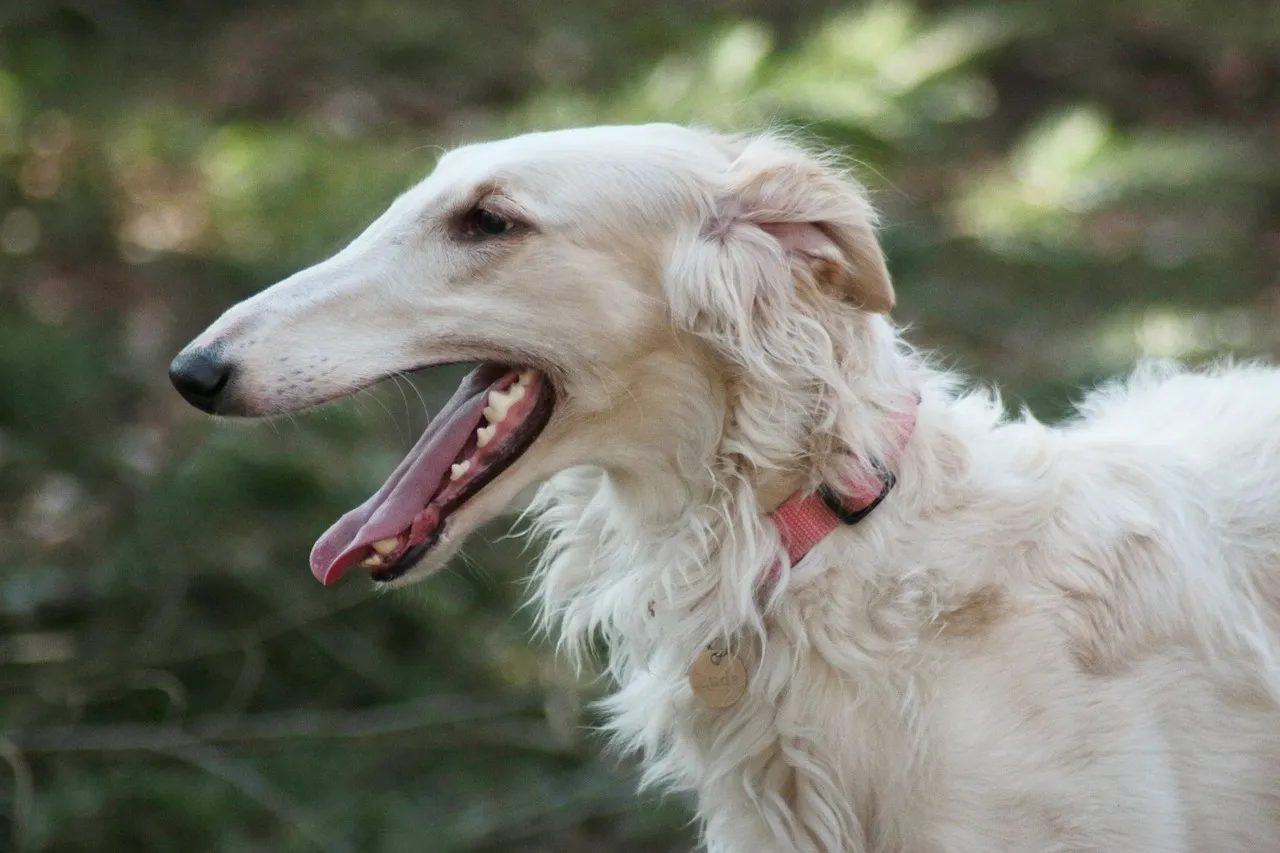
The Borzoi was bred to chase wolves across open Russian land, yet it’s a famously quiet housemate.
Borzoi are elegant sighthounds with long, silky coats. Indoors, they often behave like a calm, cat-like presence. Many rarely bark and spend hours stretched out like a sculpture.
They can outpace most dogs over short distances, but you’d never guess it from their lounging. Their bursts of energy are brief and intense, then it’s right back to the rug.
Independence is part of the package. Borzoi can be reserved with strangers and aren’t eager to please like a retriever, so training should be patient and gentle.
Their prey drive is real. A Borzoi should never be trusted off-leash in unfenced areas, since a rabbit or small pet may trigger a chase.
- Grooming: regular brushing for the long coat
- Size: large, commonly about 26 inches or more at the shoulder
- Best for: calm homes with a fenced yard
Smaller, softer and a lot more fragile: the next breed is sweet, but it has a secret…
#4 – Cavalier King Charles Spaniel: Sweet, Soft and Needing Careful Breeding
🔥 Would you like to save this?
We'll email this post to you, so you can come back to it later!
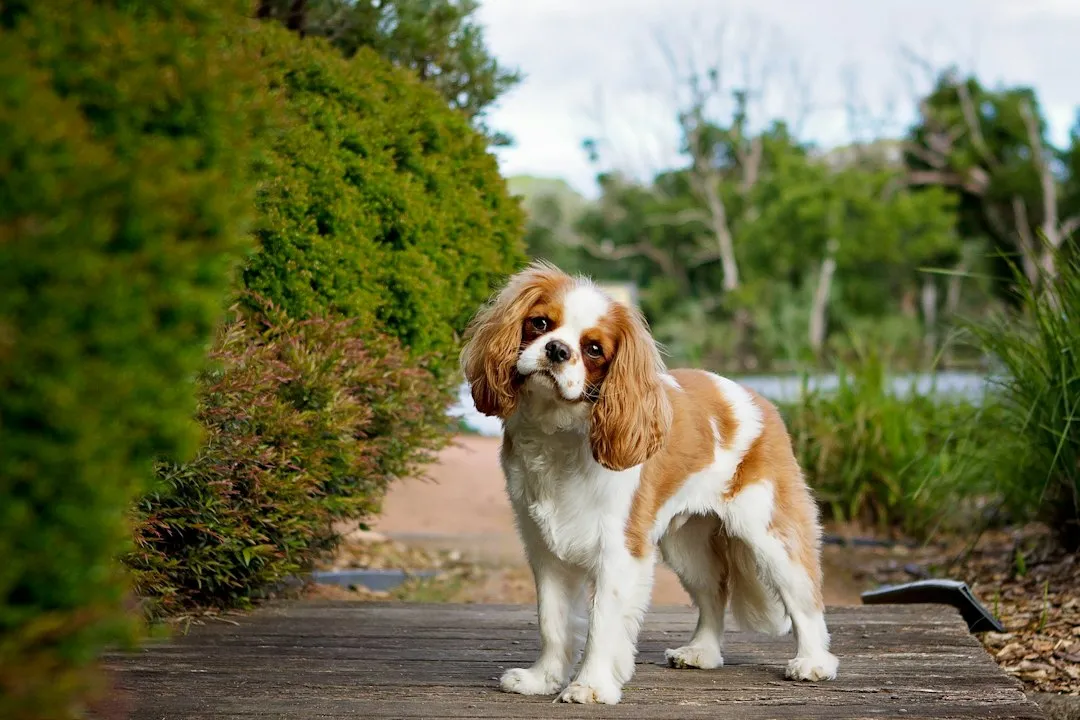
The Cavalier is one of the gentlest small dogs, but its health history isn’t gentle at all.
Cavaliers are friendly, adaptable and generally mild-mannered. They’re not known as heavy barkers, and many are happiest on a lap. They suit quiet households that want a cuddly companion.
Breed experts are blunt about the downside. Mitral valve disease is extremely common in the breed, often appearing earlier than in most other dogs. Syringomyelia, a neurological condition, is another concern.
My opinion? Buying a Cavalier from a seller who skips health testing is the biggest mistake a gentle-dog lover can make. The breed deserves better.
They’re also deeply social and may struggle if left alone all day. Plan your schedule around that before you fall for the face.
Next, a breed that looks fast because it is…
#3 – Whippet: The 35-Mph Couch Potato
🔥 Would you like to save this?
We'll email this post to you, so you can come back to it later!
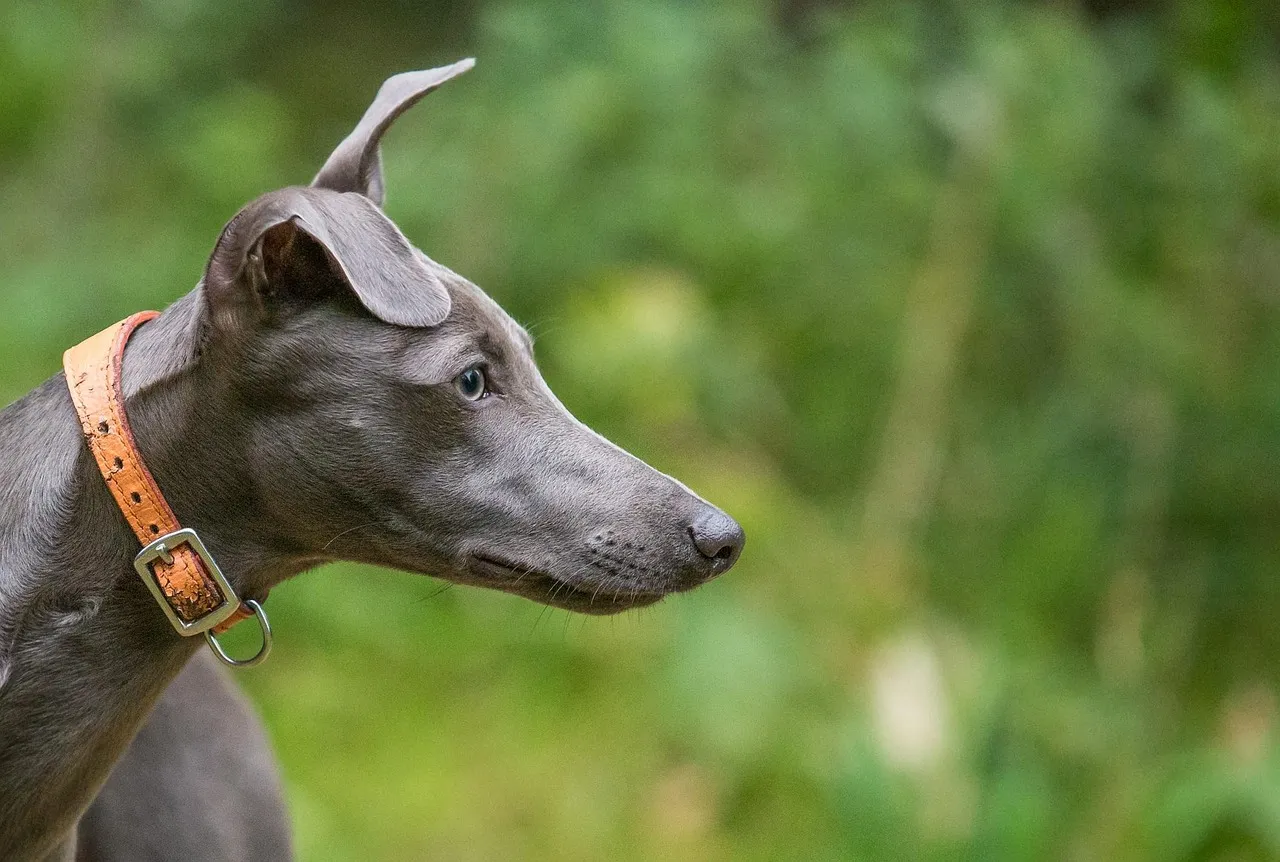
A Whippet can sprint around 35 miles per hour and then sleep for hours.
Nicknamed the “poor man’s racehorse,” the Whippet was bred for racing and rabbit-chasing. Yet at home it’s typically gentle, quiet and tidy. Many are happy to burrow under a blanket and stay there.
Their short coat means little grooming but low tolerance for cold. Don’t be surprised if your Whippet owns a bigger winter wardrobe than you do.
Whippets need a few good runs each week, ideally in a secure space. Without that, they can get restless. With it, they settle beautifully.
- Noise level: low
- Grooming: minimal
- Exercise: short sprints plus daily walks
They’re sensitive dogs, too. Harsh training backfires, and most respond far better to calm, positive methods.
Quick Compare: Sighthounds by Size
- Italian Greyhound: roughly 7–14 pounds, the pocket-sized option
- Whippet: about 25–40 pounds, the apartment-friendly middle
- Greyhound: around 60–70 pounds, the sofa-sprawling classic
- Borzoi: roughly 60–105 pounds, with the most coat to brush
If you want a quiet sighthound at a manageable size, this is the one. But the next breed breaks a rule you thought was unbreakable…
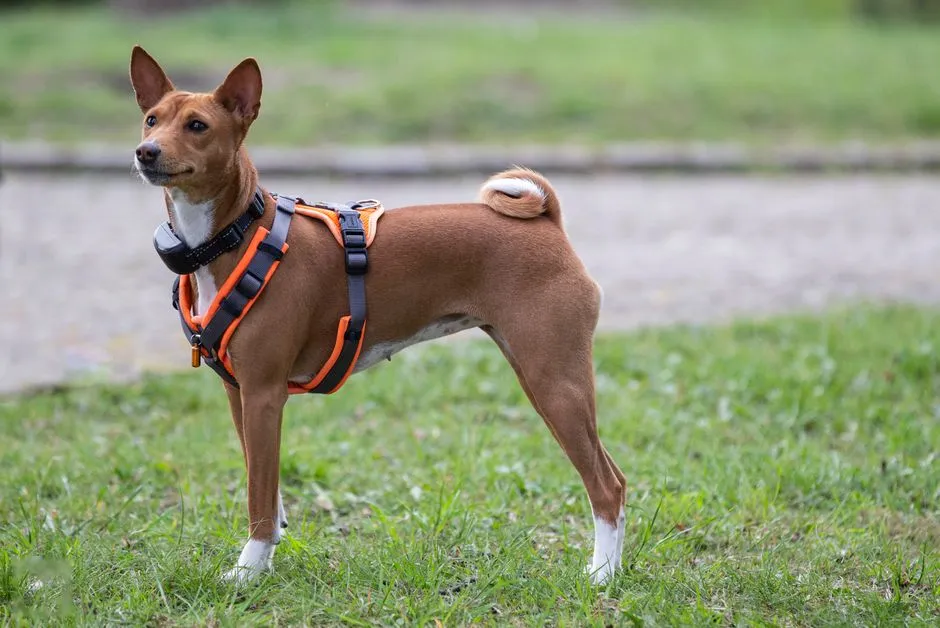
#2 – Basenji: The Dog That Doesn’t Bark (But Isn’t Silent)
🔥 Would you like to save this?
We'll email this post to you, so you can come back to it later!
The Basenji is famous as the “barkless dog,” and the truth is more interesting.
Originating in Central Africa, the Basenji doesn’t produce the typical dog bark. Instead, it makes a yodel-like sound, often called a “baroo,” plus the occasional scream or growl when annoyed.
Their unusual vocalizations are linked to the shape of their larynx. That’s why they’re quiet but not mute.
Here’s the catch. Basenjis are independent, curious and clever. They can be escape artists, and they need real exercise and mental stimulation.
They also groom themselves like cats, and many owners love the lack of doggy odor.
A Basenji isn’t an easy dog, but for the right owner it’s a rare combination. Still, one more breed beats it for emotional payoff…
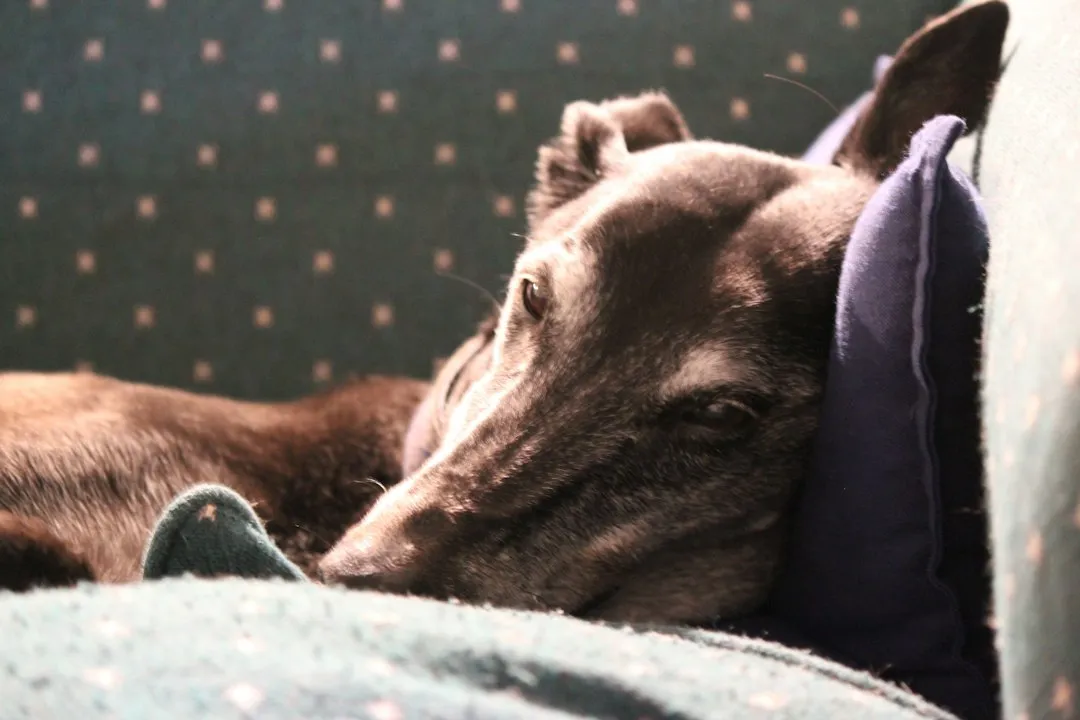
#1 – Greyhound: The Fastest Dog on Earth Is Also the Laziest
🔥 Would you like to save this?
We'll email this post to you, so you can come back to it later!
The Greyhound is a racing champion that actually prefers napping.
Greyhounds are among the fastest dogs, capable of speeds around 40 mph or more. Yet at home they’re typically calm, gentle and quiet. Many owners call them “couch potatoes,” and they mean it as a compliment.
Retired racing Greyhounds are widely adopted as pets, often after a life in kennels with little household experience. Most adapt well. Many learn stairs, sofas and glass doors from scratch, which is as sweet to watch as it sounds.
They need only moderate exercise, such as daily walks and an occasional sprint in a secure area. Their prey drive means they should stay leashed outside fenced spaces.
- Noise level: low
- Grooming: minimal
- Watch for: cold sensitivity and sensitive skin
Adopt one, and you’ll likely see why this breed tops the list. But the real lesson comes next…
Quiet doesn’t mean small, and it doesn’t mean trouble-free. The calmest dogs here are often giants or ex-racers, while some “quiet” favorites come with heavy health costs. Sighthounds like the Greyhound, Whippet and Borzoi deliver the best peace for most homes. The Basenji is a genuine oddity, but it demands an owner who can handle its cleverness.
My strong opinion: skip any breed bred for extreme looks unless you’ve verified its health. A silent dog that can’t breathe isn’t a bargain, and the best quiet house is built on a dog that’s comfortable in its own body. Which breed would you have ruled out first, and which one surprised you most?

- 7 Everyday Habits That Can Make Your Senior Dog Happier - November 5, 2026
- 10 Enigmatic Structures That Continue to Puzzle Scientists Today - November 5, 2026
- 10 Strange Ruins in the Americas That Challenge What We Know About Early History - November 5, 2026