
There’s a version of a vet visit that most owners don’t see. It happens before the exam room, in the waiting area, among the plastic chairs and the scent of antiseptic – a dog is trembling, another is lunging, and somewhere, a staff member is quietly recalculating risk. Veterinary clinics are designed to heal animals, but for some breeds, the very act of entering one can trigger a cascade of stress, fear, and reactive behavior that puts everyone in that room in a complicated position.
Stress during clinical visits not only affects behavior but can also impact diagnostic accuracy by altering physiological parameters, and dogs that associate veterinary visits with fear and anxiety are more likely to have their owners avoid routine care, leading to delayed medical interventions and poorer health outcomes. That’s not a minor footnote – it has real consequences for long-term animal welfare. The breeds below aren’t bad dogs. Not a single one. What they are is a collection of animals whose temperament, physical structure, or deeply bred instincts make the shared waiting room a genuinely difficult environment for them, for other patients, and for the people responsible for everyone’s safety.
German Shepherd: The Breed That Can Turn Without Warning
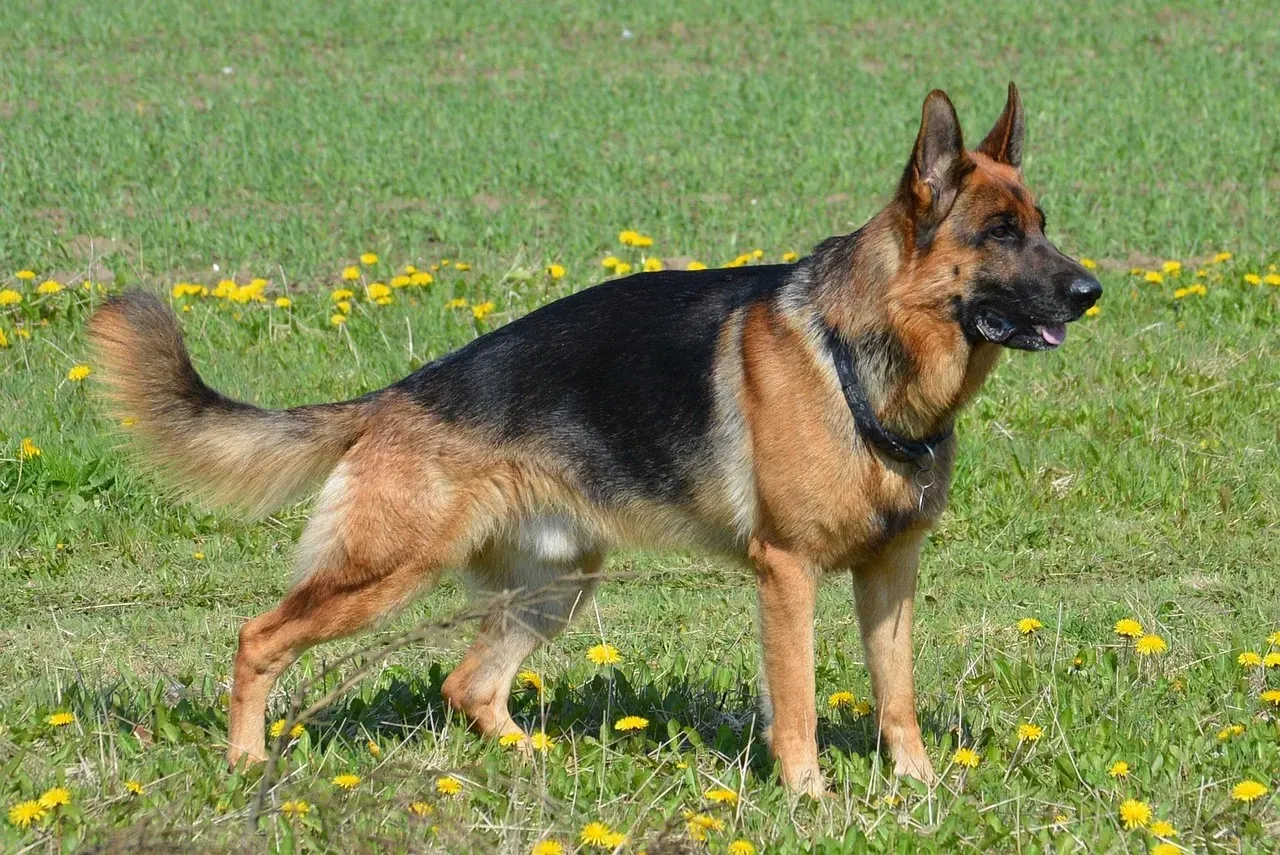
The German Shepherd is one of the most widely owned and widely respected working breeds on the planet. Loyal, intelligent, and capable – but in a clinical setting, those very traits can become a liability. German Shepherds have been described by veterinary professionals as among the most challenging to manage in clinic settings, partly because they are fear-aggressive and partly because they are virtually impossible to read in terms of body language signals.
German Shepherds are high-energy herding dogs who thrive on consistency, so being thrown off their routine may result in anxious behaviors such as pacing and door-scratching. A noisy, unpredictable waiting room is almost the opposite of what a German Shepherd needs to stay calm. When their arousal tips past a threshold, the response can be sudden and intense, which is why many forward-thinking clinics now seat these dogs in separate areas or bring them directly into an exam room upon arrival.
Siberian Husky: All That Energy, Nowhere to Put It
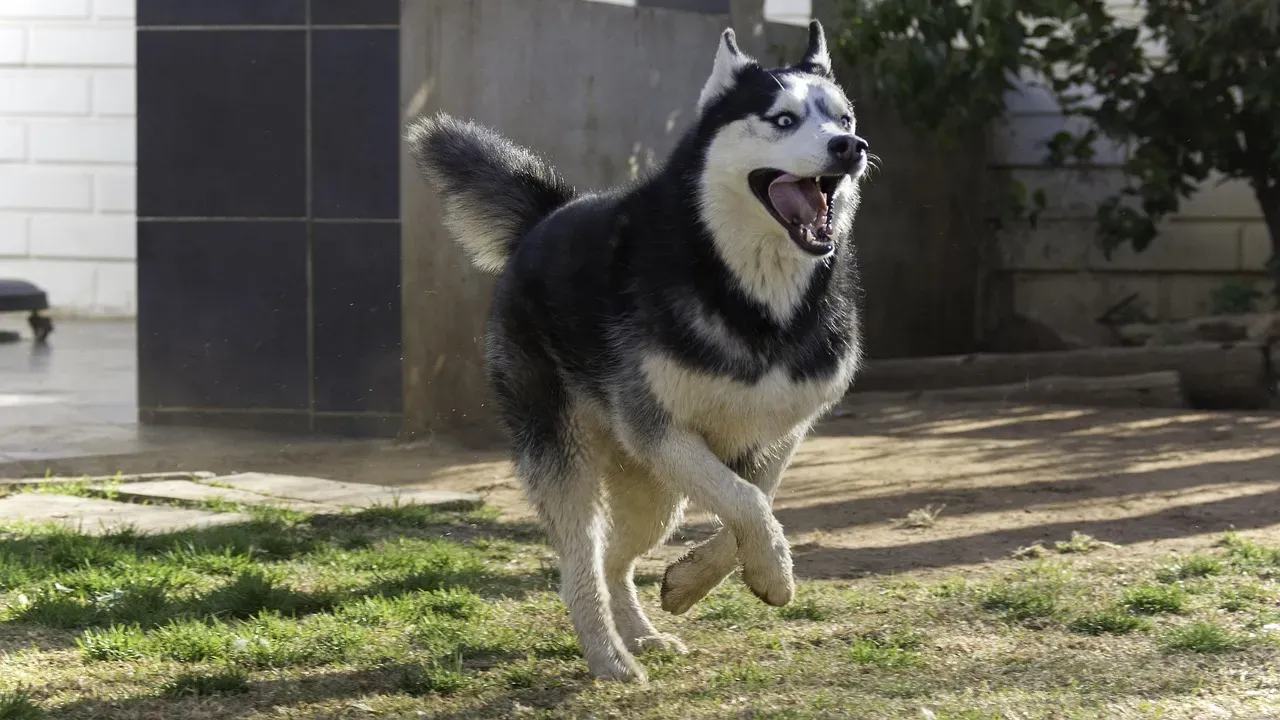
Huskies are not a favorite among vets when they come in for treatment. Veterinary professionals have noted that Huskies are one breed they dread seeing walk through the clinic door. That’s not about aggression so much as raw, unmanaged energy. Huskies, with rare exceptions, don’t get enough exercise to burn off their excess energy, which makes them very difficult to deal with in a clinical setting.
Siberian Huskies are prone to anxiety, which can manifest as barking, destructive chewing, digging, escape attempts, or fixation on movement. In a confined waiting room, those behaviors amplify fast. Add in the breed’s famous vocal range – howling, screaming, narrating their distress to every other dog in the building – and you have a situation that spikes stress levels for every animal present. Animals that are anxious about handling or stressed about being close to other dogs are more likely to be aggressive, difficult to handle and treat, and more likely to injure staff.
Chow Chow: Aloof by Nature, Dangerous by Circumstance
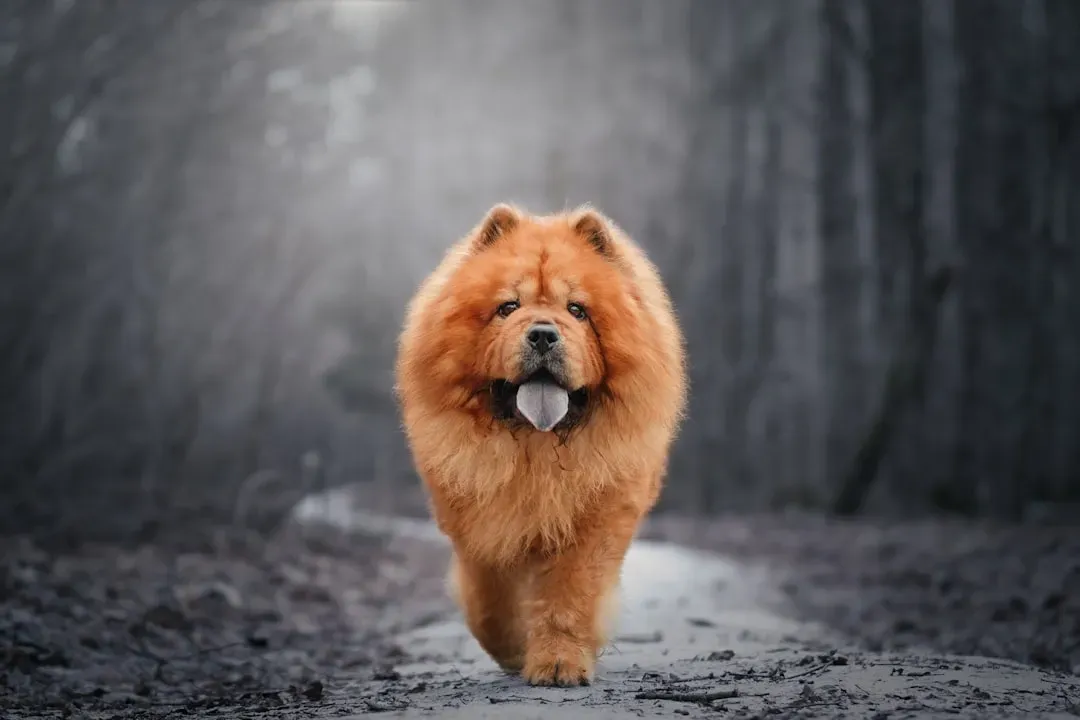
Chow Chows are among vets’ least favorite patients. While they can be unequivocally adorable as puppies, when they grow up, they can become quite unruly. The breed’s character is rooted in deep independence and a strong natural instinct to guard territory and family. A veterinary clinic is neither – and a Chow Chow in that environment can feel genuinely threatened by strangers approaching them.
Chow Chows have appeared on several most-dangerous dog breed lists, and veterinary professionals note that they can be really aloof and are often very aggressive at the vet. The American Kennel Club explains that Chow Chows lean more toward being watchdogs that prefer to be on their own versus with other dogs. Being forced to share a waiting room with unfamiliar animals, surrounded by unfamiliar smells and sounds, presses directly against every instinct the Chow was bred with. Most well-run clinics now bring Chows in through a separate entrance or skip the shared waiting area entirely.
Chihuahua: Small Dog, Enormous Defense Response

While Chihuahuas are often labeled as aggressive or reactive in clinical settings, experts say this reputation is largely misunderstood. They are often labeled as “difficult” in vet settings due to fear, not inherent aggression – they’re small, vulnerable, and handled by strangers who are much bigger than they are, in environments that feel overwhelming. When you’re that small and scared, your instinct is to defend yourself, and that usually looks like growling, snapping, or trying to escape.
Despite their bold personalities, Chihuahuas are prone to social and separation anxiety. They may be shy and timid around new people and bark excessively when nervous. In a waiting room packed with larger dogs, other scents, and strangers, a Chihuahua’s nervous system can enter full alarm mode quickly. Some individual breeds including Chihuahuas have been associated with an increased likelihood of showing aggression toward their guardians and strangers. The solution for most clinics is simple: seat them away from the main floor, preferably elevated, so they don’t feel like prey in an open field.
Shiba Inu: The Breed That Invented the “Clinic Scream”
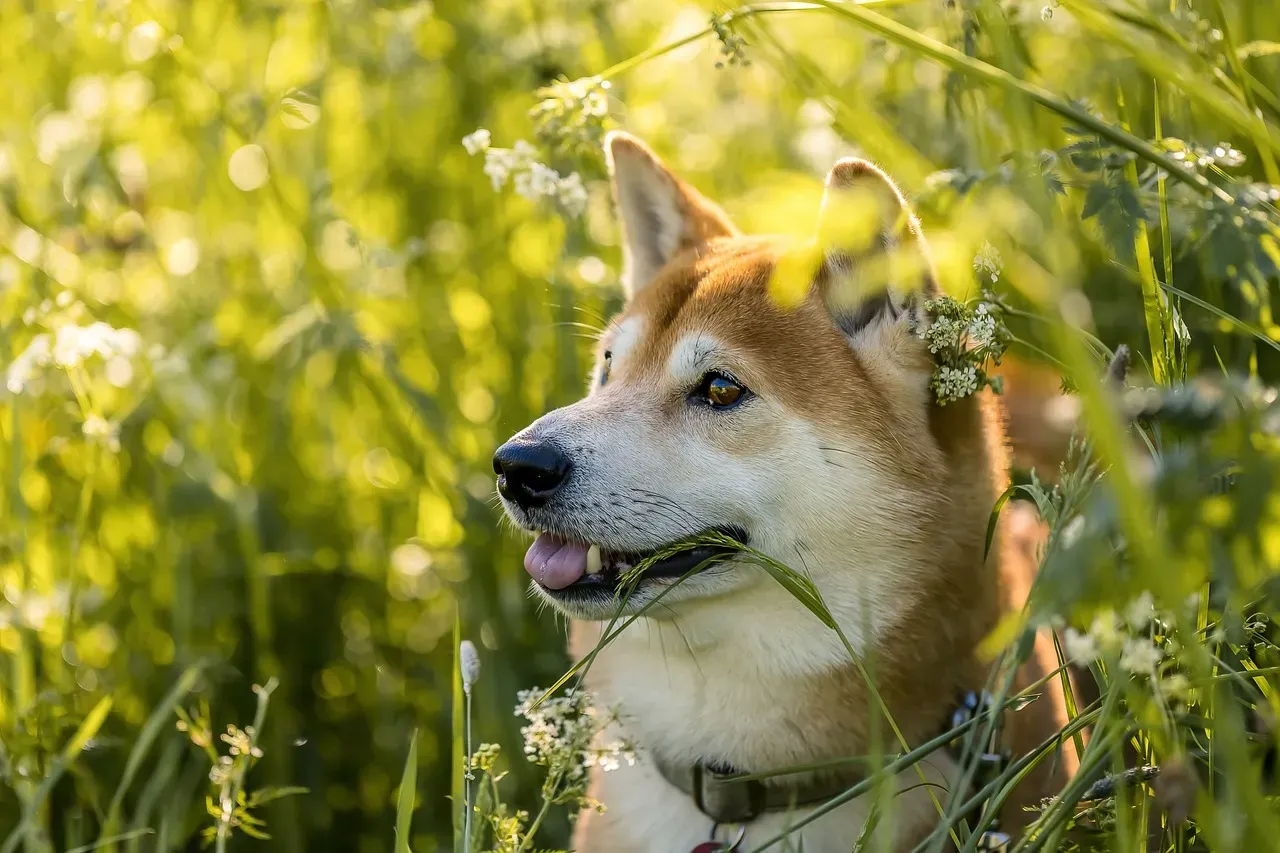
Anyone who has spent time around Shiba Inus knows the sound – a high-pitched, operatic wail that can fill a room in seconds. An easy way to spot rising anxiety in a Shiba Inu is to look for hyperalertness, characterized by restlessness and constant scanning of their environment. Shibas are also very vocal, emitting a “Shiba scream” to signal stress or frustration, with triggers including new people, pets, or places, or loud, unfamiliar noises.
Shiba Inus are independent but sensitive dogs. While they aren’t known to be clingy, they may react strongly to unfamiliar environments or disruptions in their routine, leading to stress-related behaviors like the famous Shiba scream. Because they are independent, aloof with strangers, and loyal, Shiba Inus were historically utilized as guard dogs, and hundreds of years of breeding for protective instincts can make them quicker to aggression than some other breeds. A calm, controlled intake process – away from a noisy waiting area – changes the entire dynamic for this breed.
Akita: Power, Loyalty, and Deep Stranger Wariness
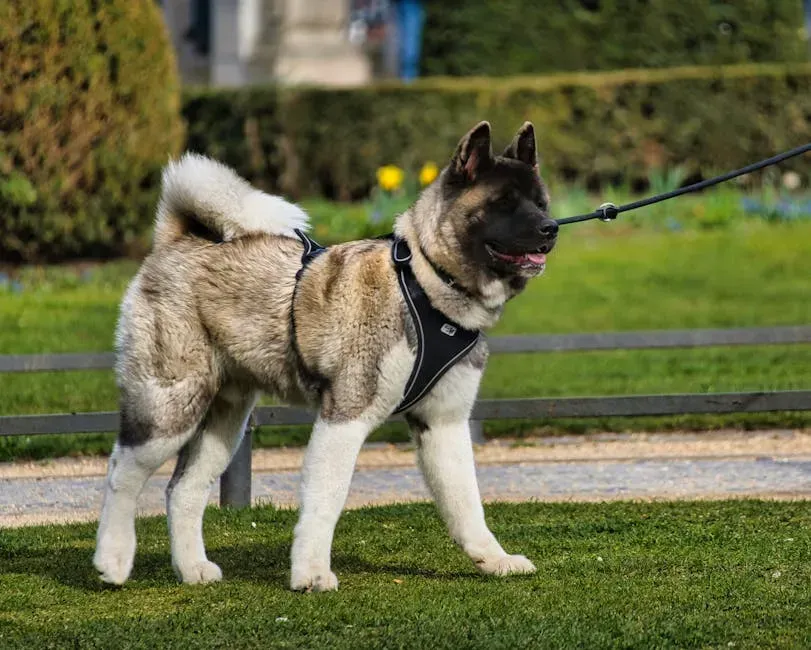
Akitas are known for being very independent dogs. They are a dominant and powerful breed that needs a skilled and experienced owner to guide them, and without proper structure, an Akita is likely to lash out, sometimes aggressively. That intensity doesn’t simply vanish in a clinical setting. Veterinary professionals who work with Akitas regularly note that these dogs tend not to accept strangers, even when introduced calmly – a significant problem when a vet tech needs to perform a routine exam.
Former shelter veterinarians have noted that breeds like Akitas are the ones that bond closely with one person or family but are not accepting of strangers, even when introduced. Due to their dominant personalities, Akitas are also known to pick fights with other dogs of the same sex, and it is not recommended that owners keep two Akitas of the same sex for this reason. Placing an Akita in a shared waiting room next to another large, unfamiliar dog is a scenario most experienced vet staff work hard to avoid altogether.
French Bulldog: The Breed That Needs Its Own Safety Protocol

French Bulldogs have unseated Labrador Retrievers as the most popular dog breed in the U.S. – but that popularity comes with a medical reality that most owners are still catching up to. Brachycephalic breeds like French Bulldogs often suffer from health problems like breathing issues, skin fold infections, eye issues, back and joint issues, mobility issues, and heatstroke. One veterinarian compares living with their shortened skulls to breathing through a straw for your entire life, though many owners consider the huffing and snorting as a cute quirk rather than a sign of suffering.
Brachycephalic dogs can be hard to restrain or examine due to breathing issues from stress, and aggressive dogs or those that bark or bite are particularly problematic. Vets sometimes sedate them or ask family members to assist with routine procedures to reduce stress. Anesthesia in brachycephalic dogs presents unique challenges due to their predisposition to airway obstruction, stress-related complications, and higher risks of aspiration. This is a breed where a stressful waiting room experience isn’t just unpleasant – it can actually become a medical emergency on the spot.
English Bulldog: Beloved, Burdened, and Vulnerable to Stress
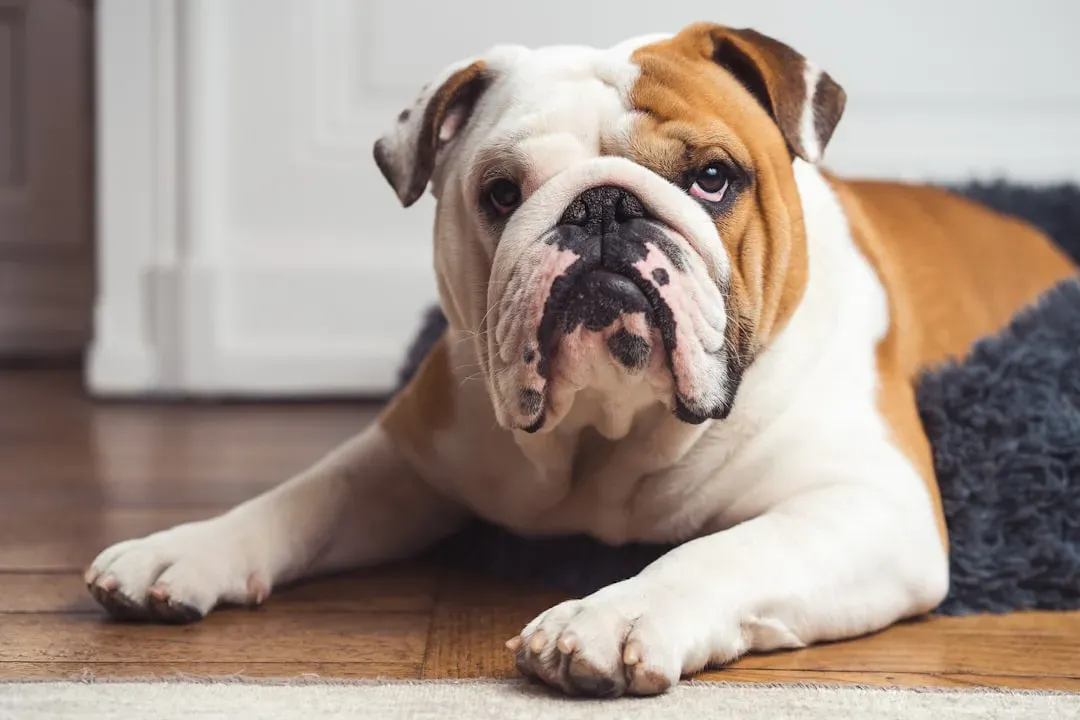
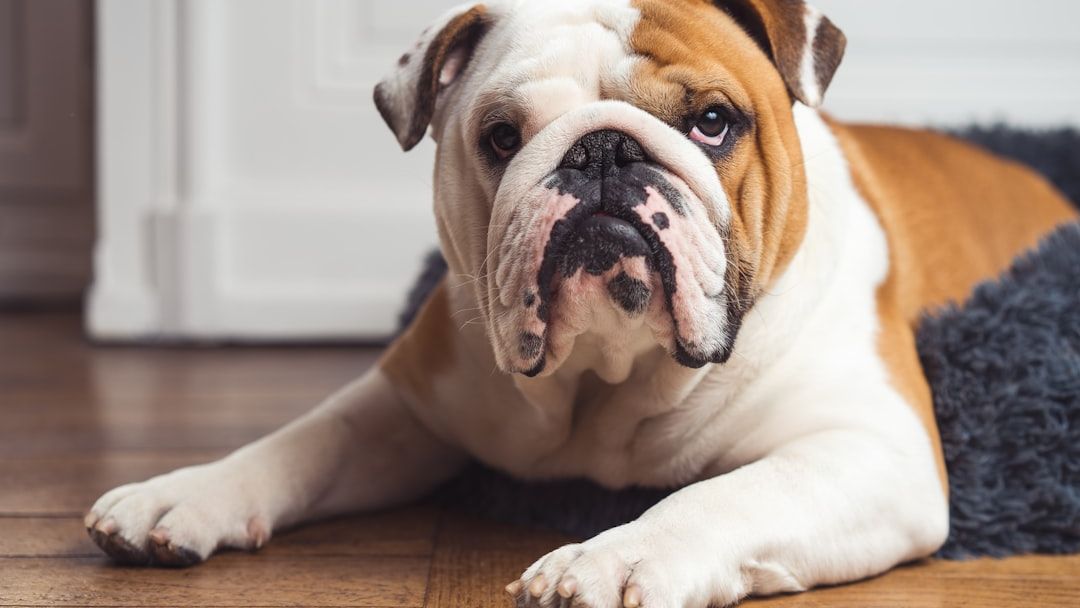
The English Bulldog is an iconic breed. Stocky, affectionate, famously stubborn. It’s also a breed that arrives at the vet carrying a biological deck stacked heavily against it. Objective measurements have determined that roughly half of pugs and French bulldogs and close to half of bulldogs have clinically significant signs of brachycephalic obstructive airway syndrome. English Bulldogs share the same structural constraints – crowded airways, compressed skull, heat sensitivity – that make any stressful environment a genuine risk.
Dogs with brachycephalic airway syndrome may snore loudly, wheeze, or struggle to catch their breath after mild exercise or heat exposure. Because these breeds can’t cool themselves efficiently, they’re at higher risk of heatstroke, and even moderate temperatures can become dangerous without proper precautions. A warm, busy waiting room full of anxious animals is a textbook trigger for a respiratory episode. Brachycephalic dogs are at increased risk for complications associated with sedation or general anesthesia, as sedation can increase the risk of regurgitation and may promote tissue swelling, which can further worsen breathing during recovery. Managing their intake carefully isn’t extra precaution – it’s standard care.
Rottweiler: Misread, Misjudged, and Genuinely Challenging
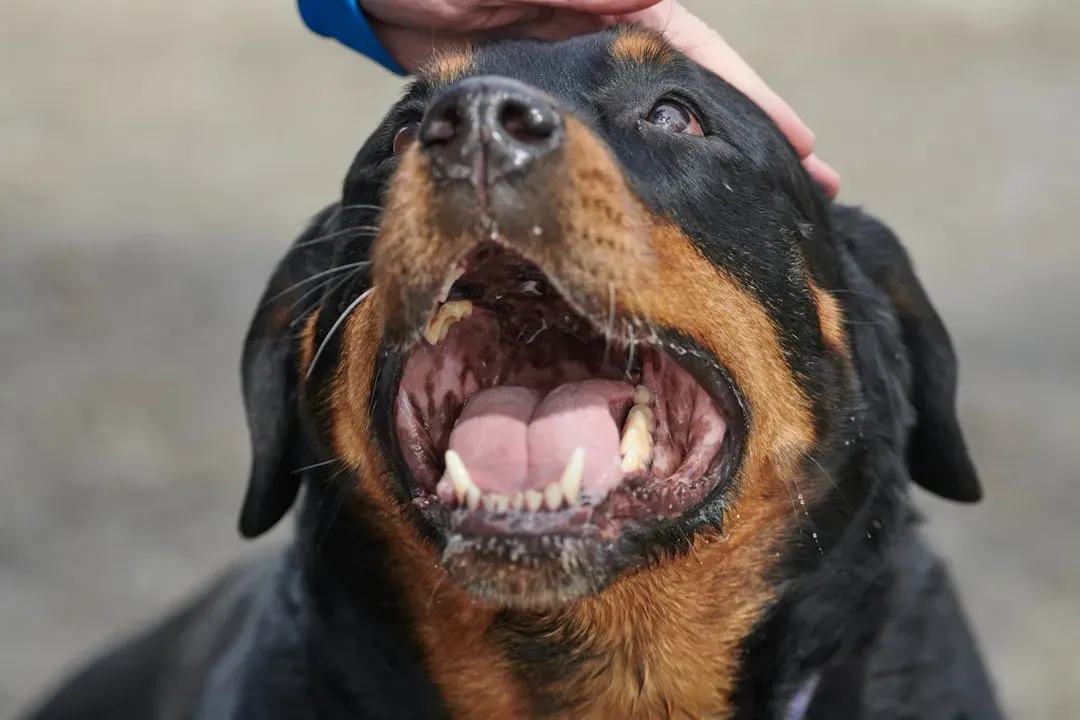
Rottweilers occupy a complicated space in the veterinary world. Well-trained Rottweilers can be calm and cooperative patients. Less socialized ones, or those in pain, represent a serious handling challenge. Some guarding breeds like Rottweilers can be naturally protective and wary of strangers, which requires early and consistent socialization and training to ensure they are well-adjusted. When that socialization is incomplete, a vet visit becomes a confrontation between the dog’s protective instincts and a room full of strangers.
Veterinary professionals in emergency clinics frequently encounter injured or ill dogs, where pain-related aggression and fear responses may be higher, prompting staff to apply higher levels of restraint. Handling decisions are also shaped by dog characteristics, as factors such as demeanor, size, age, breed, behavioral history, and medical or pain status can all influence perceived risk and physical demands. Certain large breeds are most often reported in serious bite incidents, including Rottweilers. Skilled vet teams manage these dogs well, but the shared waiting room is precisely where management is hardest – and where the risk is most difficult to contain.
Border Collie: Hypersensitive in the Worst Possible Setting
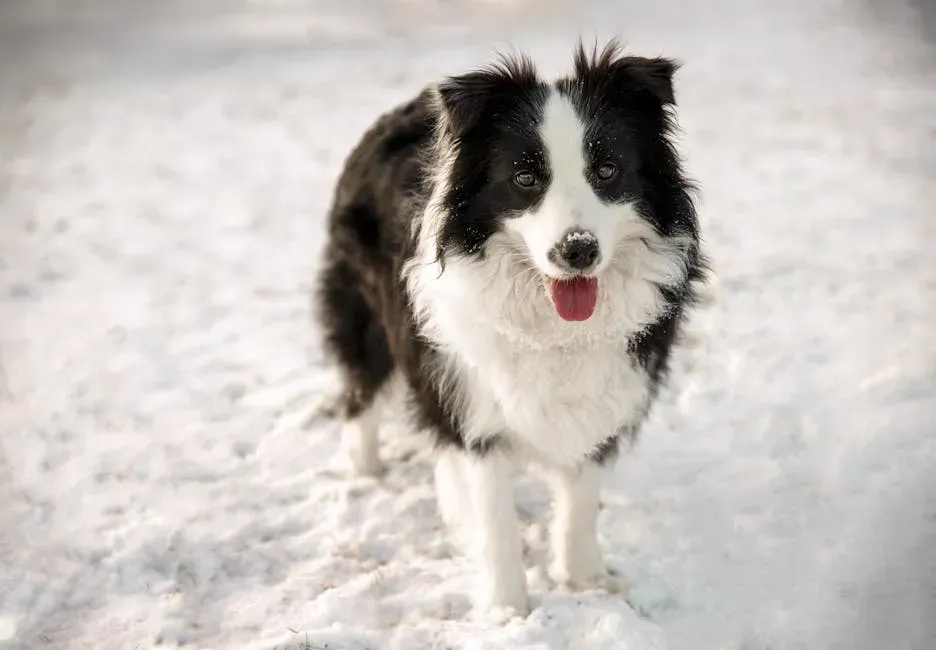
Border Collies are extremely intelligent and bursting with energy. These qualities make them exceptional workers, but unfortunately, they also lead to plenty of mischief when there is no job to be done. These dogs are best suited to country life and do not do well as urban apartment dwellers because of their intense need for physical activity. In a clinic context, that intelligence and sensitivity operate as a kind of hyperawareness – they register everything, and every stimulus adds to a growing stress load.
Natural herders, Border Collies are prone to nipping at people’s heels, and while they are loyal and affectionate with their owners, they tend to be standoffish or snappy with strangers. Border Collies are particularly fearful and oddly stoic about it, making it difficult to read their stress levels in the clinic even for experienced handlers. That combination – high stress, low visible signaling – means they can react before anyone has spotted the warning signs, which is a real safety concern in a shared space.
Australian Shepherd: Bright, Wired, and Easily Overwhelmed
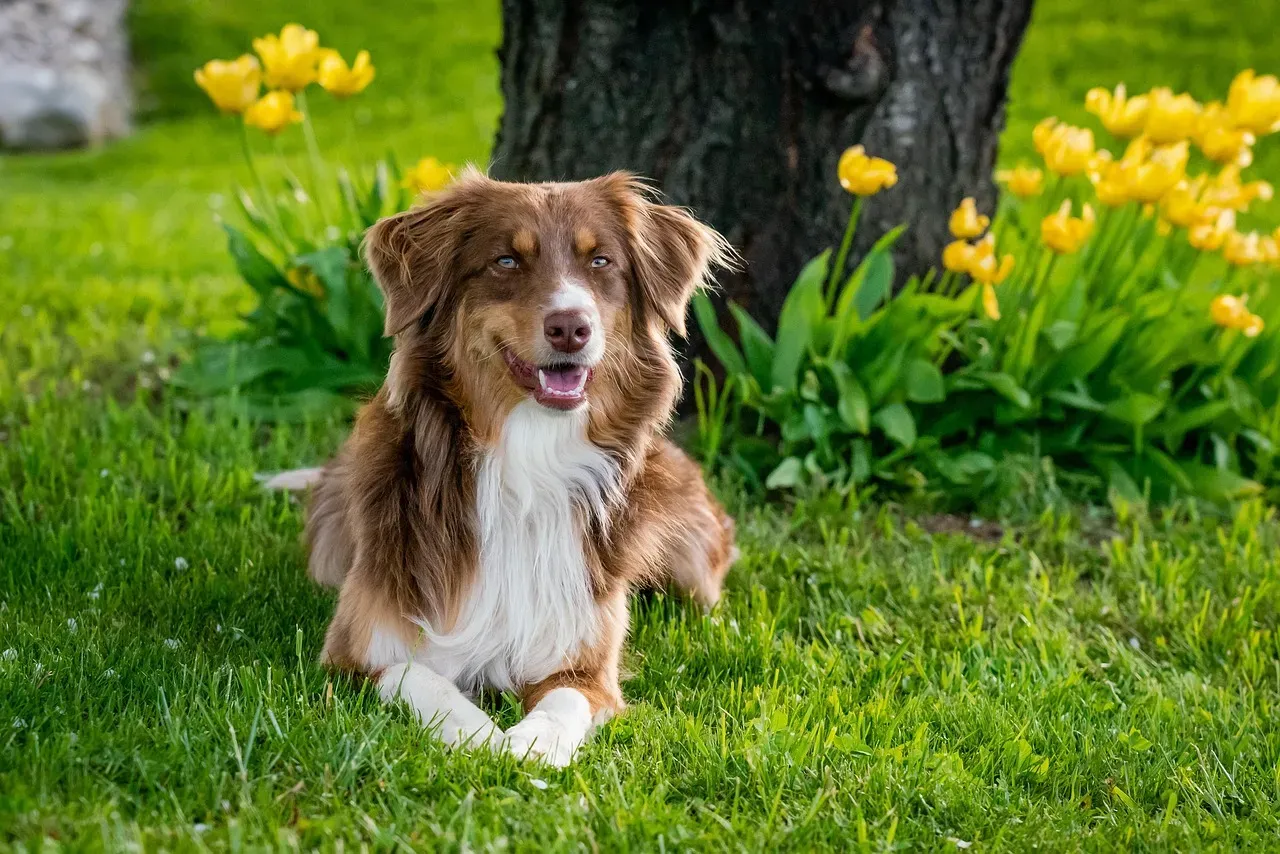
Certain herding breeds like Border Collies and Australian Shepherds have very high energy levels and a strong need for mental stimulation. Without adequate outlets, they can develop destructive behaviors or anxiety. An Australian Shepherd sitting in a waiting room with nothing to focus on, surrounded by unfamiliar animals and sounds, is essentially a working dog in a situation designed to frustrate it.
Over twenty years of behavioral medicine data from a veterinary college found that the Herding and Terrier groups were overrepresented for behavior problems compared to all other services over ten years. That’s a meaningful pattern, not an anomaly. Australian Shepherds specifically tend to redirect their herding instincts under stress, which in a waiting room can look like circling, nipping, lunging toward other dogs, or fixating obsessively on movement around them. The breed genuinely benefits from being managed outside the main waiting area until it’s time for their appointment.
Dachshund: Don’t Let the Size Fool You

There’s a tendency to underestimate the Dachshund. It’s compact, it’s comical, and it spends a significant portion of its life being carried around in tote bags. None of that changes the fact that Dachshunds are hunting dogs with bold temperaments and a notable history of reactive behavior in clinical settings. Some individual breeds including Dachshunds have been associated with an increased likelihood of showing aggression toward their guardians and strangers.
In particular breeds, owners tend not to address issues with certain character traits. Small dogs are often allowed to go into a tantrum when things don’t go their way. That pattern is especially common in Dachshunds, where owners frequently mistake boldness and reactivity for personality quirks rather than behaviors worth addressing. With smaller breeds, there’s a tendency for them not to be as well trained as breeds that are more usually considered aggressive. Having a tiny little dog that thinks it can take on the whole world is sometimes seen as amusing or cute. In a clinic, that lack of training becomes everyone’s problem.
Pug: When Cuteness Carries a Medical Warning Label
Objective measurements show that roughly half of pugs and French bulldogs have clinically significant signs of brachycephalic obstructive airway syndrome, and upper respiratory disorders were the cause of death for a significant portion of dogs with extreme brachycephalic conformation, compared to none for all other breeds. This is the central reality of treating a pug in a clinical setting – the dog’s baseline health makes any stressful experience considerably higher-stakes.
Unfortunately, loud breathing, snoring, snorting, and other respiratory signs are often considered normal for the breed, which can lead to delayed diagnosis. By the time a Pug arrives at a veterinary clinic already showing signs of distress, the situation requires careful management from the moment the dog exits the car. To reduce the risk of adverse effects from patient stress, some veterinary anesthesiologists begin sedation measures before the patient even enters the practice, with many brachycephalic patients arriving premedicated. This helps them manage their stress even before the veterinary team lays hands on them. The waiting room, for a Pug, is simply a place to be bypassed whenever possible.
Why This Matters Far Beyond the Waiting Room
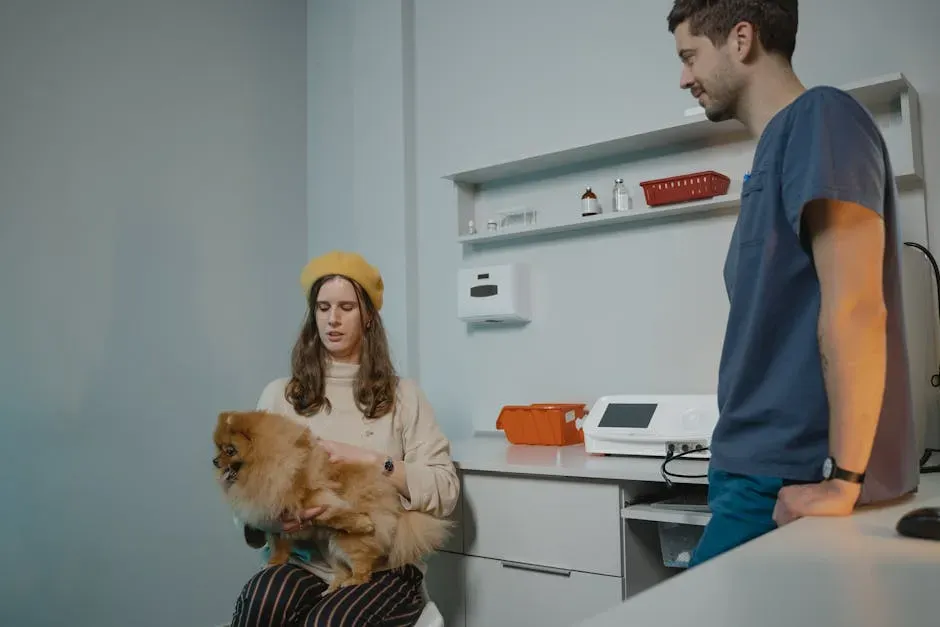
The quiet adjustments clinics make for difficult or vulnerable breeds aren’t about convenience. They reflect a deeper understanding of what stress actually does to animals under clinical care. Research shows that veterinary hospital-induced stress can alter physiological parameters, leading to elevated heart rates and increased cortisol levels, further exacerbating fear-based behaviors. What starts as a nervous dog in a waiting room can skew blood pressure readings, cortisol levels, and behavioral assessments – compromising the entire diagnostic picture.
Regular veterinary care is integral to companion dog health and welfare, but fearful patients can inhibit provision of care and pose a risk of injury to veterinary staff. Reports have found that a meaningful proportion of dog owners would visit the clinic more often if the experience were less stressful, and fear and aggression in dogs within a veterinary setting can place human safety at risk, with studies reporting that the large majority of veterinarians have experienced animal-related injuries including bites. Rethinking how we receive certain breeds isn’t just kindness – it’s a measurable improvement in safety, diagnosis accuracy, and care quality for everyone involved.
The bigger picture here is one worth sitting with. Every breed on this list has ended up in a challenging position at the vet not because of some essential flaw, but because the clinical environment presses directly against their instincts, their anatomy, or their emotional wiring. The breeds that struggle most in waiting rooms are often the ones whose needs are most routinely misunderstood. The clinics that recognize this – that quietly remove certain dogs from the general waiting area, that pre-medicate before the front door, that build protocols around individual breed realities – aren’t making it harder for owners. They’re making it survivable for the dogs. That shift in thinking, from standardized handling to tailored care, might be the most important development in veterinary practice of the past decade.

- 20 Smartest Animals on The Planet Ranked - July 20, 2026
- 10 Ancient Civilizations That Mysteriously Vanished From History - July 20, 2026
- The Emotional Toll of Pet Loss: Coping When Your Best Friend Crosses Over - July 20, 2026