


Cats are intriguing creatures with behaviors that can sometimes leave owners scratching their heads. Many of these habits are not just random quirks but deeply entrenched behaviors that trace back to their wild ancestors. In this article, we’ll explore 13 feline habits that echo the lives of their wild forebears, revealing the evolutionary traits that still influence our domesticated companions.
13. Nighttime Activity
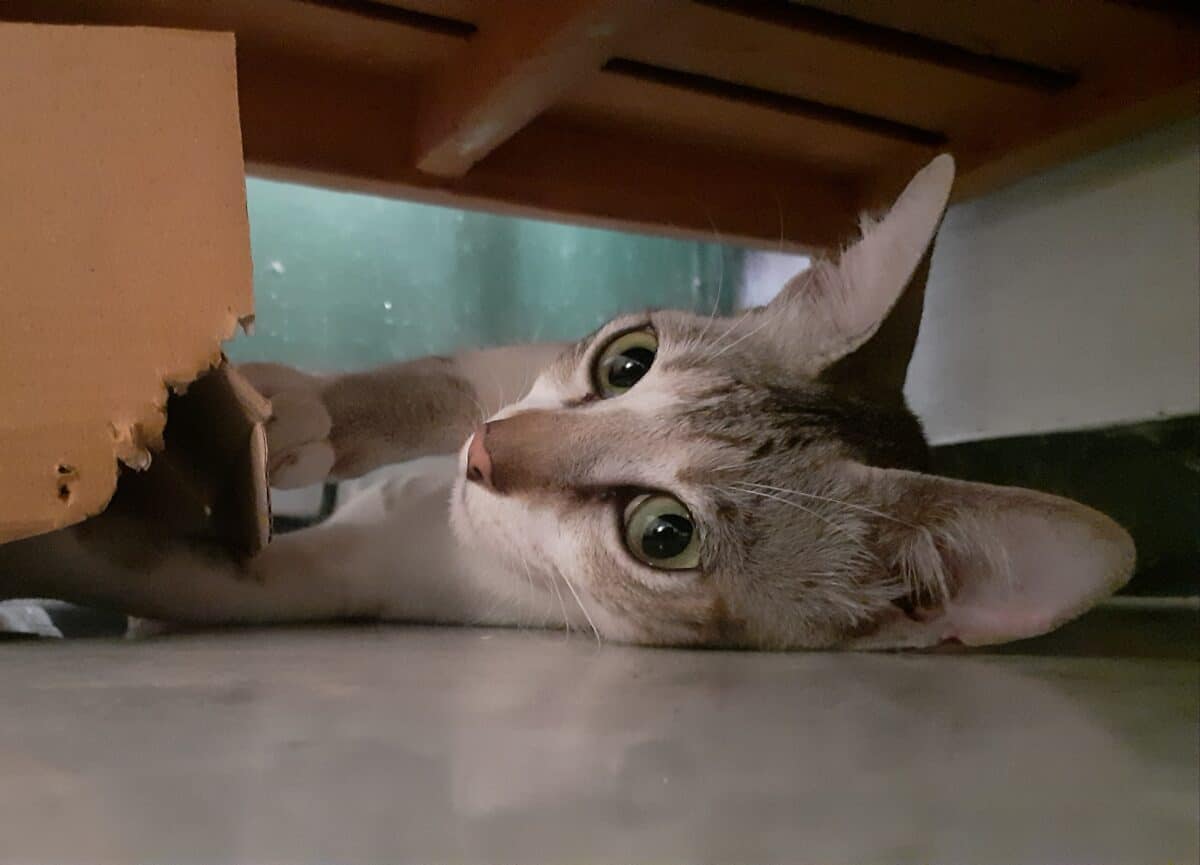
Our domesticated cats often come alive at night, engaging in a flurry of activity. This nocturnal behavior is a throwback to their wild ancestors, who were most active during dawn and dusk. In the wild, this time frame was optimal for hunting, maximizing the chances of successfully capturing prey while avoiding larger predators.
12. Stalking Prey

If you observe a cat at play, you’ll likely notice a sophisticated stalking routine. This behavior is directly linked to their predatory instincts. Before pouncing, wild cats meticulously stalk their prey to minimize detection and increase the chance of a successful hunt. This ingrained behavior is mirrored in your domestic cat’s playtime antics.
11. Scratching Surfaces
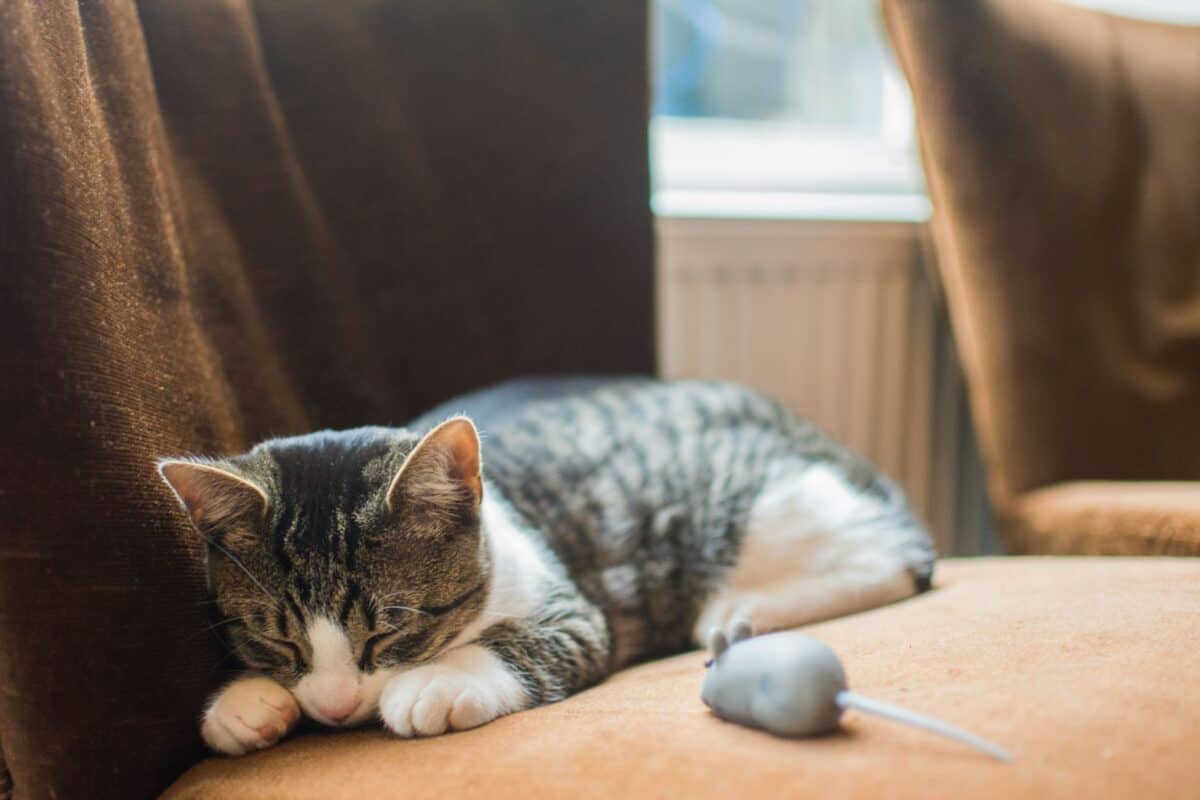
While it may be frustrating to find your cat has scratched up the furniture, this behavior serves a vital purpose. In the wild, scratching helps cats mark their territory both visually and through scent glands located in their paws. It also plays a crucial role in maintaining healthy claws by removing the dead outer layer.
10. Kneading
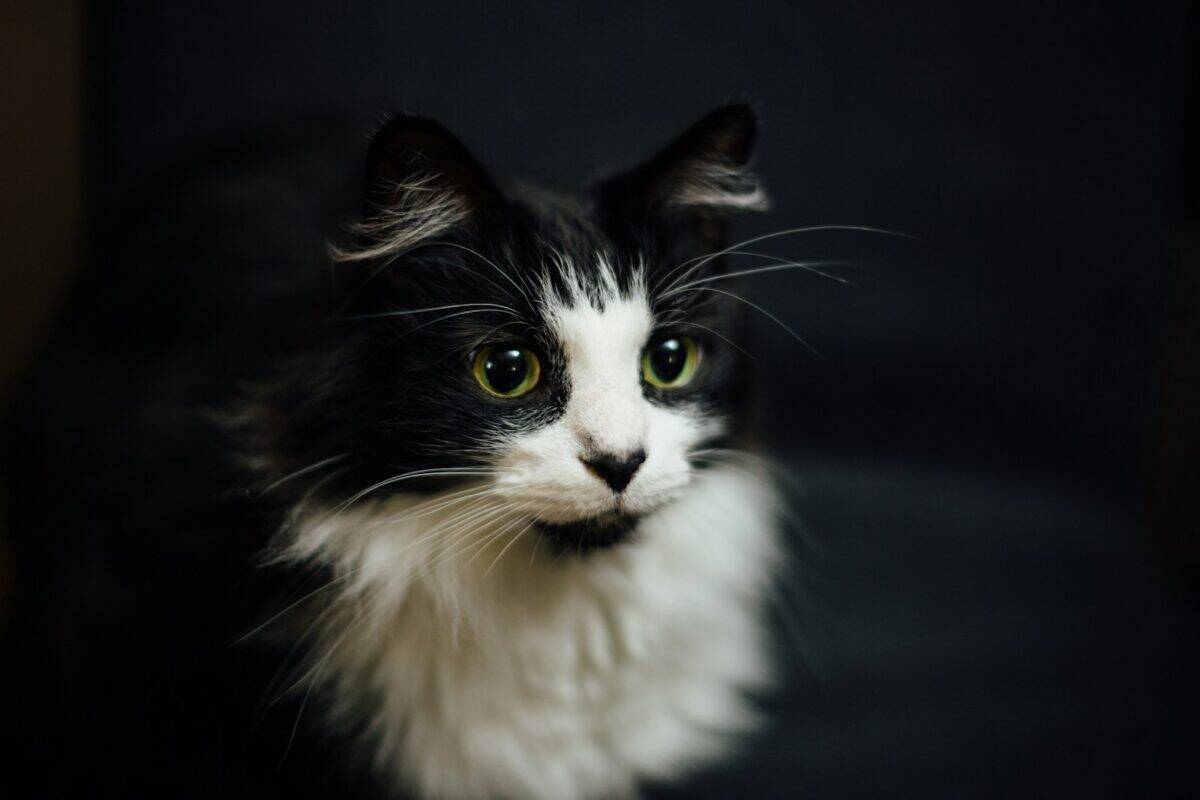
Commonly known as “making biscuits,” this endearing action hearkens back to a cat’s kittenhood and beyond. When kittens knead their mother’s abdomen, it stimulates milk flow. Adult cats retain this habit as a comforting gesture, reminiscent of the safety and security they felt as kittens.
9. Height Seeking

Cats often seek high vantage points to survey their surroundings, a behavior with roots in their wild past. In nature, elevation offers a strategic advantage for spotting prey and predators. This instinct manifests in your cat’s affinity for high perches like bookshelves or cat trees.
8. Covering Waste
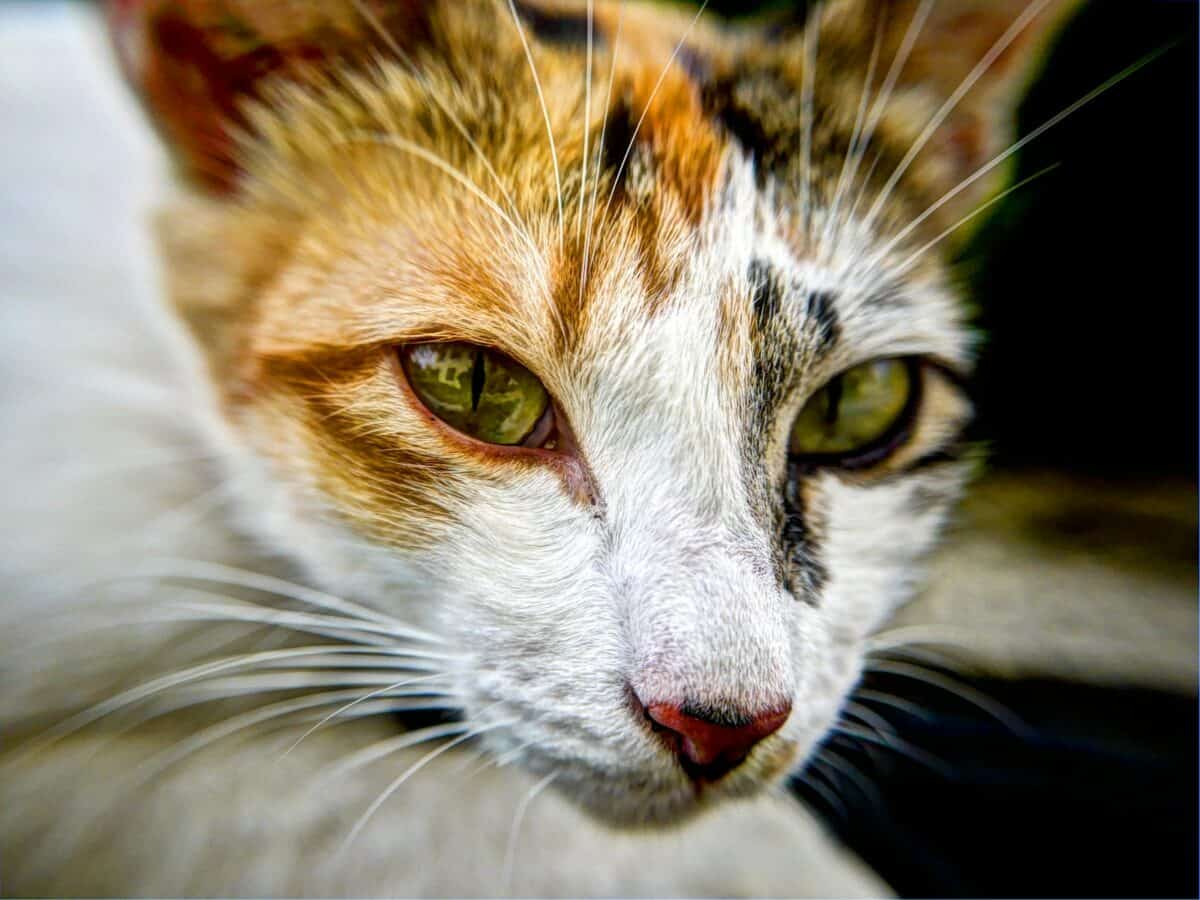
Wild cats instinctively cover their waste to hide their scent from potential predators. Although domestic cats generally don’t face the same environmental threats, this behavior persists, demonstrating their ingrained tendency to mask their presence.
7. Eye-blinking Communication

Slow blinking in cats is akin to a human smile—a relaxed, friendly gesture. In the wild, direct staring can be perceived as a threat, so a slow blink serves as a peace offering. When your cat blinks softly at you, it’s their way of showing trust and affection.
6. Grooming After Meals

Post-meal grooming is not just about maintaining hygiene. Wild cats often groom themselves after eating to eliminate residual odors that might attract predators. This behavior translates to your house cat’s fastidious cleaning ritual after dinner.
5. Territorial Marking
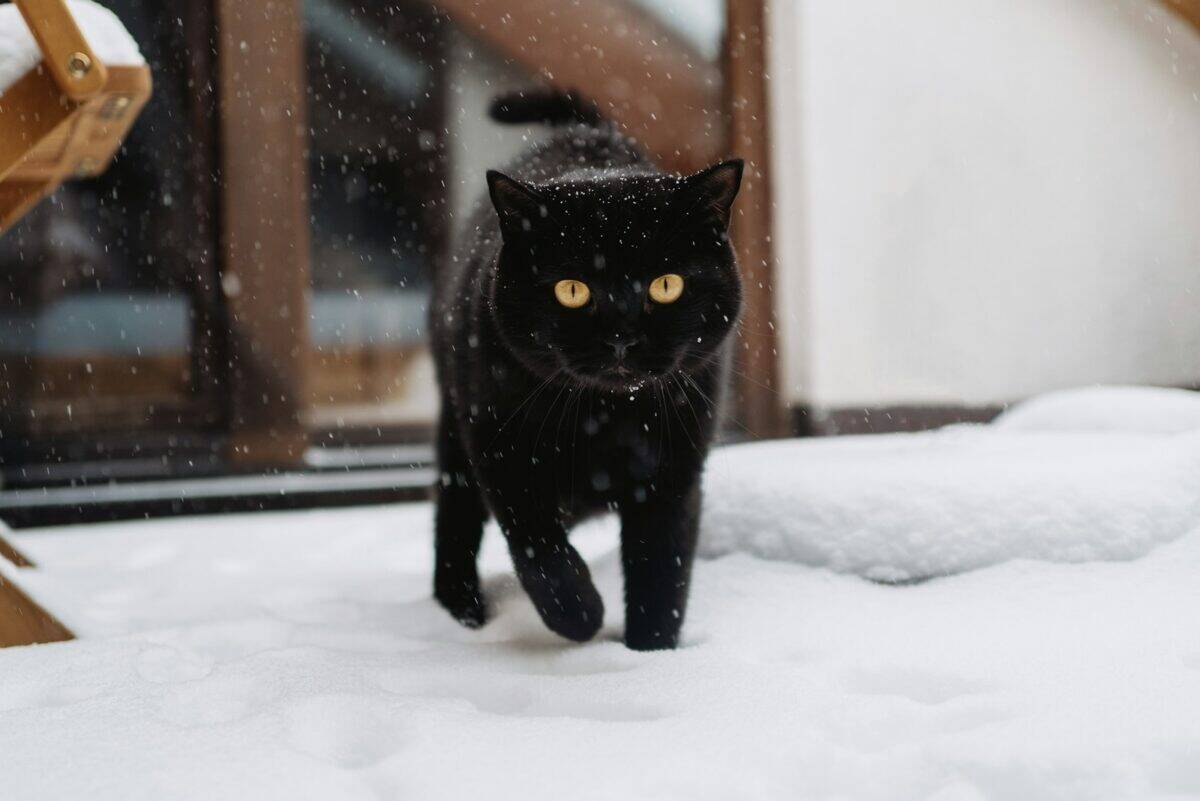
Cats have a strong sense of territory, inherited from their wild counterparts. Besides scratching, they utilize scent marking by rubbing their face or body against objects. This behavior deposits pheromones, establishing a familiar and reassuring scent profile across their environment.
4. Sudden Outbursts of Energy

Cats often engage in spontaneous bursts of energy, commonly known as “zoomies.” In the wild, such energy spurts are practical for quick escapes from danger or chasing prey. Though domestic cats may not require this survival tactic, the instinctual drive remains.
3. Play Hunting

Observing a cat play often looks like mini-hunting sessions. From pouncing on toys to “hunting” human feet under blankets, these play activities are practice sessions for real hunting. They allow cats to develop skills essential for tracking and capturing prey.
2. Loud Meowing

Unlike wild cats, domestic cats have developed a louder and more varied vocal repertoire to communicate with humans. While wild canines reflect more subtle communication methods, domestication has honed their vocal skills to better interact with their human companions.
1. Bringing “Gifts”
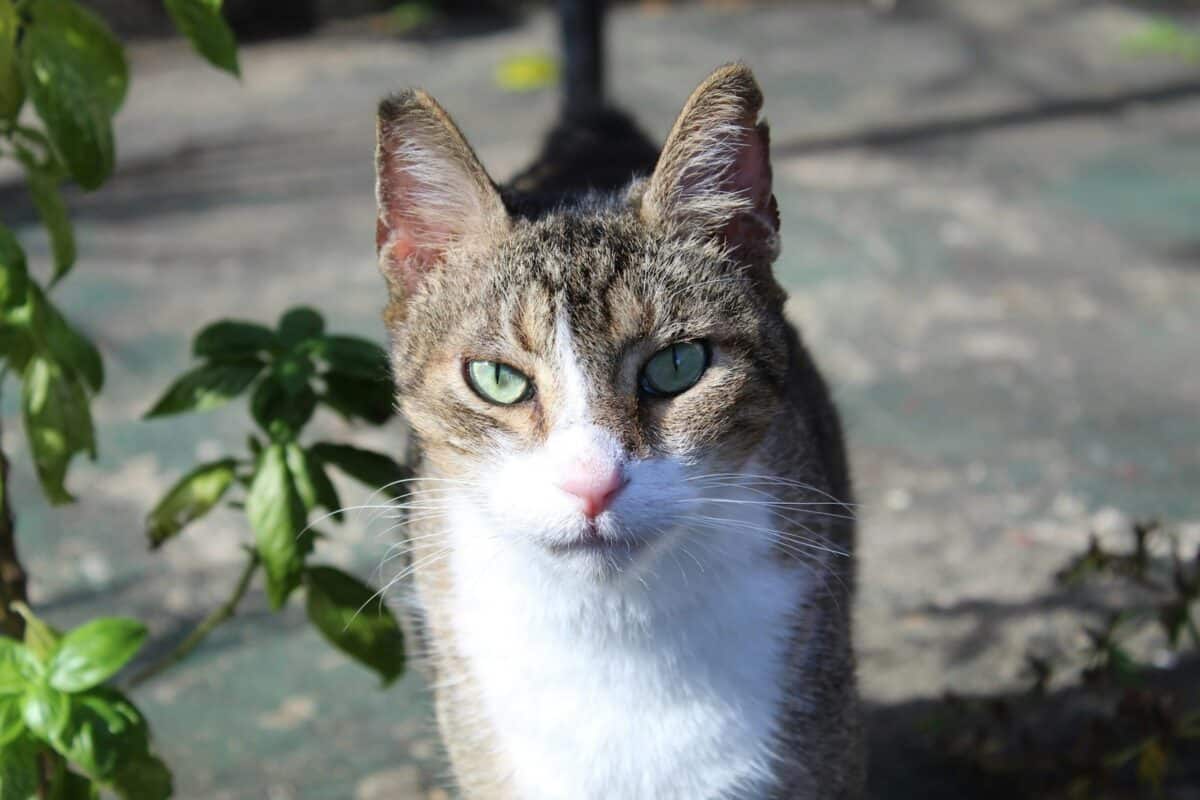
When a cat presents their owner with a caught mouse or insect, it’s a nod to their natural hunting prowess. This behavior might be an offering to share the catch or a simple practice showcasing their survival skills. While unsettling to some, it’s a testament to their innate instincts.
Conclusion

In conclusion, the remarkable behaviors of our feline friends offer a fascinating glimpse into a lineage shaped by survival and adaptation in the wild. While domesticated life has softened many of their sharper edges, the indelible mark of their ancestors continues to guide their daily actions, enriching the bond between cat and owner. Understanding these habits not only enriches our appreciation of these enigmatic creatures but also enhances the environments we provide for them.

As a little kid, I fell in love with nature, wildlife, and animals. Living in the USA, South Africa, Italy, China and Germany gave me the opportunity to discover the world's Wildlife. My favorite animals are Mountain Gorillas, Siberian Tigers, and Great White Sharks.
I'm a certified PADI Open Water Diver, went to Everest Base Camp and Trekked Gorillas in Uganda. I hold a Master of Science in Economics and Finance.
Please send any feedback to feedback@animalsaroundtheglobe.com
- 10 Most Unique Reptiles You will See in the US - July 21, 2026
- 3 Dangerous Invasive Species the USA Must Eradicate - July 21, 2026
- 10 Things That Calm Cats And 4 That Make Them Nervous - July 21, 2026