
Something changed in your yard. Maybe it happened gradually – fewer shadows crossing the grass, fewer mornings interrupted by actual noise. The feeders are still there. You still scatter seed. But the birds that used to make your yard feel alive? They moved on, and nobody sent a forwarding address. Most gardeners assume a new feeder or a bag of premium seed mix will fix it. Experienced birders will tell you that’s almost never the problem – and almost never the solution.
The real reason birds stopped coming runs deeper than what sits on a pole in your yard. It comes down to habitat – the layered, messy, insect-rich, water-reliable kind that modern “tidy” gardens systematically destroy. The good news is that it’s reversible. Birders who have brought back species absent for ten or fifteen years all followed versions of the same playbook. Here are the 13 habits they swear by, starting with what surprised even the most experienced among them.
13. Ditch the Pesticides Entirely
This one stings to hear, but experienced birders are blunt about it: the chemical spray routine most homeowners consider normal is quietly starving birds out of the neighborhood. Insects aren’t a nuisance in a healthy yard – they’re the food chain. Warblers, chickadees, wrens, and vireos don’t survive on seeds. They survive on caterpillars, beetles, flies, and the hundreds of other invertebrates that pesticides erase in a single afternoon. Even products marketed as targeted or “safe” create ripple effects that collapse the insect base birds depend on during breeding season, when they need live protein most.
Birders who made the full switch – no sprays, no systemic treatments – consistently report insect-eating species returning within one to two seasons. The yard looks a little rougher at first. Some leaves get chewed. But the tradeoff is thrushes in the undergrowth and warblers in the canopy again. Healthy soil follows, which supports more insects, which supports more birds. The cycle rebuilds itself once you stop interrupting it. Tolerating a few aphids is a small price for a yard that sounds alive again by May.
Fast Facts
- North America has lost an estimated 3 billion birds since 1970 – roughly a 30% decline.
- Pesticides cause at least 67 million direct bird deaths in the U.S. every year, beyond the insect collapse they trigger.
- Neonicotinoid insecticides – found in many common lawn and garden products – can harm birds’ ability to navigate during migration and reduce their reproductive success.
- A 100 kg increase in neonicotinoid use per county is linked to a 2.2% drop in grassland bird populations.
- Insect-eating bird species – warblers, swallows, flycatchers – show the steepest declines in heavily treated suburban areas.
12. Plant Native Berry-Producing Shrubs
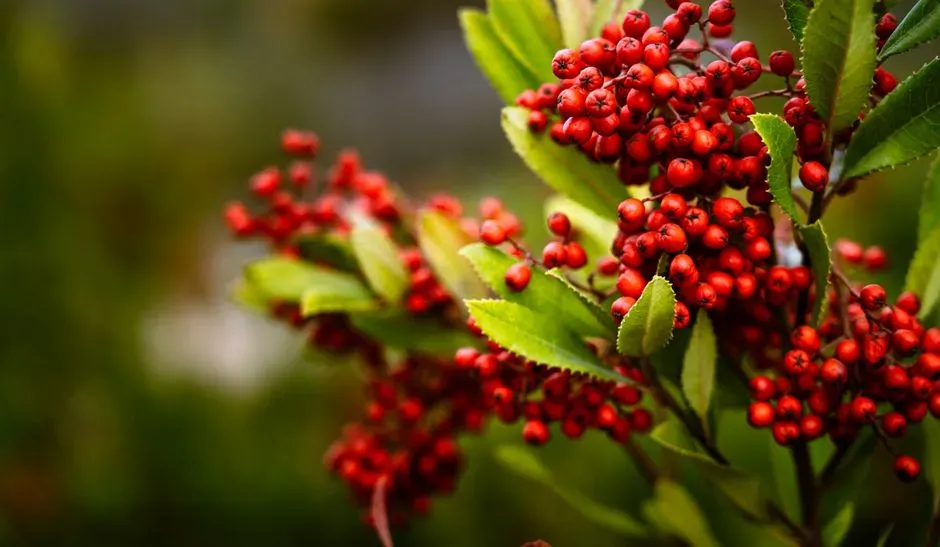
Walk through any well-stocked garden center and you’ll find dozens of beautiful shrubs, most of them from Europe or Asia, almost none of them meaningful to local birds. The problem isn’t aesthetics – it’s familiarity and nutrition. Native shrubs like serviceberry, viburnum, beautyberry, and elderberry produce fruit birds have been eating for thousands of generations. They also host exponentially more native insects than ornamental exotics, which means a single well-chosen native shrub becomes a double food source: berries on top, insects beneath and within.
The smartest approach is clustering several native berry producers together to create a dense, multi-season buffet. Some species fruit in early summer, others hang on through January. That extended timeline keeps birds checking your yard across months instead of a single brief window. Birders consistently rank this habit above feeders for raw impact – because unlike a feeder, native shrubs work around the clock, in every kind of weather, without anyone refilling them. Birds that stopped visiting years ago remember good food sources. Give them one worth remembering.
Quick Compare
- Native oak: supports 500+ caterpillar species; non-native ginkgo supports just 5.
- Native serviceberry: fruits June–July, hosts pollinators, feeds cedar waxwings and thrushes; most exotic flowering shrubs host near zero insects.
- Native blueberry: larval host for ~200 butterfly and moth species; beloved non-native butterfly bush hosts none.
- Native viburnum: berries persist into winter after freeze-thaw cycles, feeding birds when little else is available.
11. Add a Clean, Shallow Water Source
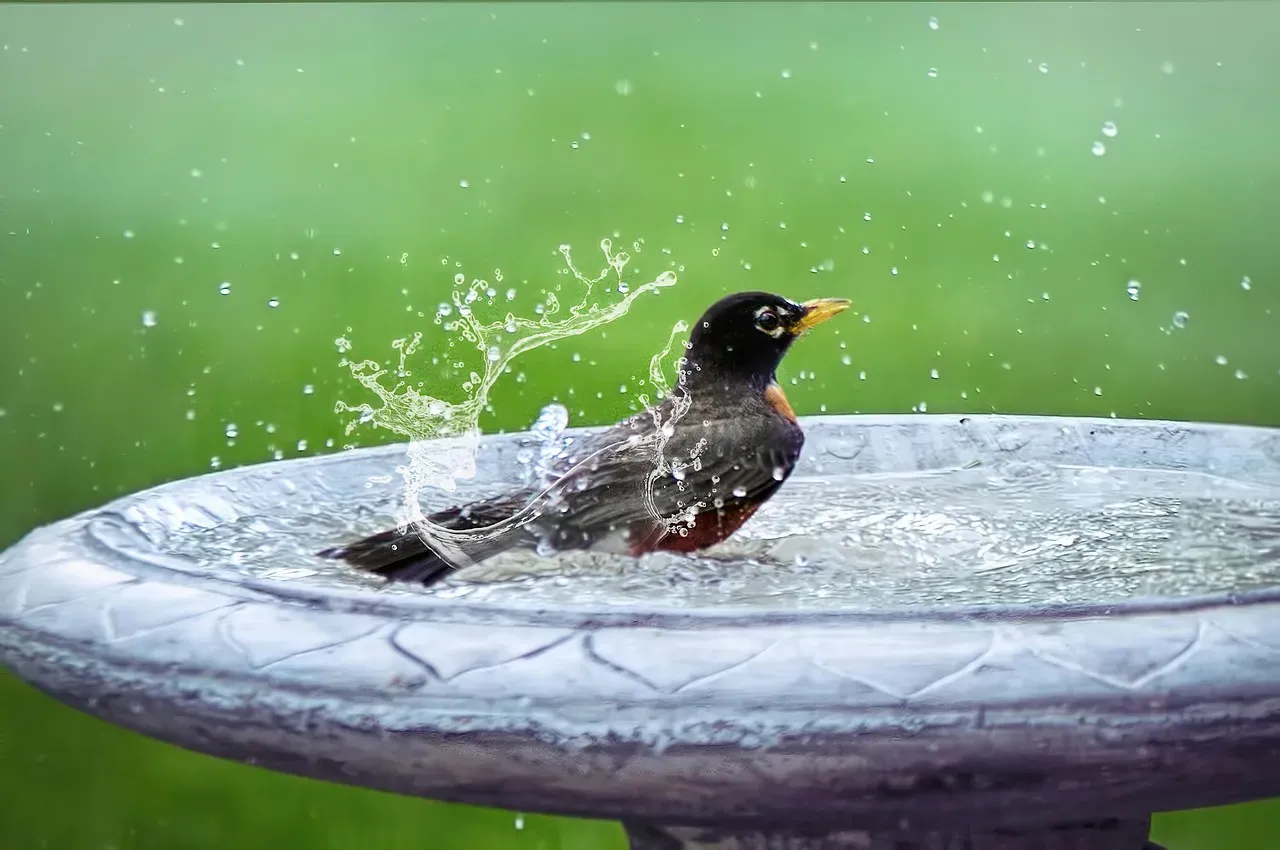
Water is the most underestimated draw in any bird garden, and the most commonly neglected. During drought stretches or hot summers, reliable water disappears from huge swaths of suburban landscape. Birds that used to detour through your yard for a quick drink or bath stop bothering when they learn the source is unreliable, stagnant, or too deep. A dirty birdbath is worse than no birdbath – it spreads disease and signals danger rather than welcome. Shallow is key. Most birds want no more than an inch or two of water. Ground-level or low placement near shrubs lets them escape fast if a hawk appears.
The habit that changes everything is refreshing the water daily during warm months and keeping at least one source ice-free in winter. Long-time birders describe this as the single fastest way to restart activity from species that haven’t visited in years – particularly during spring and fall migration, when exhausted travelers are scanning for any reliable water source below. Add a second bath at a different height and you’ll attract different species simultaneously. Movement helps too: a simple drip tube or small recirculating pump creates sound that carries far enough to pull in birds that might otherwise pass your yard by entirely.
10. Install Proper Nest Boxes
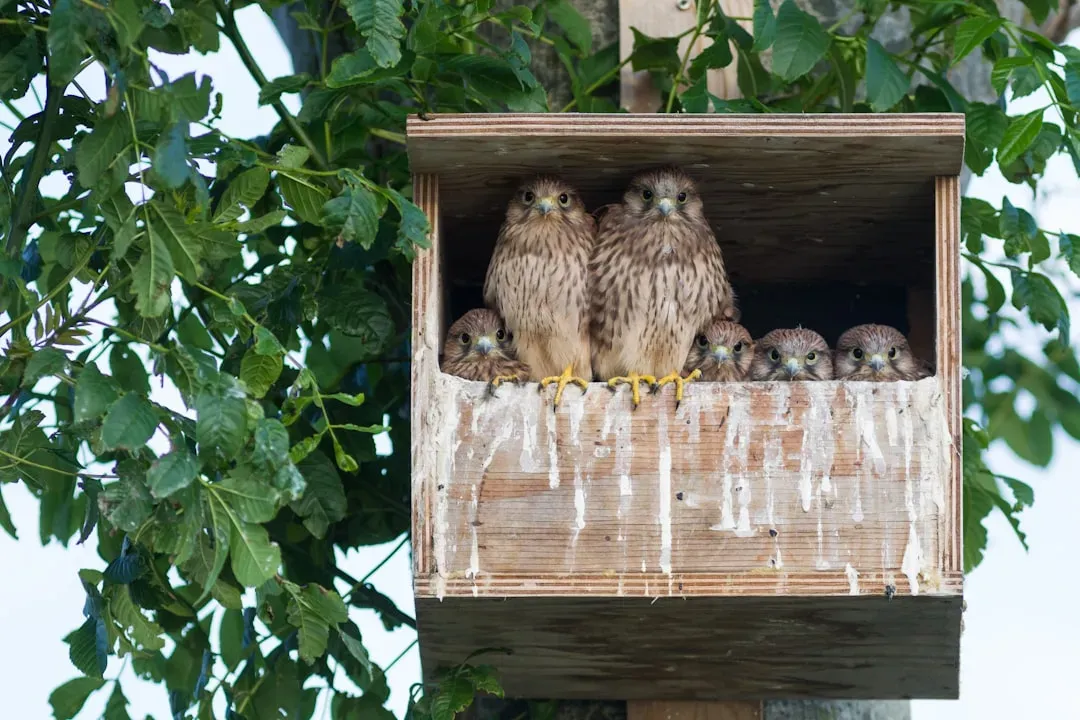
Cavity-nesting birds like Eastern bluebirds, tree swallows, Carolina wrens, and chickadees don’t just prefer holes in trees – they require them. And those natural cavities have been disappearing for decades as old trees get cut down, dead snags get removed, and development replaces mature woodland. That’s why entire species that once bred reliably in a neighborhood simply vanish. They didn’t choose to leave. They ran out of places to raise a family. A well-built, well-placed nest box directly compensates for that loss in a way that no feeder ever can.
The details matter more than most people realize. Entrance hole diameter determines which species can use the box and, crucially, which predators can’t reach the eggs. Placement height, direction relative to prevailing wind, and proximity to native vegetation all affect occupancy rates. Birders with decades of experience note that boxes positioned near native plantings fill up far faster than boxes stuck in open lawn. Clean them annually – remove old nesting material after each brood fledges – and monitor for house sparrows or starlings taking over. Done right, a nest box doesn’t just attract birds. It grows them.
At a Glance
- Eastern Bluebird: entrance hole 1.5 inches; mount 4–6 feet high in open area facing east or southeast.
- Carolina Wren: entrance hole 1.5 inches; prefers boxes near dense shrubs or brush piles.
- Tree Swallow: entrance hole 1.5 inches; mount 5–10 feet high near open water or meadow.
- Black-capped Chickadee: entrance hole 1.125 inches; place 4–8 feet high near woodland edge.
- Clean boxes every fall – old nesting material harbors parasites that deter returning birds.
9. Leave Leaf Litter and Dead Wood
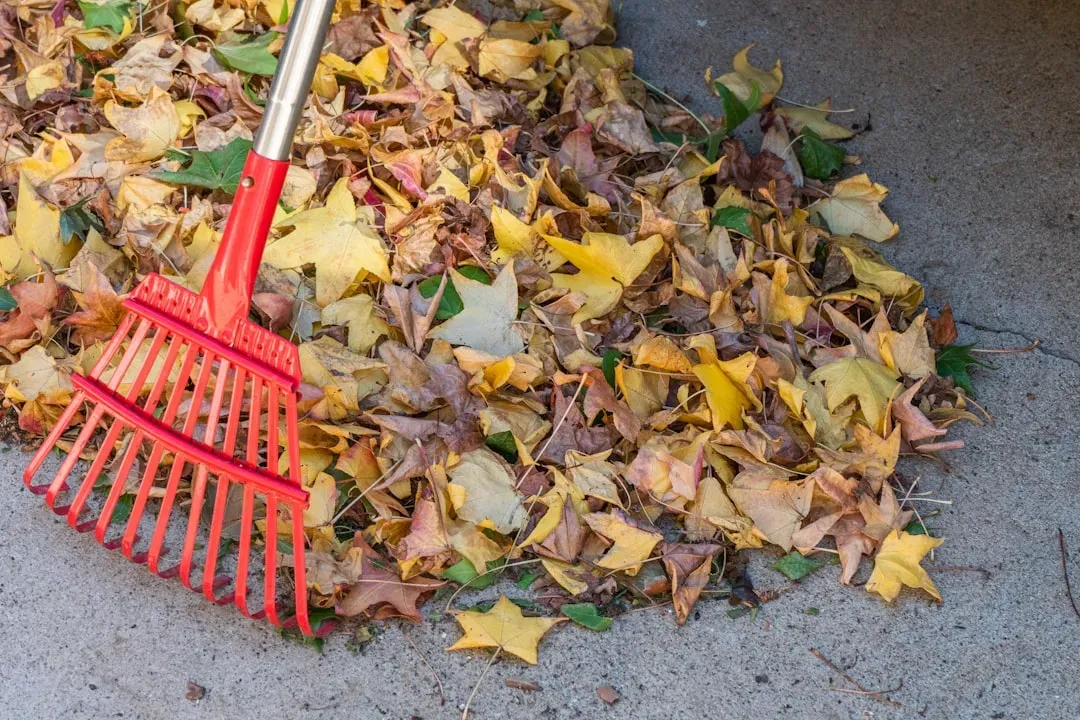
Here’s the habit that makes neighbors stare over the fence and birders feel completely vindicated: stop raking everything. That layer of decomposing leaves under your shrubs isn’t an eyesore waiting to be bagged. It’s a thriving ecosystem packed with the exact invertebrates that thrushes, towhees, sparrows, and woodcocks spend their entire lives hunting. Remove it and you remove the food. It’s that simple. The same logic applies to fallen branches and standing dead wood – woodpeckers and nuthatches excavate these for insects that live nowhere else. A tidy yard signals to birds the same thing it signals to ecologists: nothing useful lives here.
The shift in mindset is the hardest part. But experienced birders are unapologetically opinionated on this point: the manicured suburban aesthetic is ecologically empty, and birds know it immediately. Leaving leaf litter under trees and in garden beds mimics the forest floor that once supported these species before development simplified everything. You don’t need a wild, unruly yard – you just need to stop erasing the resources that accumulate naturally. Let the leaves settle. Leave a brush pile in a back corner. Watch what moves in by February. The birds that come looking for that layer haven’t forgotten it. They’ve just been waiting for someone to provide it again.
8. Shrink the Lawn and Add Diversity
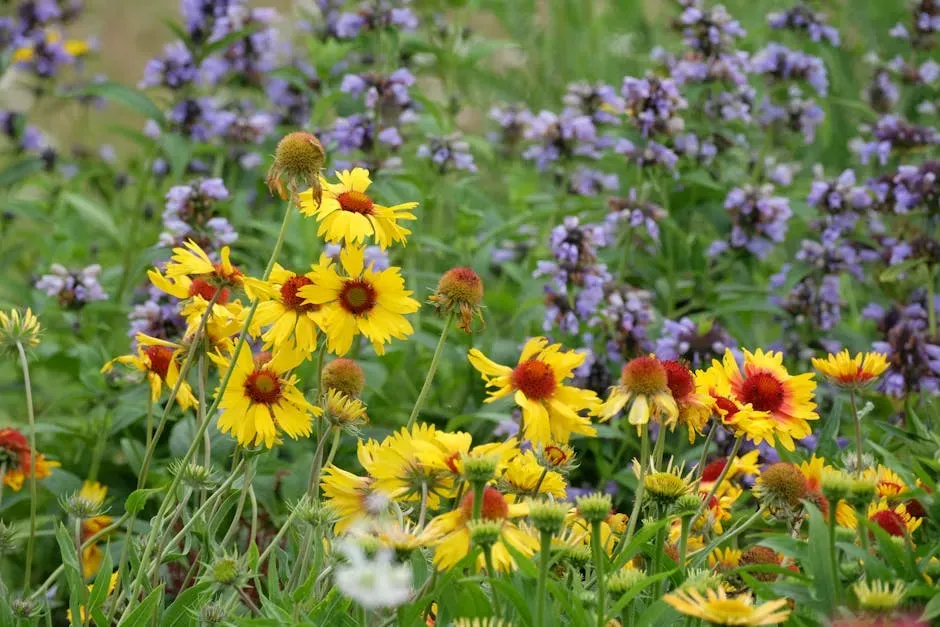
A standard American lawn is, from a bird’s perspective, a green desert. Closely cropped monoculture grass supports almost nothing – a few worms after rain, maybe some grubs that starlings will probe for, but nothing close to the layered diversity birds actually need. It also requires constant disturbance: mowing, aerating, fertilizing, watering – a relentless cycle that disrupts nesting, eliminates ground cover, and keeps the landscape perpetually reset to zero. Birds that left manicured suburbs didn’t go far. They went to the overgrown lot down the street, the weedy fence line, the neighbor who stopped caring about perfection.
Replacing even a fifth of your turf with a mix of native perennials, ornamental grasses, and low shrubs creates immediate visible results. Ground-nesting species return. Seed-eaters appear once the seed heads are allowed to stand. The structure gets interesting enough that foraging birds have something to actually explore. Birders describe this as the single highest-impact long-term investment in any bird garden – not because it’s dramatic to look at right away, but because it keeps compounding. More plants mean more insects mean more birds mean more birds telling other birds. You’re not just adding diversity. You’re rebuilding a reputation.
7. Offer Suet During Cold Months
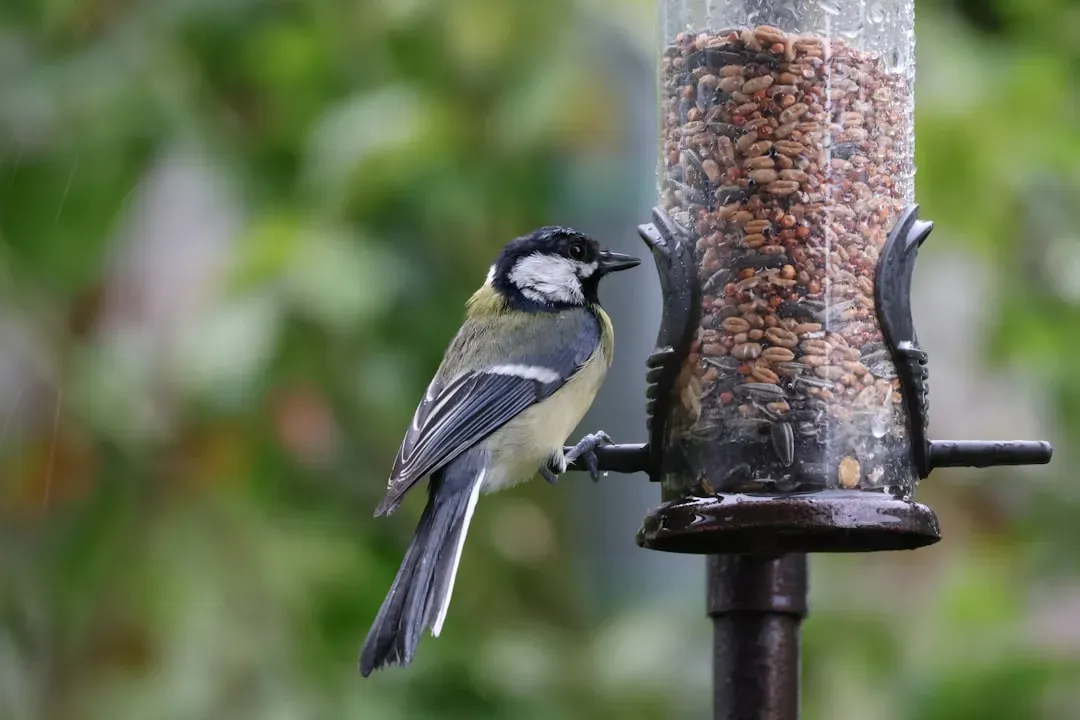
Seed mixes are useful, but they don’t serve everyone. Woodpeckers, nuthatches, brown creepers, and Carolina wrens are insect-eaters at heart. When temperatures drop and insects disappear, these birds are hunting for concentrated fat and protein to survive – not sunflower seeds. Suet is as close as a backyard feeder gets to real winter food for this group. The fat content fuels them through cold nights. The texture and smell attract species that often ignore seed feeders entirely. And because woodpeckers especially are creatures of habit, a consistent suet source in winter is what keeps them returning to your yard come spring and summer.
Placement and quality both matter. Plain suet or nut-based suet without cheap grain fillers draws the most species and lasts longer in cold weather. Mount it on a tree trunk or post away from squirrel-friendly surfaces, ideally where the birds can brace their tails for leverage the way they would on a real tree. Birders who commit to suet every single winter – not just when they remember to buy it – describe watching the same woodpecker families come back year after year, adding younger birds each season. You’re not just feeding a bird through February. You’re registering your yard as a reliable winter resource that gets passed down through generations.
Worth Knowing
- High-fat suet is most critical between November and March when insects are essentially unavailable.
- Avoid suet with corn or wheat fillers – these attract starlings more than the insect-eaters you want.
- “No-melt” suet cakes work well in early autumn but lose appeal to woodpeckers; switch to regular suet once temps drop below 50°F.
- Downy, Hairy, and Red-bellied Woodpeckers – all suet regulars – will return to the same feeder locations season after season once trust is established.
6. Position Feeders Near Dense Cover
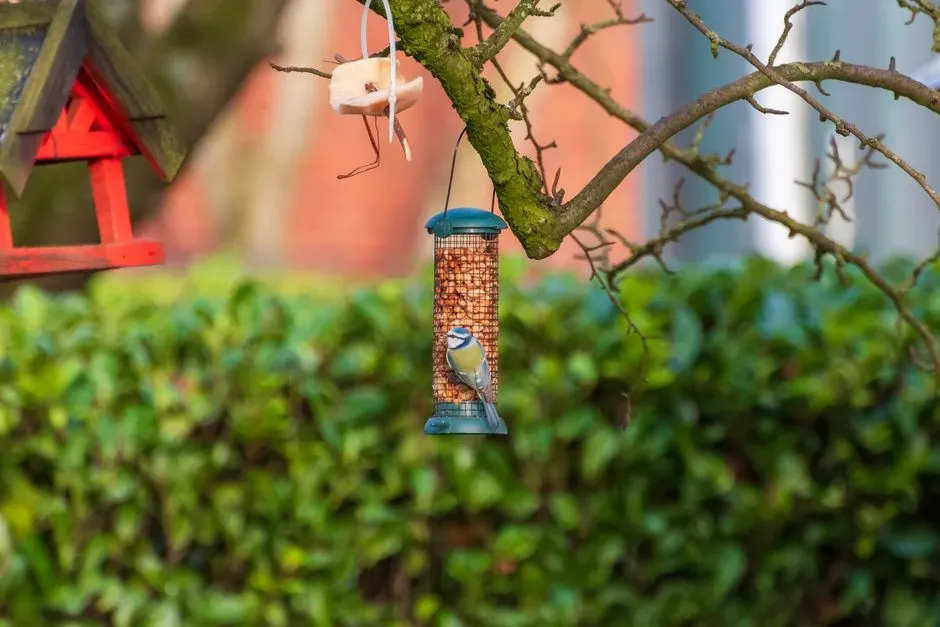
A feeder mounted in the center of an open lawn is basically a trap from a bird’s perspective. There’s no cover above, no escape route beside, and a Cooper’s hawk can hit from any direction in under a second. Birds that have been around long enough learn this the hard way, and many simply stop visiting exposed setups altogether. If your feeders are in the open and traffic has dropped off over the years, location is almost certainly part of the problem. The food isn’t the issue. The vulnerability is.
Move feeders to within ten feet of shrubs, hedges, or tree cover – close enough that a bird can bolt to safety in a single wingbeat. Use multiple feeder styles at different heights to serve different species, and vary the seed types to broaden your audience. The combination of good food plus immediate escape cover is what birders call the “trust equation.” Birds aren’t just hungry – they’re calculating risk every second they feed. Reduce the risk and they linger. They come back. They tell others, in the way birds communicate through presence and behavior. Longtime birders describe this as the difference between a yard with occasional visitors and one with actual regulars.
5. Grow Seed-Bearing Flowers and Grasses
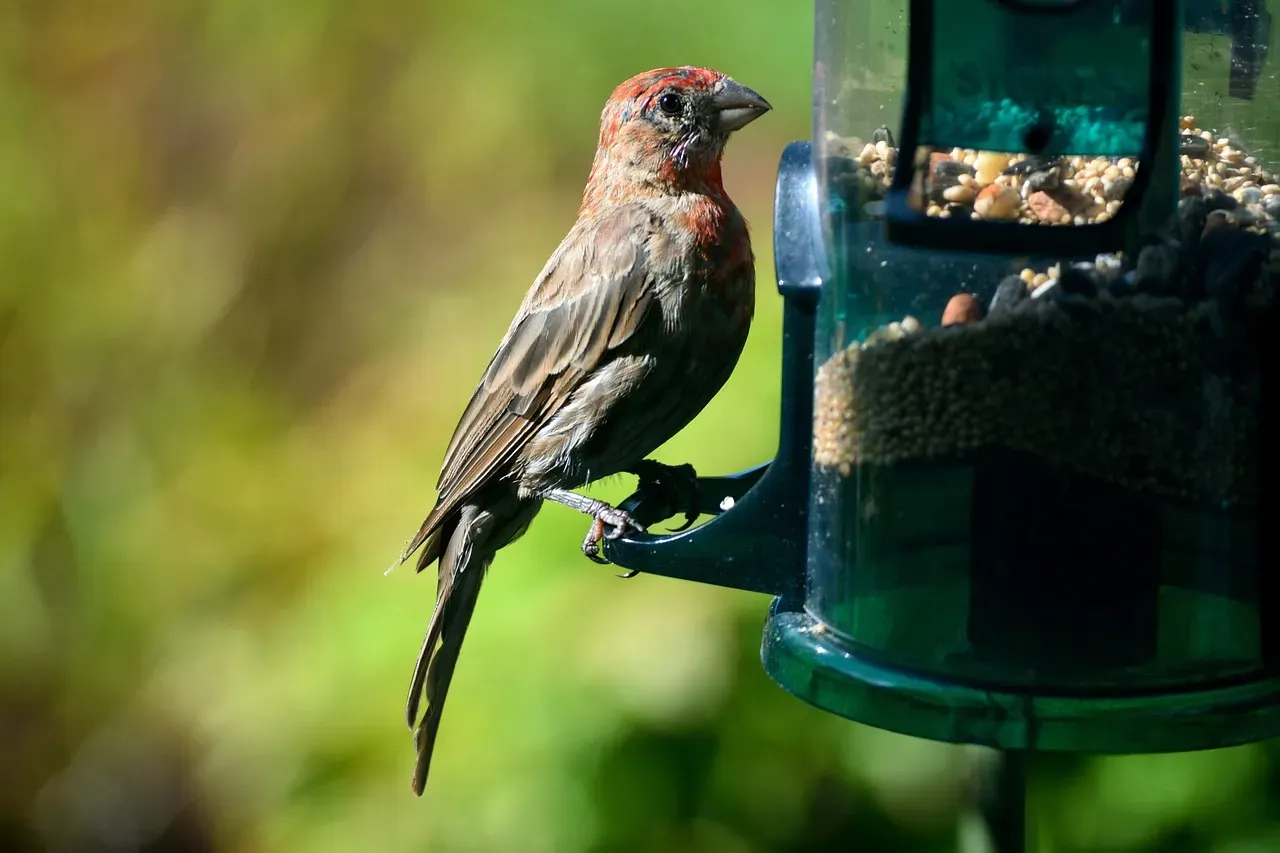
There’s a version of a bird garden that barely needs a feeder at all – one where native plants do most of the work from July through February. Sunflowers, purple coneflowers, black-eyed Susans, native asters, and ornamental grasses all produce seed heads that finches, sparrows, juncos, and goldfinches will strip methodically and happily. The key is resistance: resisting the urge to deadhead, to cut everything back in autumn, to “clean up” the garden before winter. Those seed heads are the garden. They’re the whole point. Left standing, they become a slow-release food source that works through frost and snow.
The impact on seed-eaters specifically tends to surprise people who’ve relied on feeders for years. American goldfinches that used to appear occasionally at the nyjer sock start arriving in small flocks when coneflowers and native grasses are standing in the garden. Pine siskins, white-throated sparrows, and dark-eyed juncos move in during migration and linger when there’s something real to forage. Birders with restored gardens note higher species diversity among seed-eaters in plant-rich yards than feeder-heavy ones – partly because the foraging behavior feels natural, and partly because the plants also support the insects that many of these same birds feed their nestlings. It builds on itself in every direction.
4. Keep Cats Indoors or Supervised

This is the one habit that will start a conversation at the neighborhood level, and experienced birders are done being polite about it. Free-roaming cats are one of the leading causes of songbird mortality in North America – not a fringe estimate, but a well-documented reality that runs into the billions of birds annually. The impact isn’t limited to the visible kills. Cats hunting a yard create a persistent stress signal that suppresses nesting attempts, disrupts foraging, and conditions birds to avoid the area entirely. Ground-nesters abandon sites. Low-shrub foragers stay away. The yard feels safe to the human standing at the window. It doesn’t feel safe to the bird.
Birders who shifted to strict indoor policies or fully supervised outdoor time describe songbird numbers rebounding within a season or two – particularly nesting species that had stopped attempting to breed in the yard at all. Bell collars reduce kills somewhat but don’t come close to eliminating them, and they do nothing for the ambient predator signal cats broadcast by simply being present. This habit is uncomfortable to talk about because it involves other people’s choices, but every experienced birder ranks it among the most impactful changes anyone can make. You can install every box and plant every native shrub on this list, and a roaming cat will undo most of it by mid-June.
Fast Facts
- Free-ranging cats kill an estimated 1.3–4.0 billion birds annually in the U.S. alone, according to a study in Nature Communications.
- Cats are considered the single greatest source of human-caused bird mortality in North America.
- The mere presence of a cat can deter up to 95% of birds from an area – even without a single kill.
- Studies show cats kill nearly 50% of suburban songbird fledglings each season.
- Bell collars and curfews help reduce kills but do not eliminate the predator signal birds detect instinctively.
3. Build Layered Vegetation Structure
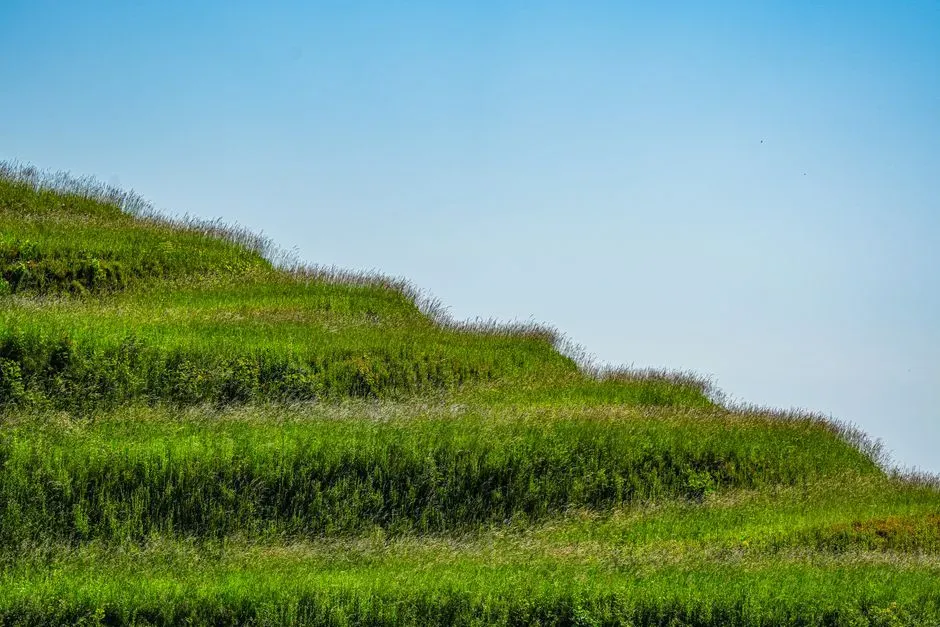
Different birds live at different heights. That’s not a preference – it’s an evolutionary specialization refined over millions of years. Warblers forage in tree canopies. Thrushes and towhees work the leaf litter at ground level. Catbirds and thrashers occupy the mid-shrub layer. Vireos thread through the understory. A yard that offers only one layer – even a beautiful one – effectively excludes every species adapted to the others. Most suburban gardens collapse this structure down to lawn plus one tree, then wonder why only a handful of generalist species show up.
Rebuilding vertical structure doesn’t require a full woodland. It requires intentionality. A canopy tree (even a young one), mid-level native shrubs, low perennial cover, and ground-layer leaf litter creates the scaffolding that supports genuinely mixed-species activity. Birders describe the visual complexity of a layered yard as a signal in itself – migrating birds scanning from altitude recognize structurally complex habitat as worth investigating. That recognition pulls in species during spring and fall migration that then become familiar with the yard and return. The goal isn’t wildness for its own sake. It’s giving every level of the food web somewhere to land.
At a Glance
- Canopy (30–60 ft): native oaks, maples, and cherries – warbler and vireo territory.
- Understory (10–20 ft): serviceberry, redbud, dogwood – thrushes, orioles, and catbirds.
- Shrub layer (3–10 ft): viburnum, elderberry, native roses – sparrows, wrens, and thrashers.
- Ground layer (0–3 ft): native perennials, grasses, leaf litter – towhees, woodcocks, and juncos.
- Each layer added multiplies the number of species your yard can realistically support year-round.
2. Maintain Consistent Year-Round Resources
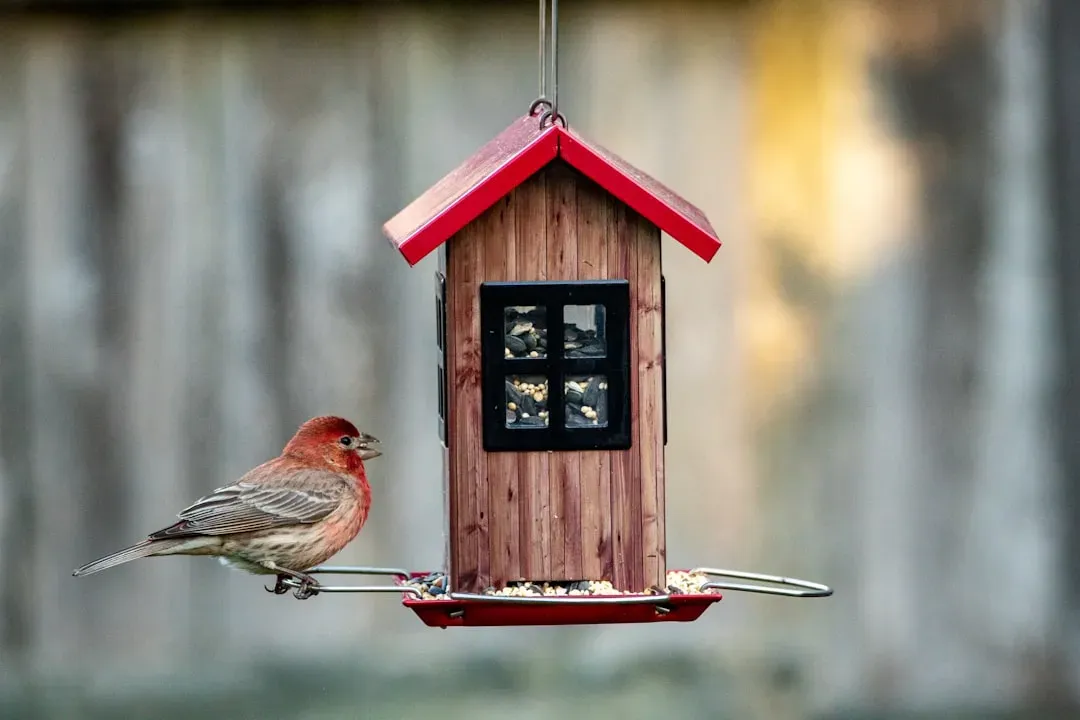
Birds are creatures of learned routes, and those routes are built on reliability. A yard that offers excellent resources in spring and nothing by August teaches birds one lesson: don’t bother planning around this place. Migration routes, wintering territories, and breeding ranges all get adjusted over years based on what consistently delivers. Seasonal enthusiasm – filling feeders in spring, letting everything lapse by July – is one of the quieter reasons birds that used to visit stopped including a yard on their mental map. The sporadic approach feels like effort from the outside. From a bird’s perspective, it looks like inconsistency, which reads as risk.
The most impressive bird yards that experienced birders describe have one thing in common beyond native plants and feeders: someone thought about every month of the year. What’s feeding the birds in January? What’s providing cover in August when shrubs are full but feeders get neglected? What’s available during the September migration push when the summer residents have left and the winter birds haven’t arrived yet? Filling those gaps – with late-fruiting native shrubs, consistent water, suet through winter, and seed heads left standing – is what transforms a garden from a seasonal attraction into a permanent address. That’s when the rare species show up. That’s when the absences end.
1. Commit to Patient, Hands-Off Habitat Restoration
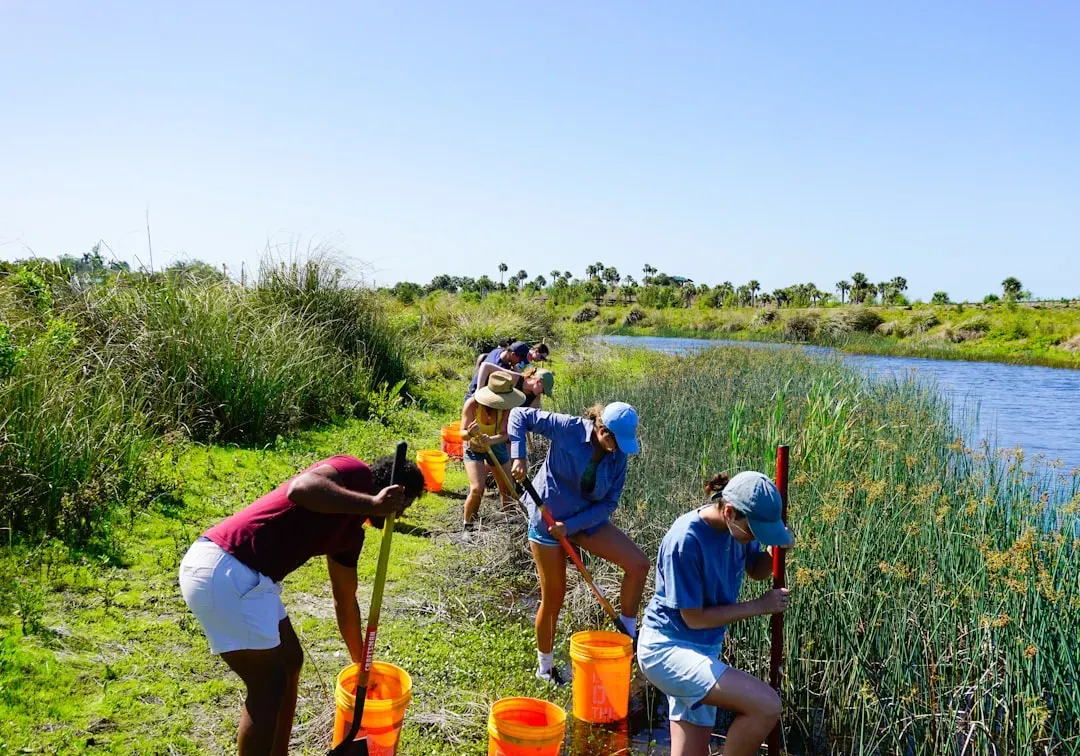
Everything on this list compounds over time, but only if you let it. The single most consistent finding among birders who successfully brought back species absent for a decade or more is this: they stopped managing their yards like performance spaces and started treating them like recovering ecosystems. That means resisting the impulse to intervene every time something looks imperfect, untrimmed, or not quite magazine-ready. It means accepting that the first season might look messier and sound quieter before it gets dramatically better. The yard that has been simplified, sprayed, and manicured for twenty years doesn’t bounce back in one spring. It builds, layer by layer, season by season, as the soil, the insects, and eventually the birds recalibrate around what’s been restored.
The birders who talk about this habit with the most conviction are the ones who made all the other changes and then had to learn to wait. They planted the natives. They stopped the sprays. They put up the boxes. And then – this is the part that surprised them – the most important thing they did was get out of the way. A yard managed with a light touch, consistent resources, and genuine patience becomes something different from a “bird garden.” It becomes habitat. And habitat, once it reaches a tipping point of complexity and reliability, does the recruiting on its own. Birds that haven’t visited in years don’t need an invitation. They need a reason. Give them enough reasons, then trust the process, and they will find you.
Here’s the honest opinion that experienced birders have largely stopped softening: most of us were sold a version of yard care that was never compatible with wildlife. The perfect lawn, the weed-free beds, the twice-yearly spray schedule – these weren’t neutral choices. They were active decisions to prioritize appearance over life, and birds responded by leaving. Reversing that isn’t complicated, but it does require deciding that a yard full of thrushes and warblers and woodpeckers is more worth having than a yard that photographs well from the street. Once you make that decision, everything on this list starts working together. The birds that stopped visiting years ago aren’t gone for good. They’re just waiting to see if you actually mean it this time.

- 5 US States With The Most Peregrine Falcon - August 1, 2026
- The Most Dangerous Animals in Arizona - August 1, 2026
- 10 Dog Breeds That Take Years to Become Reliable Indoors - August 1, 2026