
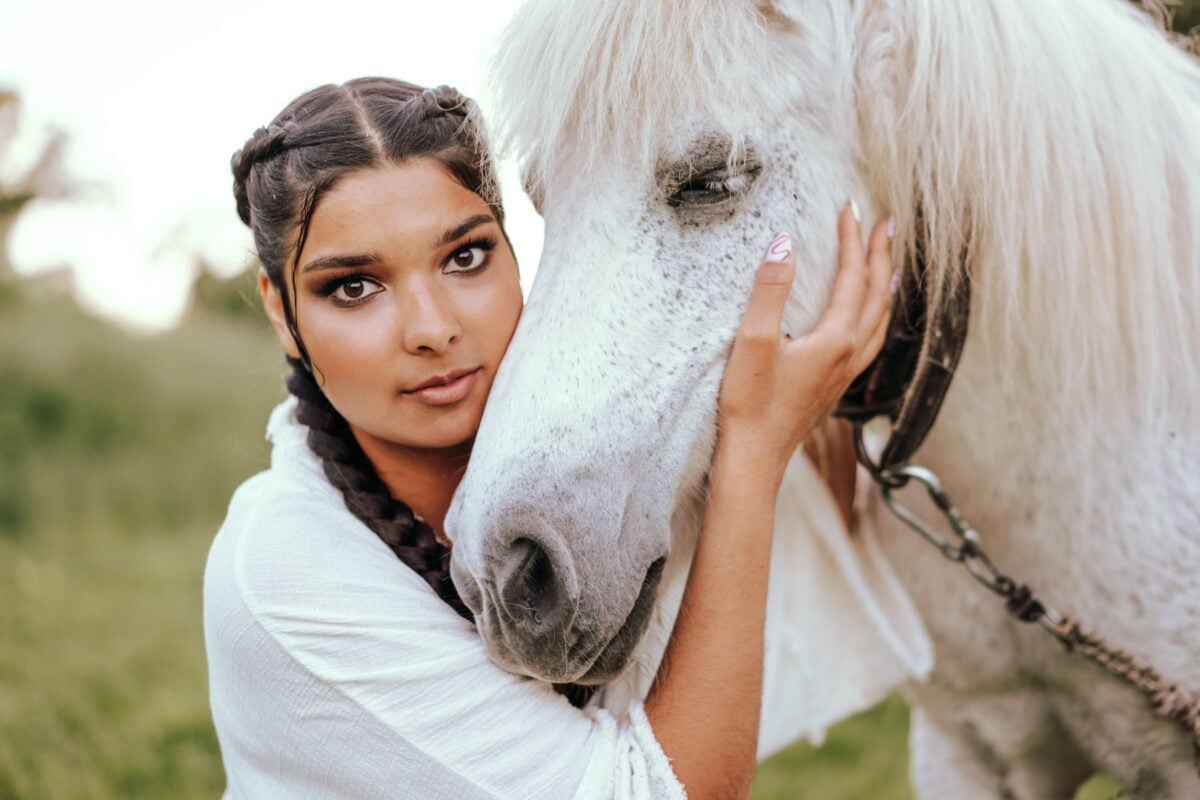
Most people picture a rehomed horse stepping off the trailer as a blank slate. He isn’t. He arrives with a hidden rulebook covering when food appears, which humans are safe and what a gate really means. These 13 habits show up again and again, and once you know what you’re looking at, they stop looking like bad manners.
The strange part is that someone wrote those rules in a place nobody can name, and you’ll probably never learn who. Some habits will make you laugh. One or two may change how you read your horse’s quietest moments. And the last one is the habit almost every new owner misses until it’s already happening.
#13 – The Internal Dinner Bell
🔥 Would you like to save this?
We'll email this post to you, so you can come back to it later!
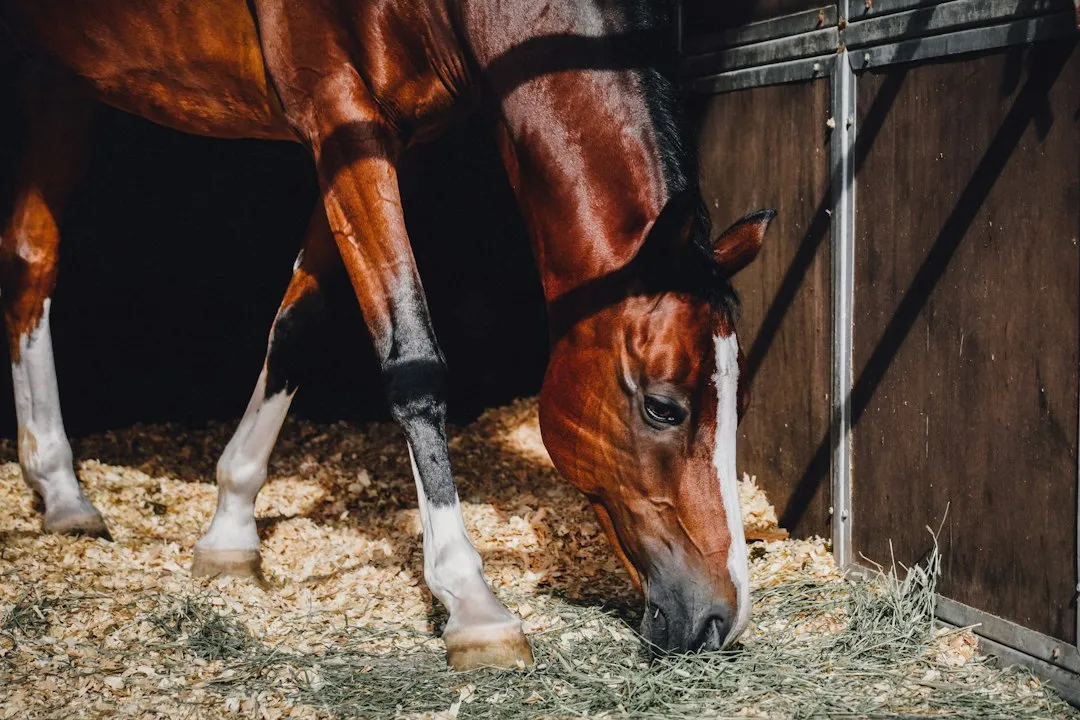
Your new horse may demand breakfast at the exact minute his old yard served it.
Horses are creatures of routine. A yard that fed at fixed times teaches its horses to anticipate those times with startling precision. A horse’s digestive system is built for near-constant grazing, so mealtimes aren’t just a convenience to him. His body keeps a schedule even when his surroundings change.
That’s why you might see pacing, calling or pawing at 6:45 every morning. The behavior can show up on a schedule from a barn he left months ago. It isn’t greed, and it isn’t naughtiness. It’s a learned cue that hasn’t been unlearned yet.
Common signs:
- Calling or pawing at odd but oddly consistent times
- Restlessness in the hour before his “old” meal
- Pushy behavior at the stall door when someone walks past
Cutting meals suddenly tends to make this worse. Shifting feeding times in small steps, a few minutes at a time, works far better.
But the next habit isn’t about food at all. It’s about how he reads you before you touch him…
#12 – Judging Every Human by the Last One
🔥 Would you like to save this?
We'll email this post to you, so you can come back to it later!
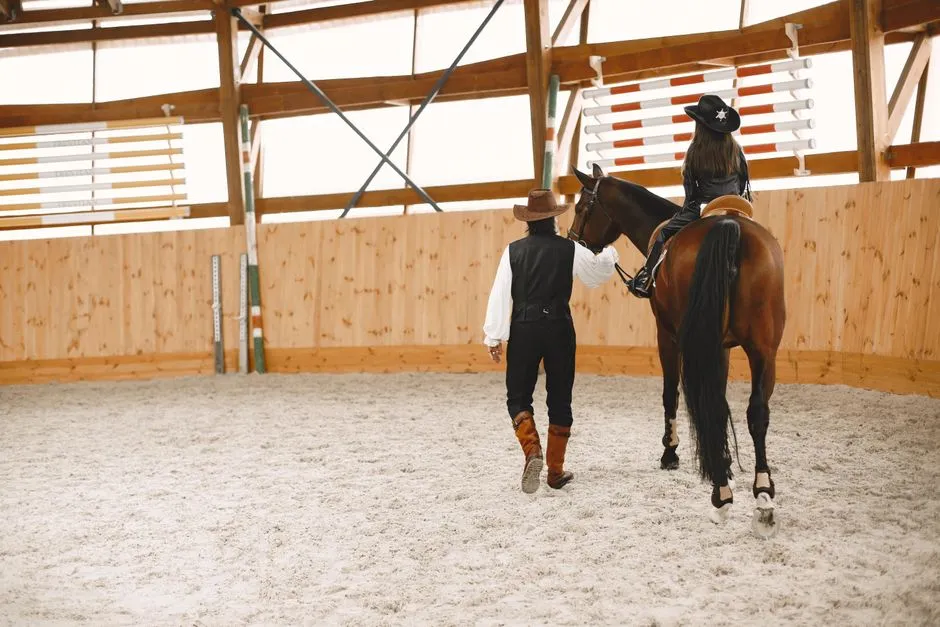
Some horses decide who you are before you open the stall door.
A rehomed horse may swing his hindquarters toward you. Another retreats to the back wall. A third crowds forward and shoves. These are often learned responses, shaped by what happened each time a person walked in.
Quick Compare
- Hindquarters toward you: often a defensive warning learned when an approach once meant pressure
- Retreat to the back wall: may mean he expects the encounter to be unpleasant
- Crowding and shoving: can be a pattern that once earned attention, food or an end to handling
Researchers have looked at this directly. Horses may generalise their view of humans from previous and repeated interactions, and carry that into encounters with familiar and unfamiliar people. Horses live by reading tiny signals from herd mates, so your tense shoulders or quick stride may be speaking louder than you realize. In plain terms, you inherit a reputation you didn’t earn.
There’s a wrinkle here. Past research suggests horses don’t necessarily draw comfort from a familiar person over a stranger when stressed. A bond with the old handler may not have been the safety net everyone assumed.
Here’s the controversial part. Many trainers and behaviorists argue that “he’s just testing you” is the most overused excuse in the barn. Often he’s reading you through a lens you can’t see.
The next habit is one you may have already tried to cure with patience. It may be older than you think…
#11 – Commands He “Forgot” Years Ago
🔥 Would you like to save this?
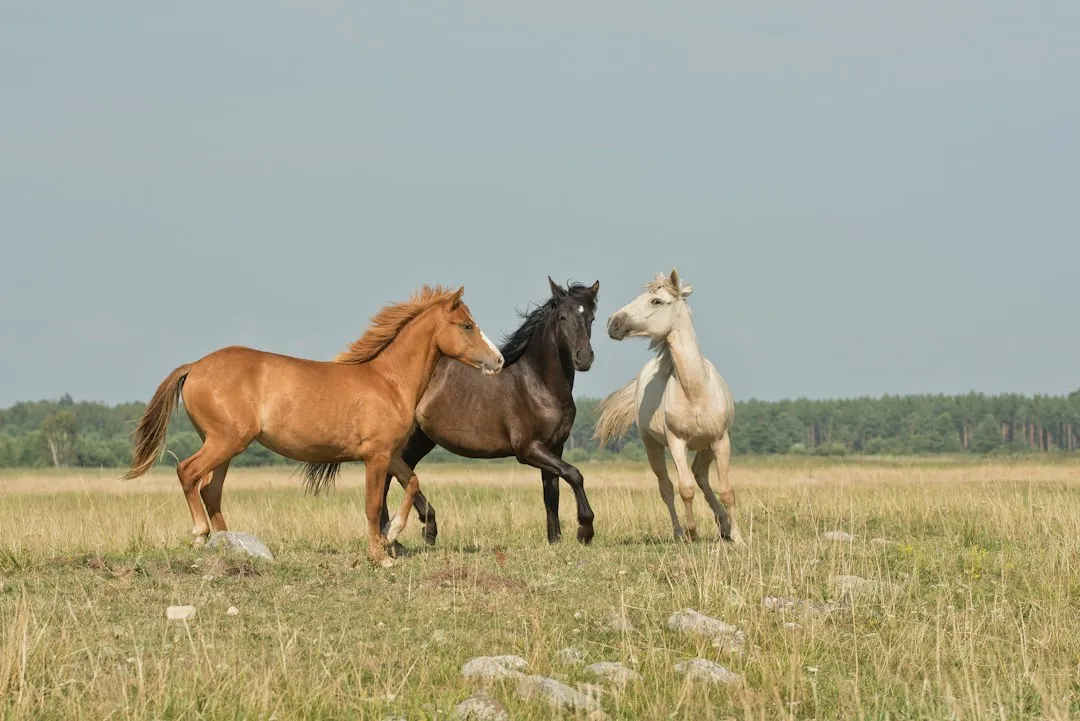
We'll email this post to you, so you can come back to it later!
That cue you thought died with his old trainer is probably still in there.
A horse can respond to a faint leg squeeze, a certain click or a shift in your weight that you never meant as a request. Most riding aids are tiny pressures that a horse learned to answer. Owners often assume he’s being random or disobedient. More likely, he’s answering a question from a former life.
Horses are built to remember whatever kept them safe. French researchers have reportedly confirmed that horses retain what they learned long ago, for better or for worse. That includes cues nobody has given him in years.
This is why a horse may suddenly produce a movement you never taught. It’s also why he may ignore the polite aid you’re sure you’re giving.
Watch for:
- Responses that appear without an obvious trigger
- Movements that seem “too trained” for a horse with a vague history
- Confusion when your cue resembles an old one
And if old cues linger, what happens when the old environment shows up in a doorway?
#10 – The Doorway Dilemma
🔥 Would you like to save this?
We'll email this post to you, so you can come back to it later!
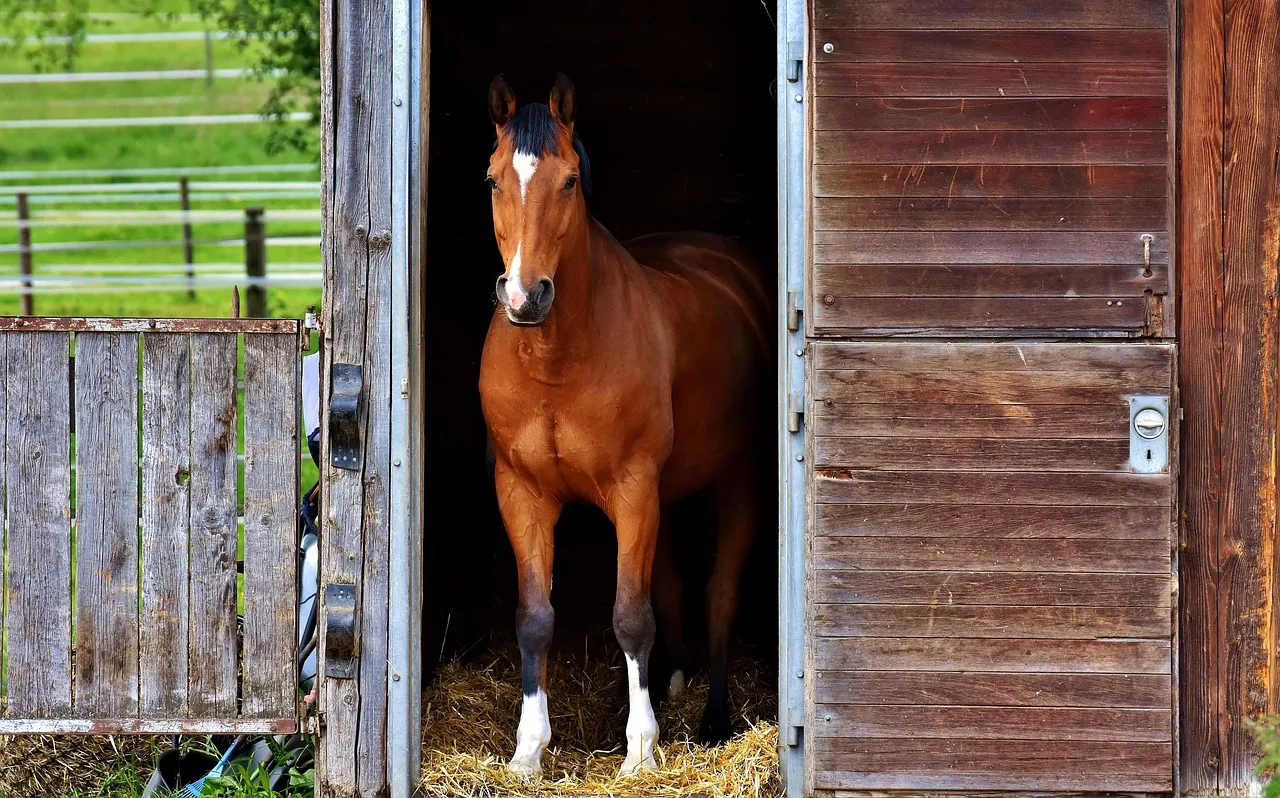
Gates, stall doors and arenas can trigger a reaction that has nothing to do with you.
Some rehomed horses barge through openings like they’re escaping something. Others freeze at the threshold and refuse to move. Both can be learned. A doorway may have meant food, pressure, confinement or turnout in his old life.
Most people read this as bad manners. It’s usually a conditioned response to what happened on the other side. A threshold can carry the emotional weight of every previous crossing.
Picture a horse who was always led roughly through a narrow gap. He may rush every gap now. Or picture one who was shut in after every ride. He may refuse to walk into the barn, even though the barn is fine.
The fix isn’t force. It’s repetition, calm and a clear sense of where his feet are allowed to go. Many trainers recommend leading through wide spaces first, then narrowing them as he relaxes.
Next, we move from small spaces to a big, moving one that causes some of the biggest standoffs of all…
#9 – The Trailer Standoff
🔥 Would you like to save this?
We'll email this post to you, so you can come back to it later!
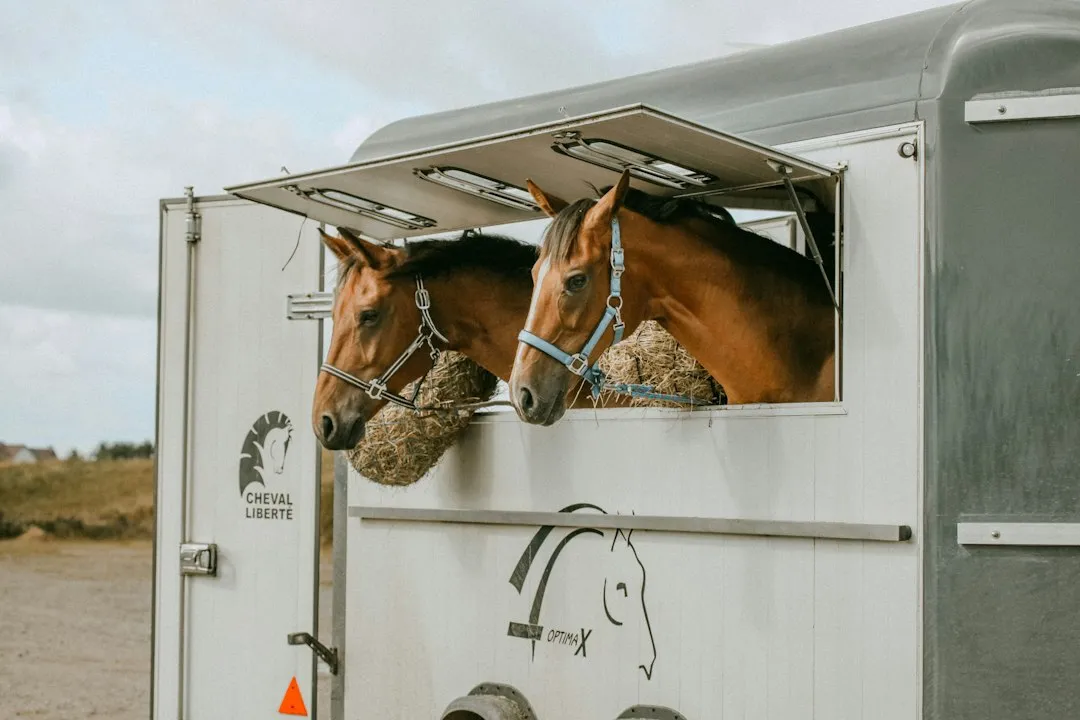
A horse who loaded perfectly at the sale may refuse the ramp a month later.
Trailers combine confinement, noise, motion and loss of control. For a prey animal, that’s a lot. Any past bad trip, rough stop or scramble can stick. And if the trip that brought him to you was stressful, that trip may have just added to the pile.
Loading problems often appear only after the first trip home. The ramp didn’t change. His memory of the experience did.
Moving is also a bigger event than most owners admit. Moving house ranks among major human life stressors, and for horses it may be just as stressful, if not more so.
Here’s an opinion that splits the barn. Many trainers say forcing a horse onto a trailer “to show him who’s boss” is one of the fastest ways to create a lifelong loading problem. Patience beats pressure.
But a trailer is only temporary confinement. The next habit is about what happens when confinement never ends…
#8 – Stall Habits That Arrive Uninvited
🔥 Would you like to save this?
We'll email this post to you, so you can come back to it later!
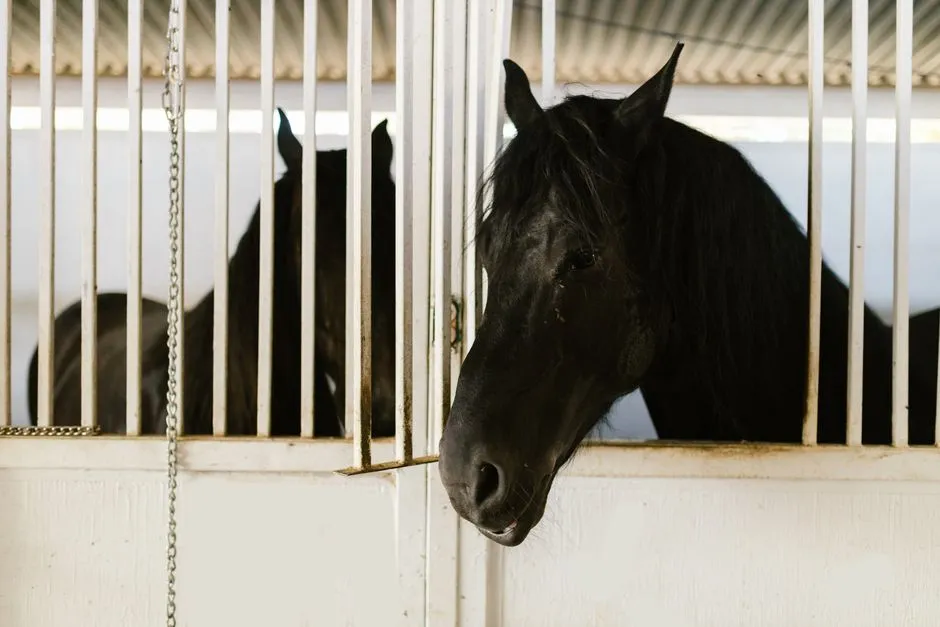
Cribbing, weaving and stall-walking rarely start in your barn.
These repetitive behaviors, often called stereotypies, are widely linked to management: long hours in a stall, limited forage and little company. A horse may bring them from a previous setup and keep them going for years. Cribbing in particular has also been linked to gut discomfort, which is one more reason it deserves a vet’s eye.
The environment matters. In one small study, cortisol levels in stalled horses were significantly higher than in horses that stayed in a paddock. Stall life alone was enough to move a stress marker.
Common stall habits:
- Cribbing: grasping a surface and sucking in air
- Weaving: swaying the head and neck side to side
- Stall-walking: pacing the same loop
Most people rush to stop the behavior with collars or deterrents. Experts increasingly argue that’s treating the symptom. A horse who can graze, move and see other horses usually needs the behavior less.
Even when the stall is gone, his body may still be keeping score. Sometimes it shows up in the quietest place of all: the water bucket…
#7 – Suddenly Fussy About Water and Hay
🔥 Would you like to save this?
We'll email this post to you, so you can come back to it later!
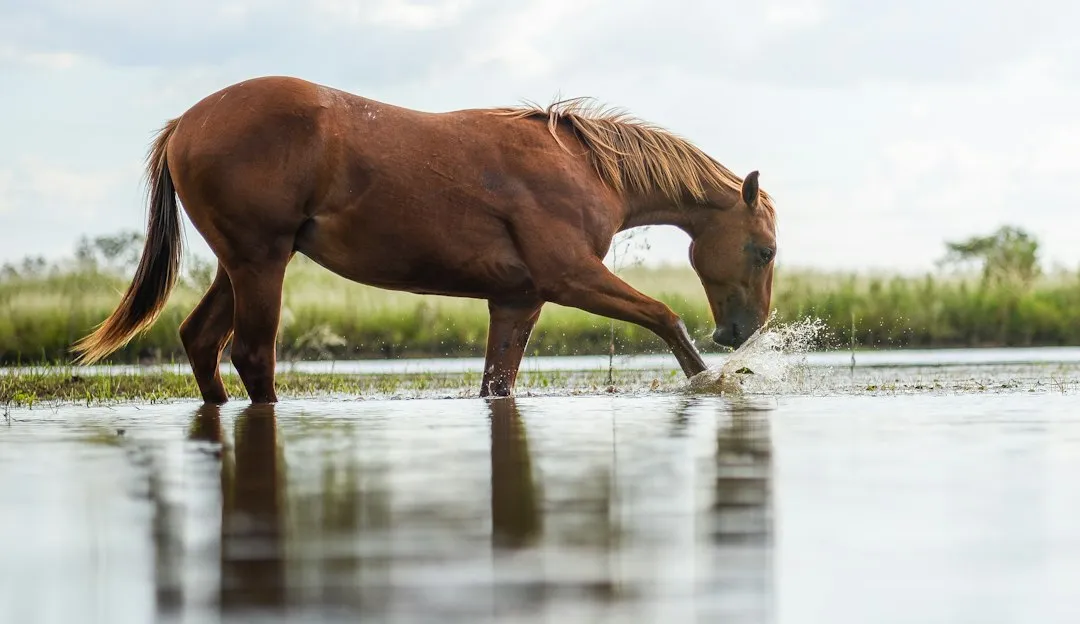
A horse who drinks well at home may sip almost nothing in a new barn.
Water tastes different from place to place, and so does hay. Add a new bucket, a new trough and a new routine, and some horses simply don’t bother. That may not sound like a “habit,” but it often follows him from one move to the next.
Reduced drinking after a move is a real health concern, not just a quirk. Horses can’t vomit, and their digestive systems are sensitive, so lower water intake can contribute to digestive problems. It deserves attention rather than a shrug.
Fast Facts
- An average adult horse often drinks somewhere around 5 to 10 gallons a day, and more in heat or hard work
- Hay or forage is commonly fed at roughly 1.5 to 2 percent of body weight daily
- Water taste and smell vary between barns, which can put some horses off a new source
- A few flakes of the old hay can ease the switch
This is also why vets suggest planning ahead. A vet consultation can help anticipate move-related issues such as stress-triggered ulcers, and gradual changes in feeding can smooth the transition. Many owners ask the previous barn for a few flakes of the old hay to blend in during the first days.
What to track in week one:
- How much he drinks each day
- Whether manure output looks normal
- Whether he leaves hay he’d normally eat
If something looks off, call your vet early. Waiting to see if he “settles” is a gamble.
Of course, not every unsettling habit shows up in his stomach. Some show up on his skin…
#6 – The Flinch Nobody Can Explain
🔥 Would you like to save this?
We'll email this post to you, so you can come back to it later!
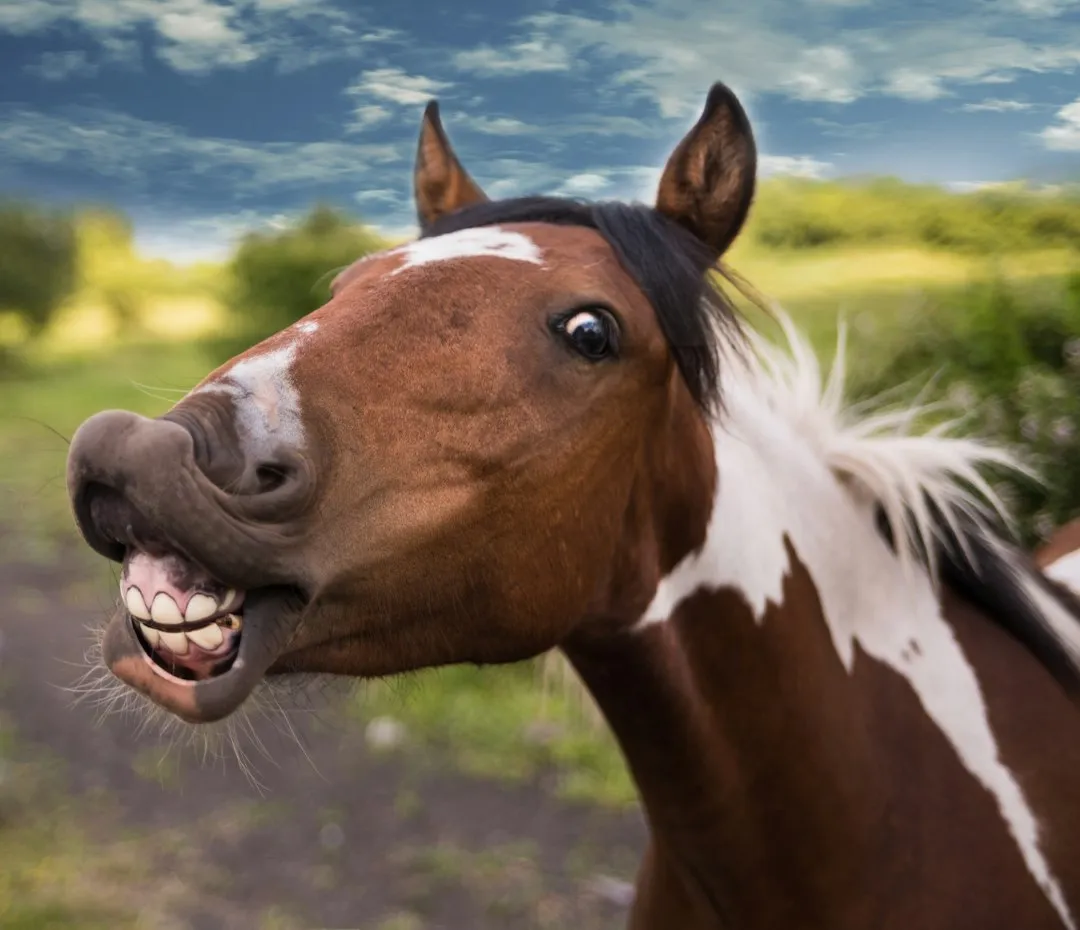
He pins his ears when you reach for the girth, and you have no idea why.
Flinching, head-shyness and touchiness are among the most puzzling habits. They can come from past rough handling, but that’s only one possibility. Pain, ill-fitting tack, dental problems and ulcers are all common culprits.
Here’s the twist most people miss. A “behavior” problem can be a medical problem wearing a disguise. Guessing at the backstory can send you down the wrong path entirely.
That’s why it pays to resist a neat narrative. Assuming abuse is tempting, but the evidence on a given horse’s past is usually missing. Treating him as a mystery, not a victim, keeps you open to simpler explanations.
Experts typically suggest ruling out physical causes first. A vet, a dentist and a saddle fitter can answer questions that months of training can’t.
But what if it’s not pain at all, and he’s simply seeing the world differently?
#5 – Spooking at Things That Aren’t There
🔥 Would you like to save this?
We'll email this post to you, so you can come back to it later!
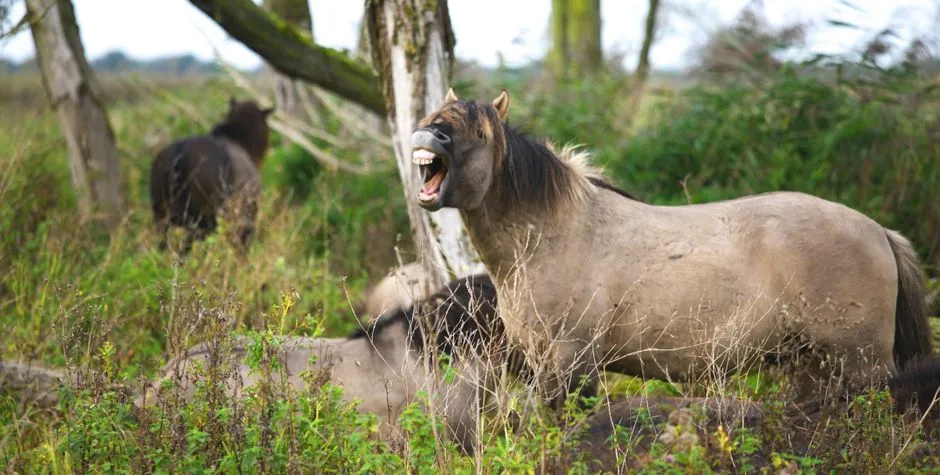
A wheelbarrow, a hat, a plastic bag: some rehomed horses react like it’s a predator.
Horses are prey animals, and flight is their first line of defense. A horse who has had a frightening experience with a specific object, sound or situation may remember it vividly. To you, it’s a flapping tarp. To him, it’s an old threat.
What looks like random spooking is often highly specific. The same horse may ignore a tractor and explode at an umbrella. That kind of pattern usually points to learning, not temperament. Because a horse’s eyes sit on the sides of his head, something he’s fine with on one side can look brand new from the other.
Look for patterns in:
- Time of day
- Location in the arena or yard
- Specific sounds, colors or movements
The trendy fix is “flooding,” which means exposing a horse to the scary thing until he gives up. Many trainers argue that’s a shortcut that can backfire. A horse who stops reacting may be shutting down, not relaxing.
Worth Knowing
- Side-set eyes give horses a very wide field of view
- Blind spots sit directly in front of the nose and directly behind the tail
- An object can seem to change when it passes from one eye to the other
- Letting him look and sniff at his own pace usually works better than rushing him past it
Which brings us to the habit that’s easiest to mistake for something sweet…
#4 – Glued to One Friend

🔥 Would you like to save this?
We'll email this post to you, so you can come back to it later!
Your horse screams when his buddy leaves, and it isn’t simply love.
Some rehomed horses attach to a single companion fast. Others struggle to join any group. Either way, herd life is a survival system. For a horse, being alone can feel like being unsafe.
New horses also face a social puzzle. Every herd has an informal hierarchy, and the newcomer starts at the bottom of an unwritten ladder. Pinned ears at the feed bucket or a kick over hay is a negotiation, not malice.
Signs of social stress include:
- Hovering at the fence line
- Constant calling when separated
- Refusing to leave a companion’s side
Introducing him slowly, over a fence at first, tends to go better than a sudden turnout with strangers. Safe space and an escape route matter.
But the next habit looks like the opposite. It’s the horse who seems almost too calm…
#3 – The Quiet Horse Who Isn’t Relaxed
🔥 Would you like to save this?
We'll email this post to you, so you can come back to it later!
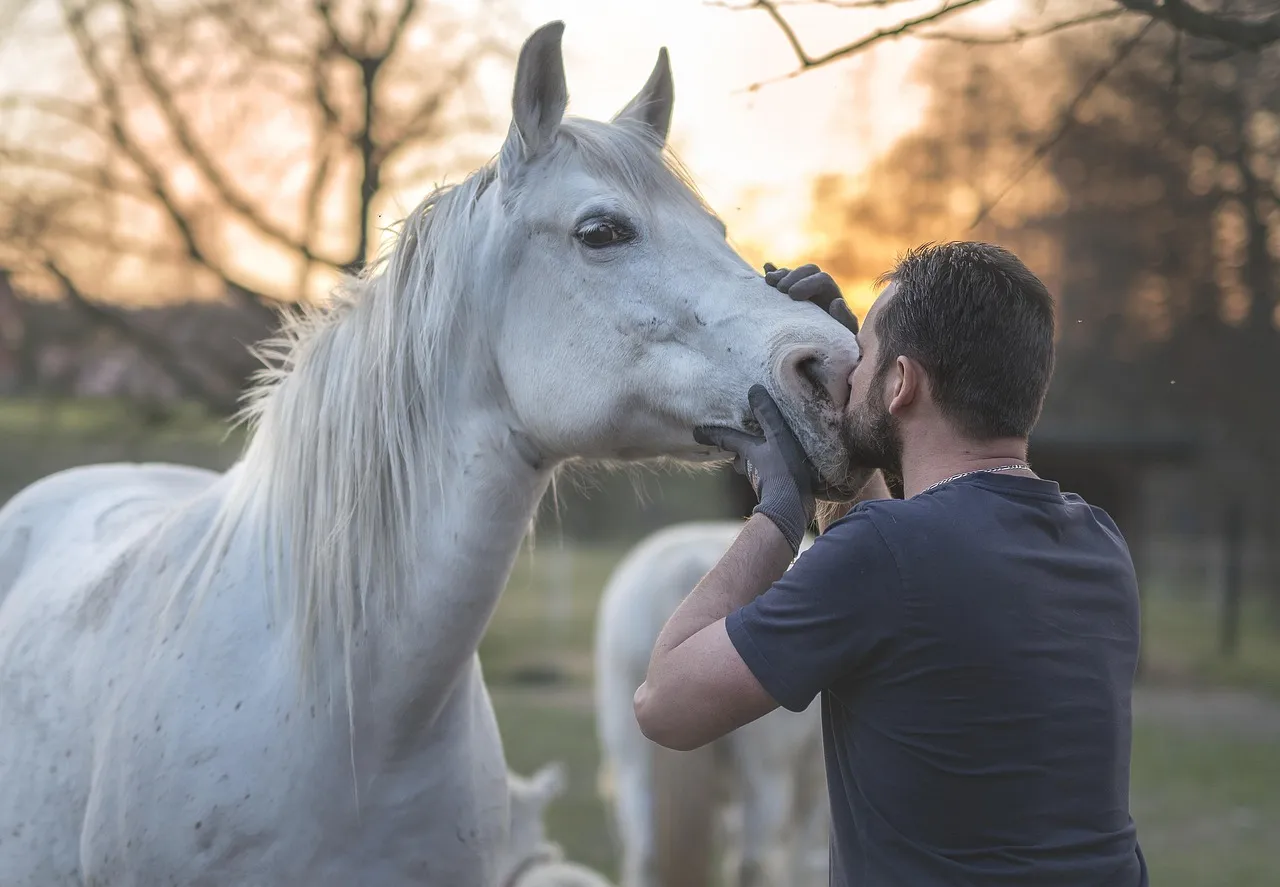
Beware the “perfect” horse who does nothing at all.
Some horses respond to overwhelming stress by going still. They stand stiffly, avoid eye contact and tolerate everything. Owners often celebrate it as good manners. Behavior experts often caution it can be suppression, not calm.
Here’s the uncomfortable part. A horse who never reacts is not always a horse who feels safe. Subtle signs, like a tight eye, a clamped tail or shallow breathing, can reveal what he’s hiding.
Stress also affects thinking. In a horse study, the memory of a stressor linked to the learning context impaired how well horses re-learned a task. A horse who is quietly stressed can learn less than he seems to.
Real relaxation looks different:
- Soft eye and loose lower lip
- Lowered head and neck
- Willingness to lick, chew and move
If you see the stiff signs instead of the soft ones, slow down. His stillness may be asking for patience, not praise.
Why It Stands Out
- Nobody complains about a horse who causes no trouble, so the problem goes unnoticed
- Praise for “good behavior” can accidentally reward shutting down
- The signs are small: an eye, a tail, a breath
- It can look like a dream horse right up until the day it doesn’t
And that leads to the moment the surface cracks, usually under saddle…
#2 – The Blow-Up Under Saddle
🔥 Would you like to save this?
We'll email this post to you, so you can come back to it later!
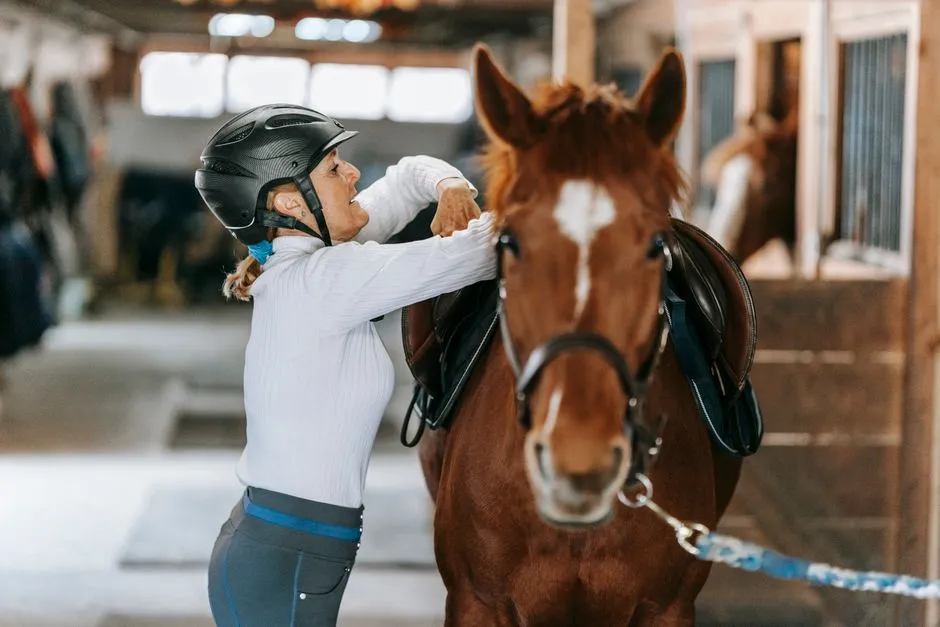
The ride goes fine for weeks, then he suddenly explodes.
Under saddle, a horse brings the full weight of every earlier lesson. Old pressures, old fears and old confusions can resurface the moment the work gets harder. A horse who was fine at the walk may panic at the canter.
Owners often respond with more pressure, and that’s the classic mistake. A horse in a stress state can lose the ability to learn the very thing you’re asking. More force usually means more confusion.
In a new environment with new handlers, stress responses can be misinterpreted as behaviour issues. That single misreading can turn a recoverable situation into a battle.
The more useful approach is to go back a step. Simplify the work, check the tack and body, and rebuild confidence in small wins.
But there’s one habit that outlasts all the others, and it has nothing to do with the saddle…
#1 – The Personality That Arrives Late
🔥 Would you like to save this?
We'll email this post to you, so you can come back to it later!
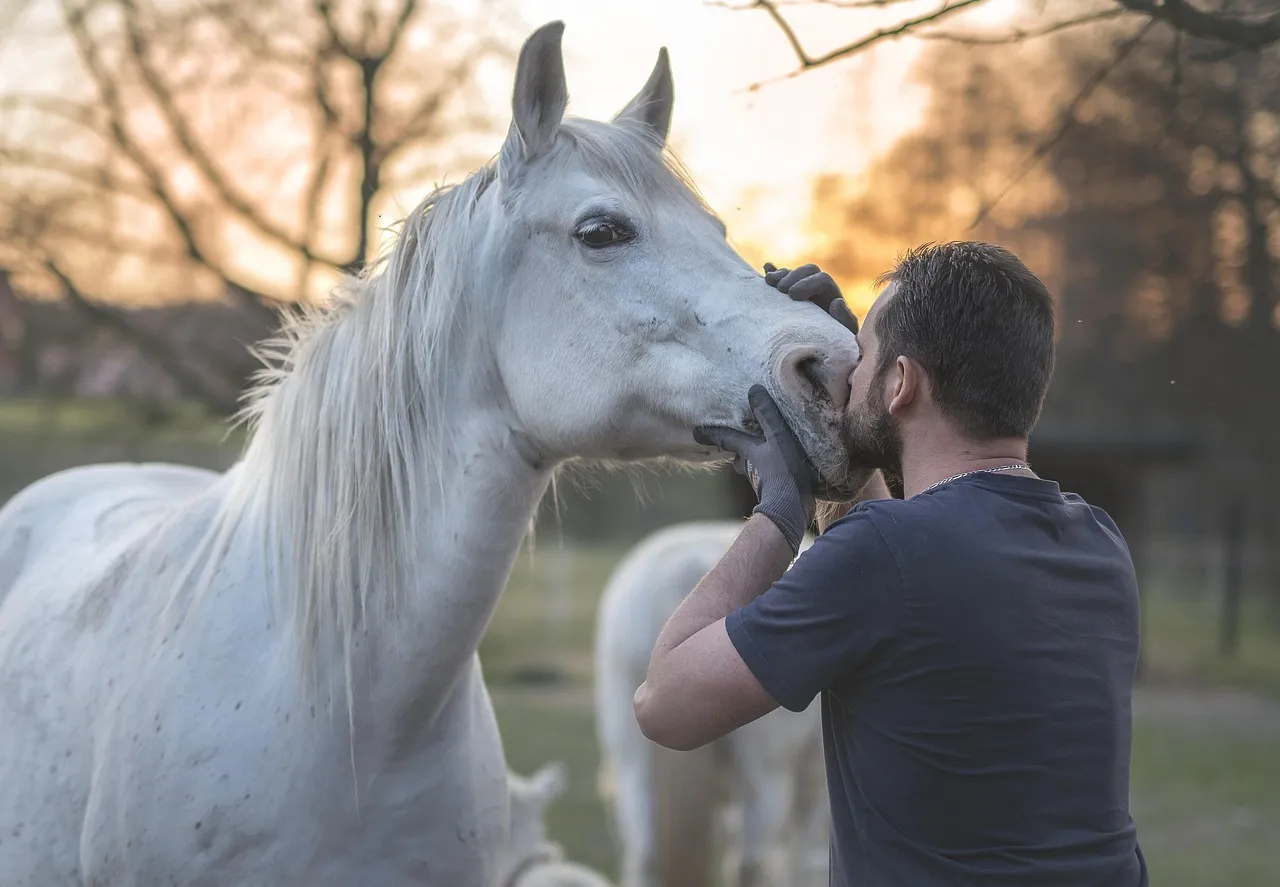
The horse you meet in week one is not the horse you’ll have in year two.
Experts describe what’s often called New Home Syndrome. A horse may be unsettled, anxious and hard to handle after a move. With understanding handling, high alert can ease within weeks, but some horses take a couple of years to feel fully at ease.
Some horses need roughly two years before they truly show you who they are. That makes the “honeymoon period” a myth for many animals. Sometimes the calm comes first and the real horse arrives later.
Here’s the opinion that divides owners. Many trainers argue that rushing a horse’s timeline is one of the most damaging things you can do. Another move or another trainer can reset the clock.
And honesty matters here. Not every horse settles in after a move, no matter how much time or accommodation is offered. That’s a hard truth, but it’s better to know it going in.
So what do all thirteen habits say when you put them together? A rehomed horse isn’t a puzzle with missing pieces. He’s a record of everything that kept him safe. The dinner bell, the flinch, the trailer standoff and the late-arriving personality are all the same thing: learned survival, not bad behavior.
My view is blunt. The “he’s just testing you” mindset does more harm than almost any past owner could. Rule out pain, slow down and stop hunting for a villain in a backstory you’ll never know.
Patience isn’t soft. It’s the only method that matches how horses actually learn. The horse in your barn isn’t hiding his past from you. He’s showing it to you, one habit at a time.

- 7 Everyday Habits That Can Make Your Senior Dog Happier - November 5, 2026
- 10 Enigmatic Structures That Continue to Puzzle Scientists Today - November 5, 2026
- 10 Strange Ruins in the Americas That Challenge What We Know About Early History - November 5, 2026