
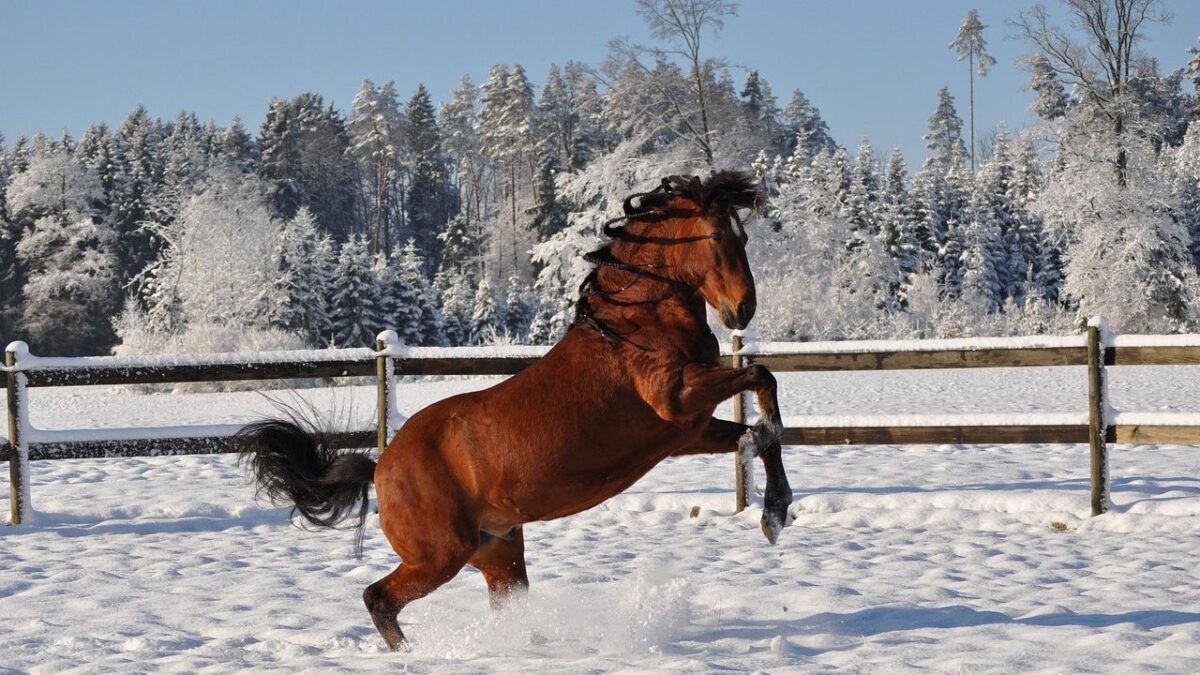
Walk into any horse rescue on a quiet Tuesday morning and you’ll notice something the Instagram posts never show: stall after stall of horses that have been there for months. Not because they’re dangerous. Not because they’re broken. But because nobody came. Rescue workers will tell you, if you ask the right questions, that certain breeds sit so long the staff start naming them twice – once when they arrive, and again after enough time passes that it feels like they’ve always lived there.
The breeds on this list aren’t the ones making headlines for record-breaking auction prices or viral riding videos. They’re the ones rescue centers quietly dread taking in – not because the horses themselves are the problem, but because the homes almost never materialize. Some of what you’re about to read will surprise you. A few of it might sting a little if you’ve ever passed on an “unfashionable” horse without thinking twice about why.
At a Glance: The Scale of the Problem
- An estimated 200,000 horses become unwanted in the United States every year.
- Only 6,000–10,000 horses are housed in rescues at any given time — far below the need.
- For every 4 horses relinquished to a nonprofit, only 3 are rehomed.
- Nearly 1 in 5 horses that do get adopted spend over a year at a rescue first.
- Research suggests up to 1.2 million U.S. households have the resources and desire to adopt — the horses just aren’t reaching them.
#1 – Shetland Ponies
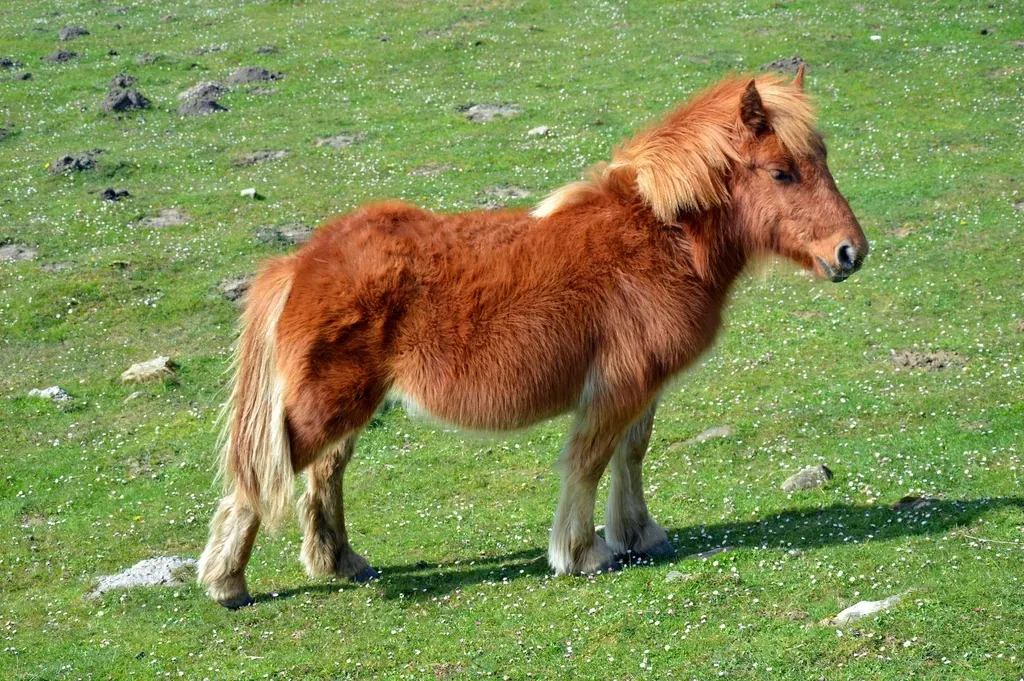
Of all the horses on this list, Shetland Ponies might be the most misunderstood animals in the entire equine world. Parents see them at petting zoos – small, fluffy, seemingly manageable – and the idea takes root: a perfect starter pony for the kids. Rescue workers have watched this story play out hundreds of times. The pony arrives at a family home full of excitement, and within six months, it’s back at a rescue because nobody told the family that Shetlands are essentially small horses with enormous opinions and zero interest in being pushed around by a seven-year-old who hasn’t had a single riding lesson.
Their thick double coats and compact, sturdy frames hide genuine maintenance demands – regular farrier visits, dental care, weight management (they founder easily on lush grass), and consistent training that most novice owners aren’t equipped to provide. What makes this genuinely heartbreaking for rescue staff is that Shetlands, in the right hands, are clever, loyal, and remarkably long-lived companions. But “the right hands” is doing a lot of heavy lifting in that sentence. Most families surrender them feeling guilty. The ponies arrive confused. And then they wait.
#2 – Belgian Drafts
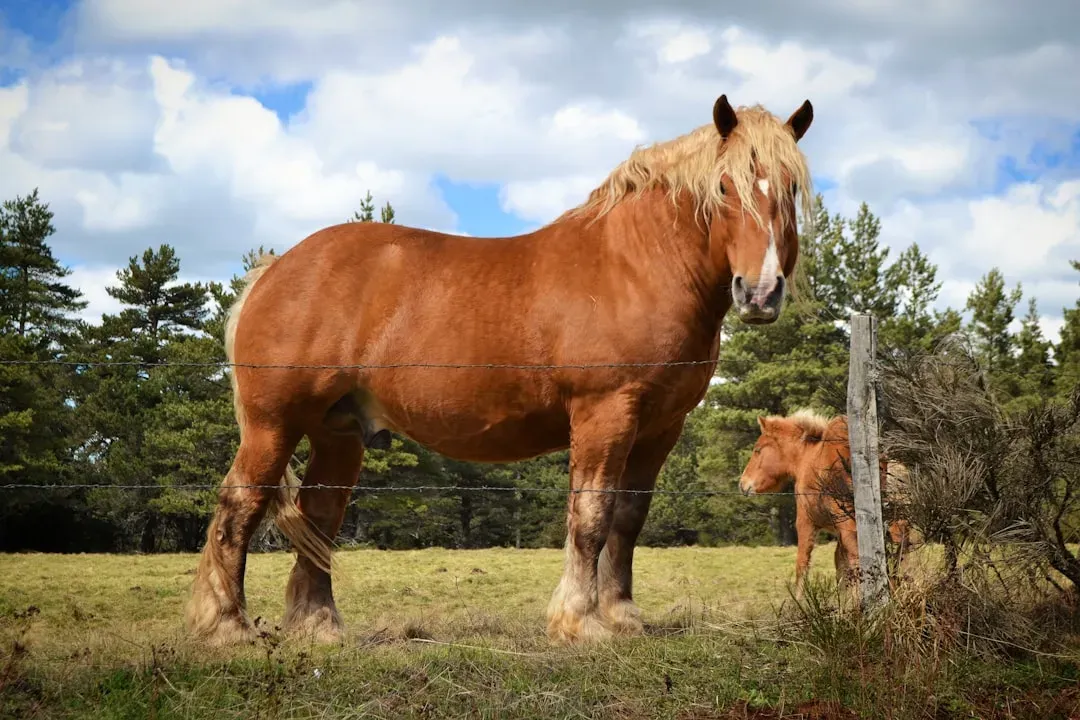
Belgian Drafts are the kind of horses that make grown adults stop breathing for a second when they walk past. Massive, golden, and impossibly gentle – these horses will rest their enormous heads on your shoulder like an oversized dog if you let them. Rescue workers are genuinely fond of them. The problem is that fondness doesn’t translate into adoption applications, because the moment a potential adopter does the math on feeding a 2,000-pound animal, the conversation tends to end pretty quickly.
A Belgian in full work can go through 30 or more pounds of hay a day, plus grain, plus supplements. Fencing needs to be heavier gauge. Stalls need to be bigger. Trailers need to be stock-sized. Every single line item on the care budget scales up with the horse’s frame, and most average equestrian households simply aren’t built for it. Rescue centers report that Belgians often arrive as unwanted farm horses – bought for logging or fieldwork that never materialized – and then sit because the people who could actually manage them are few and far between. The horses themselves are blameless. That’s what makes it hard.
Fast Facts: Belgian Draft Ownership Costs
- Average weight: 1,800–2,400 lbs — every cost scales accordingly.
- Daily hay alone: up to 40 lbs per day for a 2,000-lb horse.
- Monthly feed budget (hay, grain & supplements): roughly $720/month.
- Basic boarding: $300–$700/month; full-service care: up to $1,500/month.
- Draft-specific health risk: PSSM (Polysaccharide Storage Myopathy) requires careful dietary management.
- The upside: Belgians are widely considered easy keepers — far less grain-dependent than most light horses.
#3 – Clydesdales
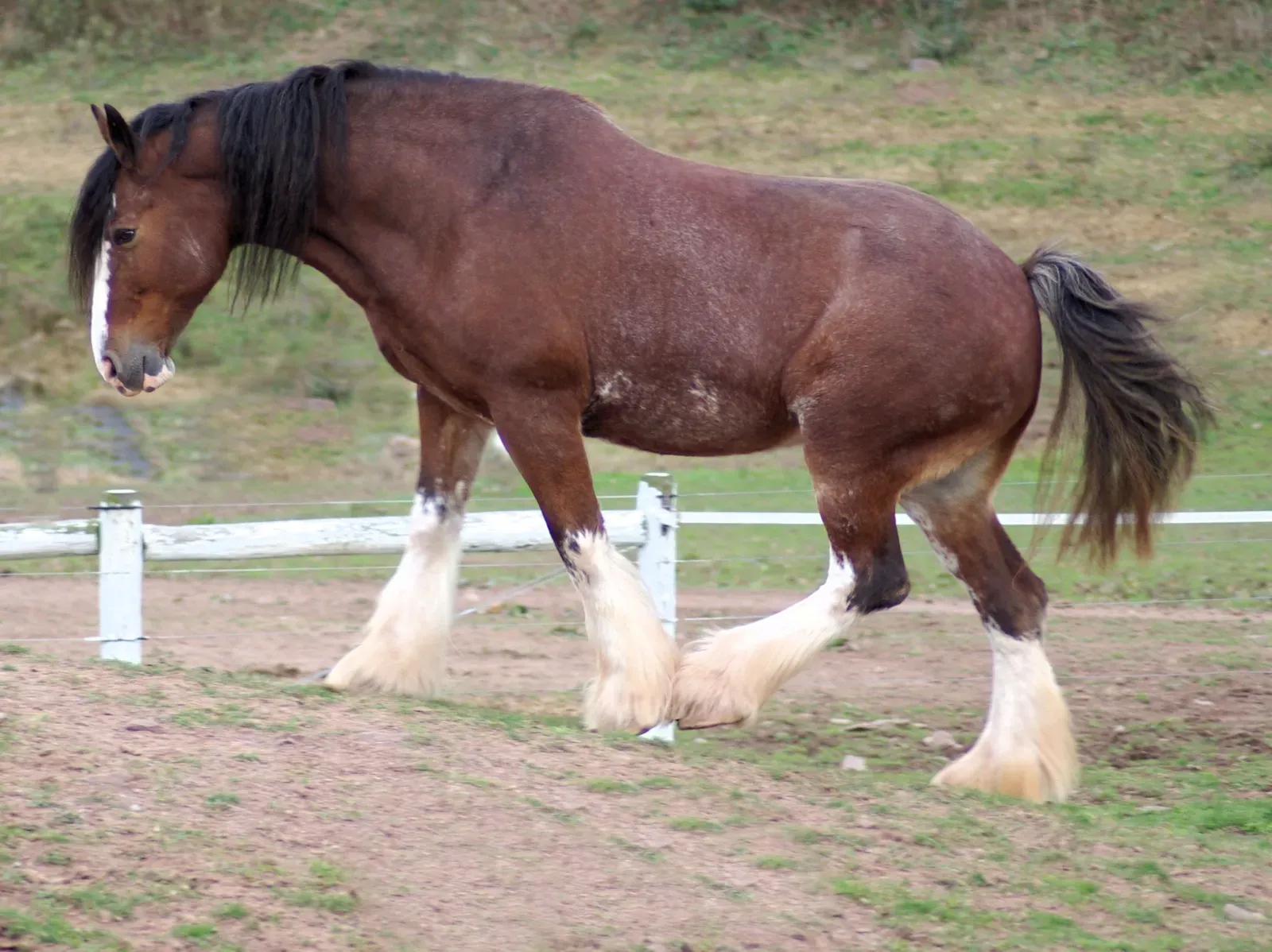
Everyone loves a Clydesdale in a Super Bowl commercial. Fewer people are lining up to clean the feathering on their legs every single day. Those long, silky leg feathers – the ones that look so dramatic and beautiful in photographs – are actually a significant management challenge. Without regular cleaning and drying, the skin underneath develops a painful bacterial condition called “scratches” or mud fever, and in severe cases it can cause lameness. Rescue workers who have nursed neglected Clydesdales back to health describe the process as time-consuming and expensive in a way that shocks people who didn’t realize grooming a draft horse is practically a part-time job.
What makes Clydesdales particularly hard to place is that their reputation precedes them in the wrong direction. People assume they’re working horses only, or that riding one requires some kind of specialized skill set they don’t have. In reality, Clydesdales are often described by the people who know them best as big, friendly, forgiving animals that bond strongly with their handlers. Rescue staff at centers that specialize in drafts will tell you privately that a well-matched Clydesdale adoption is one of the most rewarding they’ll ever process – they just rarely get the chance to make it happen.
#4 – Percherons
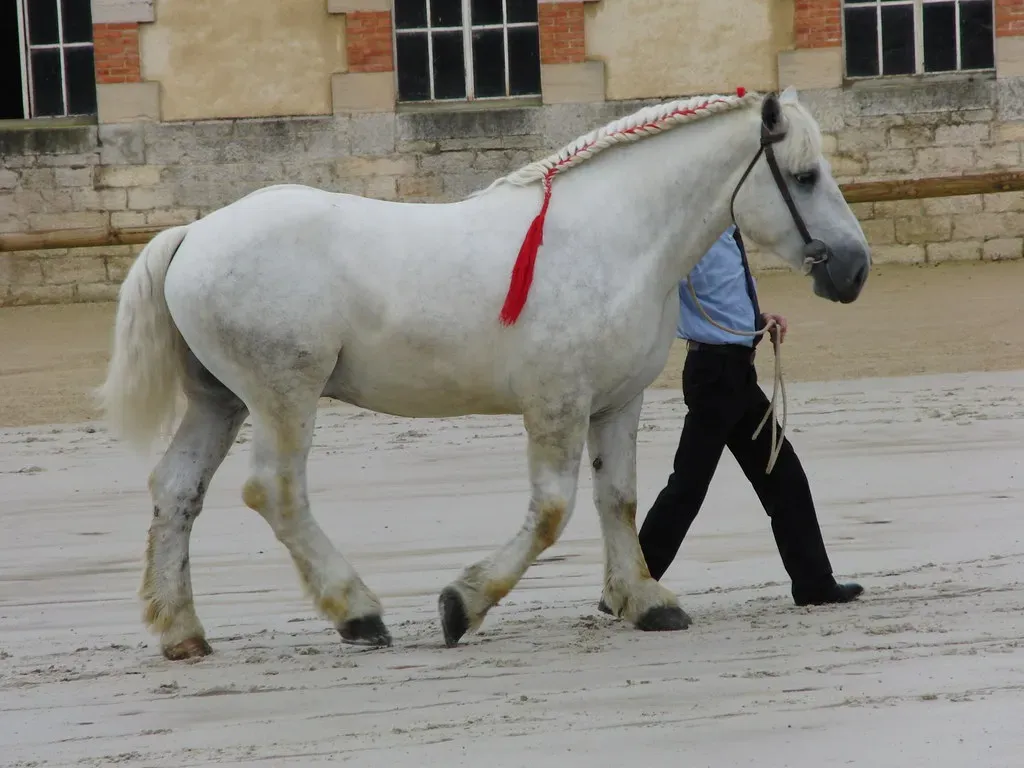
Ask rescue workers which draft breed they’d personally take home if space and budget weren’t a consideration, and Percherons come up more than you’d expect. They’re slightly more compact than Clydesdales or Belgians, historically used for both heavy farm work and light riding, and they carry themselves with a quiet, collected dignity that experienced horse people find immediately appealing. On paper, they should be easier to place than the other drafts. In practice, they wait just as long – sometimes longer.
The problem is that most potential adopters never get far enough past the initial size impression to discover any of that. “Draft horse” reads as “expensive, complicated, not for me” to a significant chunk of the adoption pool, and Percherons get swept into that category without a second look. Rescue centers have tried reframing them as versatile light-work horses, highlighting their calm temperament in promotional materials, even offering reduced adoption fees – and still the applications don’t come. For a breed that was once considered the workhorse of France and a pillar of American agriculture, being overlooked at a rescue feels like a particularly cruel ending to a long and honorable history.
#5 – Thoroughbreds
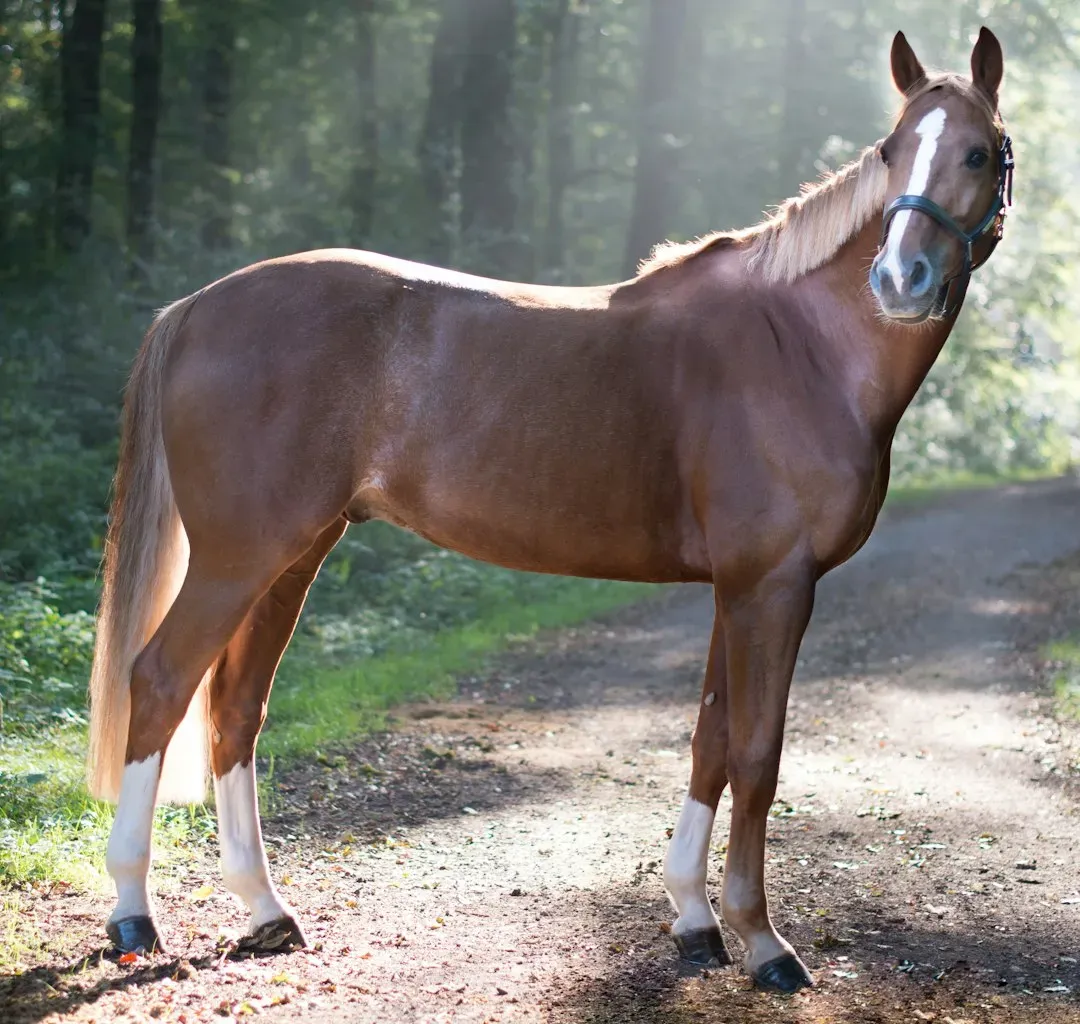
Every year, thousands of Thoroughbreds finish their racing careers and need somewhere to go. Some are purchased by competitive riders looking for athleticism and heart. Some go into breeding programs. And a significant number end up at rescues, where they’re frequently described by staff as among the most emotionally complex horses to rehome. It’s not that they’re dangerous – most ex-racehorses, given time and proper retraining, make genuinely good riding horses. It’s that the word “Thoroughbred” alone is enough to make a lot of casual adopters take one step back.
The reputation for being “hot” – reactive, sensitive, difficult to manage – follows the breed even when the individual horse in question is standing perfectly quietly in its stall. Rescue workers will point out that many ex-racehorses also arrive with soundness issues from years of hard track work: old injuries, arthritis starting earlier than it should, feet that need careful management. A potential adopter looking at a horse like that is doing a complicated cost-benefit calculation in their head, and “free to a good home” doesn’t always tip the scales. The horses that have the most to give sometimes get the least chance to prove it.
The Thoroughbred is in my opinion the most versatile horse in the world. There is nothing a Thoroughbred cannot do.
George Morris
Worth Knowing: The OTTB Reality
- Most Thoroughbreds retire from racing by age 5 — leaving 15–20+ riding years ahead.
- Retraining specialists advise starting groundwork from scratch, even with well-handled horses.
- OTTBs are experienced travelers — most load and haul well from day one.
- Many adoption organizations categorize horses by rider level, making suitable matches available to intermediate riders, not just professionals.
- Ex-racehorses have gone on to compete in dressage, eventing, show jumping, trail, and therapy work.
#6 – Standardbreds
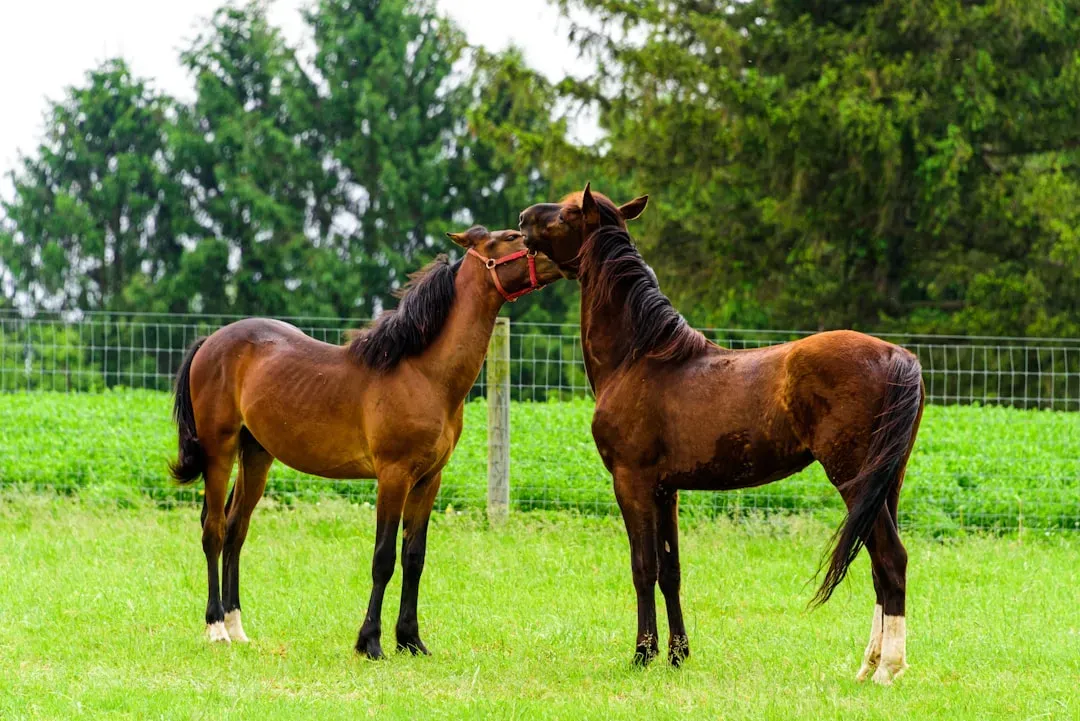
Standardbreds might be the single most underrated horse in the American rescue system, and rescue workers will argue that point passionately if you give them the opening. These horses were bred to trot or pace at speed, which means they’re structurally sound, mentally steady, and built for sustained effort in a way that many breeds simply aren’t. They have lower centers of gravity than Thoroughbreds, quieter dispositions, and a work ethic that experienced trainers openly admire. And yet they sit in rescues, month after month, while buyers chase Warmbloods and Quarter Horses.
The issue is partly one of perception and partly one of geography. Outside of the harness racing world, most people have never seen a Standardbred under saddle. They assume the trotting background means the horses can’t canter properly, or that they’re somehow less athletic than racing Thoroughbreds. Rescue staff spend a lot of time correcting both assumptions. What they can’t easily correct is the absence of a cultural moment for the breed – no famous Standardbred has captured the public imagination the way a Kentucky Derby winner does, and in the adoption world, cultural visibility matters more than most people realize.
#7 – Arabians
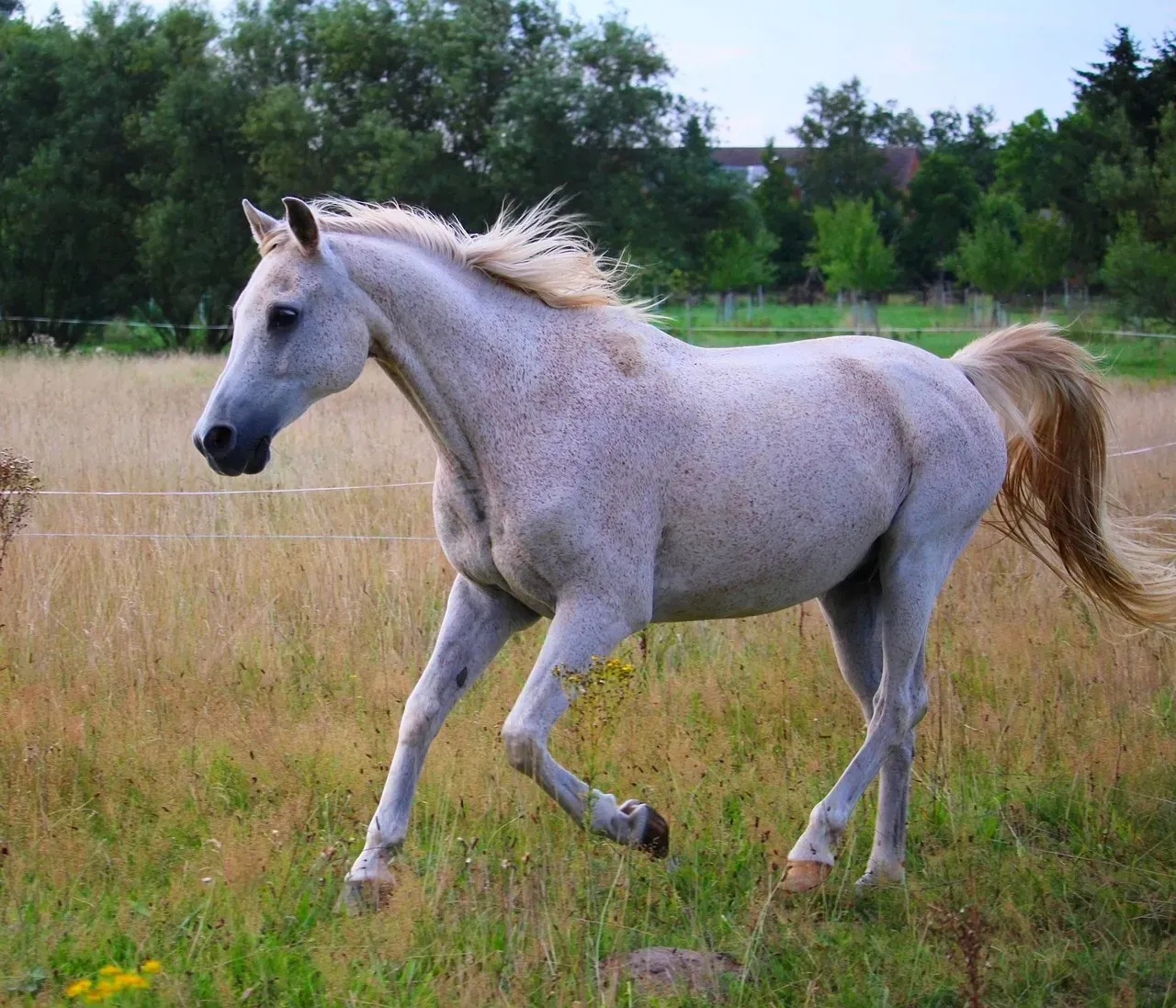
There is no breed in the world with a more devoted following – or a more damaging reputation among people who don’t belong to that following. Arabians have been bred for thousands of years to be sensitive, intelligent, and deeply bonded to their humans, which means they are exactly as responsive as whatever energy their handler is bringing into the space. A calm, experienced rider on a well-trained Arabian will tell you it’s one of the most connected riding experiences they’ve ever had. A nervous beginner on the same horse in an unfamiliar environment will tell you a very different story.
Rescues see Arabians arrive most often after one of two scenarios: an experienced owner passes away or can no longer ride, leaving a horse with no obvious next home, or an inexperienced buyer fell in love with the arched neck and dished face and didn’t think much further ahead than that. The horses that arrive from the first scenario are often genuinely lovely animals that could thrive in a competent home – and they still wait for months because the breed’s reputation filters out too many potential adopters before they ever make it to the barn. Rescue workers describe it as watching a first-round elimination where the wrong contestant keeps getting cut.
#8 – Mustangs
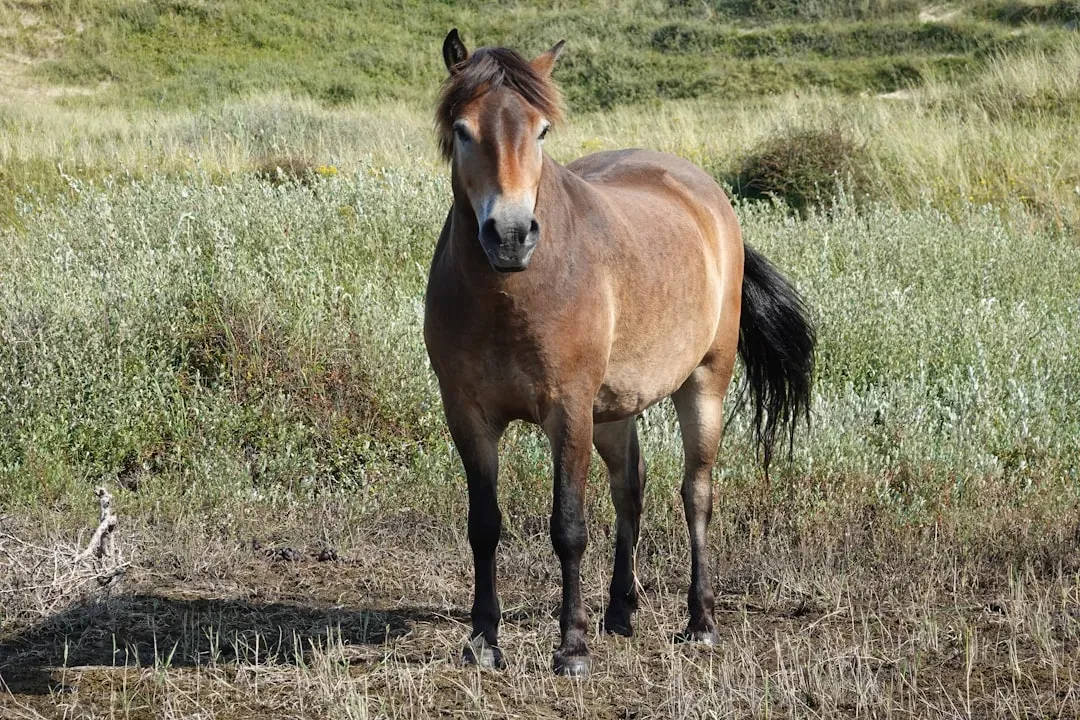
Mustangs carry a mythology that works against them in very specific ways. The idea of the wild American horse is romantic and powerful, and it draws attention – but it draws the wrong kind of attention. People show up at adoption events expecting to connect with something untamed and cinematic, and what they actually find is an animal that may need months or years of patient, consistent groundwork before it’s a reliable riding horse. That gap between expectation and reality is where most Mustang adoptions fall apart, and rescue centers have the paperwork to prove it.
The Bureau of Land Management’s adoption program has worked to get more Mustangs into private hands, and there are extraordinary trainers doing extraordinary things with these horses every year. But rescues that take in Mustangs after failed adoptions now frequently require applicants to demonstrate real experience with untrained or semi-wild horses before they’ll approve a placement. That’s not gatekeeping – it’s the result of watching too many Mustangs cycle back through the system because the person who adopted them had good intentions and no practical tools. These horses are genuinely hardy, intelligent, and capable of deep trust. Getting there requires a kind of patience that has to be learned, not assumed.
Quick Compare: Mustang Adoption — Expectation vs. Reality
- Expectation: A romantic, cinematic wild horse ready for connection.
Reality: An animal that may need 6–18+ months of patient groundwork before reliable riding. - Expectation: “Free” or low-cost to adopt.
Reality: Training costs, facility needs, and time investment can be substantial. - Expectation: Untamed spirit means thrilling rides.
Reality: Hardy, intelligent, deeply loyal — but trust is earned slowly and deliberately. - BLM fact: Since 1971, over 290,000 wild horses and burros have been adopted into private care nationwide.
- Key requirement: Most reputable rescues now screen for demonstrated experience with untrained horses before approving Mustang placements.
#9 – Miniature Horses
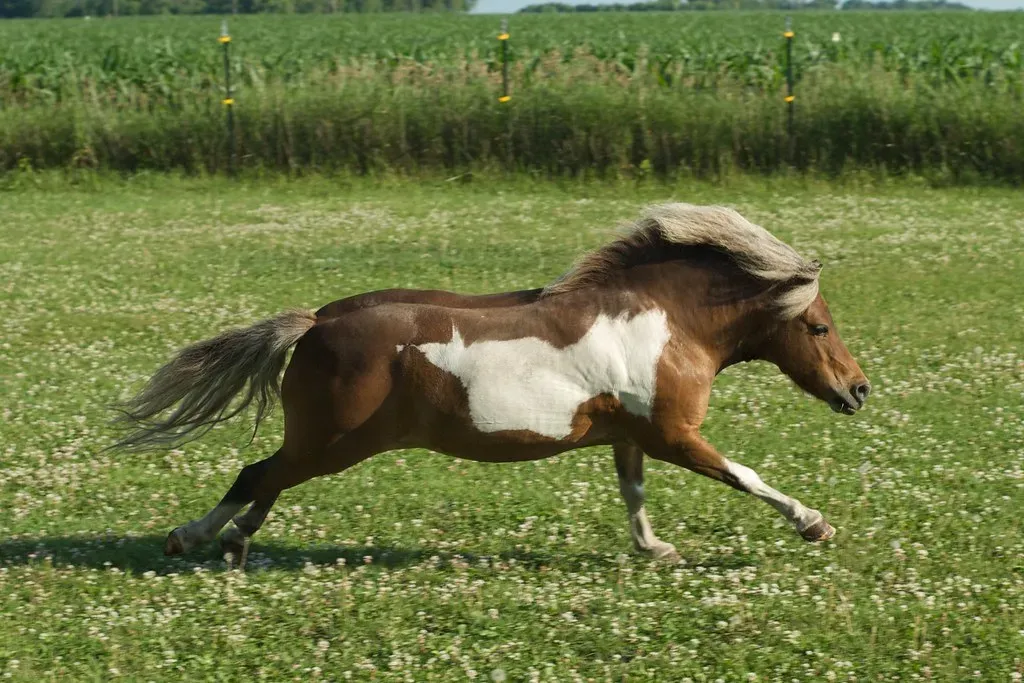
The miniature horse sits at a strange intersection of “adorable” and “completely misunderstood,” and rescue workers will tell you it is not a comfortable place to be. People see minis at fairs and petting zoos, and the impulse purchase follows with shocking regularity. A miniature horse seems manageable – it fits in a small space, it can’t throw anyone, it’s basically a dog with hooves. What new owners discover is that every single equine need scales down in size but not in complexity. Dental care, farrier visits every six to eight weeks, parasite management, proper nutrition – all of it still applies, and all of it still costs money.
Miniature horses are also prone to specific health issues that catch unprepared owners off guard: hyperlipemia triggered by stress or improper feeding, laminitis from too-rich grass, and dental abnormalities from their compressed jaw structure. Rescues report that minis frequently arrive in genuinely poor condition – overgrown hooves that curl like elf shoes, teeth that haven’t been floated in years, bodies that are simultaneously obese and malnourished depending on what they’ve been eating. The horses are almost always sweet-natured and responsive once their immediate needs are addressed. But “almost always sweet-natured” doesn’t fill adoption applications, and most people still think of them as decorative rather than as animals with real needs.
#10 – Appaloosas
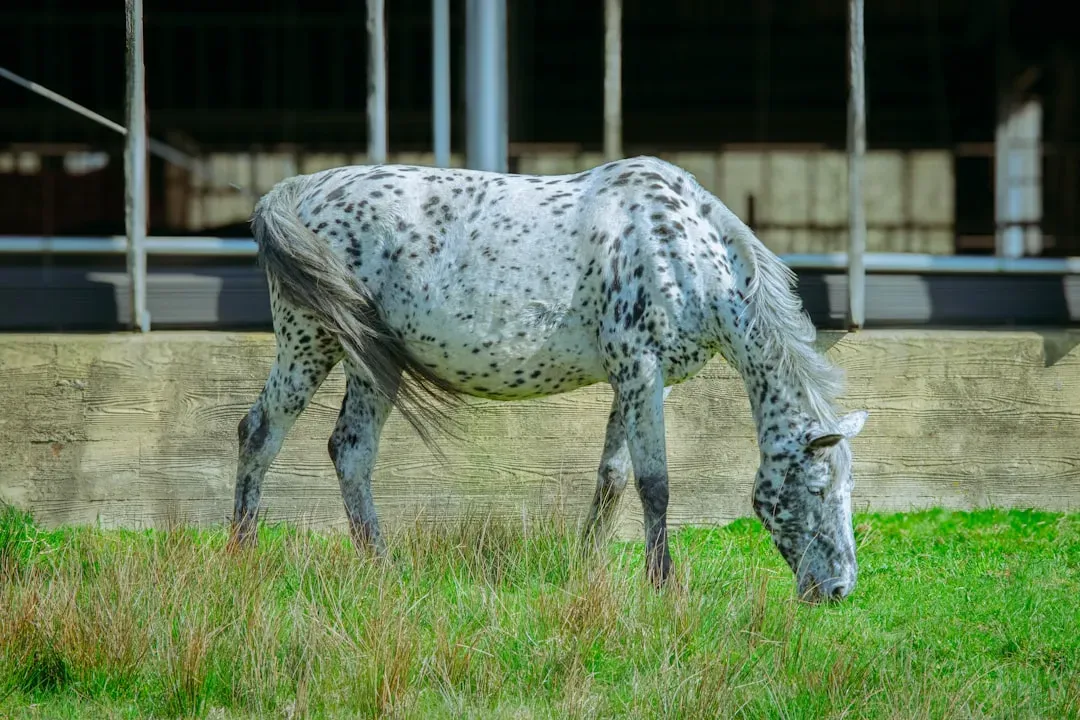
Color bias is a real phenomenon in the horse world, and Appaloosas bear the brunt of it in ways that are hard to explain to anyone outside the equestrian community. Their spotted coat patterns – which range from bold leopard spots to subtle roaning and everything in between – are either loved intensely by a dedicated subset of buyers or viewed with indifference by everyone else. Rescues report that Appaloosas move through the system more slowly than similarly aged, similarly trained horses of solid colors, and the breed’s temperament and physical soundness appear to have almost nothing to do with it.
The irony is that Appaloosas have a long, serious working history – they were developed by the Nez Perce people as war and hunting horses, selected specifically for endurance, sure-footedness, and the mental toughness to function under pressure. They tend to be hardy, relatively low-maintenance keepers, and versatile enough to work across multiple disciplines. None of that matters much if the first reaction to their coat is a shrug. Rescue staff describe showing a potential adopter an Appaloosa that ticks every box they listed – age, temperament, soundness, trainability – only to watch them walk past to a plainer horse they’d barely noticed five minutes before.
Why It Stands Out: The Appaloosa’s Overlooked Credentials
- Originally bred by the Nez Perce people as war and hunting horses — selected for endurance and mental toughness under pressure.
- Recognized across Western, trail, racing, and English disciplines — one of the most versatile working breeds in North America.
- Generally considered hardy, easy keepers with lower baseline maintenance costs than many popular breeds.
- Coat patterns range from bold leopard to barely-there roan — yet color bias alone consistently slows their adoption rate.
- Research confirms no significant difference in adoption success between breeds — meaning the Appaloosa’s wait is almost entirely a perception problem, not a horse problem.
#11 – Tennessee Walking Horses
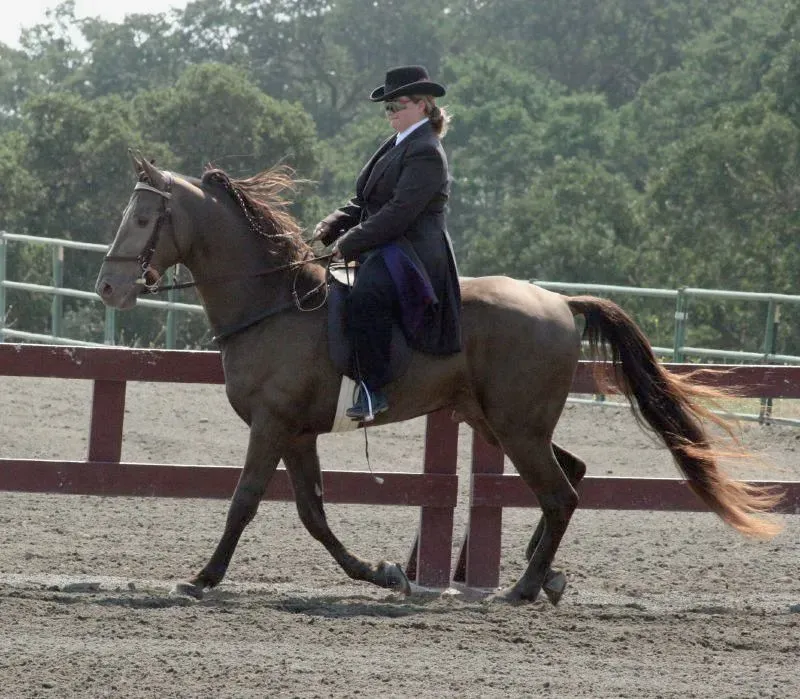
Tennessee Walking Horses arrive at rescues carrying a weight that has nothing to do with the individual animal standing in the stall. The breed has been deeply damaged, reputationally, by decades of documented abuse in the show ring – a practice called “soring,” in which horses’ feet and legs were deliberately caused pain to exaggerate their high-stepping gait for competition. Federal legislation has addressed the worst of it, but the stain on the breed’s public image hasn’t fully lifted, and cautious adopters who know enough of the history to be worried often don’t know enough to distinguish a neglected show horse from a naturally gaited, well-cared-for individual that has never been near a show ring.
The genuine tragedy is that Tennessee Walkers at their best are some of the most comfortable riding horses in existence. Their four-beat running walk is smooth enough that riders with back or joint problems who can no longer comfortably sit a trot can often ride for hours without pain. Older adults who thought their riding days were over have found them again on a good Walker. Rescue workers who have successfully placed these horses describe those adoptions as among the most meaningful they’ve facilitated – because the person who gets the right Walker often can’t believe what they’ve been missing. Getting adopters past the breed’s history long enough to meet the actual horse is the hard part.
#12 – Paso Finos
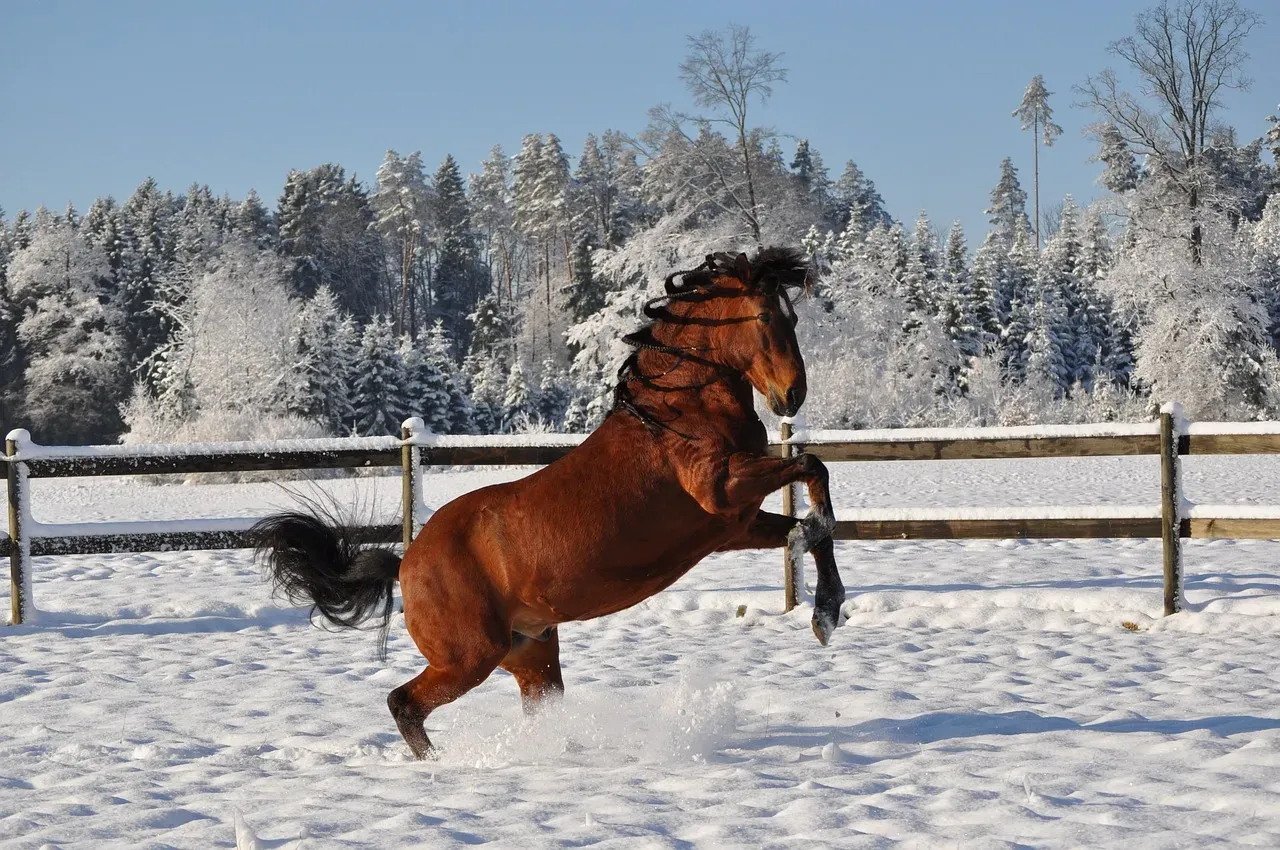
Paso Finos occupy a very particular niche in the horse world, and that niche – as passionate and dedicated as it is – isn’t large enough to absorb the number of horses that end up needing new homes. Their lateral four-beat gait is unlike anything produced by a standard trot or canter, and for riders who are introduced to it correctly, it’s an immediate revelation – smooth, rhythmic, almost like a rocking chair in motion. For riders who encounter it without any context or preparation, it’s just… different. And different, in the adoption world, often translates to passed over.
Rescue workers who specialize in gaited breeds will tell you that Paso Finos are among the most emotionally intelligent horses they work with – quick to learn, strongly bonded to their people once trust is established, and surprisingly easy keepers for their level of athleticism. What they need, more than almost any other breed on this list, is an advocate in the room when a potential adopter shows up. Someone who can say: give it ten minutes, just sit on this horse and feel what it does, and then tell me you’re not interested. Without that advocate, too many people make up their minds before they ever get to the barn door.
#13 – Icelandic Horses
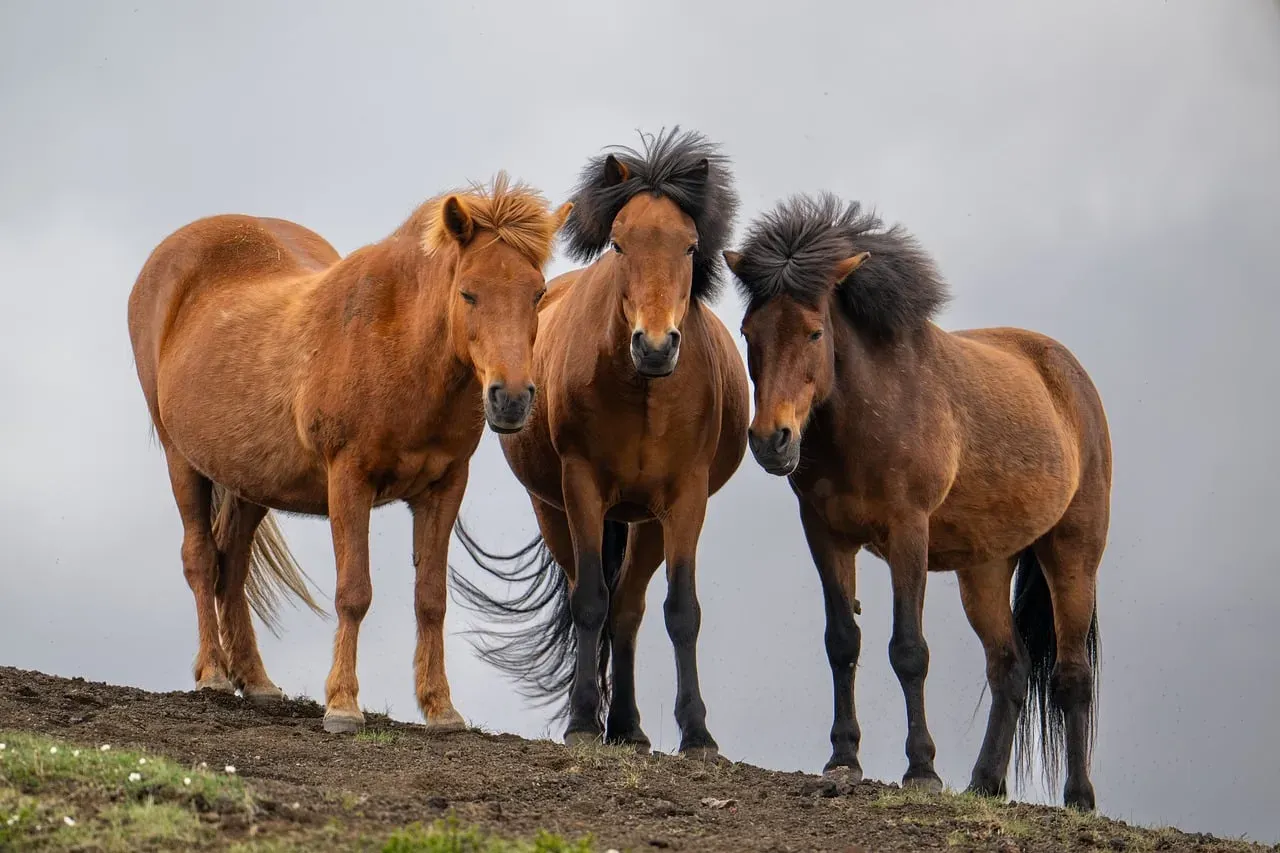
Icelandic Horses top the heartbreak list at rescue centers with a special kind of painful irony, because by nearly every objective measure they should be easy to place. They’re small enough not to intimidate new owners, hardy enough to thrive on modest forage, long-lived enough to be a genuine multi-decade companion, and their famous tölt – a smooth, four-beat gait unique to the breed – is the kind of thing that converts skeptics on first contact. Rescue workers describe them almost universally with affection. And then they describe how long the horses have been sitting in their care, and the affection takes on a tired edge.
The problem is that Icelandics don’t look like what most American buyers have in their heads when they picture a horse. Their thick, sturdy builds and heavy manes and tails read as “pony” to eyes trained on Warmbloods or Quarter Horses, and the cultural context for the breed – deeply embedded in Icelandic tradition, where these horses have been bred in isolation for over a thousand years – simply doesn’t exist for most people here. Rescue workers have started hosting demonstration days, putting experienced riders on Icelandics and inviting the public to watch, because the gap between first impression and actual experience is so wide that only a live encounter seems to bridge it. The horses, for their part, seem remarkably patient about the whole situation. Perhaps a thousand years of island living will do that to a breed.
Fast Facts: Icelandic Horses
- Breed history: Brought to Iceland by Norse settlers in the 9th and 10th centuries — bred in isolation for over 1,100 years.
- Five gaits: Walk, trot, canter, the smooth tölt, and the fast two-beat skeið (flying pace) — two of which most breeds cannot perform.
- Lifespan: Average 25–30 years, with some individuals recorded well past 40 — among the longest-lived of all horse breeds.
- Active years: Most productive between ages 8 and 18, retaining strength and stamina well into their 20s.
- Size: Typically 13–14.2 hands — compact and strong enough to carry adult riders comfortably.
- Health: Disease rates in Iceland are virtually unknown due to long genetic isolation — a remarkably hardy and low-maintenance breed.
Here’s the opinion nobody at a rescue will say out loud in a press release but most will tell you over coffee: the horse adoption crisis is not a supply problem. There are enough loving, capable homes in this country to absorb every horse on this list twice over. It’s an information problem, and a perception problem, and a cultural moment problem. Drafts are written off as impractical before anyone runs the real numbers. Thoroughbreds are dismissed as dangerous before anyone watches one stand quietly in a paddock for twenty minutes. Appaloosas lose out to horses that are objectively no better matched for the buyer, simply because of what color they are. Icelandics lose because most people don’t know they exist.
The horses in these rescues are not the rejects. They are, many of them, exactly what experienced horsepersons are quietly searching for – sound, willing, interesting animals with something real to offer. The tragedy isn’t that they’re unwanted. It’s that the people who would want them most haven’t found them yet. If this list does one useful thing, let it be this: the next time you’re near a rescue, ask to see the horse that’s been there the longest. There’s usually a reason it’s still there, and that reason is almost never the horse.

- Elephants Communicate With Each Other Using Sounds We Cannot Hear - July 26, 2026
- 10 Surprising Foods That Are Actually Good For Your Dog’s Health - July 26, 2026
- Which Dog Breed Fits Your Zodiac Sign’s Emotional Needs Best? - July 26, 2026