
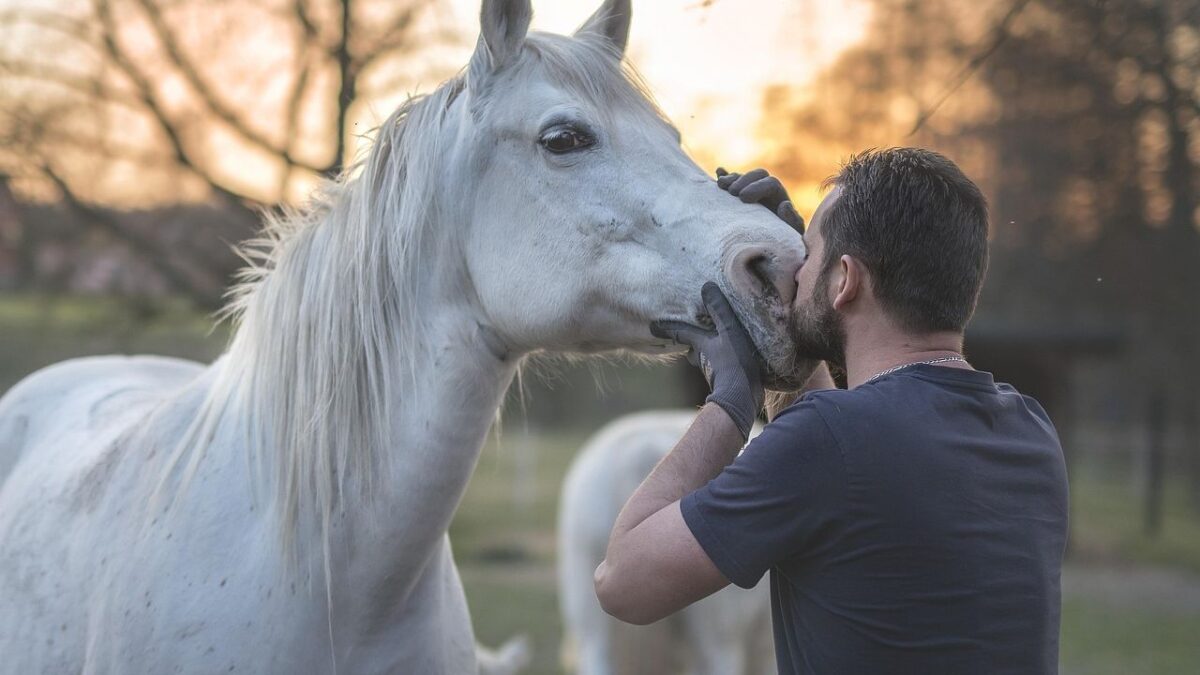
Most people assume that with enough time, patience, and carrots, any horse will come around. Trainers say it. Sellers say it. Well-meaning barn friends say it. But anyone who has ever watched a deeply bonded horse shut down the moment a new face picks up the reins knows the truth is far more complicated – and far more heartbreaking.
Certain breeds don’t just prefer their first owner. They grieve the loss of that person in ways that look unmistakably like mourning – refusing food, turning their back, going silent in ways that no amount of patience seems to reach. What follows are 13 breeds where that bond runs so deep, a second owner may spend years chasing a connection the horse already gave away once, completely, to someone else.
13 – Akhal-Teke: The One-Person Horse
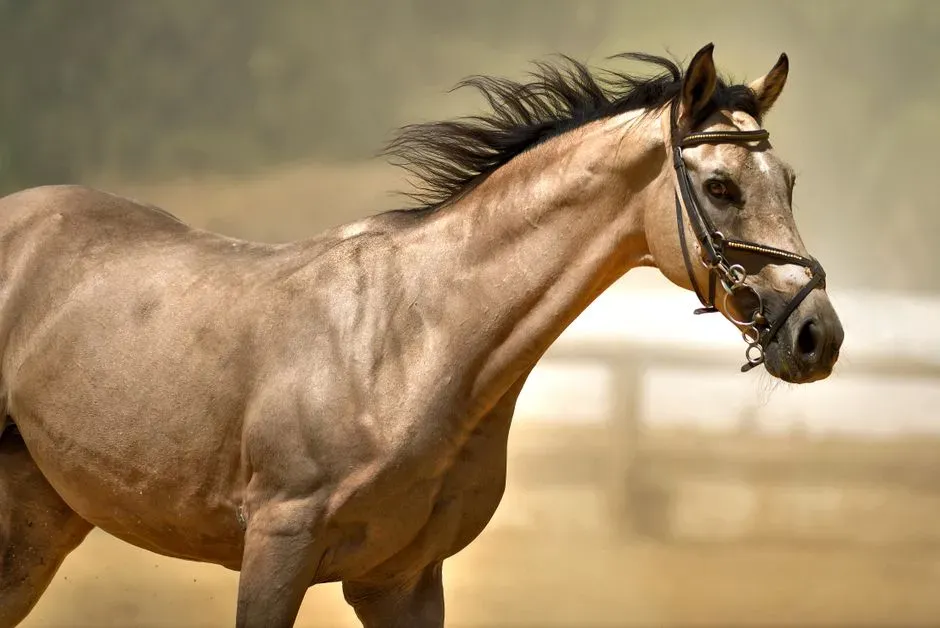
The Akhal-Teke is sometimes called the “Golden Horse” – not just for its shimmering, metallic coat that looks almost too beautiful to be real, but for the rare, precious loyalty it reserves for a single human. Originating from the deserts of Turkmenistan, these horses were historically paired one-on-one with individual riders for survival. That wasn’t just tradition. It shaped the breed’s psychology at a fundamental level.
When separated from their primary handler, Akhal-Tekes have been known to stop eating, grow unresponsive, and essentially withdraw from the world around them. New riders often describe the feeling as trying to connect with someone who is still in love with somebody else. The horse isn’t hostile – it’s just somewhere else entirely, waiting for a person who may never come back.
Fast Facts
- Formally known as “the horse of a single master” among breeders and handlers worldwide
- Breed history spans over 3,000 years in the Karakum Desert of Turkmenistan
- Roughly 6,600 Akhal-Tekes exist globally, making them a rare and threatened breed
- Behavior is often compared to dogs – loyal to one person, aloof or wary toward everyone else
- Stands 14.2 to 16.3 hands; their metallic sheen appears on all coat colors except black
12 – Arabian: The Desert Companion
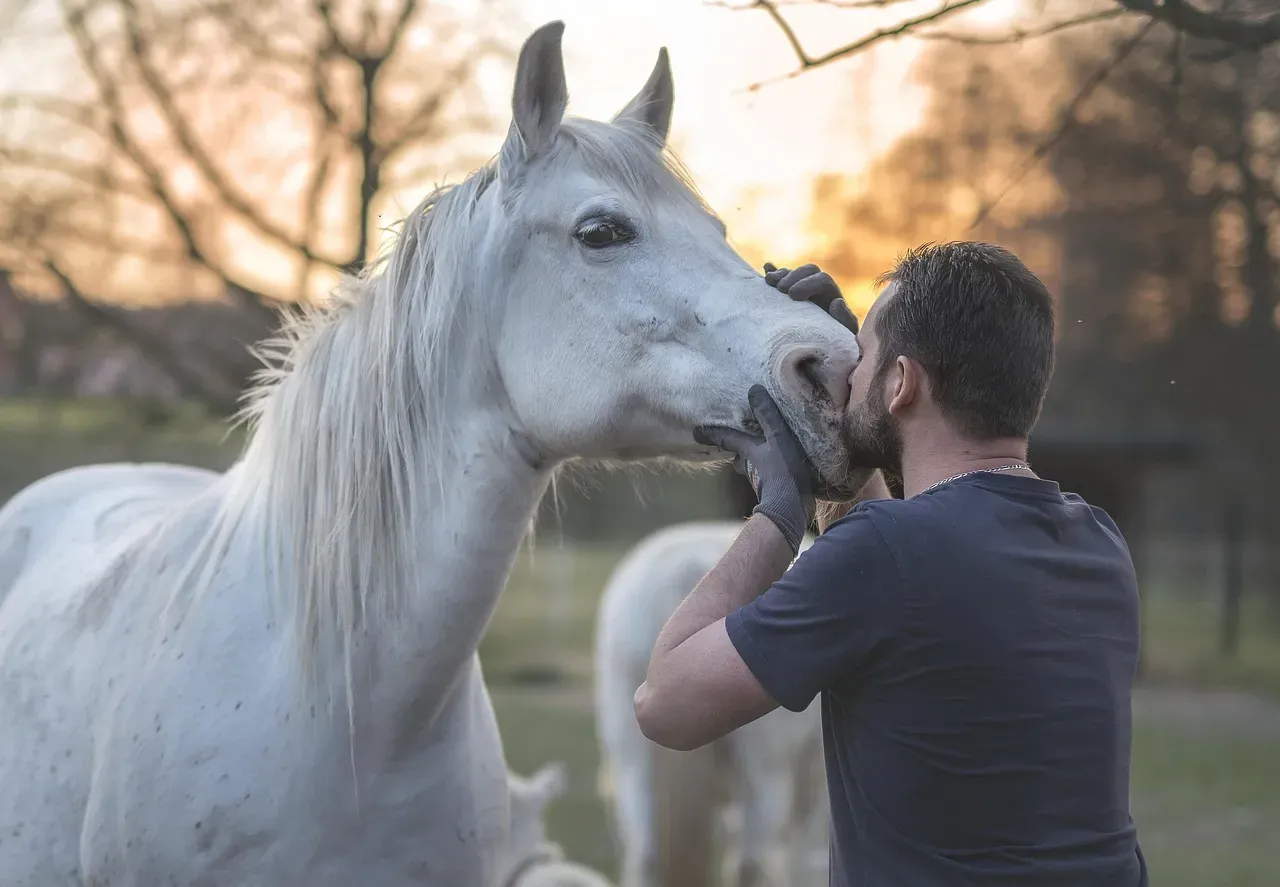
For thousands of years, Arabians didn’t just work alongside Bedouin tribes – they lived inside their tents, slept near their children, and were treated as members of the family. That level of closeness didn’t produce a horse that tolerates humans. It produced a horse that chooses one human and invests in that bond with a depth most breeds simply aren’t capable of.
Arabians have extraordinary memories and emotional sensitivity, which sounds wonderful until rehoming is involved. A second owner often discovers that the horse remembers everything – the way the first handler smelled, moved, and spoke – and quietly measures every new interaction against that standard. Some Arabians do eventually open up again. Many carry that first loyalty like a scar, visible only in the moments when connection almost forms and then, inexplicably, doesn’t.
11 – Morgan: America’s Loyal Steed
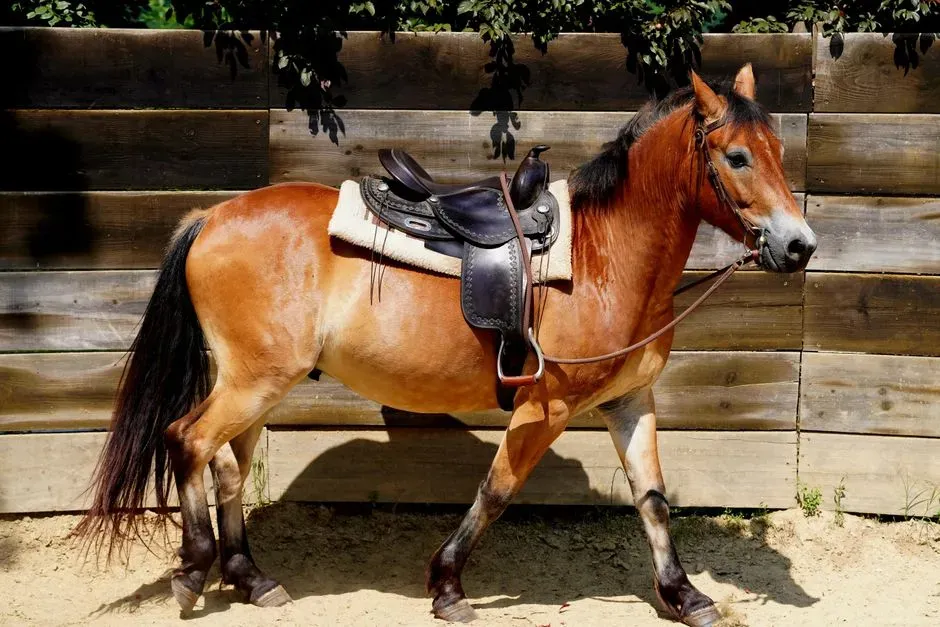
The Morgan is America’s original all-purpose horse – compact, willing, and famously affectionate. Justin Morgan, the founding sire of the entire breed, was known for his almost dog-like devotion to his owner, and that quality has been passed down with remarkable consistency across generations. Morgans don’t just work for their people. They watch for them, track their moods, and orient their entire day around that one familiar presence.
When that presence disappears, Morgans often become noticeably quieter and harder to read. They may cooperate technically with a new handler while keeping an emotional distance that experienced horse people recognize immediately. It’s not aggression or fear – it’s more like the horse is being polite to a stranger while waiting for someone who actually matters to them to walk back through the gate.
10 – Appaloosa: The Spotted Loyalist
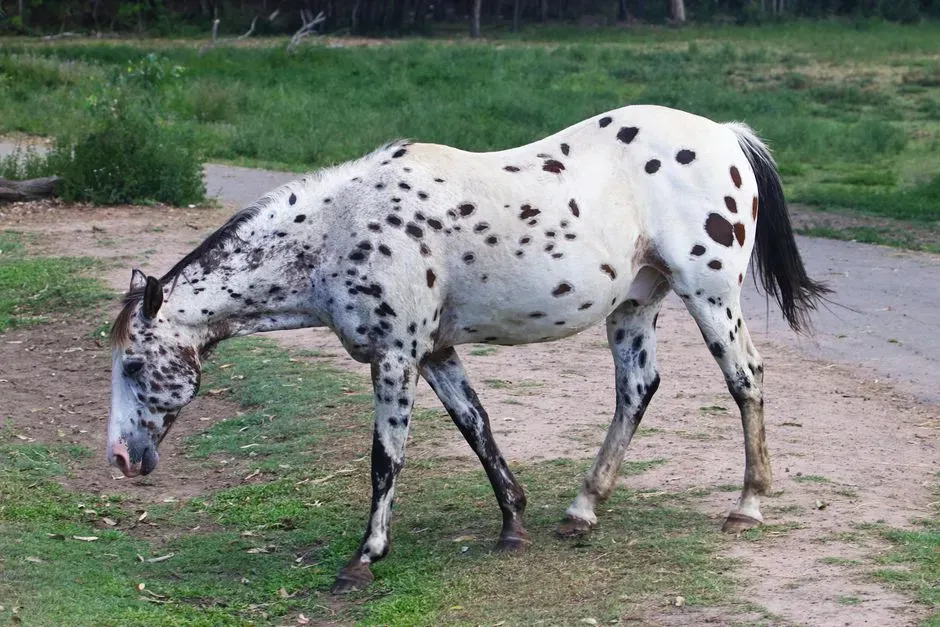
The Appaloosa is one of the most visually striking breeds in the world, and that individuality goes deeper than the coat. Developed by the Nez Perce people of the Pacific Northwest, these horses were bred with care and intention, each one valued as a specific animal with a specific relationship to a specific person. That selective history produced a horse with a strong sense of who it belongs to – and who it doesn’t.
Appaloosas are known among experienced owners for their long memories and their willingness to hold a grudge or, conversely, hold a loyalty with equal stubbornness. A second owner who earns their trust can build something real, but it tends to take far longer than expected, and the horse often makes it quietly clear throughout the process that this is a concession, not a choice. They gave their best bond once. Everything after that is negotiation.
9 – Mustang: The Wild at Heart
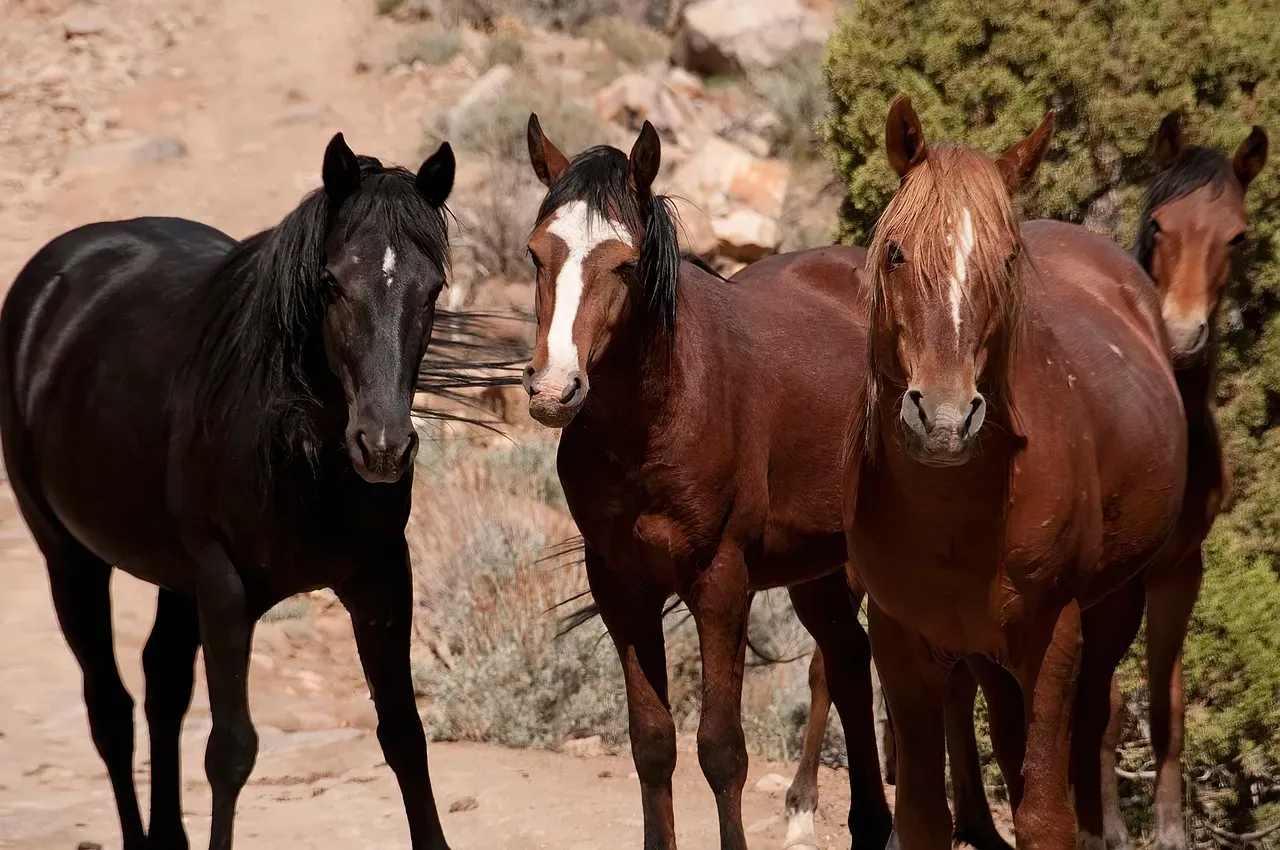
Mustangs spend the first part of their lives in a world governed entirely by herd relationships – survival bonds formed under pressure, tested daily, and never taken for granted. When a Mustang is gentled and brought into a domestic setting, the person who does that slow, painstaking work earns something genuinely extraordinary: the full trust of an animal that was never built to give it easily. That trust isn’t transferable.
Rehomed Mustangs frequently regress significantly when they lose their first trainer. Behaviors that took months to work through can resurface almost overnight. It isn’t a training failure – it’s grief, expressed the only way a horse knows how. The new owner isn’t starting where the last one left off. They’re often starting from a place more guarded and more wounded than the very beginning, because this time the horse already knows what loss feels like.
Worth Knowing
- Mustang gentling can take anywhere from several weeks to well over a year depending on the individual horse’s history
- Regression after rehoming is widely documented – previously resolved behaviors can resurface quickly after a trusted handler leaves
- Wild herd bonds are survival-driven, making the trust a gentled Mustang offers its first trainer exceptionally hard-wired
- New owners should budget for additional groundwork time – they are rarely picking up where the previous handler left off
8 – Thoroughbred: The Sensitive Athlete
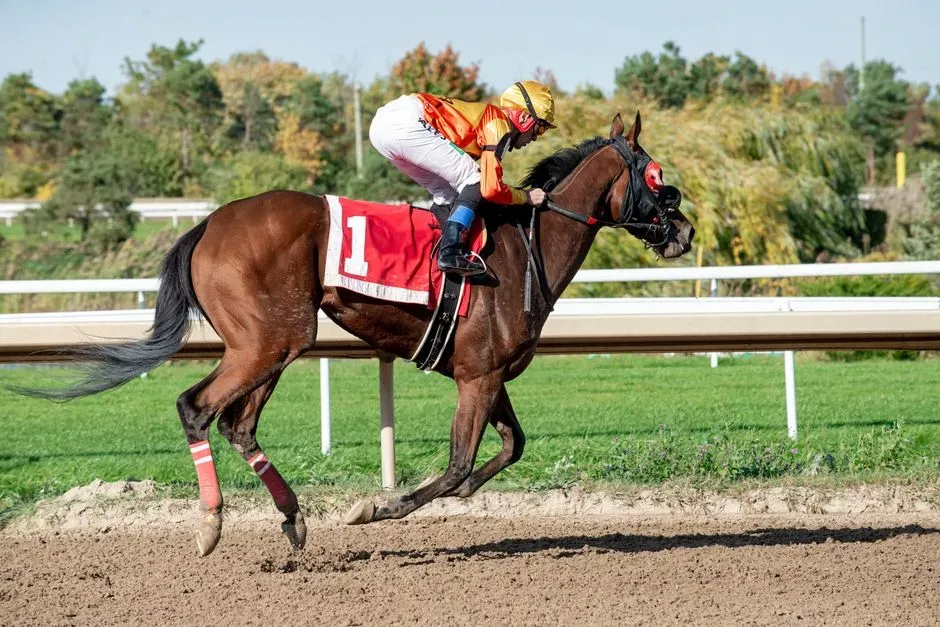
Off-the-track Thoroughbreds carry two layers of challenge at once. First, there’s the transition from a racing environment to a completely different kind of life – new sounds, new schedules, new expectations. Then there’s the deeper layer: the relationship they formed with a groom, a jockey, or a trainer who became their anchor through all of it. That person knew exactly how to read them. The next person has to learn that language from scratch, in a horse that is already emotionally raw.
Thoroughbreds are wired for intensity – they feel everything more acutely than most breeds, which makes their bonds more powerful and their losses more destabilizing. A second owner willing to invest serious time can absolutely reach a Thoroughbred. But those who go in expecting a quick adjustment often find a horse that is technically compliant and emotionally unreachable, performing beautifully while remaining, at its core, somewhere far away.
7 – Lipizzaner: The Classical Performer
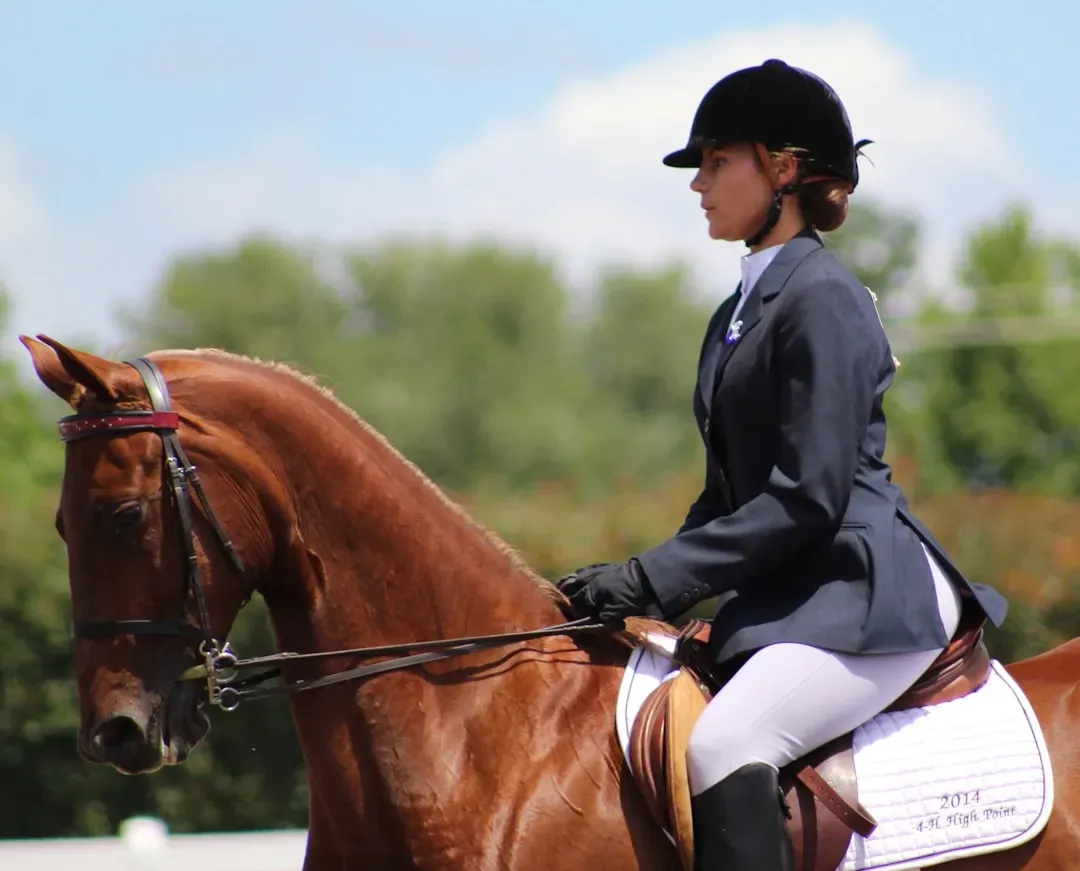
The Lipizzaner’s entire identity is built around partnership. The movements these horses perform in classical dressage – the levade, the courbette, the capriole – are not tricks extracted through repetition. They are conversations between horse and rider that take years to develop, and they only work because of a profound mutual understanding. A Lipizzaner that knows its rider can perform feats that look like magic. The same horse with a stranger on its back may simply refuse to speak.
The Spanish Riding School in Vienna has documented how deeply these horses imprint on their riders, sometimes requiring years before a new partnership reaches anything close to the depth of the previous one. It’s not stubbornness – it’s that the horse learned to communicate in a specific dialect, with a specific person, and everyone else is still speaking a foreign language. Some second owners get there. Many spend a long time wondering why the horse that dazzled everyone before seems so utterly ordinary with them.
The horse is a mirror to your soul. Sometimes you might not like what you see in the mirror, sometimes you will.
Buck Brannaman
6 – Friesian: The Black Beauty
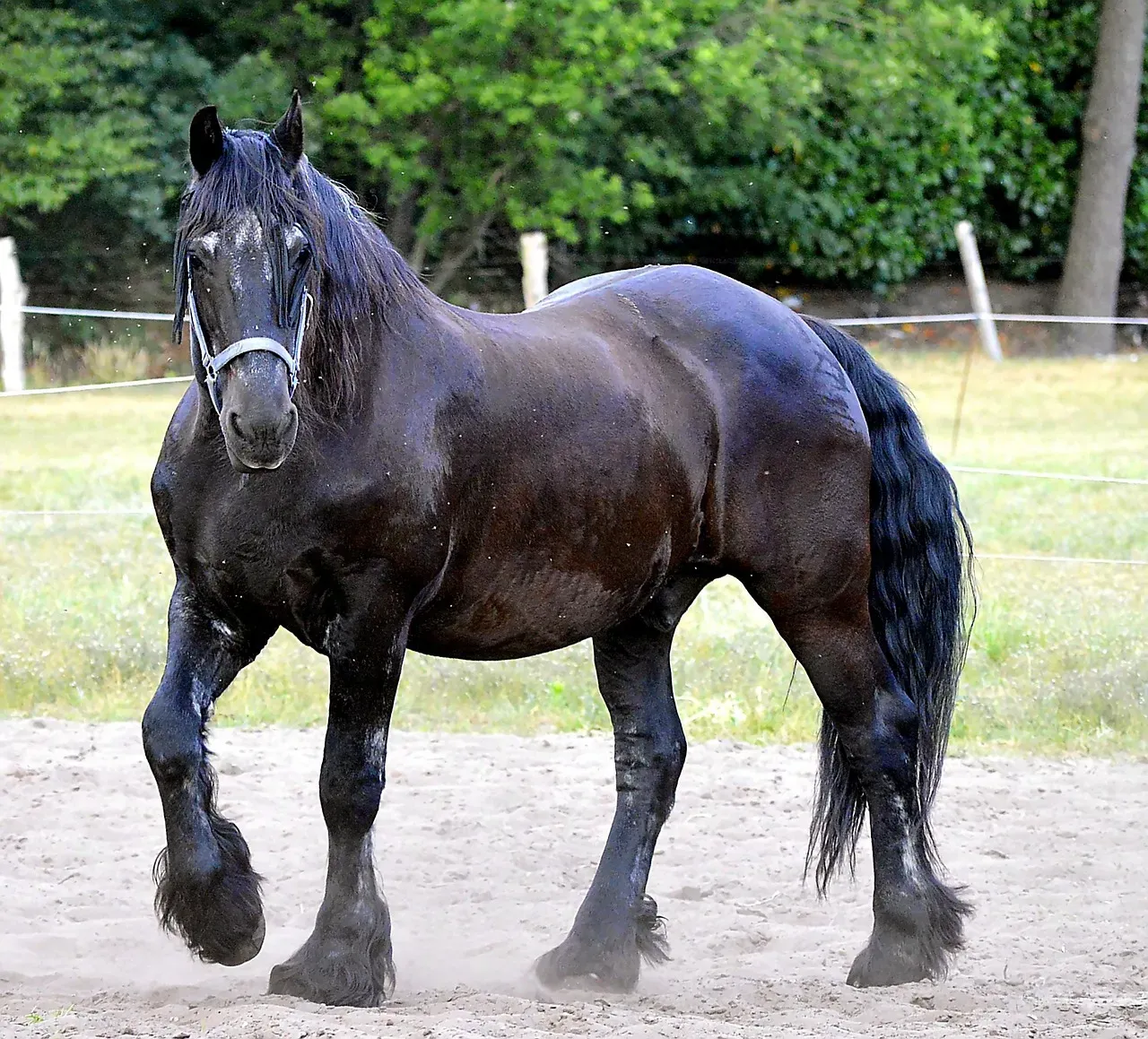
There is something almost theatrical about a Friesian – the ink-black coat, the thick arching neck, the mane that moves like it’s been choreographed. But beneath that spectacle is a horse of surprising emotional depth and unusual sensitivity to human energy. Friesians seem to absorb the emotional atmosphere around them, and when that atmosphere is shaped for years by one trusted person, it becomes the standard against which everything else is measured.
Second owners of Friesians often describe a peculiar experience: the horse is willing, even gentle, but there’s a glass wall. You can see each other clearly. You just can’t quite reach through. Friesians that bonded deeply with their first owner tend to go through a quiet grieving period after transition, and while many do eventually warm to new handlers, those who knew the horse before often say it was never quite the same animal again – a little more reserved, a little more held back, as though keeping something precious in reserve.
At a Glance
- Friesians are highly attuned to human emotional energy – they mirror the atmosphere created by their primary handler
- A “glass wall” response after rehoming is widely reported: willing and cooperative on the surface, emotionally distant underneath
- Known for a quiet grieving period post-transition that can last months before any warming begins
- Their theatrical appearance often draws buyers who underestimate the emotional complexity underneath
5 – Icelandic Horse: The Hardy Companion
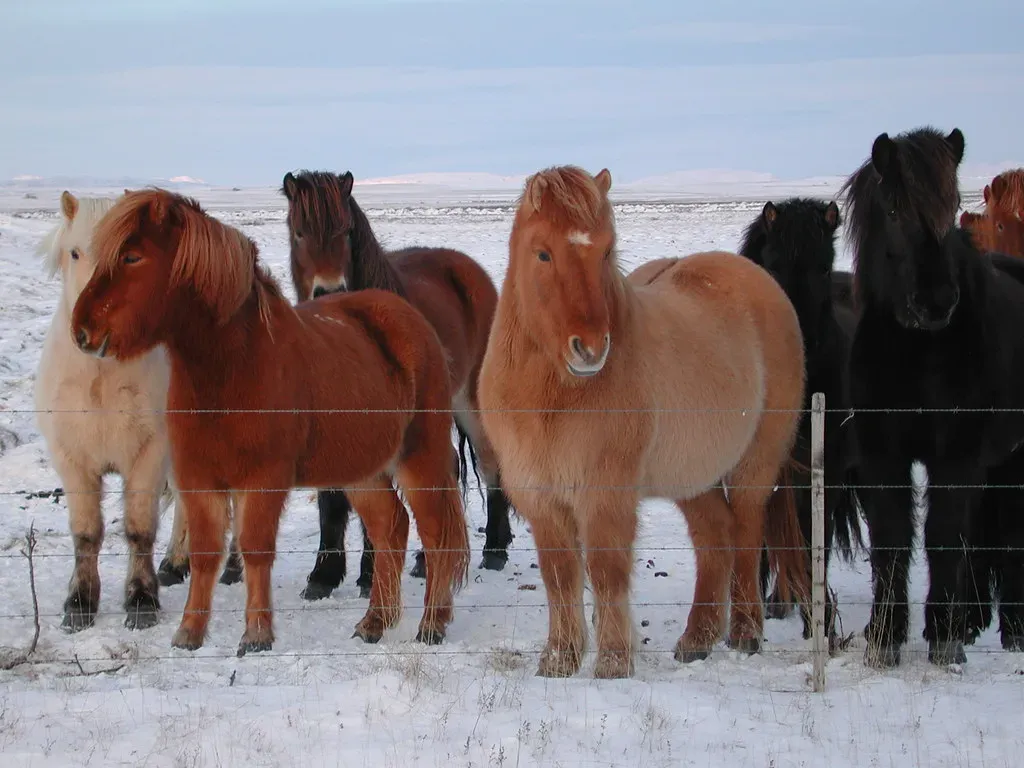
Iceland’s horses have lived in geographic isolation for over a thousand years, with no other breeds introduced to the island and no possibility of diluting the bloodline. That isolation didn’t just preserve their unique gaits – it preserved a particular relationship with humans that developed in an environment where horses and people genuinely needed each other to survive harsh winters and volcanic terrain. The bond an Icelandic Horse forms with its person isn’t sentimental. It’s existential.
When rehomed, Icelandic Horses can seem perfectly functional on the surface – they’re sturdy, willing, and not easily frightened. But people who work closely with the breed consistently notice that a horse separated from its first owner becomes harder to read, more self-contained, and less likely to offer the spontaneous affection and communication that made them remarkable in the first place. They adapt. They just don’t fully reopen.
4 – Andalusian: The Spanish Noble
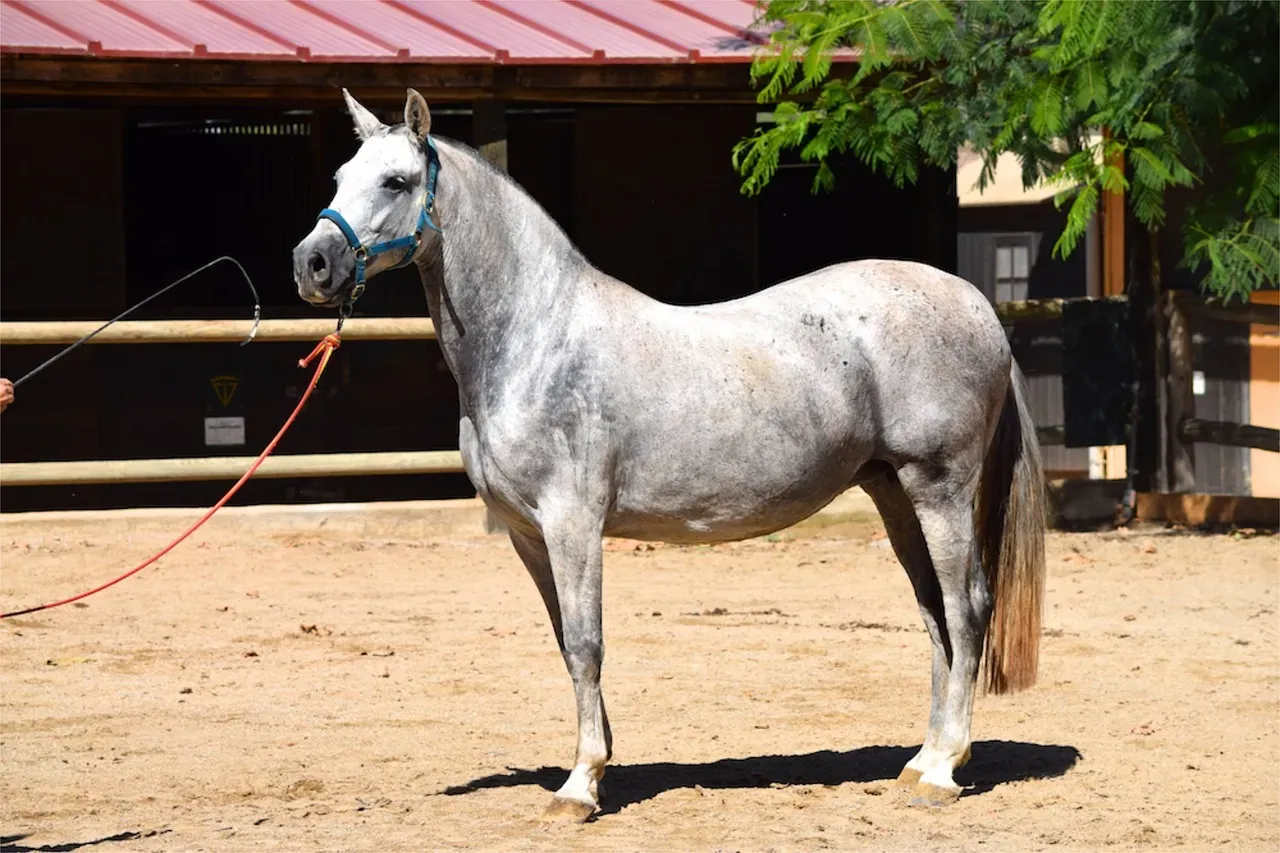
The Andalusian has been a prestige horse for centuries – owned by kings, ridden in war, painted by masters. But what gets lost in that grand history is how deeply personal these horses are. Andalusians are acutely attuned to their rider’s body language and emotional state, which makes them breathtaking partners in the right hands. That same attunement means they notice every difference when those hands change, and they don’t hide what they notice.
New owners of Andalusians often go through a humbling early period where the horse is clearly evaluating them – comparing posture, energy, intent, and consistency against a template built over years with someone else. Some horses decide the new owner is worth investing in. Others remain in a state of polite, graceful withdrawal that experienced Andalusian people recognize instantly as a horse that has already given its whole heart once and isn’t sure it’s willing to do it again.
3 – Paso Fino: The Smooth-Gaited Loyalist
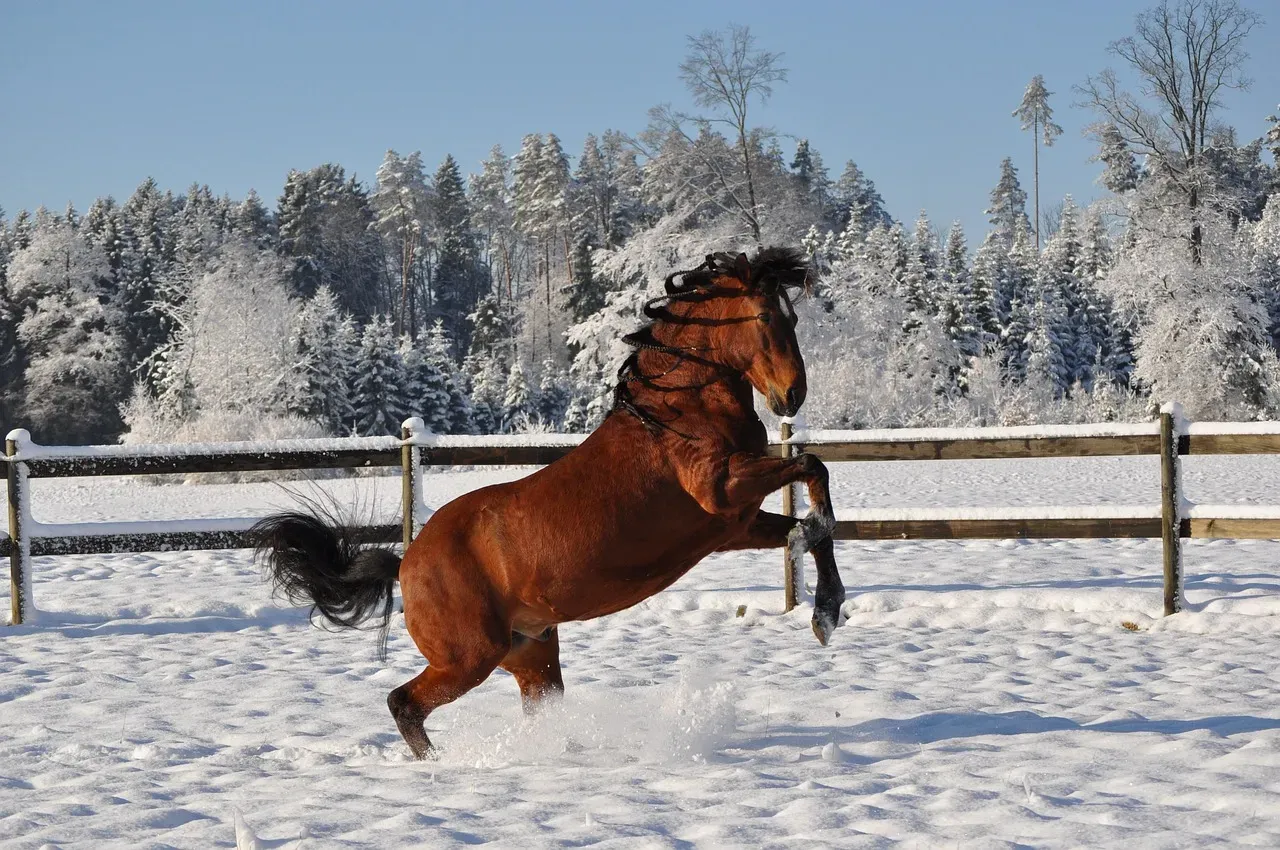
The Paso Fino’s signature gait – rapid, smooth, hypnotic – takes years of partnership to fully develop and showcase. That process builds a physical and emotional intimacy between horse and rider that goes beyond most breed relationships. The horse learns the rider’s weight, rhythm, and intention at a microscopic level. The rider learns to feel the horse’s offering and receive it properly. It’s a dialogue built across thousands of miles of trail, and it belongs to two specific individuals.
When a Paso Fino is rehomed, that gait often becomes noticeably less fluid – not because the horse has forgotten how, but because it’s no longer in conversation with the right partner. Second owners frequently put this down to training gaps or physical issues, spend money on clinics and veterinary evaluations, and eventually realize the horse is not broken. It’s just not talking to them yet. A patient, consistent new owner can rebuild that conversation, but it takes longer than almost anyone warns them it will.
Quick Compare
- First owner experience: Fluid, effortless gait built through years of matched rhythm and trust
- Second owner experience: Gait becomes choppy or muted – the horse is not broken, it’s emotionally disengaged
- Common mistake: Owners spend on vet checks and clinics before realizing the issue is relational, not physical
- What actually helps: Slow, consistent groundwork that rebuilds the horse’s willingness to re-enter conversation
2 – Thoroughbred Warmblood Cross: The Elite Partner
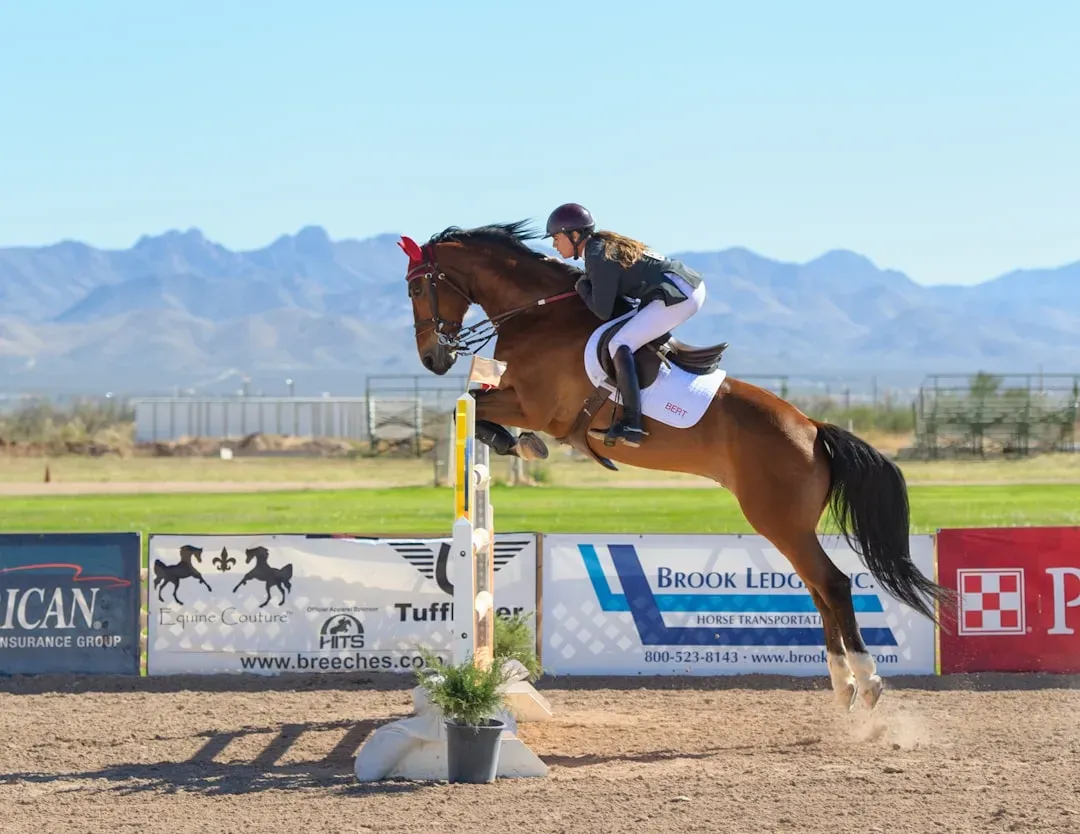
The Thoroughbred Warmblood cross combines the Thoroughbred’s emotional intensity with the Warmblood’s careful, relationship-driven nature, producing a horse that is capable of extraordinary athletic partnership – and extraordinarily difficult transitions. These horses are typically produced for high-level sport, meaning they spend years in close, specialized work with a specific rider whose aids they know as well as their own heartbeat.
When that rider changes, the horse often experiences a kind of identity disruption. Its entire trained vocabulary was built around one person’s body. A new rider using slightly different weight, slightly different contact, slightly different timing can feel completely illegible to the horse, not because it’s resistant but because it genuinely doesn’t recognize what’s being asked. Top sport horse trainers describe these transitions as starting over in a foreign language – technically literate horse, completely new alphabet.
1 – Marwari: The Soul-Bonded Warrior
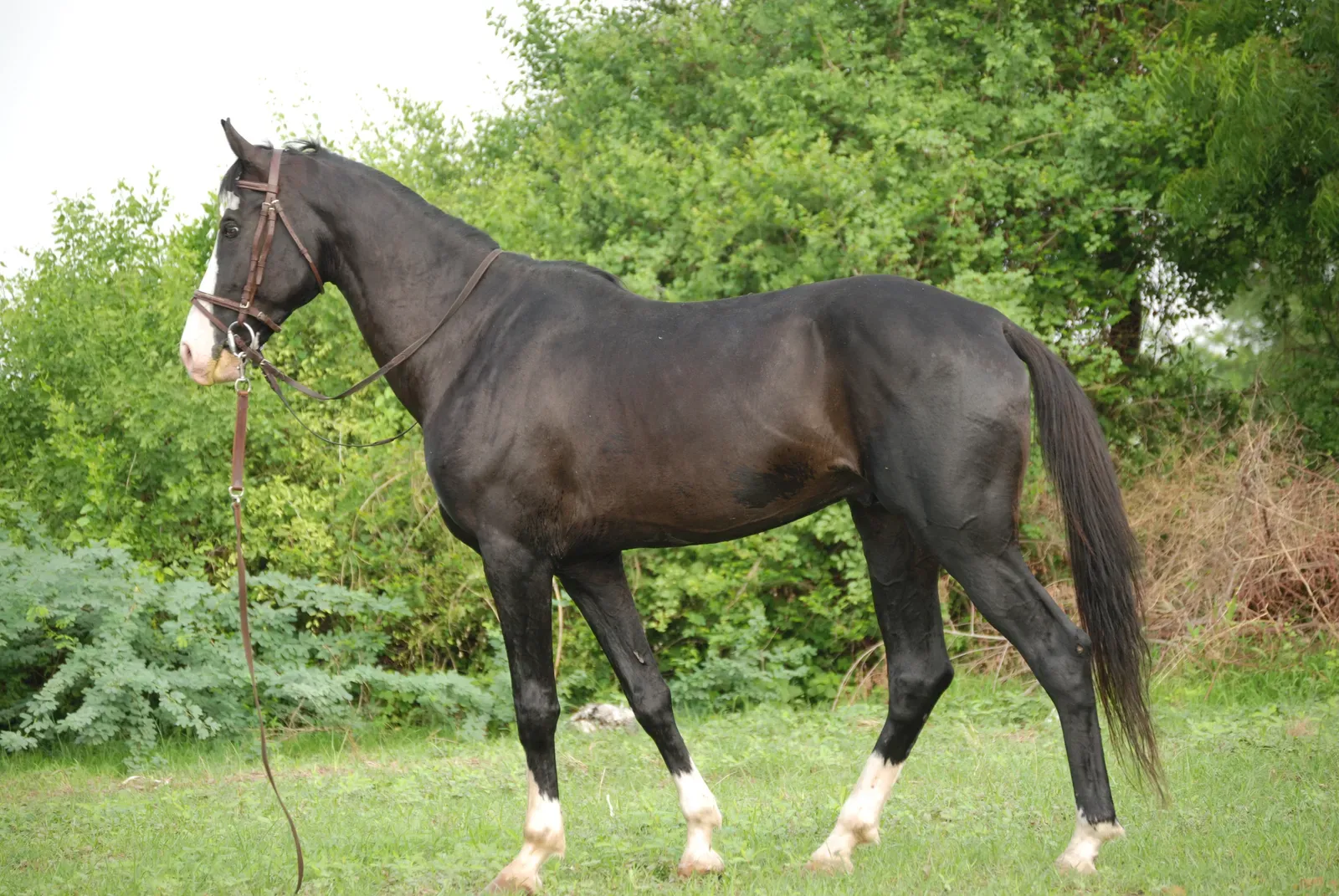
The Marwari comes from Rajasthan, India, where for centuries it was bred by warrior clans who believed the horse and its rider shared a single fate in battle. These horses were not just tools of war – they were considered sacred partners, and the relationship between a Marwari and its person was treated with a spiritual weight that shaped how the breed was handled, trained, and passed down. That cultural belief left a behavioral reality: the Marwari may be the most deeply single-person-bonded horse breed alive.
Marwaris relinquished to new owners have been known to stop performing entirely – not out of defiance, but out of a kind of loyalty that has nowhere left to go. They stand at the gate. They call out. They watch every approaching figure with an attention that is clearly searching for something specific. The new owner is present, kind, patient, and simply not the right person. Some Marwaris rebuild. Many carry their first bond like a compass that still points in one direction long after that direction leads nowhere. Of all the breeds on this list, this is the one where the phrase “never fully bonds with a second owner” feels least like a generalization and most like an honest warning.
Why It Stands Out
- Bred since the 12th century by the Rathore dynasty specifically for loyalty, courage, and an unbreakable bond with one rider
- Horses were selectively trained to return wounded soldiers from the battlefield alone – loyalty was literally bred for survival
- Historically restricted by caste: only the warrior class (Kshatriyas and Rajputs) were permitted to ride them
- Distinctive inward-curving ears can rotate 180 degrees – a heightened awareness that extends to reading their person’s emotional state
- Export from India was banned for decades; the breed remains rare and deeply rooted in one-person culture
The hard truth that every experienced horseperson eventually learns is this: a horse’s love isn’t a resource that replenishes automatically when ownership changes. For some breeds, that first bond isn’t just deep – it’s defining. Buying one of these horses secondhand isn’t a transaction. It’s a long, uncertain act of earning something that may have already been given away completely. Whether that sounds like a challenge or a tragedy probably depends on whether you’ve ever been on the wrong end of it.

- 11 Ways Your Cat Is Secretly Protecting You Every Day - August 14, 2026
- 10 Mistakes People Make When Camping in Wolf Country - August 14, 2026
- 8 Dog Breeds That Form the Strongest Bond With One Person - August 14, 2026