

Animated movies have a magical way of bringing animals to life, giving them personalities, emotions, and adventures that captivate audiences of all ages. From classic Disney tales to modern computer-animated masterpieces, these animal characters have become cultural icons, teaching us important life lessons while entertaining us with their charm and wit. These characters transcend the boundaries of species, helping us understand universal truths about friendship, courage, and perseverance. Their stories remain with us long after the credits roll, becoming cherished parts of our collective consciousness. In this article, we celebrate 13 of the most beloved animated animal characters who have left an indelible mark on cinema history and in our hearts.
1. Simba (The Lion King)

Few animated animal characters have achieved the iconic status of Simba from Disney’s 1994 masterpiece “The Lion King.” This young lion’s journey from carefree cub to exiled prince and finally to rightful king of Pride Rock has resonated with audiences across generations. Simba’s character arc encompasses profound themes of responsibility, identity, and facing one’s past—all set against the breathtaking backdrop of the African savanna.
What makes Simba particularly compelling is how his growth mirrors human development. His famous “Hakuna Matata” phase represents the temptation to escape responsibility, while his eventual confrontation with Scar symbolizes the courage needed to face one’s destiny. Voice actors Jonathan Taylor Thomas (young Simba) and Matthew Broderick (adult Simba) brought nuanced emotion to the character, helping to make “The Lion King” one of the highest-grossing animated films of all time and cementing Simba’s place as one of animation’s most beloved animal heroes.
2. Dory (Finding Nemo/Finding Dory)

Dory, the Pacific blue tang with short-term memory loss from “Finding Nemo” and “Finding Dory,” swam her way into audiences’ hearts with her unforgettable catchphrase, “Just keep swimming.” Voiced brilliantly by Ellen DeGeneres, Dory transformed from a supporting character to a beloved protagonist whose optimism and perseverance in the face of her cognitive challenges made her relatable to viewers of all ages. Her character brilliantly illustrates how disabilities don’t define individuals, but rather can become unique strengths.
In “Finding Dory,” Pixar expanded her backstory, exploring themes of family, belonging, and self-acceptance. What makes Dory so endearing is her ability to remain positive despite constantly forgetting crucial information—a metaphor for resilience that resonates deeply with audiences. Her journey to find her parents showcases her determination while teaching viewers about marine conservation and the importance of protecting ocean habitats. Dory’s popularity has transcended the films, making her one of the most recognizable and merchandised animated animal characters in cinema history.
3. Baloo (The Jungle Book)
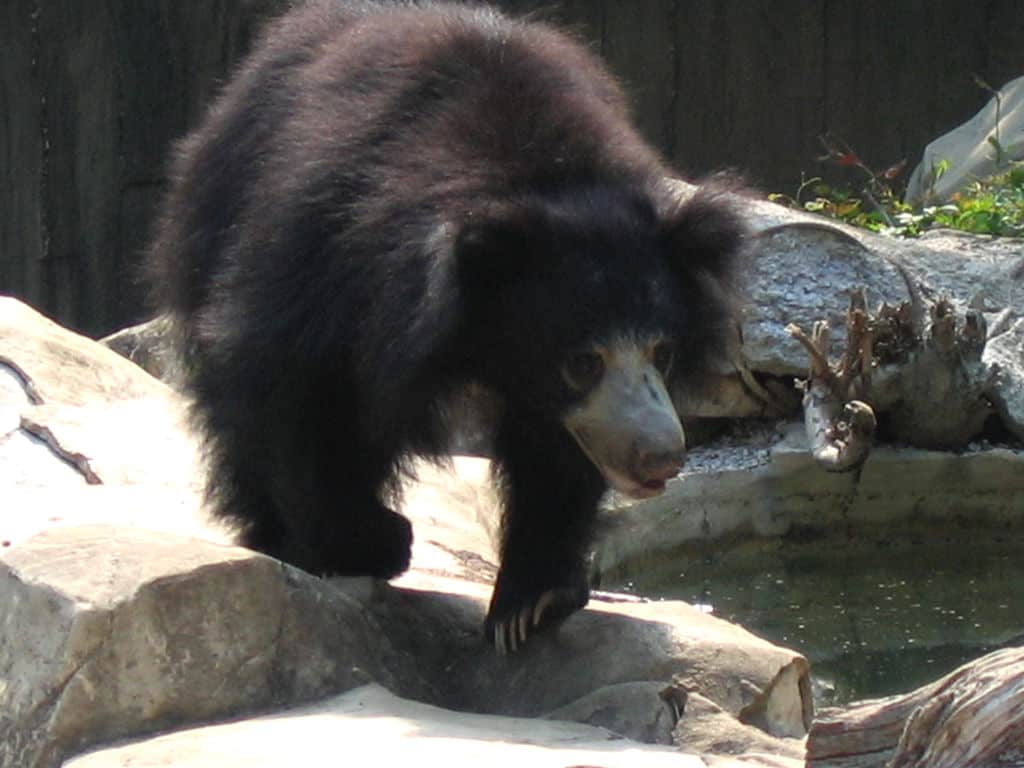
Baloo the bear from Disney’s 1967 classic “The Jungle Book” embodies the carefree philosophy that many of us aspire to embrace. With his laid-back attitude and memorable tune “The Bare Necessities,” this sloth bear teaches young Mowgli—and audiences—about finding joy in life’s simple pleasures. Voice actor Phil Harris imbued Baloo with a jazzy, warm personality that contrasted perfectly with the more serious characters in the film, creating a balanced ensemble that has stood the test of time.
What distinguishes Baloo from other animated animal characters is his unique blend of playfulness and protectiveness. Though initially presented as somewhat irresponsible, his character develops depth as he forms a paternal bond with Mowgli, ultimately willing to risk his life to protect the “man-cub.” The 2016 CGI/live-action remake, with Bill Murray voicing Baloo, introduced this beloved character to a new generation while maintaining his essential traits of loyalty, fun-loving spirit, and surprising wisdom. Baloo remains one of animation’s most huggable and quotable characters, representing the importance of friendship and enjoying life’s journey.
4. Dumbo (Dumbo)
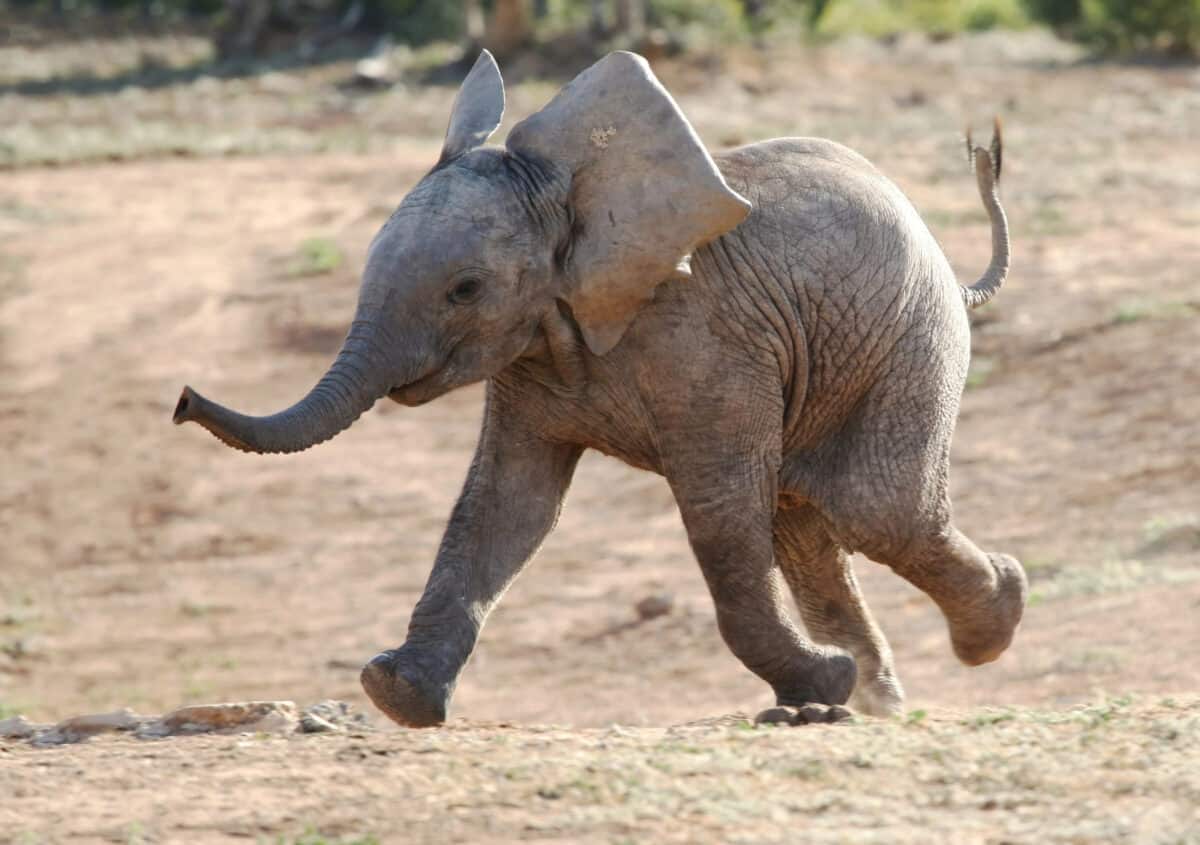
Dumbo, the baby elephant with extraordinarily large ears from Disney’s 1941 film, represents one of animation’s most poignant characters. Unlike many animated protagonists, Dumbo doesn’t speak, which makes his emotional journey all the more powerful—his expressive eyes and body language communicate volumes about his feelings of rejection, loneliness, and eventual triumph. This young elephant’s story of transforming his perceived flaw into his greatest strength has inspired generations of viewers facing their own insecurities.
The film’s relatively short runtime (just 64 minutes) belies its emotional depth, with scenes like “Baby Mine”—where Dumbo visits his caged mother—ranking among Disney’s most heartbreaking moments. What makes Dumbo particularly special is how he overcomes adversity not through violence or revenge, but by discovering his unique talent for flight. His journey from circus ridicule to celebrated performer parallels many real-life experiences of overcoming bullying and finding self-acceptance. Even after 80 years, Dumbo remains a powerful symbol of resilience and the importance of embracing our differences.
5. Shere Khan (The Jungle Book)
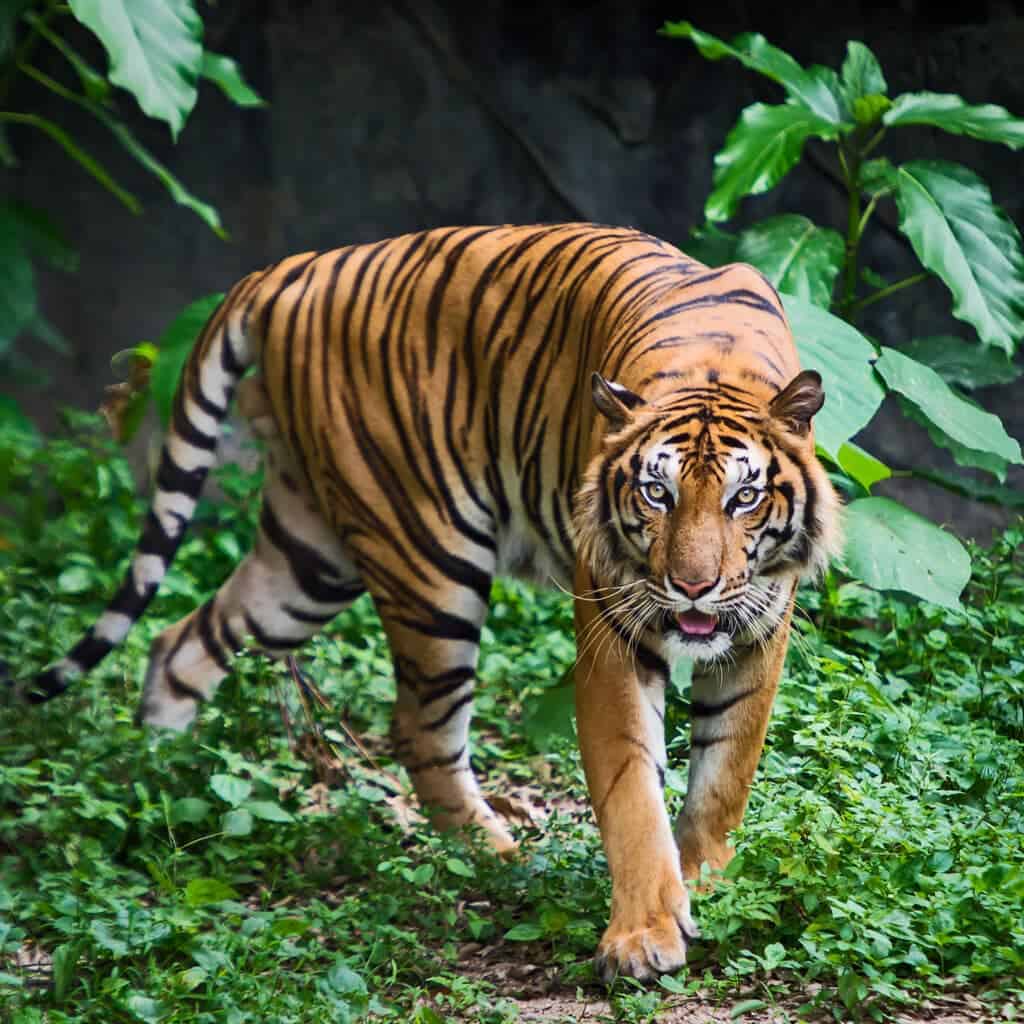
As the menacing Bengal tiger in “The Jungle Book,” Shere Khan stands as one of animation’s most sophisticated villains. Unlike many antagonists who are evil for evil’s sake, Shere Khan’s hatred of humans stems from a logical place—his experiences with hunters and their firearms. This nuanced motivation, combined with George Sanders’ aristocratic voice performance in the 1967 version, created a villain who is as charismatic as he is threatening. His refined manner makes his predatory nature all the more chilling.
What elevates Shere Khan above typical animated villains is his intelligence and patience. He doesn’t mindlessly chase Mowgli; he strategizes, manipulates, and waits for the opportune moment to strike. The 2016 remake, with Idris Elba’s powerful voice work, further developed Shere Khan’s character by emphasizing his scarred history with humans. His character serves as a reminder that sometimes the most dangerous adversaries aren’t those who are obviously monstrous, but those who combine power with calculation and conviction. Despite being the antagonist, many viewers find themselves captivated by Shere Khan’s commanding presence and complex character.
6. Timon and Pumbaa (The Lion King)
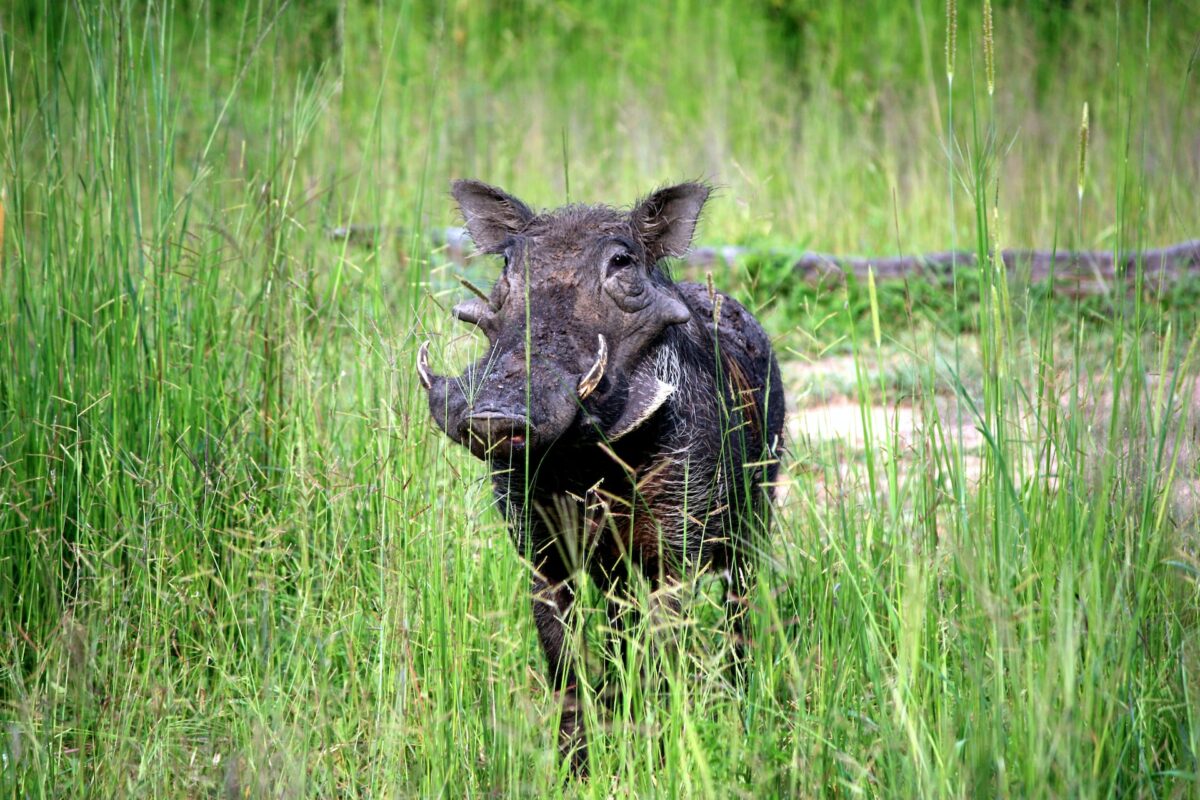
The meerkat-warthog duo of Timon and Pumbaa from “The Lion King” revolutionized the concept of comedic sidekicks in animated films. Their introduction of the carefree “Hakuna Matata” philosophy not only became a cultural phenomenon but also provided crucial narrative contrast to the weighty themes of responsibility in the film. Nathan Lane (Timon) and Ernie Sabella (Pumbaa) delivered performances with such exceptional chemistry that these characters transcended their supporting roles to become beloved figures in their own right, eventually starring in their own spin-off television series.
What makes this unlikely friendship so appealing is how it celebrates differences. Timon’s quick-witted, somewhat neurotic personality perfectly complements Pumbaa’s good-natured, simple approach to life. Their relationship demonstrates how friendship can thrive between the most dissimilar individuals. Beyond the comedy, these characters serve an important narrative function by providing Simba with an alternative family and worldview during his exile. Their willingness to eventually follow Simba back to Pride Rock, despite their fear of danger, shows depth beyond their comedic exterior. Timon and Pumbaa remain one of animation’s most successful and beloved duos, proving that friendship can transcend species and personality differences.
7. Tod and Copper (The Fox and the Hound)

Disney’s 1981 film “The Fox and the Hound” gave us one of animation’s most bittersweet friendships in Tod the fox and Copper the hunting dog. Their relationship begins with innocent childhood play but faces the harsh reality of societal expectations as they mature. This poignant exploration of how social roles can tear apart natural friendships resonates deeply with viewers of all ages. The voice performances, particularly by Kurt Russell as adult Copper and Mickey Rooney as adult Tod, convey the complex emotions of two friends pulled in opposite directions.
What makes Tod and Copper’s story particularly affecting is its refusal to provide a simplistically happy ending. Unlike many Disney films, “The Fox and the Hound” acknowledges that some relationships must fundamentally change due to circumstances beyond control. The film’s climactic scene, where Copper stands between Tod and his hunting master, represents a nuanced view of friendship—sometimes the greatest act of love is protective from a distance rather than constant companionship. This mature approach to friendship, combined with the characters’ genuine affection for each other, has made Tod and Copper enduring symbols of how connections can transcend prescribed boundaries, even when they cannot fully overcome them.
8. Remy (Ratatouille)

Remy, the culinary genius rat from Pixar’s “Ratatouille,” stands as one of animation’s most unlikely heroes. His passion for fine cuisine directly conflicts with his nature as a rat—traditionally seen as kitchen pests—creating an irresistible underdog story. Patton Oswalt’s voice performance captures Remy’s enthusiasm, frustration, and determination, making this rodent protagonist remarkably human in his aspirations. What sets Remy apart from many animated animal characters is his specific talent and passion; rather than generic heroism, he excels in the very human art of gastronomy.
The brilliance of Remy’s character lies in how he challenges prejudice and determinism. The film’s central message, articulated through food critic Anton Ego’s revelation that “not everyone can become a great artist, but a great artist can come from anywhere,” applies perfectly to Remy’s journey. His relationship with the human Linguini creates a visual metaphor for collaboration across divides. Remy’s refusal to compromise his standards, even when it would be easier to accept mediocrity, makes him a powerful symbol of artistic integrity. His character resonates with anyone who has felt their dreams were incompatible with their background or circumstances, making him one of Pixar’s most inspirational creations.
9. Robin Hood (Robin Hood)
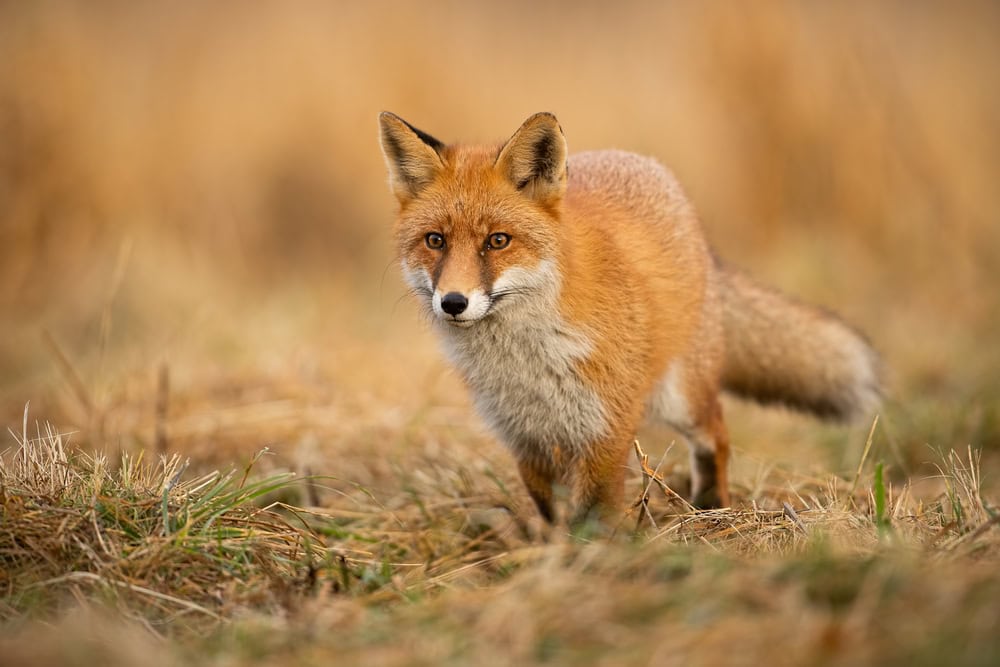
Disney’s anthropomorphic adaptation of the legendary outlaw in their 1973 film “Robin Hood” reimagined the hero as a charismatic fox—a perfect choice for a character known for his cleverness and agility. With Brian Bedford’s smooth, charming voice performance, this vulpine Robin Hood combines swashbuckling adventure with genuine compassion for the downtrodden. His romantic relationship with Maid Marian (also a fox) adds heart to the adventure, while his witty battles of both words and swords with the lion King Richard and wolf Sheriff of Nottingham create memorable conflicts.
What makes this animal version of Robin Hood particularly effective is how the species choices reflect character traits: the sly fox hero, the regal lion king, the conniving snake advisor (Sir Hiss). This animated Robin maintains the core values of the legendary figure—standing against tyranny, wealth redistribution, and protecting the vulnerable—while adding distinctive animal charm. The character has developed a significant cult following over the decades, with many citing him as their first animated crush or hero. This fox incarnation of Robin Hood demonstrates how reimagining human characters as animals can bring fresh perspective to classic tales, emphasizing certain traits while making age-old stories accessible to new generations.
10. Toothless (How to Train Your Dragon)

Toothless, the Night Fury dragon from DreamWorks’ “How to Train Your Dragon” franchise, represents one of animation’s most successful non-speaking animal characters. Despite having no dialogue, Toothless communicates volumes through his expressive eyes, body language, and vocalizations. The animators drew inspiration from cats, dogs, and birds to create his movements, resulting in a creature that feels both alien and familiar. His relationship with Viking teenager Hiccup develops from adversaries to best friends, demonstrating themes of trust, understanding across differences, and the power of compassion over violence.
What makes Toothless particularly compelling is his perfect balance between fearsome power and endearing vulnerability. As the rare and deadly Night Fury, he commands respect, yet his playfulness, loyalty, and occasional stubborn streak make him relatable. His damaged tail fin, which requires Hiccup’s prosthetic to fly properly, creates a beautiful metaphor for their interdependence—neither can soar without the other. This mutual reliance elevates their relationship beyond the typical human-pet dynamic to true partnership. Toothless has become so popular that he transcended the films to become DreamWorks Animation’s unofficial mascot, appearing in their logo. His character demonstrates how animation can create profound emotional connections between audiences and fantastical creatures through thoughtful design and character development.
11. Rafiki (The Lion King)

Rafiki, the wise mandrill from “The Lion King,” offers a unique blend of spiritual guidance, comic relief, and shamanic wisdom. Voice actor Robert Guillaume imbued the character with gravitas and eccentricity in perfect measure, creating one of Disney’s most memorable supporting characters. As the spiritual advisor to the royal family of Pride Rock, Rafiki serves as both narrator and catalyst, his actions driving pivotal moments in the story—from presenting baby Simba to the kingdom to later helping the adult Simba reconnect with his father’s memory and embrace his destiny.
What distinguishes Rafiki from other mentor characters in animation is his unpredictable nature. Unlike purely wise figures, Rafiki’s wisdom comes packaged with apparent madness, unexpected humor, and occasionally a whack on the head with his staff. His famous line “The past can hurt. But the way I see it, you can either run from it or learn from it” encapsulates the film’s core message about confronting difficult truths. His character draws from African spiritual traditions while creating something uniquely his own. Rafiki demonstrates how animated animal characters can embody profound philosophical concepts while remaining entertaining and accessible to audiences of all ages, making complex ideas about destiny, responsibility, and the circle of life comprehensible even to younger viewers.
12. Sid (Ice Age)

Sid the sloth from the “Ice Age” franchise represents one of animation’s most endearing examples of how annoying can become endearing. Voiced with perfect comedic timing by John Leguizamo, Sid’s lisping speech, misplaced confidence, and tendency to get into trouble make him simultaneously the group’s liability and its heart. His character subverts the typical sidekick role—while physically the weakest of the herd, his optimism and social nature repeatedly prove essential to the group’s survival, demonstrating that strength comes in many forms.
What makes Sid particularly noteworthy is how he evolves throughout the franchise while maintaining his core characteristics. From his initial desperate attachment to Manny in the first film to his later attempts at leadership and family-building, Sid consistently displays growth while remaining recognizably himself. His character serves as an important reminder that prehistoric life (and by extension, nature itself) wasn’t solely about the strongest surviving—cooperation, compassion, and community were equally important evolutionary advantages. Sid’s popularity helped establish Blue Sky Studios as a major player in animation and proved that prehistoric animals could be the basis for character-driven comedy. His enduring appeal lies in his relatability—many of us recognize our own insecurities and desire for acceptance in this prehistoric sloth.
13. Sebastian (The Little Mermaid)

Sebastian the crab from Disney’s “The Little Mermaid” proves that sometimes the most memorable characters come in small packages. As King Triton’s royal composer and Ariel’s reluctant guardian, this crustacean with a Jamaican accent (brilliantly voiced by Samuel E. Wright) stole scenes with his dramatic personality and musical talent. Sebastian’s internal conflict between following the king’s orders and helping Ariel creates compelling character development, as he transforms from strict rule-follower to supportive friend while maintaining his anxious, high-strung personality throughout.
Sebastian’s cultural impact extends far beyond the film through his unforgettable musical performances. His showstopping number “Under the Sea” won the Academy Award for Best Original Song and has become one of Disney’s most recognizable tunes. What makes Sebastian particularly effective as a character is how he balances comedy with genuine concern—for Ariel’s well-being. His exaggerated expressions, witty dialogue, and physical comedy provide levity, but beneath the humor lies a deep sense of loyalty and heart. This balance allows audiences to connect with Sebastian on multiple levels—as both a source of laughter and a symbol of steadfast friendship. His presence adds emotional depth to the story, making him not just a sidekick, but an essential part of Ariel’s journey and the film’s enduring legacy.

- The Fastest Tornado Ever Recorded in the Midwest - July 26, 2026
- Is the Loch Ness Monster Real? 5 Ancient Animals That Could Explain the Myth - July 26, 2026
- The Most Unpredictable Tornado Outbreak in U.S. Records - July 26, 2026