
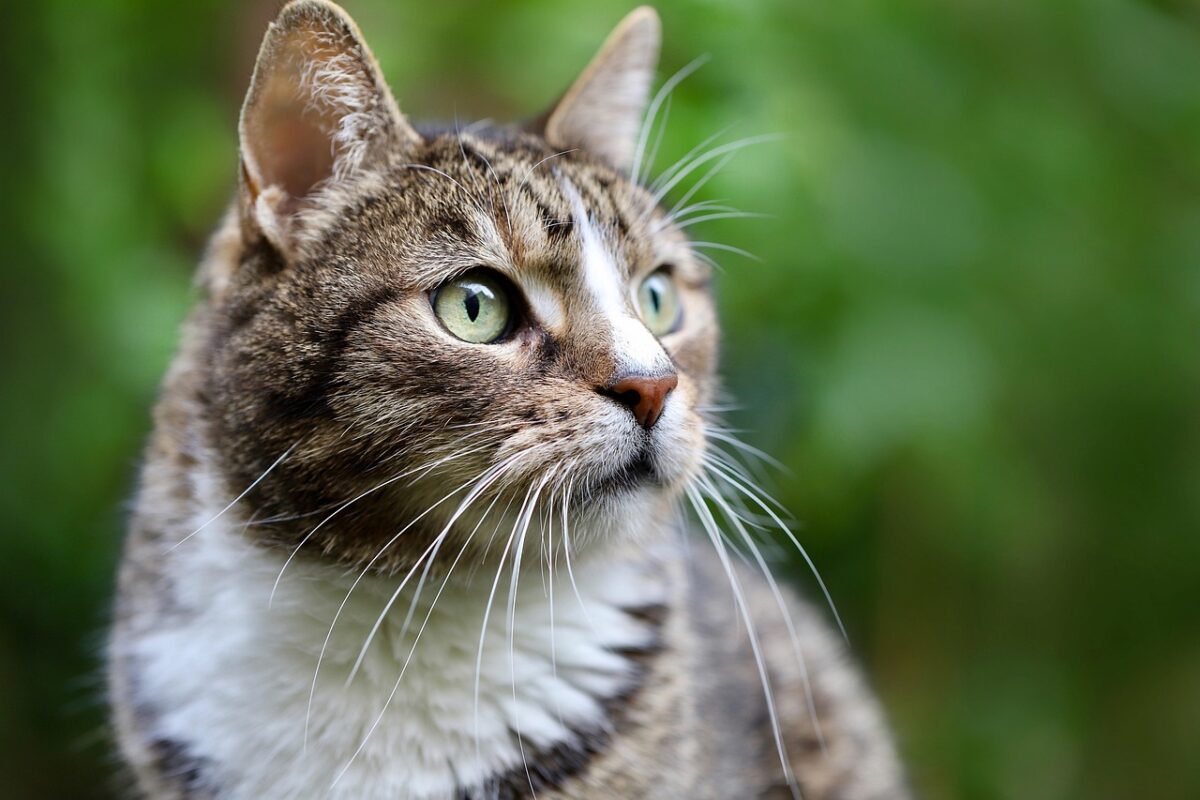
You walk out the door and your cat barely lifts her head. Easy goodbye, right? Maybe. But the last stretch before you get home can look very different from the calm picture most of us carry around, and the clues are often sitting in plain sight.
Below are 13 signals that behaviorists, surveys, and veterinary resources link to cats who struggle when alone, from the obvious yowl to a few that are almost built to be missed. Fair warning: research on the final hour specifically is thin, and most studies look at absences in general. One survey of 223 cats found 13.5% showed at least one trait associated with separation-related problems. Most cats cope fine. The ones that don’t leave clues, and the loudest clue isn’t the one that should worry you most.
#13 – Parked at the Door
🔥 Would you like to save this?
We'll email this post to you, so you can come back to it later!
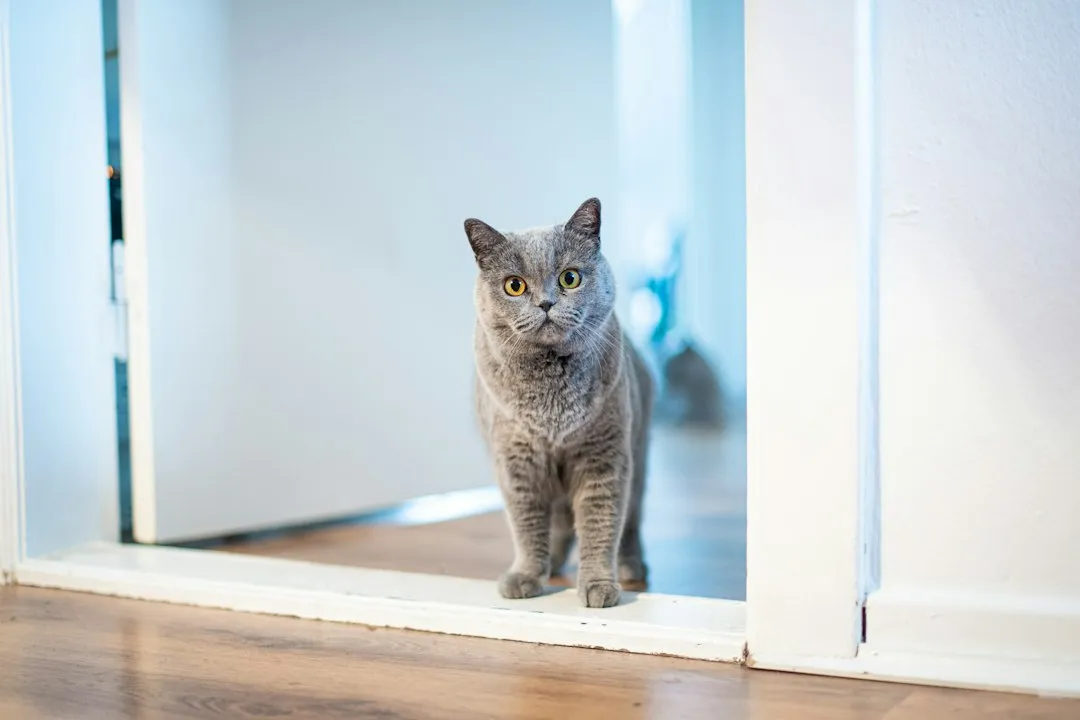
Your cat may have picked a post by the exit well before you’re due home.
Behavior sources list destructive behavior near doors or windows among the signs of separation anxiety. Plenty of cats wait by the door simply because that’s where you appear. Location alone proves nothing.
Posture tells you far more. A relaxed cat loafs with tucked paws, soft eyes, and slow blinks. A stressed cat stays tense, with swiveling ears and a low tail, and may paw at the gap under the door.
- Relaxed: loafing, tucked paws, slow blinks
- Tense: wide pupils, crouching, repeated pawing at the door
Here’s the contrarian take. Door-waiting is only “cute” if the body language is calm. Otherwise it’s data, and it’s the first thing a camera can show you.
But the next signal is one almost every owner has seen and misread…
#12 – Window Duty
🔥 Would you like to save this?
We'll email this post to you, so you can come back to it later!
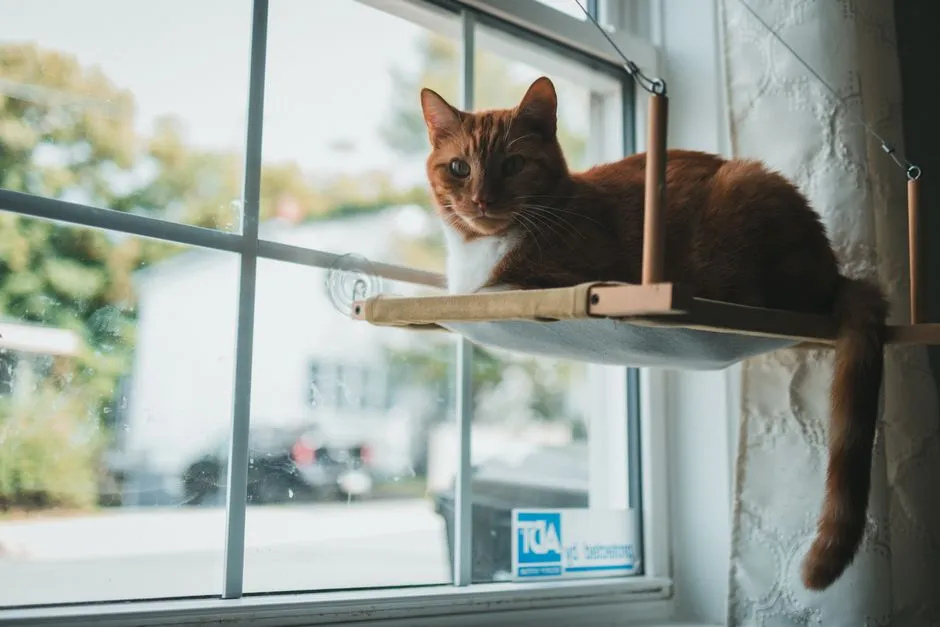
The window ledge is a cat’s security camera, and how it’s used matters.
Ohio State’s indoor pet resource advises owners of anxious cats to provide perches so the cat can look outside. Watching the street is normal and enriching. Cats are also most active around dawn and dusk, so some evening window time is simply a cat being a cat.
Stress changes the pattern. Cats under stress show decreased exploratory behavior, increased hiding, and vigilance. A cat locked onto the driveway for long stretches, tracking every sound, is on guard rather than relaxing.
Ask whether the window time is replacing eating, grooming, or napping. If it is, that’s worth noting.
- Normal: bird-watching, tail twitches, then drifting off to nap
- Worth noting: fixed stare, no breaks, skipping meals
And that stare is often followed by a sound you rarely hear…
#11 – The Yowl Nobody Hears
🔥 Would you like to save this?
We'll email this post to you, so you can come back to it later!
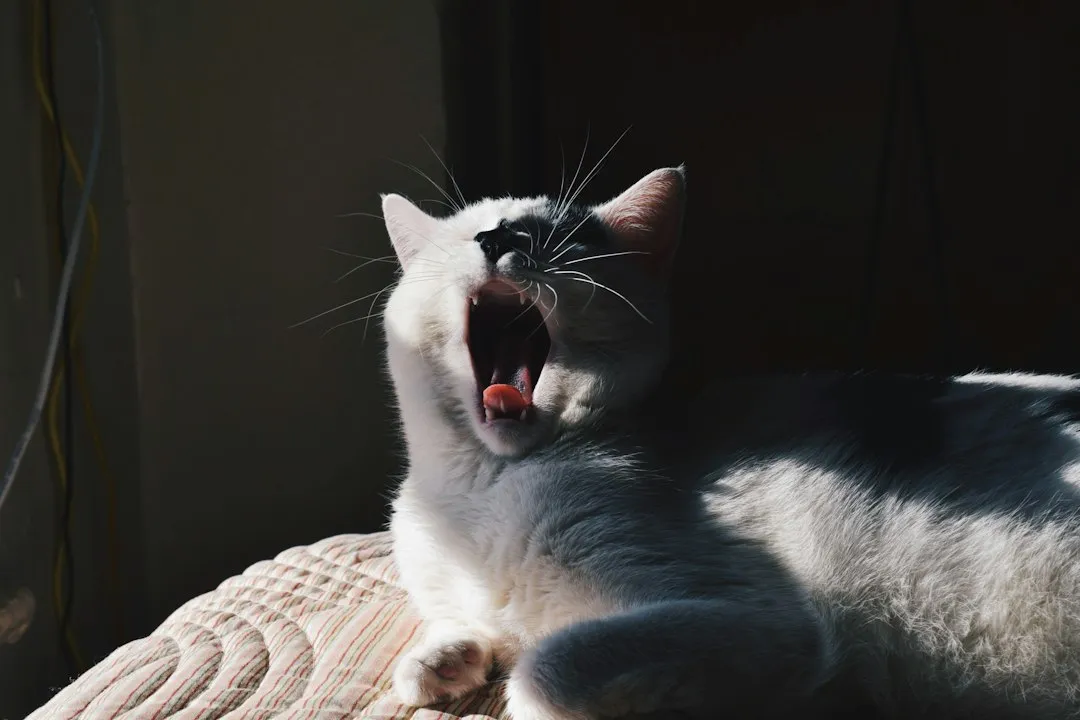
The loudest signal usually happens when no one is there to hear it.
In the Brazilian survey, excessive vocalization was reported in 19 cats. In another study, cats vocalised more when left alone in the room, which the researchers suggested indicates separation distress.
You’d probably never know. Many owners find out from a neighbor, a doorbell camera, or a pet camera clip, and the first reaction is usually a stomach drop.
Fast Facts
- Survey size: 223 cats
- Overall rate: 13.5% showed at least one trait linked to separation-related problems
- Vocal cats: 19 were reported to vocalize excessively
- Best clue: timing, meaning it starts around your departure and eases when you return
One meow doesn’t mean a crisis. The pattern is what matters. Is it persistent, does it start around your departure, and does it ease when you return? Sources like Petful treat that timeline as the hallmark of true separation anxiety.
Now for what cats do instead of calling out…
#10 – Camping on Your Stuff
🔥 Would you like to save this?
We'll email this post to you, so you can come back to it later!
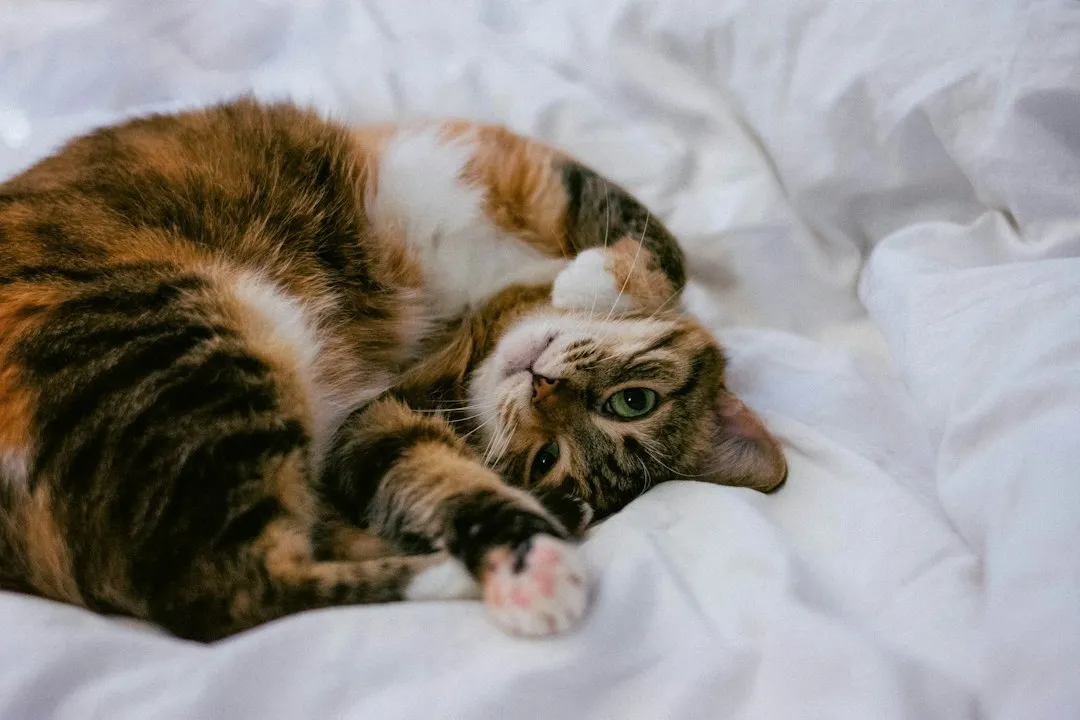
Your pillow and your laundry pile may be your cat’s comfort zone.
Cats often settle on clothes, beds, and bags that smell like you. Scent is how cats read the world, so in most homes this is harmless. It’s a cat finding comfort in something familiar.
The line is crossed when things get wet. In a retrospective study of behavior cases, 75% of cats with urinary house soiling during separation exclusively targeted their owner’s beds.
Sleeping on your sweater is fine. Urinating on it is a signal, and it needs a vet visit first. Sources like Petful say to always rule out medical causes, especially urinary disease.
That behavior is obvious. The next one is built to be missed…
#9 – The Vanishing Act
🔥 Would you like to save this?
We'll email this post to you, so you can come back to it later!
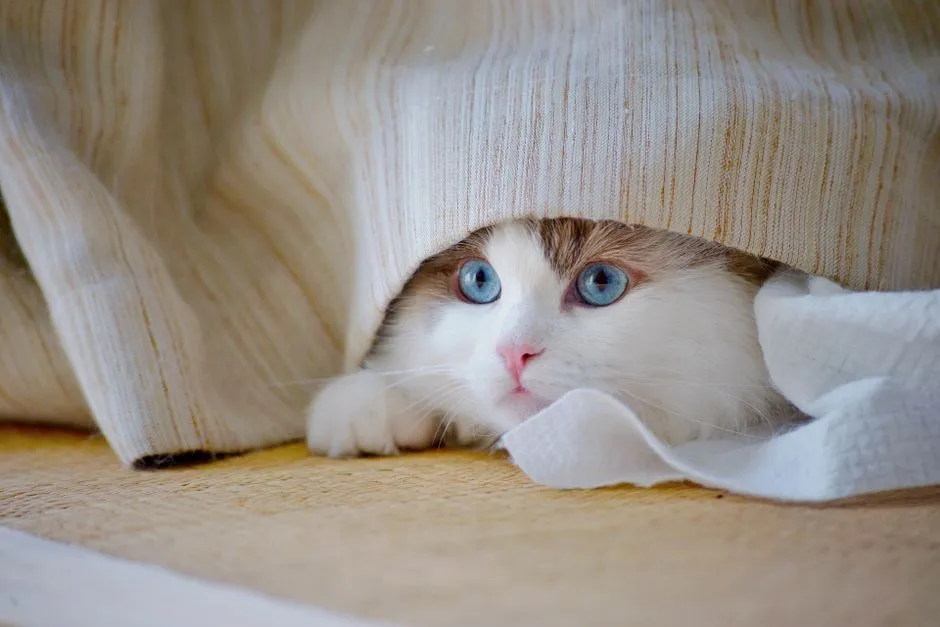
Some cats don’t show distress at all. They disappear.
Cats are both predator and prey. That’s why, as one behavior journal puts it, it’s in their evolutionary interest to conceal illness and withdraw during times of stress.
The result is a cat that hides in a closet, under the bed, or behind the couch for hours. The same journal warns that a cat whose only sign is hiding when no one is home is unlikely to receive care.
That’s a real gap. The “easy” cat that’s never a problem may be the one coping worst, simply because nobody sees it happen.
- Check: closets, under beds, behind furniture
- Compare: where the cat sits when you’re home versus when you’ve just returned
And then there are the cats that can’t stay still…
#8 – Pacing the Same Loop
🔥 Would you like to save this?
We'll email this post to you, so you can come back to it later!
Restlessness is easier to spot than hiding, if you have a camera.
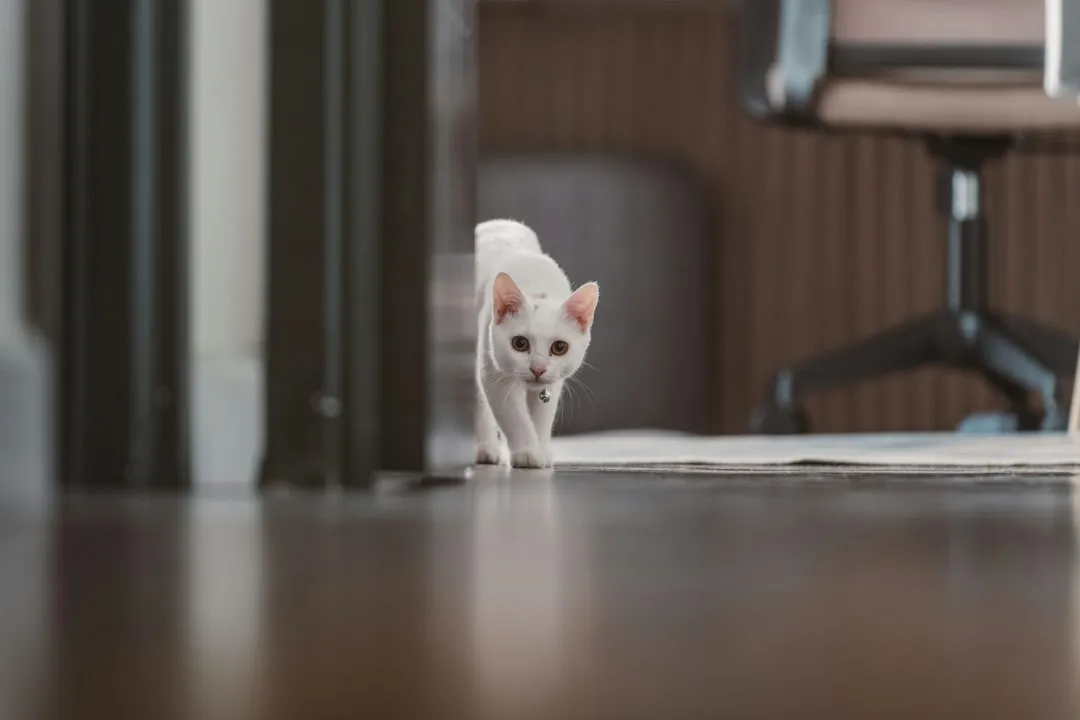
The Brazilian survey recorded anxiety and agitation in 11 cats. Typical signs are trotting between the door and the window, or circling the same few rooms like a security guard on a bad shift.
Compare that to normal behavior. A cat that explores and plays when you’re home may do less of both when alone. In one study, cats showed more exploratory and playful behaviors with their owners than when alone.
Quiet alone time isn’t alarming by itself. Pacing, repeated route-checking, and jumpiness are different.
- Pacing: the same route, over and over
- Startling: jumping at ordinary house noises
But the next sign can be a quiet one that gets overlooked…
#7 – The Untouched Bowl
🔥 Would you like to save this?
We'll email this post to you, so you can come back to it later!
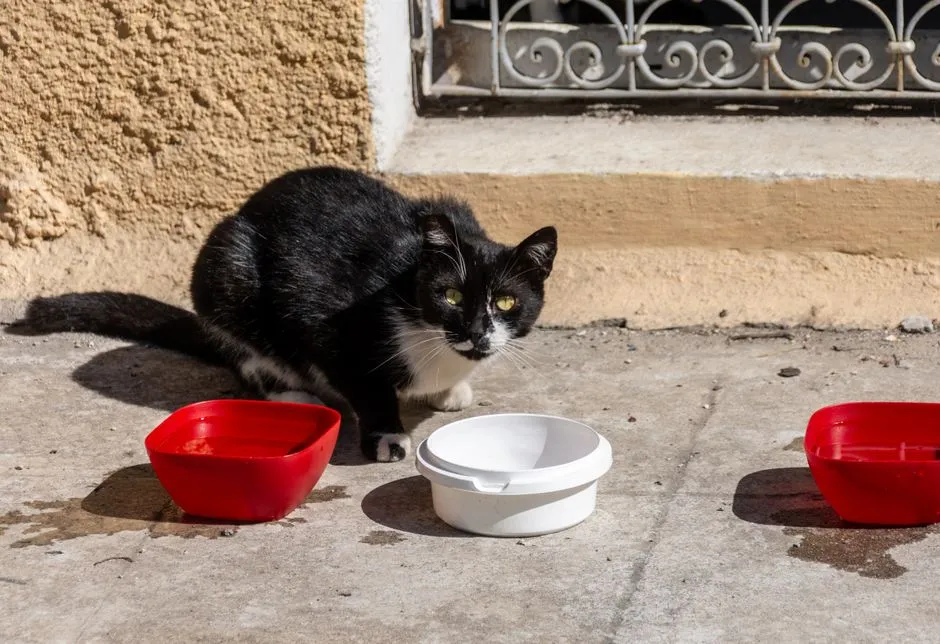
A full bowl at 6 p.m. can say more than any meow.
Ohio State lists not eating or drinking while the owner is away among the signs of separation anxiety. Other sources mention refusing to eat while alone.
Vomiting food or hair also appears on that list. Cats sometimes bring up food after stress, which is easy to blame on a hairball and move on.
A skipped meal isn’t a diagnosis, because appetite loss also signals illness. If a cat goes a full day without eating, call a vet rather than waiting it out. Cats can get seriously ill when they stop eating for several days.
Worth Knowing
- Stress pattern: food untouched only when you’re out
- Easy to miss: vomiting after stress often gets blamed on hairballs
- Not a diagnosis: appetite loss can also point to illness
- Red flag: refusing food at any time, especially for 24 hours or more
Next up is a signal that can leave visible marks…
#6 – Over-Grooming
🔥 Would you like to save this?
We'll email this post to you, so you can come back to it later!
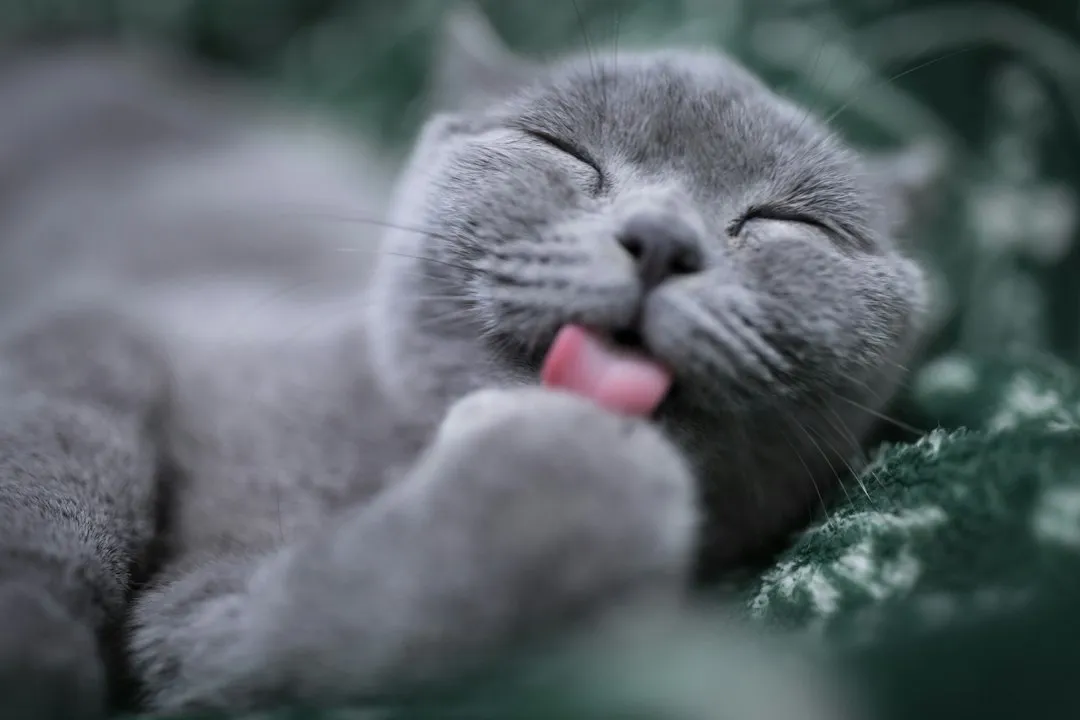
A cat’s tongue can turn from comfort habit to warning sign.
Excessive self-grooming appears on Ohio State’s list of separation anxiety signs. In severe cases, behavior sources describe overgrooming to the point of bald patches.
Grooming is self-soothing for cats. After a stressful moment, many groom to settle themselves. The trouble starts when the habit stops looking like comfort and starts looking like compulsion.
If you find damp, spiky fur, thinning patches, or irritated skin, talk to your vet. Skin issues and pain can cause the same thing, so stress is never the only suspect.
Not every mark is on the cat. Some are on your furniture…
#5 – The Shredding and the Shove
🔥 Would you like to save this?
We'll email this post to you, so you can come back to it later!
That glass on the floor probably wasn’t revenge.
In the survey, destructive behavior was the most commonly observed sign, in 20 cats. Sploot Vets lists scratching furniture, knocking items over, or chewing objects as possible signs of stress.
Cats don’t act out of spite. Scratching is natural and also leaves scent. Knocking things over is often boredom or play.
Location is the clue. Damage clustered around doors and windows points toward stress. Scattered damage in different rooms usually points toward boredom or normal habits.
- Stress clue: damage near exits
- Boredom clue: random spots, usually near play-friendly objects
And then there’s the signal owners find hardest to talk about…
#4 – Litter Box Trouble
🔥 Would you like to save this?
We'll email this post to you, so you can come back to it later!
The most common complaint behind closed doors is also the least glamorous.
In a retrospective study of behavioral cases, house soiling was the most common issue reported during an owner’s absence. In the Brazilian survey, 18 cats urinated in inappropriate places and 7 defecated in them.
This is where medical and behavioral causes overlap. One source notes that stress can trigger a painful bladder condition, creating litter box associations that outlast the acute anxiety. A cat may start avoiding the box because it hurts, not because it’s upset with you.
Quick Compare
- Leans medical: straining, frequent box trips with little output, crying in the box, blood in the urine
- Leans stress-related: accidents on your bed or near exits, mostly while you’re out
- Either way: the vet visit comes first
So the first step is always a vet check. Treating a medical issue as a behavior problem delays real help, and the cat pays for the delay.
Now for a signal that looks like the opposite of stress…
#3 – Flat and Withdrawn
🔥 Would you like to save this?
We'll email this post to you, so you can come back to it later!
A cat that does nothing can still be sending a message.
The survey also recorded depression and apathy, marked by lack of energy and loss of interest, in 16 cats with separation-related problems. That’s only slightly fewer than the cats that destroyed things.
Cats sleep a lot, so how do you tell the difference? Look at behavior around your return and in the hours you’d normally see activity. A cat that doesn’t greet you, play, or eat has changed.
Here’s my opinion. A quiet cat isn’t proof of a calm cat. Owners who only count the cats that make noise are missing a whole group.
But the most telling signal may be the one that happens as you walk in…
#2 – Ears Tuned to the Driveway
🔥 Would you like to save this?
We'll email this post to you, so you can come back to it later!
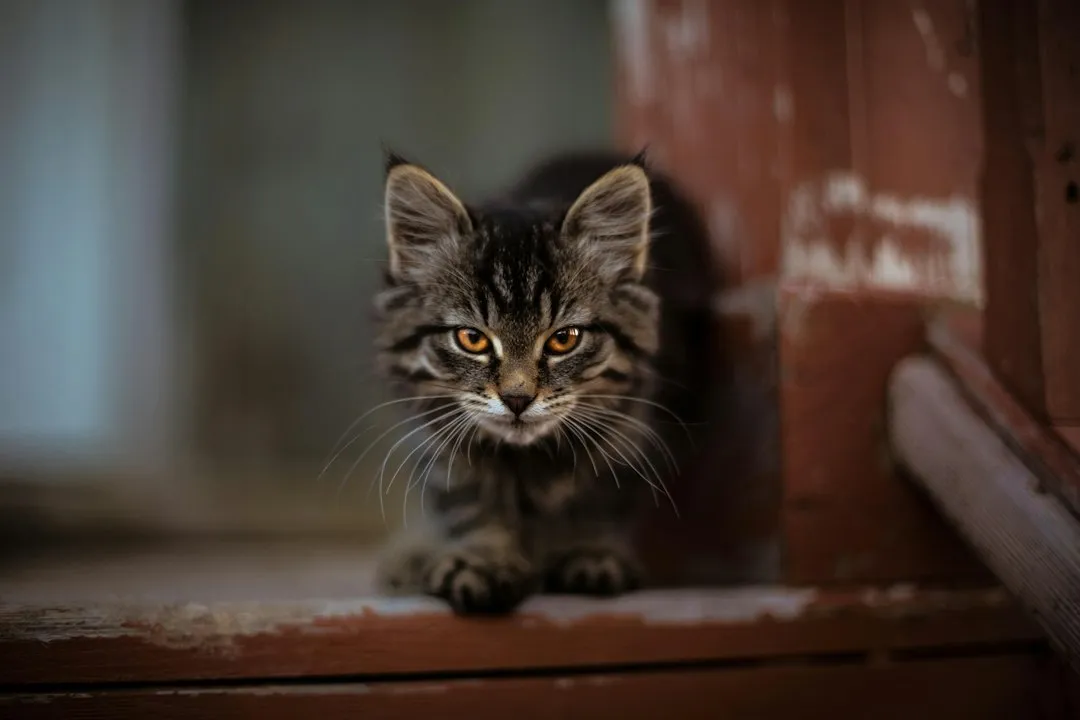
In the last hour, a cat’s hearing may be doing most of the work.
Cats react to familiar sounds like car doors, footsteps, and keys. A 2013 Japanese study found cats can tell their owner’s voice from a stranger’s. Whether they predict your arrival time is unproven, and most of that is owner anecdote.
The reverse is better documented. Behavior sources describe cats showing visible distress when you pick up keys or put on shoes. They’ve learned what leaving looks like.
So a cat’s ears snapping toward the entryway means it has learned your routine. It doesn’t prove it kept time. What matters is the body language that comes with it, because that tells you whether your cat is anticipating or dreading.
- Likely anticipation: ears forward, relaxed posture, walking to the door
- Likely stress: crouching, flattened ears, vocalizing
And this brings us to the signal that settles everything…
#1 – The Over-the-Top Greeting
🔥 Would you like to save this?
We'll email this post to you, so you can come back to it later!
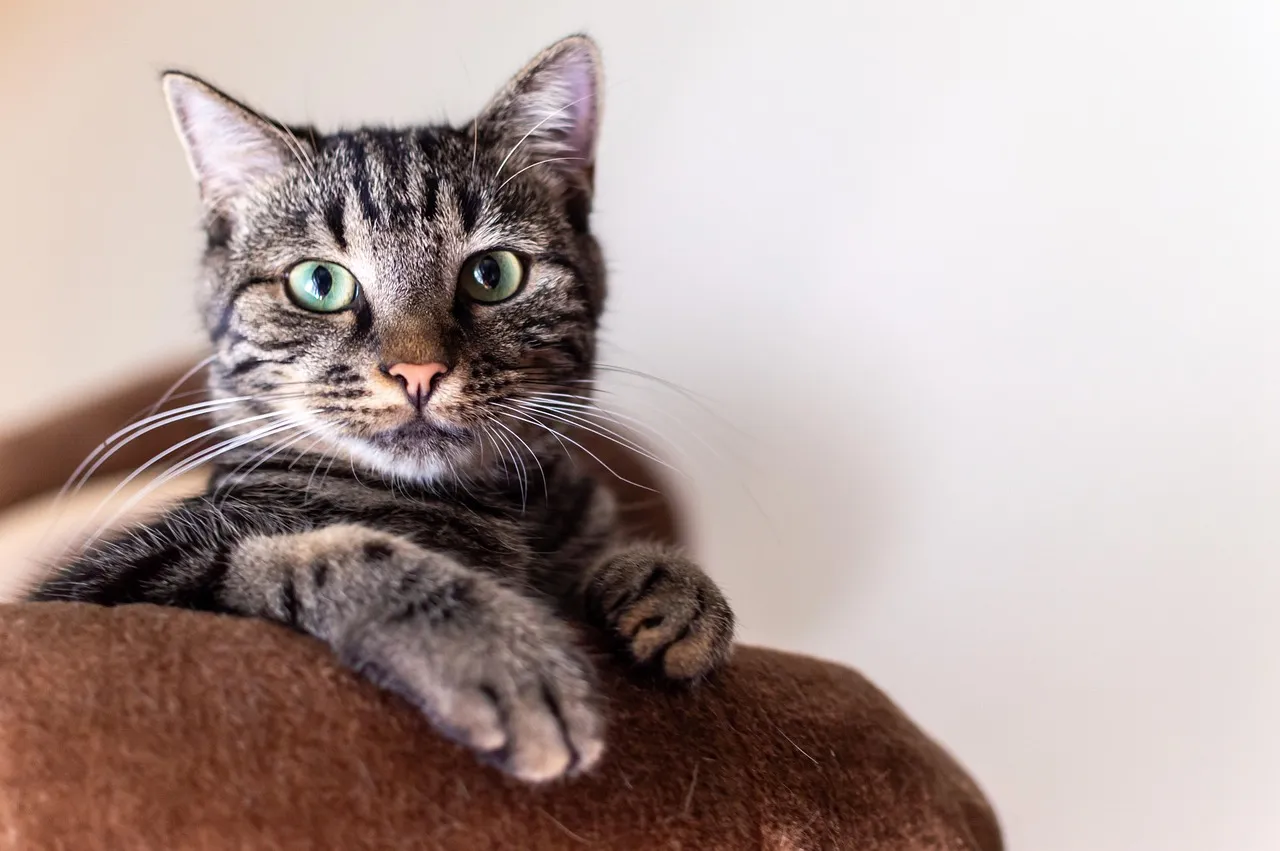
The reunion tells you what the empty hours felt like.
Ohio State lists exuberant greetings when the owner returns home among the signs. Behavior sources say an intense, prolonged greeting that looks more like relief than ordinary social interaction is a clue.
One study found cats showed more affiliative behaviors after reuniting with their owners. Warm greetings are normal. A cat that won’t leave you alone for an hour is different.
Another source reports that insecurely attached cats showed higher stress behaviors during absence and atypical responses on return. A cat that ignores you isn’t necessarily fine, either.
So what does it all add up to?
“Cats are independent” has become an excuse. Most cats do manage alone, and one study notes that the majority don’t show abnormal behavior when separated from their owner. But that doesn’t mean every cat is fine, and the quiet ones are the easiest to overlook.
My view: the signals that matter most are the quiet ones, like hiding, skipped meals, and flat behavior. Yowling gets attention, but withdrawal gets missed. Don’t diagnose from one sign. Check the vet first, then the pattern.
Which of these 13 signals have you actually caught on camera, and did it surprise you?

- 8 Fascinating Facts About Owls You Never Knew - November 5, 2026
- 10 Plants That Repel Mosquitoes in Texas - November 5, 2026
- What Egyptian God Are You According to Your Zodiac Sign - November 5, 2026