
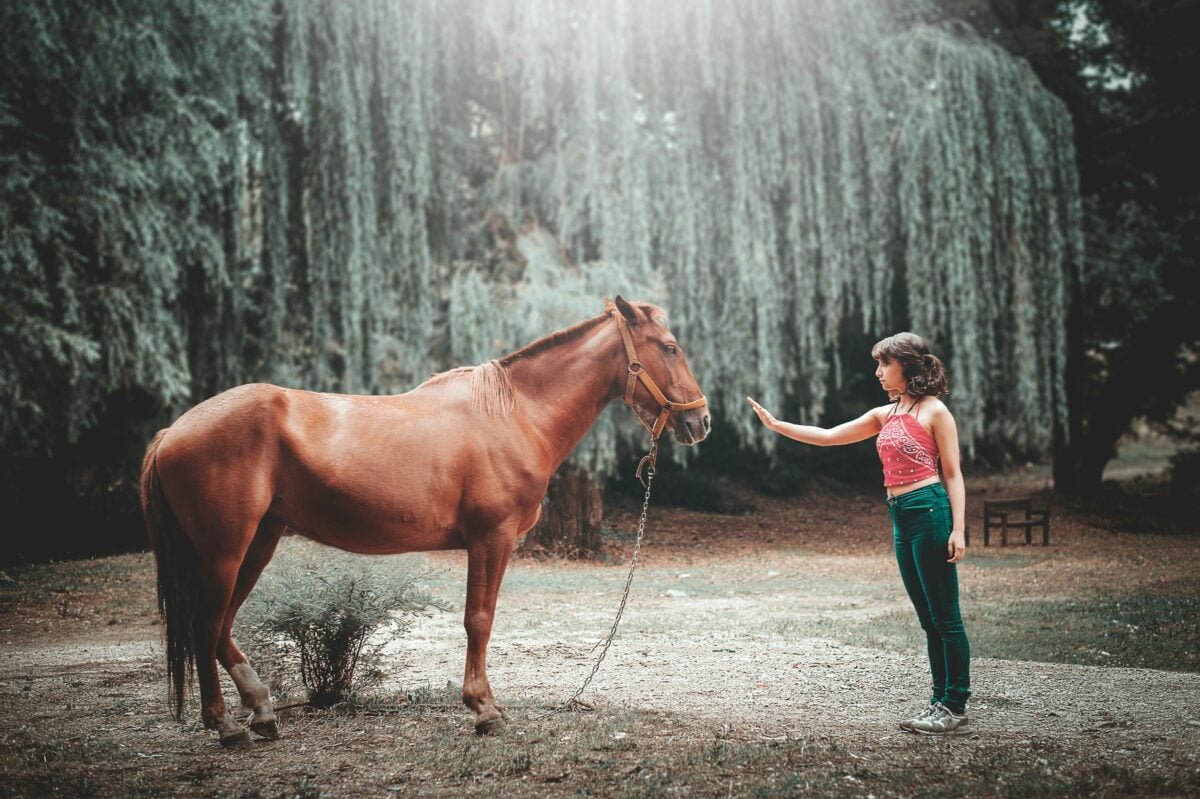
Most people think a horse “loving you” just means it lets you ride without a fight, or doesn’t try to bite your shoulder off. That bar is embarrassingly low, and it’s why so many riders miss the real thing when it’s standing right in front of them.
A horse that has fully handed you its heart behaves nothing like a school horse quietly tolerating humans for hay. It shows dozens of tiny, easy-to-miss behaviors, and most riders are too busy chasing “connection” for the camera to notice them happening in real life. Once you know what to look for, you may realize your horse chose you months ago. You just never learned to read the language.
#1 – They Choose You Over the Herd
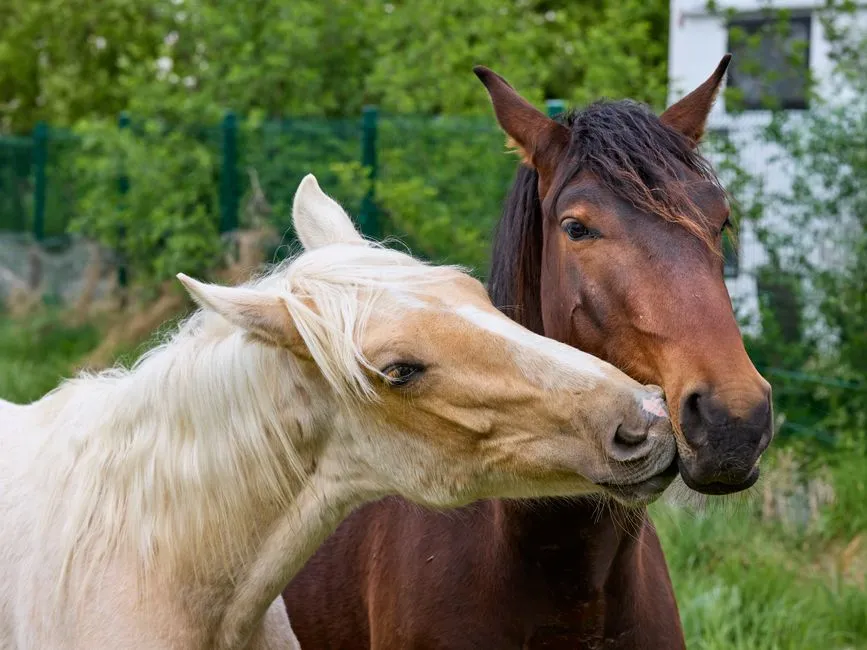
A lot of owners brag that their horse “comes when called,” but often that’s just food training talking. The deeper sign is quieter: when your horse is loose with other horses, it still drifts toward you. Not in a frantic, anxious scramble, but in a casual, “where are you going, I’m coming too” kind of way.
Watch turnout time closely. Does your horse peel off from the group and shadow you along the fence line? Will they leave a hay pile to follow you across the paddock with no halter, no bucket, no pressure at all? That’s real social currency in horse world. Horses don’t voluntarily walk away from safety unless something else feels safer. When they keep picking you, quietly and repeatedly, that’s not obedience. That’s attachment, and it sets the stage for everything else on this list.
#2 – Their Eyes and Ears “Soft-Track” You
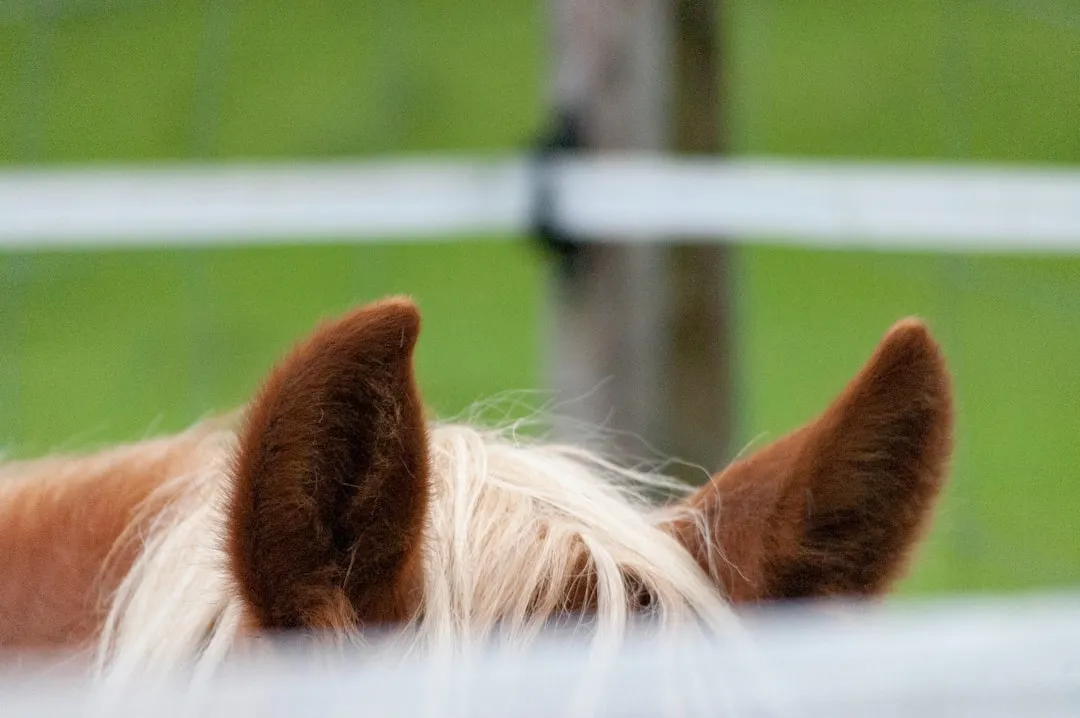
Most people obsess over tricks and liberty routines and completely ignore the horse’s face. A horse that’s given you its heart has a distinct look: soft eye, relaxed lower eyelid, ears gently tracking you instead of pinning or freezing rigid.
Notice the micro-moments. When you walk past their stall, do their ears flip toward you and then stay loose, not stiff? Does the skin around their eyes stay smooth instead of tightening? That “melty” look isn’t laziness, it’s nervous system regulation, and you’re the reason it’s happening. Even in a new environment, some horses keep a soft lock on you, one ear or eye casually checking in while the other tracks the world. They’re saying, “I’m alert, but you’re my anchor,” and that quiet, repeated softening is worth more than any big cinematic gesture.
Fast Facts
- Horses’ ears can move 180 degrees using 10 different muscles, compared to three muscles for the human ear.
- A horse’s almost 360-degree field of vision helps it determine the exact location of a sound or sight. That means part of their attention can be on you even when their head is turned.
- A forward, loosely flopping ear paired with a soft eyelid is one of the clearest “all is well, and it’s because of you” signals a horse can give.
- These signals change in a fraction of a second, so the tell is easy to miss if you’re staring at your phone instead of your horse.
#3 – They Offer You Their Vulnerable Spots
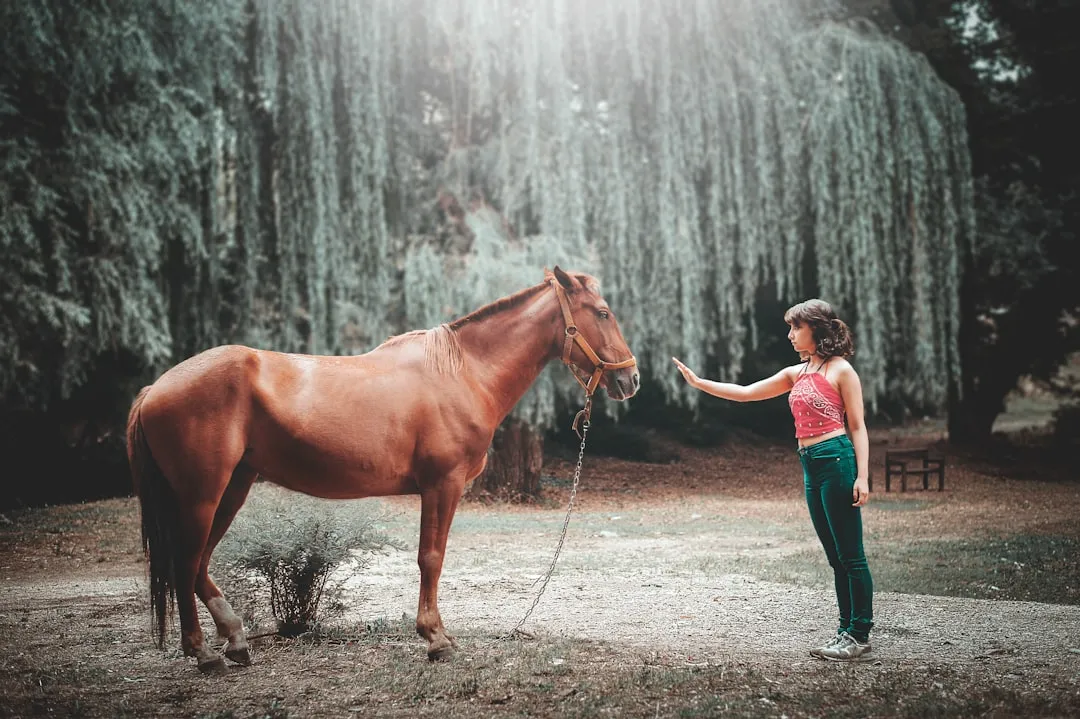
A horse that doesn’t trust you turns grooming into a defensive negotiation, head up, back tight, tail swishing, skin twitching at every touch. A horse that has handed you its whole heart does almost the opposite. They present the places a prey animal is wired to protect.
Watch for a forehead or cheek leaning into your chest, ribs or hindquarters swinging toward you and then relaxing instead of tensing. Letting you stand at their flank with your hands near their belly or inner thighs is a big deal. Rolling near you, lying flat out in the paddock, or dozing with their head low in your presence are huge trust flags, because in the wild that’s exactly when a horse is easiest to ambush. Most people misread this as “lazy” or “bombproof.” It isn’t. It’s a horse making a risky calculation: I’ll drop my guard because I believe you’ll keep me safe.
#4 – They Match Your Energy Without You Asking
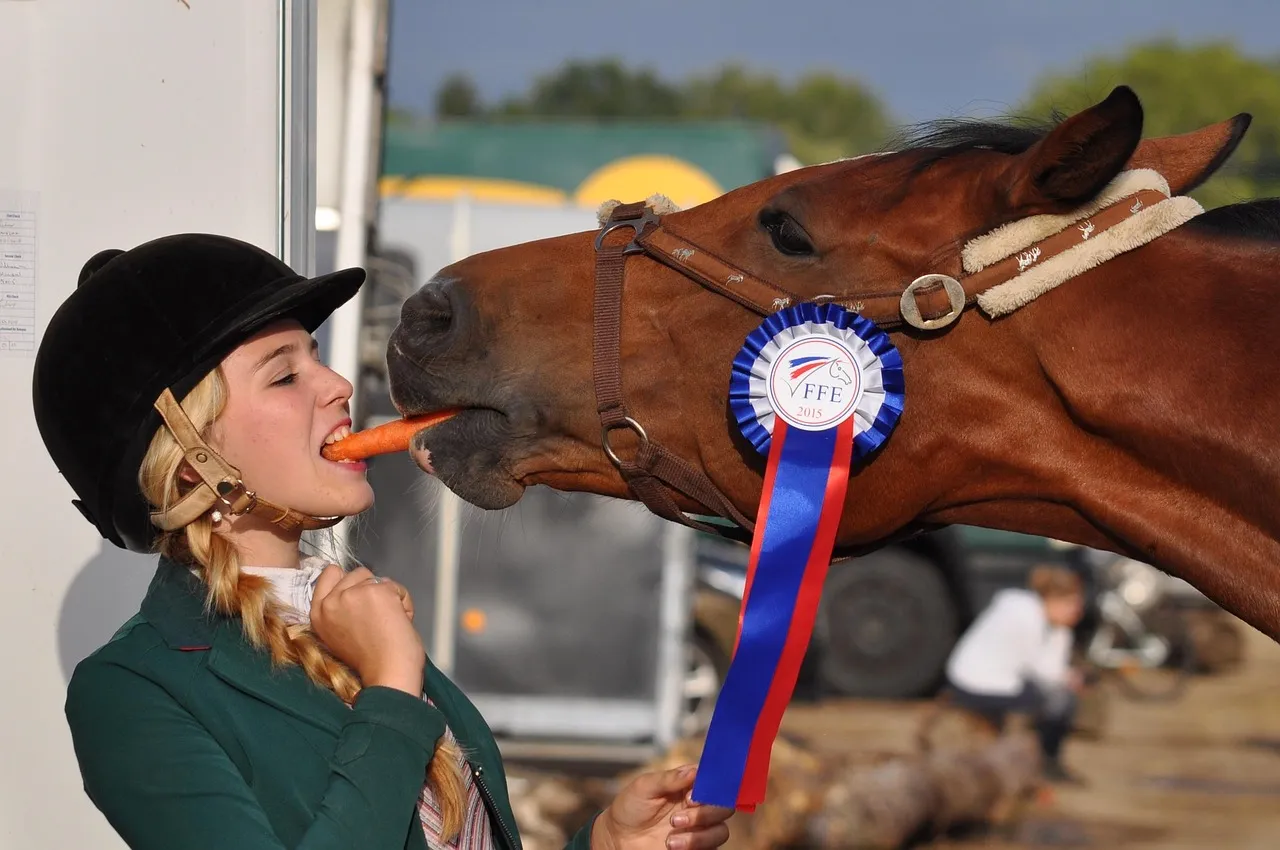
Here’s where it stops being cute and starts feeling spooky-intuitive. Horses that are truly bonded begin to co-regulate with your nervous system, syncing to you like a dance partner instead of a robot following commands.
On the ground, notice how they adjust pace to mirror you without a single tug on the lead rope. You slow your walk, they drift slower. You stop to talk, they sigh and rest a foot. Under saddle, a horse that has emotionally picked you often starts anticipating your intention before you finish forming it, not in a nervous, bolty way, but in a soft “I know where you’re headed” kind of readiness. This freaks some riders out because it feels like mind-reading. It isn’t magic. It’s attachment, tuned to your breathing, your posture, your micro-tension.
#5 – They Use You as a Safe Base in Scary Places
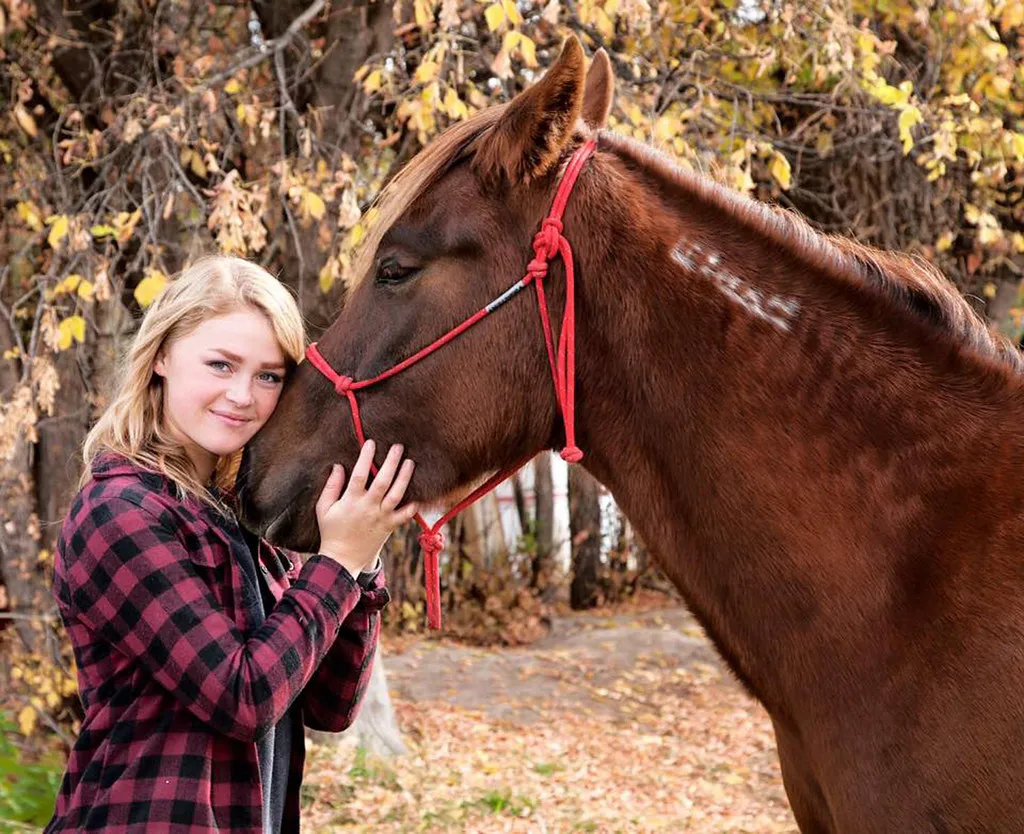
Most people think a “brave” horse is one that never spooks. Experienced handlers know the real tell is what your horse does in the three seconds after the spook, because that’s when their true attachment shows itself.
In a new arena or on a trail, watch where your horse looks when something worries them. Do they lock onto the scary object and check out completely, or glance at it and then flick an eye back to you? If they step even half a hoof closer to you, that’s massive. A bonded horse will often circle behind you or close the distance sideways, using your body as a shield. Some of the “spooky” horses people complain about loudest are actually the ones most capable of deep bonding, they just haven’t been given a safe base yet. When a worried horse chooses you over fleeing, that’s not training. That’s trust.
#6 – They Subtly Guard Your Space
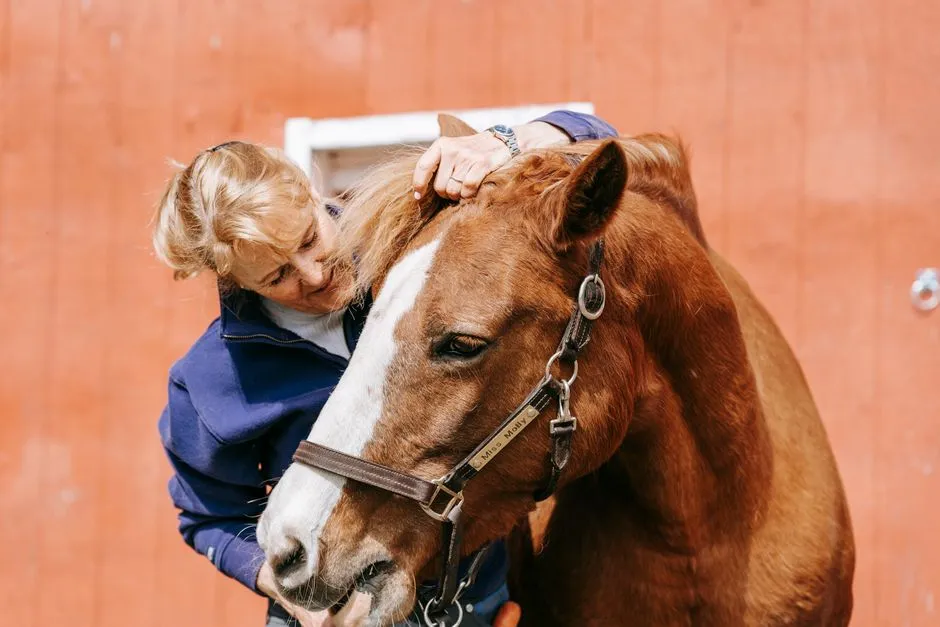
This one divides horse people, and some will insist it doesn’t happen at all. But barn rats see it constantly: a truly bonded horse quietly influences the other horses around you without you ever asking them to.
Another horse crowds you at the fence, and yours pins an ear and steps between you and the intruder. At the gate, your horse angles their body to block pushy herd mates while you latch the chain. In a crowded aisle, they shift to keep their shoulder between you and the chaos. This isn’t always cute, and sometimes you need to set boundaries so it doesn’t turn rude. But a horse that calmly claims a bit of bubble around you is saying, in horse language, “this is my human, move around, not through.”
Quick Compare
- Pushy horse: crowds your space for treats, ignores your cues, and tests boundaries the moment you’re distracted.
- Bonded horse: reads the room, angles away from other horses to keep you covered, and softens the instant you set a boundary.
- Pushy horse: the behavior escalates the more you ignore it.
- Bonded horse: the “guarding” fades on its own once the perceived threat is gone.
#7 – They Recover From Mistakes… and Come Back to You
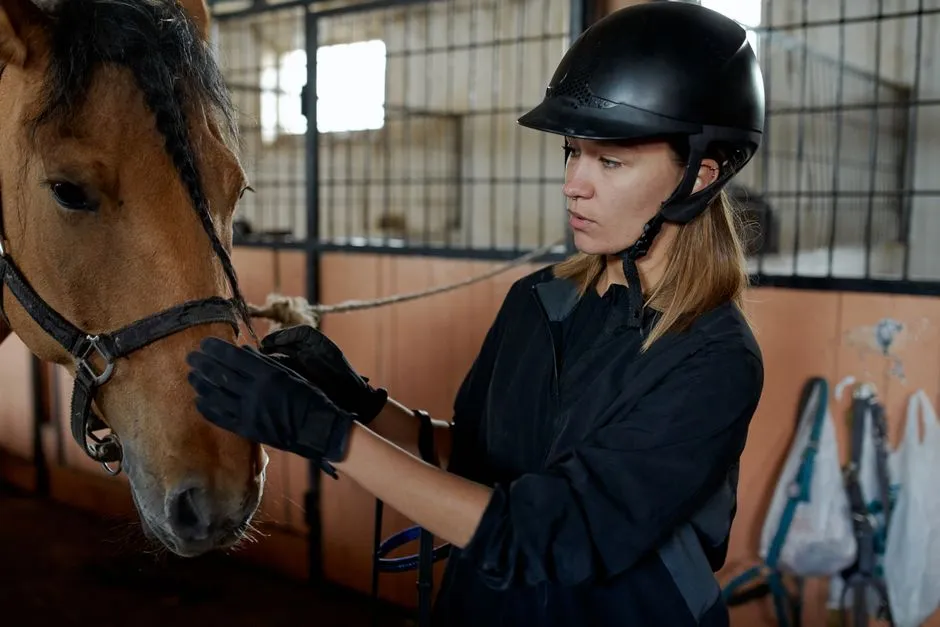
A horse that merely tolerates you holds a grudge. A horse that’s given you its heart might spook, bolt, or have a genuinely bad ride, and then actively tries to reconnect afterward instead of shutting down.
You accidentally bump their mouth, lose your balance, or push a session too far. Do they go stone-faced and avoid you, or do they blow out, lick and chew, and then step back toward you? Choosing to re-engage takes real emotional risk for a conflict-avoidant prey animal.
The horse is a mirror to your soul. Sometimes you might not like what you see.
Buck Brannaman
When your horse initiates that reconciliation, offering their nose or quietly following you after a rough moment, you’re not just “the rider” anymore. You’re a safe attachment figure they’re motivated to keep.
#8 – They Relax Faster With You Than With Anyone Else
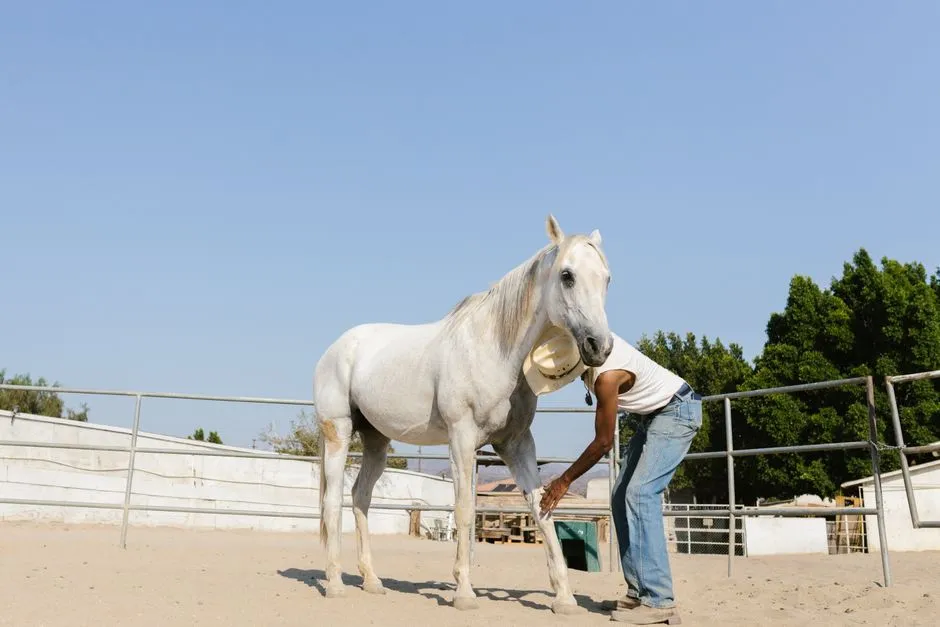
Here’s a brutal reality: some horses get labeled “hot” or “anxious” when they’re actually just mismatched with the wrong human. If your horse unwinds faster with you than with anyone else, that’s a massive relationship flex worth paying attention to.
Watch what happens when a vet, farrier, or barn friend handles them versus when you step in. Ears soften, the neck lowers, breathing deepens, chewing resumes, sometimes within seconds of you appearing. Even if they’re still worried, they’ll angle an eye toward you or lean a shoulder your way. A lot of people call this “clingy,” but honestly it’s proof your presence changes their actual safety level. That isn’t something you can fake with treats or gadgets.
#9 – They Offer Connection Before You Ask for Work
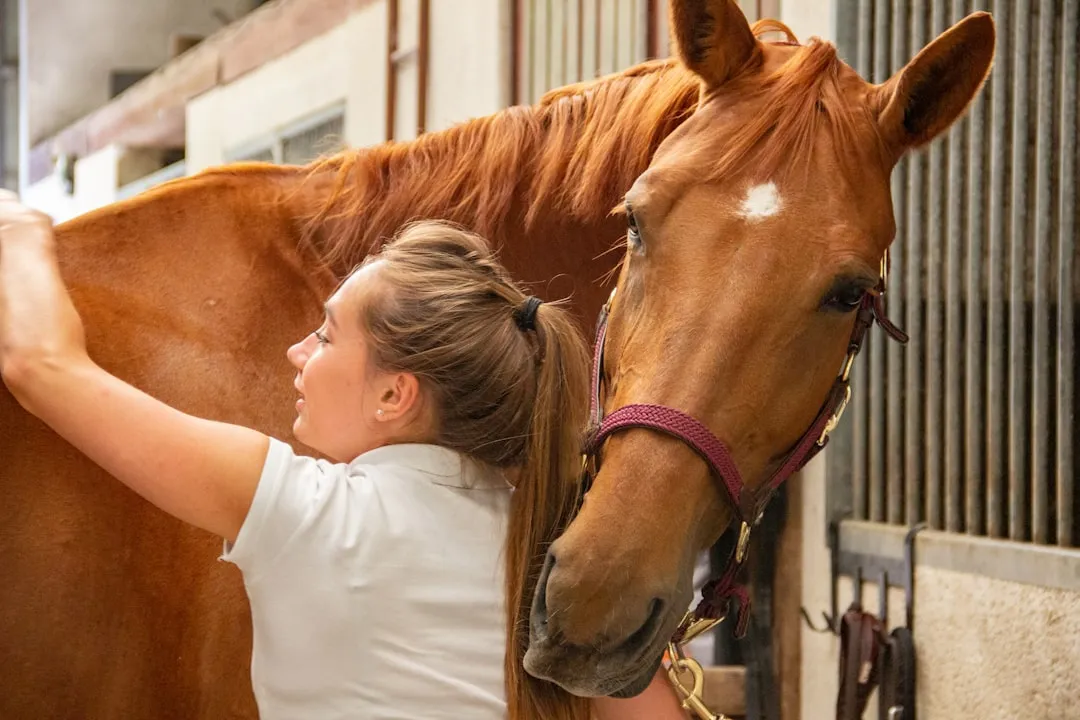
Most riders march straight into work mode: halter, groom, tack, ride. A horse that’s emotionally invested in you will often try to squeeze in a connection moment before the job even starts, looking for you, not just your cues.
You enter the paddock and they walk up, pause, and just breathe with you before the halter goes on. While tied, they keep swinging their nose toward your shoulder for a quick scratch. Wild horses groom and rest together before traveling, and your horse is trying to do the same tiny ritual with you. Ignore it often enough and some horses stop offering. The ones who keep trying to check in, even after long, rushed days, are telling you the relationship matters more to them than the agenda does.
At a Glance
- Horses with close social connections engage in mutual grooming, or allogrooming, more frequently during and after stress.
- Bonded pairs typically stay within a body length of each other, using affiliative approaches where horses approach each other and stay within one body length as a marker of a real relationship.
- Grooming rituals aren’t just hygiene, they help lower tension for both horses involved.
- That nose swinging toward your shoulder before the halter goes on is your horse offering you the human version of this ritual.
#10 – They Tolerate Awkward Human Stuff… and Then Ask for More
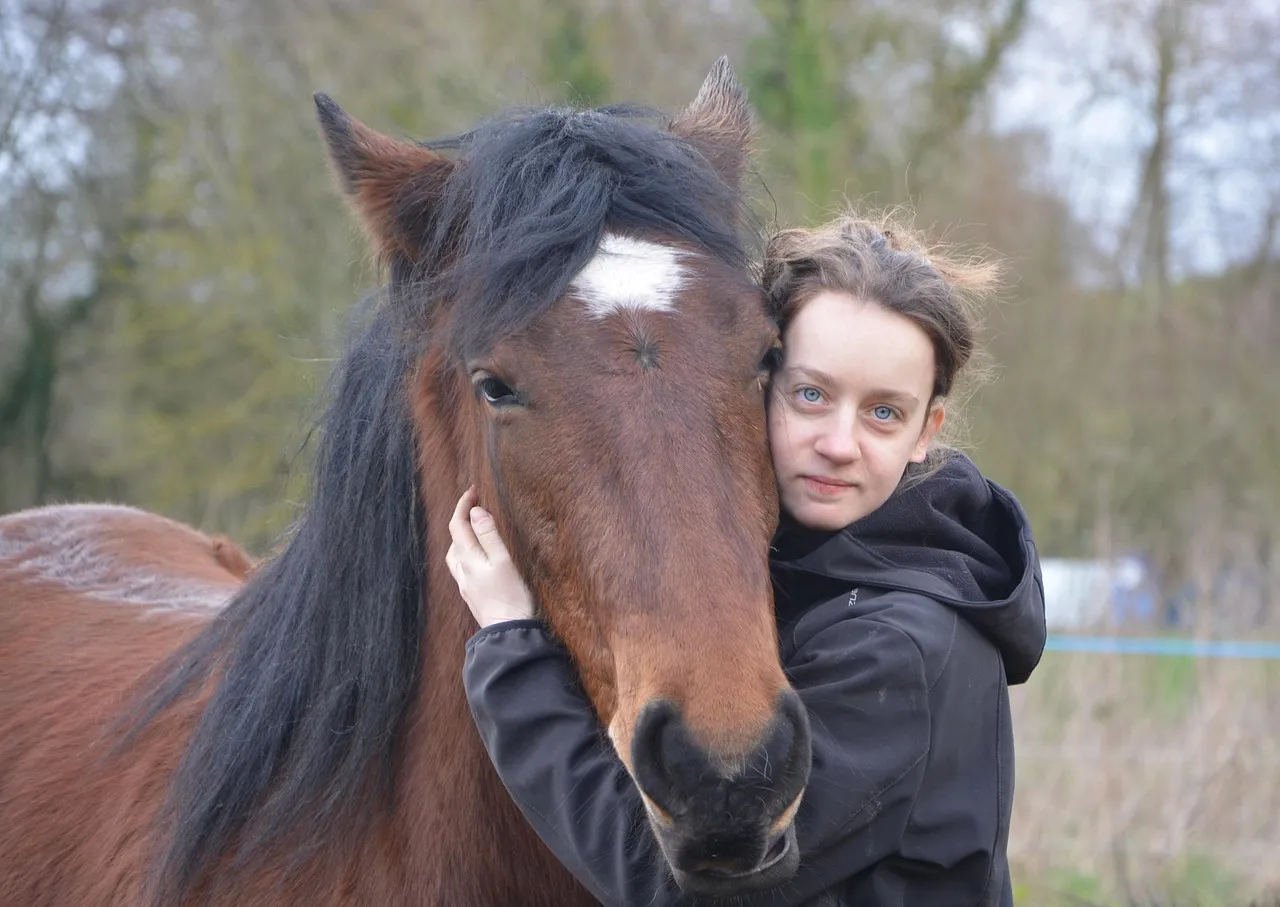
Most prey animals hate unpredictability, and clumsy hugs, flappy jackets, and phones shoved in their face are pure nonsense from a horse’s point of view. A horse that has given you its heart often makes wild allowances for your weird species behavior anyway.
They stand rock solid while you fumble with your phone or wrap your arms around their face. They accept your weight when you lean or slump against their shoulder after a rough day. Not every horse loves this kind of contact, and that’s fine. But when a horse patiently endures your clumsy affection and then deliberately re-engages, pressing their forehead into your chest or nudging you back for more, that’s not tolerance anymore. That’s participation.
#11 – They Show You Their “Off-Duty” Personality
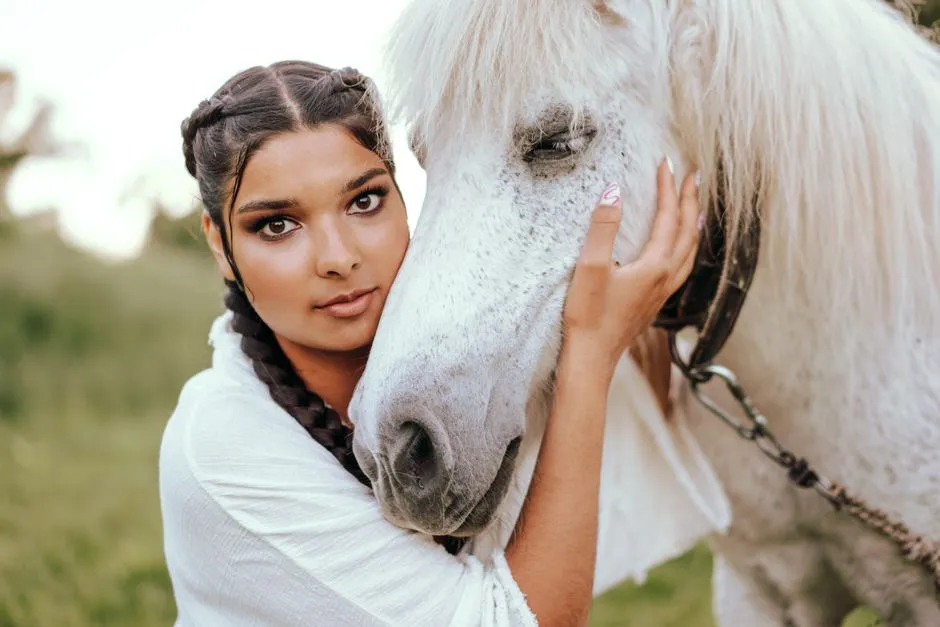
Many owners only ever meet their horse in work mode: arena, saddle, cross-ties. The real test of the relationship is what your horse is like when they think you’re not asking for anything at all.
Sit on a fence or lean on a gate while they’re loose and watch. Bonded horses wander off to graze, then circle back to stand near you doing absolutely nothing. They start showing you playful behaviors, pawing at water or flipping a cone, then glance over to see if you’re watching. When your horse starts offering you their goofy, sleepy, unguarded self in downtime, they’ve invited you behind the curtain most people never get to see.
#12 – They Forgive Absences Shockingly Fast
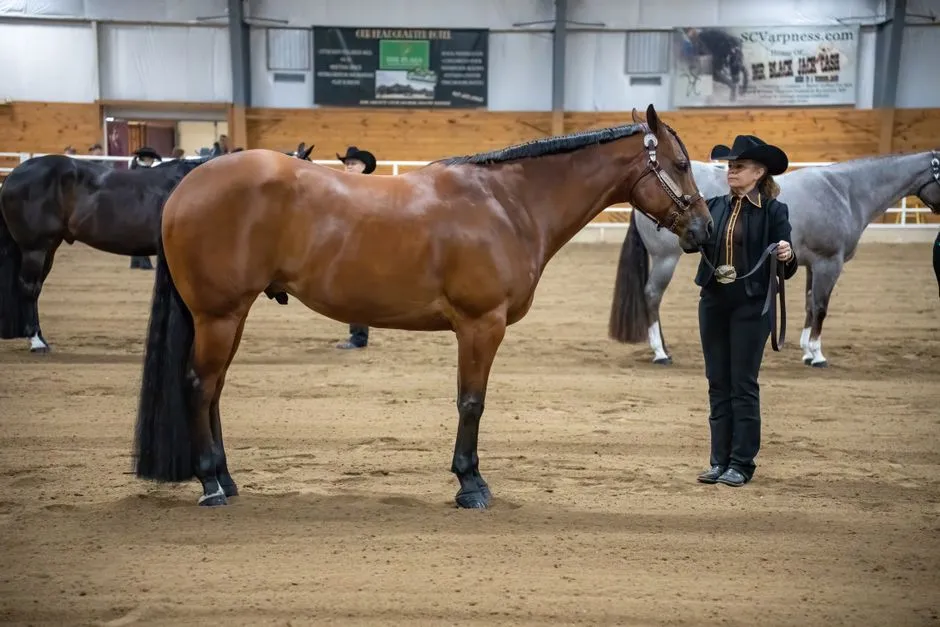
Life happens. Injuries, pregnancies, job changes, winters where you barely make it to the barn. A horse that’s only superficially connected to you may feel like a stranger after time off. A horse that’s handed you its whole heart picks up the thread like you never left.
You come back after weeks or months and they spot you on the driveway and call out, even if they haven’t heard your voice in ages. They walk up with that same old, familiar soft eye. There’s rust under saddle, sure, but the fundamental willingness to try, to puzzle things out with you, is still there. Attachment in horses was never about daily perfection. It’s about the emotional blueprint you built together long before the break.
Worth Knowing
- Horses can recall their human friends even after long periods of absence, and they can maintain intricate problem-solving skills for at least ten years.
- In one documented case, a horse recognized its former owner after 7 years of separation, displaying clear signs of excitement and recognition.
- Positive experiences with a specific person appear to leave a lasting imprint, not just a seasonal one.
- That long memory is exactly why your horse can pick up “the thread” after a long break instead of starting the relationship from zero.
#13 – They Handle Your Bad Days… Better Than You Handle Theirs
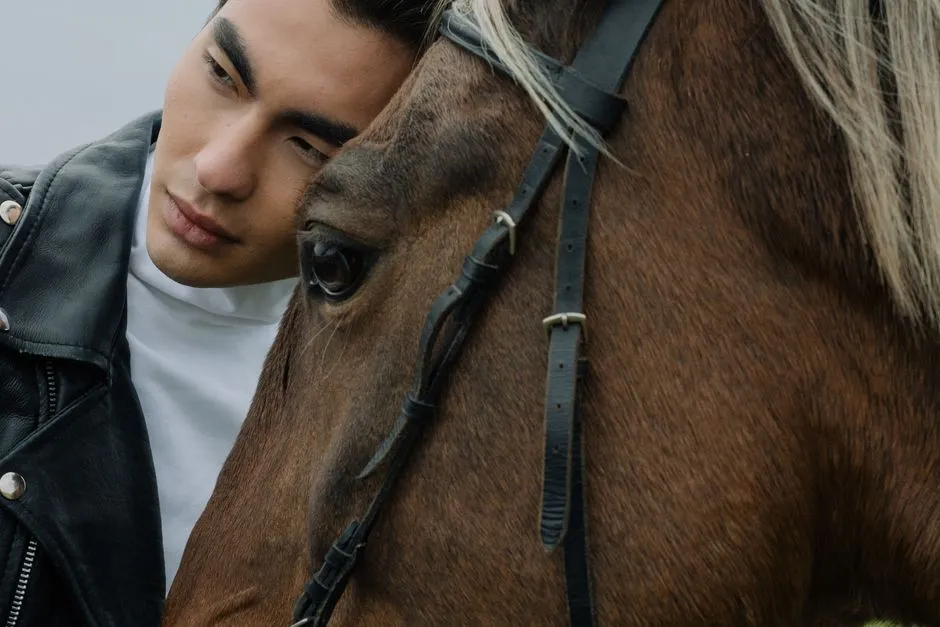
Here’s the rawest, most uncomfortable sign, and a lot of riders won’t love hearing it: when your horse has fully chosen you, they’re often more patient with your emotional chaos than you are with theirs.
You show up stressed, rushed, and short-tempered. You fumble cues or ride like a backpack full of bricks, then stop and realize you weren’t fair. Watch what your horse does in that moment. The deeply bonded ones don’t just survive it, they actively try to meet you halfway, blowing out, lowering their head, softening under you, stepping closer when you dismount as if to say we’re okay, I’m still here. Is that fair to them? Not really. But some horses keep handing out emotional second chances you haven’t earned yet, and that’s loyalty in the only language they have.
The Bottom Line
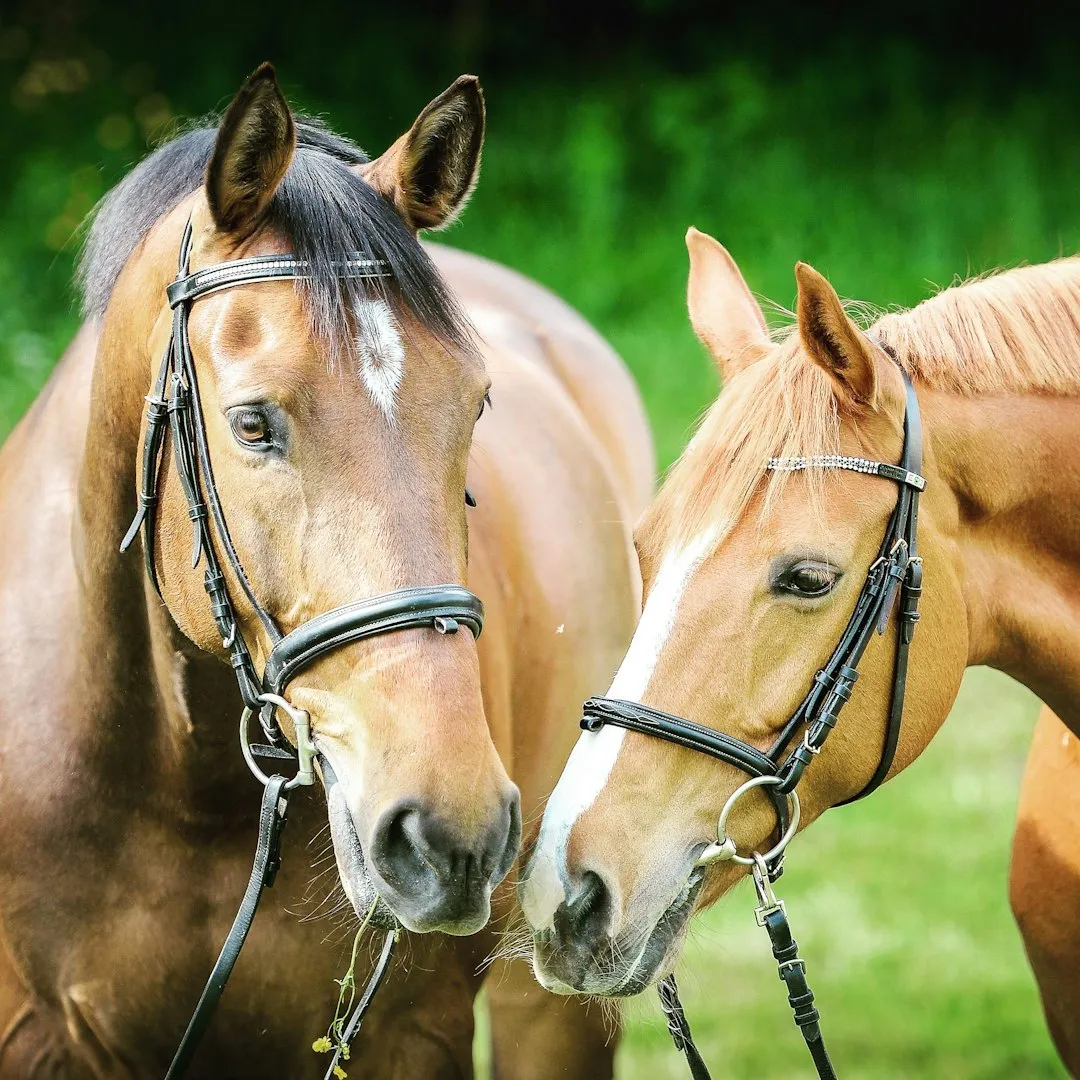
The uncomfortable truth is that many riders already have the relationship they’re chasing, and don’t recognize it. A horse handing you its whole heart doesn’t look like a viral liberty performance or a perfectly curated arena photo. It looks like soft eyes in a noisy barn, a body that drifts toward yours without a lead rope, a prey animal offering you its blind spots and its second chances.
You don’t earn that with fancy tack or a weekend clinic. You earn it with boring consistency, repair after mistakes, and showing up as the safest thing in your horse’s world. If you recognized your own horse in these signs, the real question isn’t whether they love you. It’s whether you’re showing up as well for them as they’re already showing up for you.
