
Most people think a rescue dog has “settled in” the moment it stops hiding under the table or finally eats a full bowl of food. That’s the story adopters tell their friends. It’s not even close to what the people who actually place these dogs are watching for.
Seasoned foster families and shelter workers track a completely different, much quieter set of clues – tiny, easy-to-miss behaviors that whisper “this dog finally feels safe” long before anyone posts a happy photo online. And here’s the part that catches most adopters off guard: some of the behaviors people brag about on social media are actually red flags in disguise, while the boring, unremarkable stuff is exactly what rescue veterans secretly celebrate. Keep reading, because the very first sign on this list is probably nothing like what you’d guess.
#13 – The First Real, Deep Sleep
🔥 Would you like to save this?
We'll email this post to you, so you can come back to it later!
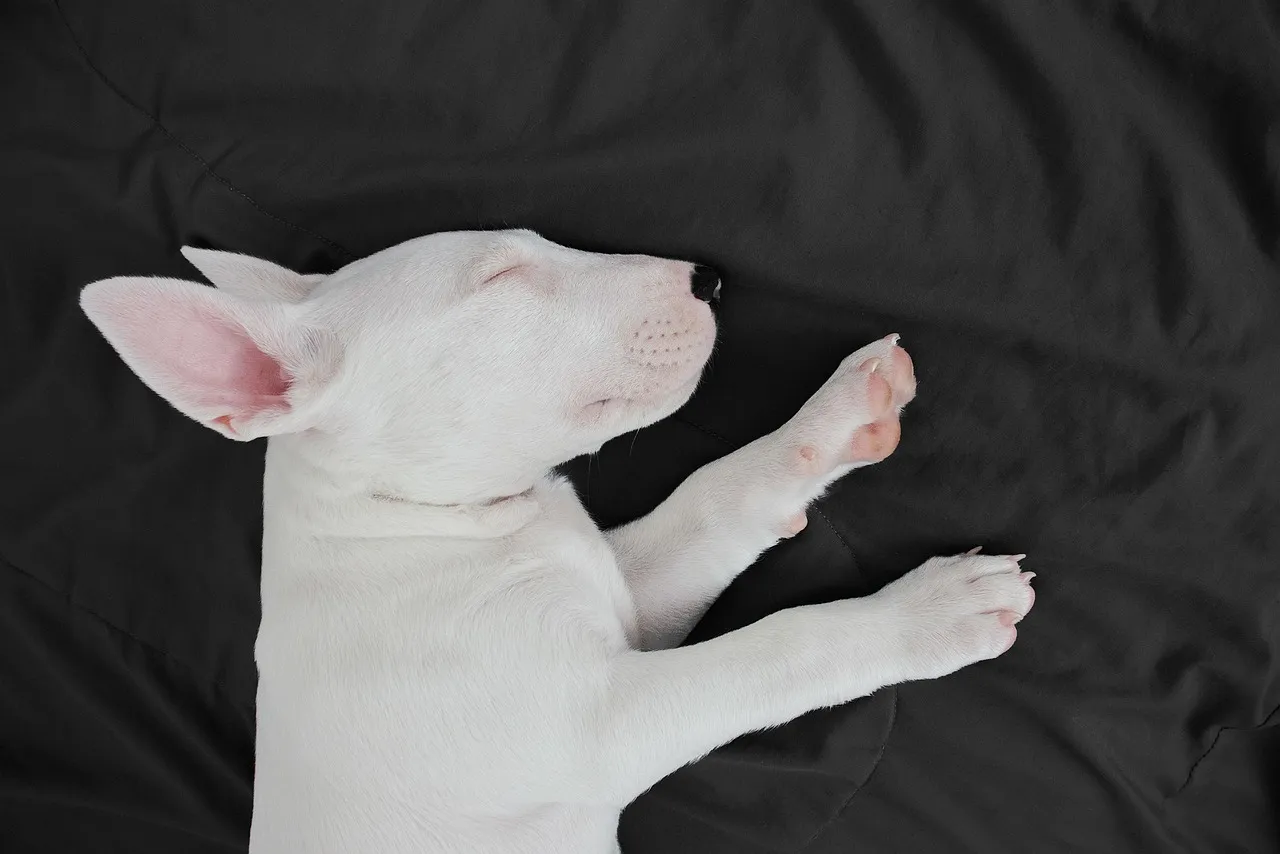
The biggest clue a rescue dog has finally exhaled has nothing to do with zoomies or tail wags. It’s sleep. Rescue workers say the very first thing they look for in a good placement is whether the dog can finally stretch out and fall into a deep, messy, unguarded sleep.
Dogs that are still on edge sleep curled tight, half-awake, ears flicking at every creak in the house. You’ll know something has shifted when the dog starts sleeping on their side, belly-up, or in that ridiculous “dead bug” pose with all four paws in the air.
Snoring, twitching, and dreaming without jolting awake in a panic aren’t just cute quirks. They’re proof the nervous system is finally powering down. A dog cycling through real REM sleep in a new environment is a dog whose brain has started to believe, “I’m safe here.”
Rescues quietly treasure the first photo they get of a former street dog snoring belly-up on someone’s couch. It’s a small image that carries an enormous amount of relief.
Fast Facts
- Curled, tense sleep often signals a dog still feels unsafe
- The “dead bug” pose (belly-up, paws in the air) signals deep relaxation
- Twitching and soft snoring show the nervous system is finally at rest
- Dogs who sleep in open, exposed areas of the home tend to feel more secure than those tucked into corners
#12 – The “Checking Back” Glance on Walks
🔥 Would you like to save this?
We'll email this post to you, so you can come back to it later!
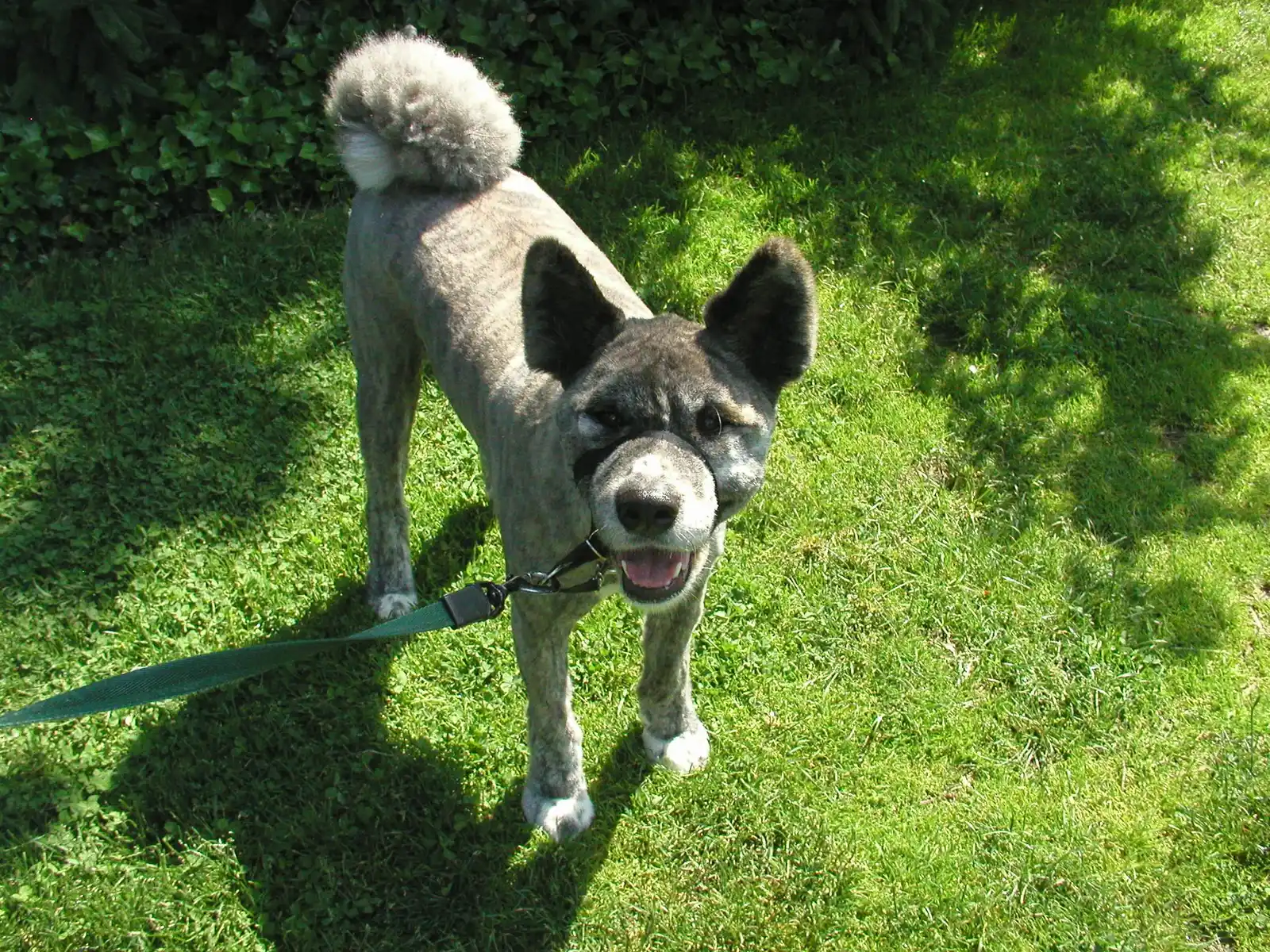
Most people judge a walk by how far or how fast the dog goes. Rescues obsess over one tiny detail instead: does the dog look back at their person?
In the early days, many rescued dogs march ahead on pure adrenaline or drag behind out of fear, barely connected to the human holding the other end of the leash. What actually melts a rescue worker’s heart is when, out of nowhere, the dog starts doing quick little check-ins – a head turn, a flash of eye contact, a tail flick that seems to ask, “You still with me?”
That glance means the dog now sees their human as a reference point instead of just a stranger holding a leash. It means they’re starting to believe this person belongs inside their safety net, not outside of it.
Some trainers will tell you a perfect heel is the goal. Most rescue pros disagree completely. They’ll take a slightly messy walk full of constant check-ins over robotic obedience any single time, because those glances are proof of relationship, not just training.
#11 – The “Soft Body” Reaction to Everyday Chaos
🔥 Would you like to save this?
We'll email this post to you, so you can come back to it later!
Plenty of adopters brag, “He doesn’t react to anything!” Rescues know that’s often a lie the dog’s body is telling out of fear, not calm. A frozen dog is usually a terrified dog. The real sign of a good placement is a body that turns soft during normal household chaos.
Watch what happens when someone drops a pan in the kitchen, the kids burst through the door yelling, or the vacuum roars to life. In an unsettled dog you’ll see tight muscles, a stiff tail, whale eye, or a sudden statue freeze that lasts far too long.
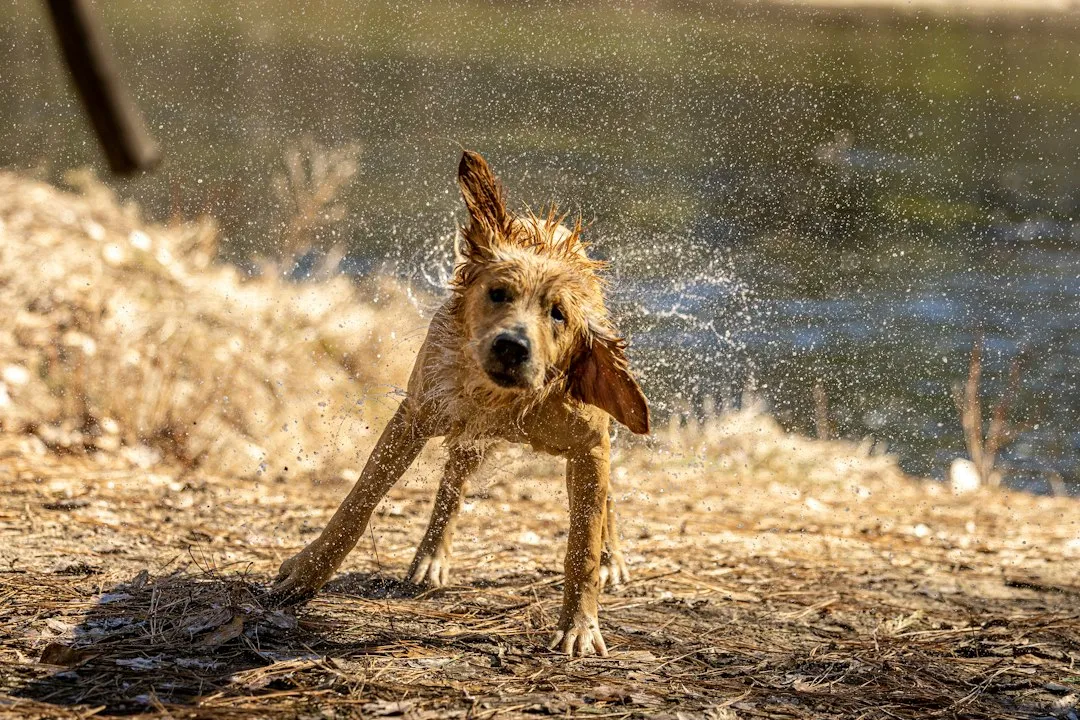
In a dog who has learned their home is safe, something different happens. There’s a brief startle, then a full-body shake-off, a long sigh, and they’re right back to their bone or bed like nothing happened.
That little shake after a scare is actually a massive green flag – it’s how dogs physically reset their nervous system. Rescue workers secretly prefer a dog who startles and recovers over one who seems permanently shut down, because loose, wiggly resilience in a loud house means the emotional roots are finally sinking in.
#10 – Choosing a Home Base That Isn’t a Hiding Place
🔥 Would you like to save this?
We'll email this post to you, so you can come back to it later!
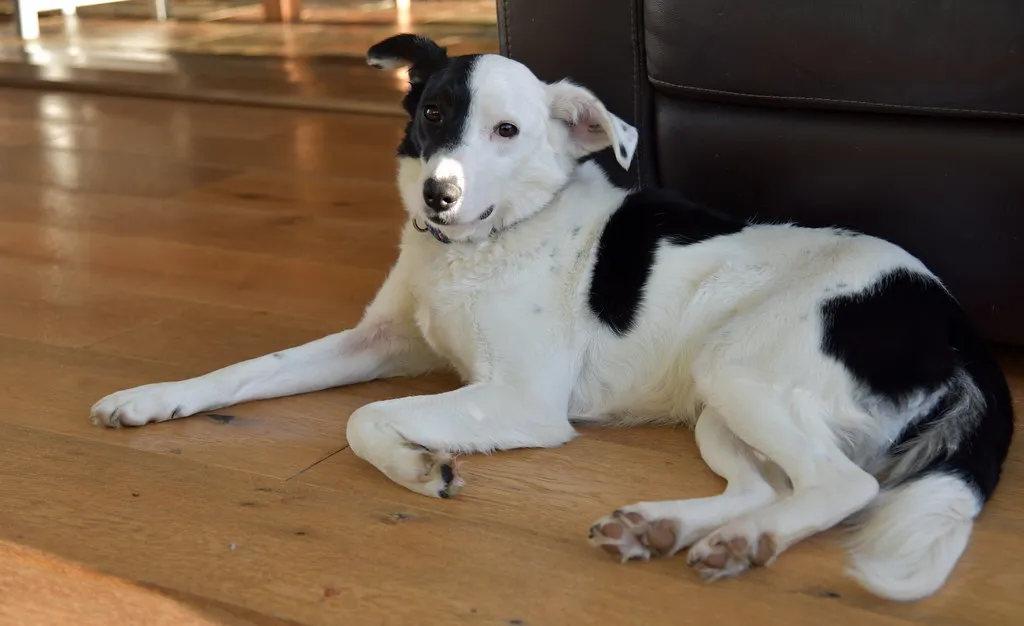
Everyone loves it when a rescue dog finds “their spot.” Rescues are far more particular about which spot it actually is. There’s a world of difference between a dog crammed behind the toilet and one sprawled across the middle of the living room floor.
A dog who has truly settled will pick a resting place with a view of the action instead of a spot chosen purely for its escape route. They’ll rotate casually between the couch, the dog bed, and that one sunny patch on the carpet without a second thought.
Location says almost everything about how safe a dog feels. A dog who can comfortably fall asleep in the busiest, most exposed parts of the house is signaling deep trust in their surroundings. They aren’t just surviving the household anymore; they’re participating in it.
People often shrug and say, “He likes the closet, that’s just his quirk.” Usually it isn’t a quirk at all – it’s a coping strategy. Over time in a good home, that same dog typically migrates closer to the humans and the noise, because home has stopped feeling like a threat.
#9 – Eating Slowly, On Purpose
🔥 Would you like to save this?
We'll email this post to you, so you can come back to it later!
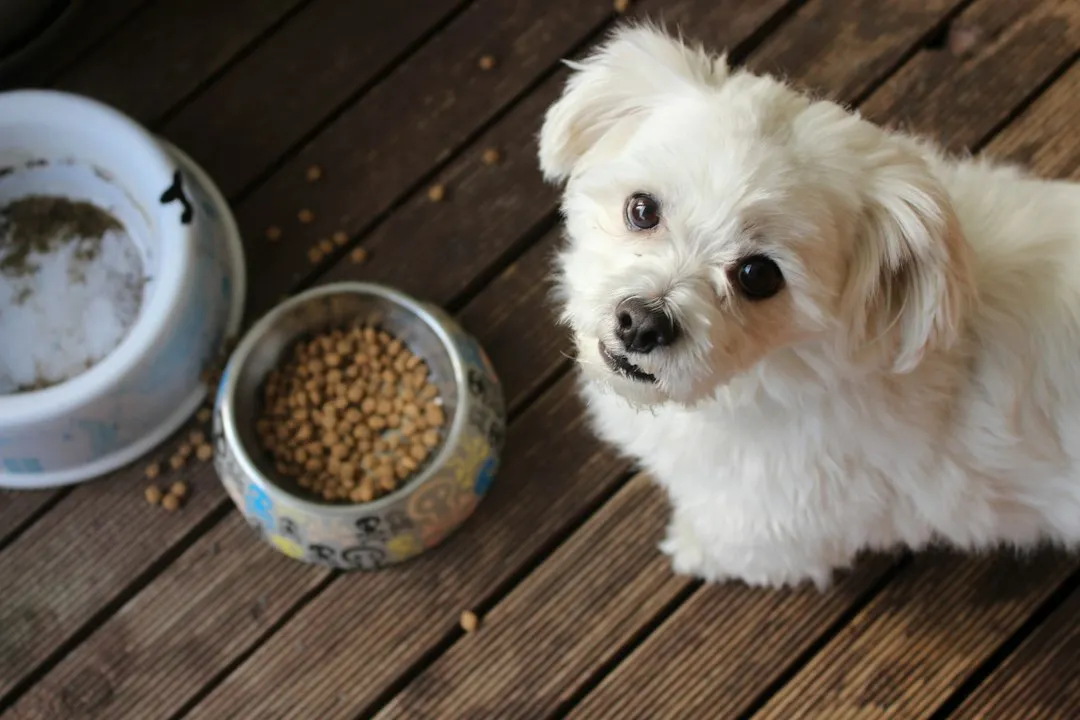
Most new adopters panic the opposite direction from where they should. A dog who refuses food or inhales it in three seconds flat looks alarming, but one of the most underrated signs of a good placement is when mealtimes finally become boring.
In the beginning, many rescued dogs either guard the bowl like it’s the last meal on earth, or pick at their food too nervous to actually eat. Rescue pros quietly track the exact day that changes.
When a formerly frantic eater starts walking away mid-meal and coming back later, taking treats gently instead of snatching fingers, or ignoring a dropped crumb because they trust more food is coming – that’s not “pickiness.” That’s trust, plain and simple.
A dog who can eat at a normal pace no longer believes scarcity is one mistake away. Rescues know this shift almost never happens in a chaotic or neglectful environment. It’s the direct result of consistency, routine, and zero pressure hovering around the bowl.
#8 – Testing Boundaries (The “Naughty Phase” Rescues Secretly Love)

🔥 Would you like to save this?
We'll email this post to you, so you can come back to it later!
Here’s the controversial one: rescues actually like it when a formerly shut-down dog starts being a little naughty. In the honeymoon period, many rescued dogs are eerily perfect – quiet, motionless, practically invisible. Adopters brag they’ve found a saint.
Experienced rescuers get nervous instead, because that stillness is often a freeze response, not good manners. The honest truth comes out later, when that same dog suddenly steals a sock and prances away, barks for attention, or jumps on the couch uninvited.
That mischief means they finally feel safe enough to have opinions. They’re experimenting, pushing boundaries a little, risking minor trouble because they trust the fallout won’t be catastrophic.
A stable home doesn’t crumble the first time a dog counter-surfs. It calmly redirects, sets a boundary, and stays consistent. Rescue insiders would rather see a dog misbehave in a loving home than stay “perfect” out of constant fear – that streak of mischief is often the first real glimpse of who the dog actually is.
Worth Knowing
- Many rescues track adjustment using the “3-3-3 Rule”
- First 3 days: the dog is overwhelmed and often shuts down or hides
- First 3 weeks: routines start forming and true personality begins to emerge
- First 3 months: trust solidifies and the dog finally feels fully at home
#7 – Playing in a Way That Matches Their Personality, Not Instagram
🔥 Would you like to save this?
We'll email this post to you, so you can come back to it later!
Most people assume a good home turns every dog into a fetch-obsessed park star. Rescues know better. They’re looking for authentic play, not a performance for the camera.
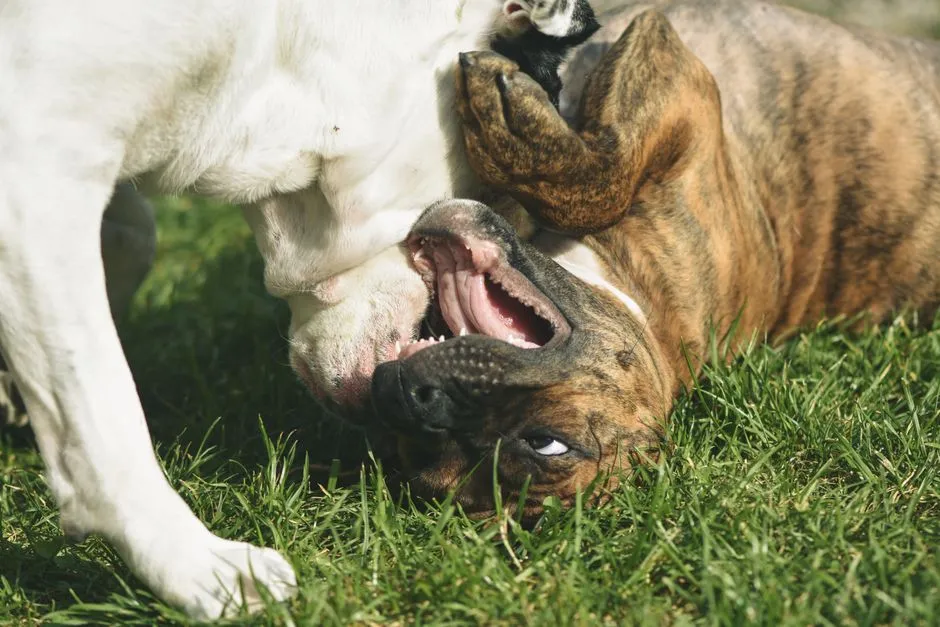
When a dog has settled somewhere truly good, their play style becomes consistent and recognizable, matching their age, breed tendencies, and personal history. Some finally show goofy zoomies. Others prefer a gentle game of tug, and some don’t care about toys at all but come alive during a good scent game.
The key isn’t what the dog plays – it’s that they feel safe enough to start and end play entirely on their own terms. In a stressed or unstable home, play either doesn’t happen or looks frantic and obsessive, like the dog is trying to outrun its own anxiety.
In a secure home, you’ll see clear start-and-stop signals, wiggly bodies, and relaxed, open mouths. Dogs can walk away and flop down without being chased or pressured to keep going. Rescue workers quietly celebrate the moment a dog brings over a toy, then calmly drops it and trots off, because that’s voluntary, confident engagement.
#6 – Seeking Comfort Before Melting Down
🔥 Would you like to save this?
We'll email this post to you, so you can come back to it later!
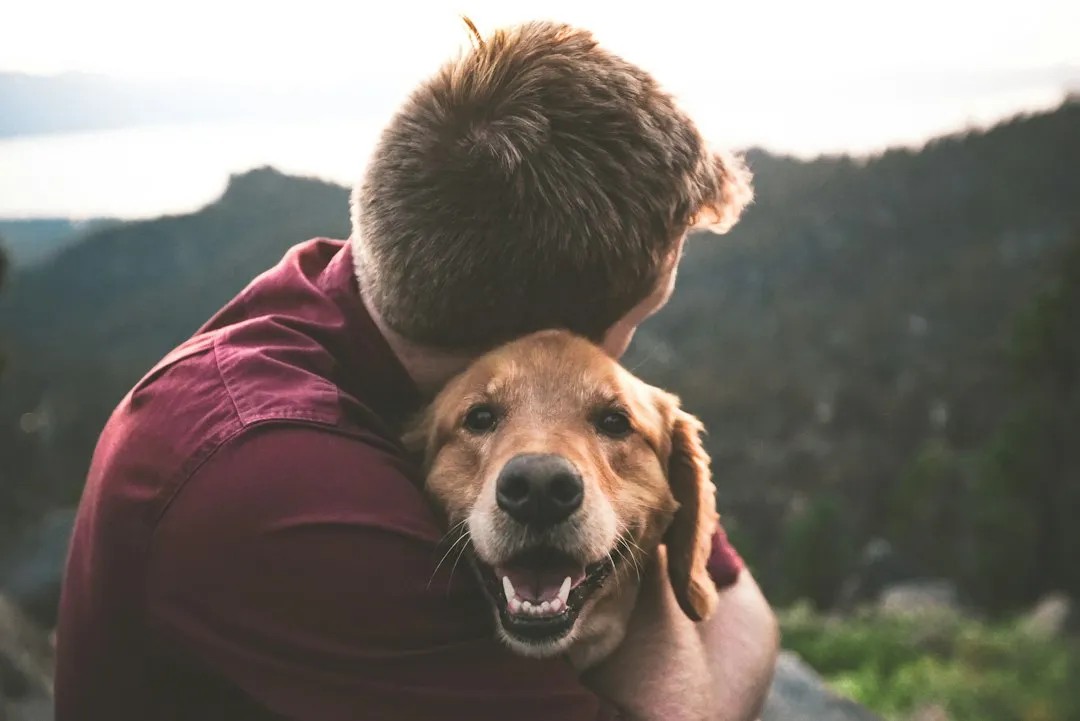
A truly settled dog doesn’t just calm down faster; they go to their person sooner. One of the clearest signs to rescue professionals that a placement is gold is when a dog starts using their human as a safe base during stressful moments.
A thunderstorm rolls in, fireworks crackle outside, a stranger steps through the door. Instead of hiding in a corner or exploding into frantic barking, the dog moves closer to their human on their own, leans in, or climbs partway into a lap. Sometimes they’ll make soft eye contact, as if asking, “You got me?”
This isn’t clinginess in the unhealthy sense. It’s secure attachment. The dog has learned that comfort is available and reliable, which almost never shows up in homes where yelling, punishment, or chaos are the norm – dogs there either shut down completely or explode outward instead.
Dogs are not our whole life, but they make our lives whole.
Roger Caras
Some trainers insist a dog should be completely independent. Most rescue veterans will tell you that a dog trusting their person enough to actively seek them out during stress is one of the healthiest emotional behaviors you could ever hope to see.
#5 – Handling Quiet Moments Without Drama
🔥 Would you like to save this?
We'll email this post to you, so you can come back to it later!
Everyone talks about walks and playtime. Rescues watch the in-between moments instead. A dog who has settled in a good home can handle the most underrated challenge of all: nothing happening.
In many unstable or neglectful situations, dogs become hyper-vigilant or hyper-demanding, because silence used to mean danger or emptiness. They pace the house, paw constantly for attention, or start whining and chewing destructively the second the stimulation stops.
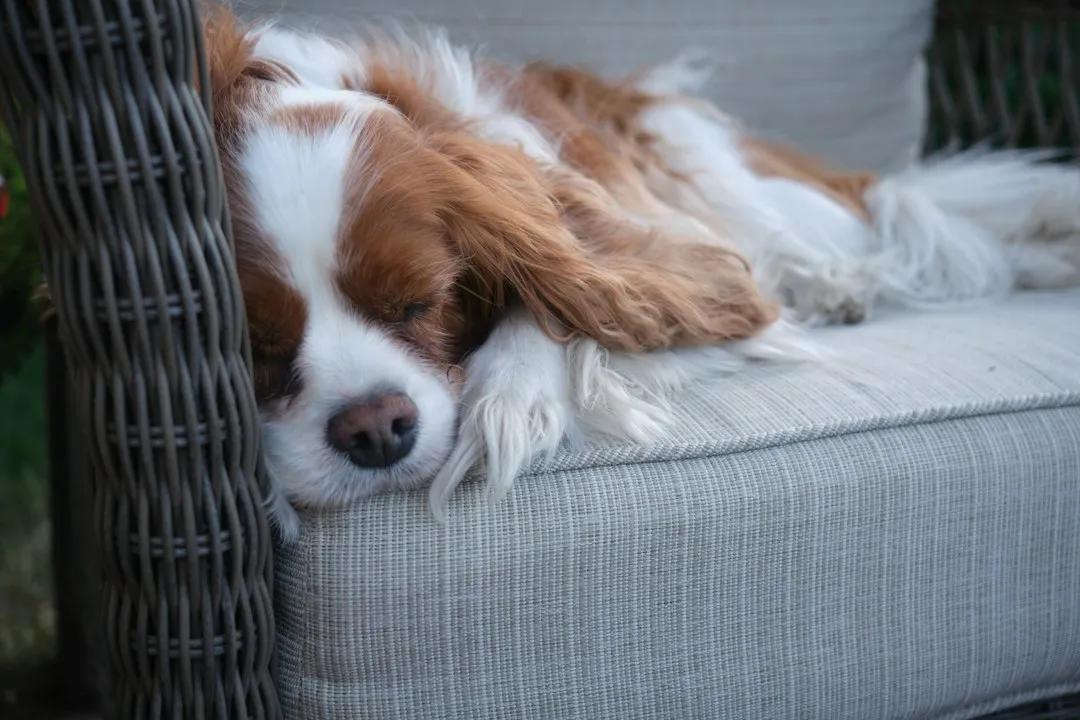
In a solid, emotionally safe environment, something radically different appears. Between activities, the dog simply finds a spot and rests, observes the room casually without fixating, or chooses a chew toy and settles down without being prompted.
That ability to self-soothe isn’t laziness – it’s regulation. A dog glued to their person twenty-four hours a day, unable to relax unless constantly engaged, often isn’t “loving.” They’re anxious. When a foster reports, “He just lay down on his own while we watched TV,” experienced rescuers exhale, because that kind of calm almost never exists in a bad placement.
At a Glance
- Anxious dogs pace, pant, or demand attention the moment activity stops
- Settled dogs choose a spot and rest without being prompted
- Anxious dogs chew destructively out of stress; settled dogs chew calmly for enrichment
- Anxious dogs struggle to disengage from their person; settled dogs can self-occupy nearby
#4 – Greeting You Like Family, Not a Lottery Win
🔥 Would you like to save this?
We'll email this post to you, so you can come back to it later!
This one stings for a lot of people: over-the-top greetings aren’t always as cute as they look. Rescue folks are actually relieved when hellos and goodbyes start to feel low-key.
In an unsettled dog, every return can look like the world’s biggest reunion – wild jumping, screaming whines, full panic if you so much as step into another room. It feels flattering at first, but it’s often separation anxiety talking, not love.
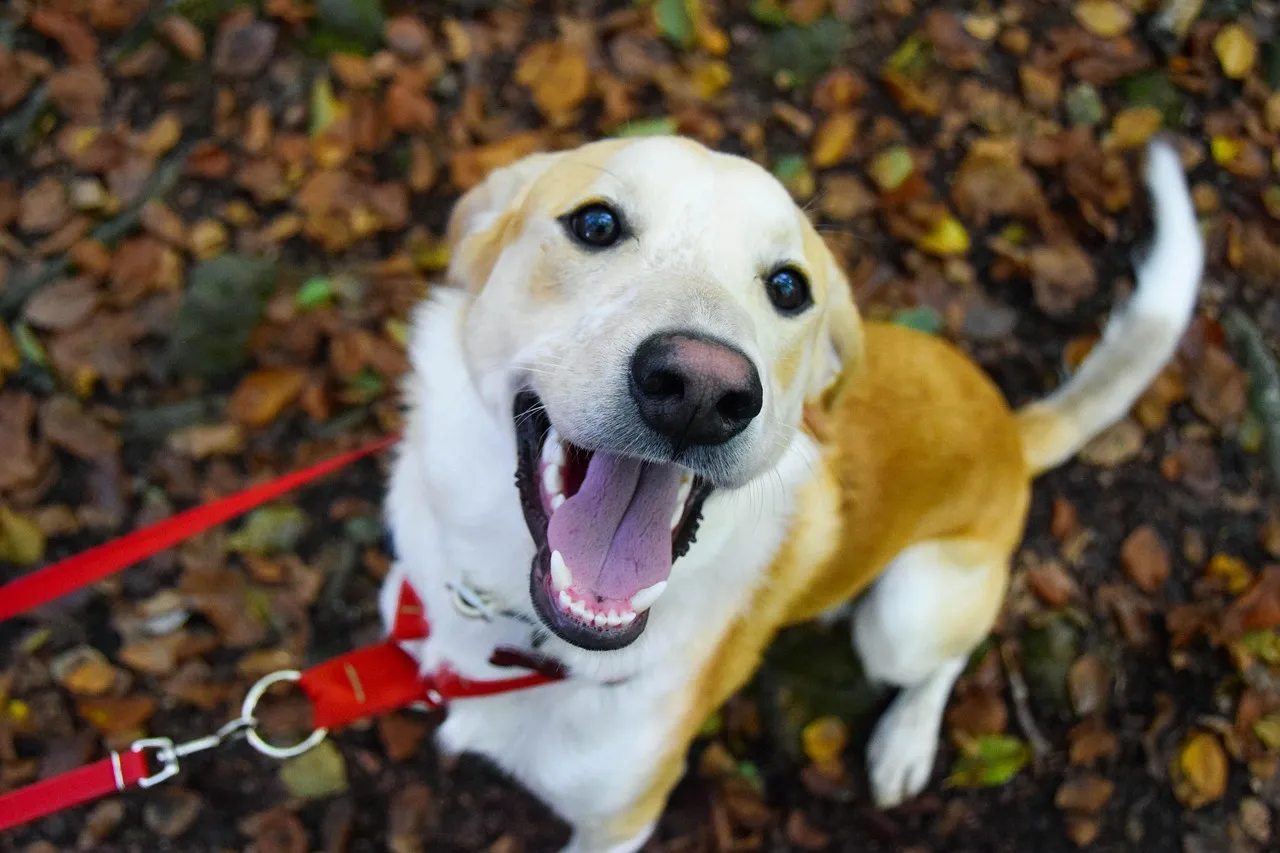
In a stable, safe home, the tone changes. The dog is still happy to see you, but now it looks like a loose-bodied tail wag, a quick toy parade, or even just a sleepy head lift from the couch cushion.
That’s not them loving you less. It’s them finally believing you always come back. Rescue insiders quietly love the day an adopter complains, “He barely gets up when I walk in anymore,” because it usually means the novelty wore off and genuine security moved in for good.
#3 – Being Themselves Even When You’re Not Looking
🔥 Would you like to save this?
We'll email this post to you, so you can come back to it later!
A dog hasn’t really settled until their off-camera behavior matches what you see when you’re watching. Rescues know to ask very specific questions here.
What does the dog do if you quietly walk into a room they’re already in? How do they behave during a long phone call while you’re ignoring them? What actually happens if you set up a camera and leave the house?
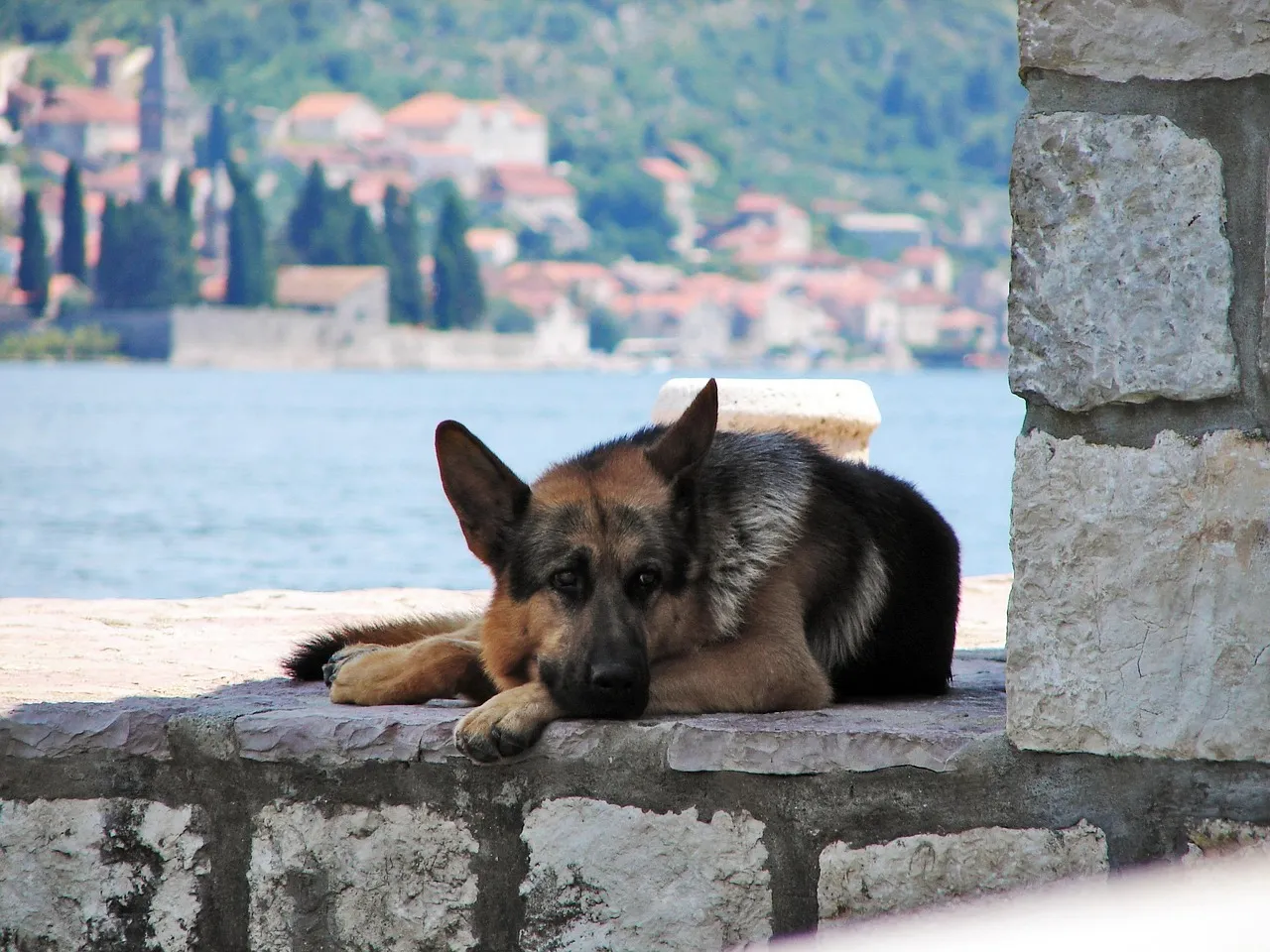
In a good home, the answers are boring in the best possible way. The dog stretches, sighs, and stays relaxed when discovered. They entertain themselves without escalating for attention, and they sleep, chew, or calmly look around when left home alone.
If a dog can only relax while making direct eye contact with you, that’s not full security – that’s dependency. In a truly safe environment, they trust the room, the house, and the routine, not just the person standing in front of them. Rescues have watched dogs act “perfect” in front of humans, then shake and pace the moment the door shuts. When that off-duty stress finally disappears, you’re looking at a dog who genuinely believes in their new life.
#2 – Comfortable, Predictable Reactions to the Unexpected
🔥 Would you like to save this?
We'll email this post to you, so you can come back to it later!
You can’t judge a home by how a dog acts on a quiet, ordinary Tuesday. Rescues pay closest attention to what happens when things go sideways.
A fire alarm chirps. A guest with a cane walks in. A skateboard rattles past the yard. No dog will love every surprise, especially one with a rough history, and that’s fine. The sign of a truly good environment isn’t zero reactions – it’s reactions that are predictable, proportionate, and recoverable.
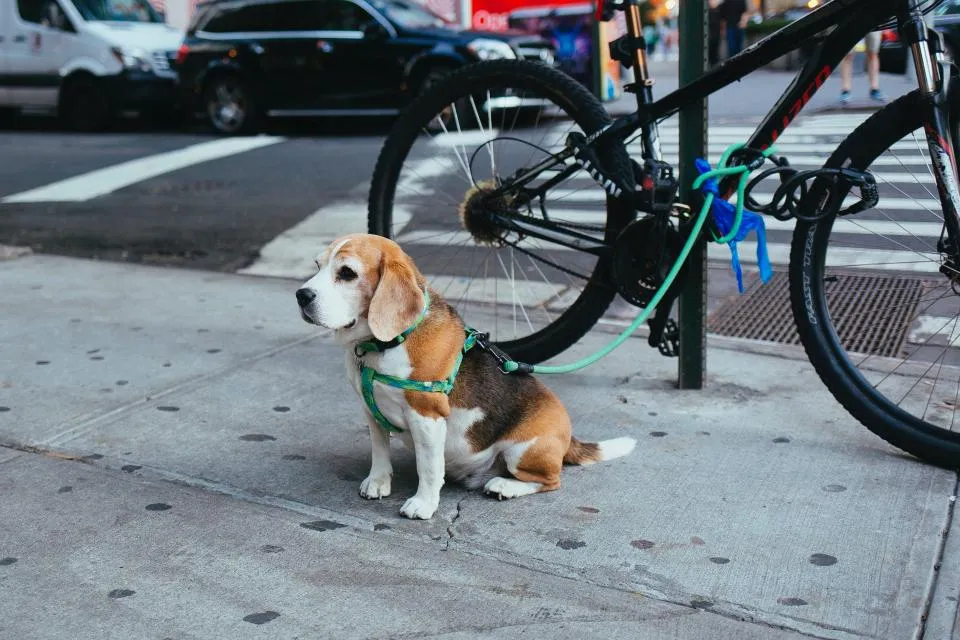
They might bark once, step back, or freeze for a second, but then they look to their person, accept guidance or comfort, and return to baseline fairly quickly. In chaotic or unkind homes, dogs either escalate wildly or shut down and stay there.
Rescue insiders look for “startle and settle,” not “startle and spiral.” When a dog can be surprised, respond, and reset without the whole house falling apart, that’s structural safety at work – clear communication, consistent rules, and no screaming or hitting happening in the background. Adopters who brag “nothing fazes him” usually just haven’t seen his real threshold yet.
Quick Compare
- Startle and settle: brief reaction, quick look to their person, back to normal in seconds
- Startle and spiral: prolonged panic, shaking, or shutdown lasting minutes or longer
- Startle and settle: accepts comfort or guidance easily
- Startle and spiral: can’t be soothed even with reassurance
#1 – The Subtle Shift From Surviving You to Choosing You
🔥 Would you like to save this?
We'll email this post to you, so you can come back to it later!
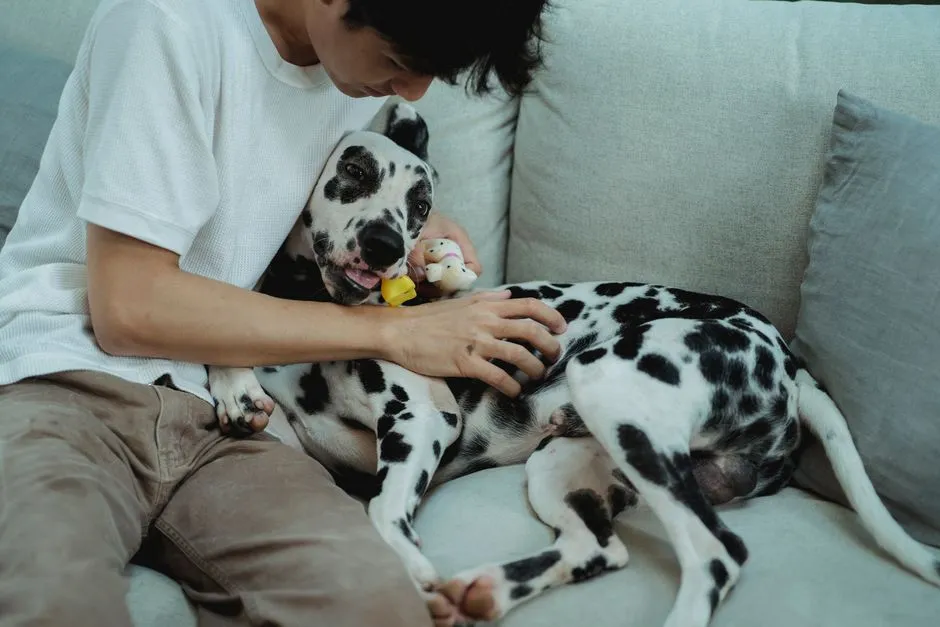
Ask any seasoned rescue worker what moment tells them a dog has truly settled somewhere good, and you’ll hear a version of the same story. It’s rarely dramatic. It’s usually a quiet, personal moment when the dog actively chooses connection instead of simply tolerating care.
It might look like the first time a dog voluntarily curls up against you instead of just near you. It might be a formerly aloof dog gently nudging your hand, then melting the second you scratch their chest. Sometimes it’s a once-feral pup walking away from the room with the food bowl in it, just to follow you into a more boring room instead.
This has nothing to do with tricks or obedience training. The dog may still carry issues. They might still be wary of strangers or spooked by loud noises for the rest of their life. But something fundamental shifts underneath all of that: you are now their safe place, not just their food source.
Rescues can see it in the eyes. The hard, glassy stare softens. The constant scanning stops. The dog starts checking in from a place of shared rhythm instead of fear, leaning in and sighing that heavy, whole-body sigh against a human they’ve decided to trust. A mediocre home can keep a dog alive. A genuinely good one earns that quiet, devastatingly tender choice.
The Bottom Line

🔥 Would you like to save this?
We'll email this post to you, so you can come back to it later!
When rescues say a dog has “landed,” they’re not talking about perfect obedience, endless enthusiasm, or Instagram-ready tricks. They’re watching for the unglamorous, deeply physical signs of safety – real sleep, slower eating, softer bodies, calmer greetings, predictable recoveries, and that subtle decision to seek you out when life gets loud.
These signs don’t survive in chaotic or neglectful homes for long. They’re the byproduct of boring consistency, clear boundaries, and quiet kindness, repeated day after day until a dog stops bracing for the worst.
Too many people confuse anxiety for affection and shutdown for calm, and honestly, that mix-up costs dogs the patience they actually need. Rescue workers know better. They celebrate mischief phases, lazy Sunday afternoons, and the day a dog finally walks away from a full bowl because they trust there will always be another meal waiting.
If your rescue dog is starting to do any of these things, you’re not spoiling them – you’re proving to them, one boring afternoon at a time, that the nightmare is actually over. Which of these signs have you already seen in your own dog, and do you think rescues are too picky, or not nearly picky enough, about what a “good home” really looks like?

- 10 Common Garden Pests That Are Actually Beneficial To Your Backyard Ecosystem - November 5, 2026
- 10 Unusual Reasons Older Adults Bond More Deeply With Certain Dog Breeds - November 5, 2026
- The Cheetah: The Speed King of the Animal Kingdom - November 5, 2026