

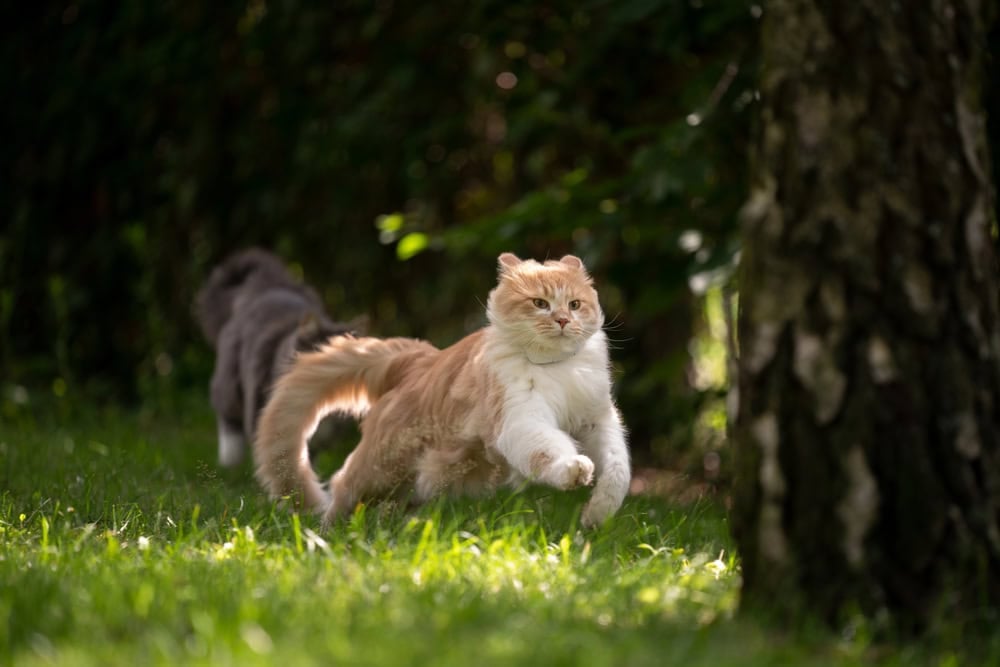
Cats are known for their playful and curious nature, often diving into energetic antics that delight their human companions. However, there’s a fine line between a cat engaged in playful behavior and one that’s overstimulated. Recognizing the signs of overstimulation in cats is crucial for maintaining their health and happiness, and understanding these signals can prevent unwanted behavior and reduce stress for both the cat and the owner. In this article, we will explore 13 definitive signs that your feline friend may be experiencing overstimulation and offer insights into managing their environment and ensuring their well-being.
Increased Tail Flicking

A cat’s tail is an expressive appendage, often revealing their inner mood. One of the first signs of overstimulation is rapid or frequent tail flicking. Unlike the gentle sway of contentment, an overstimulated cat will flick its tail with short, abrupt movements, suggesting annoyance or discomfort. This behavior can lead to more aggressive actions if not addressed promptly.
Flattened Ears
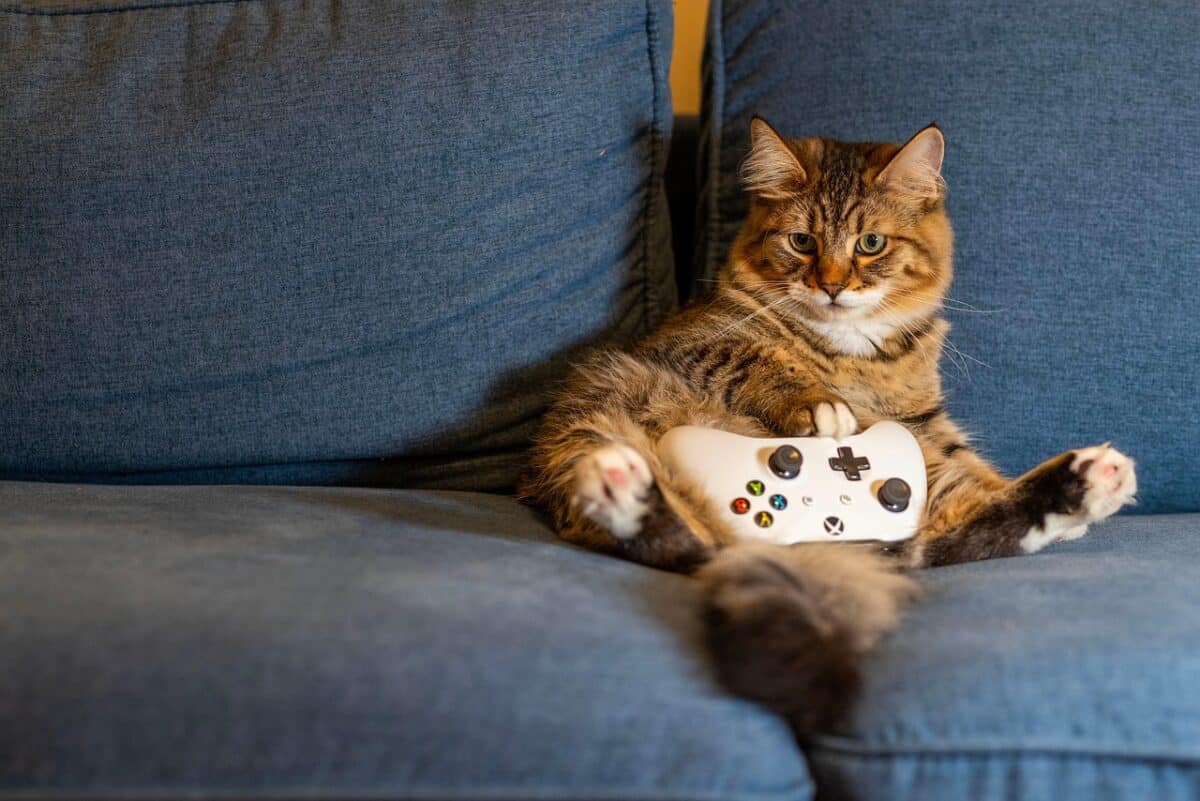
Watch your cat’s ears closely. When a cat is overstimulated, its ears may move from their typical upright position to flatten against the head. This is a defensive stance, indicating a heightened state of alertness or stress. Flattened ears can also accompany other warning signs, suggesting the cat might be on the verge of aggressive behavior.
Dilated Pupils

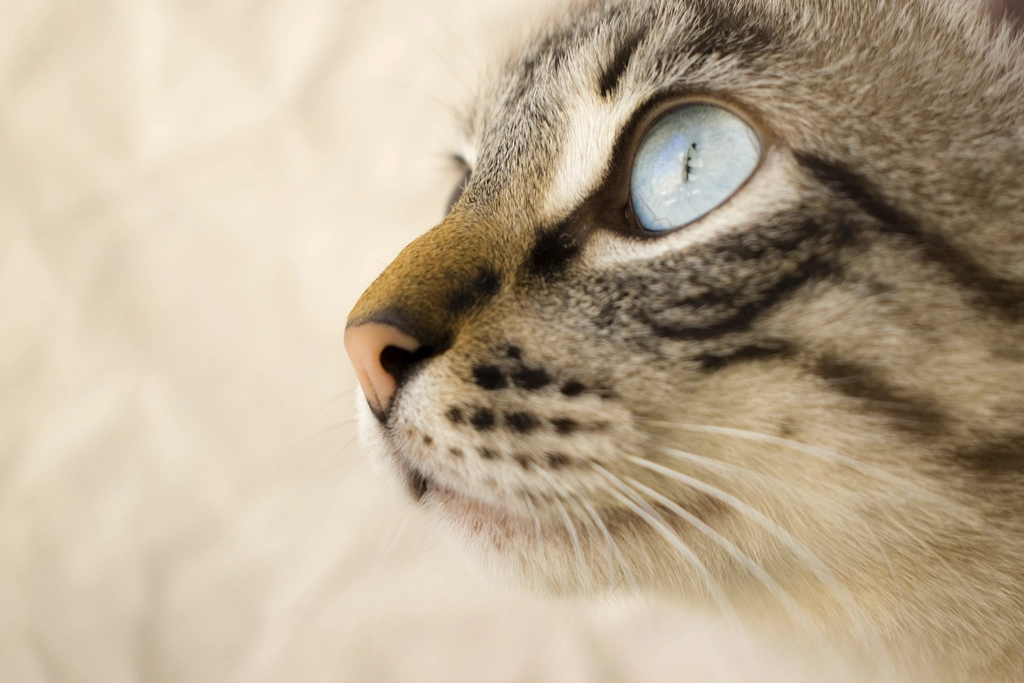
Changes in a cat’s pupil size can signal an alteration in mood or arousal levels. In situations of overstimulation, you might notice that your cat’s pupils are unusually large and dilated. This dilation is a response to increased excitement or stress, and it often serves as an indication to give your cat some space and allow them to calm down.
Sudden Pouncing or Biting
While playful nipping can be part of normal cat behavior, sudden, aggressive pouncing or biting can indicate overstimulation. This shift can happen rapidly, and a cat previously enjoying petting might suddenly react with an impulsive bite. Such reactions highlight the transition from comfort to sensory overload.
Restlessness

Restlessness or pacing can be a clear sign of a cat’s overstimulation. When a cat cannot settle in one place and moves around more than usual, it might be overstimulated. This behavior is often accompanied by other stress-related signs and serves as a cue for intervention to induce calmness.
Vocalization Changes
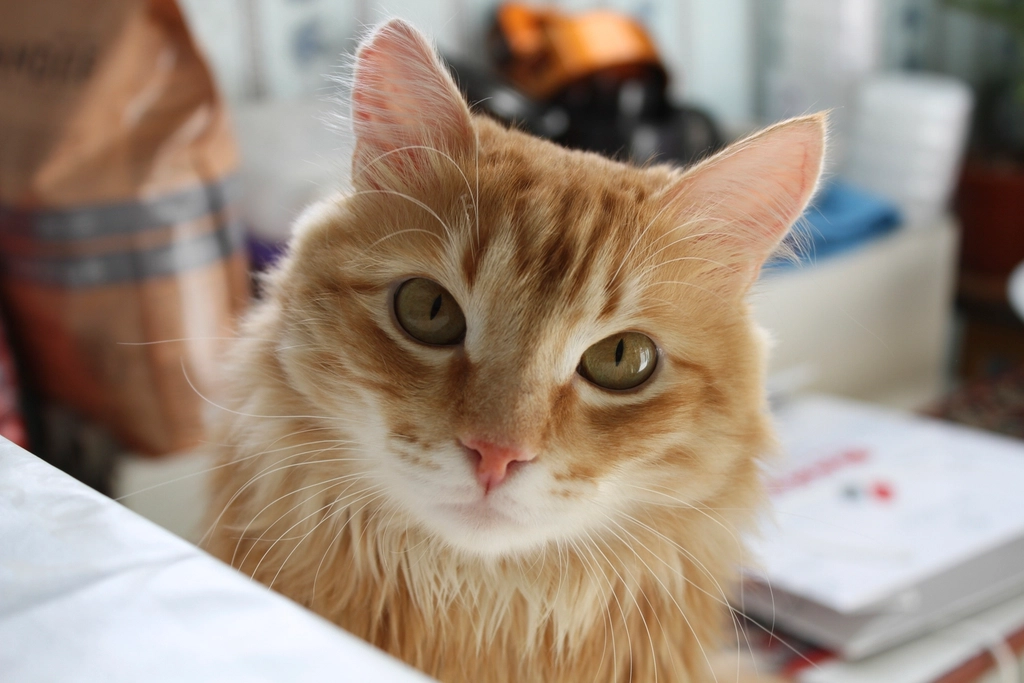
Listen for changes in your cat’s vocal patterns. An overstimulated cat may begin to meow louder or more frequently, using sharp or longer cries. Such vocalizations are a cry for help, signaling discomfort or the need for a quieter environment. Pay attention to this auditory signal as it is a distinct indicator of dissatisfaction.
Puffed-Up Coat
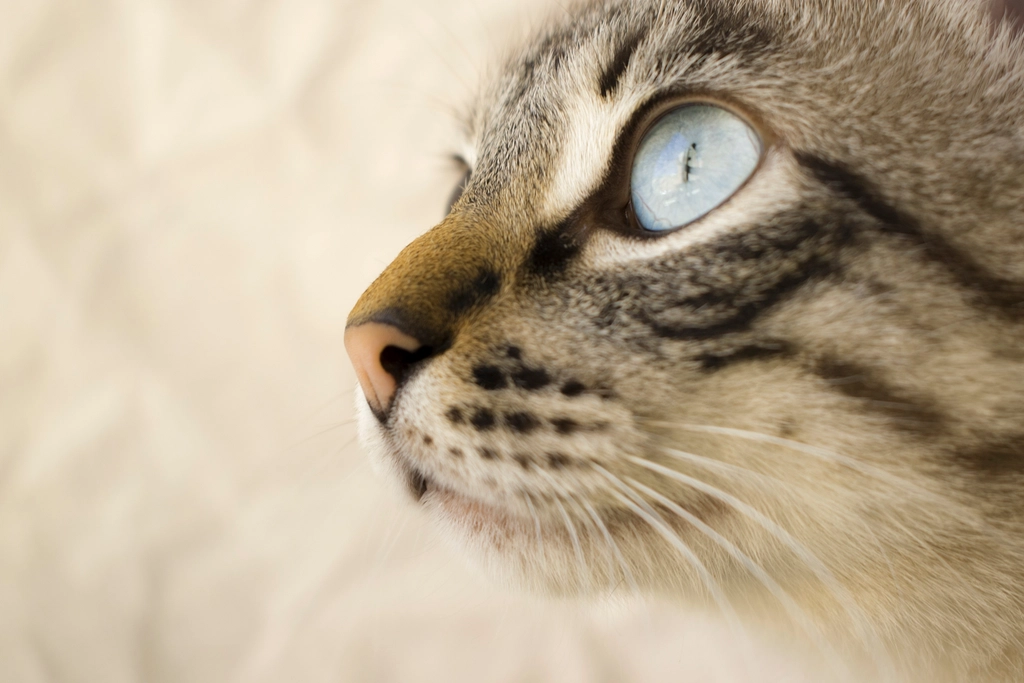
A sure sign a cat has reached its threshold of stimulation is a puffed-up coat or fluffed tail. This physical reaction typically occurs when a cat feels threatened or on high alert and is a defensive mechanism to appear larger to potential threats.
Excessive Grooming

Overstimulation can lead a cat to engage in excessive grooming, which is a self-soothing behavior. However, if a cat starts grooming furiously or obsessively, particularly after being touched or played with, they are likely attempting to manage stress or discomfort caused by overstimulation.
Avoidance and Hiding

When cats become overstimulated, they might become withdrawn and seek solitude. If a typically social cat suddenly seeks refuge under furniture or disappears for extended periods, it might be distancing itself to recover from excessive stimuli. Providing a quiet space for recovery is essential in such situations.
Rapid Breathing
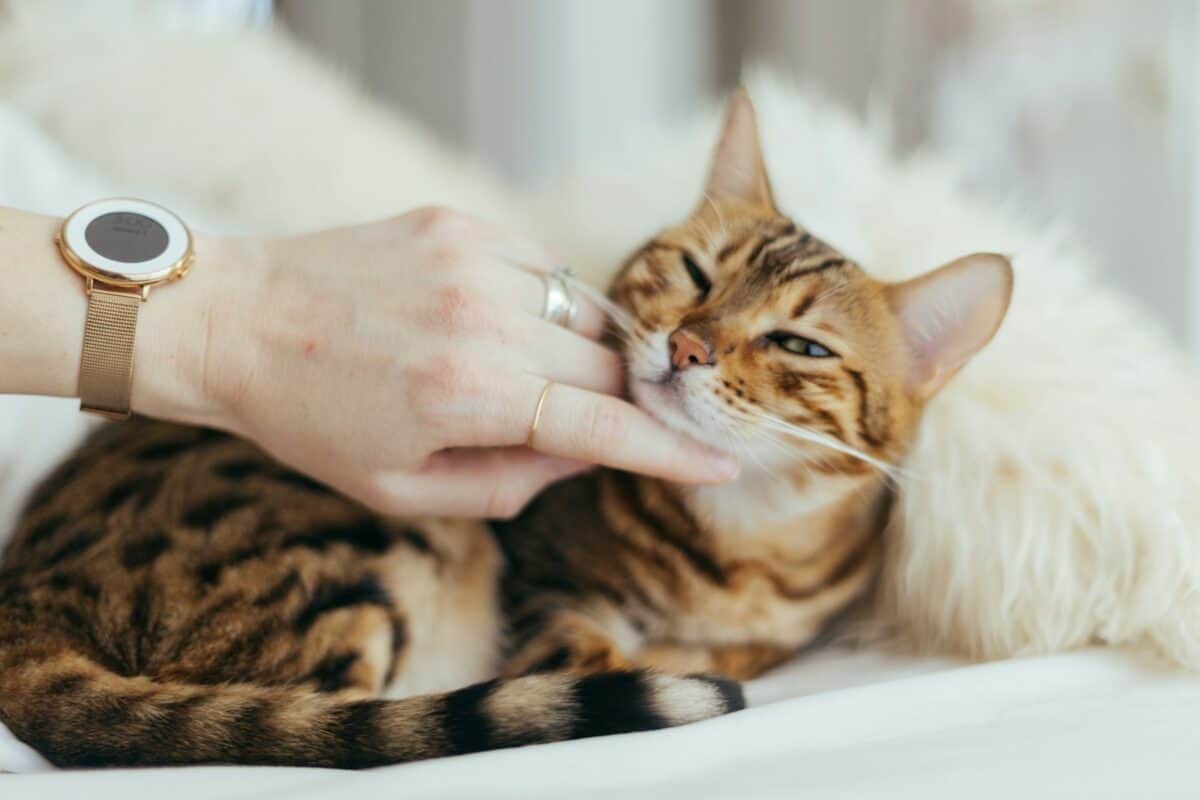
Similar to other animals, changes in breathing can indicate stress in cats. When overstimulated, a cat’s breathing may become rapid or shallow. Observe for rapid breaths, which can suggest an increased stress level and the need for a reduction in environmental stimuli.
Searching for Vertical Space

Cats often climb to higher ground as a form of seeking security and reducing overexposure. An overstimulated cat might frequently look to climb furniture or seek vertical safe zones to escape overwhelming situations or environments.
Whiskers Twitching or Pointing Forward

Whiskers are vital sensory tools for cats, and their position can help decode feline feelings. When a cat’s whiskers twitch or stand erect, pointing forward, it is often a sign of high alertness and possible irritation due to overstimulation. Recognize this subtle cue as a warning of potential discomfort.
Swatting or Clawing
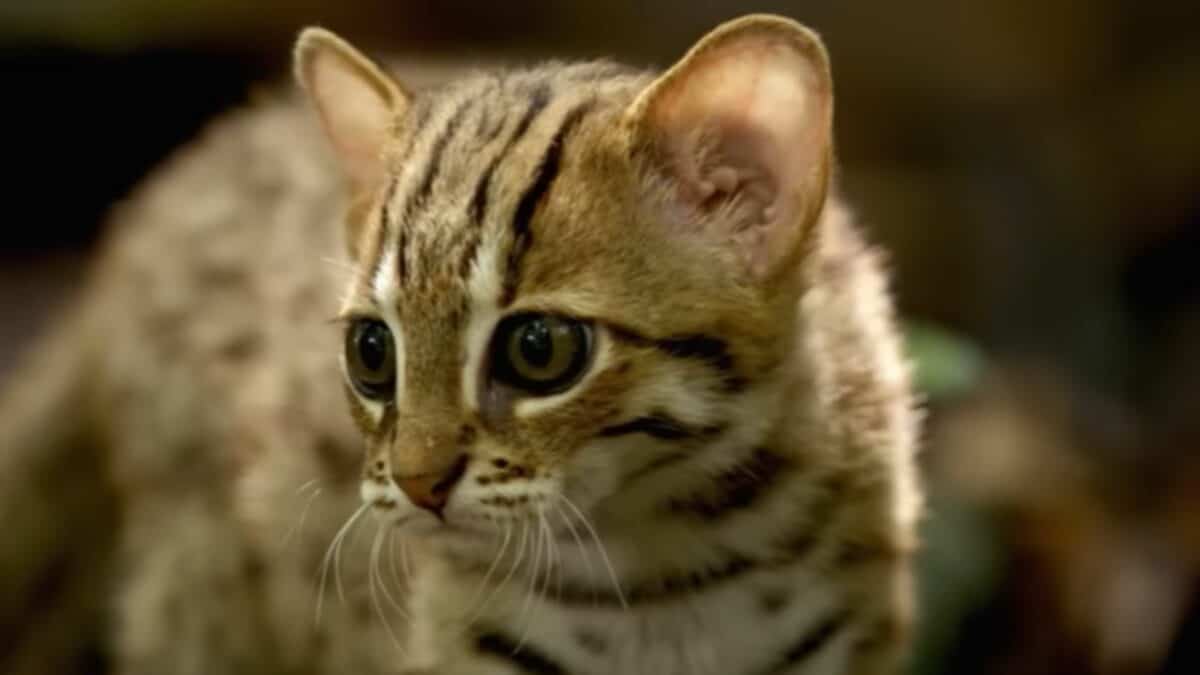
A cat that swats with its paws or exposes its claws unexpectedly is communicating displeasure or discomfort. This defensive posture serves as a clear signal that the cat is over its threshold for petting or interaction, requiring immediate relief from further stimulation.
Conclusion
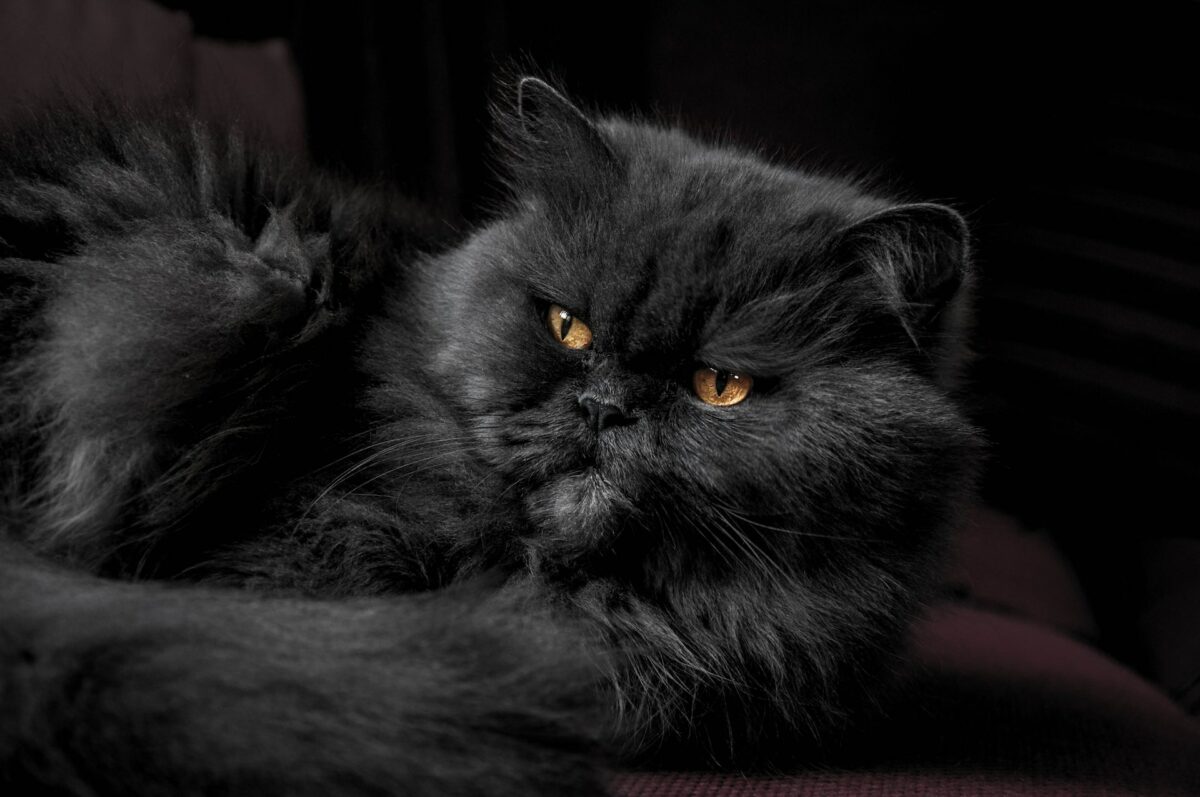
Recognizing the signs of overstimulation in your feline companion is essential to maintaining a harmonious home environment. By understanding the subtle and overt signals of discomfort, such as rapid tail flicking, flattened ears, and more, owners can take proactive steps to provide their cats with necessary space and comfort. By doing so, you foster a more responsive and nurturing companionship, ensuring your cat’s emotional wellness and continual trust. Providing an environment that balances interaction and calm spaces will enable your cat to thrive, resulting in a happier and healthier pet lifetime.

As a little kid, I fell in love with nature, wildlife, and animals. Living in the USA, South Africa, Italy, China and Germany gave me the opportunity to discover the world's Wildlife. My favorite animals are Mountain Gorillas, Siberian Tigers, and Great White Sharks.
I'm a certified PADI Open Water Diver, went to Everest Base Camp and Trekked Gorillas in Uganda. I hold a Master of Science in Economics and Finance.
Please send any feedback to feedback@animalsaroundtheglobe.com
- The 10 Rarest Dog Breeds Making a Comeback in America - July 19, 2026
- 13 Creatures That Survived Mass Extinctions - July 19, 2026
- 12 Pets That Are Perfect for Seniors - July 19, 2026