
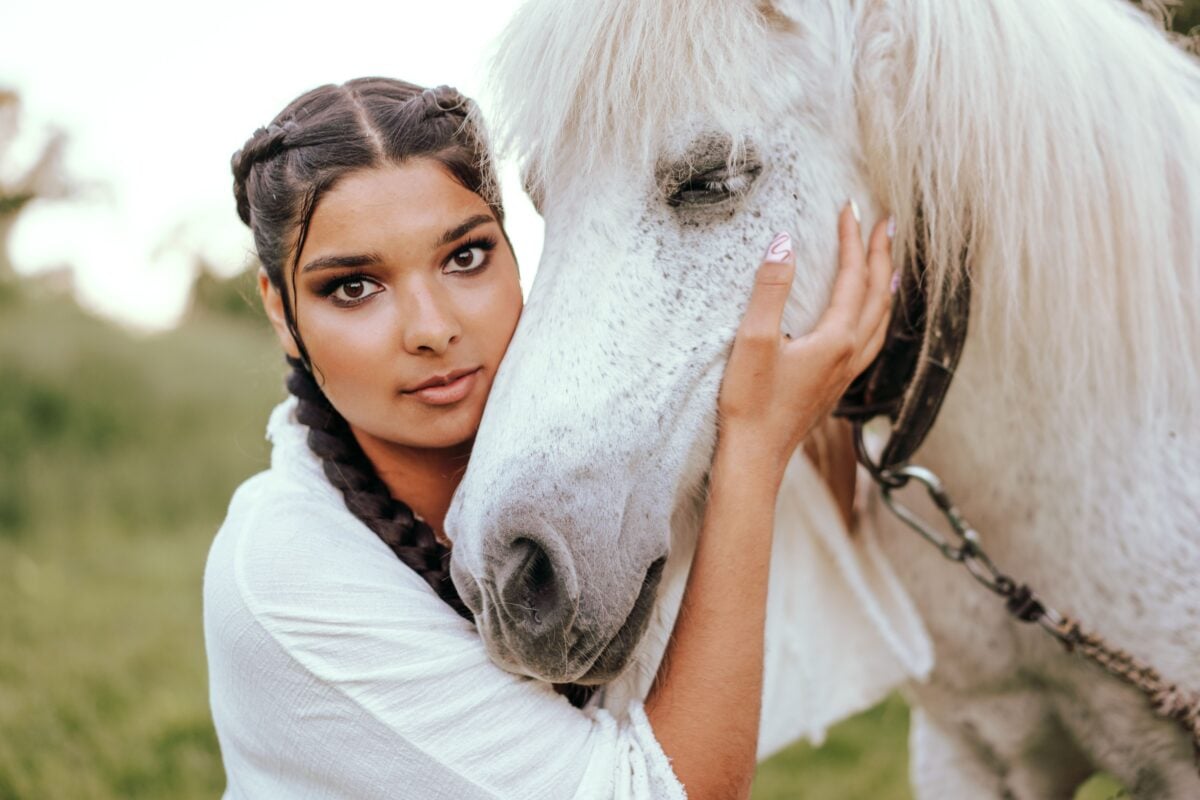
Most people think a horse bond looks like something out of a movie – a dramatic nuzzle, a treat-fueled cuddle, maybe a viral video moment. Lifelong trainers will tell you that’s not where the real proof lives at all.
They say true attachment shows up in tiny, almost boring moments most owners walk straight past without noticing. Some of these signs are so quiet that even experienced horse people mistake them for quirks or coincidence – until they know exactly what to look for, and then it’s impossible to unsee. By the time you reach the last one on this list, you’ll probably recognize your own horse in it.
#13 – They Subtly Reposition Themselves To Keep You In Sight
🔥 Would you like to save this?
We'll email this post to you, so you can come back to it later!
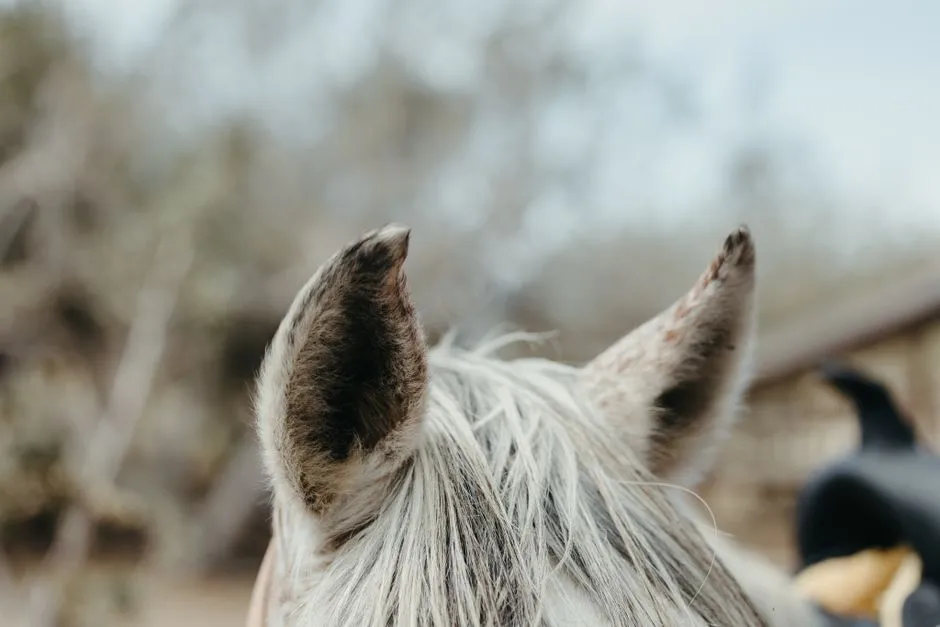
Trainers say one of the first quiet signs of a deep bond is eye contact – but not the dramatic staring-contest kind people picture. It’s the way your horse constantly repositions just enough to keep you in their field of view. You walk around the paddock, and a shoulder pivots. You stop to talk to someone at the gate, and one ear locks on you while the near eye tracks your every move.
To a distracted owner, it looks like nothing. To a seasoned trainer, it screams attachment. Many horses will do this while appearing to ignore you completely – grazing, sniffing the ground, staring off into space – but the second you change direction, a hoof shifts or a hip swings so they never fully lose you. That’s not neutral behavior. That’s a horse choosing vigilance over relaxation, just to keep tabs on you.
Fast Facts
- Horses have nearly 350-degree panoramic vision, with blind spots only directly behind them and right under the nose
- Their ears can rotate up to 180 degrees independently to track sound without turning the head
- Peripheral vision lets a horse monitor your movement even while appearing to look elsewhere
#12 – They Calm Down Faster When You Step In, Not Anyone Else
🔥 Would you like to save this?
We'll email this post to you, so you can come back to it later!
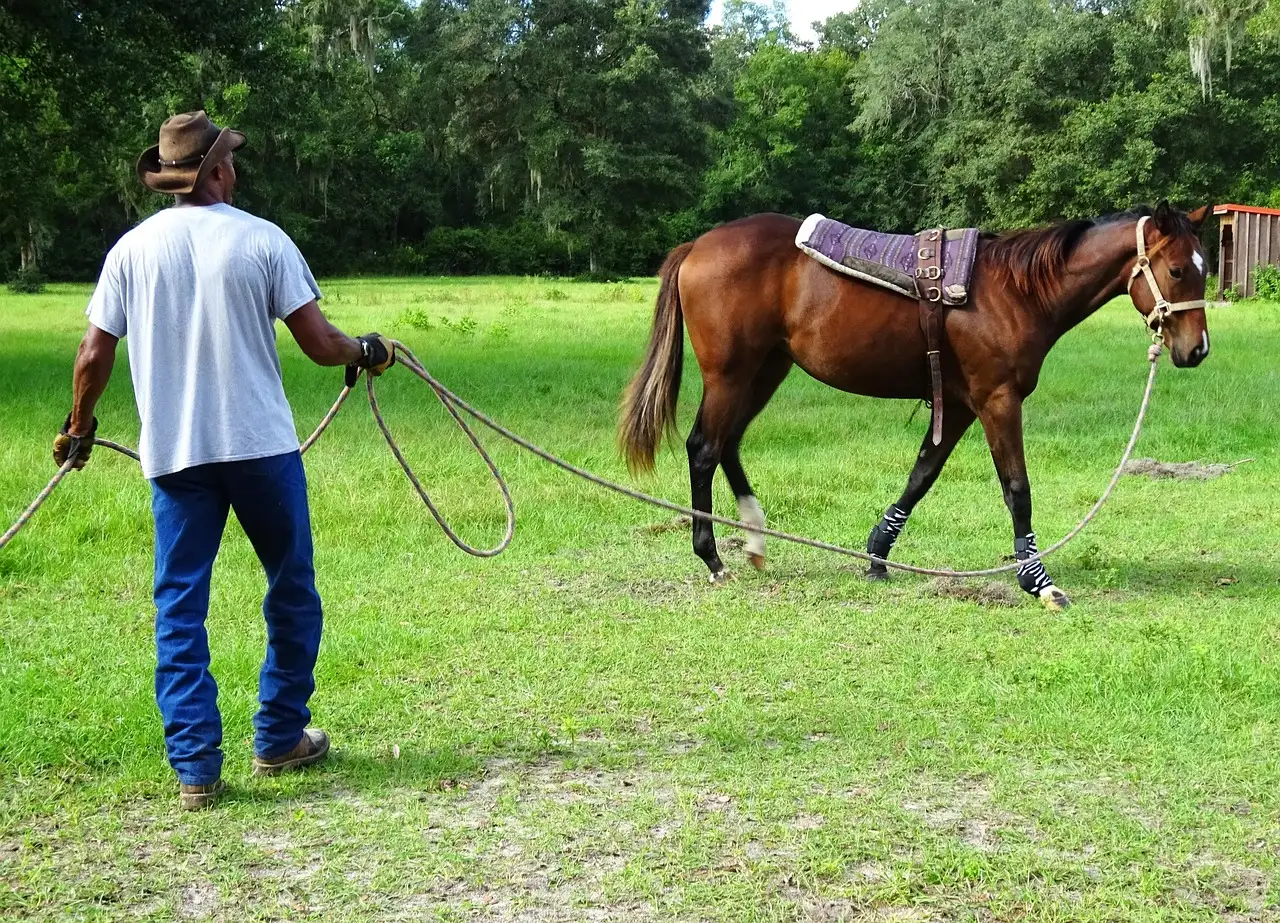
Most people assume a “bombproof” horse is just naturally chill. Trainers know better – who walks up during a tense moment often matters more than whatever spooked the horse in the first place. If your horse is snorty at the mounting block or dancing in the wash rack with someone else, but softens the instant you take the lead rope, that’s not luck. That’s a relationship doing its job.
Watch closely next time anxiety spikes. Does the head drop a full six inches the moment you take over? Do they blow out through the nose, lick and chew, or finally plant all four feet the second your hand touches their neck? Trainers call this “selective regulation” – your presence becomes the cue that the danger has passed. If you’re the reset button on their nervous system, that’s not training. That’s trust.
#11 – They Walk Away From Food Just To Check On You
🔥 Would you like to save this?
We'll email this post to you, so you can come back to it later!
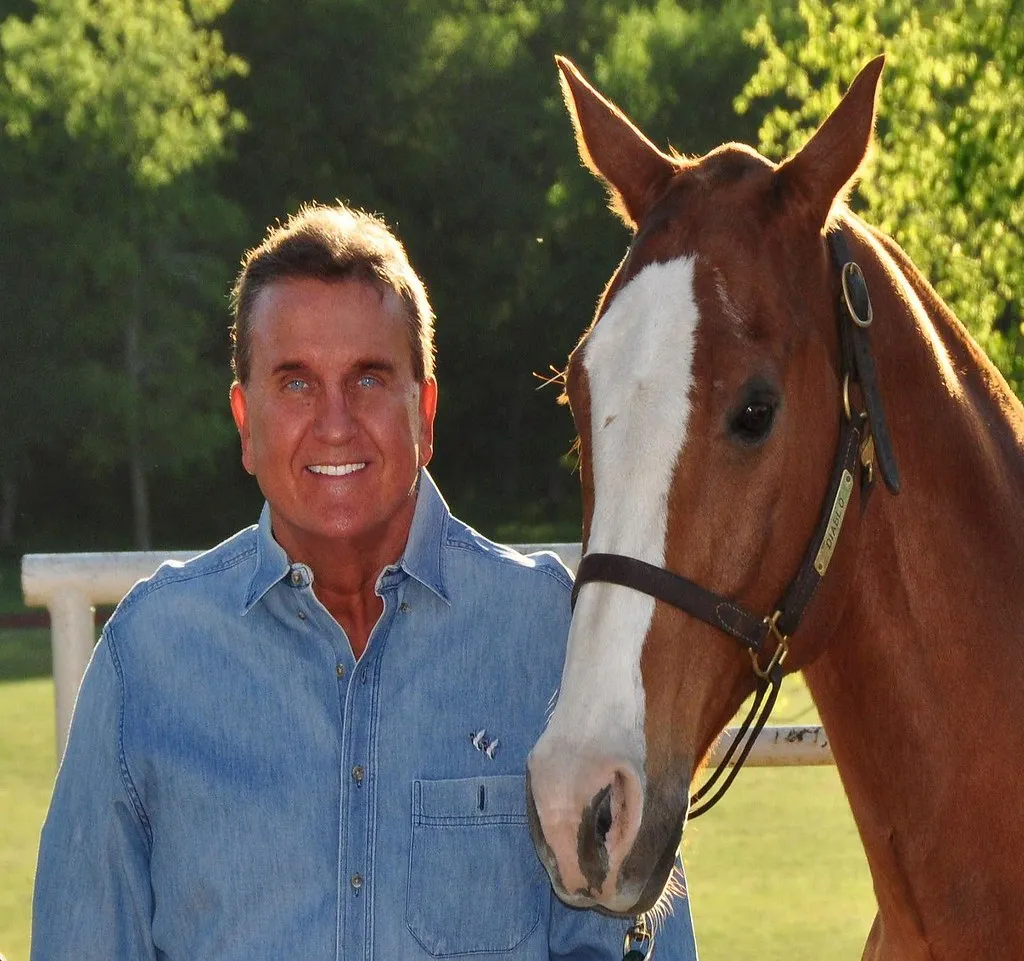
Horses are wired to prioritize food – grazing is survival, not a hobby. That’s exactly why trainers pay close attention when a horse interrupts eating just to find their person. This isn’t a starving horse thundering across a field for treats. It’s quieter than that: your horse is elbow-deep in a hay net, hears your footsteps, and peels away mid-chew to walk over, sniff you, or simply stand nearby before wandering back.
Most owners write it off as “he thought I had snacks.” Experienced trainers disagree, and the giveaway is what happens next. If the horse realizes you’re empty-handed and still chooses to linger, rub their nose on your shoulder, or rest a hip near you, that’s affection outweighing appetite in real time. Food is currency in the herd, and for a moment, they’re spending it on your company instead.
#10 – They Mirror Your Energy Without Being Asked
🔥 Would you like to save this?
We'll email this post to you, so you can come back to it later!
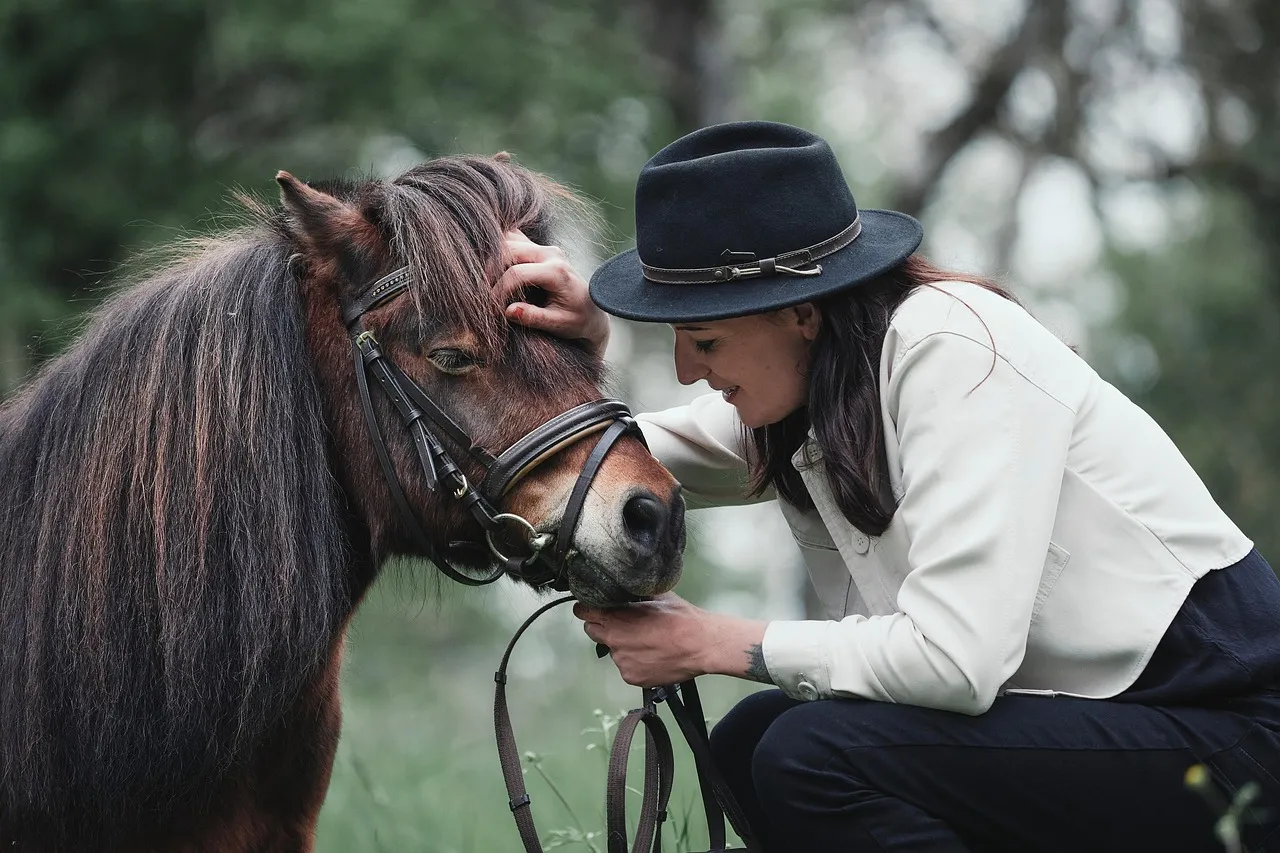
Most riders focus on formal cues – leg, rein, seat. Lifelong horsemen pay just as much attention to what happens when you’re not actively “riding” at all. A truly bonded horse starts mirroring your internal state before you ever give an aid. Walk into the arena calm and unhurried, and they soften. Show up fired up and clipped, and they get more expressive too, even on a completely loose rein.
Trainers notice this on the ground constantly. Stroll lazily down the barn aisle chatting with a friend, and a bonded horse will often plod beside you with a loose, swinging back. Show up tense, and they tighten to match your tempo. This isn’t magic – it’s nervous systems syncing up after months or years together. When your horse becomes a walking mirror of your mood without any pressure at all, that’s not obedience. That’s attachment.
The horse is a mirror to your soul. Sometimes you might not like what you see. Sometimes you will.
Buck Brannaman
#9 – They “Gate-Sit” Waiting For You At Your Usual Time
🔥 Would you like to save this?
We'll email this post to you, so you can come back to it later!
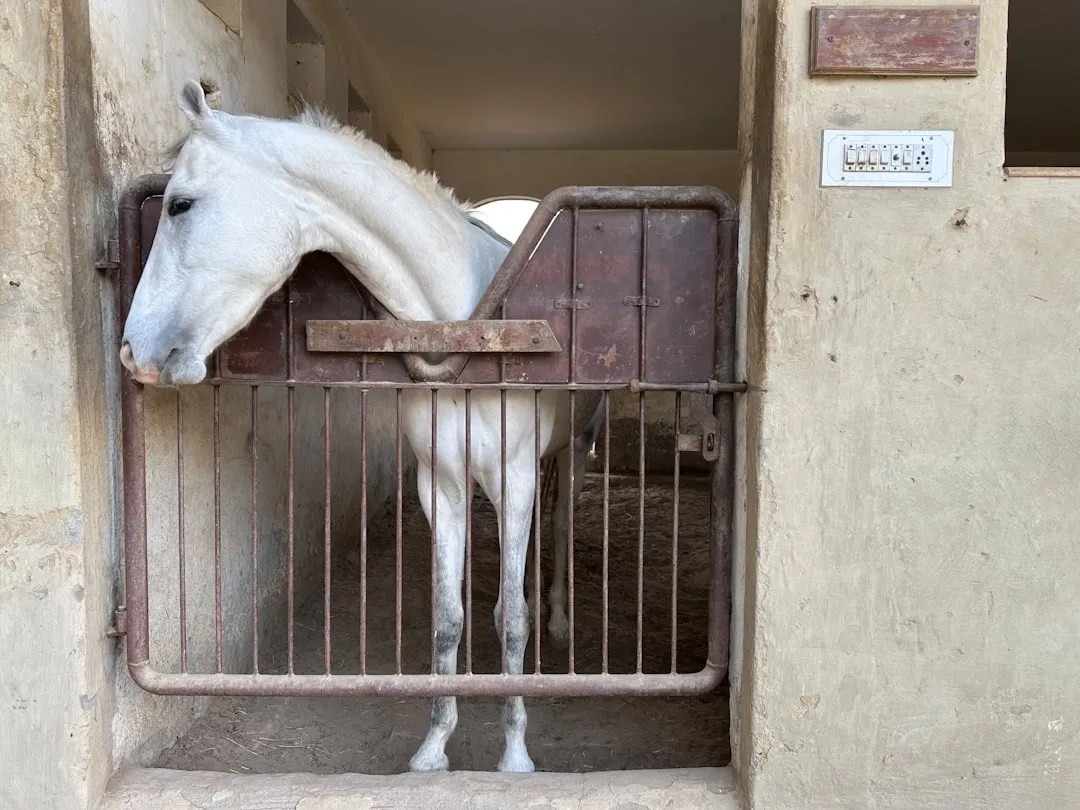
Most people assume horses don’t track the clock. Trainers know they absolutely do. One of the clearest, and honestly most heart-tugging, signs is what old-timers call “gate-sitting.” You pull into the barn at your usual hour, and there they are – already at the front of the pasture, staring down the driveway, long before any other horse has bothered to lift its head.
The controversial part is what experienced barn managers believe this actually means: it isn’t just routine, it’s relational. Horses see dozens of people move through a barn every day, but the one they consistently anticipate is their person. Some will pace, whinny, or pace back to the gate repeatedly if you’re running late. They’re not doing this for every truck that comes up the driveway – they’re doing it for yours. Trainers don’t call that coincidence. They call it loyalty with four legs.
Worth Knowing
- Horses have strong long-term memories and can recall specific people and experiences for years
- Their bodies run on a fairly rigid internal clock tied to feeding and turnout routines
- As herd animals, they instinctively track patterns of who comes, who goes, and when
#8 – They Choose To Rest Near You When They Don’t Have To
🔥 Would you like to save this?
We'll email this post to you, so you can come back to it later!
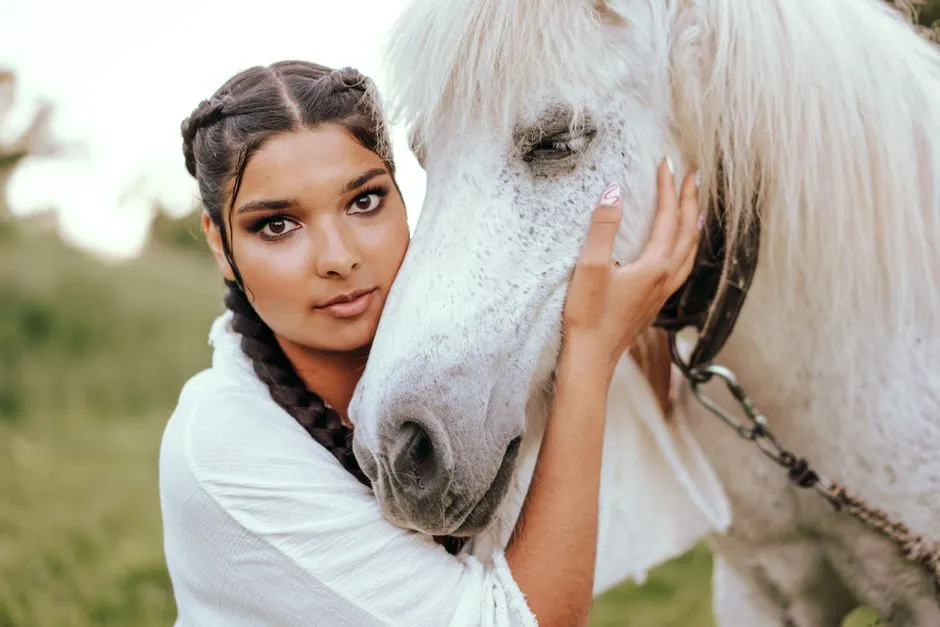
Here’s where most casual observers get it wrong: a horse standing near you in a stall doesn’t automatically mean much – they’re confined, after all. What lifelong trainers actually watch for is where a horse goes when they have every other option. Turned out in a big paddock with friends and unlimited grass, does your horse ever drift away from the herd just to stand in your orbit?
Not necessarily glued to your side, but close enough that it’s clearly a choice. Bonded horses will often:
- Drift toward where you’re sitting on the fence rail and park a hip nearby
- Doze with their nose almost touching your shoulder
- Position themselves so your presence covers their blind side
Rest is when horses are at their most vulnerable, so choosing to relax within your reach is a massive vote of trust. If they nap with an ear tipped your way while you scroll your phone nearby, that’s not random proximity – that’s “you’re part of my safe space.”
#7 – Their Greeting Nicker Sounds Different When It’s You
🔥 Would you like to save this?
We'll email this post to you, so you can come back to it later!
Most barns are full of nickers at feeding time, so owners assume every one of those sounds means the same thing. Trainers will tell you flat out that they don’t. Horses have distinct vocal tones for food, surprise, and social contact – and the sound they make specifically when you walk in often shifts when there’s a genuine bond. It can be softer, higher, almost question-like, as if they’re checking, “Is that really you?”
Notice whether your horse:
- Gives a quiet, breathy nicker only when you say their name
- Nickers before you even appear, just at the sound of your footsteps
- Stops mid-chew to whuffle into your neck instead of rushing the feed door
Plenty of horses whinny at anyone carrying a feed bucket – that’s not special. But when they save a particular greeting for your arrival, outside of mealtimes, trainers hear the difference between “food’s here” and “my person’s here.”
#6 – They “Check Back” With You The Instant Something Spooks Them
🔥 Would you like to save this?
We'll email this post to you, so you can come back to it later!
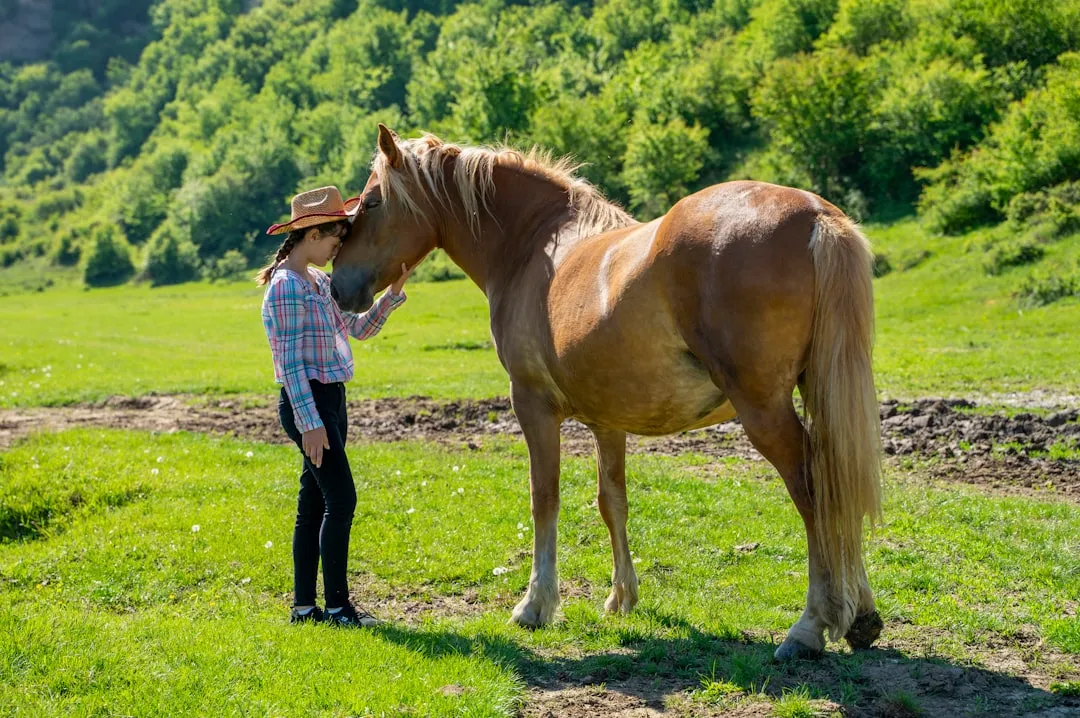
It’s easy to spot a scared horse. It’s much harder to notice who they mentally turn to in that fear. Trainers are blunt about this one: a horse that truly trusts you doesn’t just bolt away from the scary object – they glance back at you for information first. The tarp flaps, a dog darts past, a loudspeaker crackles, and instead of spinning into chaos, your horse snorts, arches its neck, and flicks an eye or ear back toward you as if to ask, “Are we okay?”
This doesn’t mean they never spook. It means that in the middle of an adrenaline spike, you show up in their decision-making. Under saddle, they might hesitate and lean slightly into your inside leg. On the ground, they might step behind your shoulder so they can watch you and the threat at the same time. That split-second check-in is attachment happening in real time – a horse that bonds to you alone includes you in how it processes fear.
#5 – They Offer Small, Voluntary “Touch-Ins” With Their Nose
🔥 Would you like to save this?
We'll email this post to you, so you can come back to it later!
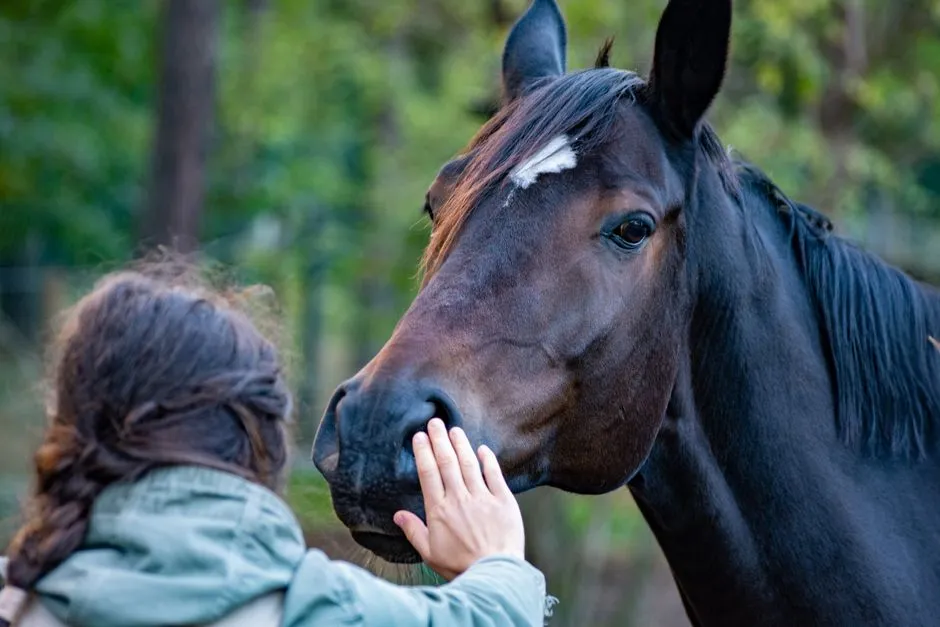
Not every horse is cuddly, and plenty genuinely dislike being smothered. That’s exactly why trainers look for small, voluntary touch-ins instead of Instagram-worthy hugs. A bonded horse initiates tiny, polite contact that looks almost accidental – until you notice how often it happens only with you. They’ll brush their muzzle along your sleeve, breathe slowly into your hair, or rest their nose lightly against your back while you fill water buckets.
The key is softness, not force – a pushy horse shoving anyone for treats isn’t showing devotion. But a horse that exhales into your palm and lingers with eyes half-closed, or tucks its chin into your chest without asking for anything, is engaging in social grooming, horse-style. These micro-moments are their way of saying “I’m here with you,” not “give me something,” and when a horse saves this behavior for you alone, trainers flag it as one of the quietest, most powerful signs there is.
Quick Compare
- Pushy horse: noses pockets repeatedly, then walks off once it learns there’s no treat
- Bonded horse: touches softly, lingers with no expectation of reward
- Pushy horse: contact stops the second hands are empty
- Bonded horse: contact continues even during ordinary chores like filling water buckets
#4 – They Get “Barn Sour” For You, Not For The Barn
🔥 Would you like to save this?
We'll email this post to you, so you can come back to it later!
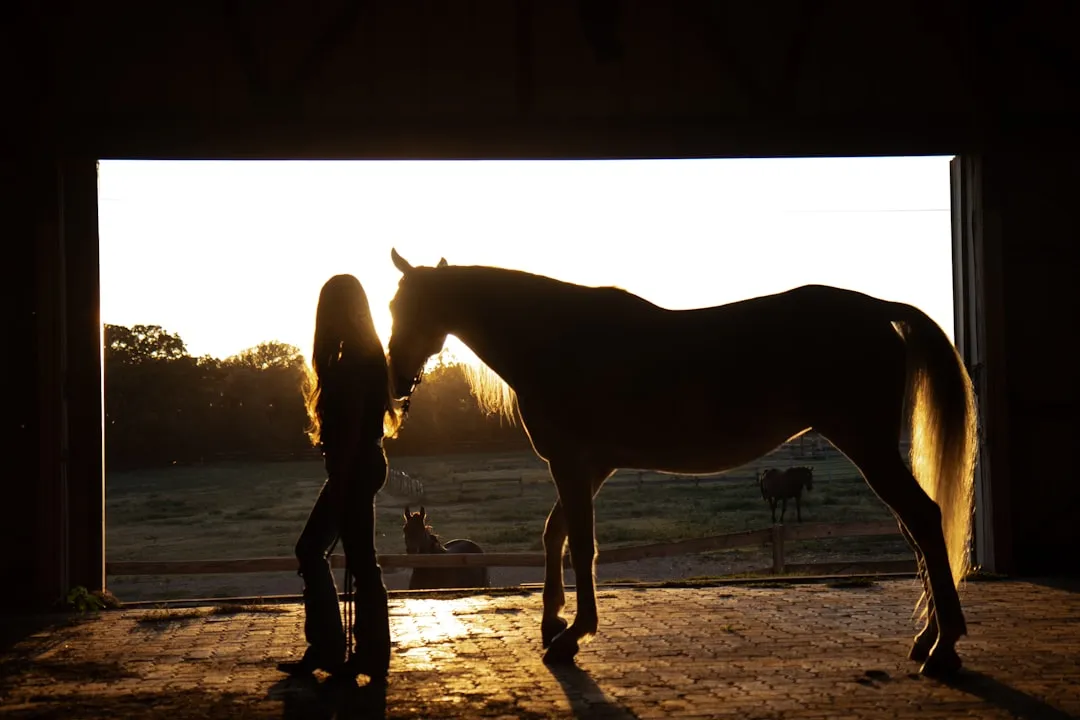
Here’s a take many riders won’t love: lifelong trainers argue that some “barn sour” behavior is completely misdiagnosed. Yes, plenty of horses rush home for feed and friends. But a small, genuinely bonded subset actually gets sour leaving you specifically. Watch what happens when you hand your horse off to someone else, or walk away while they’re being tacked by a groom.
Telltale signs to watch for:
- They call once or twice right after you disappear around the corner
- They resist loading or moving until you step back into view
- They plant their feet leaving the spot where you usually spend time together
This isn’t ideal behavior, and no good trainer excuses it. But it reveals something real: you’ve become part of their “home base.” Most horses anchor to the barn or the herd. These horses anchor to a person. Correcting it kindly matters – but pretending it isn’t about you is just ignoring what the horse is plainly telling you.
#3 – They Respect Your Space Without Constant Reminders
🔥 Would you like to save this?
We'll email this post to you, so you can come back to it later!
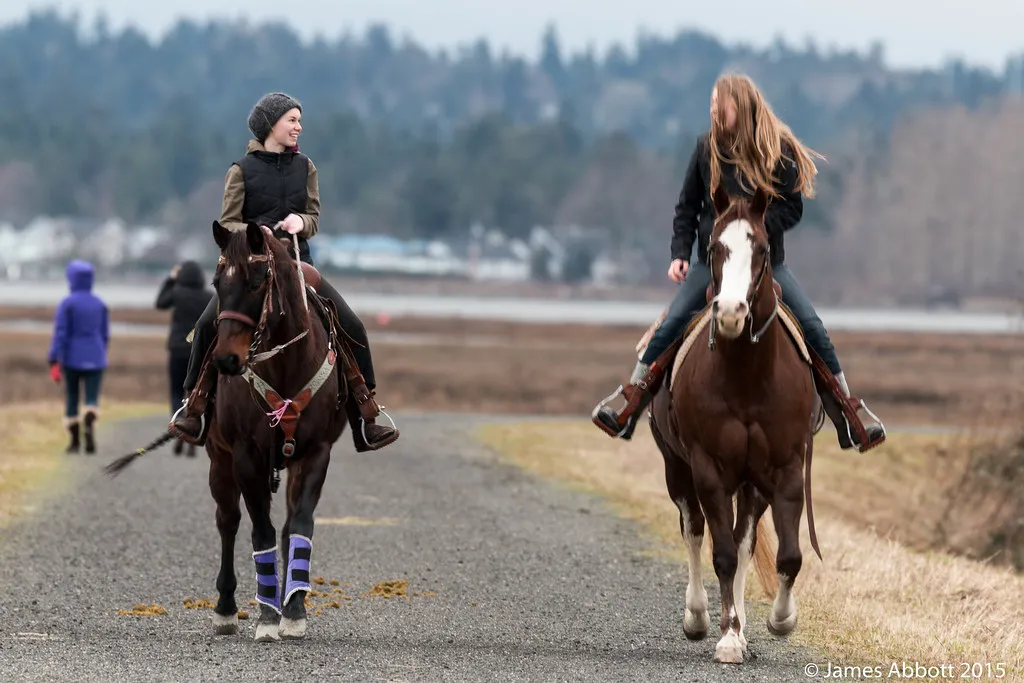
A controversial truth in training circles: compliance out of fear and willing, consistent respect are not the same thing. A fearful horse stays out of your space only while you’re holding a whip, then crowds you the second the pressure disappears. A bonded horse learns your boundaries and keeps them even when you’re relaxed, distracted, or completely empty-handed.
Trainers notice when a horse:
- Automatically adjusts its stride so it doesn’t bump your shoulder
- Steps sideways around you instead of pushing through you at the gate
- Stops itself mid-turn instead of swinging its hindquarters toward you
These aren’t flashy tricks – they’re micro-decisions, and horses don’t extend that kind of consideration to just anyone. When your horse treats your personal bubble as sacred with zero tension or nagging, that’s attachment plus respect, and it means your relationship has shifted from “what can I get away with” to “how do I stay comfortable with you.”
#2 – They’ll Follow You At Liberty, With No Show And No Snacks
🔥 Would you like to save this?
We'll email this post to you, so you can come back to it later!
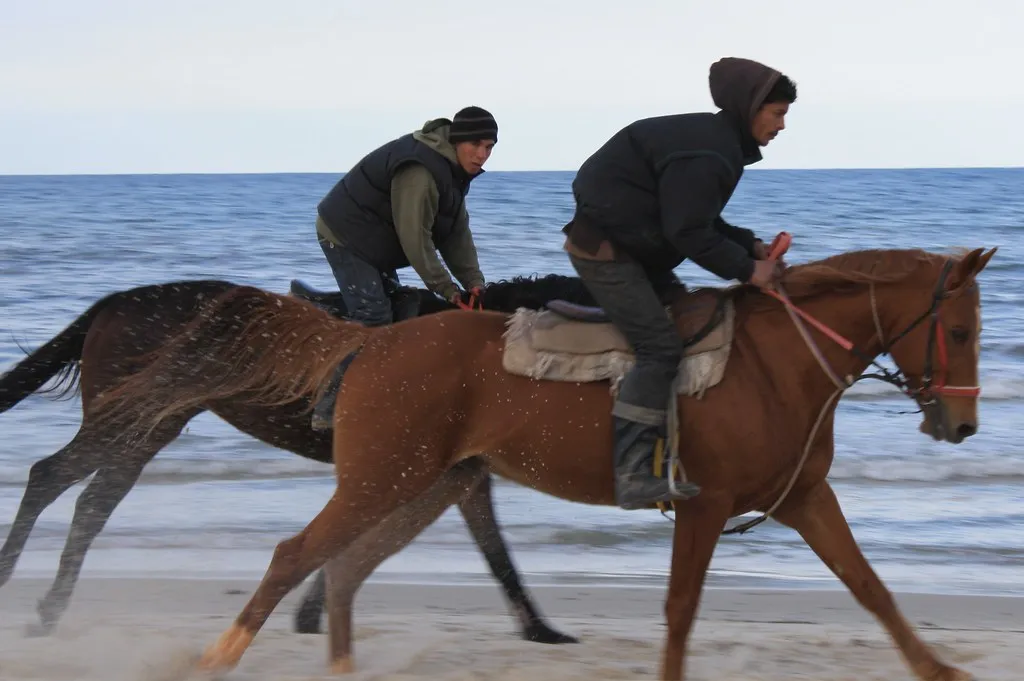
Everyone loves a liberty video of a horse trotting behind their person in a round pen for the camera. Trainers watch something far more mundane: does your horse choose to follow you when there’s no show, no crowd, no grain bucket – just you, walking away? In a pasture, do they lift their head, think it over, then quietly trail after you while every other horse stays put?
Real liberty following often looks almost boring in practice:
- You muck the paddock, and they shuffle after you, stopping when you stop
- You cross the field to fix a fence, and they tag along a few steps behind
- You wander the arena on a loose line, and they drift into step with zero pressure on the rope
The crucial detail is that they could leave, and they don’t. That choice is what lifelong horsepeople spend years of consistency earning, and when it only ever seems to appear for you – not every random human at the barn – they’ve made their pick.
#1 – They Let Themselves Be Vulnerable Only When You’re There
🔥 Would you like to save this?
We'll email this post to you, so you can come back to it later!
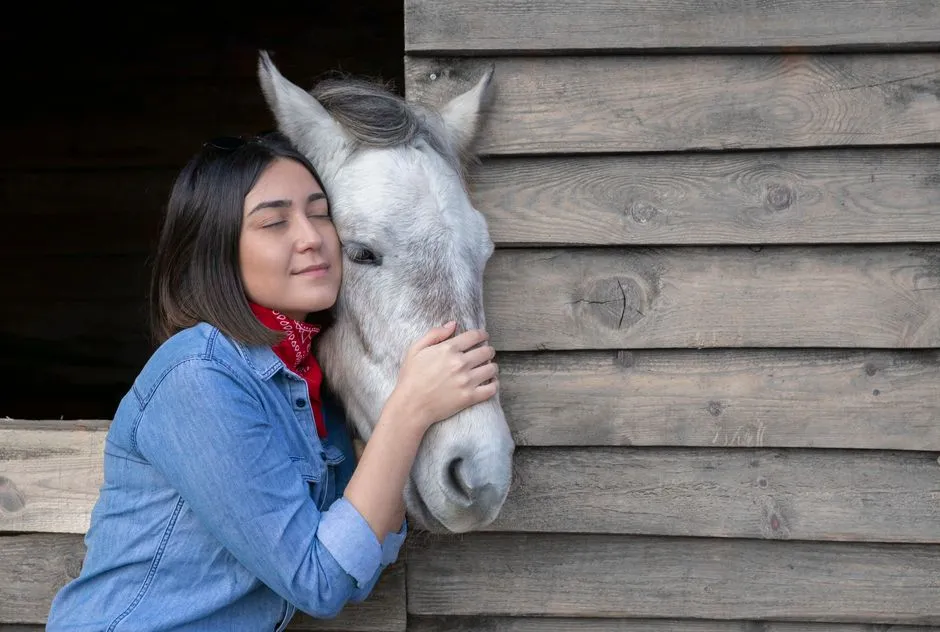
Trainers agree on this above almost everything else: the deepest bond isn’t measured by tricks. It’s measured by who a horse is willing to be weak around. Prey animals hide vulnerability instinctively, so when a horse fully lies down beside you, exposes its belly, or sighs into sleep while you scratch its neck, that isn’t cute. It’s radical trust from an animal built to never let its guard down.
Watch for moments like:
- They finally close both eyes during grooming, after months of half-dozing
- They choose to roll, shake, then stay near you instead of bolting back to the herd
- They lean their full weight into your curry comb, groaning with relief, and stay pressed against you instead of flinching away
Not every owner will see this often, and that’s okay – personality and history matter. But when a horse consistently saves its softest, most unguarded self for you alone, trainers stop calling it “progress” and start calling it what it actually is. A bond that runs all the way down to survival instinct. That’s the moment a horse isn’t just tolerating you. They’ve let you in.
Most people go looking for loud, Instagram-ready proof that a horse loves them. Lifelong trainers quietly watch the boring in-between moments instead – who the horse tracks with one eye, who they follow when the halter comes off, who they breathe out with after a spook.
A true bond shows up in choice, not obedience. It’s in the horse that leaves hay to stand near you, calms faster in your hands than anyone else’s, and only drops its guard when you’re close enough to touch. None of this is fantasy – it’s a nervous system that has decided, “with this human, I am safe.” That’s rarer than most owners want to admit, and it’s worth more than any trick a horse will ever learn.
Which of these thirteen moments have you actually seen in your own horse – and which one do you flat-out disagree with? Say so in the comments. Trainers argue about this list too.

- 7 Everyday Habits That Can Make Your Senior Dog Happier - November 5, 2026
- 10 Enigmatic Structures That Continue to Puzzle Scientists Today - November 5, 2026
- 10 Strange Ruins in the Americas That Challenge What We Know About Early History - November 5, 2026