
Most people assume horses shrug off loss by dinnertime. Feed them, turn them out, and life goes on – no crying, no funeral, no fuss. But talk to anyone who’s stood in a barn aisle three days after a rider died, and you’ll hear a very different story.
Trainers and vets quietly admit that some of the hardest grief they witness in the barn isn’t human at all. The trouble is, we’re quick to call it “bad behavior” or “a training slump” instead of what it might actually be: heartbreak. Science hasn’t fully caught up yet, but the patterns showing up in barns, vet notes, and behavior files worldwide are too consistent to shrug off. Here’s what experienced horse people actually see when a horse loses the one person it trusted most.
#1 – Standing Watch at the Gate Where Their Rider Used to Appear
Horses are creatures of pattern, almost obsessively so. If a rider always walked in through one gate or parked in the same spot, the horse can lock onto that exact location and refuse to let it go, waiting there for days after that person is gone.
Owners describe horses planting themselves at arena gates during old lesson times or camped at paddock fences right when a familiar truck used to roll in. Instead of grazing or wandering, the horse stands like it’s on duty, ears pricked toward the empty driveway. Some won’t even be led away at first, twisting back for one more look, as if one more minute of watching might finally bring their person back.
#2 – Scanning Every Face in the Barn, Then Deflating
This one is eerie to witness in person. A horse’s head shoots up the second someone walks into the aisle, eyes wide, scanning every human like they’re checking a roll call. For a few seconds the horse is fully alert, almost hopeful, stepping forward like they expect someone specific to appear.
Then comes the crash. Ears drop back to neutral, the head lowers, and the horse drifts away, as if they’ve just confirmed another disappointment. Some will even walk briskly toward anyone wearing the lost rider’s typical jacket color or build, then stop short, sniff, and look almost confused. Skeptics call it habit. Riders who’ve lived it say the timing, right after a death, is too sharp to explain away that easily.
#3 – Turning Down the Treats That Rider Always Offered
When a food-motivated horse suddenly goes cold on snacks, something is wrong. A horse who used to mug your pockets for mints or practically levitate for a carrot may start taking treats slowly, without any spark, or ignore the crinkle of a familiar bag entirely.
They’re not colicky. They’re not sick. They just don’t seem to care anymore, especially about the exact treats that rider always handed over. To be fair, appetite changes always deserve a vet check first, since pain and illness top the list of real explanations. But once a vet clears the horse and the timing lines up perfectly with the rider’s death, calling it “just stubbornness” starts to feel willfully blind.
Fast Facts
- Appetite changes lasting more than a day or two always warrant a vet visit before anything else
- Horses can recognize a specific treat bag, wrapper sound, or hand gesture tied to one person
- Stress can dull a horse’s appetite the same way it does in people
- A horse eating normally at every other meal, but refusing one person’s specific treat, points to something emotional rather than physical
#4 – Calling Out at the Old Arrival Time, Then Falling Silent
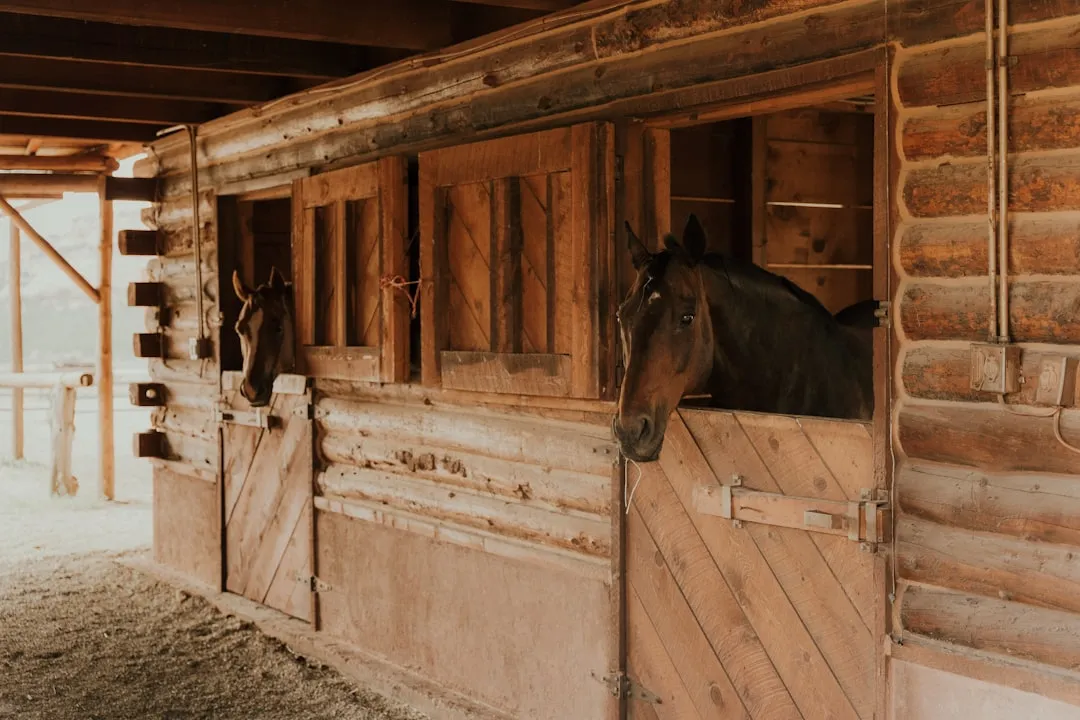
Vocal changes after a loss can be brutally specific. Some horses start whinnying at the exact hour their rider used to show up, pacing the fence line and calling out like they’re trying to locate a missing piece of their day.
Others do the opposite: a horse that used to nicker at every boot step in the aisle goes strikingly quiet, no greeting left in them at all. Barn staff often feel this one in their gut, watching a horse rush to the fence at the sound of a familiar-sounding engine, call out with everything they’ve got, then go dead silent the moment it’s the wrong truck.
#5 – Turning Into a Scent Detective Over Tack and Clothing
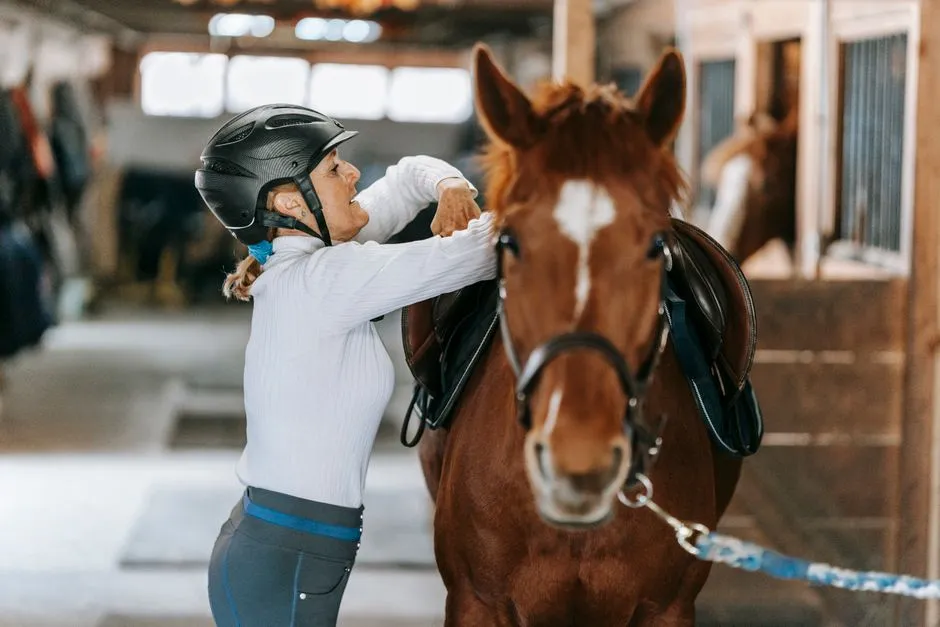
People underestimate how much a horse’s world runs on smell, not sight. After a rider dies, it’s common to see a horse bury its nose in that person’s saddle pad, helmet, or jacket and simply stay there, breathing deeply like they’re trying to hold onto something.
Owners report horses sniffing boots or gloves with unusual intensity, then growing agitated if those items get moved or washed too soon. Some will nuzzle a hanging coat over and over, then rest their nose against it with eyes half-closed, anchoring themselves to the last trace of a familiar human. Hard science on scent-based grief in horses is still thin, but it fits everything we already know about how strongly horses recognize the individuals in their lives.
#6 – Refusing to Leave the Stall They Once Shared
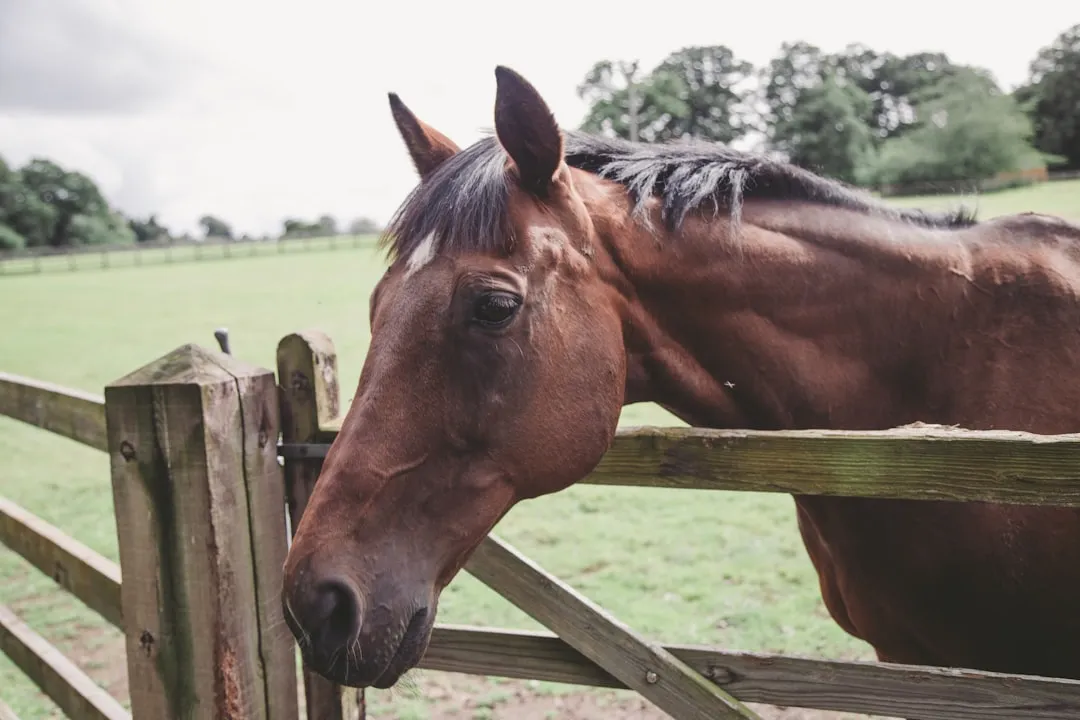
Sometimes a horse simply says no, literally planting its feet at the doorway of a stall where it spent time with the person it lost. A usually easygoing horse may suddenly refuse to be led out of that space, no matter how gently you ask.
In some barns, the horse stands with its head turned toward an empty grooming corner or mounting block, almost checking whether this is finally the moment its person walks back in. It’s tempting to call this barn-sourness, but the timing is often laser-specific, starting within days of the rider’s death or last visit. Calling it only “bad manners” is a comforting lie for humans who don’t want to face what it might actually mean.
#7 – Sudden Aggression or Total Shutdown With New Riders
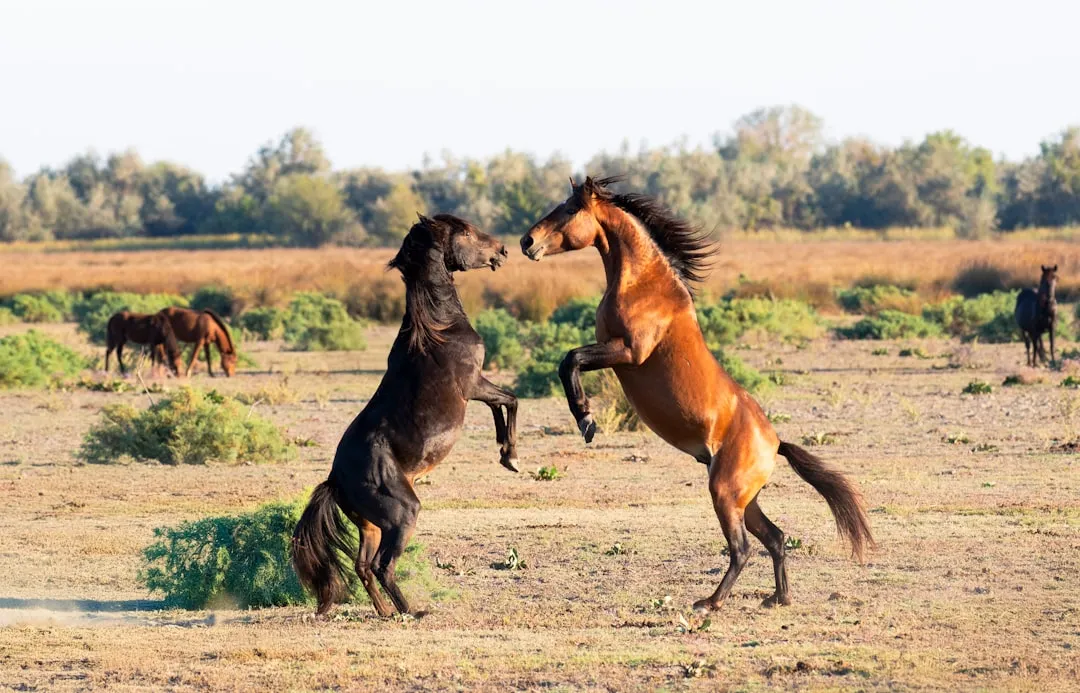
Not every grieving horse turns into a soft, sad shadow of itself. Some get defensive instead, and it’s one of the most misunderstood signs in the whole list. A previously generous horse can start pinning ears, swishing its tail, or turning outright dangerous the moment a new rider tries to mount.
Others swing the opposite way, disconnecting entirely, going dead to the leg, shuffling through cues like their brain checked out. People love to say horses live entirely in the moment, yet the timing here, calm with their person, suddenly hostile or frozen with anyone else, tells a different story. Critics call this anthropomorphizing. Owners who’ve watched it happen call it heartbreak with teeth.
Worth Knowing
- Ear pinning and tail swishing are classic warning signals, not random crankiness
- A sudden “shutdown” under saddle often looks like dull confusion rather than defiance
- Vets typically rule out pain, saddle fit, and dental issues before any change gets labeled emotional
- Aggression and shutdown can show up in the very same horse within the same week
#8 – Restless Nights and Broken Sleep
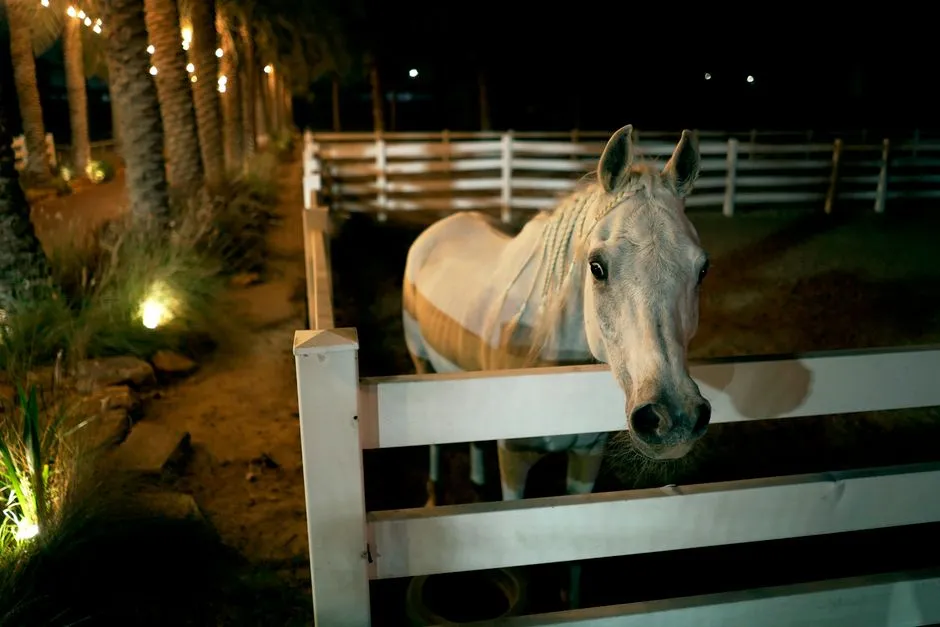
Grief doesn’t clock out at sunset. Barn cameras have made this uncomfortably clear: some horses pace, paw, and lie down far less in the nights right after a rider’s death, even when nothing else in the barn has changed.
You might notice deeper circular disturbances in the bedding from repeated pacing, or damp, sweaty patches on a horse despite cool night air. Chronic sleep loss is always a red flag for horses, and while pain or herd changes can cause it too, losing a key human absolutely counts as environmental stress. Owners who camp out at the barn during these weeks often describe the horse as “on watch,” startling at distant sounds like any noise might finally be the rider arriving late.
#9 – Quietly Adopting a Backup Human They Once Ignored
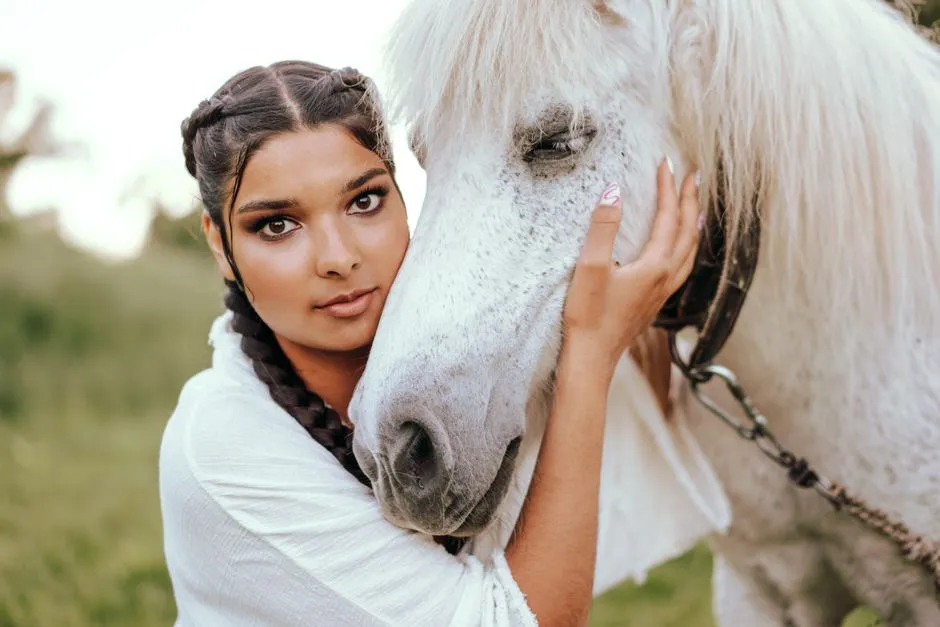
Grieving horses don’t just suffer in place; some go looking for a new anchor. A horse that once tuned out everyone except its one person may suddenly start shadowing a groom, a barn owner, or the quiet kid who always offered a scratch on the neck.
This isn’t replacement, it’s survival. You’ll see the horse following that person along the fence line or resting its head against their chest more than it ever used to. Some riders take this personally, wondering what happened to their “unique bond,” but most behaviorists read it as healthy adaptation. The horse isn’t over its person. It’s building a new attachment just to stay regulated, and that’s its own quiet kind of proof that the first bond mattered.
Quick Compare
- Everyday bonding: builds gradually over weeks or months, and the horse tolerates short separations calmly
- Grief-driven attachment: can form within days of a loss, often aimed at whoever happens to be nearby and gentle
- Everyday bonding: horse still eats, rests, and works normally with others around
- Grief-driven attachment: often comes with clinginess or distress calls the moment that person steps away
#10 – Forgetting Cues They Had Down Cold
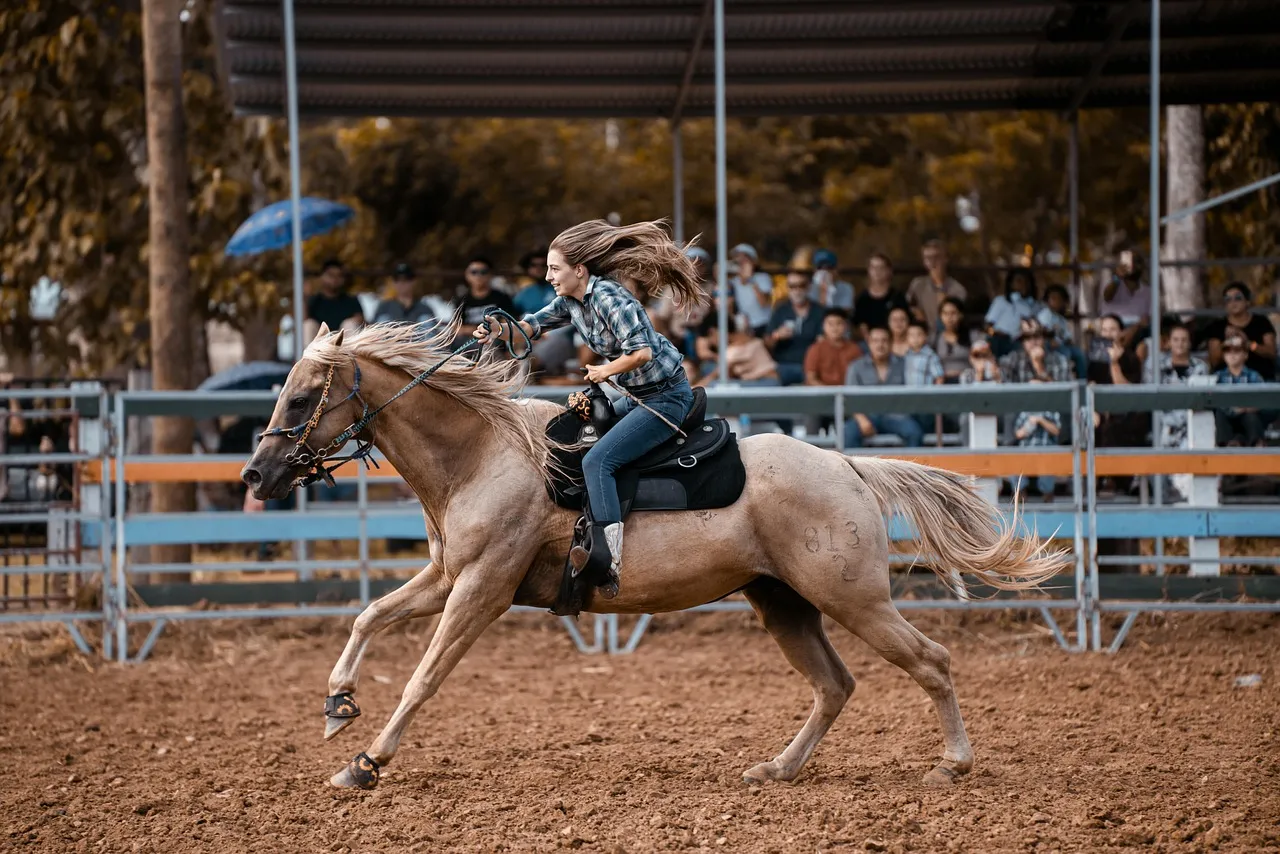
Sometimes the clearest sign of grief is a mind that suddenly looks scattered. A horse that nailed its leads and transitions for years can start missing them entirely, or spook at arena corners and standards it’s walked past a thousand times before.
It’s easy to blame a “training gap” or an inexperienced fill-in rider. But if the only real variable that changed is the loss of the horse’s main person, it’s fair to call this what it looks like: cognitive overload. Stress affects memory and learning in horses the same way it does in people, and a horse that trusted one steady rider may genuinely struggle to process new aids while its whole nervous system is running on grief.
#11 – Bonding Fiercely With One Barn Mate
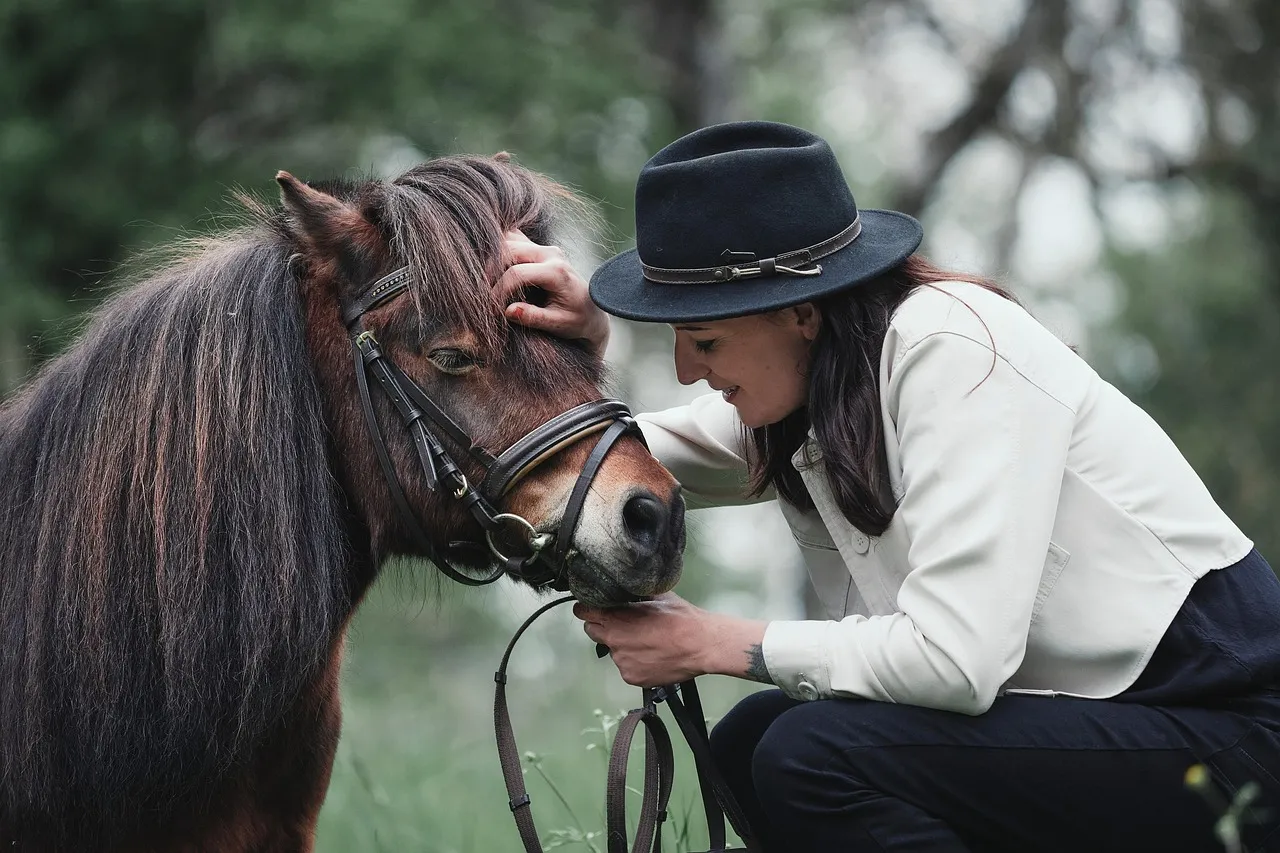
Lose a human, hold tighter to a horse. Some grieving horses suddenly attach to one paddock mate or stall neighbor with an intensity that wasn’t there before, panicking the moment that horse leaves and only settling once it returns.
This can look like screaming and spinning when the new “buddy” gets led away, or gluing themselves to that horse’s side under saddle and in turnout. Herd bonds are natural, but the timing matters here. A horse who was rock-steady alone for years suddenly becoming borderline herd-bound right after a loss isn’t a coincidence so much as a horse quietly insisting, someone has to stay.
#12 – Returning Again and Again to Where the Rider Was Last Seen
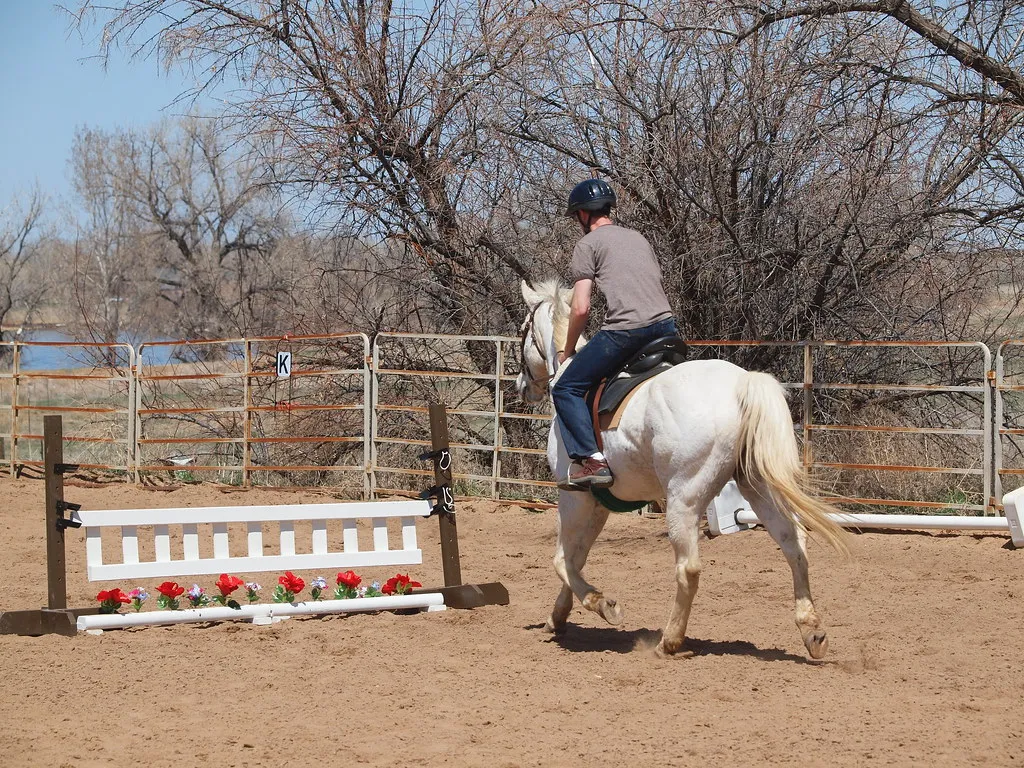
Some stories are too consistent across barns to write off as coincidence. Horses have been seen standing quietly in the exact spot where their rider last mounted, fell, or said goodbye, walking back to that spot repeatedly in the days that follow.
It might be a corner of the arena where a fatal fall happened, or the wash rack where the rider last groomed and hugged them before leaving. The horse walks over, stands still, and sometimes lowers its head in a way that doesn’t match ordinary loafing. No one can prove intent here. But owners who witness it right after a loss rarely doubt what they’re seeing, and dismissing it as random probably says more about our discomfort with animal grief than about the horse standing in that spot.
At a Glance
- Return visits tend to focus on one specific spot, not just any familiar corner of the property
- The horse’s head lowering here often looks different from a normal grazing posture
- These visits typically taper off gradually over the following weeks
- Owners usually notice the pattern themselves, long before a vet or trainer names it as grief
#13 – Coming Back to Themselves, But Never Quite All the Way
Maybe the most tender sign of all shows up months later. Many grieving horses do come back: they eat normally again, stop watching the gate with that same desperate focus, and eventually accept new riders with something close to their old generosity.
But ask the people who know them best, and they’ll tell you quietly that the horse was never exactly the same again. Maybe it’s five percent more serious. Maybe the goofy spook is gone for good, or the eye looks a shade softer and a little older. Science can’t measure a missing sliver of spark, but long-time owners see it over and over, a subtle before-and-after line etched into the horse’s whole personality. Calling that anything but grief feels intellectually tidy, and emotionally dishonest.
The Bottom Line
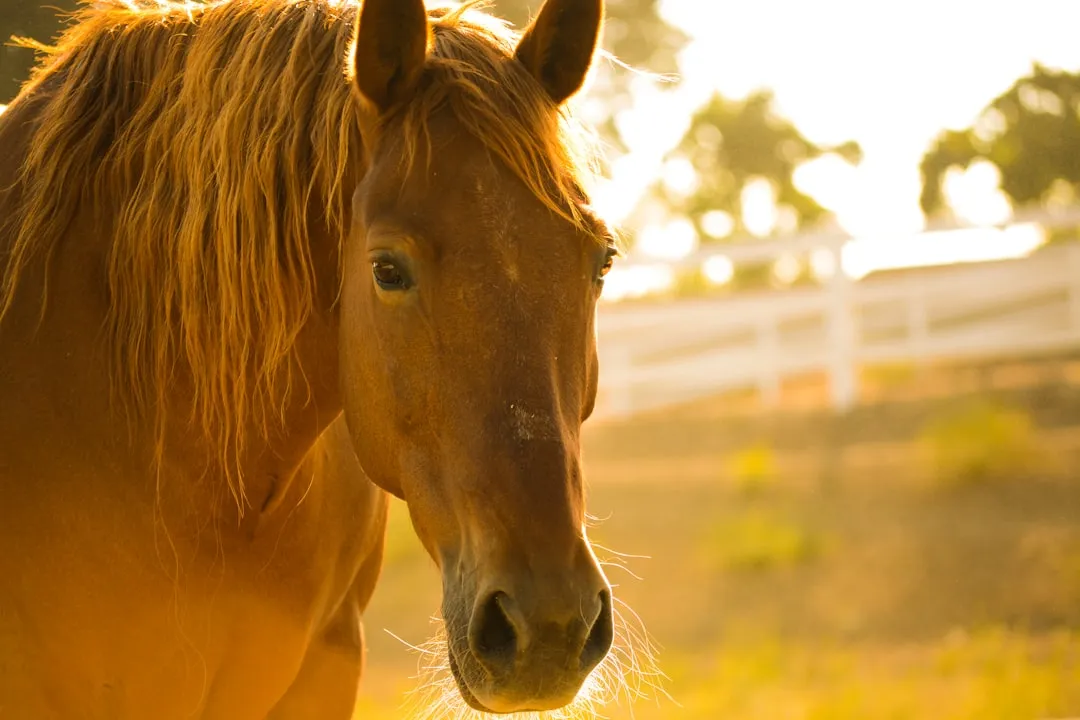
Horses don’t leave sympathy cards on the counter, and they don’t cry human tears. But the patterns are too consistent across barns, countries, and disciplines to keep waving away as coincidence. Many horses react in measurable, repeatable ways when a key rider disappears from their life, and a fair chunk of those reactions look exactly like grief.
Here’s the uncomfortable part: some of what we’ve spent years labeling as “behavior problems” or “training setbacks” is probably emotional fallout we’re too impatient, or too uncomfortable, to name honestly. Not every horse mourns the same way, and yes, pain, routine changes, and management mistakes can all mimic grief on the surface. But pretending horses feel nothing has always been more about making life easier for us than kinder for them.
If you’ve watched a horse grieve a rider in a way you still think about years later, that memory is worth telling. Those are exactly the stories that quietly change how the rest of us treat the animals standing in our own barns.

- 13 Tender Signs a Horse Is Grieving a Rider It Lost - July 28, 2026
- 11 Small Ways a Rescue Horse Shows It Has Finally Let a Human In - July 28, 2026
- 14 Quiet Ways a Horse Keeps Watch Over the Person It Has Claimed - July 28, 2026