
A suitcase can sit in a closet for months and still be the loudest object in the house. If your rescue has stopped reacting to it, you may be watching the first real sign of trust. It’s easy to miss because nothing dramatic happens. There is no wagging frenzy and no purr explosion, just a pet who walks past a zipper like it’s a coat rack.
Most people expect the big breakthrough on night one. It almost never is. The real shifts arrive weeks or months later, in small things: how your pet eats, where it naps, what it does when you reach for your keys. Thirteen of them are ahead, counting down. One is a behavior many owners file under “bad,” and it’s actually a milestone. The last one is what the suitcase was really about all along.
#13 – They Stop Checking the Spot Where the Bags Used to Be
🔥 Would you like to save this?
We'll email this post to you, so you can come back to it later!
The first change is so small that most owners never notice it.
Animals learn by association. A suitcase on the bed, a stack of folded clothes, and the rasp of a zipper add up to a forecast. Dogs and cats are very good at reading sequences that predict something big. For an animal who has been surrendered, transported, or left behind, that forecast can mean “my world is about to move again.”
When the bags stay put and the routine holds, the forecast stops firing. Watch the room where luggage used to appear. A rescue who once circled it, sniffed every corner, or planted themselves on top of it now strolls right past. Many animals react to packing cues long before a bag is actually zipped, which is why the calm is so telling.
Signs you may notice:
- No hovering near the bedroom closet
- No lying on piles of clothes or inside open bags
- No trailing you in and out of the room like a tiny security guard
But that’s nothing compared to what happens to their shadow habit in #12…
#12 – They Stop Following You From Room to Room
🔥 Would you like to save this?
We'll email this post to you, so you can come back to it later!
Constant shadowing looks like love, but behavior pros often read it differently.
Plenty of owners are proud of the “velcro” rescue. Yet behaviorists note that a pet who can’t let you out of sight may be monitoring you because it feels unsure. That’s an interpretation, and not every follower is anxious. Some animals are simply social. But in a rescue with a shaky past, the pattern often fits.
As life becomes predictable, many animals start choosing a spot instead of trailing you. They lie in the doorway first, then in the next room, then on their own bed. They still know exactly where you are. They just no longer need to check.
A rescue who finally leaves the room is often showing more trust, not less affection. Many owners see distance as rejection. Many trainers see one of the healthiest signs a rescue can give.
Watch for this:
- Napping in a different room while you cook
- Lifting their head to check on you, then settling back down
Clinginess that doesn’t ease with time, or that comes with panic, is worth raising with a vet or certified behaviorist.
Quick Compare
- Anxious shadowing: stiff or alert posture, pacing at doorways, trouble settling whenever you move
- Relaxed company: loose body, follows you now and then, settles again within moments
- Time to call a pro: panic, drooling, or destruction when you leave their sight
Next up is a change you can spot at the food bowl in #11…
#11 – They Eat Like They Believe There’s a Tomorrow
🔥 Would you like to save this?
We'll email this post to you, so you can come back to it later!
Mealtime is where a rescue’s past shows up most clearly.
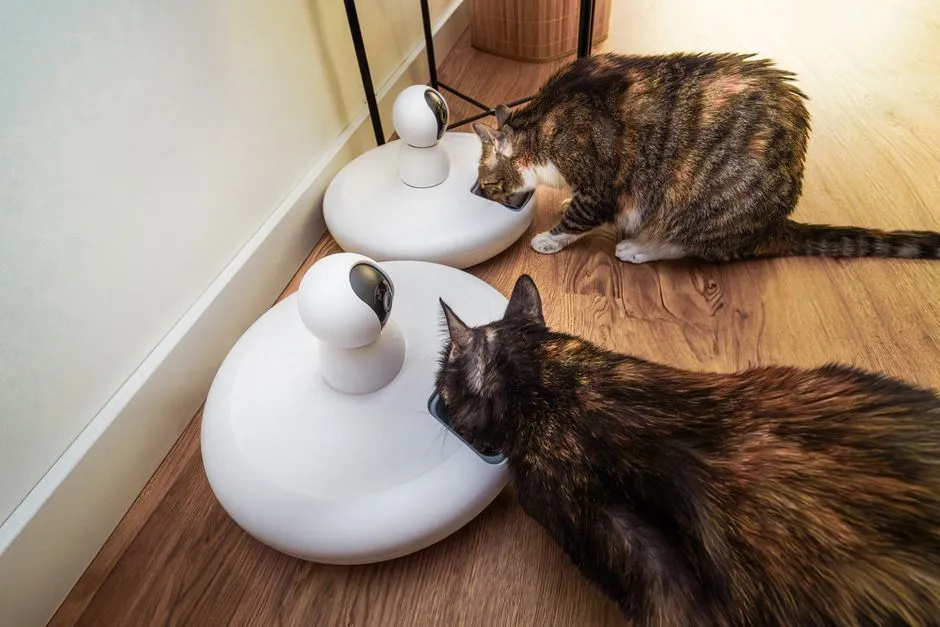
Animals with a history of scarcity, competition, or irregular feeding often eat fast. Some gulp, some guard the bowl, and some carry kibble off to a hiding place. As a survival habit, it makes perfect sense. Food that disappears quickly can’t be taken away.
Then the same meal arrives at the same time, in the same place, day after day. That pattern teaches something no pep talk can. Many rescues slow down, walk away mid-meal, or leave a few bites for later. Cats who once ate frantically may begin grazing across the day, which is closer to how they naturally eat.
You can help the process along without making it a big event:
- Feed at consistent times in a quiet, low-traffic spot
- Use slow-feeder bowls or puzzle toys if gulping persists
- Never reach into the bowl to “teach” them it’s safe
Bowl guarding can be serious, so never punish it. Experts generally recommend working with a qualified professional rather than testing it yourself. And if appetite changes suddenly, a vet check is smart, since hunger isn’t always about history.
And the strangest change happens when the lights go out in #10…
#10 – They Sleep Deeper, and Out in the Open

🔥 Would you like to save this?
We'll email this post to you, so you can come back to it later!
A rescue’s sleep tells you more than its tail ever will.
In the early days, many rescues sleep lightly, curled tight, or tucked into a hidden spot. Ears twitch. Eyes pop open at every creak of the house. Staying alert makes sense when you don’t yet know what’s safe. Researchers studying dogs have even documented a “first-night effect,” poorer sleep in an unfamiliar place, much like people in a hotel room.
Later, the sleep changes. You may find a dog stretched flat on the hallway floor, belly up, or a cat snoozing in the middle of the sofa with the whole room in view. Dogs have REM sleep, so those running paws and muffled “woofs” are usually dreaming, not distress.
Signs of deeper rest:
- Sleeping with legs fully extended
- Staying asleep when someone walks past
- Choosing open spaces over tight hiding spots
Some people see a belly-up sleeper and assume the pet is just hot. That can be part of it. But in a household that was once unfamiliar, a relaxed sleeping posture often signals comfort.
But the real test of trust comes when you pick up your keys in #9…
#9 – They Stop Panicking When You Grab Your Keys
🔥 Would you like to save this?
We'll email this post to you, so you can come back to it later!
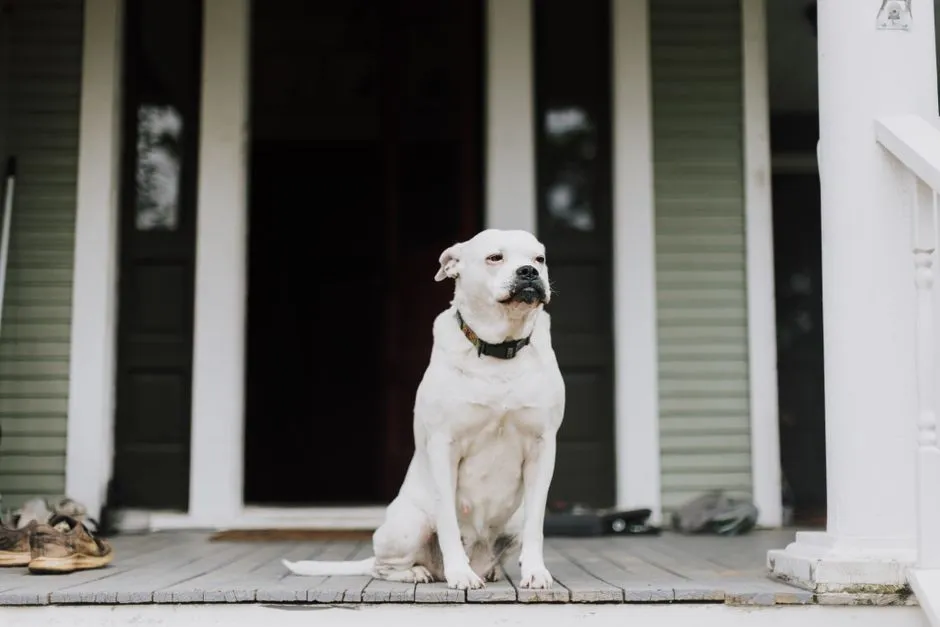
Keys, shoes, and coats are small objects with a very big meaning.
For a rescue who has been left before, these cues can start a stress response before you even reach the door. Pacing, panting, whining, and trembling are common. Some owners read this as “he’s just excited,” and that misread is worth correcting.
Over time, cues lose their power if they stop predicting something upsetting. Short, calm departures that always end in a return can retrain that expectation. Trainers call this desensitization. You can’t talk a rescue out of this. Repetition without drama is what actually moves the needle.
Practical steps many trainers suggest:
- Pick up your keys, then sit back down
- Put on your coat and make tea
- Keep greetings and goodbyes low-key
If your pet’s distress is intense, such as destruction, self-injury, or nonstop howling, that’s separation-related distress. Please bring in a professional.
What happens next is a body-language change you can actually hear in #8…
#8 – They Sigh, Exhale, and Let Their Bodies Go Loose

🔥 Would you like to save this?
We'll email this post to you, so you can come back to it later!
Tension leaves the body before trust shows up in behavior.
A newly adopted rescue often looks “on.” The shoulders are tight and the ears swivel at every sound. The tail sits low or stiff, and the mouth stays closed. Experts call this a state of vigilance, and it’s exhausting to live in.
Later, you may hear a long exhale as your dog flops down beside you. A cat’s body may soften into a loaf shape, eyes half-closed. The humble sigh is one of the more reliable relaxed signals trainers look for in dogs.
Here’s what loosening can look like:
- Soft, half-closed eyes
- A wiggly or loose body
- Mouth slightly open and relaxed
- Ears in a neutral position
Context matters. A sigh can also mean frustration in certain moments, so read the whole animal, not just one signal.
The most common misunderstanding about rescues is waiting for you in #7…
#7 – They Show You Their Real, Slightly Annoying Personality

🔥 Would you like to save this?
We'll email this post to you, so you can come back to it later!
The “perfect” rescue was often just a polite stranger.
Many shelter workers and trainers describe a honeymoon phase, when a new pet is quiet, cautious, and almost suspiciously well-behaved. It’s unclear exactly how long this lasts. The popular 3-3-3 guideline (3 days, 3 weeks, 3 months) is a handy rule of thumb, not a scientific law.
As security grows, quirks appear. Your dog may bark at the mail carrier. Your cat may knock a glass off the counter while maintaining eye contact. Bad behavior can actually be a sign of improving comfort. A pet who feels unsafe often suppresses behavior, while one who feels secure expresses it.
Many owners see this as regression. Many trainers argue it’s closer to a milestone, though new behavior still needs guidance. Rules, routines, and training matter more now, not less.
But nothing prepares owners for the first time a rescue starts a game in #6…
#6 – They Start Playing, and They Start It Themselves
🔥 Would you like to save this?
We'll email this post to you, so you can come back to it later!
Play is a luxury, and rescues usually learn it late.
Play requires an animal to feel safe enough to be silly. Stressed or fearful animals often skip it. It isn’t that they don’t want to play. They simply can’t afford to drop their guard.
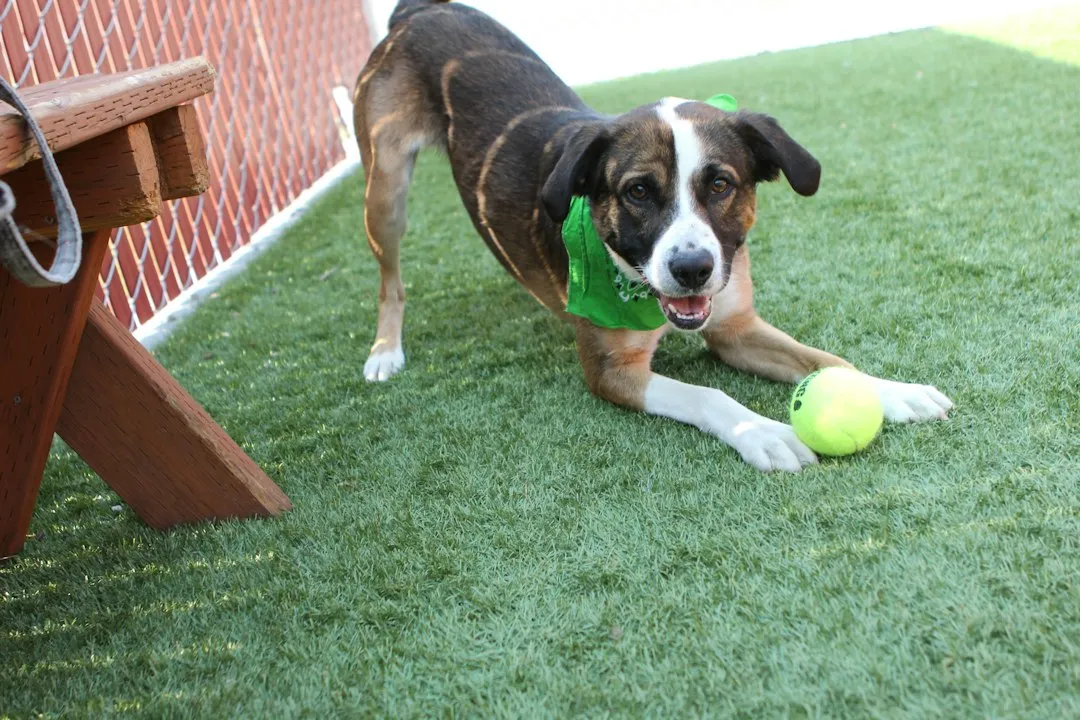
Then one day your dog drops into a bow, front legs down and rear in the air. That’s the classic play bow, and it’s an invitation. Cats may bring you a toy, pounce on a blanket, or tear through the house at 2 a.m. Some formerly shy rescues initiate play before they ever initiate cuddles.
Signs the play switch has flipped:
- Play bows and bouncy, exaggerated movements
- Carrying toys to you
- Loose, looping chases with pauses
Fast Facts
- The play bow is widely read as a dog’s way of saying “what comes next is just a game.”
- Healthy dog play tends to swap roles: the chaser becomes the chased, with breaks in between.
- Cats are naturally most active around dawn and dusk, so sudden sprints are normal, not a warning sign.
- A toy dropped at your feet is often an invitation, not an accident.
Play styles vary a lot. Some adult rescues never become big players, and that’s not a failure. Your goal is a pet who feels safe, not one who performs on cue.
Even braver exploring begins in #5…
#5 – They Stop Hiding and Start Exploring
🔥 Would you like to save this?
We'll email this post to you, so you can come back to it later!
The under-the-bed phase ends one room at a time.
Many rescue cats begin by claiming a single hiding spot. Many dogs stick to one corner. It’s a coping strategy, and a sensible one, because a safe spot gives an animal somewhere to retreat to.
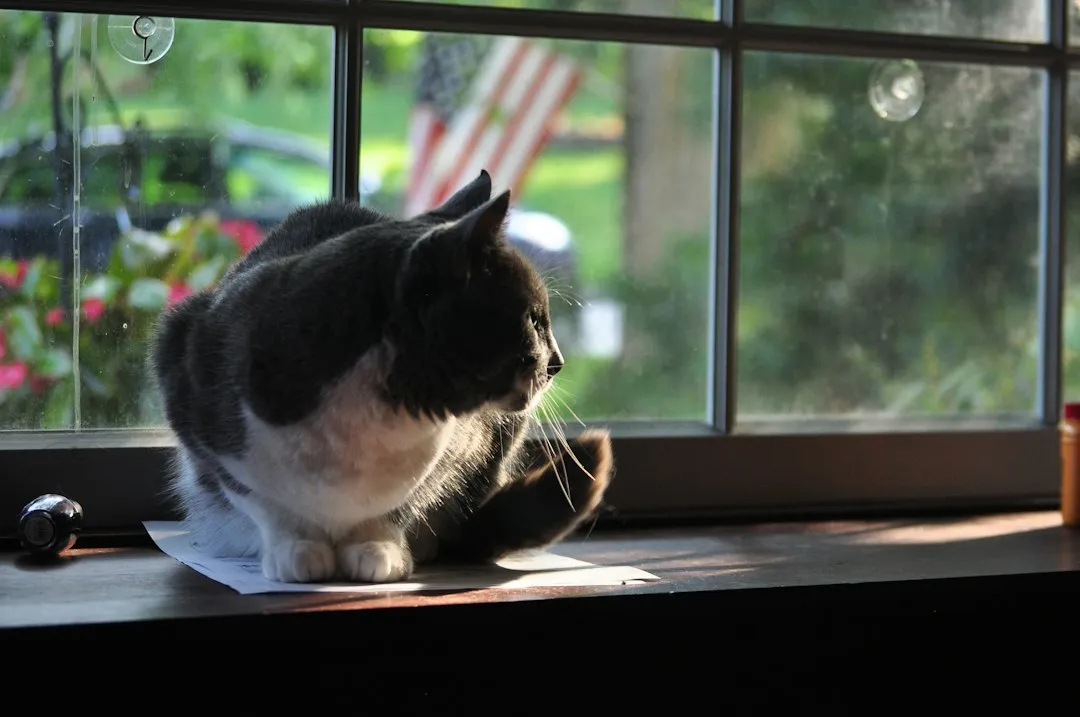
As the house becomes familiar, the territory widens. A cat takes over the windowsill. A dog investigates the garden without checking over its shoulder. Many animal welfare groups advise leaving hiding spots in place well after pets start coming out.
Take away their retreat too early and you can undo progress. Let the animal set the pace.
And what happens when your rescue finally looks you in the eye comes in #4…
#4 – They Look at You, and Not Past You

🔥 Would you like to save this?
We'll email this post to you, so you can come back to it later!
Eye contact is one of the clearest trust signals, with one important caveat.
Early on, many fearful dogs avoid direct eye contact. In dog language, staring can feel confrontational. Cats are similar, and a fixed stare from a stranger can read as a threat.
Later, soft, relaxed gazes appear. A 2015 study published in Science found that mutual gazing between dogs and owners was linked to increased oxytocin in both. That suggests eye contact between you and your dog may be a two-way bonding loop.
For cats, a 2020 study from the University of Sussex and the University of Portsmouth found that slow blinking can be a positive signal. Cat owners can try slow-blinking back, which is a harmless experiment.
Don’t force eye contact with a nervous rescue. Let it come on their terms.
The next change surprises people who adopted a “standoffish” rescue, in #3…
#3 – They Start Asking for Touch on Their Own Terms
🔥 Would you like to save this?
We'll email this post to you, so you can come back to it later!
Affection that’s chosen means more than affection that’s tolerated.
Many rescues tolerate petting early on. They freeze, lean away, or accept it with a stiff body. Experts say tolerating contact isn’t the same as wanting it.
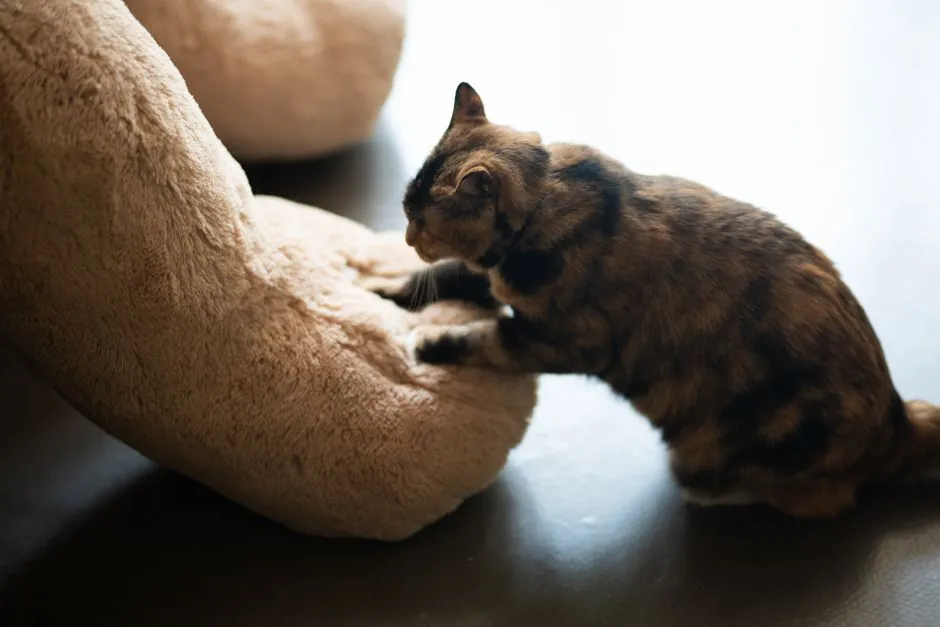
When trust builds, the pet starts initiating. Your dog leans against your legs. Your cat rubs its cheek on your hand, or kneads a blanket beside you. Cats often knead as a comfort behavior, and some begin only after months of settling in.
Signs of a true “yes, more”:
- Nudging your hand after you stop
- Leaning in rather than away
- Staying put when you reach out
Honor the “no” too. A pet who can say no safely is more likely to say yes later. Many people think more petting speeds up bonding, while many experts argue patience pays off more than constant contact.
Why It Stands Out
- It’s a choice, so the animal is the one in control of the contact.
- It’s hard to coax out of a pet who doesn’t yet feel safe.
- Pausing mid-pet gives you a simple check: do they ask for more, or walk away?
- It often arrives after quieter milestones, like looser posture and deeper sleep.
Their routine is about to take over the house, in #2…
#2 – They Run the Schedule, and They Remind You of It
🔥 Would you like to save this?
We'll email this post to you, so you can come back to it later!
A pet who demands breakfast is a pet who believes in the future.
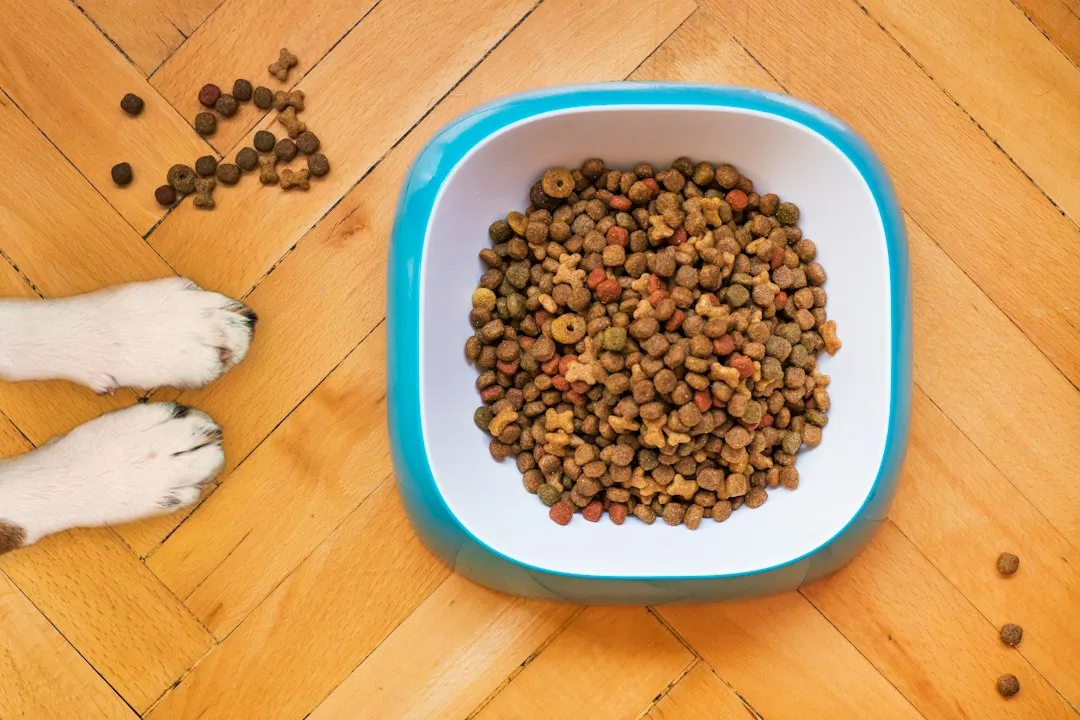
When days follow a pattern, animals start expecting events. The dog waits by the door at the usual walk time. The cat yowls at the bowl five minutes early. For an animal who once lived with uncertainty, that expectation is a milestone.
Demanding behavior is often a sign of confidence. An animal who expects good things to happen is behaving very differently from one who expects nothing.
Routine isn’t boring to them. It’s a source of safety. Predictable meals, walks, and quiet time help lower stress for many animals.
But the biggest shift of all is what happens when you walk out the door in #1…
#1 – They Let You Leave, and They Trust You’ll Come Back
🔥 Would you like to save this?
We'll email this post to you, so you can come back to it later!
This is the change the suitcase was really about.
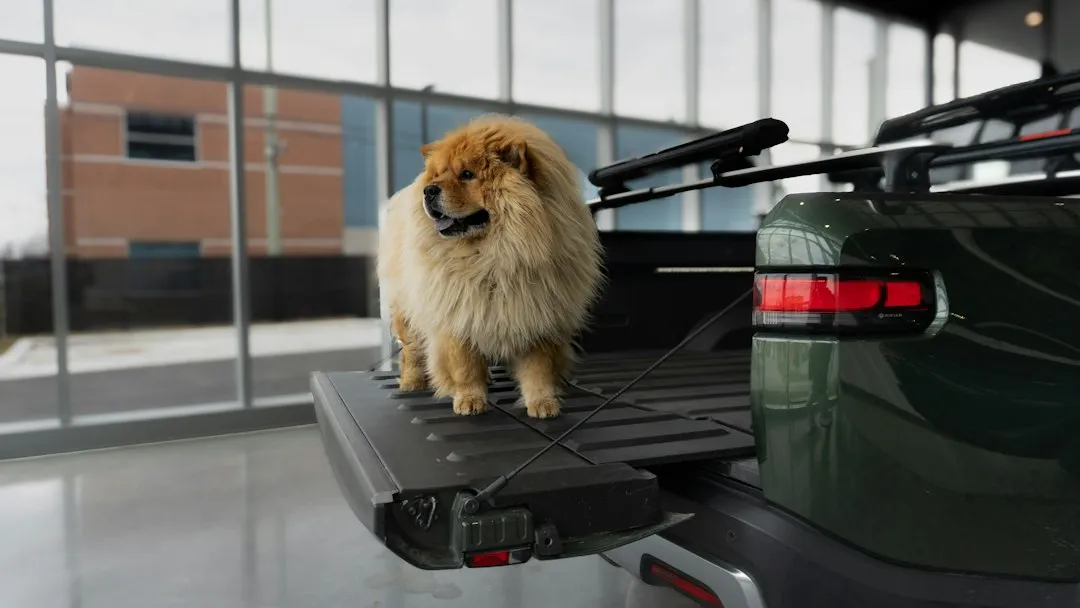
Every other sign leads here. A rescue who was once left behind now watches you go and settles. They may sigh, find a toy, or nap on the sofa. When you return, the greeting is happy but not frantic.
That isn’t indifference. It’s confidence in a pattern: you leave, you return. Secure attachment, as researchers describe it, means an animal can use its person as a safe base to explore from and return to.
Behavior scientists have studied this pattern in both dogs and cats. Not every animal gets there on the same timeline, and some need professional support or medication guided by a vet.
Don’t treat it as a pass-fail test. Progress is rarely a straight line, and one bad week doesn’t erase months of trust.
Rescues don’t heal on a deadline, and the suitcase detail makes the point. They don’t need grand gestures. They need a home where the old warning signals stop being threats, and boring consistency does most of that work.
Our opinion: the 3-3-3 rule is useful but oversold, and “perfect from day one” is a red flag, not a prize. A pet who eventually becomes messy, loud, and demanding is usually one who feels safe.
If your rescue still struggles with departures, that’s not a failure on your part. It’s a reason to bring in a vet or qualified behaviorist.
What was the first sign that your rescue finally believed they were staying?

- 7 Everyday Habits That Can Make Your Senior Dog Happier - November 5, 2026
- 10 Enigmatic Structures That Continue to Puzzle Scientists Today - November 5, 2026
- 10 Strange Ruins in the Americas That Challenge What We Know About Early History - November 5, 2026