
Picture it: you turn 65, walk into a national wildlife refuge, and a ranger waves you toward a free tram ride, a free pair of binoculars and the best seat in the blind. It’s a lovely picture. It’s also a myth. No refuge runs a blanket “free over 65” program, and the federal senior discount starts at 62.
The real picture is more useful than the fantasy. Plenty of what refuges offer costs nothing, and some of it is free only if you know to ask. A few perks are free to everyone, one costs $20, and one could change how you spend your retirement. Here’s what the fee schedules and refuge staff actually say, starting with the age mix-up that trips up almost everyone.
#13 – The Age Everyone Gets Wrong

🔥 Would you like to save this?
We'll email this post to you, so you can come back to it later!
The “over 65” perk doesn’t exist, and the real threshold arrives three years earlier.
The Annual and Lifetime Senior Passes are for U.S. citizens and permanent residents age 62 or over. Nobody has to wait until 65, and anyone who does may spend three years paying full price at fee sites for no reason.
It isn’t free, either. The Senior Lifetime Pass is $80 and the Senior Annual Pass is $20. Show proof of age and the pass is yours.
You can’t buy the Senior Pass the day before your 62nd birthday. Before then, the only option is the standard $80 annual pass, with no camping discount and no lifetime duration.
So the headline promise needs a correction. What follows are things that cost nothing, things that cost very little, and things staff will arrange if you simply ask.
- Free to everyone: many trails, drives, and viewing areas
- Cheap for seniors: the pass
- Free if you ask: accommodations and planning help
But the next fact might make you question whether you need a pass at all…
#12 – The Gate Fee Most Refuges Never Charge
🔥 Would you like to save this?
We'll email this post to you, so you can come back to it later!
Before you pay anything, check whether your refuge charges at the gate at all.
Only a small slice of the National Wildlife Refuge System’s hundreds of refuges charge an entrance fee. Most visitors walk or drive in without opening a wallet, which surprises people used to paying at national park entrances.
Where fees exist, they’re often modest. Back Bay National Wildlife Refuge in Virginia offers a $5 vehicle entrance fee and a $20 refuge annual pass. Ridgefield in Washington charges $3 per day or $15 for an annual pass.
Here’s the part most people miss. At refuges with no gate fee, a pass buys you nothing for entry. Some travelers buy one first and discover later that there was never a booth to show it to.
A local pass is built for one refuge, while the Senior Pass travels with you to fee sites across the country. Which one wins depends on how far you roam.
Quick Compare
- Back Bay (Virginia): $5 per vehicle, or $20 for an annual refuge pass
- Ridgefield (Washington): $3 per day, or $15 for an annual pass
- Senior Lifetime Pass: $80 once, good at fee sites nationwide
- Most other refuges: no gate fee to pay
Our take: many seasoned visitors would call buying an $80 pass before checking your local refuge’s fee page a rookie mistake. A two-minute look at the refuge website comes first.
Not every refuge works that way, though, and the price math gets interesting at the ones that do…
#11 – The $80 Lifetime Pass Math
🔥 Would you like to save this?
We'll email this post to you, so you can come back to it later!
The standard pass now costs as much as the senior pass that lasts for life.
The standard America the Beautiful pass rose to $80 in January 2026. Seniors get a pass valid for life at the price everyone else pays for one year, because senior pricing stayed put.
People 62 and older sometimes buy the standard annual pass by mistake because it’s listed first. It costs the same as the senior lifetime pass but runs out after a year, so ask for the senior lifetime pass by name and bring ID.
Passes also cover your passengers. A pass covers the owner and all occupants of a personal vehicle at sites that charge per vehicle. At per-person sites, it covers the owner and up to three additional adults, so a couple’s road trip with friends can run on one card.
- Lifetime: $80, once
- Annual senior: $20 a year
- Standard annual: $80 a year, for anyone
There’s an older trick that has nothing to do with age, though…
#10 – The Duck Stamp Loophole
🔥 Would you like to save this?
We'll email this post to you, so you can come back to it later!
A stamp meant for waterfowl hunters can also get you through a refuge gate.
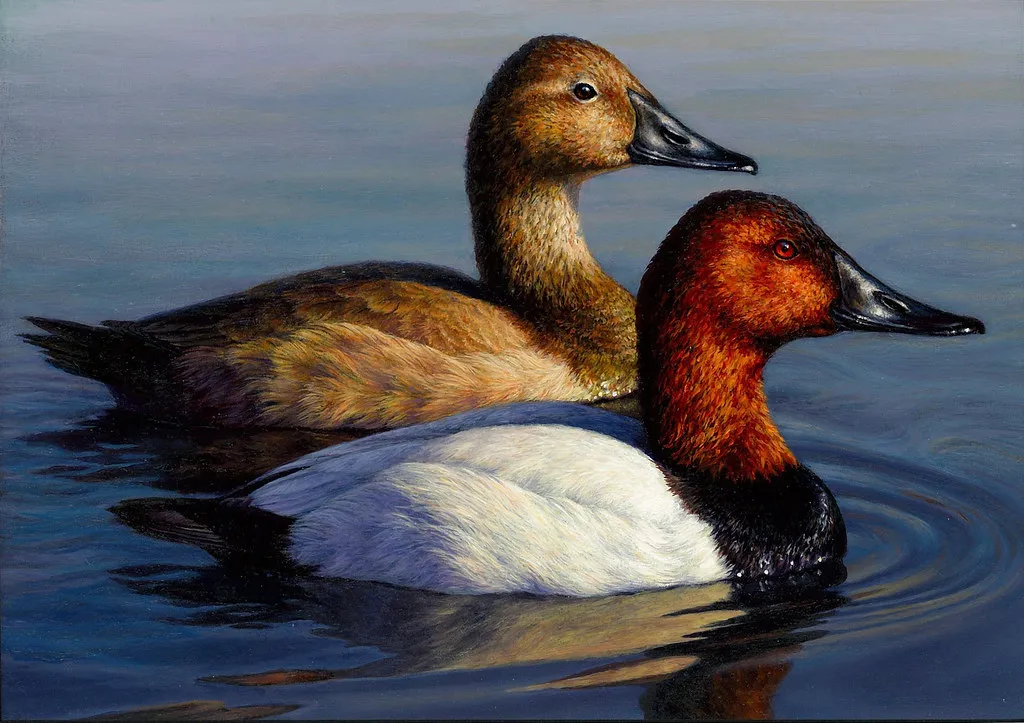
A current Federal Duck Stamp provides free admission to national wildlife refuges that charge an entry fee. Birders and collectors buy it too, not just hunters, and each year’s stamp is a small piece of wildlife art.
The details vary by site. At Parker River, entry is free for holders of a Federal Duck Stamp or any of four Interior passes: America the Beautiful, Senior, Military and Access.
Entry at a federally managed refuge can be covered by a stamp that mainly exists to fund conservation.
Fast Facts
- Each year’s stamp runs from July 1 through June 30
- The program dates back to 1934
- Proceeds support wetland habitat protection
- It covers entry only at refuges that charge a fee
Some birders argue the stamp is the more meaningful way to support refuges, since the money goes straight into habitat. Others say the Senior Pass is simply cheaper per visit. Both camps have a point, and your travel pattern decides who’s right.
Whichever you choose, one more calendar quirk can shave off a fee…
#9 – The Fee-Free Days Nobody Plans Around
🔥 Would you like to save this?
We'll email this post to you, so you can come back to it later!
Once in a while, even fee refuges open their gates to everyone.
National wildlife refuges and other Fish and Wildlife Service lands that normally charge an entrance fee offer free admission on designated days in 2026. Constitution Day, September 17, was one of them.
These days work independently of age. Who qualifies for free entry on them changed starting in 2026, so check the current list before you go.
With so few fee sites, free days matter far less at refuges than at national parks. And if you hold a senior pass, you don’t need the free day anyway.
The practical takeaway: don’t build a trip around a fee-free date. Use it as a bonus if it happens to line up with your plans, and expect those days to draw bigger crowds than a quiet Tuesday would.
Fees are only half the story, because the next item is about getting around the refuge…
#8 – Accessibility Help You Only Get by Asking
🔥 Would you like to save this?
We'll email this post to you, so you can come back to it later!
Some of the most useful help at a refuge never appears on a sign.
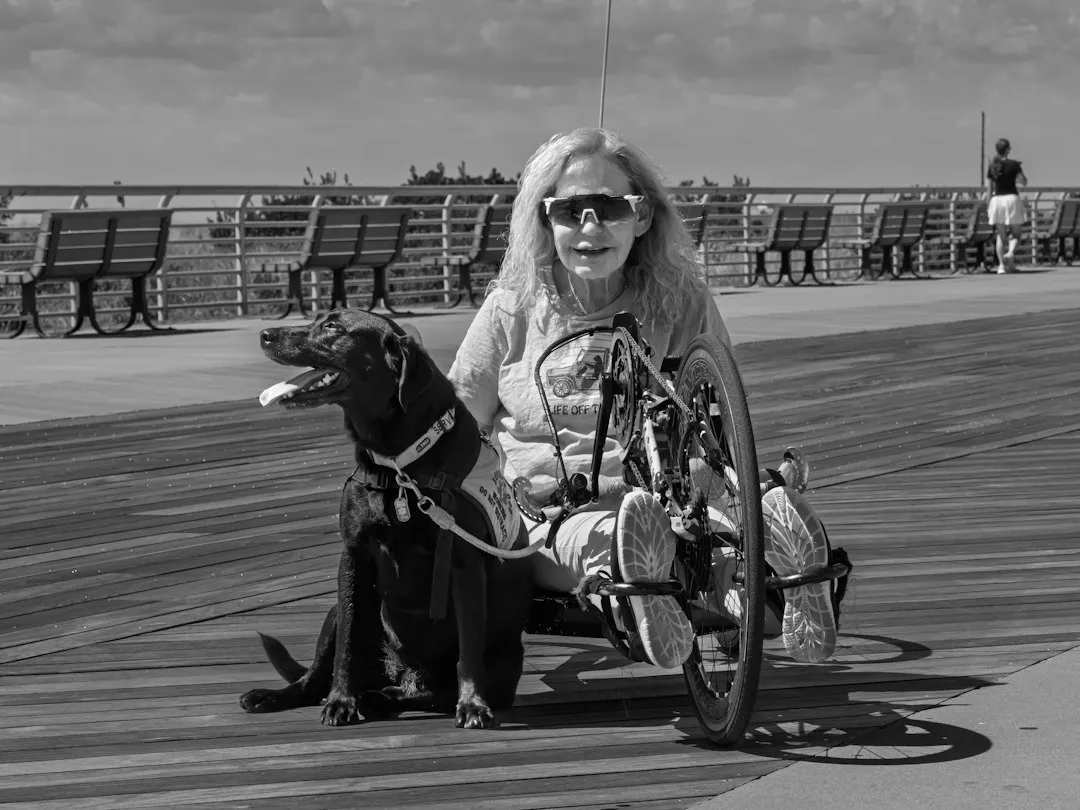
Parker River’s hiking page says accessibility is a top priority and asks visitors who need an accommodation to contact refuge headquarters. That phone call is the “arrangement.”
At that refuge, a non-motorized beach wheelchair with large, wide wheels that roll across sand is available upon request. Staff can even open a gate to an alternative sand path through the dunes if you ask. Wheelchair users are asked to contact refuge staff to have that gate opened.
Picture a beach you assumed was off-limits, suddenly reachable. That’s the kind of quiet fix a single call can unlock.
Not every refuge offers the same equipment, so treat Parker River as an example. Surfaces, parking, and gear all differ by site.
- Ask what the trail surface is made of
- Ask where accessible parking sits
- Ask whether any mobility gear is available
The Access Pass is free for people with a permanent disability.
Staff may also hand you something else to make the visit easier…
#7 – Borrowed Binoculars and Gear

🔥 Would you like to save this?
We'll email this post to you, so you can come back to it later!
Skip the expensive purchase until you’ve tried the loaner shelf.
Ottawa National Wildlife Refuge’s visitor center lets visitors borrow gear such as binoculars, fishing poles, field guides and wheelchairs. That’s a serious head start for a first-timer.
Policies vary. At Nisqually, you can bring binoculars or rent them at the visitor center, so “borrow” at one refuge may be “rent” at another.
Binoculars are one of the few items staff will often put in your hands before you spend a cent. Turnbull’s guidance lists binoculars, a camera, field guides, water and lunch as the basics.
Our take: buying premium optics before you know your preferences is the most common mistake new birders make. Handle a few loaner pairs first and test them on a few things:
- Weight: can you hold them steady after ten minutes?
- Focus: does the wheel turn easily, even in cool weather?
- Comfort: do they work well if you wear glasses?
Gear helps, but footing matters more, and the next item shows why…
#6 – Boardwalks Built for Slower Walkers
🔥 Would you like to save this?
We'll email this post to you, so you can come back to it later!
The flattest trails are often the best wildlife spots, and they’re open to everyone.
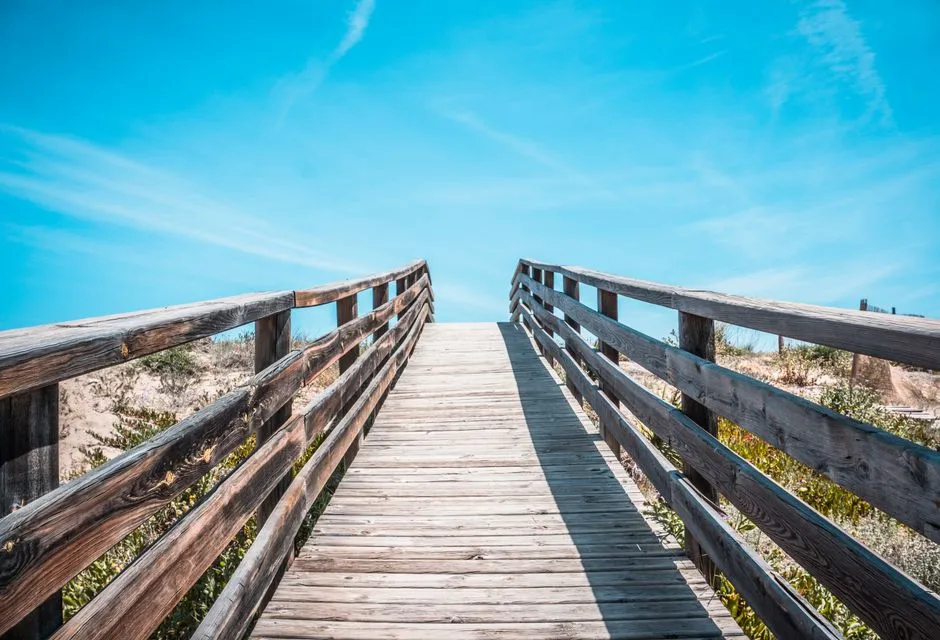
Turnbull has over 10 miles of hiking trails, including three accessible trails, and Blackhorse Lake has an accessible boardwalk. Nisqually’s Twin Barns Loop is a one-mile level boardwalk that starts and ends at the visitor center.
The Estuary Boardwalk at Nisqually runs a full mile over the delta. At high tide the boardwalk crosses open water, and at low tide it crosses mudflats where shorebirds hunt. The same route looks like two different places depending on the tide chart.
Other refuges have invested too. Wallkill River recently resurfaced more than two miles of trail at Owens Station Crossing.
Worth Knowing
- Turnbull: over 10 miles of trails, three of them accessible
- Nisqually Twin Barns Loop: one level mile, starting and ending at the visitor center
- Nisqually Estuary Boardwalk: one mile over the delta, with tide-dependent views
- Wallkill River: more than two miles resurfaced at Owens Station Crossing
Many of these refuges list their accessible trails on their own websites. Check surface type and distance before you commit.
If walking isn’t on today’s agenda, there’s an option that skips it entirely…
#5 – Wildlife Drives You Can Do Without Leaving the Car
🔥 Would you like to save this?
We'll email this post to you, so you can come back to it later!
Your car is a moving viewing platform, and refuge staff say so.
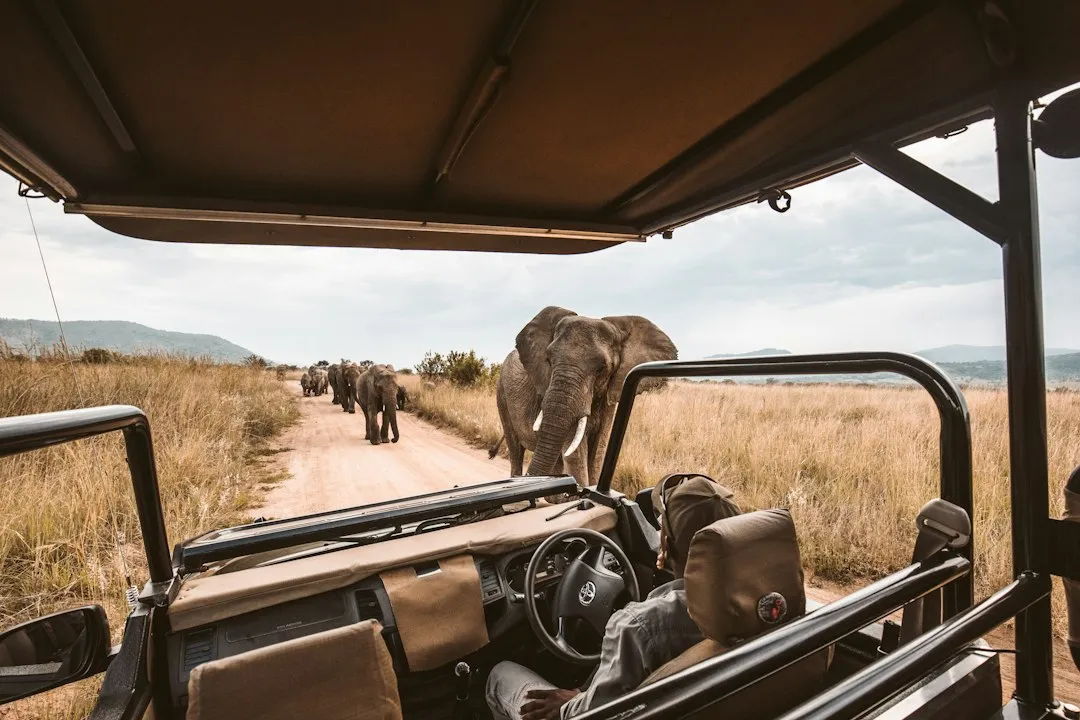
Great Swamp’s two-mile tour route is open seven days a week and passes marshes, grasslands and ponds. Turnbull’s own advice is to use your car as a blind for wildlife viewing and photography.
Wildlife often tolerates vehicles better than people on foot. At Ridgefield, from October through April, walkers are barred from the auto tour route to protect wintering waterfowl. Visitors are asked to stay in their cars except at the information booth and restrooms.
Some hardcore hikers look down on drive-through viewing. We’d argue it’s one of the most efficient ways to see birds without disturbing them.
Fees can apply, though. At Edwin B. Forsythe, an entrance fee applies on the Wildlife Drive, but Senior Pass holders skip it.
- Roll the windows down and move slowly
- Cut the engine when you stop to watch
- Pull over fully so other cars can pass
Once you’re out of the car, there’s a better place to sit…
#4 – Blinds and Observation Decks
🔥 Would you like to save this?
We'll email this post to you, so you can come back to it later!
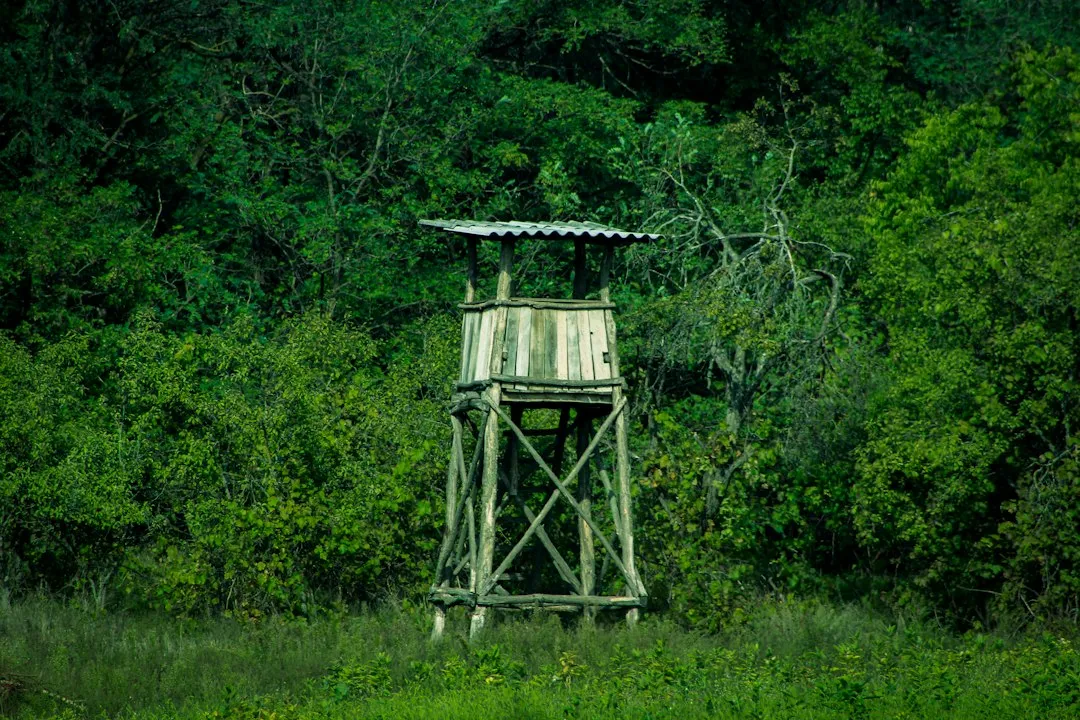
The best seat in the refuge is often a wooden box with a slot cut in it.
At Edwin B. Forsythe, a one-mile self-guided trail leads through pine barrens to observation decks and a wildlife blind. Parker River also has a three-walled blind.
Turnbull notes that observation blinds may be available to allow a close-up view of wildlife with minimal disturbance. Nisqually’s trail features an observation tower, an enclosed viewing platform, push-outs for lingering with binoculars and covered viewing platforms.
Some viewing areas have lower railings and mesh coverings so wheelchair users and children get an unobstructed view. The design is deliberate.
Availability varies by refuge and season. Confirm that a blind is open before you plan the day around it.
Some refuges go further and put a guide in the seat next to you…
#3 – Guided Tours, Some Free, Some Not

🔥 Would you like to save this?
We'll email this post to you, so you can come back to it later!
Not every tour is free, and the headline’s promise breaks down right here.
During a past Biggest Week in American Birding, Ottawa’s free refuge tram tours ran daily from May 9 to 18, with 90-minute tours and lots of stops for birding. The tours are weather dependent and seating is limited.
Other refuges charge. Alligator River’s guided tram tour requires reservations and costs $10 for everyone 13 and above. Someone else handles the driving, and seating is limited to about 25 people.
At a Glance
- Ottawa: free tram tours, 90 minutes each, weather dependent
- Alligator River: $10 for ages 13 and up, reservations required
- Seating: limited at both, about 25 spots at Alligator River
Even at a refuge with a paid tour, the guide’s eyes may be worth more than the ticket price. Plenty of birders argue a $10 guided ride beats a free solo drive because someone else is spotting for you.
Always check dates. Festival tours are seasonal, and programs change from year to year. Before you book, it helps to ask:
- Is there a fee, and who has to pay it?
- Do I need a reservation?
- What happens if the weather turns?
Calling ahead pays off in a different way too…
#2 – Planning Help That Costs Nothing
🔥 Would you like to save this?
We'll email this post to you, so you can come back to it later!
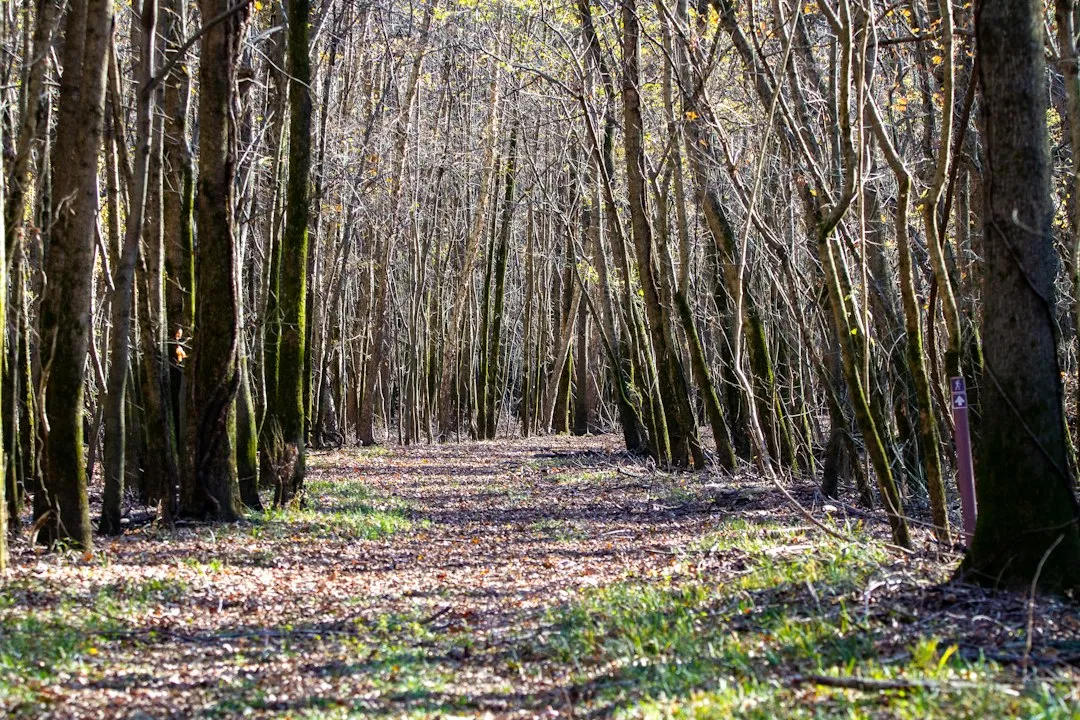
The most underused perk at any refuge is the phone number on its website.
Seasonal rules change what you can do. Most of Parker River’s beach is closed to public use from April 1 into August to protect piping plovers, a threatened shorebird that nests on open sand. Ridgefield’s trails close October through April and typically reopen around May 1, subject to change.
Parker River lets visitors walk in even when the refuge is closed to cars for capacity. Visitors are allowed to walk onto the refuge when it is otherwise closed for vehicle capacity, so a full parking lot isn’t always the end of your day.
Staff can also help organize group visits. Turnbull asks visitors to contact the refuge to schedule a program, tour or field trip.
- Ask which trails are open this week
- Ask about closures and capacity
- Ask when wildlife is most active
But the last item is the one that turns visitors into insiders…
#1 – The Volunteer Pass (and Why It Beats Every Discount)

🔥 Would you like to save this?
We'll email this post to you, so you can come back to it later!
The best freebie at a refuge isn’t a discount. It’s a role.
Volunteers keep many refuge programs running. At Alligator River, volunteers drive the van tours and stop whenever they see wildlife or sights of interest.
The reward can be a pass. Among the strongest picks for older Americans, one guide lists the $80 lifetime Senior Pass, the free Access Pass, the free Military Lifetime Pass and the Volunteer Pass. The hours required vary, so ask the visitor center’s volunteer coordinator for the current rules.
At least 80% of recreation fees collected at refuges stay at the location where they were collected. That money funds visitor programs, facility upgrades and better wildlife viewing. Volunteers help turn those fees into actual experiences.
A veteran over 62 can qualify for both the Military Lifetime Pass and the Senior Pass. Stacking eligibility is worth checking for.
Giving your time costs nothing, but it might be worth more than anything else on this list.
No wildlife refuge hands out a free “over 65” package, and anyone who tells you otherwise is selling a myth. The real deal is quieter and better. Most refuges charge no gate fee at all, and the $80 Senior Lifetime Pass costs the same as one year of the standard pass. The loaner binoculars, accessible boardwalks, and staff phone calls cost nothing.
Our opinion: skip the pass until you’ve checked your local refuge’s fee page, then buy the lifetime version without hesitation if you’ll visit fee sites. The discount is nice. The people who answer the phone and know which pond the owls favor this week are worth more.
And if you want the best return, volunteer. Would you rather pay $80 once or earn your pass with your time?

- Beyond the Bark: Decoding Your Dog’s 12 Most Common Vocalizations - November 5, 2026
- 12 Surprising Facts About North American Mountain Lions You Never Knew - November 5, 2026
- Wild Salmon Populations Are Rebounding in the Pacific Northwest, A Sign of Healthier Rivers - November 5, 2026