
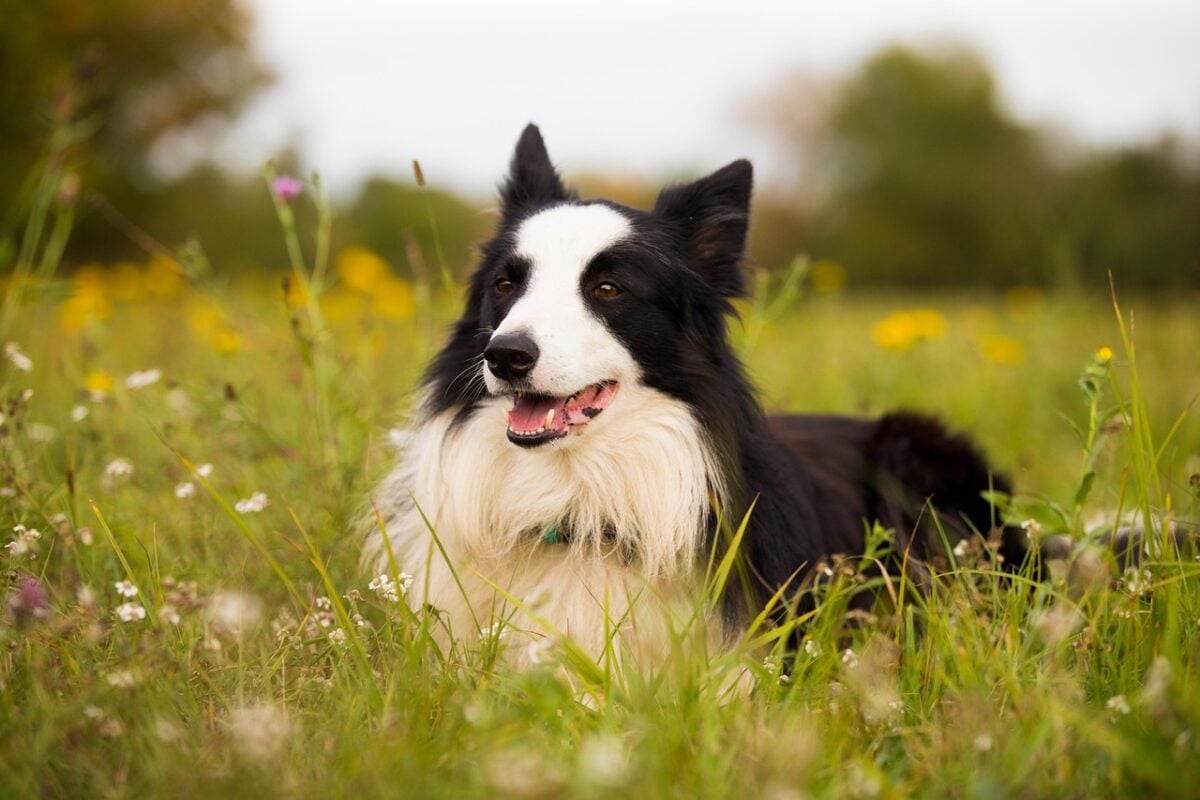
Border Collies top the dog intelligence rankings. They also turn up in rescue kennels again and again. Most people see a brilliant, trainable dog and assume that adds up to an easy one, which is exactly where the trouble starts. Owners, researchers and working shepherds tell a very different story, and this countdown pulls together what they say.
Owners know the version the brochure leaves out. It’s the dog that tracks your every move, learns your routines faster than you do and, when bored, quietly starts running the household. Some of what follows is funny. Some of it is a little uncomfortable. And the last point explains why the whole breed behaves the way it does.
#13 – They Don’t All Look Like the Dog You’re Picturing
🔥 Would you like to save this?
We'll email this post to you, so you can come back to it later!
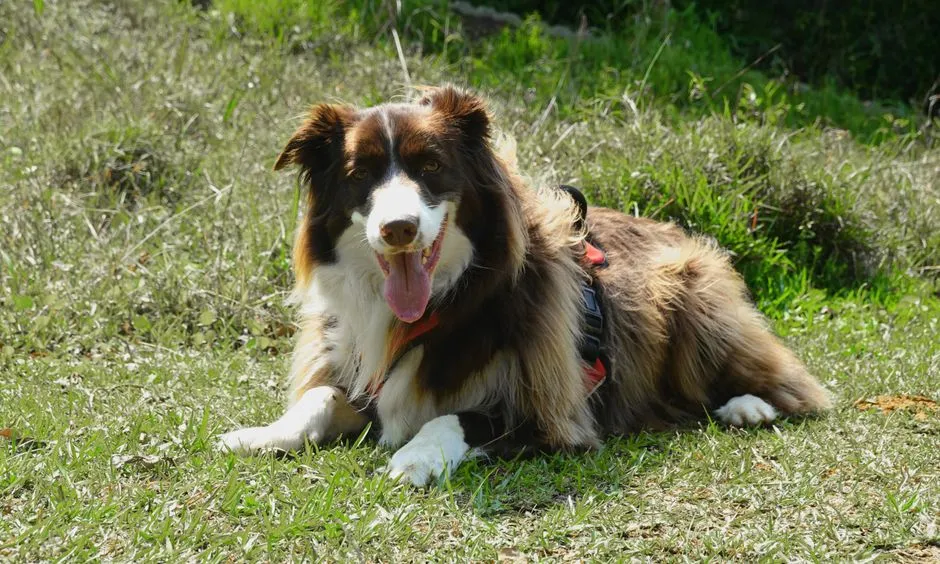
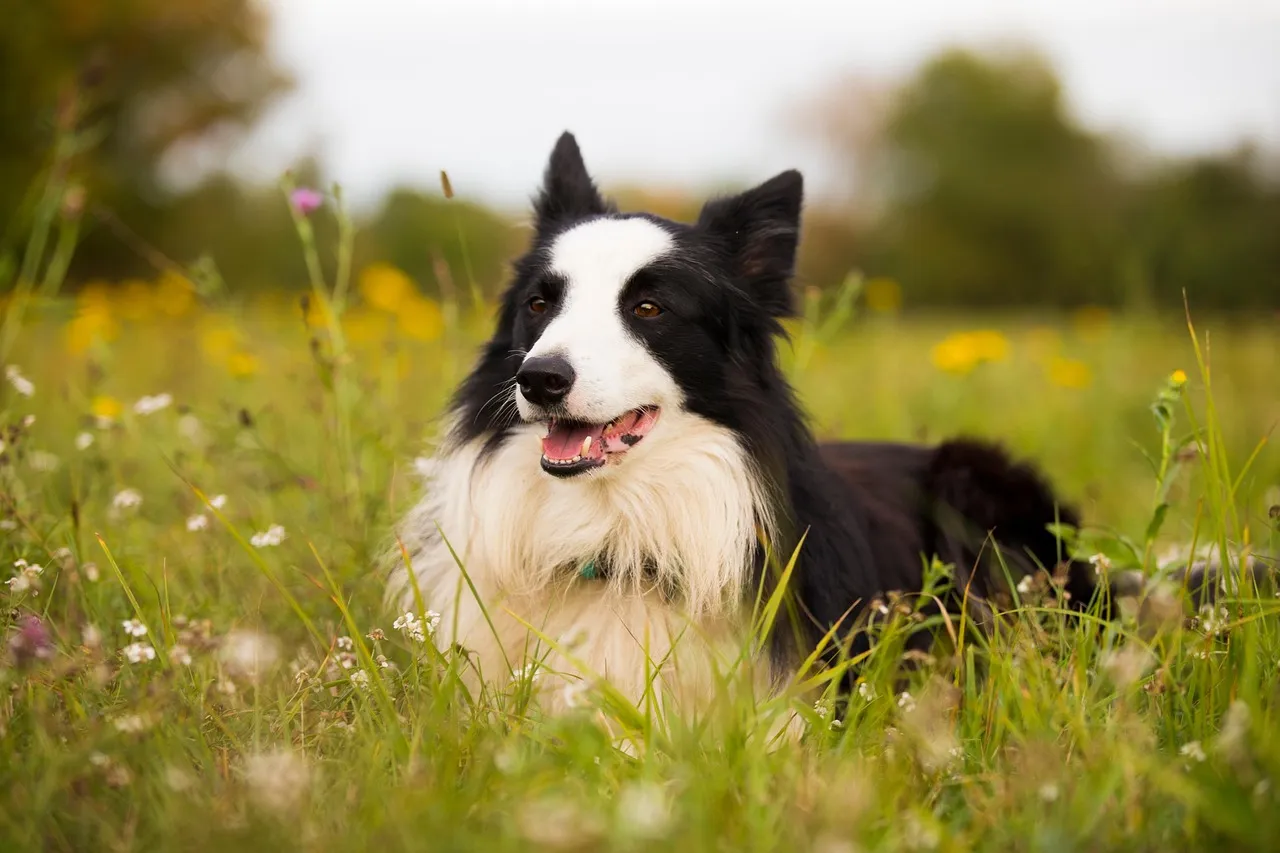
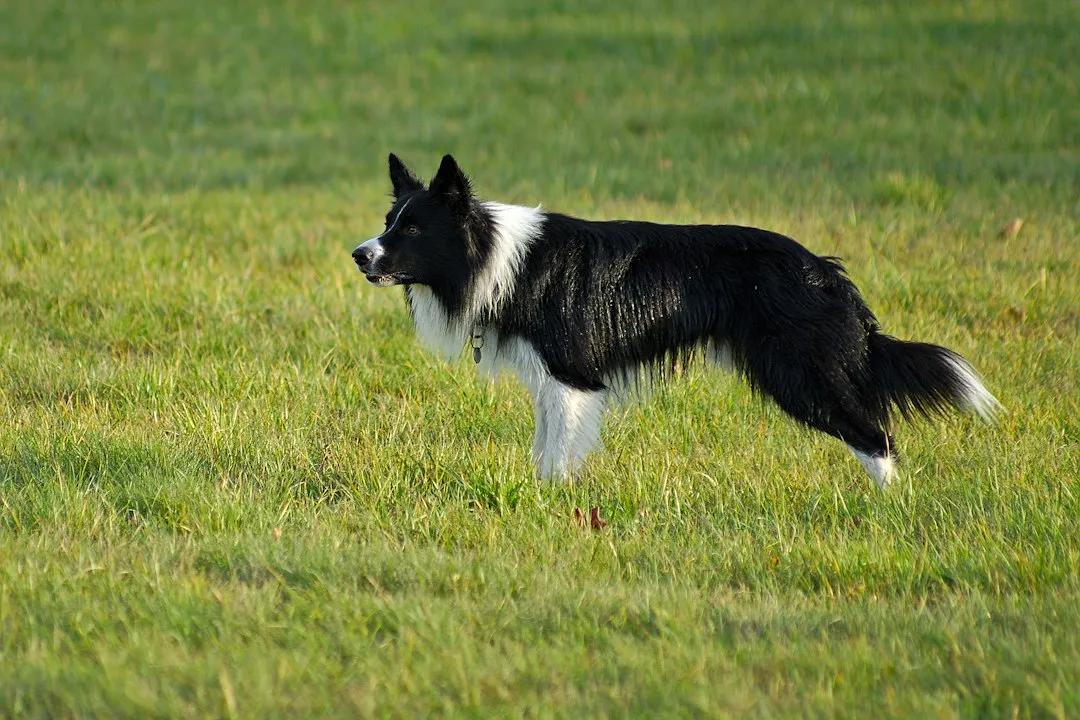
Quick: picture a Border Collie. Black and white, fluffy, ears half-flopped, maybe a white blaze down the face. That’s one version of the breed, and it’s far from the only one.
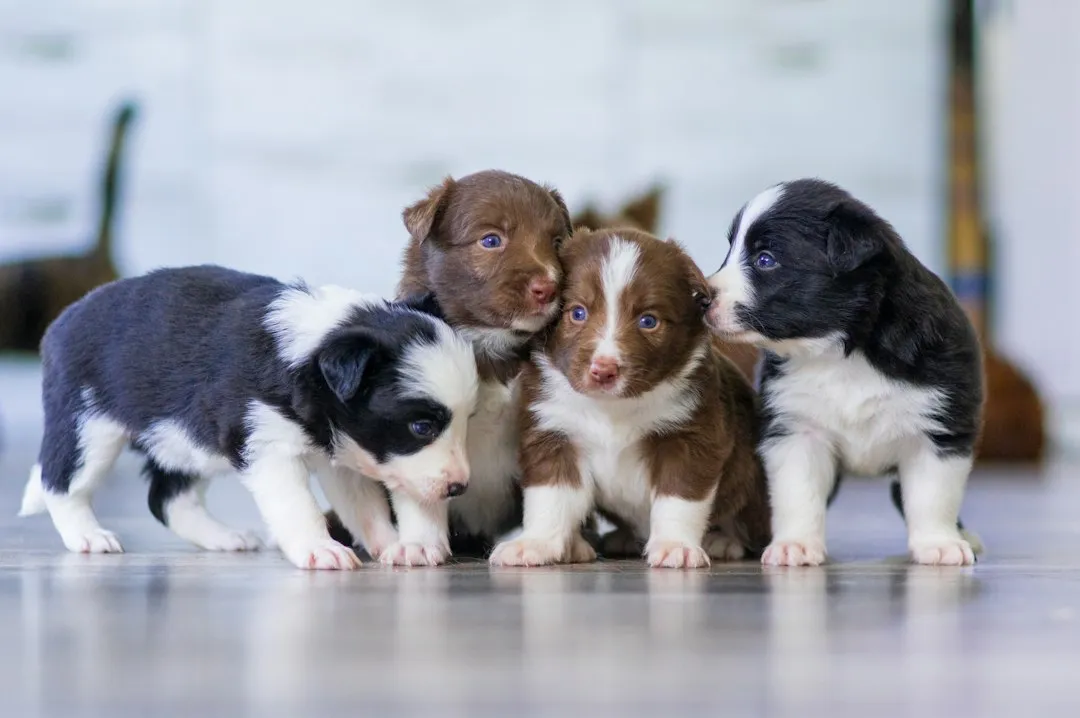
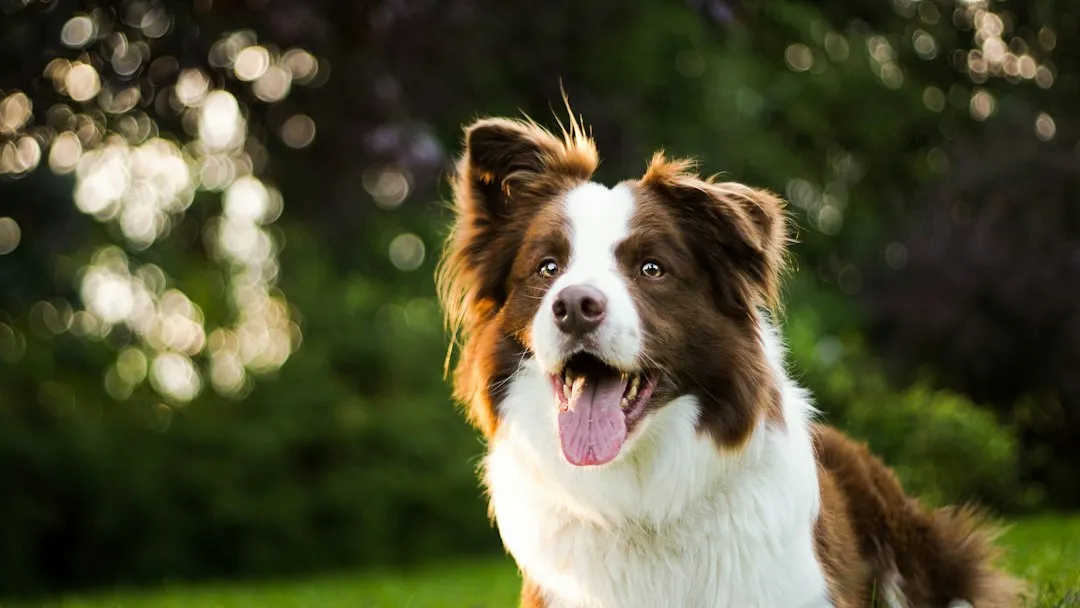
Border Collies come in black and white, red and white, tricolor, blue merle, sable and more. Coats run from sleek and smooth to feathered and rough. Eyes can be brown, amber or blue, and some dogs have one of each.
The variety isn’t an accident. A shepherd cared about how a dog moved sheep, not whether its markings matched a standard. Looks were an afterthought, so the breed never settled into one uniform picture.
Common variations include:
- Coat: smooth or rough, short or medium length
- Color: solid-leaning, bicolor, tricolor, merle
- Ears: upright, semi-erect or folded, sometimes changing as a puppy grows
Color also tells you very little about temperament. Drive and energy come from breeding lines, not markings. One caution: responsible breeders avoid pairing two merle dogs, because double-merle puppies can be born with serious hearing or vision problems.
That registry date points to where the real story begins: one famous dog on a Northumberland hillside, and that’s #12.
#12 – Their Looks Were Never the Point
🔥 Would you like to save this?
We'll email this post to you, so you can come back to it later!
This breed wasn’t shaped by dog shows. It was shaped by sheep, weather and shepherds who couldn’t afford a dog that needed constant instruction.
Border Collies developed in the hills along the border between England and Scotland. Shepherds there needed dogs that could gather stock across rough ground and make smart decisions when the handler was far away. The name itself only became common in the early twentieth century.
One dog towers over the breed’s history. Old Hemp, born in Northumberland in 1893, is widely regarded as the foundation sire of the modern working Border Collie. He was known for a calm, quiet style with sheep, and many shepherds wanted his pups.
Fast Facts
- Home turf: the hill country along the England-Scotland border
- Foundation sire: Old Hemp, born in 1893
- First recorded sheepdog trial: 1873 in Bala, Wales
- Selected for: focus, stamina and independent problem-solving
That history explains the modern dog. Selection favored focus, stamina, problem-solving and a strong urge to work with a handler. Calm couch companionship was never on the list.
It also explains why so many owners feel their dog has “a job description.” That isn’t a personality quirk. It’s an inheritance built over generations.
Sheepdog trials, which began in the nineteenth century, locked it in. Handlers competed on precision, control and cooperation, and those results shaped breeding decisions for decades.
And the trait everyone notices first, the one that makes strangers uneasy? That’s #11.
#11 – The Stare Isn’t a Stare Down
🔥 Would you like to save this?
We'll email this post to you, so you can come back to it later!
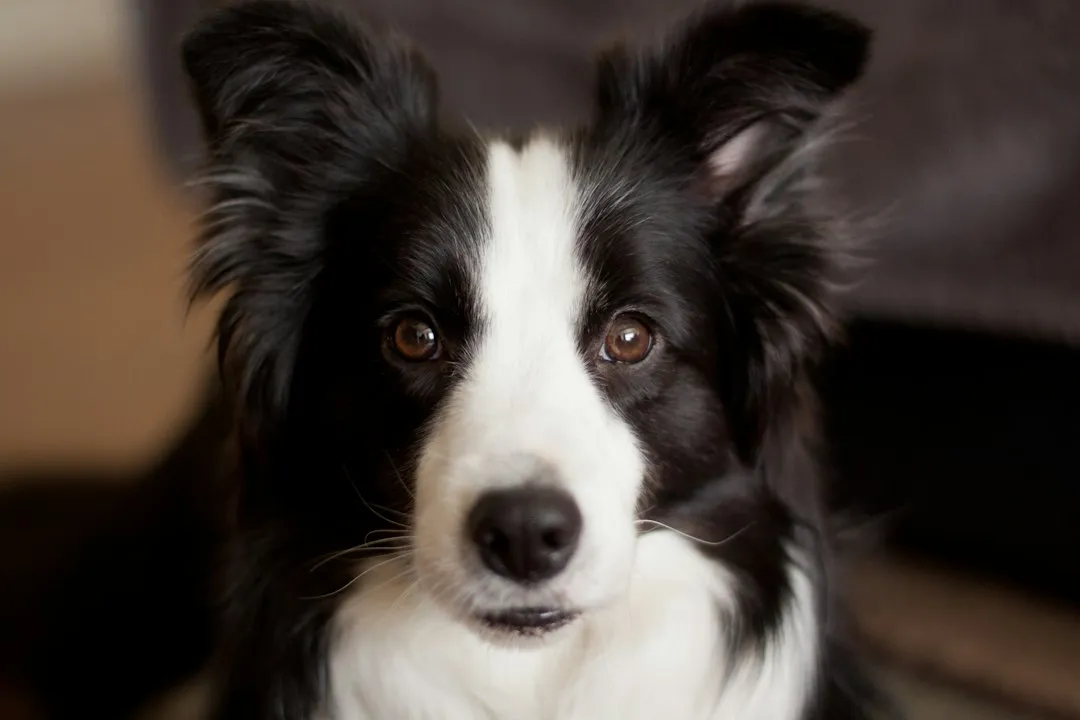
That intense, unblinking gaze looks like a challenge. It’s actually a working tool.
Herders call it “the eye.” A dog with a strong eye fixes on stock and uses that pressure to move it without touching it. A dog with a looser eye is more upright and less intense.
Behaviorists often describe herding as a modified predatory sequence. A wild canid orients, stares, stalks, chases, grabs and bites. Selective breeding kept the early steps and muted the final ones.
That’s why your Border Collie may freeze and fix on a squirrel, a cyclist or a toddler. The stare feels uncomfortable to strangers. To the dog, it’s simply what the job looks like.
Owners learn to read the sequence. The best time to interrupt is early, when the dog orients or locks on. Once the chase has started, it’s far harder to call the dog off.
Unfortunately, that same instinct doesn’t stay in the pasture. It follows the dog right into your hallway, and that’s #10.
#10 – Nipping Isn’t Aggression
🔥 Would you like to save this?
We'll email this post to you, so you can come back to it later!
A Border Collie nipping at your ankles looks like an attack. Most of the time, it’s a dog trying to do the job it was built for.
Movement is the trigger. Running children, bikes, joggers and even a vacuum cleaner can set off herding behavior. The dog is trying to gather and control whatever is moving.
Experts describe this as a training problem, not a temper problem. Punishing the dog can make the behavior worse, because it adds stress to an already high-arousal moment. Veterinary behavior organizations recommend reward-based training over punishment-based methods.
What actually works:
- Teach a solid “stop” or “down” before the dog gets excited
- Reward calm behavior around moving things
- Give the dog legitimate outlets for chasing and gathering
- Supervise closely around small children
Here’s the opinionated part. Many trainers argue that “tiring them out” is not a training plan. A dog that has exercised and still nips has simply learned that nipping works, and you need to teach something else.
None of this means the behavior is harmless. It means you manage it with training, not fear.
But the label stuck on this breed causes an even bigger misunderstanding, and it’s #9.
#9 – “Smartest Dog” Doesn’t Mean “Easiest Dog”
🔥 Would you like to save this?
We'll email this post to you, so you can come back to it later!
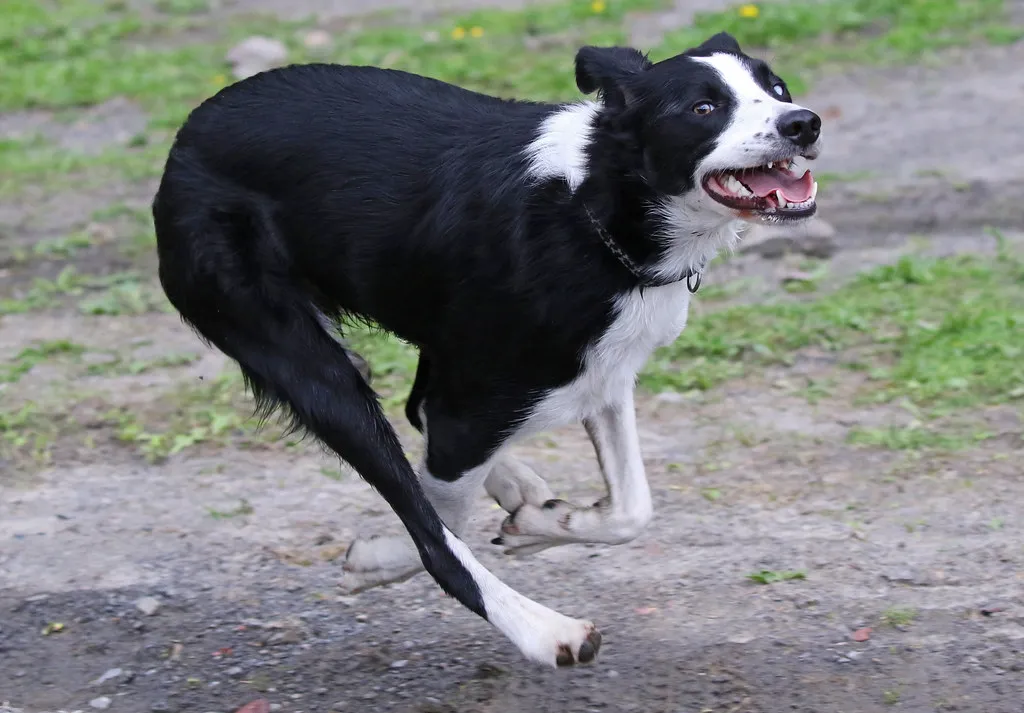
The ranking that made the breed famous is also the reason so many owners end up exhausted.
Psychologist Stanley Coren’s 1994 book The Intelligence of Dogs ranked the Border Collie first. The ranking came from surveys of obedience judges. It measured how quickly dogs learned new commands and obeyed them, not overall cleverness.
Dogs near the top, including Border Collies, were reported to learn a new command in fewer than five repetitions. Most people hear “smart” and picture an obedient dog. In practice, a quick learner picks up bad habits just as fast.
Opening doors, unlatching gates, herding the cat and training you to throw the ball are all common stories. The dog is solving problems. They just aren’t the ones you set.
Here’s a bold opinion: many experienced trainers consider the Border Collie a poor first dog for a casual owner. Intelligence without direction creates a bored dog with a lot of free time.
Still, the genuinely staggering examples of Border Collie learning are real, and they’re next in #8.
#8 – The Famous Word-Learning Dogs Were Real, With Caveats
🔥 Would you like to save this?
We'll email this post to you, so you can come back to it later!
Yes, some Border Collies really have learned hundreds of words. The headlines weren’t exaggerating, though the fine print matters.
In 2004, researchers at the Max Planck Institute reported on a Border Collie named Rico. He knew about 200 words for objects. He could also pick out a brand-new toy from a pile of familiar ones by exclusion, then remember it weeks later.
Then came Chaser. Psychologist John Pilley taught her the names of toys over years of structured daily work. Chaser learned 1,022 object names, according to a 2011 paper in Behavioural Processes.
Why It Stands Out
- Rico: roughly 200 object words, plus the ability to infer a new toy’s name by elimination
- Chaser: more than a thousand toy names, built up through organized daily teaching
- The shared secret: clear cues and consistent practice, not luck
There are caveats worth knowing. These were exceptional dogs with dedicated teaching. Scientists also debate whether this counts as “language” or very strong associative learning.
Still, the takeaway for owners is practical. These dogs thrive on structure, clear cues and consistent teaching, not on casual repetition.
But brains are only half the picture. The most common mistake owners make with all that energy is #7.
#7 – Wearing Them Out Isn’t the Answer
🔥 Would you like to save this?
We'll email this post to you, so you can come back to it later!
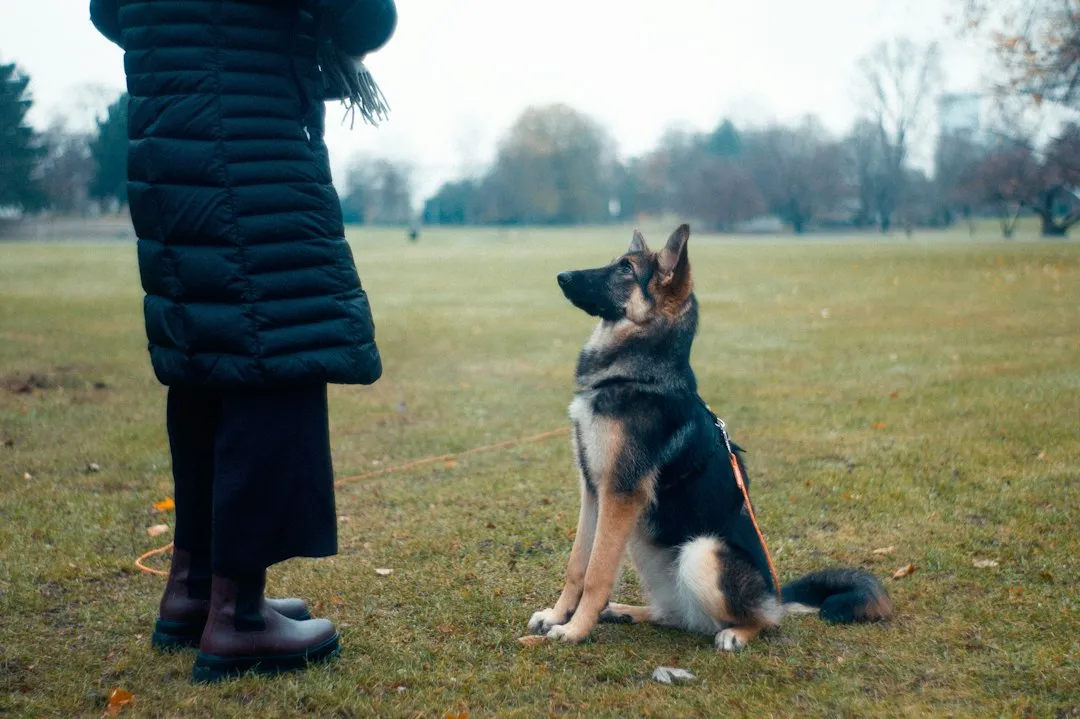
Run a Border Collie for two hours and you’ll often get a fitter dog, not a calmer one.
The advice you’ll hear everywhere is “they need tons of exercise.” That’s incomplete. Many trainers observe that endless physical exercise just raises fitness, so the dog needs even more of it tomorrow.
What these dogs crave is mental work. A ten-minute training or scent session can settle a dog more than an extra long run, according to many experienced handlers. Thinking tires the brain in a way pure running does not.
Signs of an under-stimulated dog:
- Pacing or constant following
- Fixating on moving objects
- Destructive chewing
- Herding family members or other pets
Be careful with endless ball throwing, too. Repetitive, high-impact fetch can strain joints, and it can build an obsession around the ball. Veterinarians especially caution against it for growing puppies.
When that mental energy gets stuck in a loop, though, it stops being cute, and that’s #6.
#6 – Some “Quirks” Are Actually Warning Signs
🔥 Would you like to save this?
We'll email this post to you, so you can come back to it later!
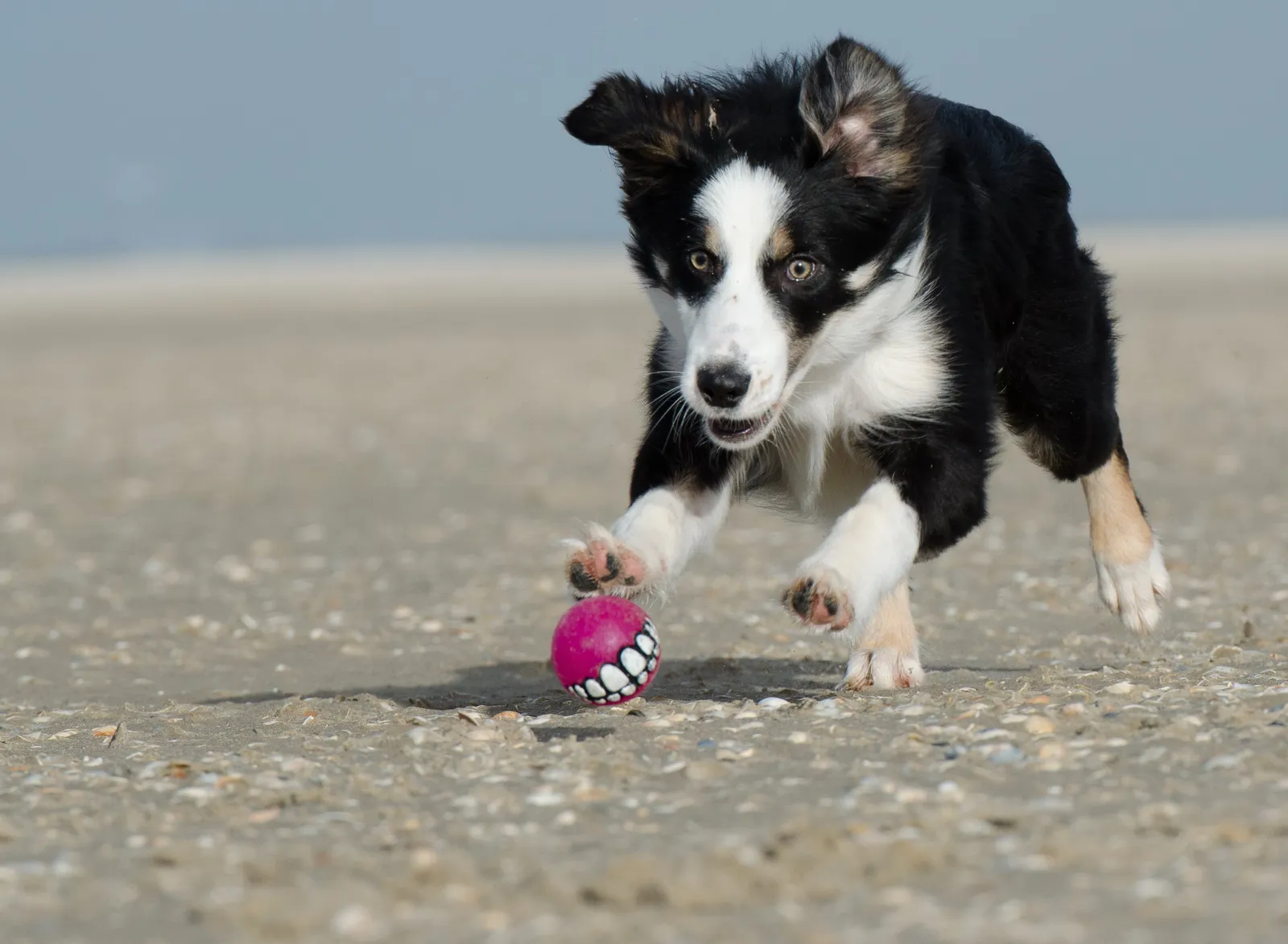
Chasing shadows makes a great home video. It can also be the start of something much harder to stop.
Border Collies are known for fixating on light reflections, shadows, spinning objects and their own tails. Some are also very sensitive to noise, such as thunder, fireworks or vacuum cleaners. Owners often laugh it off at first.
Behaviorists widely warn that laser pointers can set up a compulsive chase in dogs, because the chase has no end and no catch. In some dogs the habit becomes hard to interrupt.
Watch for:
- Staring at walls, floors or light patches for long periods
- Spinning or tail chasing that is hard to interrupt
- Panting, hiding, trembling or pacing during noise
- Behavior that interferes with eating, sleeping or play
If you see these, talk to your vet first to rule out medical causes. Then work with a qualified behaviorist or trainer using reward-based methods. Early help usually works better than waiting.
Outsiders call a Border Collie “neurotic.” Owners know that’s too simple. The dog is highly sensitive and needs outlets for a mind that never really switches off.
And there’s a more serious health issue that gets almost no attention outside owner circles. That’s #5.
#5 – Health Problems Are Real, and Testing Matters
🔥 Would you like to save this?
We'll email this post to you, so you can come back to it later!
A breed built for work is not automatically a healthy breed. Athletic and tough-looking doesn’t mean problem-free.
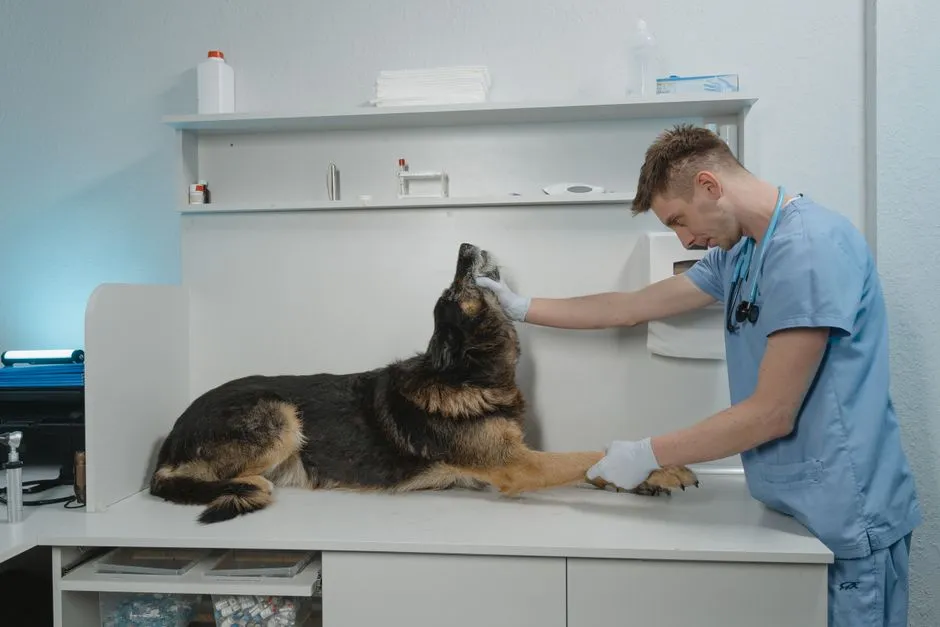
Border Collie collapse is a recognized syndrome in the breed. Dogs can become wobbly, disoriented or unable to move normally during or after intense activity. Researchers think high excitement, not only heat, can play a role.
Recovery is often quick, but it’s alarming to watch. If it happens, stop activity, cool the dog and call a vet. Not every case of weakness is collapse syndrome, so a vet needs to rule out heart or other problems.
Other conditions seen in the breed include:
- Hip dysplasia
- Epilepsy
- Collie eye anomaly
- Certain inherited neurological and immune conditions
Lifespan is commonly cited at roughly 12 to 15 years. Good breeding and careful management matter a lot over that stretch.
But health testing is only one piece. Which kind of Border Collie you bring home changes almost everything, and that’s #4.
#4 – Working Lines and Pet Lines Are Different Dogs
🔥 Would you like to save this?
We'll email this post to you, so you can come back to it later!
Two Border Collies can share a name and live completely different lives. One naps by the fireplace. The other rearranges your yard at 6 a.m.
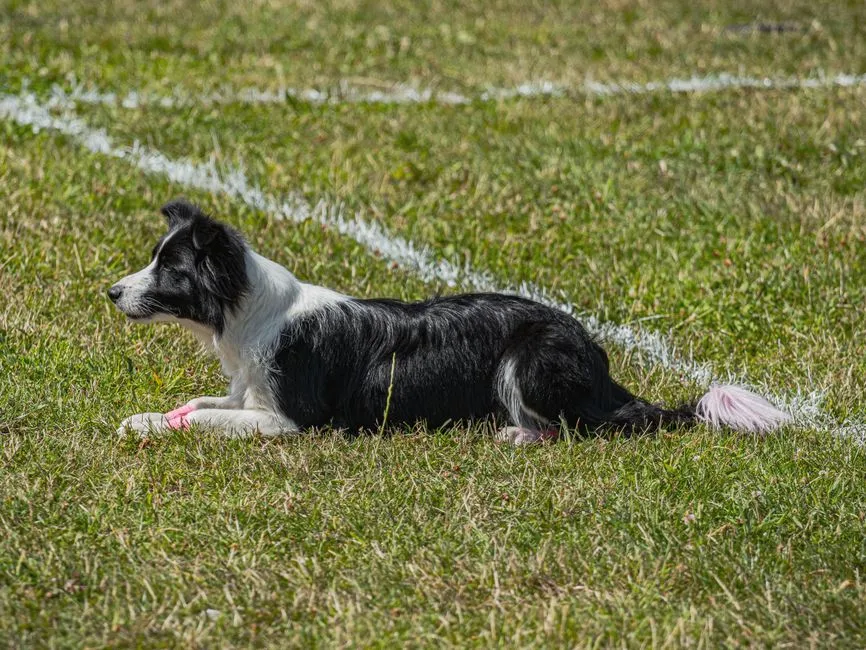
Working lines are bred for stockwork. They are bred for drive, focus and stamina, with little attention to looks. Show or conformation lines, and some sport lines, emphasize other priorities.
Quick Compare
- Working lines: drive, focus and stamina come first, and a real job most days is the price of admission
- Show lines: appearance and structure carry more weight in breeding choices
- Sport lines: bred with agility, disc or obedience performance in mind
Many working-bred dogs are selected so strongly for intensity that they can be very difficult in a house without a job. That doesn’t make them bad dogs. It makes them the wrong fit for many homes.
Here’s the opinion that frustrates breeders: pedigree can’t be fixed with a longer walk. A dog bred to work all day will want to work, whether you offer sheep or not.
Questions to ask any breeder:
- What is the dog’s intended purpose?
- What do the parents do day to day?
- How do the adults behave at home?
- What happens if the dog doesn’t suit you?
When the match goes wrong, there’s a consequence few people talk about, and it’s #3.
#3 – Rescue Border Collies Aren’t “Damaged”
🔥 Would you like to save this?
We'll email this post to you, so you can come back to it later!
Many dogs in rescue aren’t broken. They’re dogs whose needs went unmet by the people who brought them home.
Breed-specific Border Collie rescues operate in many countries. A common reason for surrender is that the owner underestimated the dog’s needs. That’s very different from a dog with a bad temperament.
Outsiders assume a rescue dog comes with problems. Owners often find the reverse. Once given work and structure, many rescued Border Collies change dramatically.
There’s also an advantage in adopting an adult. You see the dog’s energy level, sensitivities and habits before you commit. Rescue volunteers can often tell you how a dog behaves in a real home.
That said, adoption isn’t an easy shortcut. Some dogs have genuine behavior challenges, such as noise fears or fixations. Be honest with the rescue about your experience, schedule and household.
Next up is the biggest myth of all, the one about space and sheep. It’s #2.
#2 – They Need a Job, Not a Farm
🔥 Would you like to save this?
We'll email this post to you, so you can come back to it later!
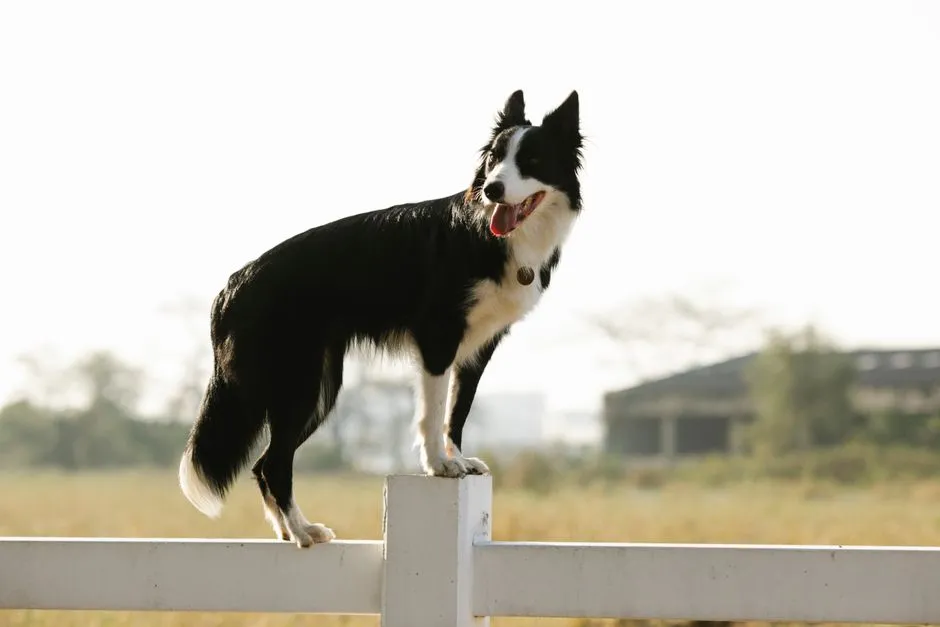
Plenty of Border Collies have never seen a sheep, and they’re doing just fine.
The myth says they only thrive on farms. The truth is that the dog needs purposeful work, and that work doesn’t have to be livestock. Many owners build a “job” out of sports and training.
Popular options include:
- Agility and flyball
- Disc and obedience work
- Scent work and nose games
- Trick training and puzzle toys
- Herding instinct classes where available
One caution: sports can wind some dogs up even more. An off switch is just as important as the on switch. Teaching calm is part of the job.
Apartment living is possible for some owners, but it takes commitment. Daily training, outings and enrichment aren’t optional. Without them, the dog invents its own job, and you probably won’t like the job it picks.
But the truth owners understand best isn’t about work at all. It’s #1.
#1 – It’s Not Obedience, It’s Partnership
🔥 Would you like to save this?
We'll email this post to you, so you can come back to it later!
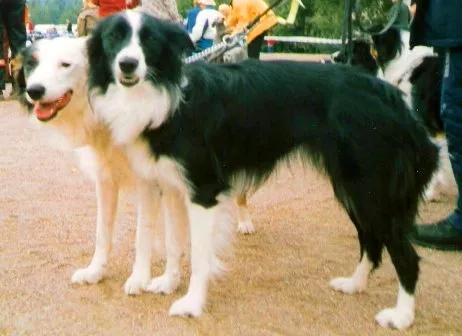
The deepest thing owners understand is that these dogs were never built to simply follow orders.
A working Border Collie handles stock in open country, sometimes hundreds of yards from the handler. It has to think for itself while staying tuned to the person’s whistles and signals. That mix of independence and attention is what the breed was actually built for.
That’s why they watch you constantly. They track your movements, your mood and your routine. Owners often say their dog knows they’re leaving before they pick up the keys.
It also means they respond best to a relationship, not a drill. Clear communication, fair rules and shared activity matter more than commands alone. Harsh methods tend to damage the exact trust the breed depends on.
At a Glance
- Daily mental work: training, scent games or puzzles, not just miles
- Clear structure: consistent cues and fair rules
- A taught off switch: calm is a skill, so practice it
- Time: a commitment of roughly 12 to 15 years
If you meet the dog’s needs, you get a partner that is intensely tuned in to you. That is the part outsiders never see.
So here’s the verdict. Border Collies aren’t a trophy for the “smartest dog” list. They’re a working partner that needs structure, mental challenge and honest owners.
The biggest mistakes are the common ones: treating exercise as the cure, ignoring early warning signs and choosing a dog for its looks or ranking. I’d go further. This breed is a bad match for anyone who wants a low-effort pet, and that’s not an insult to the dog. It’s just the truth.
But if you’re willing to put in the work, few dogs give back more. Which of these did you get wrong before you owned one?

- Embracing the Quiet Magic of Adopting a Senior Dog - November 5, 2026
- Scientists May Have Miscalculated Our Global Warming Timeline - November 5, 2026
- Marine Biology Says When Dolphins Suddenly Go Silent in Open Water It's Not Rest – They've Detected a Predator You Cannot See and Their Survival Strategy Reveals How They Read Danger - November 5, 2026