
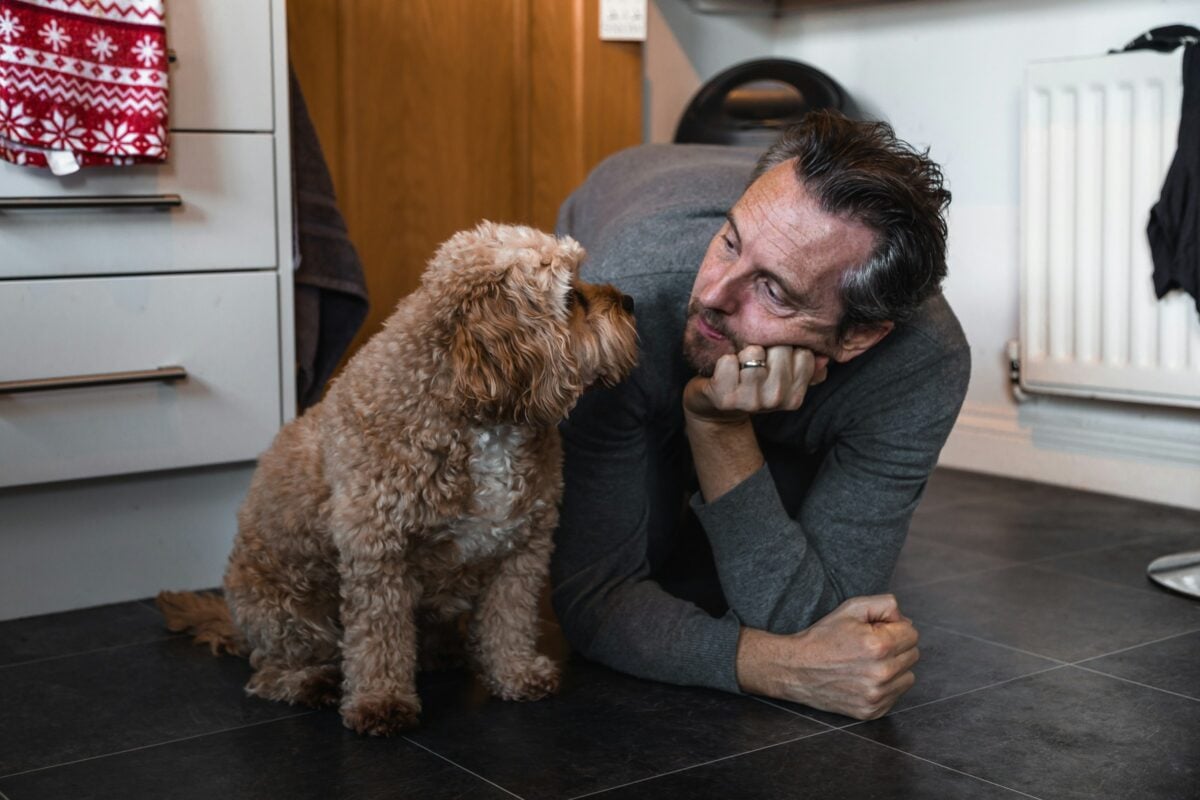
Everyone assumes a dog is a dog, no matter who’s holding the leash. Same walks, same toys, same advice lifted from an Instagram trainer with perfect lighting and a ring light. But spend one afternoon with someone who’s owned dogs for forty or fifty years, and you’ll notice something almost unsettling: they’re watching a completely different animal than you are.
These are the owners who’ve buried more than one dog, nursed the “unfixable” ones back from the edge, and learned – sometimes the hard way – exactly which small details predict disaster. A lot of trendy advice quietly falls apart the second real life tests it. Below are the 13 things owners over 65 notice almost without trying, the quiet signals younger owners scroll straight past without ever knowing they were there.
#13 – The “Subtle Limp” That Isn’t Just “Getting Older”
🔥 Would you like to save this?
We'll email this post to you, so you can come back to it later!
Younger owners often wave off tiny changes in movement as “just getting old,” but experienced seniors know that’s exactly how preventable crises get their start. A dog that hesitates before hopping into the car, takes the stairs a beat slower, or briefly “bunny hops” with the back legs isn’t being dramatic. That’s a flashing warning light for pain – hips, knees, spine, sometimes something as small as an overgrown nail.
Fast Facts
- A slower-than-normal descent down stairs is often the very first visible clue of joint pain.
- Dogs frequently mask pain by still running and playing right up until a major flare-up hits.
- Nail overgrowth alone can quietly change a dog’s gait enough to mimic early arthritis.
- Sudden reluctance to jump into a car or onto furniture is one of the most commonly overlooked warning signs.
Older owners have watched one “slight limp” turn into emergency surgery more times than they’d like to count. So they’ve trained themselves to watch the quiet stuff, not just the obvious stuff.
- Is your dog stretching longer than usual after getting up?
- Do they sit crooked, or flop heavily onto one side instead of lying down normally?
To a new owner, “he still runs, so he’s fine” sounds like reasonable logic. Seasoned owners know plenty of dogs run straight through arthritis, cruciate tears, and spinal pain until the day they simply can’t stand up anymore. Catching the pattern weeks earlier is the entire game.
But that’s nothing compared to what we found about #12…
#12 – The Myth of “My Dog Will Always Eat When Hungry”
🔥 Would you like to save this?
We'll email this post to you, so you can come back to it later!
Younger owners often assume a dog that loves food is automatically a healthy dog. Seniors who’ve lived through cancer, kidney disease, and dental pain in their own dogs know appetite is a lot more complicated – and a lot more dangerous to ignore. A dog that suddenly turns picky, eats slower, or walks away mid-meal is sending a message, not being fussy for fun.
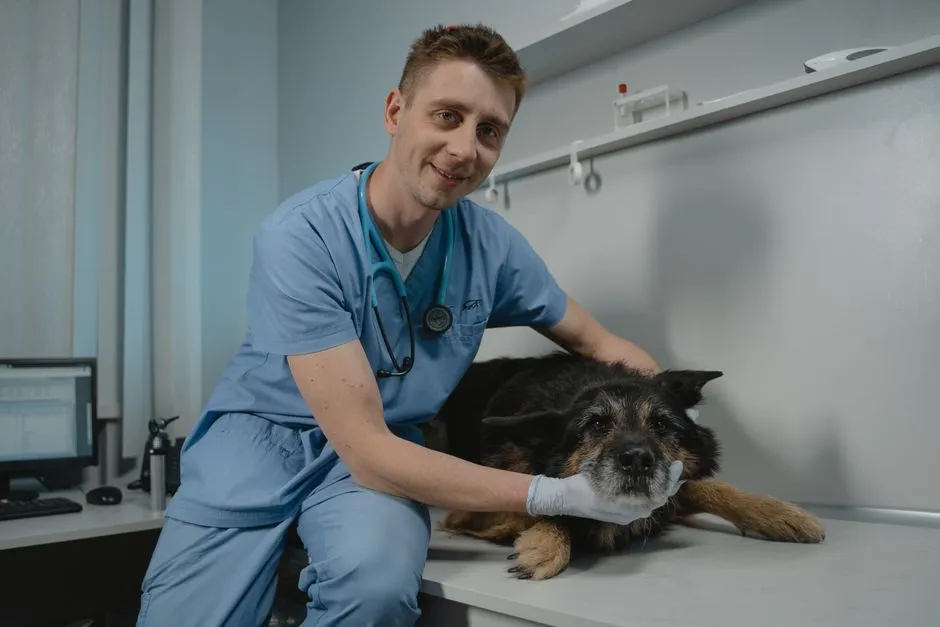
Long-time owners over 65 have learned that “he’s just being fussy” is sometimes the very first sign of real trouble. They remember the dog who switched to soft food only because a tooth had quietly abscessed, or the one who skipped breakfast right before a pancreatitis attack landed them in the emergency clinic overnight.
They also catch the opposite problem: dogs inhaling food like they haven’t eaten in a week. Younger owners often “cute-ify” that on social media; older owners see the real risk underneath it – bloat, choking, or slow, creeping obesity.
- Slightly warming food for seniors to bring back the smell and the appeal
- Separating dogs at mealtime to lower competition and stress
But that’s nothing compared to what we found about #11…
#11 – The “Zoomies” That Are Actually Stress, Not Joy
🔥 Would you like to save this?
We'll email this post to you, so you can come back to it later!
Younger owners love posting videos of zoomies – dogs tearing around the living room like furry rockets. It looks hilarious every single time. But experienced owners over 65 sometimes see something else entirely: a dog desperately trying to discharge stress it has nowhere else to put.
Dogs that suddenly explode into frantic running after a tense walk, a visit from noisy guests, or a chaotic training session might not be “so happy they can’t contain it.” Older owners recognize this as an overflow of adrenaline, not always a celebration. They’ve watched nervous dogs pace, spin, and zoom right after scary experiences – a rough vet visit, a loud argument at home, a slammed door.
Over time, they learn to tell the difference between loose, goofy zoomies and the wired, glassy-eyed, can’t-settle kind. When they spot the second kind, they respond calmly instead of laughing it off.
- Shortening overwhelming play sessions before they tip over
- Adding decompression walks in quiet, low-traffic areas
- Building a predictable cool-down routine the dog can count on
But that’s nothing compared to what we found about #10…
#10 – How Overstimulating Walks Actually Make Dogs Worse
🔥 Would you like to save this?
We'll email this post to you, so you can come back to it later!
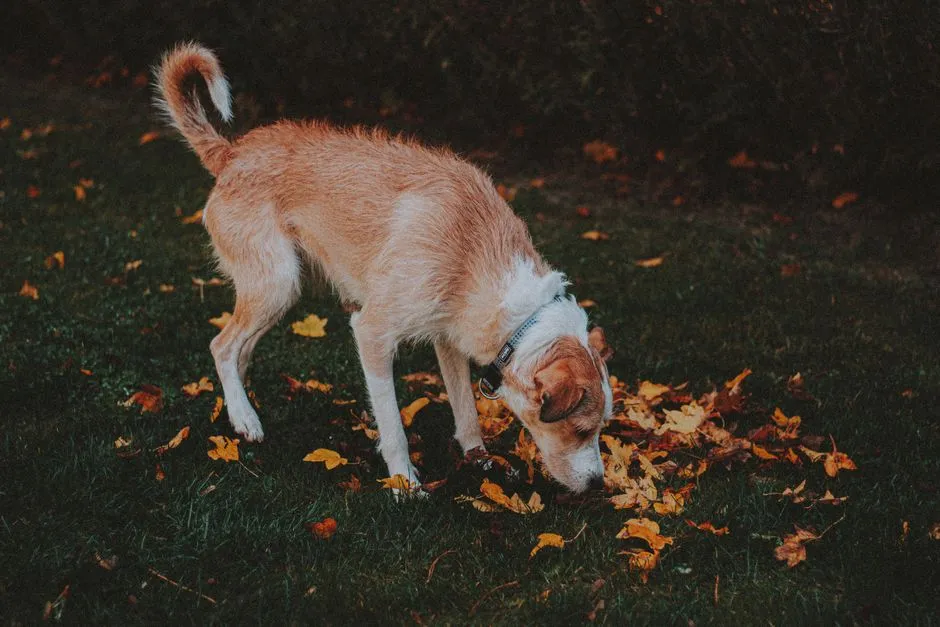
Younger owners are told “a tired dog is a good dog,” then feel like failures when miles of walking still produce chaos at home that evening. Seniors who’ve lived with reactive, anxious, or elderly dogs have learned a blunter truth: overstimulated isn’t the same thing as well-exercised.
They notice it immediately when walks are always along busy roads, when the dog meets dozens of other dogs every single outing, or when the dog comes home wired instead of relaxed. So experienced owners quietly swap “high-adrenaline” for “high-sniffing.” They choose quiet routes, let the dog set the pace, and treat mental decompression as more important than a step count on a phone.
While younger owners chase perfect heelwork, many seniors sit on a park bench and just let their dog watch the world go by from a safe distance. They’ve seen the proof play out over and over again in their own living rooms.
- Three calm 15-minute sniff walks can beat one frantic 60-minute street drag.
- Rest days actually improve behavior rather than “spoiling” the dog.
But that’s nothing compared to what we found about #9…
#9 – The Way Dogs Start “Shrinking Their World” Before Big Health Changes
🔥 Would you like to save this?
We'll email this post to you, so you can come back to it later!
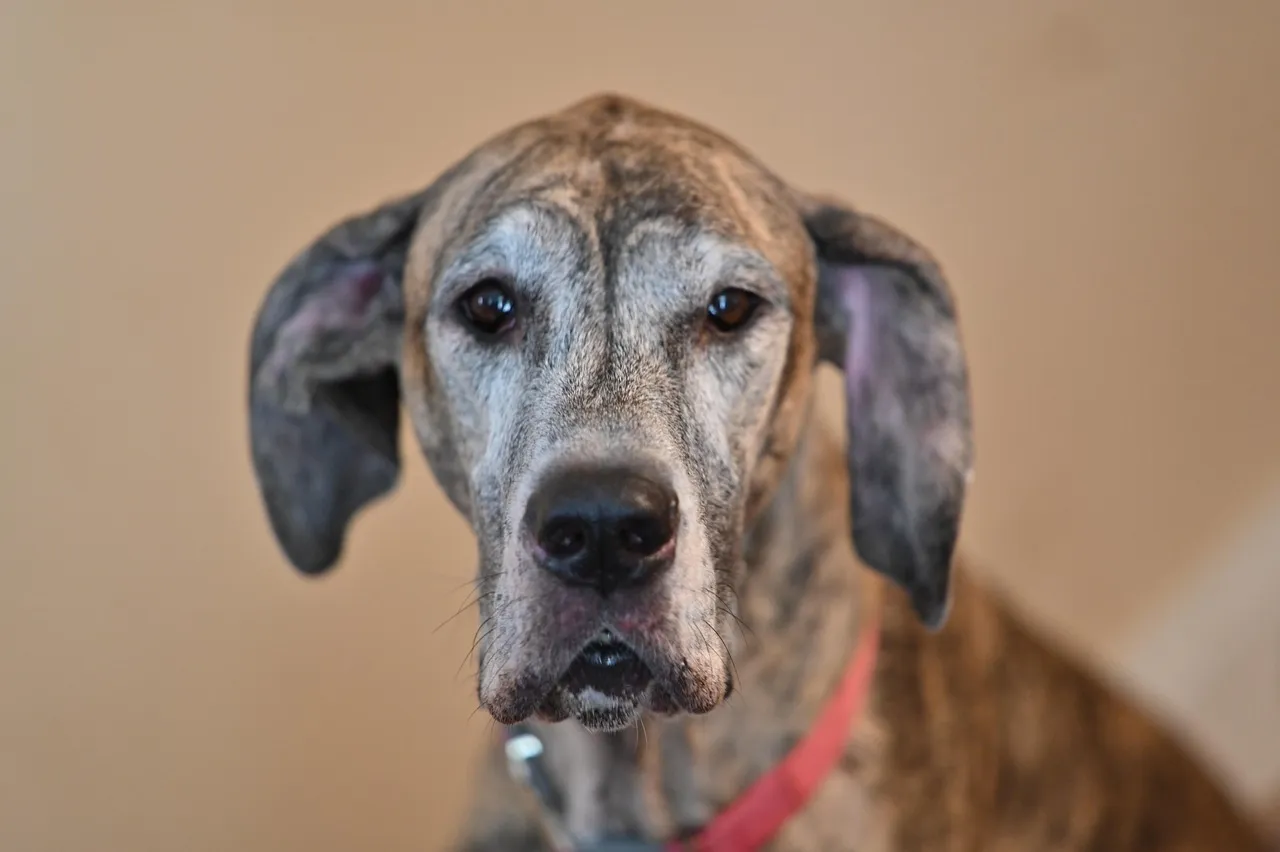
One of the eeriest things experienced owners notice is how older or unwell dogs quietly shrink their world months before any dramatic symptom shows up. Younger owners often write it off as “lazy” or “moody.” Seniors know better, because they’ve watched this exact pattern before.
They’ve seen dogs stop going into certain rooms, avoid the slick floor they once raced across, or refuse the back of the yard once night falls – only to later get diagnosed with vision loss, chronic pain, or cognitive decline. To them, a dog’s changing “map” of the house is as important as any blood test result.
They notice when a once-social dog starts hiding in a back bedroom the second guests arrive, or when a confident dog suddenly refuses to jump out of the car without help. They don’t call it stubbornness. They assume something has quietly stopped feeling safe.
- Adding rugs where the dog hesitates on bare floor
- Improving lighting in dim hallways
- Offering ramps or steps before the dog is truly desperate for them
But that’s nothing compared to what we found about #8…
#8 – The Dangerous Belief That “Teeth Don’t Matter for Dogs”
🔥 Would you like to save this?
We'll email this post to you, so you can come back to it later!
Younger owners obsess over the right harness brand and the cutest raincoat, then quietly ignore the thing actually causing their dog pain: the mouth. Seniors who’ve lost dogs to heart, kidney, or systemic disease have heard vets say it bluntly – unchecked dental disease can shorten a dog’s life.
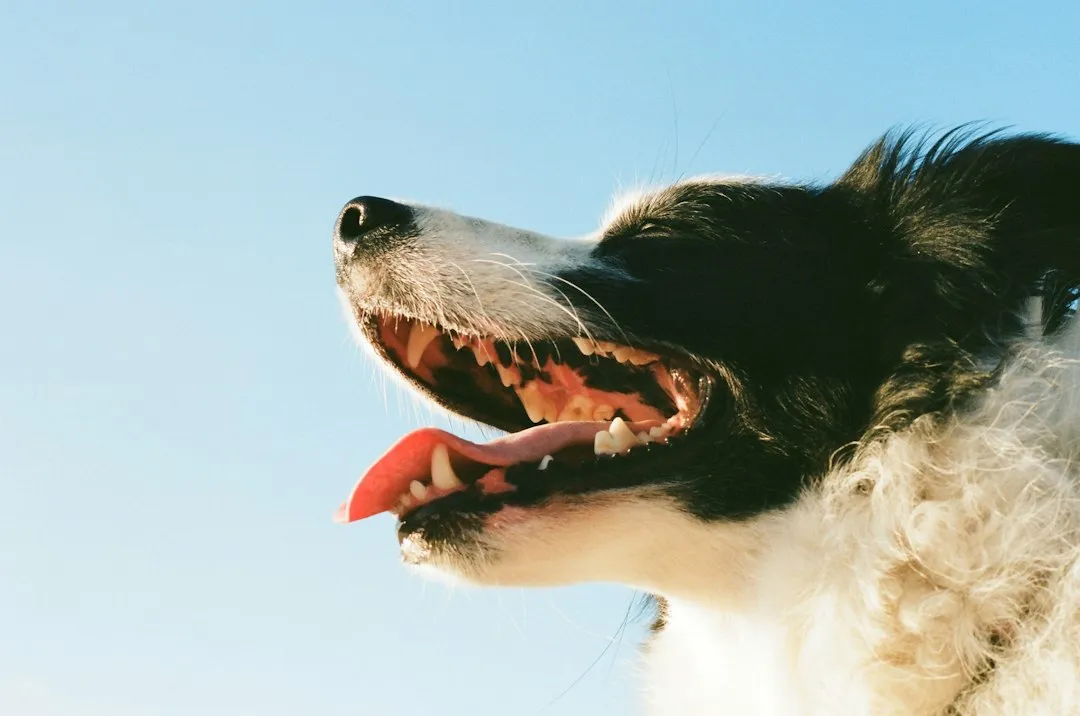
Experienced owners over 65 notice bad breath that appears suddenly, dark lines forming at the gumline, or a dog chewing more carefully on one side of its mouth. They’ve watched a “grumpy” dog turn affectionate again overnight after one bad tooth was finally pulled. They’ve also seen serious infections traced straight back to a neglected mouth – something no TikTok training hack ever warns you about.
So they treat dental care as maintenance, not an afterthought:
- Starting tooth brushing slowly, taste-first, brushing-second
- Using dental chews as a supplement, never a replacement
- Scheduling proper cleanings before things become catastrophic
But that’s nothing compared to what we found about #7…
#7 – The Difference Between “Training” and Just Teaching a Trick
🔥 Would you like to save this?
We'll email this post to you, so you can come back to it later!
Younger owners get bombarded with videos of dogs doing elaborate tricks and assume that equals “well trained.” Seasoned seniors know the dog that comes when called away from a squirrel is more trained than the dog who can spin and bow on camera for likes.
Why It Stands Out
- Reliable recall away from distractions beats any trick performed for a camera.
- Calm behavior at the front door prevents more injuries than any trained trick ever will.
- Waiting politely at curbs and thresholds protects dogs from traffic and slips outdoors.
- Consistency practiced daily for years outperforms flashy short-term training bursts.
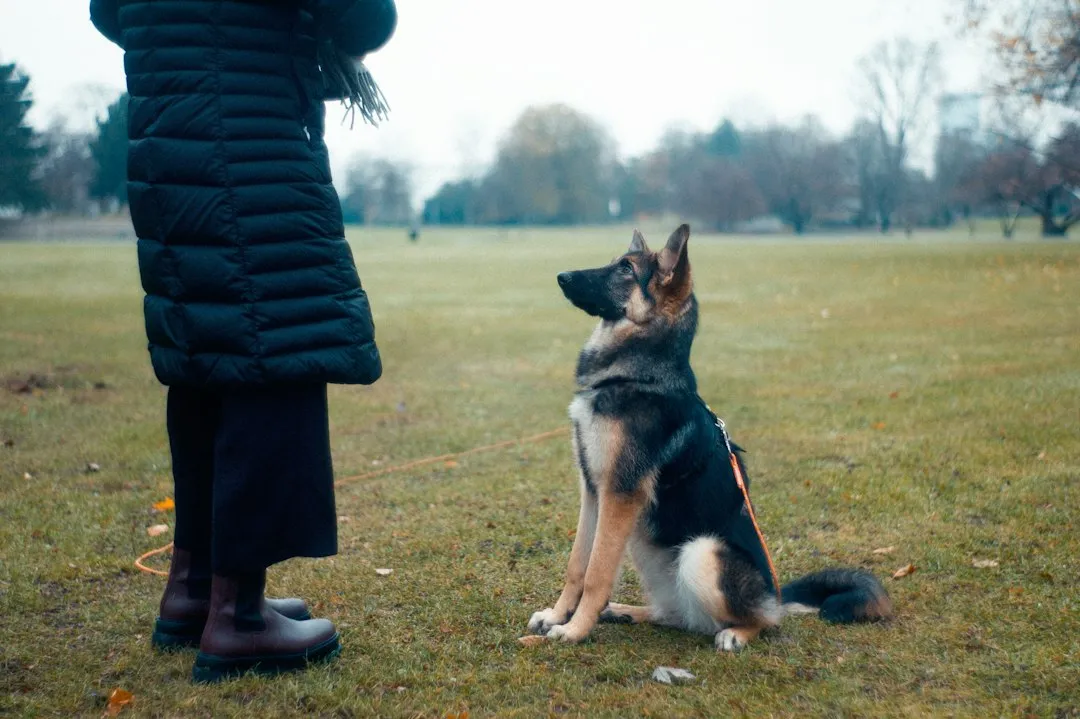
They focus on reliable recall, staying calm when visitors come through the door, and waiting politely at doors and curbs – because they’ve seen exactly what happens when these basics fail during a real emergency. They’ve pulled dogs out of traffic, away from porcupines, and off broken glass, not just off a couch.
While social media sells cute behaviors, older owners quietly build boring, unglamorous routines: sit before the leash gets clipped, wait before exiting the car, come when called every single time for something genuinely good. They know training was never a six-week course. It’s decades of consistent micro-habits, repeated so often they stop feeling like effort.
Many will admit it bluntly: they think modern owners confuse “enrichment” with “structure,” and then wonder why the dog can’t settle down.
But that’s nothing compared to what we found about #6…
#6 – How Much the Owner’s Own Aging Changes the Dog’s Life
🔥 Would you like to save this?
We'll email this post to you, so you can come back to it later!
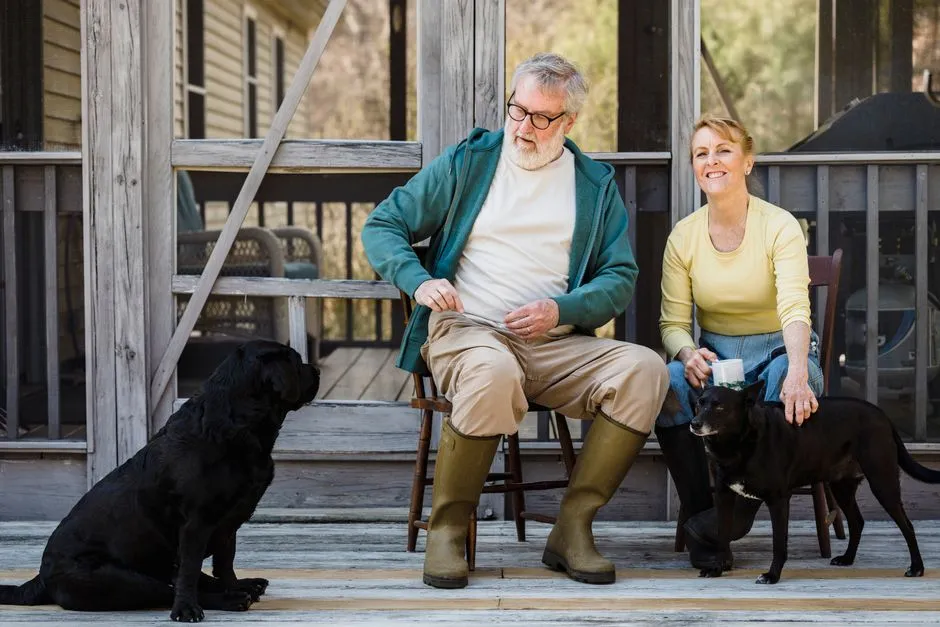
This is the topic younger owners almost never think about. Owners over 65 feel it in their knees and shoulders every single morning: their own physical limits quietly redesign the dog’s entire world.
They choose shorter routes because of arthritis. They avoid uneven ground that used to be a daily adventure. They lean more on fenced yards and less on long hikes across rough terrain. Instead of pretending nothing has changed, the experienced ones adjust on purpose – puzzle feeders, slow sniff walks, safe indoor games that still tire a dog’s brain even when the legs can’t go far.
They ask neighbors or family to handle the intense fetch sessions or hill walks. They plan for “what if I’m hospitalized?” with written routines, not just verbal promises made in passing.
Many will say – controversially – that some high-octane breeds simply aren’t a fair choice once you know your body is slowing down. That’s not ageism. It’s realism, learned across multiple dogs, multiple surgeries, and one too many guilt-ridden winter stuck indoors.
But that’s nothing compared to what we found about #5…
#5 – The Subtle Signs a Dog Is Quietly Protecting a Senior Owner

🔥 Would you like to save this?
We'll email this post to you, so you can come back to it later!
Younger owners often brag about “protective” dogs only when there’s barking at the door. Seniors who live alone with their dogs see quieter forms of guarding that younger eyes miss entirely.
They notice when the dog starts sleeping closer to the bedroom door, when walks become more controlled the moment strangers approach, or when the dog positions itself between its person and a perceived threat. These aren’t dramatic movie scenes. They’re small, repeated choices that show the dog is tracking the owner’s vulnerability.
Sometimes it’s sweet. Sometimes it becomes a behavior issue if nobody manages it thoughtfully. Experienced owners over 65 watch how guests are greeted, whether the dog stiffens when a grandchild hugs too hard, or whether the dog refuses to leave the owner’s side when a caregiver arrives. Instead of labeling the dog “jealous,” they see concern – and step in early to keep everyone safe.
But that’s nothing compared to what we found about #4…
#4 – The “Sudden” Behavior Change That Actually Took Months
🔥 Would you like to save this?
We'll email this post to you, so you can come back to it later!
To a younger owner, a bite, a growl, or a house-soiling incident feels like it came completely out of nowhere. Older owners, replaying months of tiny shifts in their heads, rarely see it as sudden at all.
They remember the dog who started licking its paws every evening months before a skin flare-up. The calm dog who began freezing whenever certain visitors arrived. The perfectly housetrained dog who “dribbled” urine occasionally, weeks before full accidents started. Their experience has trained their memory. They’re better at connecting early dots because they’ve lived through exactly what happens when nobody does.
Instead of blaming “dominance” or “spite,” they assume discomfort, confusion, or fear – and they investigate before things get worse.
- Keeping rough mental timelines of changes as they happen
- Mentioning “small” details to the vet that younger owners tend to forget
- Taking short videos of odd behavior to show professionals later
But that’s nothing compared to what we found about #3…
#3 – The Way Grief From Previous Dogs Shapes How They Love the Current One
🔥 Would you like to save this?
We'll email this post to you, so you can come back to it later!
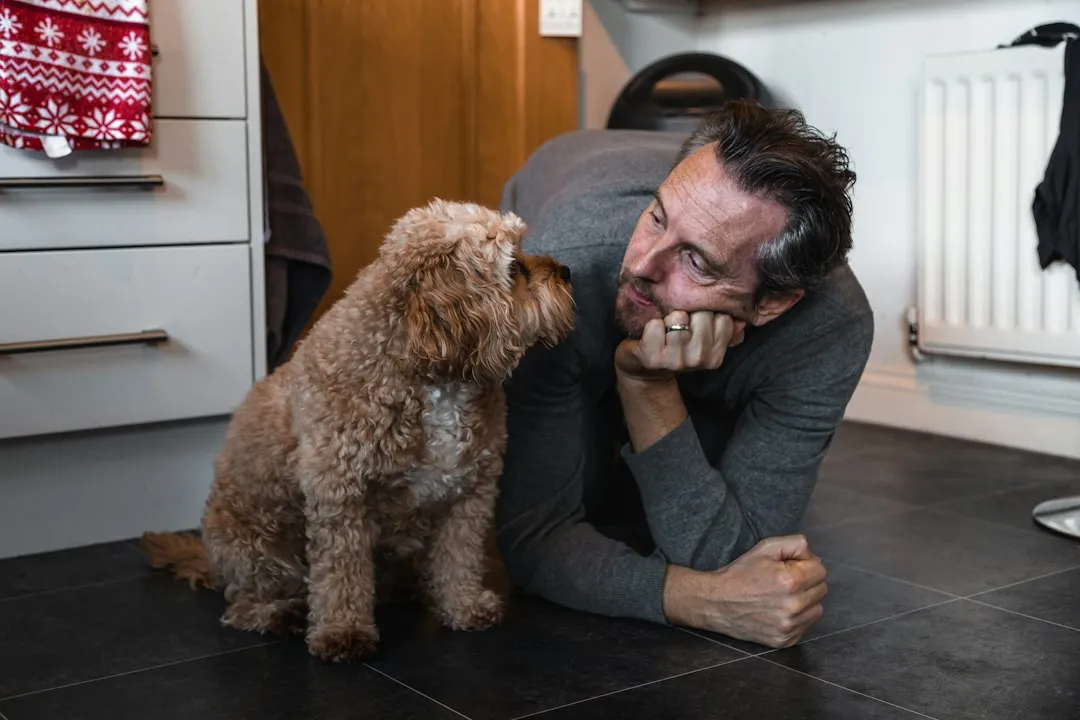
Younger owners with their first dog often believe love only moves forward – just building memories, one park visit at a time. People over 65 who’ve said goodbye to several dogs carry a different kind of love: layered, cautious, deeply intentional.
Worth Knowing
- Owners who’ve lost multiple dogs often notice “lasts” – the last long walk, the last full bowl of food – long before anyone else does.
- Grief from previous pets tends to sharpen attention to small, early changes rather than dull it.
- Many long-time owners intentionally prioritize comfort and quality of life over chasing extra time at any cost.
They treat every long nap on the couch as borrowed time. Every “annoying” habit as something they’ll one day genuinely miss. Every vet visit as a chance to extend not just lifespan, but good days. They notice “lasts” earlier than anyone else in the room. Last time the dog jumped into the car without help. Last time they chased a ball at full speed. Noticing these things doesn’t make them morbid – it makes them fiercely protective of whatever comfort is left to protect.
This history also reshapes their boundaries. Some will tell you flatly that they regret pushing one dog through aggressive treatment, or regret not pushing another dog enough. That memory shapes every decision for the current dog, often tipping the scale toward quality over sheer quantity of days.
But that’s nothing compared to what we found about #2…
#2 – The Hard Truth About Planning for the Dog’s Future Without You

🔥 Would you like to save this?
We'll email this post to you, so you can come back to it later!
This is the conversation younger owners dodge and older owners simply can’t avoid. At 25, you assume you’ll outlive your dog without even thinking about it. Over 65, that math gets a lot less certain – and experienced owners treat it as a responsibility, not a fear to swallow quietly.
They pay attention to how their dog copes with new people entering the home, handles staying overnight with relatives or sitters, and adapts to small changes in routine. Why? Because they quietly ask themselves, “If I were gone tomorrow, could you cope?” They don’t just hope someone will “take the dog.” They work to make that future transition survivable for the dog emotionally.
Practical steps show up again and again among these owners: writing down feeding, meds, quirks, and fears in one simple document; choosing at least one backup caregiver and actually talking through the details out loud; exposing the dog to that person now, in low-stress, positive ways, instead of waiting for an emergency to introduce them.
Some will say – quite bluntly – that it’s irresponsible to adopt a dog with a 15-year lifespan and zero plan for a scenario where you don’t make it that long. That opinion sparks arguments online every time it’s posted, but it comes from a place of deep love, not pessimism.
But that’s nothing compared to what we found about #1…
#1 – Knowing When It’s Time… and Refusing to Let the Dog Be Brave Alone
🔥 Would you like to save this?
We'll email this post to you, so you can come back to it later!
Younger owners often want a clear sign: one obvious day when the dog “tells” them it’s time. Experienced owners over 65 know it almost never looks that simple.
They’ve seen dogs struggle quietly for their people – eating when they hurt, walking when they’re dizzy, wagging when they’re exhausted. They notice more bad days than good ones, not just a single crisis. They notice subtle confusion, a dog getting stuck in corners or staring blankly at walls, panting at rest, pacing at night, or trouble simply getting comfortable in a bed they’ve slept in for years.
Such short little lives our pets have to spend with us, and they spend most of it waiting for us to come home.
John Grogan, Marley & Me
Instead of waiting for total collapse, experienced owners make a love-based decision earlier than outsiders think is “necessary.” That choice gets them judged online constantly – but they’re not making it from fear. They’re making it from having held too many dogs who waited too long to be let go.
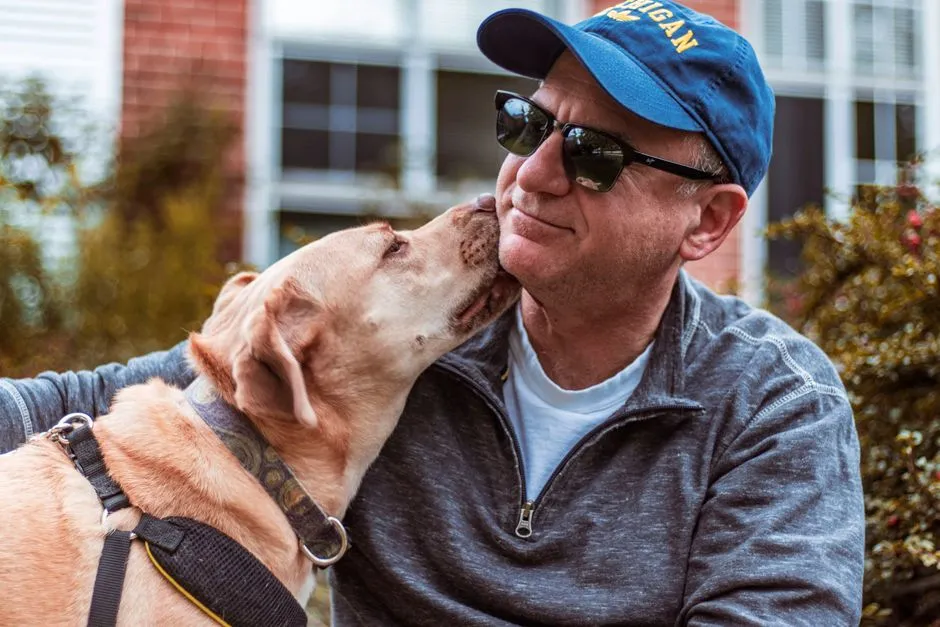
The bravest thing they do isn’t the decision itself. It’s what happens after. They stay. They don’t send the dog back “in the back room.” They hold, they cry, they talk, and they witness the whole thing to the end – because they already know the real pain usually hits later, in the empty routines and the suddenly quiet house.
The Bottom Line
🔥 Would you like to save this?
We'll email this post to you, so you can come back to it later!
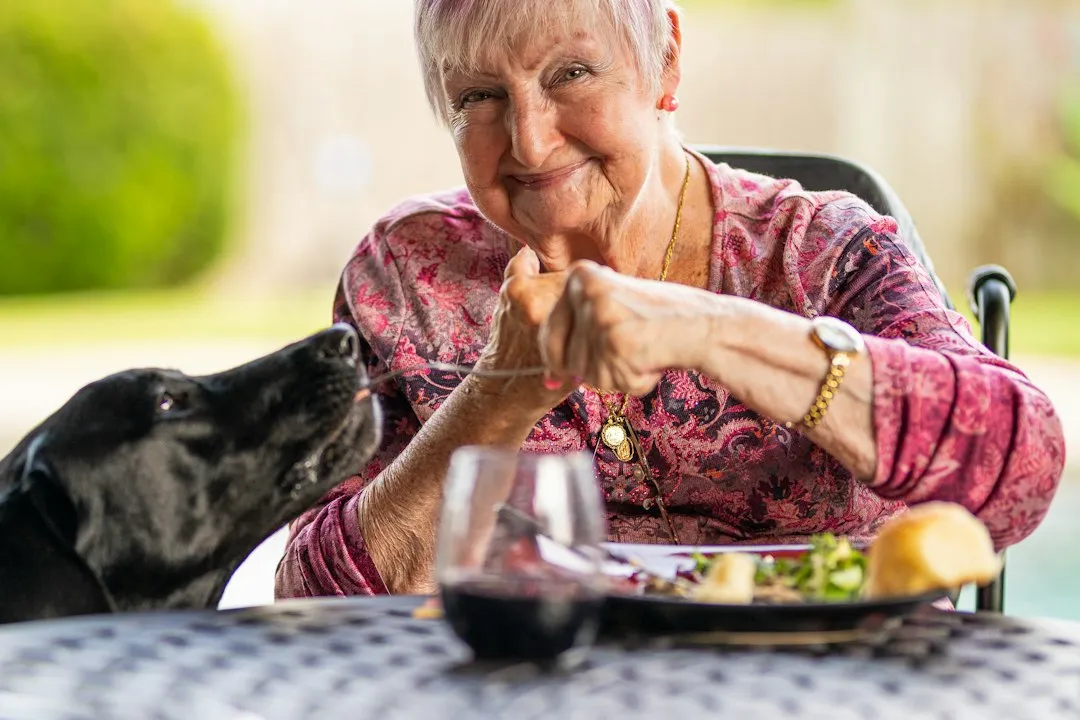
What experienced dog owners over 65 see isn’t magic. It’s pattern recognition burned in by love, mistakes, and time. They catch tiny limps, shrinking worlds, strange zoomies, and changing appetites long before those things turn into full-blown crises, simply because they’ve already watched the crisis version play out once before.
At a Glance
- Small physical changes – limping, appetite shifts, avoided rooms – are early signals, not stubborn quirks.
- Overstimulation can undo the benefits of exercise just as easily as too little activity.
- An owner’s own aging quietly reshapes a dog’s daily world, often years before anyone admits it out loud.
- Planning for a dog’s future without you is treated as an act of love, not pessimism.
They think in decades, not trends – in what actually protected dogs across multiple lifetimes, not whatever went viral last week. Their “secrets” are simple but genuinely uncomfortable: your dog’s behavior is data, not attitude. Your own aging matters just as much as theirs. And planning for both of your endings is just as loving as planning the first day you brought them home.
Some younger owners will call this pessimistic. Ask any senior with fifty years of dogs behind them, and they’ll tell you it’s the most radical form of loyalty there is – the kind that doesn’t look away, even at the parts nobody wants to post about.
Which of these truths do you agree with – and which ones do you think the older generation gets completely wrong? Did we miss something you’ve seen in your own dogs? Drop it in the comments.

- The Remarkable Intelligence of Octopuses: Beyond What Scientists Imagined - November 5, 2026
- What Your Dog’s Tail Wags Are Really Trying to Tell You - November 5, 2026
- The Surprising Reason Some Animals Thrive in Extreme Environments - November 5, 2026