
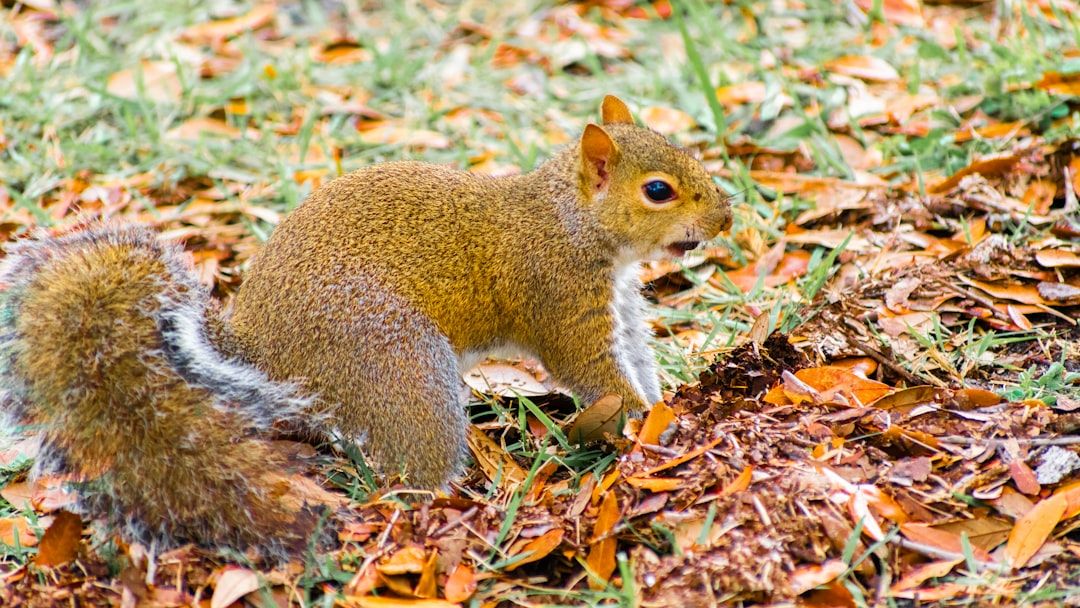
Squirrels dart across lawns and up trees all year, yet something shifts in their routines once the air turns crisp. Most people walk right past the small signs of preparation that unfold in plain sight.
Scatter Hoarding Nuts Across Wide Areas
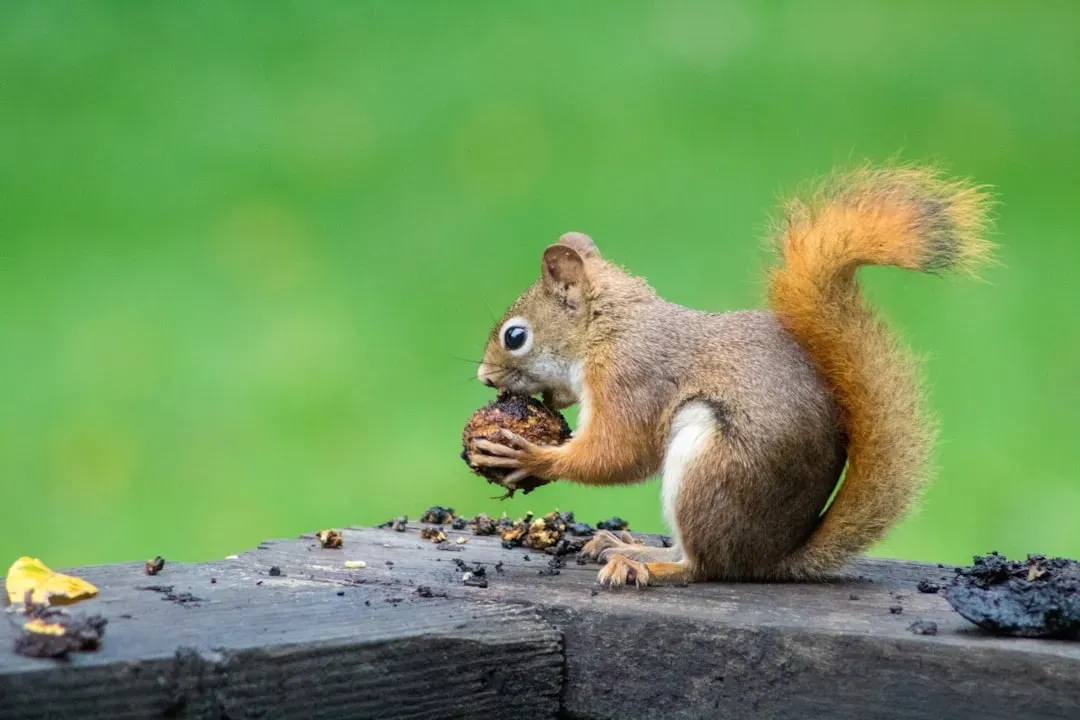
Squirrels rarely place all their food in one spot. Instead they dig dozens of small holes and drop single nuts or seeds into each one. This approach spreads risk so that even if one cache gets raided the rest remain safe.
They choose spots under leaves or near landmarks that help them relocate the sites later. The process takes hours each day as they move from tree to tree. Over weeks the ground holds hundreds of hidden stores that will sustain them through lean months.
Memorizing Exact Cache Locations
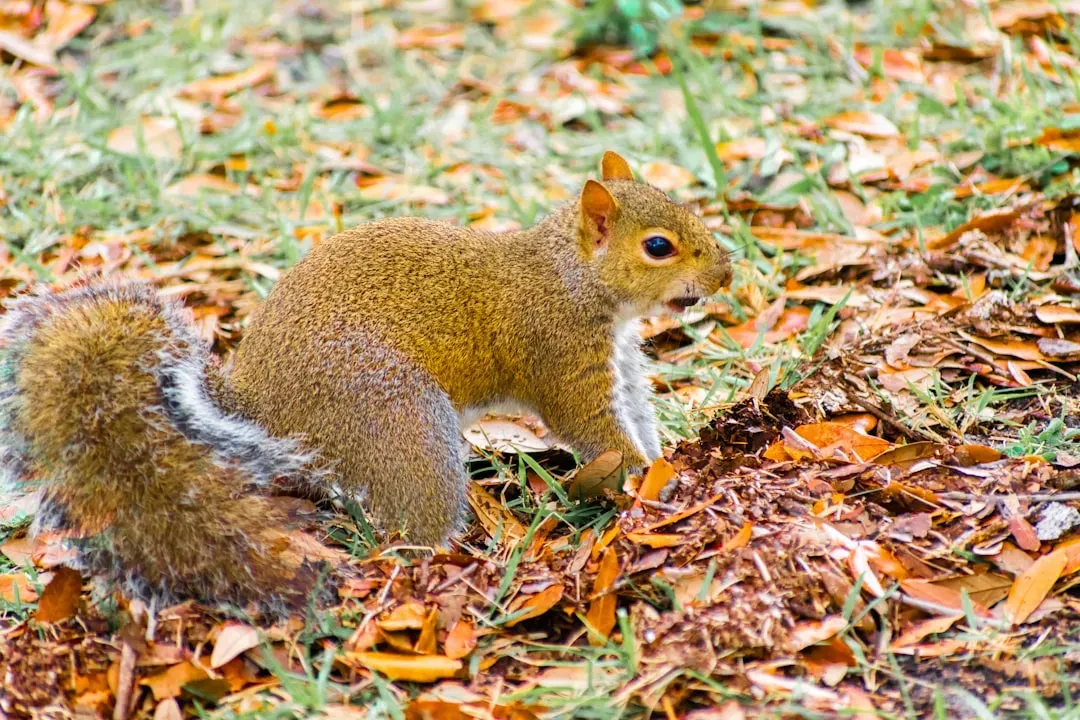
These animals rely on spatial memory rather than smell alone. They note the position of nearby rocks, roots, and even the angle of sunlight at the time of burial. Studies show they can recall thousands of sites with surprising precision months later.
When snow covers the ground the same mental map still guides them. A squirrel will pause, tilt its head, then dig straight to a buried acorn. The skill keeps them fed when surface food disappears.
Reinforcing Dreys With Extra Layers
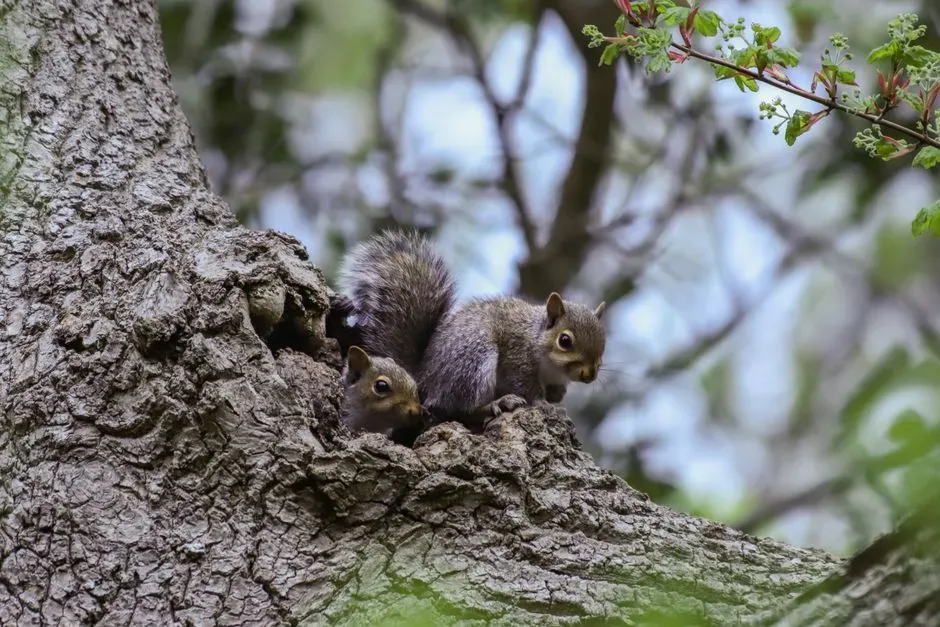
Leaf nests high in the branches get thicker walls as winter nears. Squirrels weave in fresh twigs and pack the interior with dry leaves and moss. The added bulk traps body heat during cold nights.
They often work at dusk when fewer eyes watch. A well built drey can last through storms that would destroy a flimsier structure. The extra effort shows up only if you look closely at the shape and density of the nest.
Lining Nests With Softer Insulation
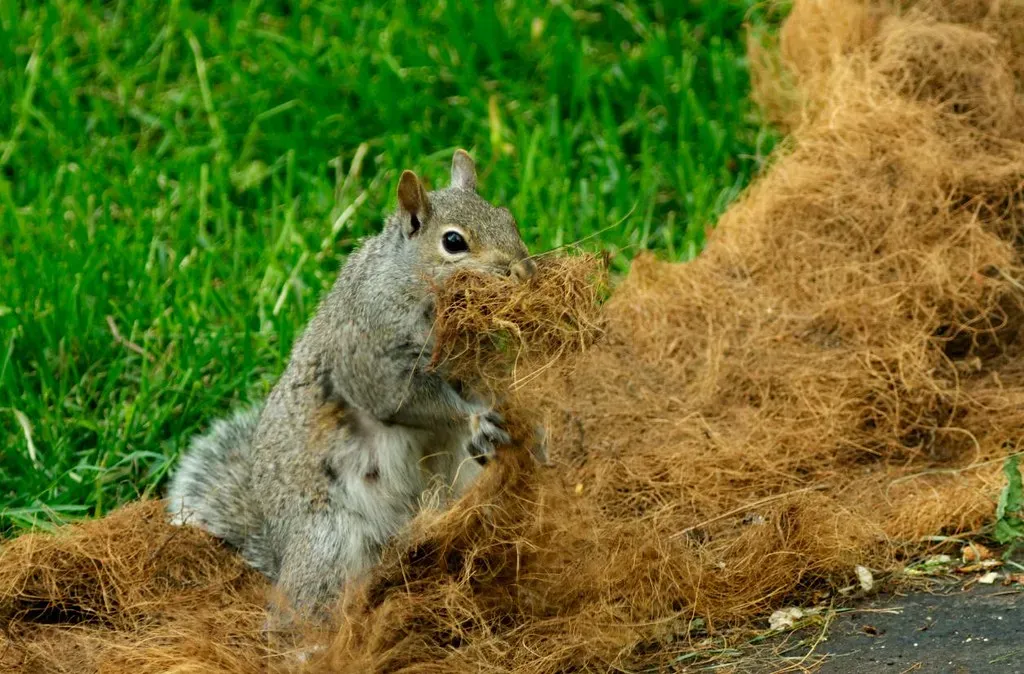
Inside the outer shell they add shredded bark and fur pulled from their own bodies. This soft layer sits against the skin and reduces heat loss. The material also absorbs moisture that might otherwise chill them.
They return to the same nest repeatedly to add more lining as temperatures fall. The result feels almost like a small quilt tucked high above the ground. Neighbors rarely notice the gradual change in nest texture from the street.
Foraging At Dawn And Dusk More Often
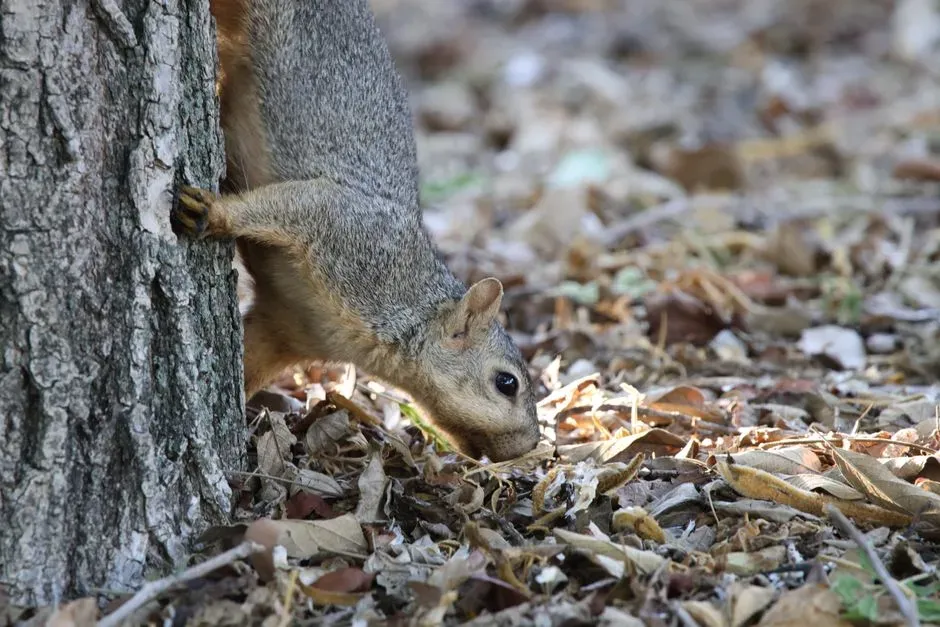
Activity peaks shift toward the edges of daylight. Squirrels emerge earlier in the morning and stay out later in the evening to gather what they can. Midday hours see less movement as they rest and digest.
The pattern helps them avoid both predators and human traffic. It also matches the times when fallen nuts are easiest to spot before other animals claim them. The quiet rhythm repeats day after day until stores feel sufficient.
Selecting Nuts That Store Well
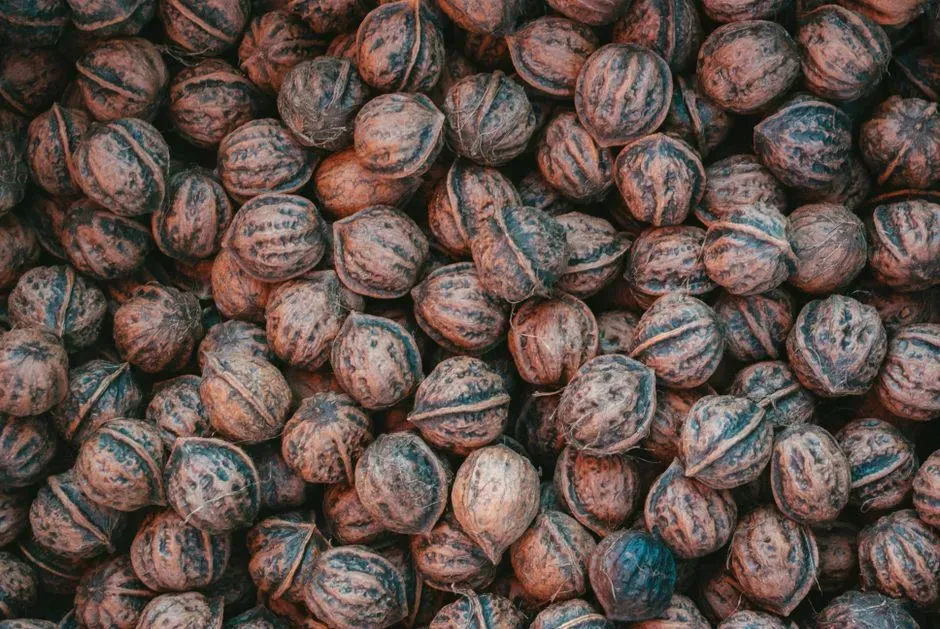
Not every acorn or seed makes the cut. Squirrels favor items with thick shells that resist rot and insects. They test by biting or shaking before deciding where to place each one.
Walnuts and hickory nuts often rank high because they last longest underground. Softer foods get eaten right away instead of cached. The selective habit stretches limited resources across the entire season.
Storing Food In Tree Cavities
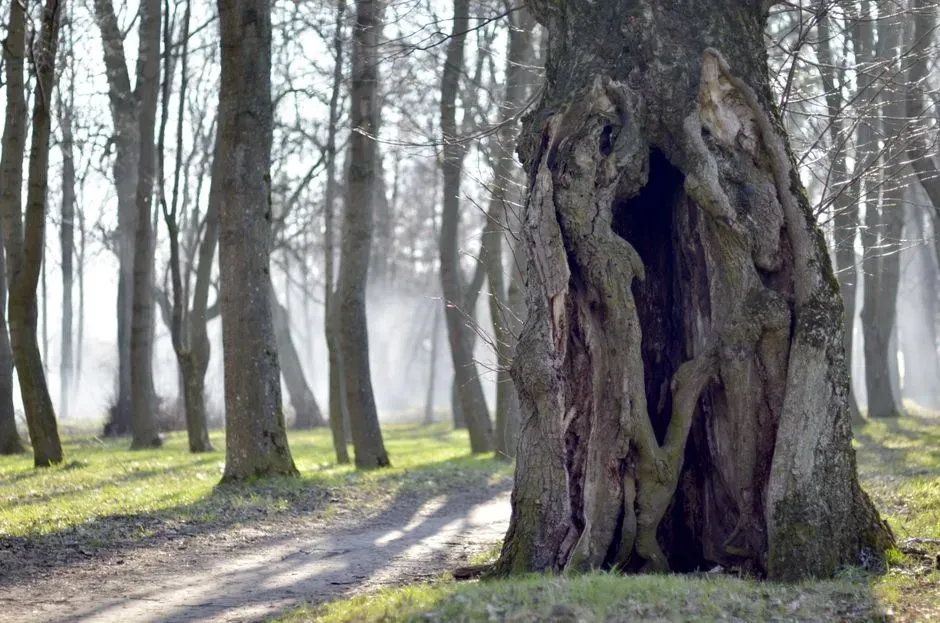
Hollows in trunks serve as backup larders. Squirrels push nuts and seeds into these sheltered spaces when ground conditions turn muddy or frozen. The wood protects the food from rain and snow.
They check these spots regularly and move supplies if needed. A single cavity can hold enough to last several days of bad weather. The strategy adds another layer of security beyond buried caches.
Growing A Denser Winter Coat
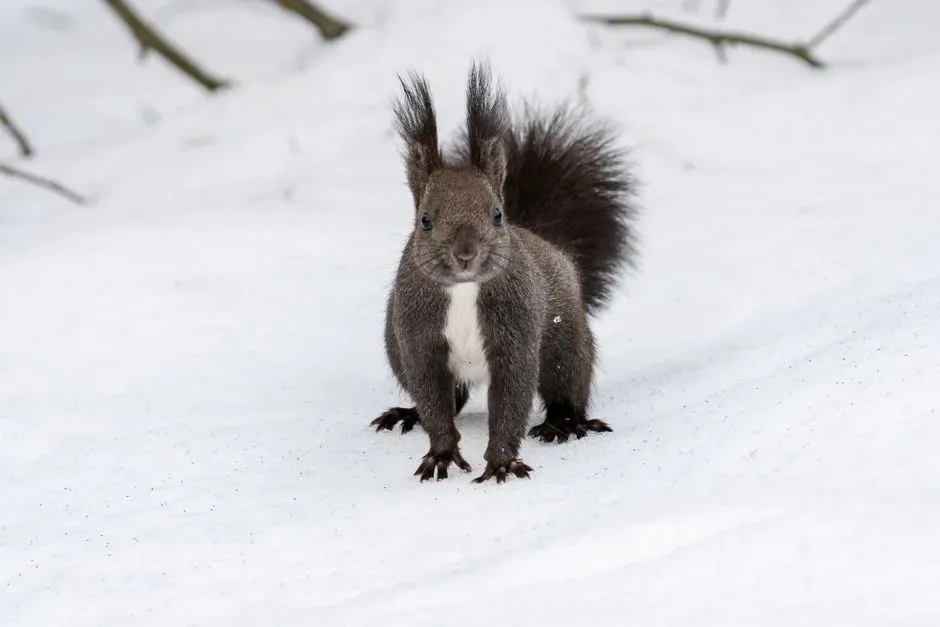
Fur thickens gradually through late summer and fall. The new undercoat traps air close to the skin and provides natural insulation. Outer guard hairs also lengthen and become oilier to shed moisture.
The change happens without fanfare yet alters how the animal looks and moves. A squirrel in full winter coat appears rounder and fluffier from a distance. The adaptation lets them stay active even when temperatures drop below freezing.
Creating Multiple Nest Sites
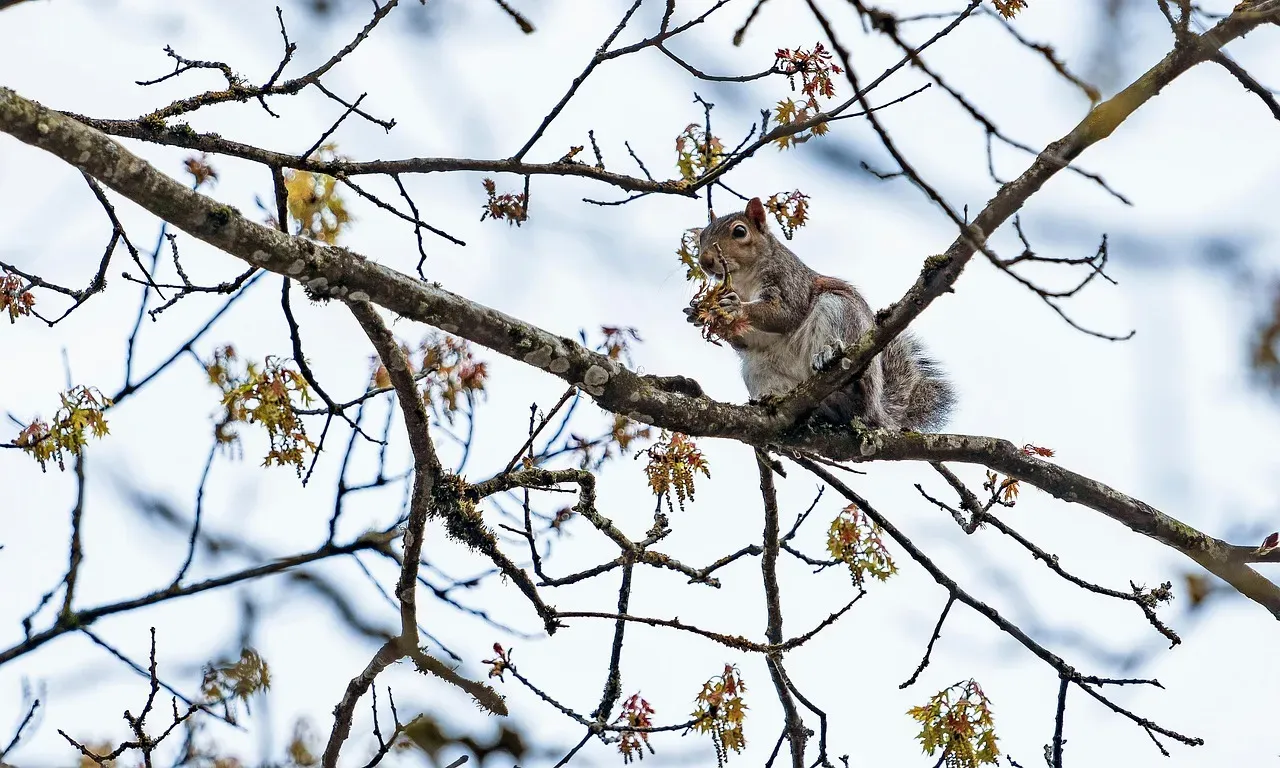
One drey is rarely enough. Squirrels build or claim several shelters within their territory. If one gets damaged or invaded they have ready alternatives nearby.
They rotate between sites depending on weather and safety. The extra work happens quietly at night or during calm afternoons. Having options reduces the chance of being caught without shelter during a sudden storm.
Reducing Unnecessary Movement
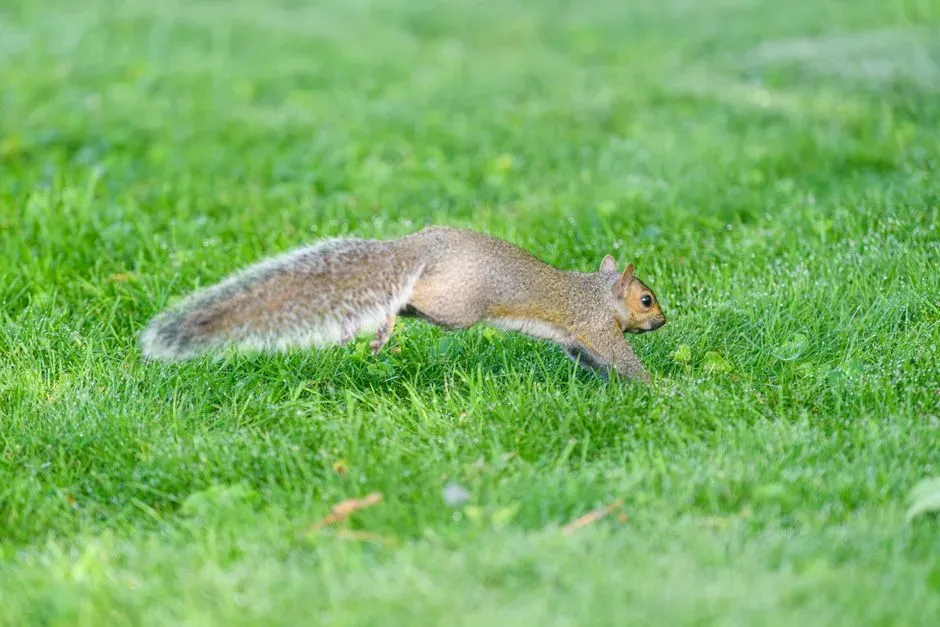
Energy conservation becomes a priority. Squirrels limit long runs across open ground and stick closer to cover. They pause more often to listen and watch before crossing lawns or roads.
The slower pace preserves fat reserves built up from heavy foraging. It also lowers exposure to cold wind and predators. The shift feels subtle until you compare their earlier summer speed to the measured steps of late fall.
Using Their Tails For Warmth And Signals
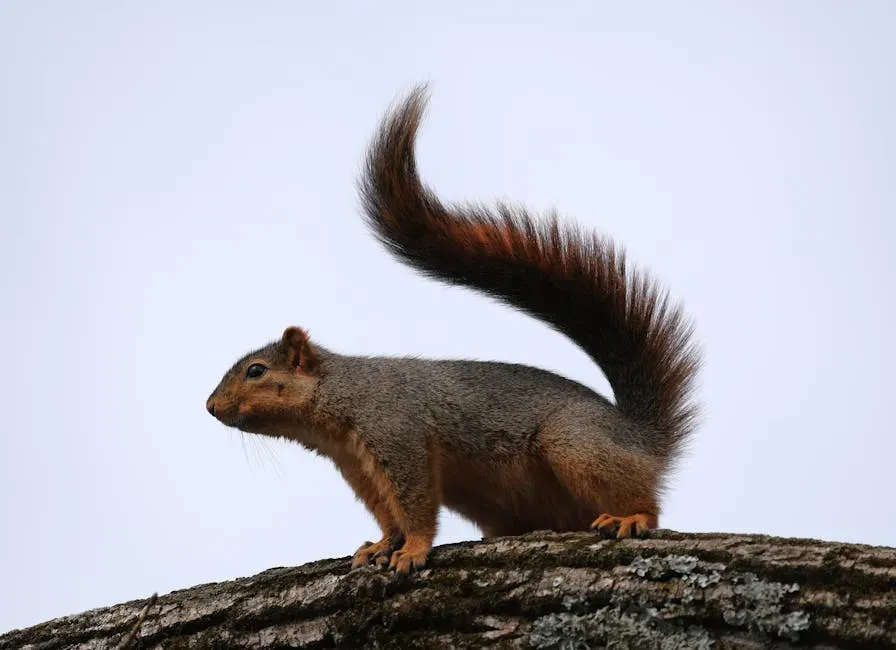
A bushy tail serves as both blanket and communication tool. Squirrels curl it over their bodies while resting in the nest. They also flick or wave it to warn others of nearby threats.
The tail grows fuller along with the rest of the coat. Its dual purpose helps them stay warm and coordinate with nearby squirrels without loud calls. The behavior blends into everyday movement until you watch for it specifically.
Testing Soil Conditions Before Burying
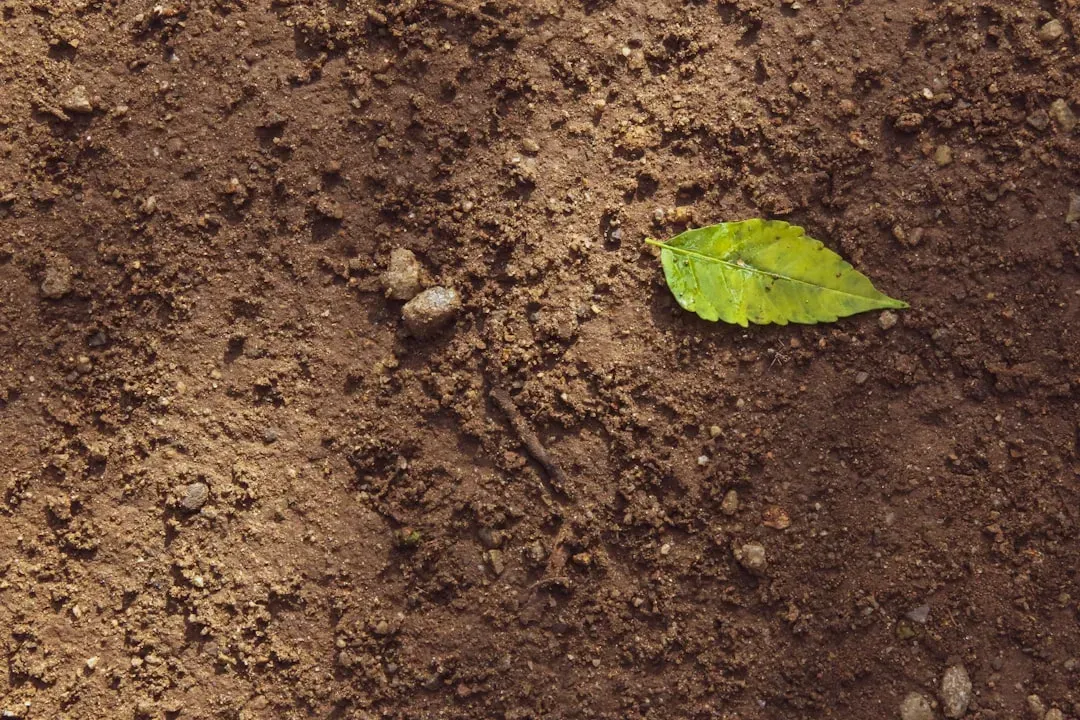
They probe the ground with quick digs to check moisture and texture. Dry loose soil works best for hiding nuts without them sprouting or freezing solid. Wet or compacted earth gets skipped.
The quick tests happen in seconds yet guide where the real work occurs. Good spots receive multiple nuts over several visits. Poor locations are abandoned after one trial dig.
Relying On Nearby Human Food Sources
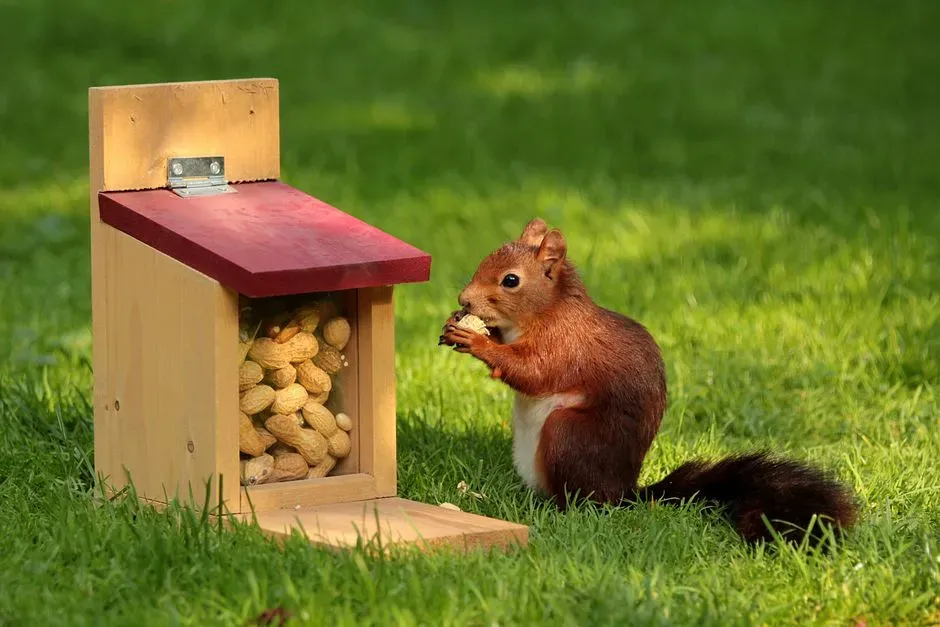
Bird feeders and dropped garden scraps become part of the plan. Squirrels learn which yards offer reliable extras and time their visits accordingly. They take only what fits in their cheeks and return later for more.
The habit stays low key because they avoid drawing attention. A few trips a day add up without emptying any single source. The strategy supplements natural caches when wild supplies run thin.
Paying attention to these quiet routines reveals how much planning goes into simply surviving the cold months. The squirrels around us manage it without complaint or drama, which makes their success all the more impressive once you notice the details.

- The Secret Lives of Nocturnal Animals: What Happens After Dark - August 10, 2026
- 12 Incredible Facts About Monarch Butterflies and Their Migration - August 10, 2026
- Why the World is Obsessed with This Iridescent Spider: The Psychedelic Earth Tiger - August 10, 2026