
You think you know how much your dog means to you. You think the hardest part will be the empty bed, the untouched food bowl, the first night of silence. And then they’re gone – and you discover you were only scratching the surface of what you had. The loss doesn’t just hurt. It rearranges things. It reaches into the corners of your day that had nothing to do with heartbreak and quietly hollows them out.
What follows isn’t a list of obvious grief stages or gentle reminders to “cherish the time you have.” These are the specific, strange, deeply personal shifts that longtime dog owners only recognize in hindsight – the ones that blindside you weeks or months after the loss, when you thought the worst was already behind you. Some of these will hit uncomfortably close to home. A few might take your breath away.
#1 – You Finally Understand What Family Actually Meant
While you had them, it was easy to say “they’re family” without fully meaning it. The word felt affectionate, maybe a little sentimental. But once they’re gone, the weight of that word lands differently. You start reviewing decisions – vacations cut short, apartments chosen, schedules rearranged – and realize how many of them had the dog quietly threaded through the reasoning. You made choices around this animal the way you’d make choices around a person who mattered deeply, and you never once stopped to name it.
The grief that follows isn’t just sadness. It’s the specific ache of realizing you were in a relationship that asked nothing from you and gave everything anyway – unconditional in ways that even your closest human bonds rarely manage. The empty space left behind doesn’t just feel lonely. It forces a stark, honest definition of what belonging actually felt like in that house. For a lot of people, the dog quietly was the definition of home. They just didn’t know it until the definition disappeared.
#2 – Your View of Time Itself Shifts
Dogs are extraordinary timekeepers. They don’t use clocks – they use hunger, light, and habit – but they structure your day with a precision that most calendars can’t match. The 7 a.m. scratch at the bedroom door. The late-afternoon restlessness that meant it was walk time. The way they’d settle into their spot each night like a living signal that the day was officially over. You lived inside that rhythm so long you stopped noticing it was there.
After they’re gone, the days stretch in ways that feel almost disorienting. The hours don’t have the same punctuation. Mornings blur into afternoons. You look up from the couch at 4 p.m. and genuinely cannot account for where the last two hours went, because nothing marked them. Owners who’ve been through this often describe feeling slightly untethered – not depressed exactly, just unmoored from the quiet structure that made ordinary life feel organized and purposeful. It turns out your dog wasn’t just keeping themselves on a schedule. They were keeping you on one too.
#3 – Unconditional Love Looks Different in Hindsight
You could come home in a foul mood, snap at everyone, forget to fill their water bowl twice in a row – and they’d still meet you at the door like you’d just returned from a long and heroic journey. No scorekeeping. No sulking. No quiet withdrawal of affection to teach you a lesson. That consistency felt normal when it was happening. It was just how they were. Of course they were happy to see you. They were always happy to see you.
What you don’t fully grasp until they’re gone is how genuinely rare that is. Human relationships – even the good ones, even the ones you’d call loving – carry weight and memory and expectation. People adjust their warmth based on history. Dogs simply don’t. Once that comparison becomes clear, it doesn’t fade. You find yourself measuring other relationships against a standard that no human ever signed up to meet, and feeling the gap between them more sharply than you ever did before. It’s not resentment. It’s just a new kind of clarity that can’t be unseen.
#4 – Old Photos Hit With New Weight
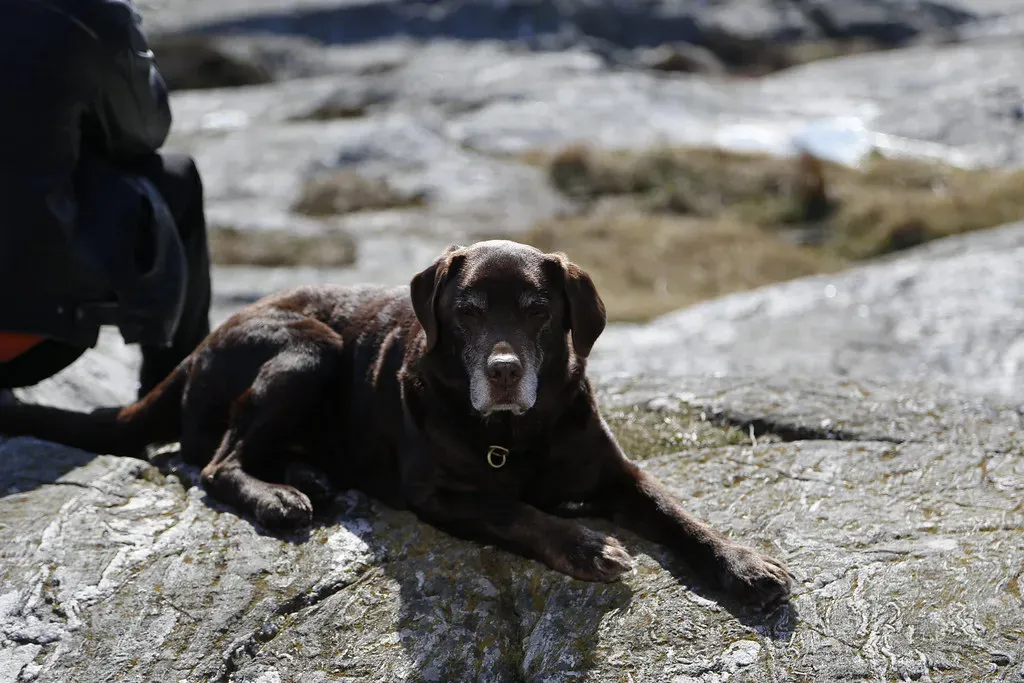
When they were alive, a photo was just a photo. A quick snap because they were being cute, a casual shot from a walk, a blurry picture someone texted you that you saved without thinking. You scrolled past them the same way you scrolled past everything else. They were pleasant. They made you smile. They didn’t stop you cold.
After the loss, those same images become something else entirely. You zoom in on the background of a throwaway photo and notice what the living room looked like three years ago, what season it was by the light through the window, whether they still had the old collar or the new one. The tilt of an ear, the exact gray creeping into their muzzle – details you never consciously registered now feel like crucial, irreplaceable evidence of a life you were present for but not fully watching. The photos stop feeling like memories and start feeling like proof. Proof that it was real, that they were here, that all of it actually happened.
#5 – You Talk to Yourself More Than Before
Most dog owners don’t realize they have a running commentary going. It’s just background noise – narrating what you’re making for dinner, asking out loud whether it looks like rain, announcing that you’ll “be right back” before leaving a room. It sounds ridiculous in retrospect. But the dog was always there, always listening in their patient, tilted-head way, and the habit of speaking your thoughts aloud became completely natural.
Without them, the commentary doesn’t stop – it just echoes. You catch yourself saying something out loud in an empty kitchen and the sound of your own voice in the silence feels strange and slightly embarrassing. You start processing thoughts internally that used to flow freely through spoken words, and the adjustment is genuinely awkward. Some people replace the habit with phone calls they wouldn’t have made before, or music kept on at all hours just to fill the air. What they’re really replacing is a listener – one who had absolutely no opinions about the dinner choice but whose presence made the narration feel worthwhile.
#6 – Your Sense of Protection Changes
It doesn’t matter if your dog weighed twelve pounds and was afraid of ceiling fans. Their presence in the house meant something. A bark at the window, even a ridiculous one, was still a signal. The sound of them moving around at night meant the house was being monitored by something other than your own anxious half-sleep. You had backup – unconditional, enthusiastic, arguably useless backup – and it was quietly comforting in ways you never articulated.
After they’re gone, nighttime sounds register differently. A creak in the hallway, a car door outside, wind against the glass – all of it hits slightly harder now because the automatic buffer is missing. Some owners start checking locks they used to ignore. Others find themselves lying awake in a house they’ve lived in for years, feeling an unfamiliar edge of exposure. It’s not full-blown fear. It’s the quiet recalibration of a nervous system that grew accustomed to sharing the night watch – and now suddenly finds itself alone on duty.
#7 – Food Habits Shift Without Explanation
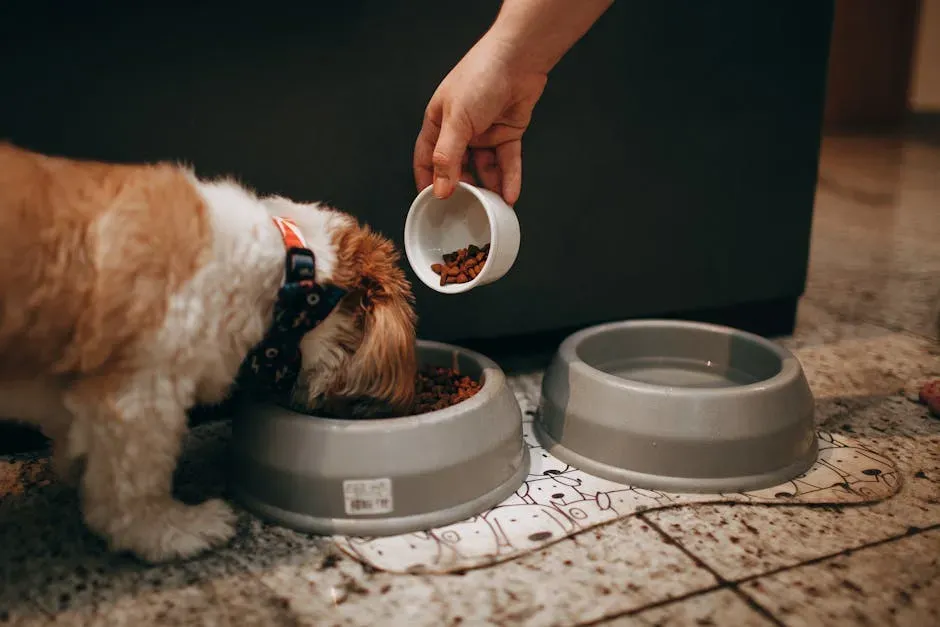
The kitchen was a shared space. You knew it without ever saying so. Cooking meant someone was watching, waiting, hoping that whatever you were making had a scrap worth sharing. Leftovers had a destination. Dropped crumbs were handled immediately and enthusiastically. There was a living, grateful audience for every meal, no matter how unremarkable, and their presence turned an ordinary chore into something faintly companionable.
Once that’s gone, meal prep quietly loses something it didn’t know it had. You stop buying certain brands not because you don’t like them, but because buying them feels pointed and wrong. Leftovers go into the trash with a flatness that takes you off guard. You start cooking less, eating standing over the counter, buying single-serve portions for the first time in years without entirely understanding why. The kitchen didn’t just lose a dog. It lost its most loyal and enthusiastic regular, and the room knows it even when you’re trying not to.
#8 – The Sound of Tags Becomes a Phantom Trigger
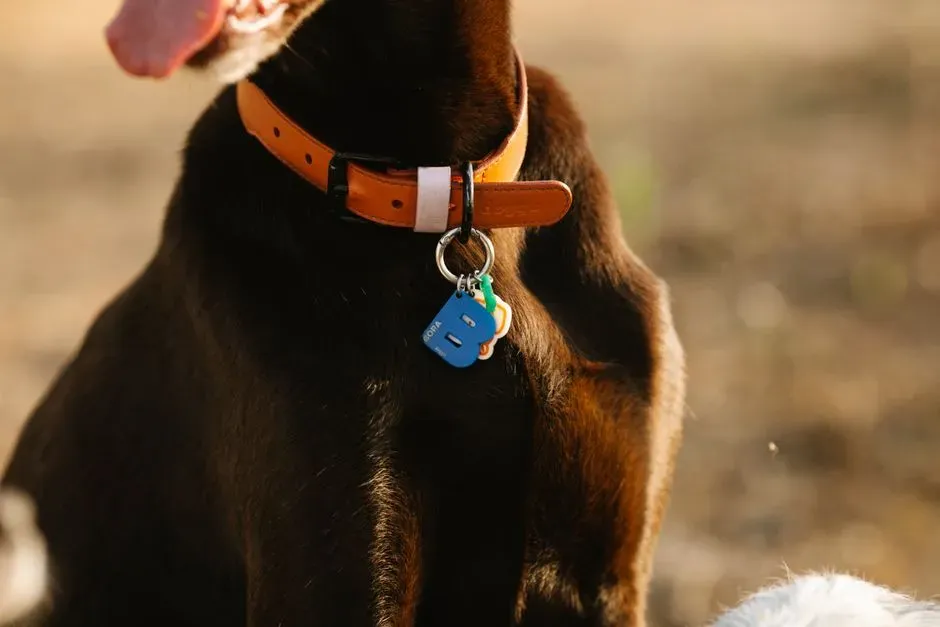
Few sounds are as specifically personal as the jingle of dog tags. It was the soundtrack of their movement through your home – coming down the hallway, shifting position on the floor, shaking themselves awake from a nap. You heard it so constantly it became wallpaper. You’d have had a hard time describing it precisely. It was just the sound of the house being alive.
After the loss, that sound becomes a ghost. A set of keys dropped on the counter. Wind chimes near an open window. The faint metallic noise of anything small and moving – and your head snaps up with a full-body alertness before your brain catches up to what’s actually happening. The hope that collapses in that half-second is disproportionately sharp for something so brief. Long-term owners say the phantom trigger can last for months, sometimes longer. The brain, stubbornly loyal, keeps the audio file active long after the source is gone.
#9 – Your Daily Schedule Develops Strange Gaps
You didn’t think of yourself as someone with a rigid routine. But the dog built one around you – or maybe you built one around them – and the difference stopped mattering years ago. Three o’clock meant a loop around the block. Seven meant the last check of the yard. Right after your first cup of coffee meant exactly one thing. The shape of your day was organized around a living creature’s needs, and that structure gave your hours a satisfying, purposeful cadence.
When those slots empty out, they don’t fill naturally. You try phone scrolling. Extra chores. Longer showers. But the time still sits there with a strange heaviness, like a chair at a table where someone used to sit. Many owners realize, with some surprise, that they’ve started scheduling social plans with unusual specificity – not because they suddenly became more extroverted, but because they need something to stand in those windows. The gaps aren’t just inconvenient. They’re reminders, timed to go off at exactly the moments when the absence is freshest.
#10 – Guilt Arrives in Unexpected Waves
You expect sadness. You prepare for sadness. What most people don’t see coming is the guilt – specific, granular, and ruthlessly timed. The walk you skipped because it was raining. The toy you kept meaning to replace. The afternoon you were distracted and a little short-tempered and they looked at you with patient, forgiving eyes and you moved on without a second thought. None of these things seemed significant at the time. They surface later, fully formed, with a weight they never had while they were still correctable.
The particular cruelty of grief guilt is that there’s no longer any way to make it right. You can’t give them the extra walk retroactively. You can’t go back to that rainy afternoon and choose differently. The mind fixates on these small absences with an intensity that feels wildly out of proportion – until you understand what it actually is: love looking for somewhere to go and finding only the past to work with. It doesn’t mean you failed them. It means you cared more than you realized, and the realizing is coming in too late.
#11 – Other Dogs on the Street Trigger Instant Recalibration
A dog barking down the block used to be background noise. Now it pulls your attention with a force that feels almost physical. You track strange dogs on walks the way you used to track your own – monitoring gait, reading ear position, clocking the tail. The observations happen automatically before you’ve chosen to make them, because your brain spent years building that skill and doesn’t know it’s been retired.
Then the comparisons start. Not always consciously, but they’re there – the way a particular dog carries itself, a coat color seen from a distance, a specific bark pitch that matches an old memory. Some owners find themselves crossing the street to avoid certain breeds, not out of discomfort exactly, but because the resemblance costs something they’re not always ready to spend in the middle of an ordinary afternoon. You become a different kind of observer – hyper-aware, quietly scanning, searching for something you already know you won’t find.
#12 – Morning Routines Lose Their Anchor
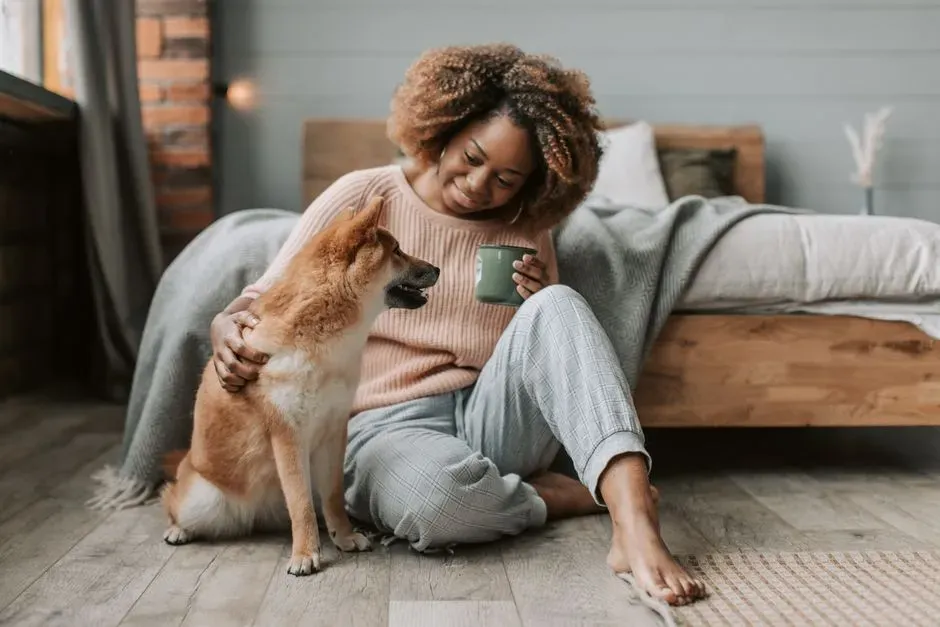
The dog didn’t just share your mornings. They organized them. Before coffee was finished, before the phone was checked, before a single decision was made – there was a creature who needed to go outside, who needed food, who needed acknowledgment that a new day had begun and that you were glad to be in it together. That sequence happened every single morning without negotiation, and it quietly gave your day a reason to start before you’d found one yourself.
Without it, mornings become strangely formless. You wake up at the same time out of pure body memory, but nothing requires you. The coffee tastes the same but feels different without a pair of eyes tracking every sip with patient, hopeful interest. Breakfast is mechanical. The hour before the rest of the world starts moving used to feel purposeful, even cozy. Now it just feels early. Owners who’ve been through the loss often say this particular shift – the unmoored morning – is the one that lingers longest and hits hardest, because it happens every single day before they’re fully awake enough to brace for it.
#13 – The House Suddenly Feels Too Large

You didn’t notice how much physical and emotional space the dog took up until none of it is filled anymore. Not just the obvious spots – the bed, the couch cushion with the permanent indent, the corner by the front door – but the ambient sense of occupancy that their presence created. A house with a dog in it has a specific atmospheric weight. You felt it without naming it every time you walked through the front door. The place had a pulse.
After they’re gone, that pulse stops. Rooms that were simply rooms now feel too quiet, too still, too perfectly arranged. The couch cushion stays smooth in a way that looks wrong. The back hallway, where they used to sleep during thunderstorms, becomes a room you find reasons to walk past quickly. Some owners start leaving televisions on just to give the house a heartbeat again. Others move furniture, repaint walls, rearrange the whole space – not to redecorate but to stop encountering absence in every corner. The house isn’t too large because the square footage changed. It’s too large because the thing that made it feel full is gone.
Here’s the honest truth that no one tells you when you’re in the middle of fresh grief: the shifts above don’t all arrive at once. Some hit in the first week. Some ambush you six months later on an ordinary Tuesday. Some you won’t recognize as dog-related at all until you’re well into them – a vague restlessness, a low-grade loneliness, a strange reluctance to rearrange the furniture – and then something small triggers the connection and you understand exactly what’s been happening all along.
The dog didn’t just occupy your home. They occupied the structure of your days, the architecture of your feelings, the baseline of what safety and belonging felt like. Grief for a dog isn’t smaller than other grief because the relationship was simpler. It’s often harder precisely because that relationship was the clearest, most uncomplicated love most of us will ever be given – and we only fully see that once we’re on the other side of it. If you’ve been through this, you already know. If you haven’t yet, remember this: the ordinary Tuesday moments are the ones worth slowing down for. They’re the ones you’ll look back on and wish you’d lingered in just a little longer.
