
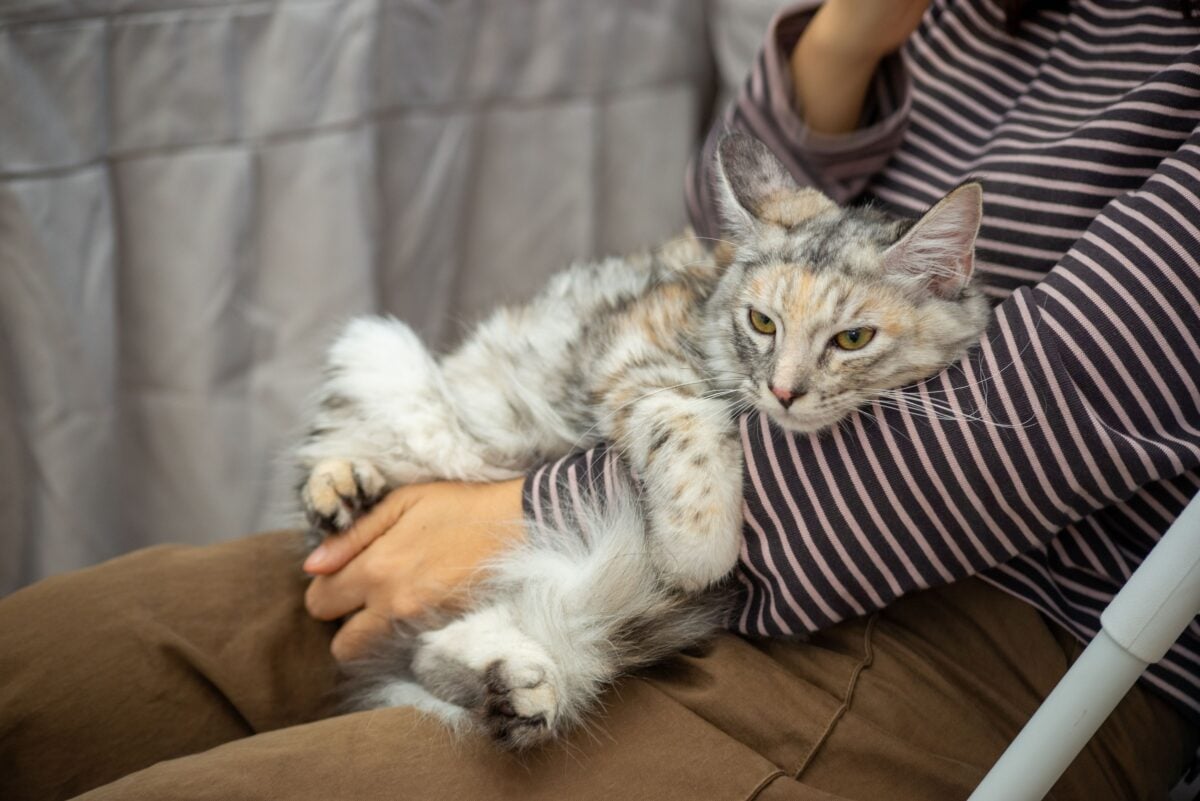
Most people think if you move the couch, your cat will sniff it once, huff, and “get used to it” by dinnertime. That’s the polite version of what actually happens. The real story is a lot stranger: every shift, slide, and swap sends your cat into a full, private investigation of the entire house – as if the floor plan itself just lied to them.
They’re not sulking. They’re not being dramatic. They’re recalculating routes, re-marking borders, and quietly renegotiating who owns what corner of your living room. Stick around, because once you see what’s really happening behind that suspicious little walk-through, you’ll never call it “just adjusting” again.
#1 – Your Cat Redraws Their Invisible Floor Plan

🔥 Would you like to save this?
We'll email this post to you, so you can come back to it later!
The moment you move a sofa or a bed, your cat’s mental blueprint of the house is instantly out of date. Cats navigate by a blend of visual landmarks, scent, and memory, so shifting one big piece of furniture is enough to make them pause in doorways, hesitate at corners, or creep instead of walk – as if they’re re-scanning the room in real time.
What looks like suspicious tiptoeing is actually your cat updating their internal GPS. They’re relearning where the cover is, where the escape routes went, and where they can watch the room without being watched themselves. You might catch them walking the exact same loop – hallway, chair, window, back again – for days. That’s not aimless pacing. That’s a safety audit, run on repeat until every path gets quietly “approved.”
#2 – New Highways (and Traffic Jams) Open Overnight
🔥 Would you like to save this?
We'll email this post to you, so you can come back to it later!
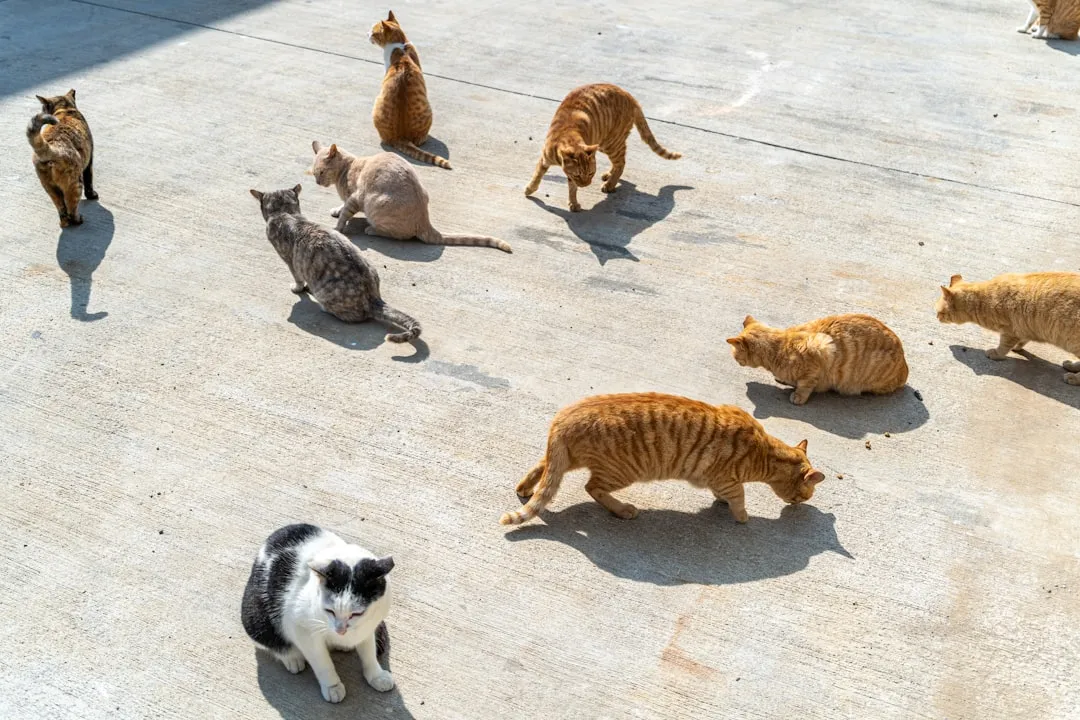
Moving furniture doesn’t just shift objects, it reroutes your cat’s entire commute. Cats build invisible “highways” through a home – low-conflict paths that dodge scary noises, drafty doors, and pushy housemates. Slide the coffee table, open a gap under the console, or pull the couch off the window, and you’ve just built brand-new express lanes overnight.
Watch closely after a big rearrangement and you’ll see an old route get abandoned – cutting across the open living room, say – in favor of wall-hugging or under-the-chair sprints instead. In multi-pet homes this gets messier fast: one cat blocks the new bottleneck, a dog parks itself in front of the only “tunnel,” and suddenly it looks like a turf war. Owners often assume “they just stopped getting along.” Usually, the real culprit is the layout, not the relationship.
Fast Facts
- Cats favor routes that minimize exposure, not routes that are simply shortest
- Multi-pet households tend to show the most visible route conflicts after a move
- A single blocked walkway can look like a personality clash but is often just bad traffic flow
- Old routes are usually abandoned within days once a safer new one is found
#3 – Scent Graffiti Goes Into Overdrive
🔥 Would you like to save this?
We'll email this post to you, so you can come back to it later!
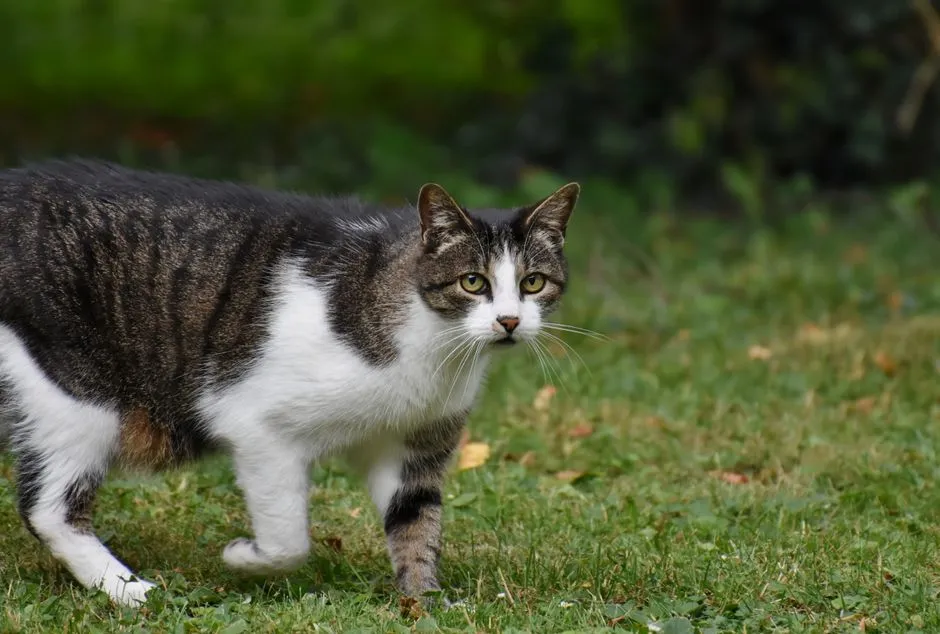
Most people write off scratching and head-bumping as cute quirks. In reality, after a furniture shuffle, your cat’s very first job is rewriting the scent story of the room. Cats carry scent glands in their cheeks, paws, and flanks, and when you move a chair that used to be “theirs,” you’ve literally deleted their old graffiti.
That’s why, after a room refresh, you’ll usually notice a burst of rubbing against chair legs and table edges, plus sudden fascination with corners or the underside of the bed. They’re not being clingy – they’re re-claiming ground. Some cats take it further, spraying or over-scratching right after a move, and owners often mislabel that as spite. It isn’t. It’s high-stress re-marking, because the entire scent network just got scrambled. Leave a few unwashed blankets in familiar spots and give it a few days – the marking almost always settles once everything’s been “signed” again.
#4 – Safe Zones Vanish, Shrink, or Suddenly Appear
🔥 Would you like to save this?
We'll email this post to you, so you can come back to it later!
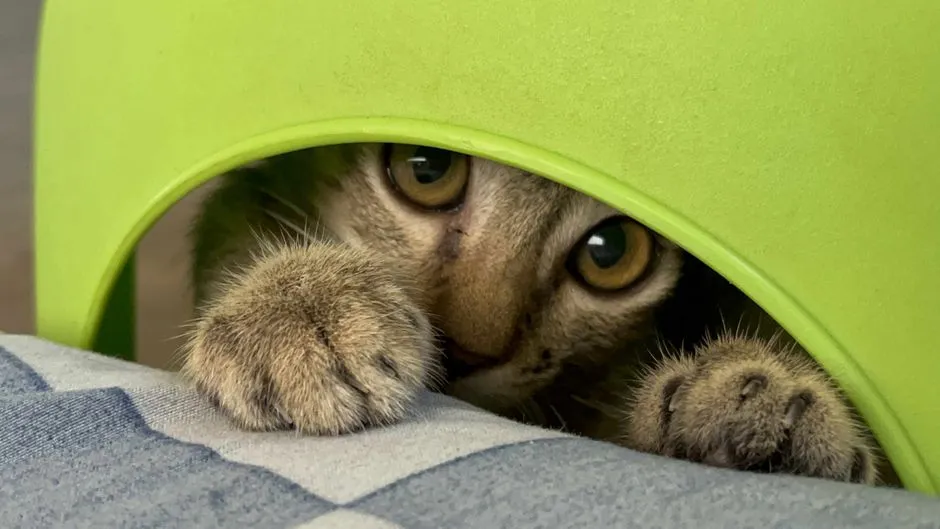
Every cat keeps a short list of non-negotiable safe zones: one couch corner, a specific windowsill, the exact patch under your bed. Move or block one of those spots and you can accidentally erase an emotional anchor of their entire day – and their stress hormones don’t care that “it’s just a chair.”
You’ll see it when a normally confident cat starts hiding more, or flatly refuses to enter a room they used to love. But there’s an upside too: sometimes a furniture shuffle creates a brand-new sanctuary – a hidden nook behind a bookshelf, a higher perch atop the wardrobe, a shadowed corner behind a curtain. Cats will often latch onto that new spot almost obsessively, using it as base camp while they renegotiate everything else. If you want to soften the transition, keep at least one familiar bed or scratching post in a consistent place.
#5 – Vertical Real Estate Becomes the New Throne
🔥 Would you like to save this?
We'll email this post to you, so you can come back to it later!
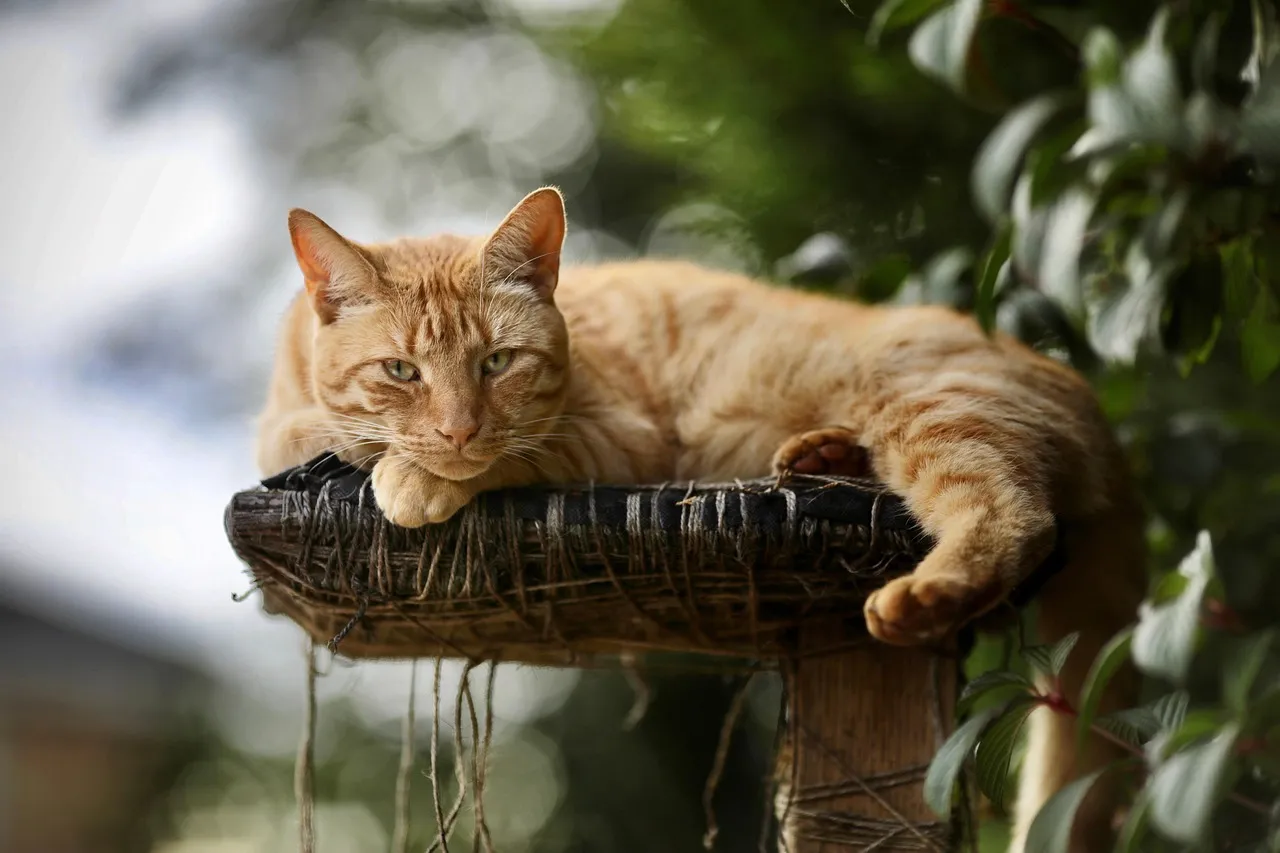
Cat behavior experts agree on almost nothing except this: vertical space is gold. Rearranging furniture doesn’t just move things sideways, it opens and closes elevated spots that can flip the entire power structure of a multi-pet home. Suddenly the top of the fridge is one easy hop away, or the sofa back lines up perfectly with the windowsill, and your cat notices instantly.
Height gives cats a full view of their territory and fewer surprise approaches, which is exactly why they’ll test new elevated routes first after a move. If a fresh “ladder” appears – chair to table to shelf – they’ll run it, memorize it, and sometimes guard it like a throne. In multi-cat homes, whoever controls the best perch often controls the mood of the whole house. It’s rarely that they “suddenly hate each other” – it’s that the throne just relocated.
#6 – New Ambush Points Turn Playtime Into Warfare
🔥 Would you like to save this?
We'll email this post to you, so you can come back to it later!
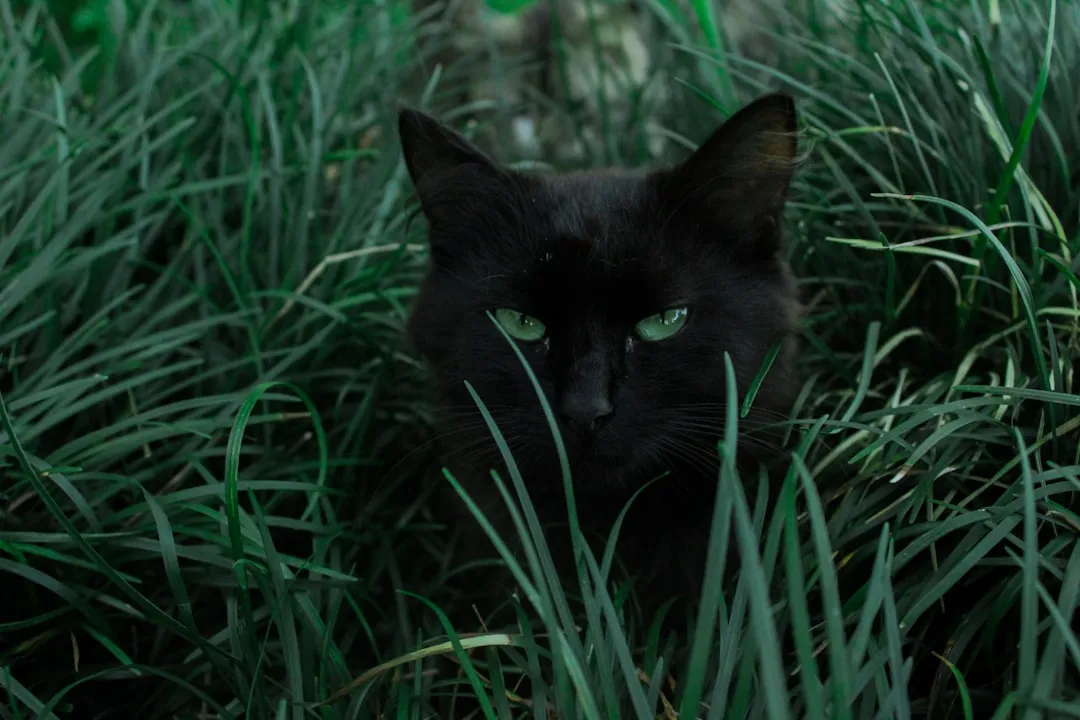
Everyone laughs at the surprise ankle attack from under the table – until a furniture shuffle builds an entirely new ambush architecture in your living room. Cats are ambush predators by design, so any nook, overhang, or curtain gap instantly becomes a launch pad. Drag the couch a foot off the wall or slide a storage cube under the window, and you’ve just installed fresh hide-and-pounce stations.
Your cat will test the new geometry fast: can I hide here and still see the hallway? Can I launch from this edge and land without a sound? That’s why, right after a move, your ankles might come under “mysterious” attack, or one cat starts ambushing another from a very specific corner. You didn’t get a meaner cat – you handed them better ambush geometry. Blocking a key hiding spot, or offering a decoy tunnel elsewhere, can take the edge off fast.
#7 – Sunspots and Warm Zones Get Reassigned
🔥 Would you like to save this?
We'll email this post to you, so you can come back to it later!
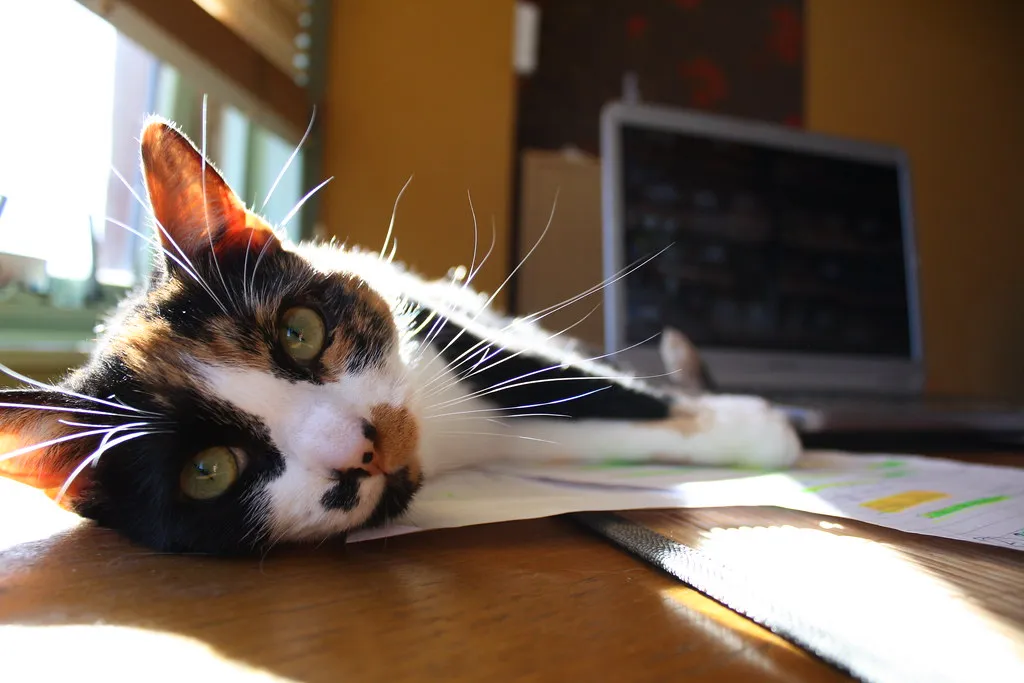
Cats are shameless micro-climate chasers. They know exactly where the late-morning sun lands, where the floor stays warmest, and which vent throws the best heat. Move a couch six inches, swap a rug, and you can accidentally relocate the daily sun spa without ever meaning to.
Owners often read this as “my cat suddenly dislikes that room,” when the real answer is simpler: you moved the weather. After a rearrangement, cats rapidly re-survey where the light falls and for how long, and which surfaces feel warm versus drafty, testing patches of floor and window angles until they find the new sweet spot. The quietly sad part is that senior or arthritic cats can lose their favorite warm spot in the shuffle, which sometimes shows up as stiffness or extra irritability. A heating pad or thick bed placed where the old sunspot used to be can make a real difference.
Quick Compare
- Before the move: predictable sunspot, same time every day, cat naps confidently in the open
- Right after the move: cat wanders between windows, testing new light patches
- A few days later: a new favorite spot gets claimed and defended like the old one
- Senior cats: often need a heated bed as a stand-in until the new spot is found
#8 – The Soundscape Gets Completely Remapped

🔥 Would you like to save this?
We'll email this post to you, so you can come back to it later!
Humans are visual creatures. Cats are acoustic control freaks. When furniture moves, the way sound travels through a room changes with it – echoes shift, thuds land differently, footsteps sound closer or farther away. A chair against a wall can mute hallway noise; a bare corner can suddenly amplify a dropped phone. Your cat notices every bit of it.
That’s why, after a rearrangement, they might startle at sounds they used to ignore completely, or start avoiding a spot where noise now bounces strangely. If the litter box, food station, or bed ends up somewhere doors slam or the TV echoes, your cat’s stress can spike even if you never notice a difference yourself. This is exactly why some behaviorists roll their eyes at “he’s just being dramatic.” He isn’t – the acoustic map got rewritten, and he’s the only one in the house reacting to it logically.
#9 – Social Borders Between Pets Quietly Shift
🔥 Would you like to save this?
We'll email this post to you, so you can come back to it later!
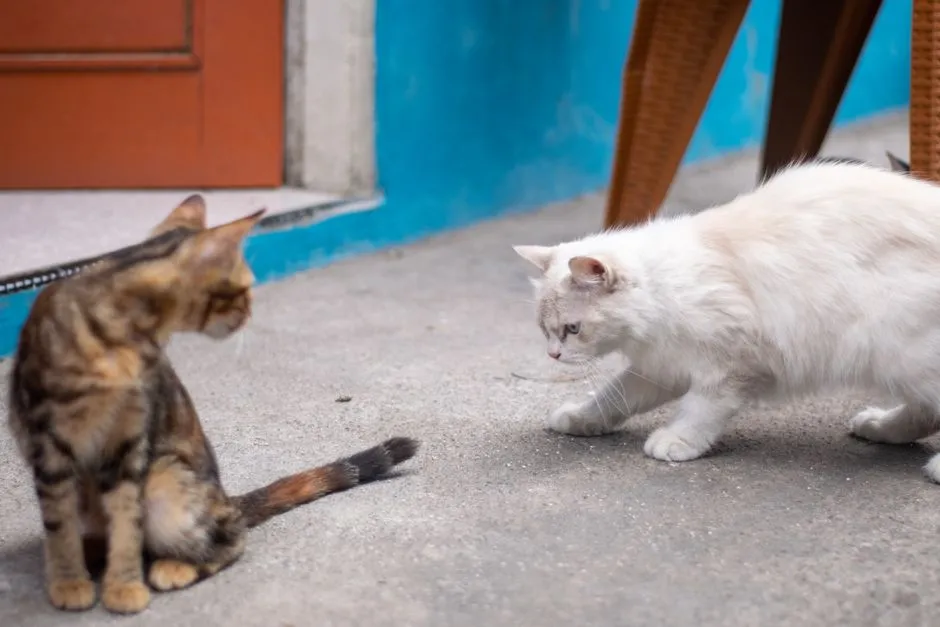
Here’s the uncomfortable part: a lot of “sudden” tension between pets is actually created by humans dragging furniture around without thinking about traffic flow. Cats don’t just share space, they negotiate borders – who crosses which path, who owns which doorway, who gets the inside curve of the couch.
Block a wide walkway with a table, or narrow a hallway with a storage bin, and you can accidentally create a hotspot where cats get forced into face-to-face standoffs. After a move, watch for staring contests or hissing that start happening in one specific spot, or a cat that suddenly “guards” a corner or the top of the stairs. These aren’t random mood swings – they’re border disputes over a brand-new chokepoint. Reopening an alternate route, even just a gap behind a chair, often calms things down faster than any calming spray on the market.
#10 – Ritual Routes to Food and Litter Get Rewritten
🔥 Would you like to save this?
We'll email this post to you, so you can come back to it later!
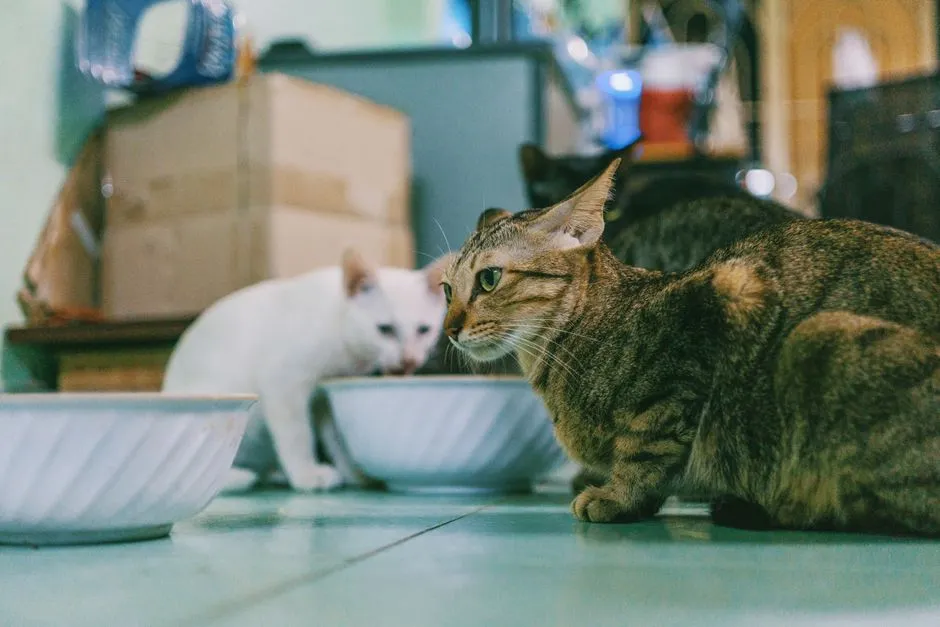
If you think your cat just “goes to the bowl,” you’re missing the most underrated part of their day: ritual. Most cats take roughly the same path to food and litter every single time, and that predictability is a huge part of how they feel secure. Move the furniture, and that ritual gets broken – sometimes with a bigger reaction than owners expect.
You might see hesitation before entering the litter room, or a cat suddenly looping the long way around to reach their food. A new obstacle – a bar stool, a box, a dog bed – can turn a simple approach into a gauntlet, and a shy cat may decide it’s safer to hold it or eat less than risk crossing the new danger zone. Always rule out medical issues first, but don’t stop there – restoring a clear, low-stress path to food and litter can undo what looked like a serious behavioral crisis almost overnight.
Worth Knowing
- Keep at least one clear, obstacle-free path to food, water, and litter after any move
- Sudden hesitation at a bowl or box is often about access, not appetite
- Shy or lower-ranking cats are usually the first to change eating or litter habits
- Rule out medical causes first, then check the route before assuming a behavior problem
#11 – Old Fears and Curiosities Resurface
🔥 Would you like to save this?
We'll email this post to you, so you can come back to it later!
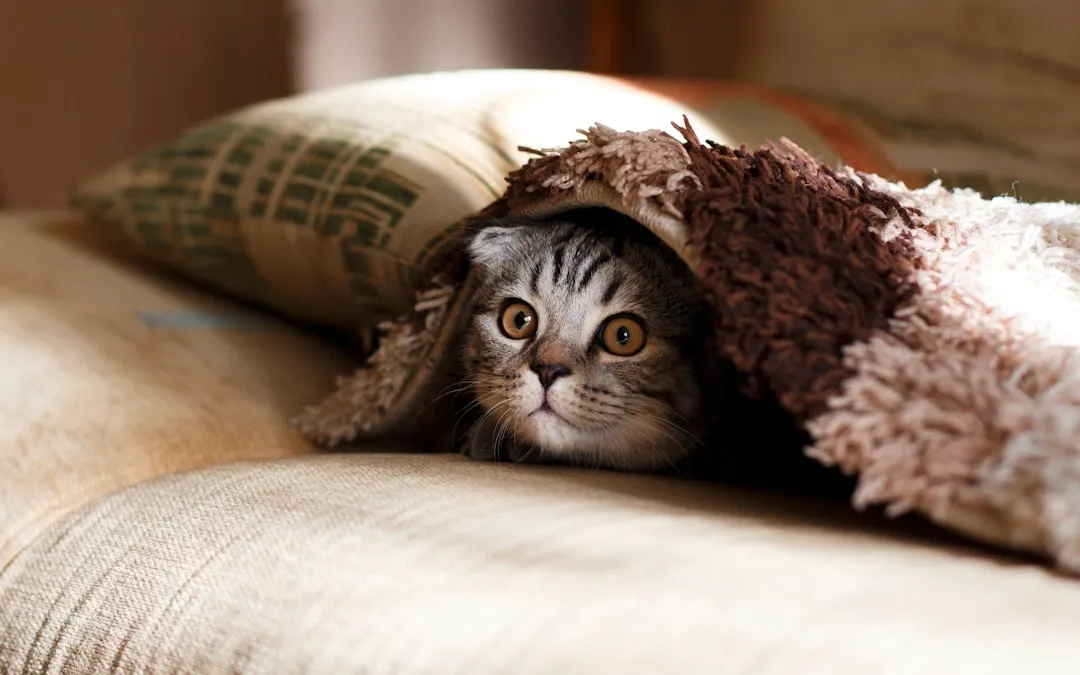
People underestimate how long a cat remembers a scare tied to a specific spot. The vacuum that once lunged out from behind the armchair. The visitor who dropped a noisy bag by the bookshelf. Those memories live inside the mental map of the house, and rearranging furniture can expose – or bury – them in surprising ways.
When you move a piece that once hid a scary event, you can accidentally peel back an old anxiety you’d both forgotten about. You might notice sudden, focused suspicion toward a random corner or wall, or a cat skirting around a space they used to walk through with total confidence. On the flip side, a new hiding spot can make them brave enough to finally revisit a room they’d been avoiding for years. Your cat isn’t being randomly weird – the layout just resurfaced something they never got over.
#12 – Your Cat Renegotiates How Close to Be With You
🔥 Would you like to save this?
We'll email this post to you, so you can come back to it later!
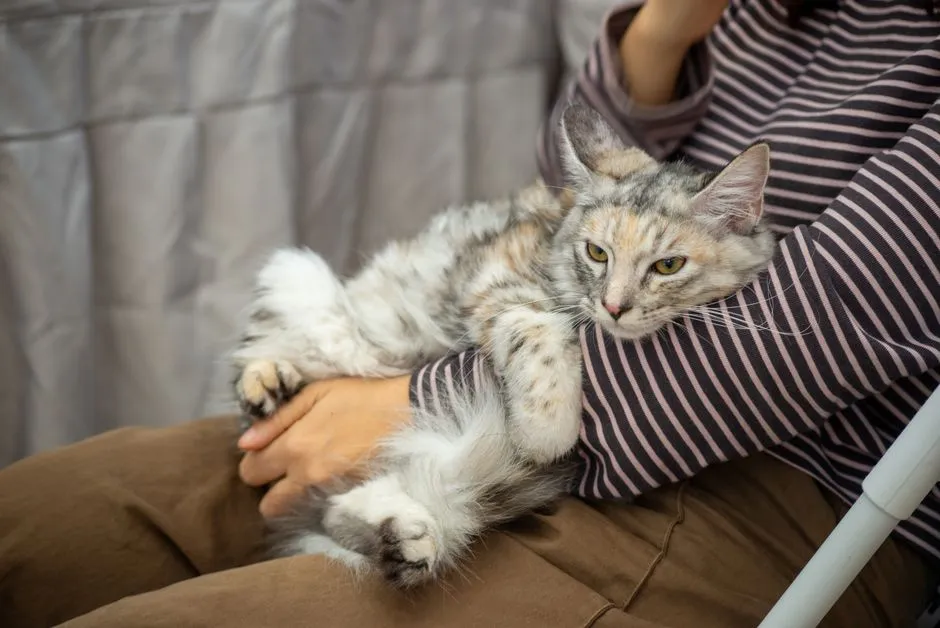
Cats don’t just think in terms of furniture, they think in terms of you. Where you sit, sleep, and work is a huge part of their social map. Move a desk into a sunny corner, shift your favorite chair, or rework the bedroom, and your cat has to decide all over again: how close do I want to be now, and on what terms?
Furniture changes can turn a standoffish cat into a lap cat, or push a formerly cuddly one out to the edges. Move your work spot near a window perch, and they might start “co-working” with you daily. Push your bed against a noisy wall, and they might quietly relocate to sleep elsewhere. What looks like a personality shift is often just a seating chart shift. If staying bonded matters to you, build in easy paths and perches near where you already spend your time – a gap behind the couch, a shelf beside your desk, one open corner of the bed.
At a Glance
- A perch near your desk or chair can turn a distant cat into a daily companion
- A noisy new spot next to your bed can push a cuddly cat further away
- Cats reassess closeness to you every time your “spot” changes, not just theirs
- Small, easy access points near your usual seat help preserve the bond through a move
#13 – The Whole House Becomes a New Story They Have to Finish
🔥 Would you like to save this?
We'll email this post to you, so you can come back to it later!
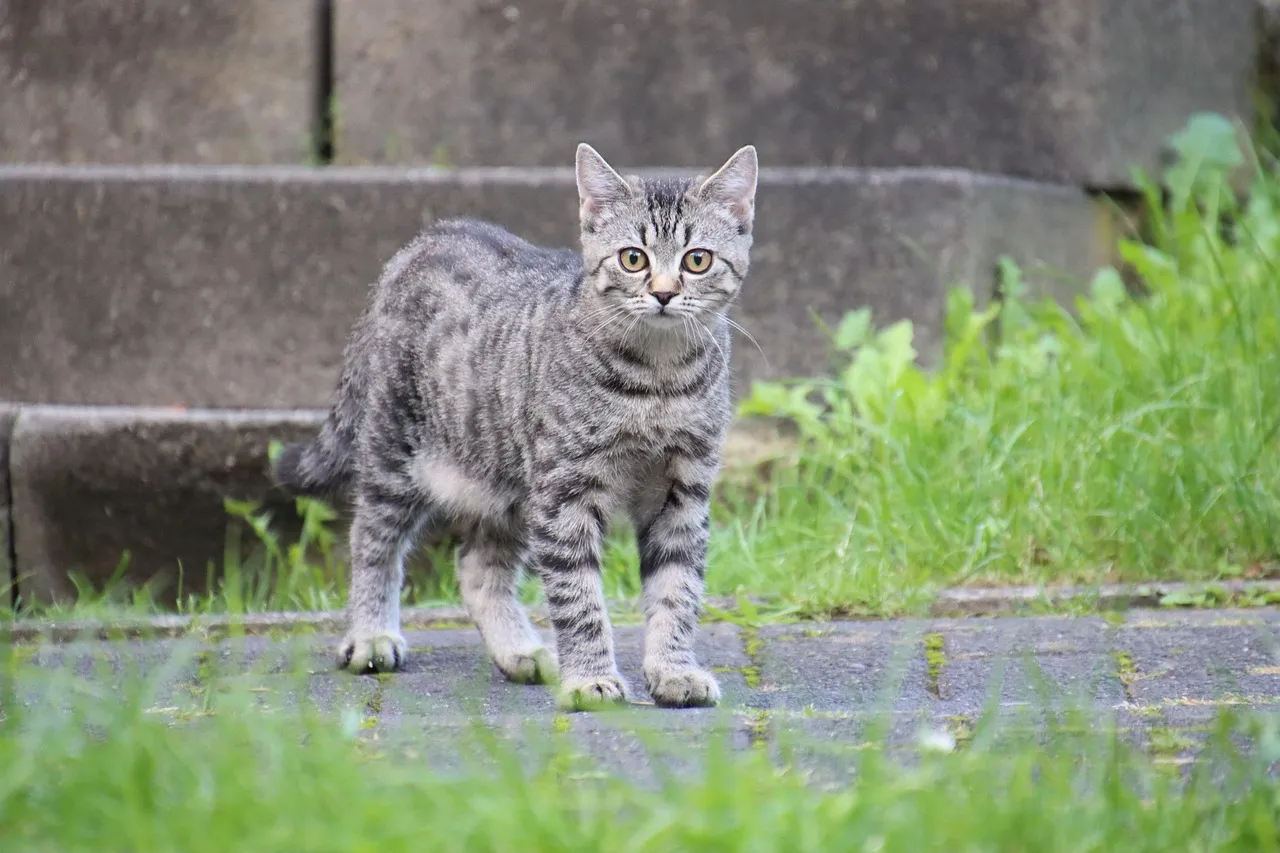
Here’s the part that sounds dramatic but tracks with how cats actually live: every home is a story they’re constantly writing. Daily patrols, predictable routes, safe zones, ambush games, nap cycles – it’s all one continuous narrative running in their head. Move the furniture, and you’re not just adding a few hideouts. You’re forcing a full rewrite of the plot.
Some cats find that thrilling. Others find it exhausting. For the week or so after a big move, expect them to systematically revisit every room at different times of day, testing sounds, light, surfaces, vantage points, and escape routes one by one. They’re not just coping – they’re editing. Once they’ve walked, sniffed, scratched, and lounged their way through every new possibility, the house finally becomes theirs again. Every rearrangement kicks off a mandatory investigation arc in your cat’s head – it’s never optional, no matter how small the change looks to you.
The Bottom Line
🔥 Would you like to save this?
We'll email this post to you, so you can come back to it later!
Cats don’t casually “adjust” to furniture changes – they launch a full-scale remodel of their mental and emotional map of your home. From scent graffiti and traffic routes to social chokepoints and sunspot politics, every shift you make forces them to renegotiate safety, status, and even their relationship with you.
Calling that “just quirky behavior” is lazy. Your cat is doing real cognitive work you rarely give them credit for. In my opinion, if you’re going to live with a cat, you don’t just own furniture – you co-design territory with them. Rearranging without thinking about their highways, perches, and safe zones is like changing the rules mid-game and then blaming the player for getting upset.
So next time you slide a couch or swap a room around, ask yourself: are you just moving décor, or handing your cat an entire new story they now have no choice but to finish?

- 7 Everyday Habits That Can Make Your Senior Dog Happier - November 5, 2026
- 10 Enigmatic Structures That Continue to Puzzle Scientists Today - November 5, 2026
- 10 Strange Ruins in the Americas That Challenge What We Know About Early History - November 5, 2026