
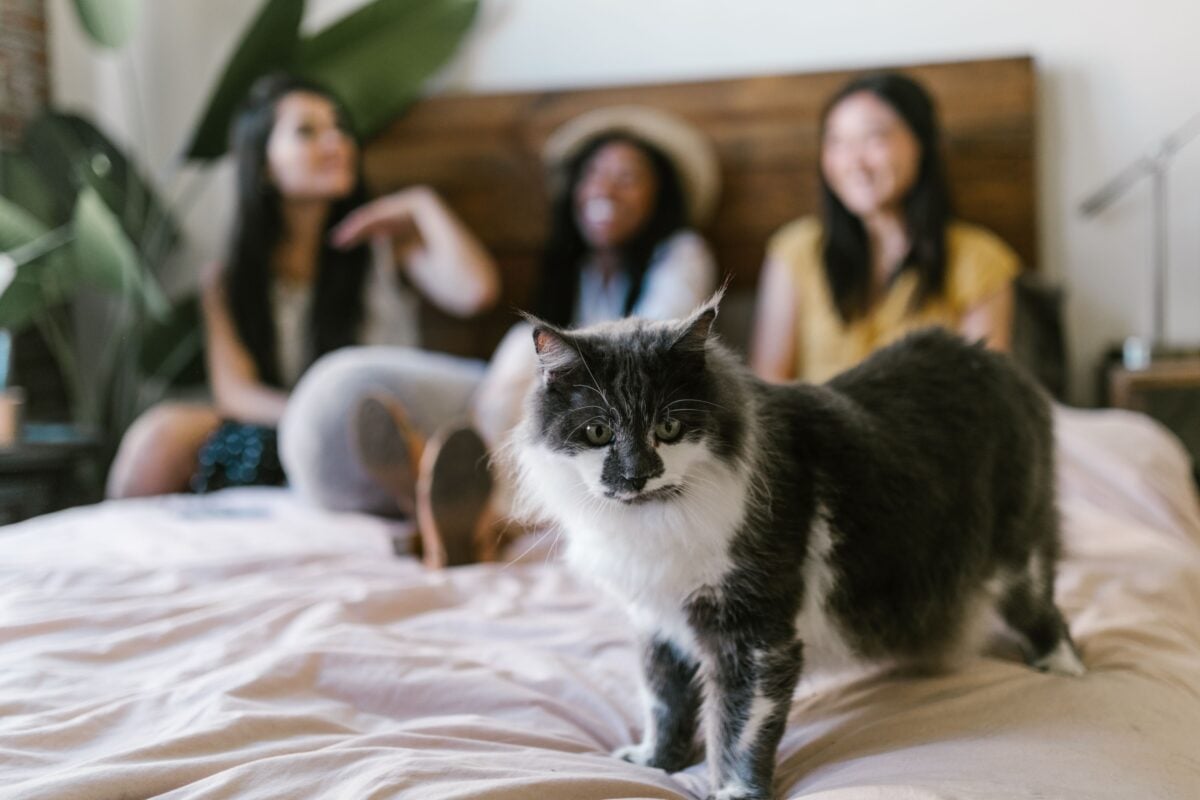
You already suspect it, don’t you? That your cat doesn’t love everyone in the house the same amount. Maybe it sprints to your roommate’s ankles but only tolerates yours. Maybe it sleeps on the one person who barely acknowledges it. That nagging feeling is not paranoia – it’s accurate.
Cats run a quiet, constant ranking system on every human under their roof, and the criteria have almost nothing to do with who loves the cat most. It’s about who feeds on time, who respects boundaries, and who shows up when things get scary. Once you see the pattern, you can’t unsee it – and by the end of this list, you’ll know exactly where you land.
#1 – The Food God (Primary Caregiver)
🔥 Would you like to save this?
We'll email this post to you, so you can come back to it later!
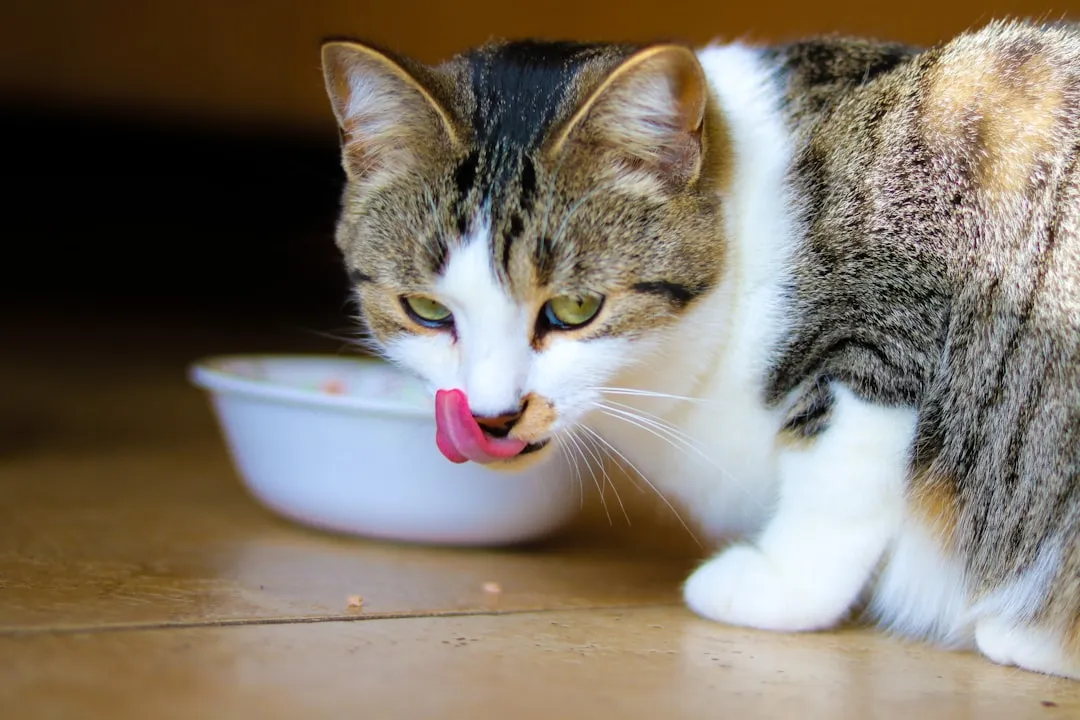
Your cat’s true number one is almost always the person who controls the bowls. Food isn’t just nutrition to a cat – it’s security. The human who feeds on a predictable schedule, uses the same routine, and refills before the dish is scraped clean becomes the central pillar of the cat’s entire world.
You’ll catch the cat shadowing this person into the kitchen, meowing at them more urgently than anyone else, and waiting by the door when they’re due home. This isn’t manipulation – it’s survival wiring from kittenhood. Even more telling: this is usually who the cat runs to during thunderstorms or a loud argument. Whoever your cat sprints to when it’s scared is almost always sitting in the top spot.
Fast Facts
- Cats can’t taste sweetness, so their food loyalty is really built on texture, warmth, and routine.
- A consistent feeding schedule can lower stress behaviors like overgrooming or litter box avoidance.
- Kittens imprint early on whoever reliably provides food, shaping lifelong trust patterns.
- Cats meow far more at humans than at other cats – it’s a sound they learned works on us specifically.
#2 – The Safe Lap (Calm, Predictable Human)
🔥 Would you like to save this?
We'll email this post to you, so you can come back to it later!
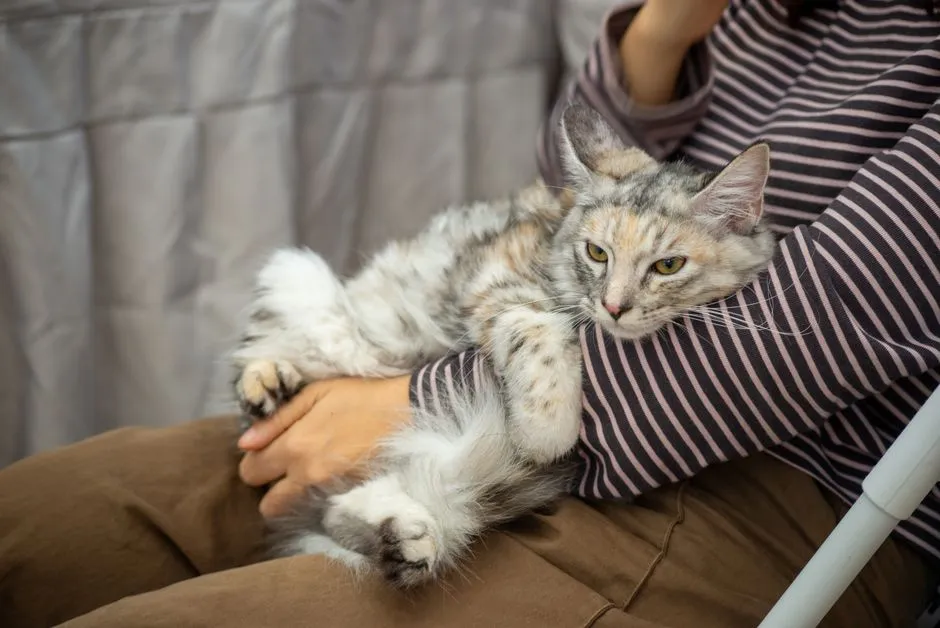
If the Food God is the CEO, the Safe Lap is the trusted right hand – less flashy, but emotionally vital. This is the person whose lap gets claimed during movie nights, who can sit still without fidgeting, and who never baby-talks or over-handles the cat. That restraint reads as gold to a cat.
You’ll notice slow blinks from across the room and quiet, voluntary visits that aren’t about food or play – just presence. This person moves gently, doesn’t force cuddles, and respects an exit when the cat wants one. Most people assume the loud, playful human is the favorite, but cats usually trust the calm, almost-boring one far more deeply.
#3 – The Playmate (High-Energy Favorite)
🔥 Would you like to save this?
We'll email this post to you, so you can come back to it later!
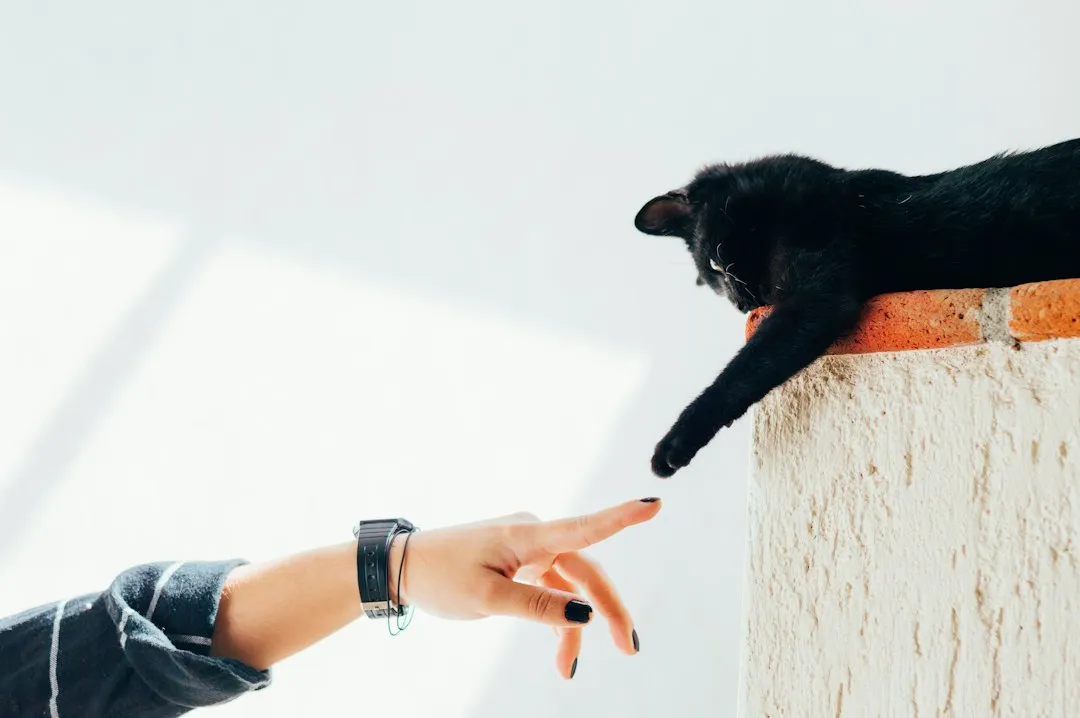
Every house has one person who somehow becomes the living cat toy – the human who drags the wand, throws crinkle balls, and invents ridiculous hallway games. This role doesn’t always outrank the Food God or the Safe Lap, but for a younger, high-energy cat, it can come surprisingly close.
Watch for the sprint-over greeting, the sudden zoomies, the ambushes on shoelaces mid-walk. People often misread rough play as dislike, but controlled pouncing is actually a trust signal – the cat expects this human to know where the line is. The catch: cats quietly demote anyone who keeps ignoring the flat ears and twitching tail that mean “I’m done.”
#4 – The Nighttime Guardian (Bed Buddy)
🔥 Would you like to save this?
We'll email this post to you, so you can come back to it later!
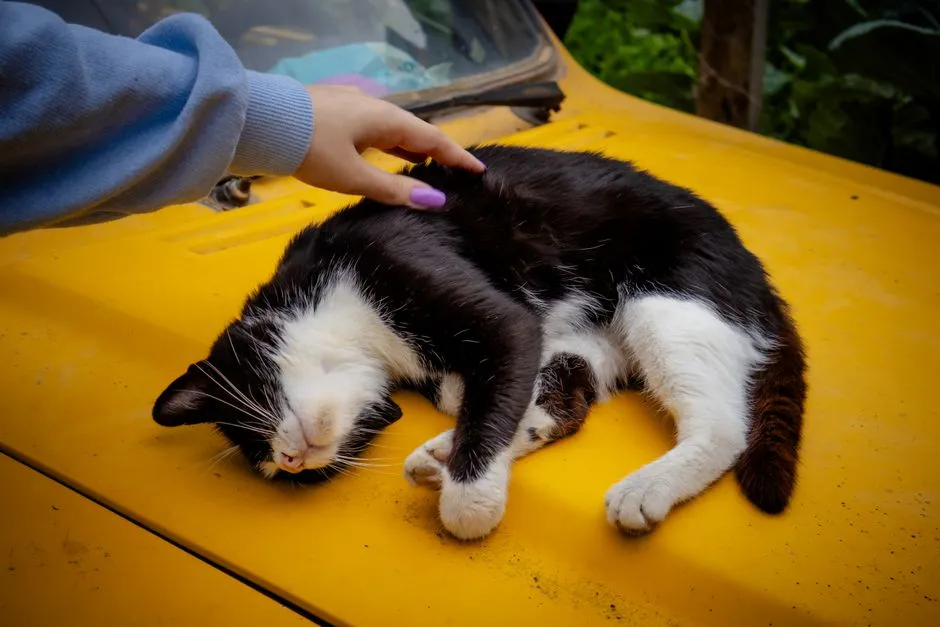
If you want the real answer to where you stand, forget the daytime cuddles – look at bedtime. Sleep is when a cat is most vulnerable, and in the wild, where they rest could decide whether they survive the night. So when your cat curls against your legs or on your chest, it’s making a quiet declaration: I trust you not to hurt me, or at least not to move too much.
Patterns form fast. A cat that consistently picks one person’s room has marked that human as a safe anchor for the scariest, quietest hours of the day. It’s also why restless kids often rank below calm adults at bedtime – chaotic sleepers get demoted fast. Many owners even notice their cat switching sleep spots specifically to monitor whoever is sick or upset in the house.
#5 – The Door Opener (Controller of Borders and Territory)
🔥 Would you like to save this?
We'll email this post to you, so you can come back to it later!
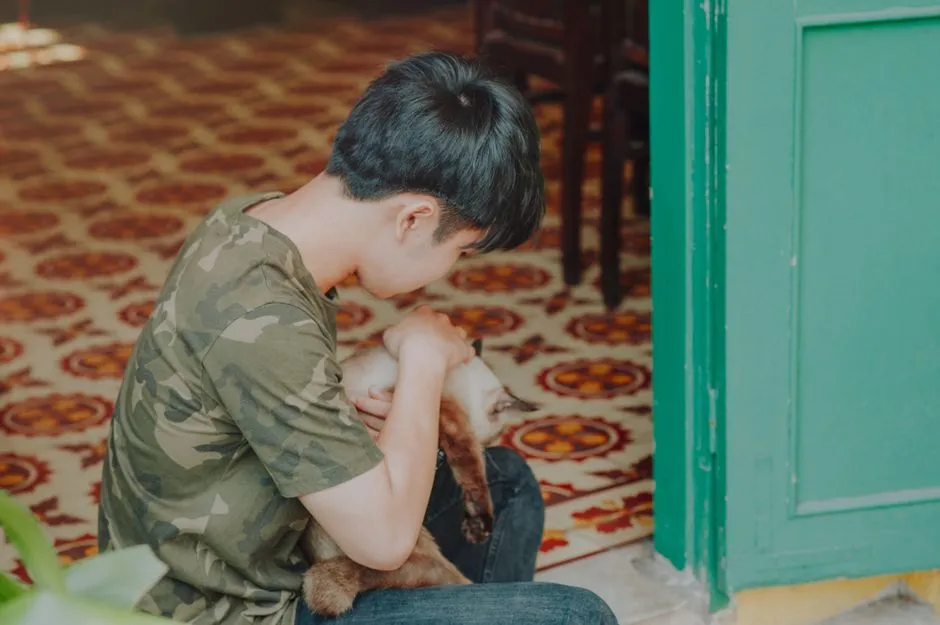
Indoor cats are obsessed with doors – bedrooms, bathrooms, closets, that one cabinet that “mysteriously” keeps opening. In a cat’s mind, doors are power, and the human who reliably negotiates them becomes something like a personal border patrol officer.
Cats learn fast who lets them into the forbidden room, who opens the blinds for prime bird-watching, who responds to a single scratch on the bathroom door. Meanwhile, the person who constantly shuts them out gets quietly filed as “territory blocker.” It’s not hatred, but it’s not warmth either. Territory control is one of the biggest ranking factors most owners never even notice they’re being judged on.
#6 – The Groomer (Brusher, Eye-Wiper, and Butt Checker)
🔥 Would you like to save this?
We'll email this post to you, so you can come back to it later!
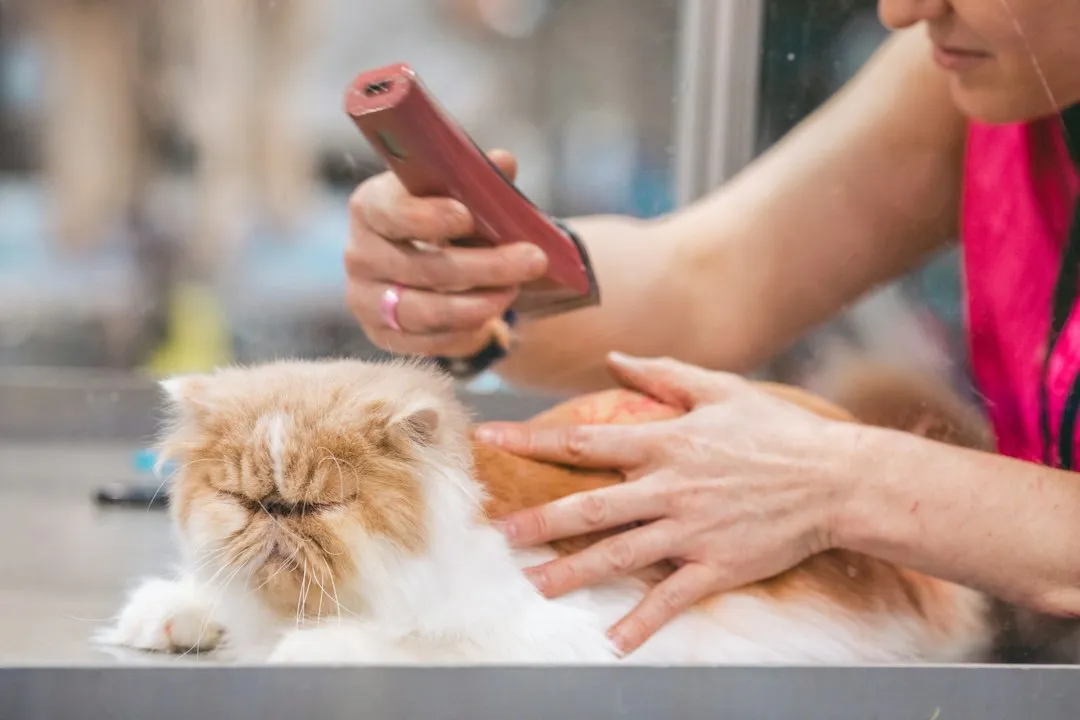
Plenty of people assume their cat hates them because it protests nail trims or squints at the brush. Grooming is more complicated than that. It feels invasive in the moment, but here’s the twist: cats only groom within their trusted social circle, so tolerating your grooming at all is a quiet admission you’re family.
The Groomer’s rank climbs when they respect limits – gentle tools, slow movements, treats as a reward, stopping before the meltdown starts. Done right, it becomes a bonding ritual, and the cat lingers afterward instead of bolting under the bed. Done roughly, the rank can crash overnight. Often the Groomer and the Food God are the same person, which basically locks in full “parent” status.
Quick Compare
- Trust-building grooming: short sessions, soft brush, treats after, stops at the first sign of irritation.
- Rank-crushing grooming: long sessions, forced restraint, ignored tail flicks, pushing through after a warning nip.
- Bonus points: gentle eye-wiping or paw checks mimic the mutual grooming cats do with trusted colony members.
#7 – The Background Human (Quiet, Almost Ignored… but Not Really)
🔥 Would you like to save this?
We'll email this post to you, so you can come back to it later!
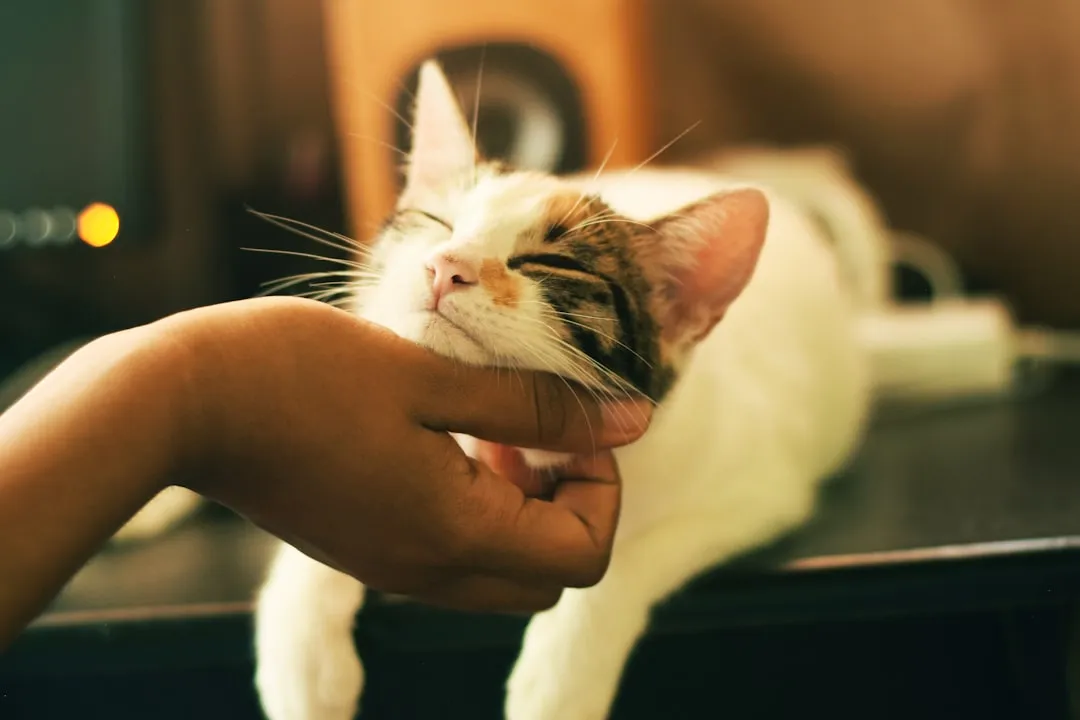
Nearly every cat household has one person the cat barely seems to notice – no meowing, no obvious cuddling, just polite coexistence. Most people assume this means they don’t matter. In reality, the Background Human can rank surprisingly high, just quietly, because they’re consistently non-threatening and present.
This is usually the person who works long hours or just doesn’t engage much, yet the cat never hides from them either – and that matters. You might catch the cat napping in their empty room or offering a slow blink from across the hall. Cats often prefer “neutral and safe” over “loud and affectionate,” which is exactly why the almost-invisible human can quietly outrank the clingy one.
#8 – The Rule Breaker (Gives Treats, Ignores House Rules)
🔥 Would you like to save this?
We'll email this post to you, so you can come back to it later!
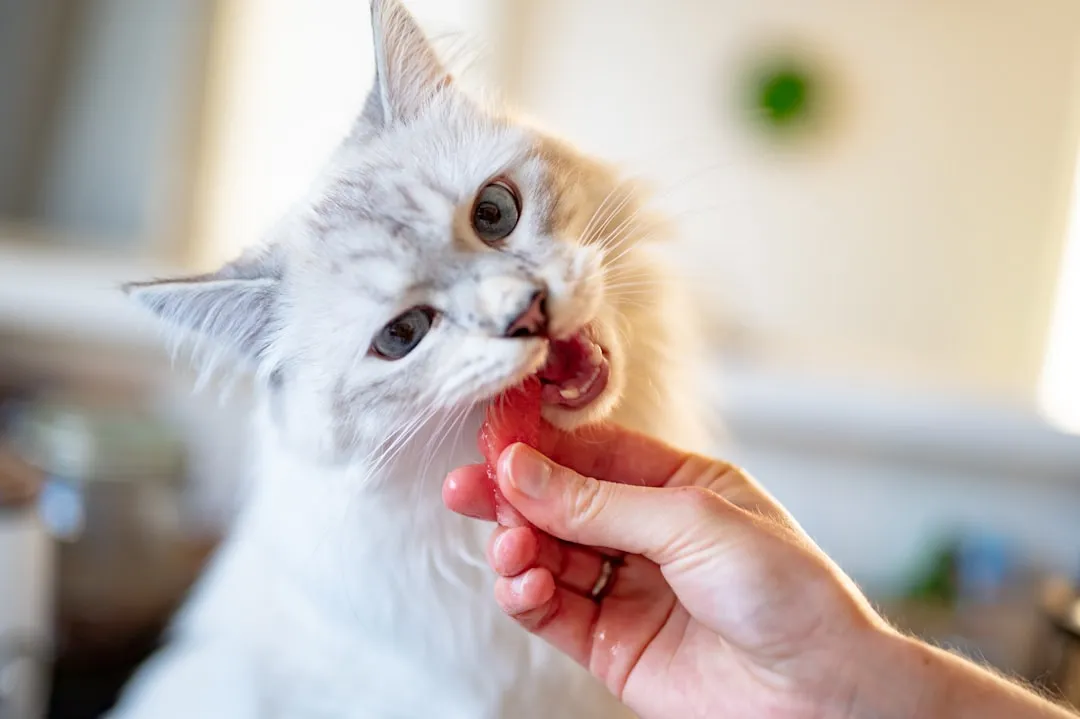
Here’s where things get controversial. Everyone assumes the Rule Breaker – the partner, grandparent, or roommate sneaking table scraps and breaking every house rule – is automatically the favorite. Short term, they might be right. Intermittent, forbidden rewards light up a cat’s brain almost exactly like gambling lights up ours.
But cats also clock who causes the stomach upset, who triggers the scolding from everyone else, and who stirs up chaos right before bedtime. If the goodwill turns into actual discomfort, it burns off fast – you’ll see it in subtle avoidance, like the cat choosing the far end of the couch. The Rule Breaker often lands as “fun uncle,” never quite core family, especially with older or more anxious cats.
#9 – The Loud One (Unintentionally Intimidating Human)
🔥 Would you like to save this?
We'll email this post to you, so you can come back to it later!
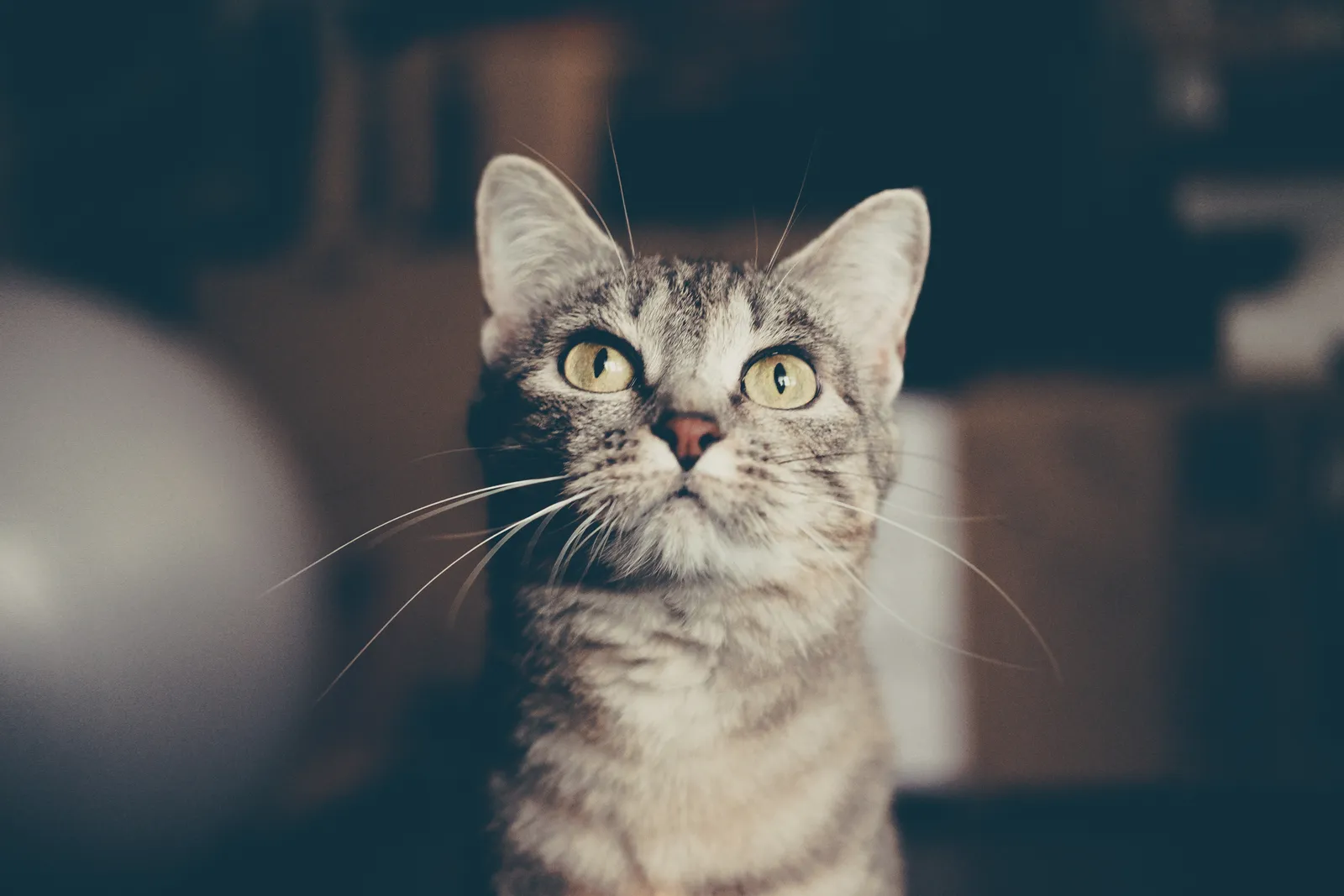
Cats are sound-sensitive to a degree most humans underestimate. Slamming cabinets, shouting from another room, booming laughter, video-game rage – none of it slides past unnoticed. The Loud One often gets pushed down the ranking not because of personality, but because a cat’s nervous system quietly files them under “possible threat.”
You’ll see the pause in the doorway, the extra few feet of distance kept on entry. This is where people get genuinely offended – “I pay the bills and the cat still avoids me” – but from the cat’s side, proximity to unpredictable noise simply equals danger. The good news: cats can forgive noise over time, but they almost never forget who repeatedly scared them.
At a Glance
- A cat’s hearing range extends well beyond ours, so sudden sounds land harder than most people realize.
- Startled cats can stay on alert for several minutes after just one loud incident.
- Low, calm tones are processed as far less threatening than shouting or sudden bursts of laughter.
- Repeated startling can build long-term avoidance, even toward someone who means no harm at all.
#10 – The Stranger Who Never Leaves (New Partner, Roommate, or Relative)
🔥 Would you like to save this?
We'll email this post to you, so you can come back to it later!
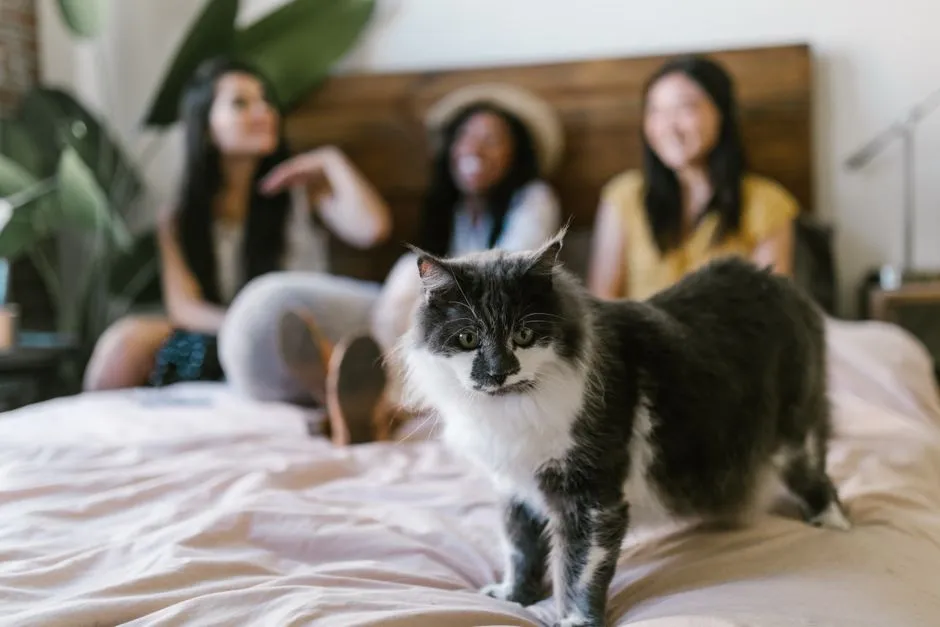
When a new adult moves in, your cat doesn’t register “boyfriend” or “cousin crashing indefinitely.” It registers a stranger who invaded its territory and then simply never left. That’s a massive social puzzle for an animal that thinks in scent and routine, and most indoor cats need weeks or months to sort it out.
Rank climbs fast for newcomers who let the cat approach first, avoid direct staring, and don’t force affection – and it stalls hard for anyone who grabs, coos loudly, or barges into favorite hiding spots. Strangely enough, many cats eventually pair-bond hardest with the newest person in the house, simply because that person was the first to actually learn cat language.
#11 – The Vet Transporter (The One Who Puts Me in the Box)
🔥 Would you like to save this?
We'll email this post to you, so you can come back to it later!
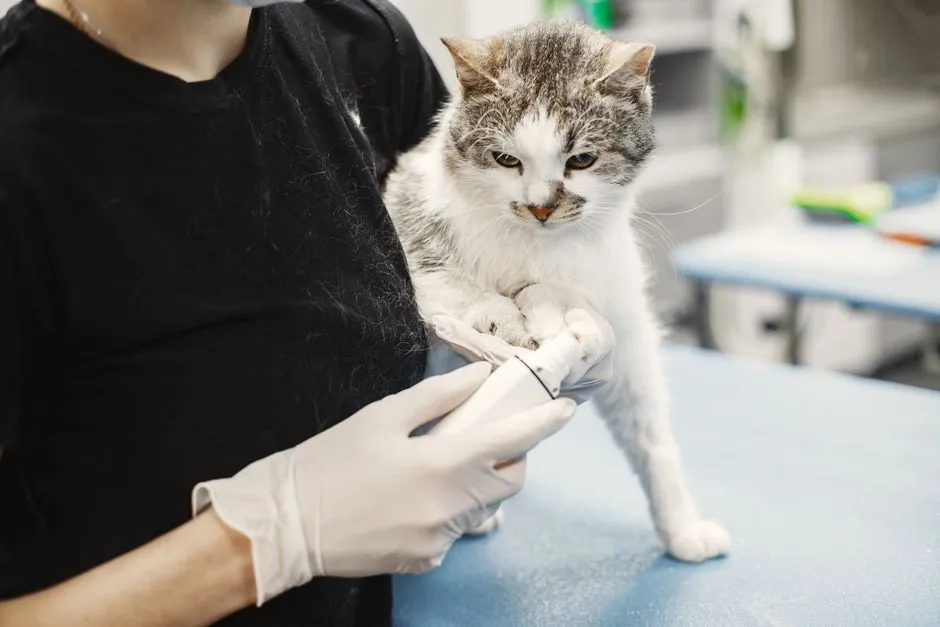
Every cat knows that nothing good happens after The Box appears. The human who wrestles them into the carrier and drives them to the vet often drops several ranking slots in the moment – hissing, growling, and the classic “I will never forgive you” glare are standard responses.
Long term, though, the story flips. Cats often still choose this exact person during a real crisis, because they’ve quietly learned to associate them with problem-solving, not just discomfort. If the Vet Transporter also soothes gently in the waiting room and handles them with care after, the role shifts toward “necessary evil I secretly trust” – sometimes outranking the always-fun Rule Breaker entirely.
#12 – The Tiny Tornado (Young Kids in the House)
🔥 Would you like to save this?
We'll email this post to you, so you can come back to it later!
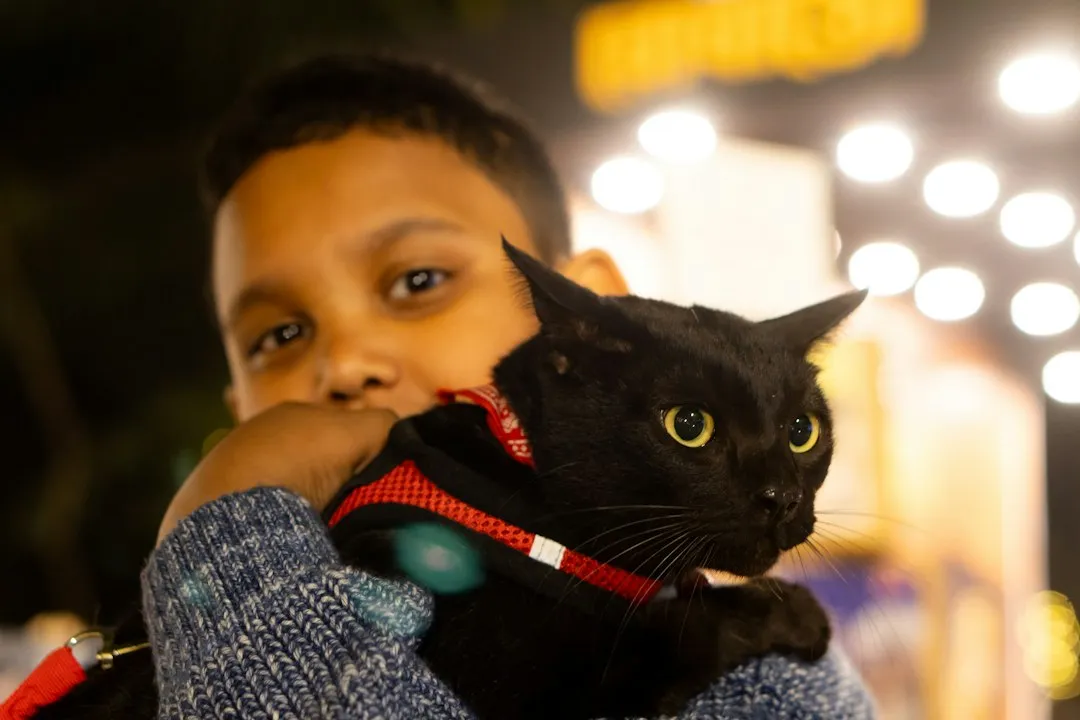
This is the most emotionally loaded ranking in most families. Parents desperately want the cat and child to be best friends. The cat, meanwhile, tends to file small children under “unpredictable predator with sticky hands,” and honestly, it’s not wrong to be cautious.
Quick movements, high-pitched squeals, and clumsy grabbing don’t read as safe to an animal that’s both predator and prey. You’ll see the retreat under furniture, the sudden interest in high shelves. But a child who learns to sit still and offer a treat on an open palm can climb the ranks slowly and genuinely – some of the strongest human-cat bonds actually form once both have grown up a little.
Worth Knowing
- Cats read fast, jerky movement as prey-like or threatening – stillness reads as safety instead.
- High-pitched squeals can register as distress calls to a cat’s instinctive hearing.
- Letting a child offer a treat from an open palm builds a calmer, choice-based association.
- Short, low-key interactions repeated over weeks build trust faster than one big forced introduction.
#13 – The Ghost (Rarely-Home Owner or Absent Parent)
🔥 Would you like to save this?
We'll email this post to you, so you can come back to it later!
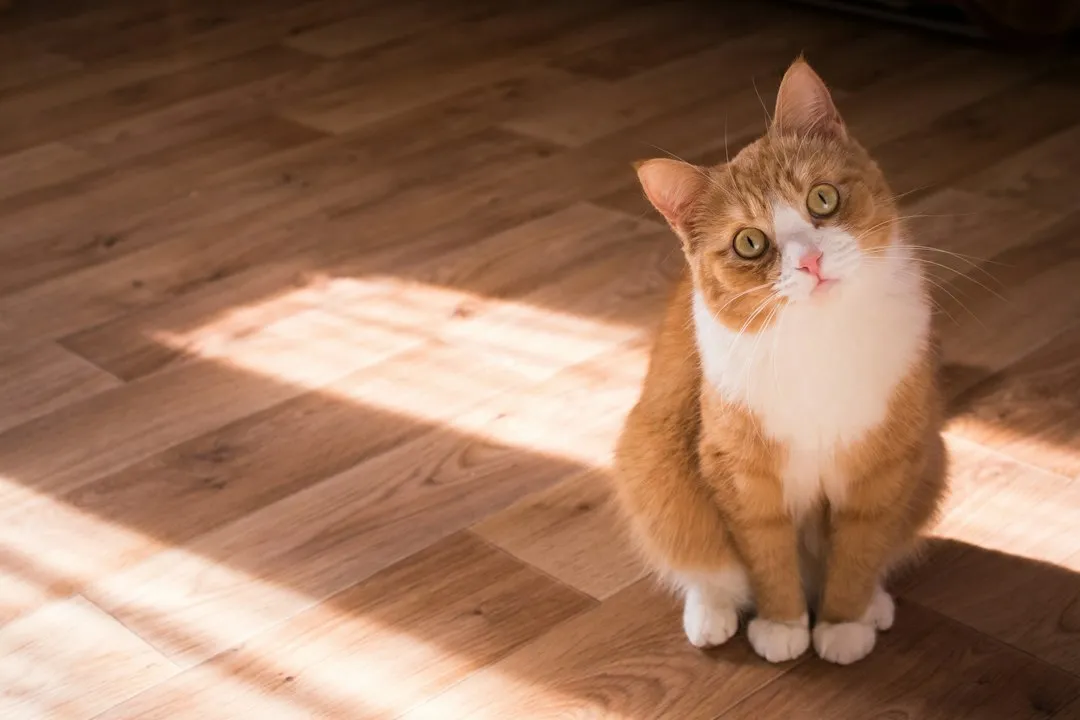
Every so often there’s a twist ending. The person who technically owns the cat – the one who picked it out at the shelter, who pays the vet bills – is barely ever home. They assume that history makes them #1. The cat disagrees, because a cat’s ranking runs on lived, daily experience, not origin stories.
When The Ghost finally reappears, the cat might put on a dramatic show – leg rubs, loud purring, following them room to room. It feels like proof of top ranking, but it’s usually just novelty and scent re-acquaintance. Watch instead who the cat sleeps with, who it runs to during an argument, who it seeks out after a loud noise. That’s the real answer.
A cat has absolute emotional honesty: human beings, for one reason or another, may hide their feelings, but a cat does not.
Ernest Hemingway
The Verdict: Cats Don’t Lie, Even When It Hurts
🔥 Would you like to save this?
We'll email this post to you, so you can come back to it later!
Indoor cats aren’t random with their affection – they’re running a constant, silent audit based on food, safety, routine, and respect. The person who feeds on time, moves calmly, listens to boundaries, and still shows up on the hard days almost always beats the one who just buys the flashiest toys or sneaks the most treats.
What stings is that cats don’t care about titles. “Parent,” “owner,” “the one who paid the adoption fee” – none of it matters without daily proof. They care who keeps them safe, fed, and in control of their tiny kingdom, and they’ll tell you exactly where you stand whether you want to hear it or not.
If you’re not where you thought you’d be on the list, that’s not a life sentence – it’s a to-do list. Be more predictable. Be less grabby. Actually learn what a flat ear or a slow blink is trying to tell you. So really, where do you think you rank right now – and do you honestly agree with your cat’s judgment?

- 10 Common Garden Pests That Are Actually Beneficial To Your Backyard Ecosystem - November 5, 2026
- 10 Unusual Reasons Older Adults Bond More Deeply With Certain Dog Breeds - November 5, 2026
- The Cheetah: The Speed King of the Animal Kingdom - November 5, 2026