
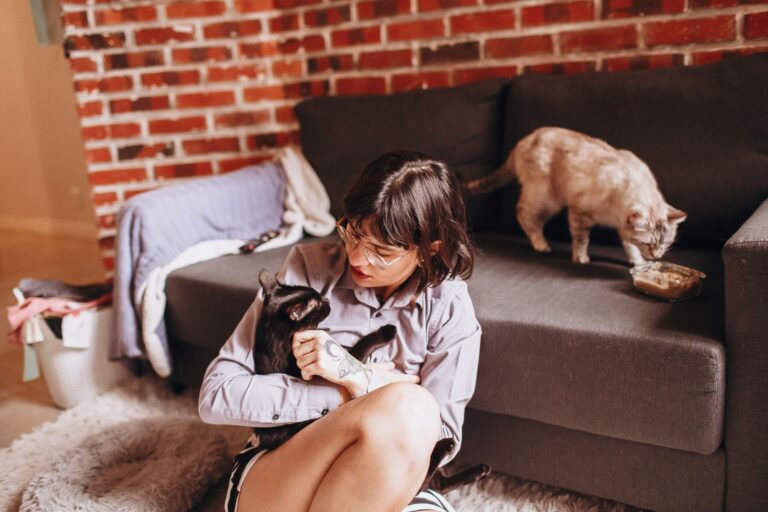
You trust your lab work. You trust your MRI. You trust the little wearable ring that tracks your heart rate while you sleep. But there’s a very real, well-documented case from a Rhode Island nursing home that should make you rethink all of that: a cat named Oscar who reportedly curled up next to dying patients hours before anyone else could tell death was near. Doctors wrote it up in a medical journal. Nobody could fully explain it. They just watched it happen, over and over.
That’s the unsettling part of this list. Some of what’s below is backed by real science about scent, heat, and vibration detection. Some of it is just the collective memory of thousands of cat owners who noticed the same eerie pattern after a diagnosis and went back through their memories in horror. Either way, cats are running quiet observation on your body every single day, and some of them start reacting long before any test would ever flag a problem. Here are 14 of the strangest, most talked-about examples.
#1 – The Sudden “New Favorite Spot” That Isn’t Random At All
🔥 Would you like to save this?
We'll email this post to you, so you can come back to it later!
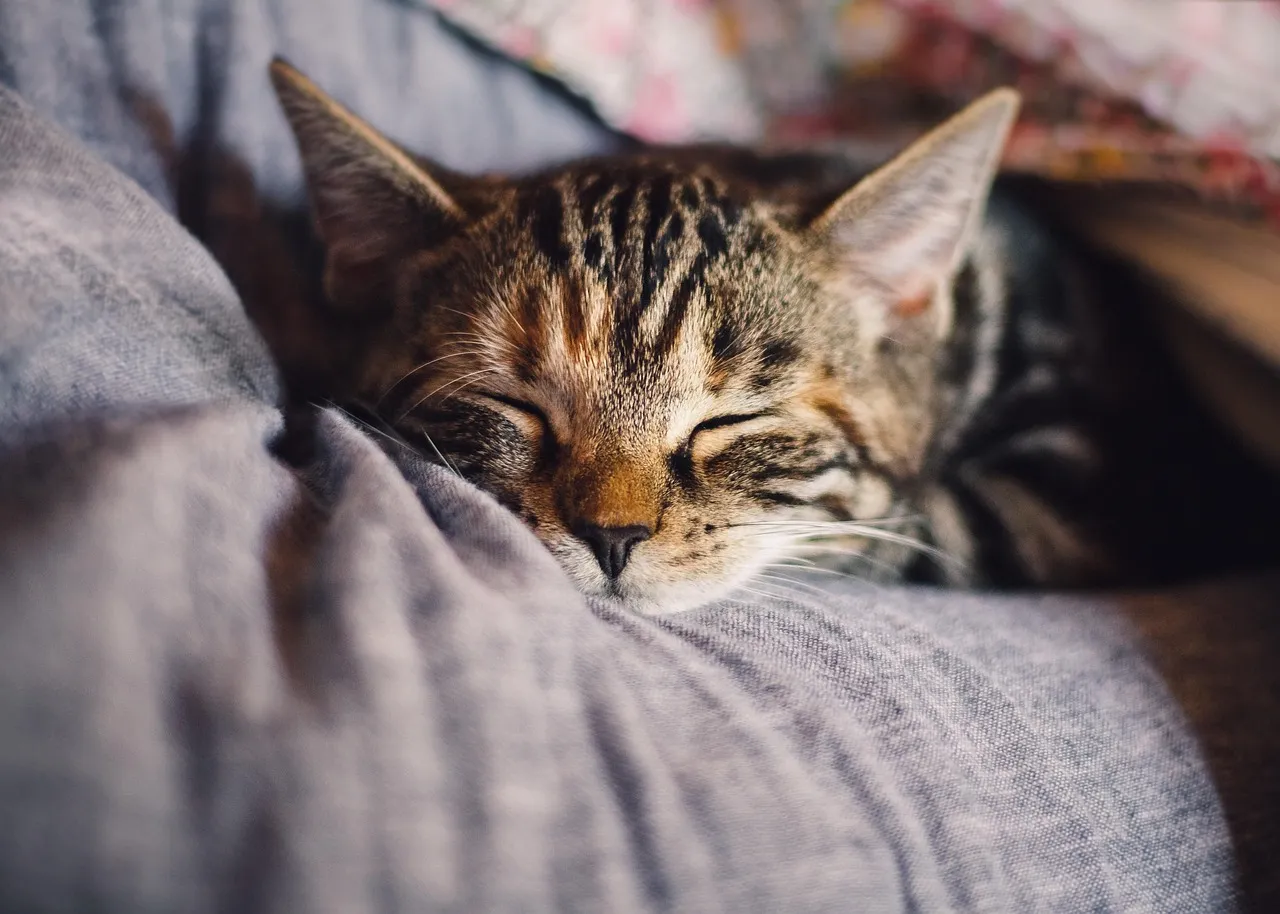
When a cat abruptly abandons its usual nap zones and glues itself to one specific part of your body, it often isn’t just being cute. Owners who later received serious diagnoses frequently report the same eerie detail: their cat started lying on, or right next to, the exact area of the problem months before any test showed a red flag. A shoulder with a small tumor. A lower back with kidney issues. A chest, in early heart disease.
Science hasn’t “proven” that cats detect cancer the way trained dogs sometimes do, but we do know they sense heat, inflammation, and micro-changes in smell far better than we ever could. One or two cute cuddles mean nothing. But a new, obsessive attachment to the same body region that holds steady for weeks is at least worth writing down.
- A cat that never cuddled suddenly insists on sleeping over the same organ area every night.
- Repeated pawing, sniffing, or gently biting at a spot you otherwise ignore.
#2 – The “Phantom Alarm Clock” Before Seizures Or Fainting
🔥 Would you like to save this?
We'll email this post to you, so you can come back to it later!
Some cats start acting like living warning systems hours, sometimes days, before an owner’s neurological or cardiac event. There are countless case reports of cats who become restless, clingy, or aggressively vocal shortly before a person faints, has a seizure, or experiences a dangerous drop in blood pressure. Nobody trained them for this. They just noticed something first.
Unlike coached service animals, these cats simply picked up on tiny pre-event cues: a shift in your gait, faint chemical changes in your sweat, or a barely noticeable change in your breathing rhythm while you slept. It’s not a guaranteed alert system. But when a cat with stable, predictable habits suddenly starts sounding a phantom alarm around you, especially at night, it deserves attention alongside any dizziness, aura, or heart palpitations you’ve been brushing off.
- A normally aloof cat suddenly pacing, meowing in your face, or refusing to let you sleep.
- Persistent head-butting or pawing at the chest minutes before a collapse or “spell.”
#3 – Obsession With Breath And Mouth Smell Long Before Lab Numbers Shift
🔥 Would you like to save this?
We'll email this post to you, so you can come back to it later!
Everyone jokes that cats are “judging” our morning breath. But when a cat repeatedly fixates on your mouth, nose, or exhaled air, it can be more than gross curiosity. Metabolic conditions like diabetes, kidney disease, and some liver problems change the volatile compounds in our breath long before routine blood work crosses an abnormal threshold.
We already know trained dogs can detect hypoglycemia and certain cancers through breath samples, and there’s no biological reason cats couldn’t notice similar shifts, even if the research hasn’t caught up yet. Most people dismiss this as “my cat is just weird.” But when that fixation starts months before a diabetes or kidney diagnosis, as many owners retrospectively report, it stops feeling random.
Fast Facts
- Cats are estimated to have as many as 200 million scent receptors, versus roughly 5 million in humans.
- Trained detection dogs can already identify certain cancers and dangerous blood sugar drops through scent alone.
- Volatile compounds in breath can shift with metabolic changes long before standard blood work flags anything abnormal.
- Sniffs your mouth intensely, then backs away or reacts strangely, over and over.
- Suddenly perches on your chest or pillow, nose lined up with your exhale, night after night.
#4 – Sleeping Guard Duty When Your Body’s Struggling At Night
🔥 Would you like to save this?
We'll email this post to you, so you can come back to it later!
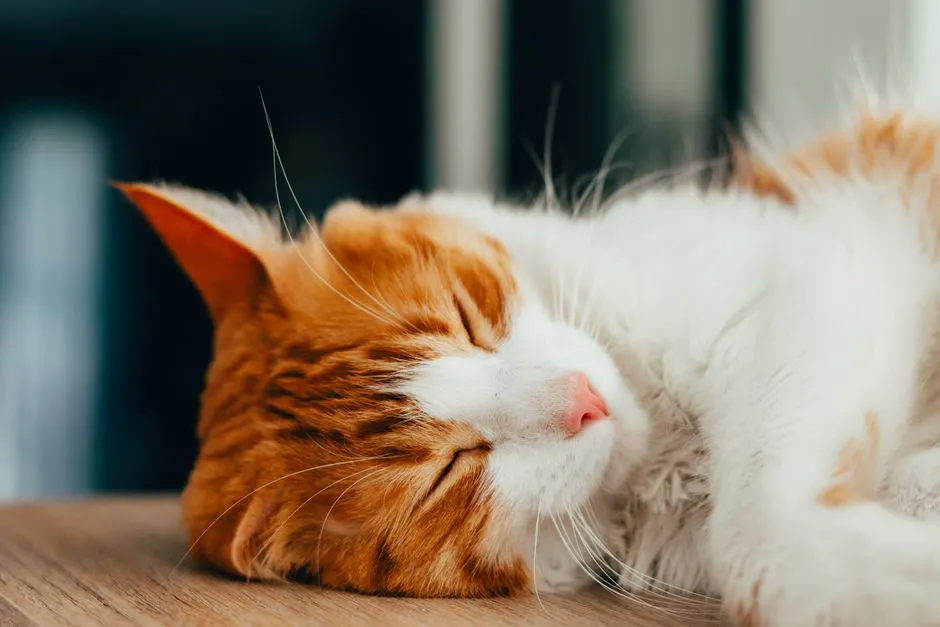
Cats don’t just sleep “wherever.” For many, sleep location is a quiet form of triage. A surprising number of people with undiagnosed sleep apnea, heart rhythm issues, or nighttime anxiety attacks report that their cat began sleeping directly on their chest, neck, or beside their head months before anyone realized something was wrong.
What looks like clinginess may actually be a reaction to brief breathing pauses you never notice, or sudden micro-twitches and heart-rate changes that disturb the cat’s own rest. Some cats even tap or nudge owners awake when their breathing sounds off, long before a sleep study ever happens. If your cat has always rotated between the couch, the window ledge, and your feet, and it abruptly decides your upper chest is “home base,” that shift matters.
- Brief breathing pauses or gasps you never notice.
- Sudden micro-twitches, shivers, or heart-rate changes that disturb their own rest.
#5 – Hyper-Vigilance To One Side Of Your Body

🔥 Would you like to save this?
We'll email this post to you, so you can come back to it later!
Not all cat warnings are cozy. Sometimes they’re almost confrontational. People dealing with early, undiagnosed strokes, nerve issues, or unilateral weakness often look back and realize their cat stopped treating their body as symmetrical. It might only jump up on the “good” side, avoiding the side where circulation or strength is subtly worse.
To a cat, you’re not just “you.” You’re a map of temperatures, smells, and micro-movements. A side that’s a little cooler, a bit less responsive, or carrying different chemical signals might trigger curiosity or avoidance long before a human would notice numbness or weakness. Most people write this off as “my cat just likes this side of the couch.” Long-term pattern changes are exactly where the real insight lives.
- Only jumps on the “good” side of the body, avoiding the weaker or subtly cooler side.
- Sniffs, paws, or even lightly bites one leg, arm, or side of the face far more than the other.
#6 – Reacting To Mood Swings Before You Consciously Feel Them
🔥 Would you like to save this?
We'll email this post to you, so you can come back to it later!
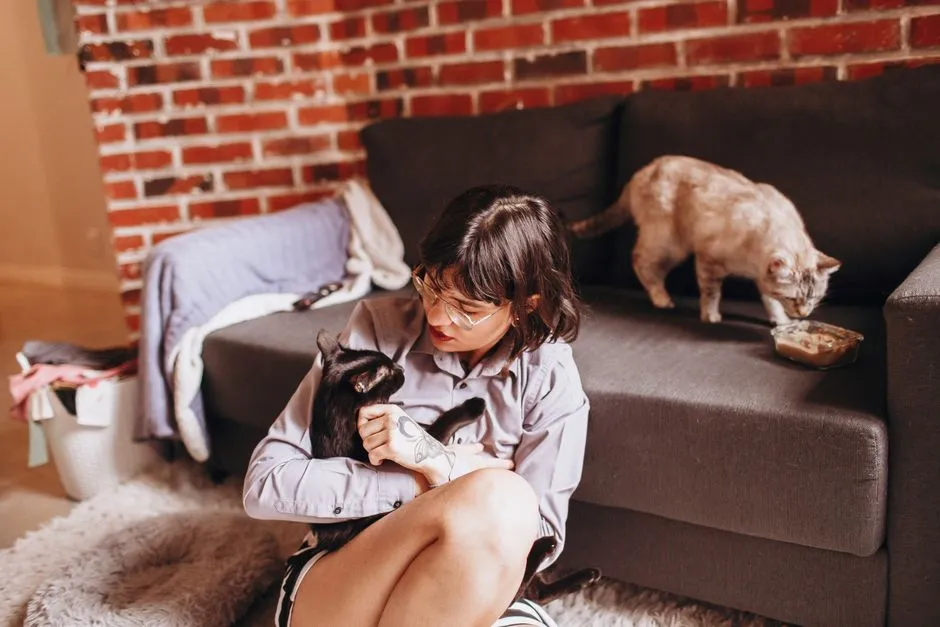
Mental health doesn’t show up cleanly on a blood panel, but it does show up in how you move, talk, and even smell. Cats are watching. Owners with emerging depression, bipolar shifts, or severe anxiety often describe a chilling pattern: their cat started shadowing them, hiding from them, or clinging desperately during periods they “felt fine” but later recognized as the start of a downturn.
Neurochemical changes can alter sweat composition, micro-expressions, posture, and routine weeks before you consciously say, “Something’s wrong.” Your cat isn’t a therapist. But it is a pattern-recognition machine that’s had a front-row seat to your baseline for years, and when it starts acting like you’re a different person, that’s a quiet, living data point.
- A cat that normally enjoys guests suddenly hides when your social anxiety is brewing, even if you haven’t admitted it to yourself.
- Extreme clinginess on days you insist you’re “just tired,” which later line up with the start of a depressive episode.
#7 – Startling Sensitivity To Micro Changes In Your Walk

🔥 Would you like to save this?
We'll email this post to you, so you can come back to it later!
Cats are brutally honest about our gait. Because they live at floor level, they feel every footfall. People who later got diagnosed with early arthritis, balance disorders, or even Parkinsonian symptoms often admit that their cat reacted to tiny changes in their walk months before a doctor ever did.
These changes might be so small you can’t see them in a mirror, but your cat can feel them through vibration and catch them at eye level. To your cat, your walk is a rhythm. When that rhythm stutters, slows, or grows unsteady, it can make them anxious or strangely attentive. Most people laugh it off as “my cat’s trying to murder me.” A persistent change in how they navigate around your feet is worth bookmarking alongside any stiffness or unexplained fatigue.
Worth Knowing
- Whiskers are loaded with nerve endings that pick up on air currents and floor vibrations most humans never register.
- A cat’s hearing range extends well beyond 60 kHz, far past the upper limit of human hearing.
- Sensitive paw pads make uneven, hesitant, or shuffling footsteps easy for a cat to detect early.
- A cat who bolts away from your steps in certain rooms when it never used to.
- A cat that suddenly weaves between your legs more carefully, or even trips you, because your pattern of movement is off.
#8 – Avoiding Your Lap When Your Circulation Or Temperature Shifts
🔥 Would you like to save this?
We'll email this post to you, so you can come back to it later!
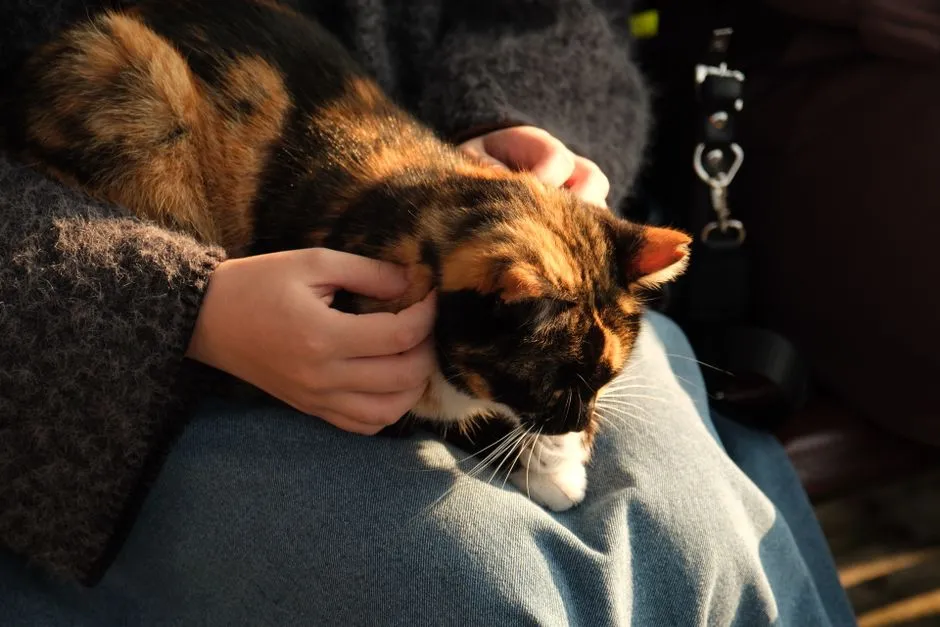
Cats are thermal snobs, and that’s exactly why they sometimes notice vascular or hormonal changes before you, your doctor, or your smartwatch does. If you’ve ever had a cat that adored your lap and then, out of nowhere, began refusing to sit on you, especially on colder limbs or where circulation is compromised, you’ve already seen this in action.
Emerging thyroid issues, menopause, anemia, or peripheral artery disease can alter how warm you feel in particular spots long before those changes hit “abnormal” on a lab report. Some owners notice their cat curling up beside them instead of on them; others see a precise pattern where the cat sits on one leg but never the other. If your lap stops being prime real estate and you’re also feeling off, cold feet, hot flashes, weird chills, that combo deserves a mention at your next check-up.
- Cats naturally seek warm, well-perfused areas with steady blood flow.
- They avoid surfaces and bodies that suddenly go clammy, sweaty, or unusually cold.
#9 – Fixation On Moles, Rashes, Or “Nothing Spots” On Your Skin

🔥 Would you like to save this?
We'll email this post to you, so you can come back to it later!
This is the one that makes even skeptics uncomfortable. A growing number of anecdotal cases describe cats licking, sniffing, or staring at one tiny patch of skin for months, a patch that later turned out to be a precancerous lesion or skin cancer. We already know dogs can be trained to alert to melanoma by smell alone.
Cats have similar, and in some ways even sharper, olfactory capabilities, just far less studied. Skin cells under transformation may release slightly different odors long before they look scary to the naked eye. This does not mean cat attention equals cancer, and panic helps no one. But if your cat has a months-long love affair with one specific patch of skin, it’s a low-effort, high-return move to let a dermatologist take a look.
Quick Compare
- Trained detection dogs: Learn through structured training to signal specific scents like melanoma or dropping blood sugar.
- Everyday house cats: Untrained, but equipped with strong scent receptors and constant, close contact with your skin.
- The takeaway: A cat’s fixation isn’t proof of anything, but it’s a free, round-the-clock nose you already own.
- A cat returns to the exact same mole, freckle, or patch of skin, ignoring others entirely.
- It gently nibbles, paws, or sniffs that spot through clothing repeatedly over weeks.
#10 – Acting Spooked In Rooms Where Your Health Crashes Later
🔥 Would you like to save this?
We'll email this post to you, so you can come back to it later!
Here’s where many people roll their eyes, until it happens to them. Some owners notice that long before they link a room or environment to migraines, asthma flares, or autoimmune fatigue, their cat is already refusing to relax there. Cats are hyper-attuned to air quality, mold, chemical cleaners, and even subtle noise frequencies we tune out entirely.
Before a human realizes, “I always feel awful after working in my basement office,” the cat has already staged a one-feline boycott. Later, the human discovers mold behind a wall, a gas leak, or that their worst flare-ups always happen in that exact spot. At minimum, a cat that suddenly treats a room as hostile is a nudge to check ventilation, humidity, and whatever products you’re using in there.
- A cat that will sit in the doorway but not cross into a particular room anymore.
- Tail flicking, dilated pupils, or sudden dashes out of a space that looks perfectly “fine.”
#11 – Early Detection Of Your Routine Being “Off” Before Burnout Hits
🔥 Would you like to save this?
We'll email this post to you, so you can come back to it later!
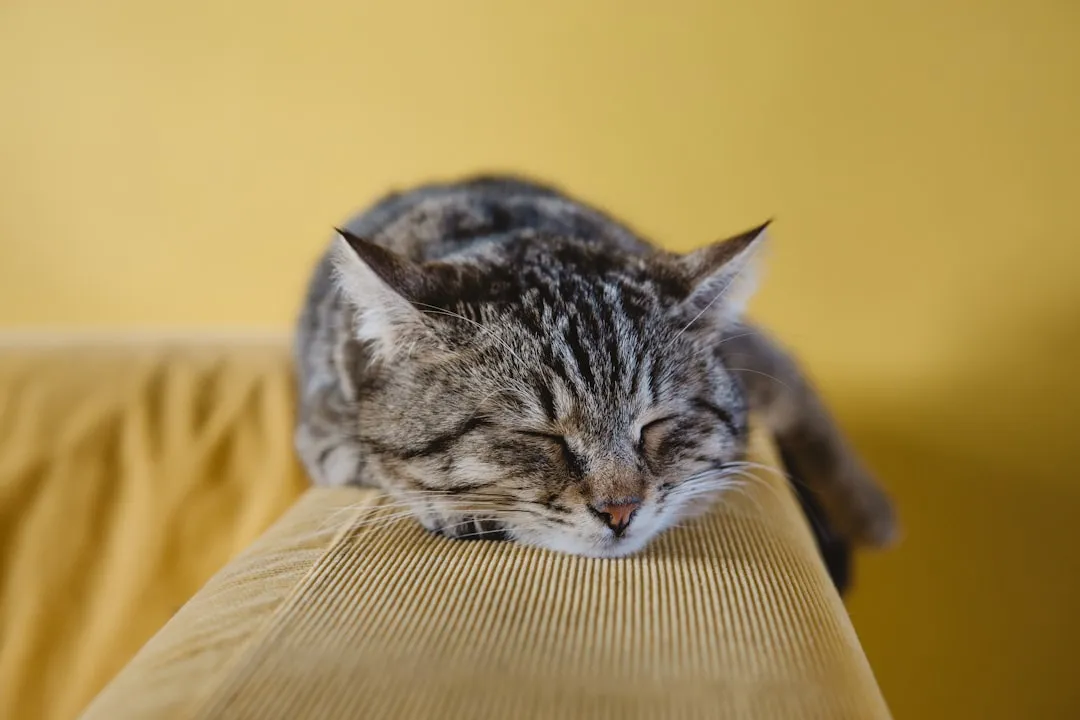
Burnout doesn’t appear on a lab report, but it absolutely appears in your schedule, and your cat is your unpaid project manager. Cats memorize your daily rhythm with embarrassing precision. When you start sliding into chronic overwork, insomnia, or erratic eating, your cat will often protest long before you admit anything is wrong.
A cat that used to sleep through the night but now claws at your door at 2 a.m. might be reacting to the glow of your laptop, your restlessness, or the shift in your breathing when you doom-scroll instead of sleeping. It’s arguably the earliest warning system for lifestyle-driven health crashes, one most people angrily shoo away. If your cat seems to “disapprove” of your new normal, that’s not superstition. That’s feedback from the one creature who sees your uncensored life 24/7.
- Aggressive “demand cuddles” at your desk right when your normal quitting time used to be.
- Waking you up if you’re pushing bedtime later than usual, night after night.
#12 – Eye Contact That Turns Into “Monitoring” After Head Injuries
🔥 Would you like to save this?
We'll email this post to you, so you can come back to it later!
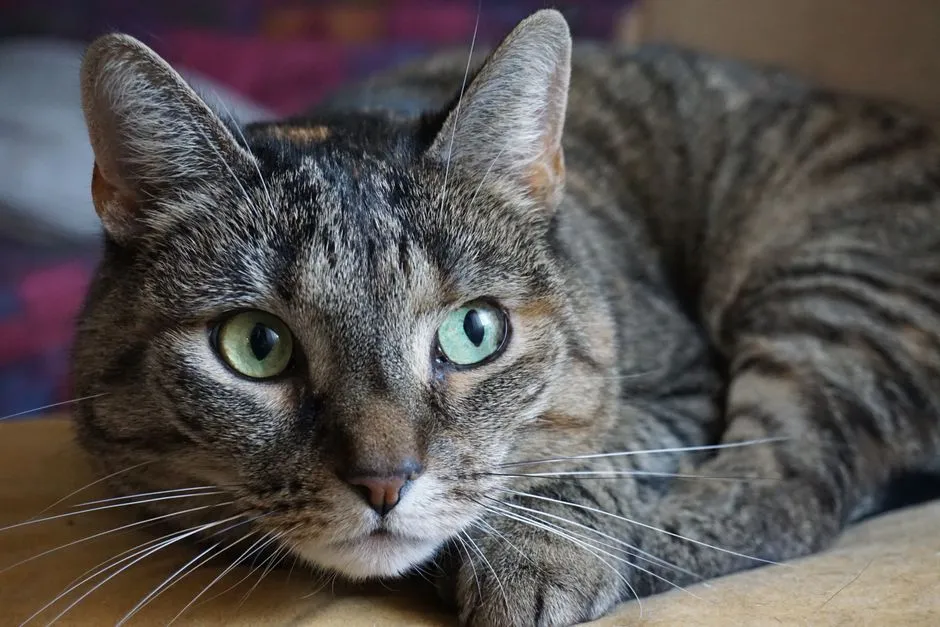
Cat people joke about “soul-piercing” eye contact, but after a head injury, it can take on a different edge. Owners with mild concussions or subtle cognitive changes often notice their cat staring at them for long, unblinking stretches, tracking every tiny head movement and facial twitch. This tends to show up well before an MRI, CT scan, or neuro exam flags anything serious, especially in cases where the person chalks their symptoms up to “just a bump.”
Brain injuries and cognitive shifts can subtly alter how you focus your gaze, track movement, or hold your posture. Cats are predators, and detecting off-kilter movement is basically their superpower. While most post-injury monitoring is done with checklists and timers, your cat’s quiet insistence on watching you can be the earliest hint that rest, not bravado, should be the priority.
- The cat sits directly in front of you, locking eyes much more frequently than before.
- It follows your head and eye movements with unusual intensity, as if double-checking.
#13 – Vocal Changes When Your Own Voice Or Energy Shifts
🔥 Would you like to save this?
We'll email this post to you, so you can come back to it later!
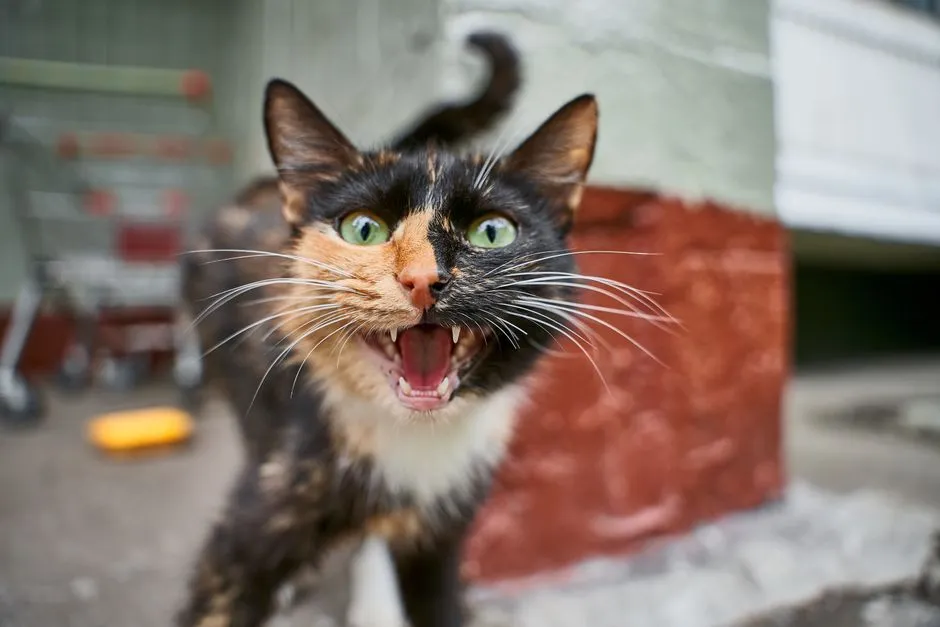
It sounds far-fetched, but many owners swear their cat’s meows changed before their own diagnosis. When someone develops respiratory issues, thyroid problems, or severe fatigue, their voice, pacing, and emotional energy shift. Cats, who rely heavily on sound and rhythm in social interaction, sometimes mirror or react to this.
Some behaviorists argue this is just attention-seeking. But it’s hard to ignore when new vocal patterns line up with getting winded on stairs, losing your usual volume, or “just not feeling like yourself” long before you see a doctor. To a cat, your voice is an environmental constant. When that constant frays, they sometimes recalibrate their own sounds right along with it.
- A cat that was typically quiet suddenly becomes talkative, especially when you speak.
- Or the opposite: a formerly chatty cat going oddly silent around you.
#14 – Refusing To Leave You Alone Right Before A Major Health Reveal
🔥 Would you like to save this?
We'll email this post to you, so you can come back to it later!
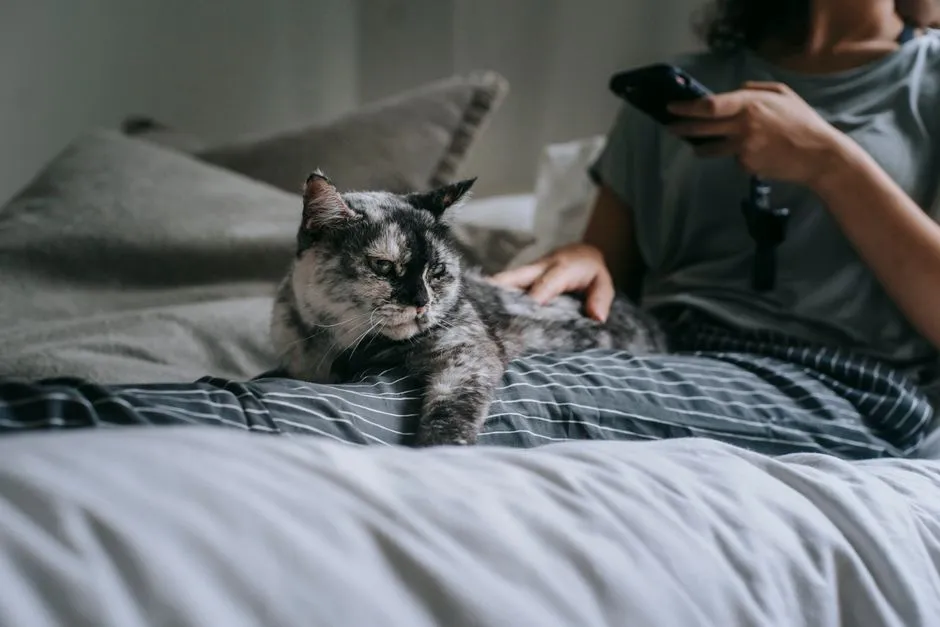
This is the big one, the pattern that shows up in the most dramatic stories people tell. Long before any test results come in, some cats go into full guardian mode around owners whose bodies are about to betray them. People later diagnosed with aggressive cancers, serious heart conditions, or autoimmune flares often say their cat became a permanent shadow months before they had any symptoms they took seriously.
Skeptics will say this is projection, that we only remember these stories because they’re dramatic, and they’re partly right. But dismissing every one of these accounts as coincidence ignores something obvious: cats are experts at baseline detection. When they act like something is profoundly, persistently “off” with you, long before the first abnormal lab result, it deserves a note in your mental file, even if you don’t act on it yet.
- Following you from room to room, even into the bathroom, breaking their usual independence.
- Panicking, meowing, circling, or blocking the door, when you try to leave the house.
“He seems to get it right every time.”
Dr. David Dosa, geriatrician who documented Oscar the nursing-home cat
The Verdict
🔥 Would you like to save this?
We'll email this post to you, so you can come back to it later!
We glamorize cutting-edge medical tests and AI scans, but the most underrated early-warning system in a lot of homes is already curled up on the couch. No, cats are not magic diagnostic tools, and they’re not a replacement for real check-ups, real data, or evidence-based medicine. Don’t cancel your physical because your cat slept on your leg.
But they are ruthlessly observant predators living inches from your body, day and night, with senses tuned to heat, scent, rhythm, and pattern. When their behavior shifts in a sustained, specific way around you, that’s effectively a living trend line running in the background of your life. Most people only connect the dots after a diagnosis, never before, and that’s the real waste here.
My honest opinion: treat your cat’s weird, persistent new habits as one more data stream alongside your symptoms, your wearables, and your lab work. Not superstition, not gospel, just information you’re getting for free from something that’s been watching you closer than anyone else in the room. So which one of these have you actually lived through, and did you catch it in time, or only see it looking backward?

- 7 Everyday Habits That Can Make Your Senior Dog Happier - November 5, 2026
- 10 Enigmatic Structures That Continue to Puzzle Scientists Today - November 5, 2026
- 10 Strange Ruins in the Americas That Challenge What We Know About Early History - November 5, 2026