


The history of life on Earth is a complex and wondrous tale spanning billions of years, and among the creatures inhabiting our planet today, some have roots reaching back further than the majestic dinosaurs. These ancient animals not only survived the cataclysmic events that wiped out most of the dinosaur population but also provide us with a living glimpse into the distant past. In this article, we’ll explore 14 incredible species that predate dinosaurs, offering insights into their evolution, characteristics, and survival strategies.
Horseshoe Crabs The Living Fossils

Horseshoe crabs are remarkable creatures often referred to as “living fossils” due to their nearly unchanged morphology for over 450 million years. These marine arthropods possess a hard exoskeleton, a long, pointed tail spine, and are more closely related to spiders than actual crabs. Their unique blue blood, rich in copper-based hemocyanin, plays a crucial role in medical research, particularly in testing for bacterial contamination.
Coelacanth The Ancient Deep-Sea Dwellers

Once thought to be extinct until their remarkable rediscovery in 1938, coelacanths are lobe-finned fish that first appeared around 400 million years ago. Residing in the deep waters off the coasts of Africa and Indonesia, these enigmatic creatures have unique paired lobed fins, resembling limbs. Their discovery has provided invaluable insights into the evolution of vertebrate life from water to land.
Nautilus The Chambered Relic

Known for their distinctive spiral shells, nautiluses have graced Earth’s oceans for approximately 500 million years. These cephalopods inhabit the Indo-Pacific region, and their buoyancy control, achieved by regulating gas within their shell chambers, is a fascinating adaptation. Nautiluses offer a living window into the evolutionary history of mollusks.
Sharks The Ancient Predators

Sharks have prowled the oceans for over 400 million years, adapting through numerous changes in Earth’s environment. These apex predators exhibit incredible diversity, from the diminutive dwarf lantern shark to the massive whale shark. Their refined hunting abilities and keen senses make them a vital component of marine ecosystems worldwide.
Crocodiles The Prehistoric Survivors
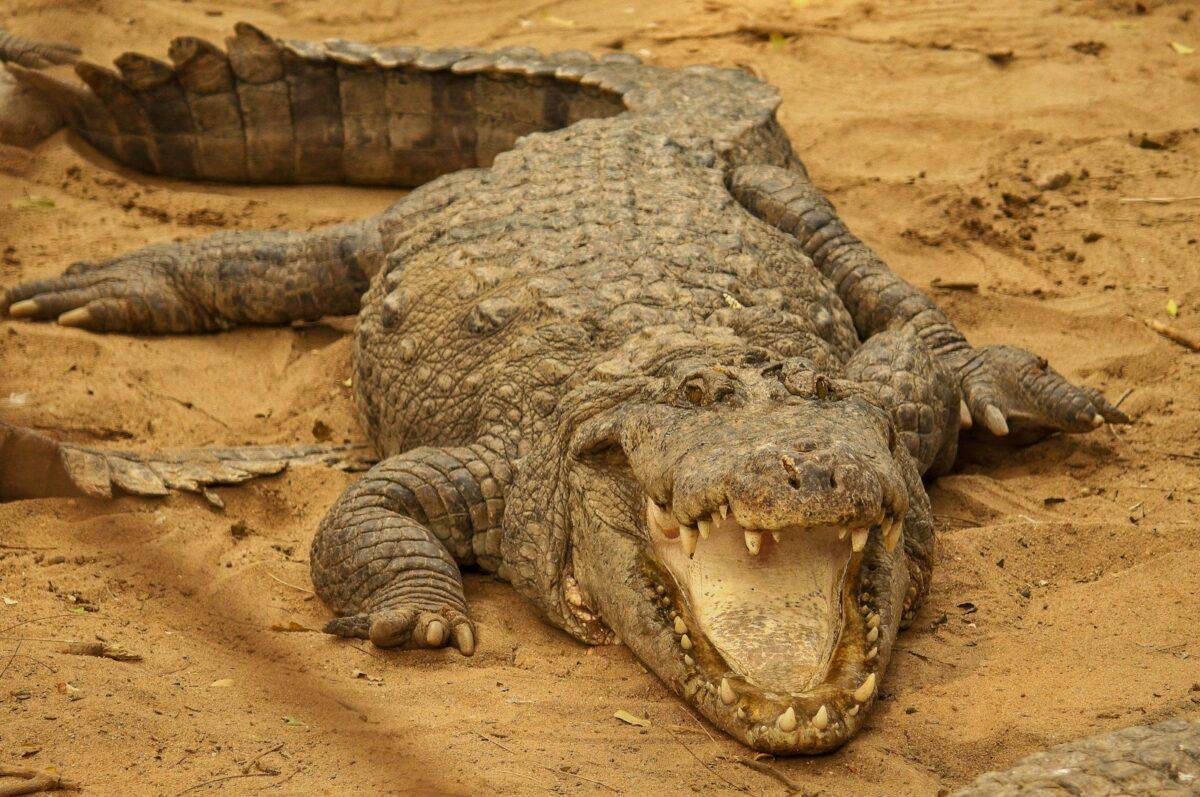
Having roamed the Earth for over 230 million years, crocodiles are among the closest living relatives to birds, sharing a common ancestor with dinosaurs. These formidable reptiles, known for their powerful jaws and stealthy aquatic prowess, continue to thrive in tropical regions, showcasing evolutionary resilience.
Jellyfish The Immortal Drifters

Jellyfish have been pulsating through the world’s oceans for over 500 million years. Their simple, gelatinous bodies and stinging tentacles represent a highly efficient design that has persisted through eons. Some species, like the Turritopsis dohrnii, are famous for their ability to revert to a youthful state, earning them the nickname “immortal jellyfish.”
Tuatara The Reptilian Relics

Native to New Zealand, tuataras, are the only surviving members of the order Rhynchocephalia, an ancient group of reptiles that emerged around 250 million years ago. Despite their lizard-like appearance, tuataras, have unique characteristics, such as a parietal “third eye,” which regulates circadian rhythms and absorbs ultraviolet rays.
Sea Sponges The Primitive Pioneers

Sea sponges are among the Earth’s oldest multicellular organisms, with some lineages tracing back over 600 million years. Their simple structure — composed of porous bodies that filter water for nutrients — has remained highly effective across vast evolutionary timescales, establishing them as ecological mainstays in marine environments.
Ammonites The Extinct Mollusk Marvels

Although extinct for about 66 million years, ammonites have a lineage stretching back to around 400 million years. These spiral-shelled cephalopods inhabited the Earth’s oceans alongside dinosaurs and are closely related to modern squids and octopuses. Their well-preserved fossils provide valuable insights into prehistoric marine life.
Lampreys The Ancient Parasites
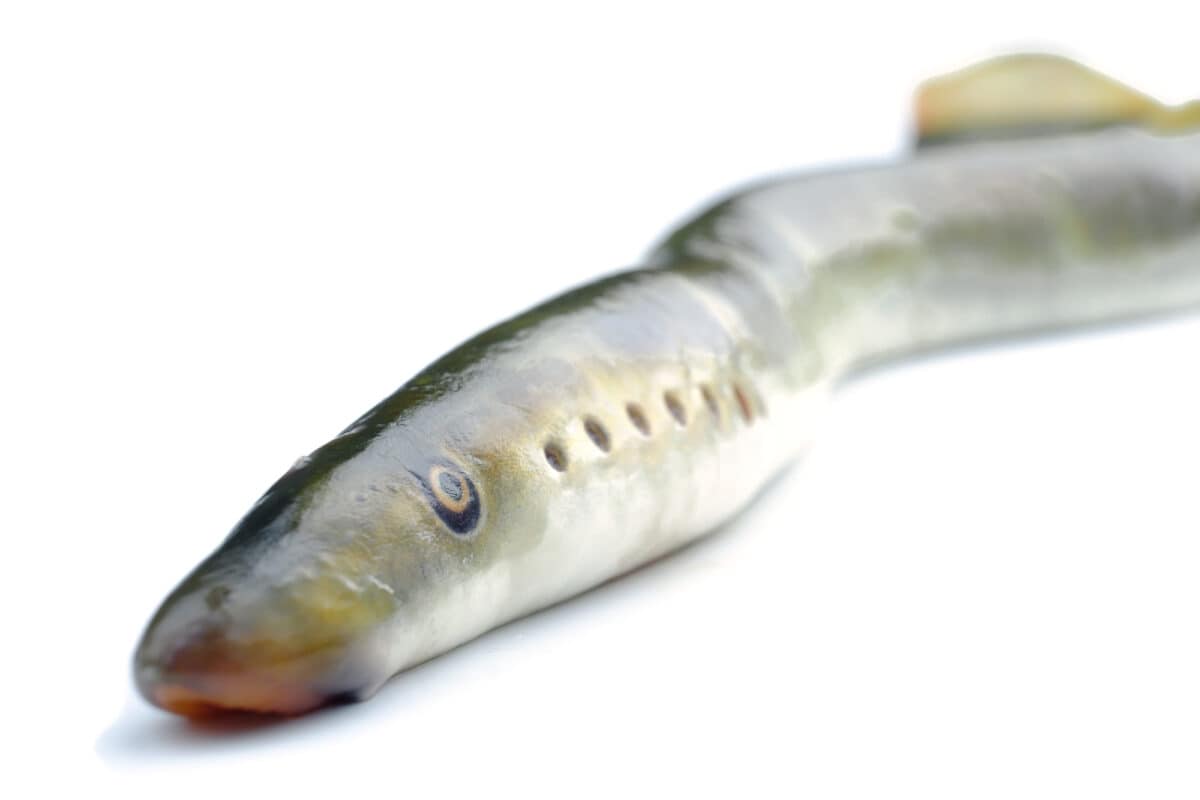
Lampreys are jawless fish that emerged over 360 million years ago, often recognized for their parasitic feeding habits in the adult stage. These eel-like creatures attach to other fish, feeding on their blood and bodily fluids. Despite their primitive design, lampreys have thrived in aquatic ecosystems worldwide.
Sturgeon The Dinosaur Fish

Sturgeons are ancient fish that have been swimming in Earth’s rivers, lakes, and coastlines for around 200 million years. Famous for producing caviar, these large, slow-growing fish have bony plates along their bodies and are critical to both ecosystems and human economic activity. Their longevity in the fossil record underlines their ecological significance.
Sea Turtles The Long-distance Travelers

Sea turtles have been navigating the oceans for about 110 million years. These reptiles are known for embarking on epic migrations and life cycles that depend equally on terrestrial and marine environments. Conservation efforts have become essential to ensure their survival as they face numerous modern environmental threats.
Trilobites The Fossil Icons

Though trilobites went extinct around 252 million years ago, they flourished for nearly 300 million years, from the Cambrian to the Permian periods. Fossils of these marine arthropods, showcasing diverse forms and sizes, are highly sought after by paleontologists and collectors. Trilobites remain iconic for their contributions to understanding early marine ecosystems.
Conclusion: Echoes of the Ancient World

The fascinating creatures inhabiting the Earth today with ancestries older than the dinosaurs serve as living reminders of our planet’s deep and varied biological history. These species have survived mass extinctions and dramatic shifts in climate, each offering unique insights into the resilience and adaptability necessary for enduring life’s ever-changing tapestry. In exploring their stories, we gain a better understanding of our own place within this extraordinary narrative of life on Earth.

As a little kid, I fell in love with nature, wildlife, and animals. Living in the USA, South Africa, Italy, China and Germany gave me the opportunity to discover the world's Wildlife. My favorite animals are Mountain Gorillas, Siberian Tigers, and Great White Sharks.
I'm a certified PADI Open Water Diver, went to Everest Base Camp and Trekked Gorillas in Uganda. I hold a Master of Science in Economics and Finance.
Please send any feedback to feedback@animalsaroundtheglobe.com
- The 10 Rarest Dog Breeds Making a Comeback in America - July 19, 2026
- 13 Creatures That Survived Mass Extinctions - July 19, 2026
- 12 Pets That Are Perfect for Seniors - July 19, 2026