


Can you imagine living in a place where the air feels like an oven, and water is as rare as a winning lottery ticket? Yet, somehow, life finds a way. The world’s deserts may seem empty and unforgiving, but they’re actually bustling with some of the toughest, cleverest, and downright strangest animals on the planet. From tiny lizards that dance across burning sand to towering camels that stride for days without a sip of water, deserts are full of surprises. If you’ve ever wondered how animals survive in these harsh places, get ready to meet 14 desert champions that have turned extreme heat and dryness into their home turf.
14. Dromedary Camel

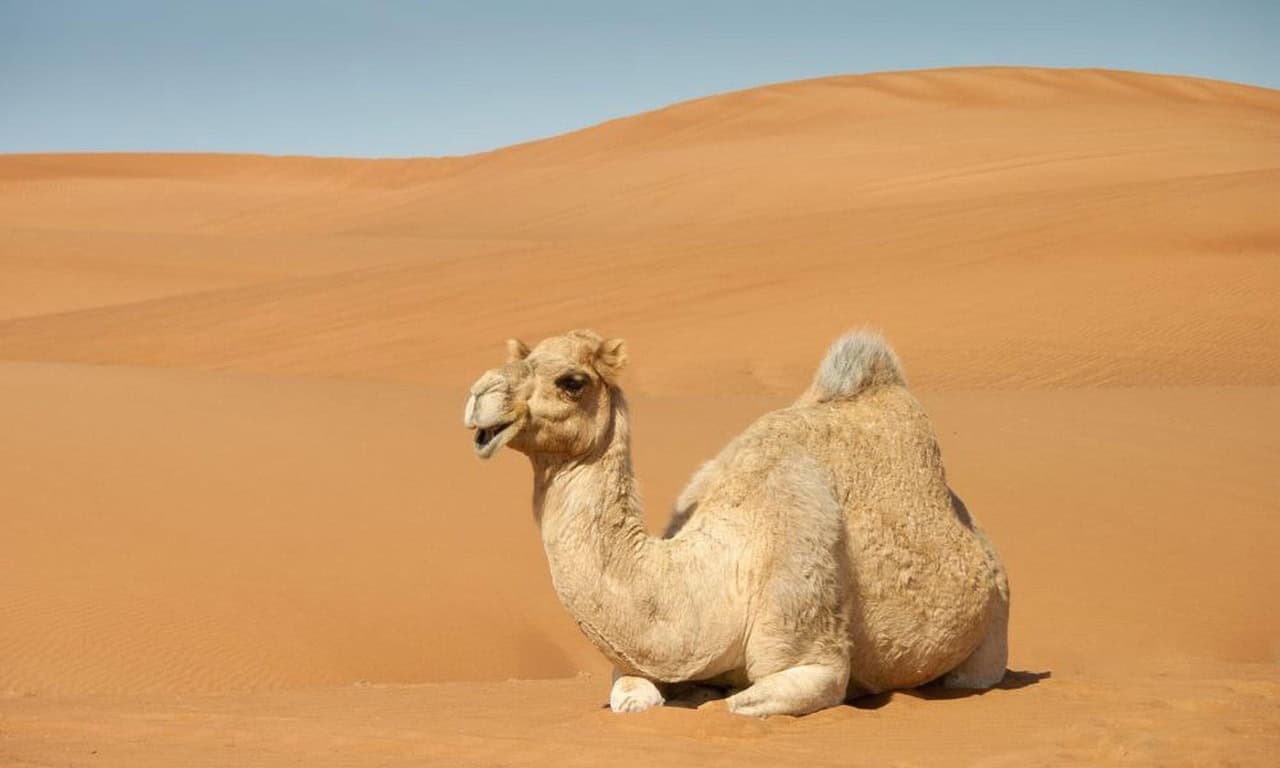
The dromedary camel is probably the first animal that comes to mind when you think about the desert. With their long legs, broad feet, and that iconic single hump, these animals are built for sandy environments. The hump isn’t filled with water as many believe, but with fat, which can be turned into energy when food is scarce. Camels rarely sweat, which means they conserve precious water even in scorching temperatures. Their thick eyelashes and closable nostrils protect them from blowing sand. It’s no wonder people call them the “ships of the desert” — they can travel up to 100 miles without drinking a drop!
13. Fennec Fox

The fennec fox looks like it leapt straight out of a storybook with its enormous ears and tiny frame. Native to the Sahara, their oversized ears help them hear insects moving underground and also act like radiators, releasing body heat to keep them cool. Their sandy-colored fur blends in with the desert landscape, offering camouflage from predators. Fennec foxes are mostly nocturnal, coming out at night when it’s cooler. They dig burrows in the sand to escape the heat and raise their young. Despite their small size, these foxes are fierce survivors.
12. Gila Monster

The Gila monster is one of the very few venomous lizards in the world, and it calls the hot deserts of the southwestern United States and northwestern Mexico home. With its thick, bumpy skin and bright orange-and-black patterns, it’s hard to miss. The Gila monster spends most of its life hidden underground, emerging mainly in the cooler hours of morning and evening. Its venomous bite serves as both a defense and a tool for subduing prey. The lizard’s slow metabolism allows it to go months between meals, which is a huge advantage in a place where food can be hard to find.
11. Sidewinder Rattlesnake

The sidewinder rattlesnake is a master of movement. Instead of sliding straight, it moves in a sideways motion, leaving a unique J-shaped track in the sand. This helps it avoid burning its body on the hot surface. Found in the deserts of the southwestern United States, the sidewinder’s pale coloring keeps it camouflaged and cool. It is most active at night, hunting rodents and lizards when the temperatures drop. The sidewinder’s rattle is its warning system, letting larger animals know not to mess with it. It’s an iconic symbol of desert danger and adaptation.
10. Desert Tortoise

Desert tortoises are the slow and steady champions of the American Southwest. With their tough shells and sluggish pace, they might seem vulnerable, but they have plenty of tricks up their sleeves. These tortoises spend up to 95% of their lives underground in burrows, where it’s much cooler and moister than on the surface. They can survive for a year or more without access to fresh water, relying on moisture stored in their bodies and food. When it rains, they drink as much as possible to store up for the dry months ahead. Their peaceful, plodding nature hides a remarkable endurance.
9. Kangaroo Rat
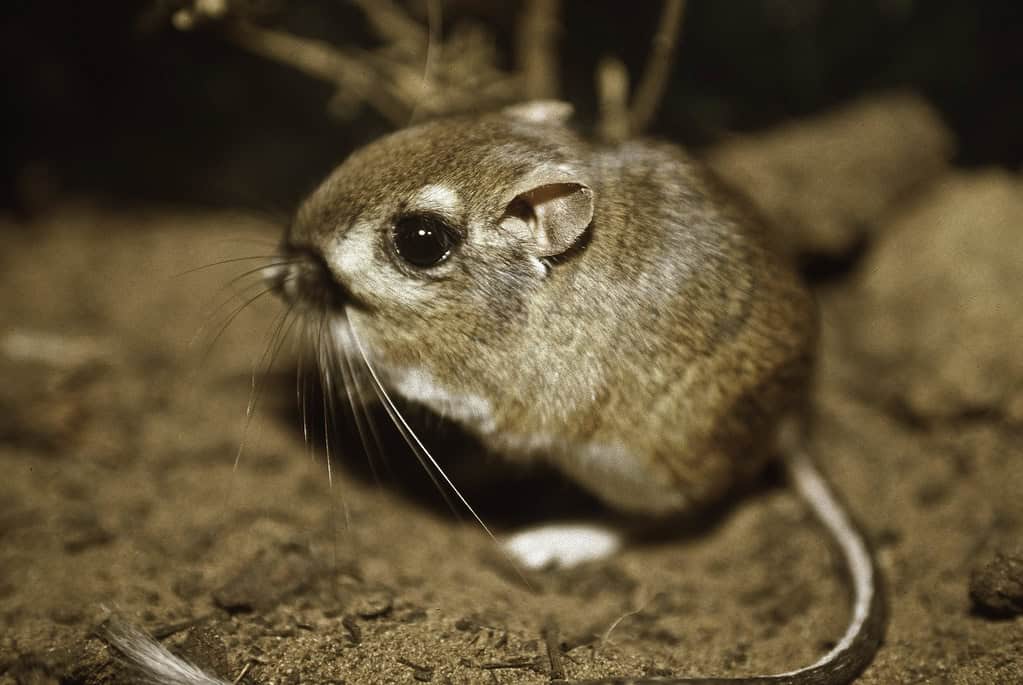
The kangaroo rat is a tiny, big-eyed rodent with a set of hind legs so strong it can jump up to nine feet in a single bound. This little animal never needs to drink water — it gets all the moisture it needs from the seeds it eats. Its kidneys are so efficient that it produces almost no liquid urine, conserving every last drop. Kangaroo rats are experts at avoiding predators, using their powerful legs to leap away from danger. They spend their days hiding in cool burrows and only come out at night. In the battle against dryness, this rodent is a true desert genius.
8. Saharan Silver Ant

While most ants avoid the hottest part of the day, the Saharan silver ant charges right in. Covered in silvery hairs that reflect sunlight, these ants can survive surface temperatures that would fry most other creatures. They rush out of their nests during the hottest minutes to scavenge for food, taking advantage of the fact that predators can’t survive the heat. With just a few minutes to find food before retreating, Saharan silver ants are some of the fastest insects in the world. Their survival strategy is a race against the clock — and the sun.
7. Addax Antelope

The addax antelope is a rare sight, but it is perfectly adapted to life in the Sahara and other African deserts. Its pale, almost white coat reflects sunlight, helping it stay cool. Addaxes can go weeks without drinking, getting moisture from the plants they eat. Their wide hooves act like snowshoes, spreading their weight so they don’t sink into the sand. These antelopes travel great distances in search of food, often in small groups. Sadly, the addax is now critically endangered due to hunting and habitat loss, but it remains one of the desert’s most awe-inspiring animals.
6. Jerboa

Jerboas look like they were made by mixing a mouse, a kangaroo, and a bit of cartoon magic. With long back legs and a tufted tail, they hop across the desert in huge leaps. Jerboas are nocturnal, hiding from the sun in deep burrows during the day. They rarely drink water, getting what they need from their diet of seeds and insects. Their big ears help them hear predators, and their unpredictable hopping makes them hard to catch. Watching a jerboa move across the sand is like seeing a natural pogo stick in action.
5. Desert Horned Viper
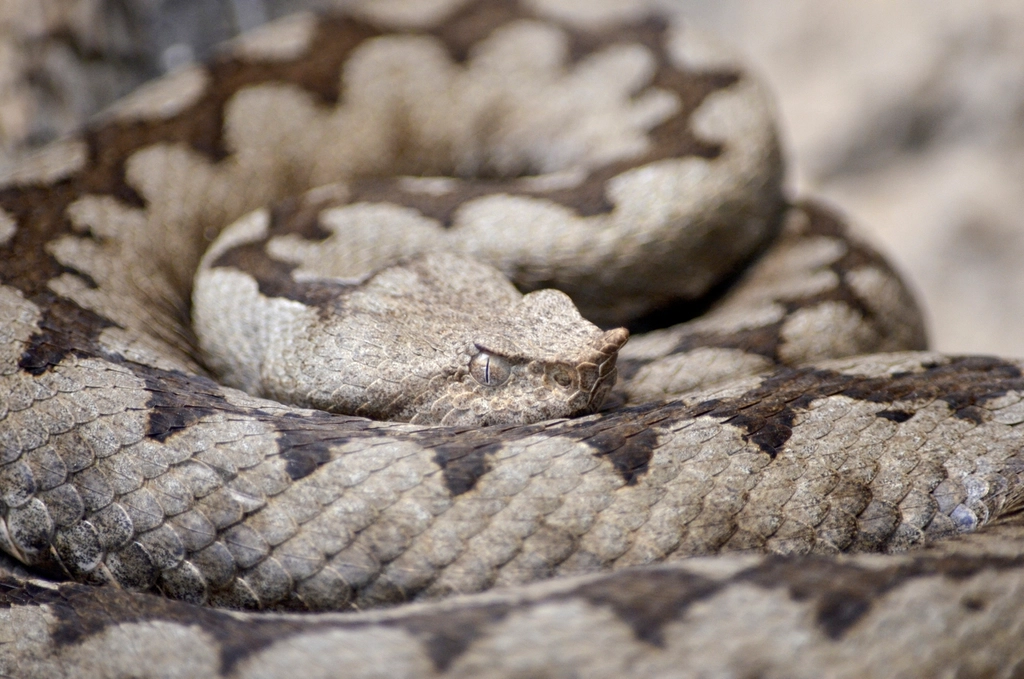
The desert horned viper is known for the horn-like scales above its eyes and its ability to blend perfectly with sandy backgrounds. Found across North Africa and the Middle East, this viper is both beautiful and deadly. It spends most of its time buried in the sand, waiting to ambush unsuspecting prey. When threatened, it creates a rasping sound by rubbing its coils together — a chilling warning for anyone nearby. The viper moves using a sidewinding motion, which keeps it cool and makes it a skilled predator. Its presence is a reminder that beauty in the desert often comes with danger.
4. Australian Thorny Devil
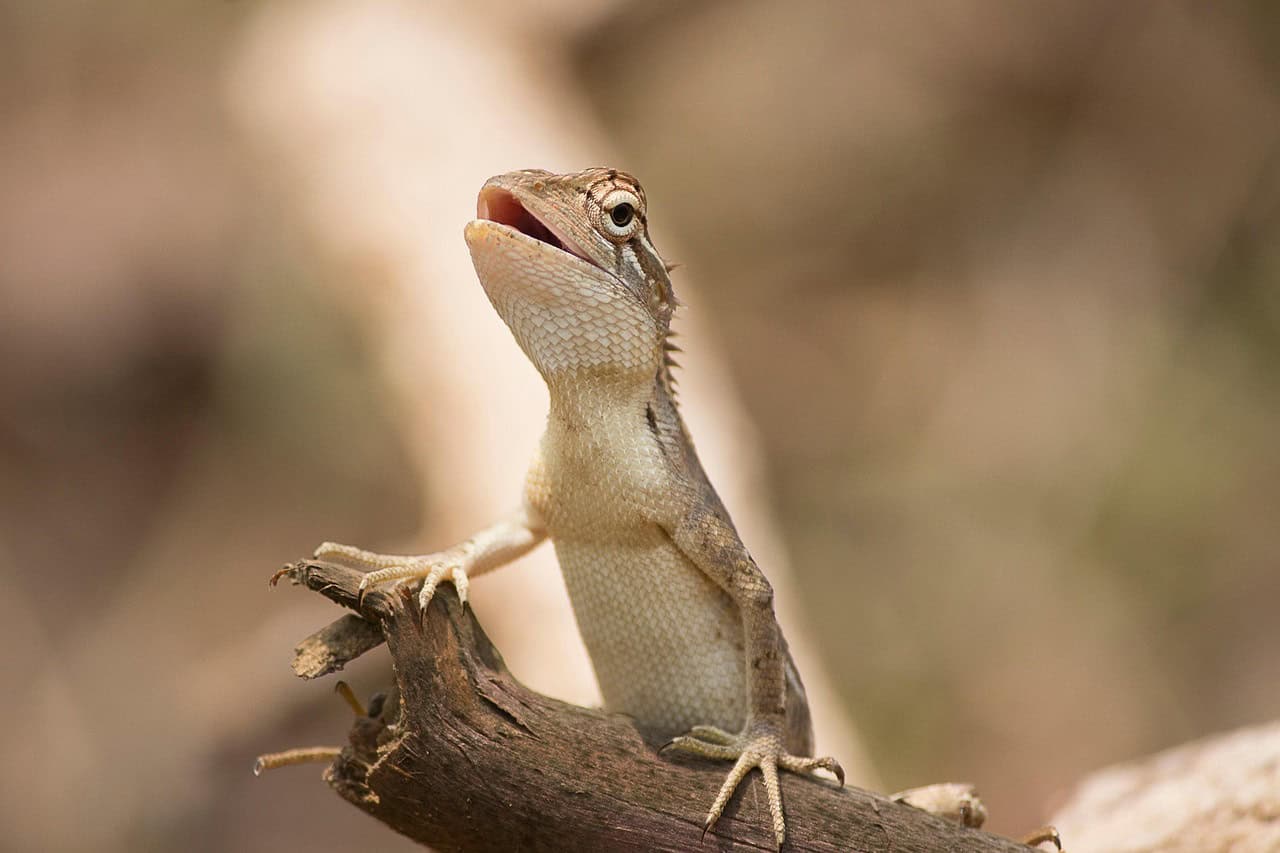
The thorny devil is one of Australia’s strangest reptiles. Covered in spikes and ridges, it looks like a tiny dragon crossed with a cactus. These spikes serve as a defense against predators and help collect water. When it rains or when there’s dew, water runs down the grooves between the spikes and straight to the lizard’s mouth. Thorny devils eat almost nothing but ants, sometimes gobbling up thousands in a single day. Their slow movements and excellent camouflage make them hard to spot among rocks and sand. In a land of extremes, the thorny devil has found clever ways to survive.
3. Arabian Oryx

The Arabian oryx is a symbol of survival and hope. With long, straight horns and a gleaming white coat, this antelope is perfectly suited to life in the Arabian and Middle Eastern deserts. Its pale color deflects sunlight, and it can raise its body temperature to avoid sweating and conserve water. The oryx feeds on tough grasses and roots, often digging for food during the hottest months. Once hunted to near extinction, conservation efforts have brought the oryx back from the brink. This animal’s story proves that even the most fragile desert life can endure.
2. Cactus Wren

The cactus wren is the largest wren in North America, and it’s right at home in the deserts of the American Southwest. With a bold personality and a raspy, chattering song, the cactus wren is hard to ignore. It builds its nests in thorny cacti, which protect its eggs from predators. The cactus wren eats insects, fruits, and seeds, making the most of whatever the desert has to offer. Its speckled feathers blend in with the dry landscape, giving it a little extra protection. Despite the harsh conditions, these birds bring a splash of life and sound to the desert.
1. Meerkat

Meerkats are the desert’s ultimate team players. Living in large groups called mobs, these small mammals are famous for standing upright and keeping watch for danger. Meerkats dig complex tunnels where they escape the midday heat and raise their young. They eat insects, small reptiles, and even scorpions — their bodies are resistant to some types of venom. Each meerkat takes turns on “sentry duty,” warning the group if predators are near. Their tight-knit social structure makes them one of the desert’s most fascinating animals to watch.
Conclusion
Deserts might look empty at first glance, but as you’ve seen, they’re actually home to a stunning variety of animals, each with its own story of survival. From the mighty camel to the tiny Saharan silver ant, every creature has found a way to turn the harsh landscape into a home. Isn’t it incredible to think about how life can thrive in the most unexpected places? What animal would you choose to be in the desert?

As a little kid, I fell in love with nature, wildlife, and animals. Living in the USA, South Africa, Italy, China and Germany gave me the opportunity to discover the world's Wildlife. My favorite animals are Mountain Gorillas, Siberian Tigers, and Great White Sharks.
I'm a certified PADI Open Water Diver, went to Everest Base Camp and Trekked Gorillas in Uganda. I hold a Master of Science in Economics and Finance.
Please send any feedback to feedback@animalsaroundtheglobe.com
- The 10 Rarest Dog Breeds Making a Comeback in America - July 19, 2026
- 13 Creatures That Survived Mass Extinctions - July 19, 2026
- 12 Pets That Are Perfect for Seniors - July 19, 2026
Leave a comment
You must be logged in to post a comment.