
Picture the scene: a long ribbon of brake lights at a national park gate, an RV idling up front, and a ranger leaning out of a booth. The rumor says that ranger is quietly sizing up every gray-haired driver against a secret checklist. It sounds official, and it isn’t. As far as public records show, no such list exists, and a birth year on a license tells a gate attendant very little.
So why does the rumor feel so believable? Because the habits behind it are real. Park traffic pages, safety researchers, and geriatric experts keep flagging them. Some involve paperwork. Others involve attention, vision, and timing. A few flip the stereotype upside down, and the last one decides everything else. Here’s what the data and the park rules actually say.
#14 – Fumbling for Photo ID at the Window
🔥 Would you like to save this?
We'll email this post to you, so you can come back to it later!
The Senior Pass is only as fast as the person holding it.
The Senior Pass is a lifetime pass for U.S. citizens or permanent residents 62 or older. At federal sites with entrance stations, you show the card to the park ranger working the booth. Everyone behind you waits while you do.
Here’s the catch most people miss. Photo ID is requested any time the pass is used. The card alone is not a free ticket.
That’s because the pass belongs to one person. It’s non-transferable, and only the named holder and companions in the vehicle can use it. Rangers may also verify that the holder is the person presenting it.
The slowdown is rarely about age. It’s the glove-box scramble while engines idle behind you, the wallet that turns out to be in the trunk. Anyone who has ever dug for a card at a toll booth knows the feeling. Keep these within reach before you pull up:
- The pass card
- A photo ID, such as a driver’s license
- Any reservation confirmation the park requires
But the biggest pass mistake happens years before anyone reaches a gate, and that’s #13.
#13 – Waiting Until 65 to Buy the Pass

🔥 Would you like to save this?
We'll email this post to you, so you can come back to it later!
Plenty of travelers overpay at the gate because of a number that’s off by three years.
Turns out the age-65 assumption is a mix-up. It comes from Medicare and Social Security, but the Senior Pass runs on a separate federal standard of 62, set by statute. Plenty of people hit 62, keep paying full price, and never realize they’ve been eligible the whole time.
One senior-travel guide lists waiting until 65 as a classic mistake. Three years of full-price gate fees add up to real money for no reason.
The lifetime version is $80. One 2026 guide says it typically pays for itself after two or three park visits.
Fast Facts
- Eligibility starts at age 62, not 65
- Open to U.S. citizens and permanent residents
- The lifetime version costs $80
- Non-transferable, so the named holder needs photo ID
Here’s the part that sparks arguments. The price jumped from $10 to $80 in 2017, and some travelers say that ruined the deal. The per-visit math in those guides says otherwise.
If you’ve turned 62 and still pay full price at the window, you’re the person those guides are talking about. Rangers see the fee-window version of this mistake constantly. Cheaper options exist.
But that’s nothing compared to what can go wrong before you even leave home, which brings us to #12.
#12 – Showing Up Without the Right Reservation Proof
🔥 Would you like to save this?
We'll email this post to you, so you can come back to it later!
In reservation parks, the ranger at the gate isn’t checking your age. They’re checking your confirmation.
Take Rocky Mountain National Park. From May 22 to mid-October 2026, a timed entry reservation is required during certain hours of the day. Your confirmation is the document you show a ranger at the entrance gate. A pass can cover the entrance fee, but it doesn’t replace the reservation.
The park spells out the rule. Print a copy or take a full screenshot that captures the dates and the QR code. A cropped image is exactly what that warning is about.
Here’s what most people don’t realize. Reservations apply from 9 a.m. to 2 p.m., and you can enter before or after that window without one. Some travelers book a slot they never needed, and others arrive at noon with nothing.
Not every park uses timed entry. Arches, Glacier, Mount Rainier, and Yosemite were listed as not using it in 2026. Yellowstone has no timed entry this year either. Rules change by park and by season, so check the park’s own page before you go.
And the line itself brings out the worst habit of all at #11.
#11 – Pulling Over to “Wait Out” the Line
🔥 Would you like to save this?
We'll email this post to you, so you can come back to it later!
The most tempting move in a backed-up entrance line is one the park tells you not to make.
Arches’ own traffic tips are blunt. If the entrance road is backed up, you may not stop on the highway or near the entrance sign to wait. The reason is plain: a stopped car is a hazard for everyone behind it.
Lines can be long. Arches warns of long entrance lines from spring through fall, between 8 am and 3 pm. If the line backs up to the entrance sign, the wait can last up to an hour.
It’s not just Utah. Mount Rainier has posted that the White River entrance line is frequently over an hour, especially at midday and on weekends.
Here’s the unpopular take. The driver who pulls onto the shoulder to “save time” rarely saves any. They create the hazard the next driver has to dodge, and that’s true at every age.
If you’re tempted to bail out of a line, the better fix is timing. Arrive earlier or later than the midday rush.
Still, what you carry into that line matters even more, as #10 shows.
#10 – Arriving With an Empty Tank and a Full Bladder
🔥 Would you like to save this?
We'll email this post to you, so you can come back to it later!
Entrance lines are long enough to turn small oversights into big ones.
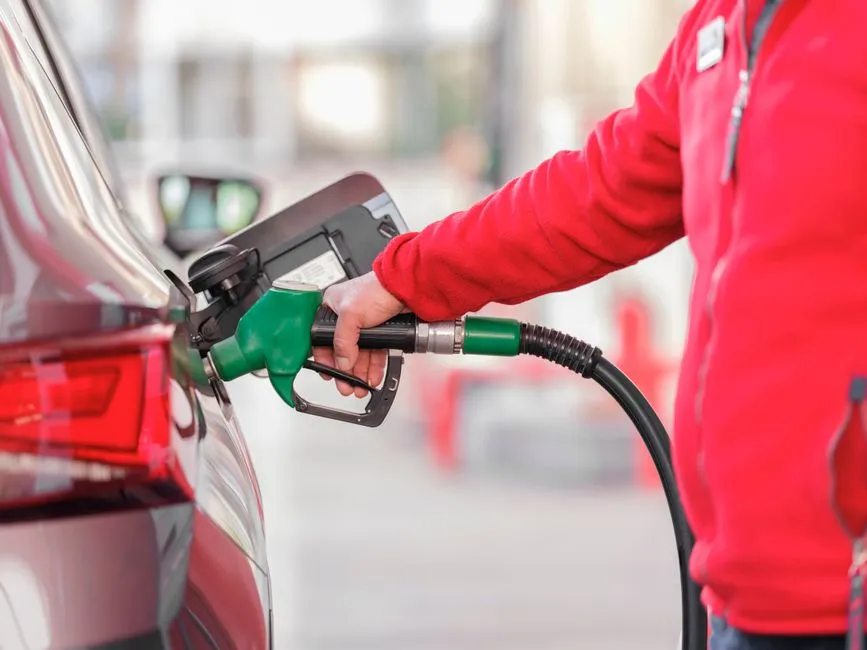
Arches’ travel tips read like a checklist of things people forget. There’s no gas inside the park, so fill up first. There are also no restrooms along the entrance road.
The park’s advice is simple: use the restroom before you get in line, and keep snacks and water on hand. An hour in a car with nowhere to go feels very different when the tank is low and the bathroom is behind you.
Then there’s the wildcard. Once parking lots fill, staff may delay vehicles from entering, and those holds can last three to five hours. You can’t park along the road while you wait.
Smart travelers pack a plan B. Arches recommends having alternative places to visit if access is restricted when you arrive.
- Fuel up before the gate
- Restroom stop beforehand
- Water and snacks within reach
- A backup destination
Once you’re finally moving, though, the next habit gets riskier at #9.
#9 – Riding the Bumper in a Crawling Line
🔥 Would you like to save this?
We'll email this post to you, so you can come back to it later!
Stop-and-go gate traffic punishes short following distances.
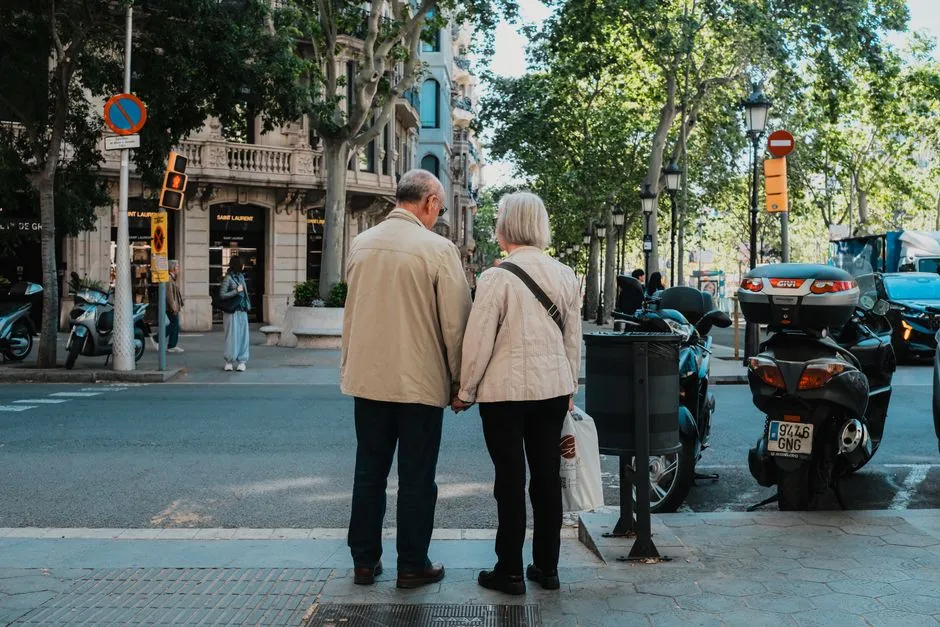
Geriatrics guidance is direct. Leave enough space between your car and the one in front, and keep a safe distance from traffic behind you. In a crawling line, one sudden brake light can ripple back through a dozen cars.
North Dakota’s transportation department puts a number on it. It recommends a four-second gap between you and the vehicle ahead.
Park conditions can change the math. Yellowstone’s winter driving reminders call for a six-second following distance, because stopping takes longer.
Here’s the truth experts rarely say out loud. This advice is aimed at older drivers, but it works for everyone. Entrance roads are full of rental cars, rooftop boxes, and drivers reading signs instead of brake lights. New York’s DMV adds that you shouldn’t expect the right of way, even when it’s yours.
And the thing that steals your attention at the booth is #8.
#8 – Letting Conversations and Phones Pull Focus
🔥 Would you like to save this?
We'll email this post to you, so you can come back to it later!
The gate is where everyone in the car talks at once.
Picture it. The ranger asks a question, the passenger points at a sign, the kids want to know if there are bears, and the phone buzzes in the cup holder. That’s the exact moment a car ahead taps its brakes.
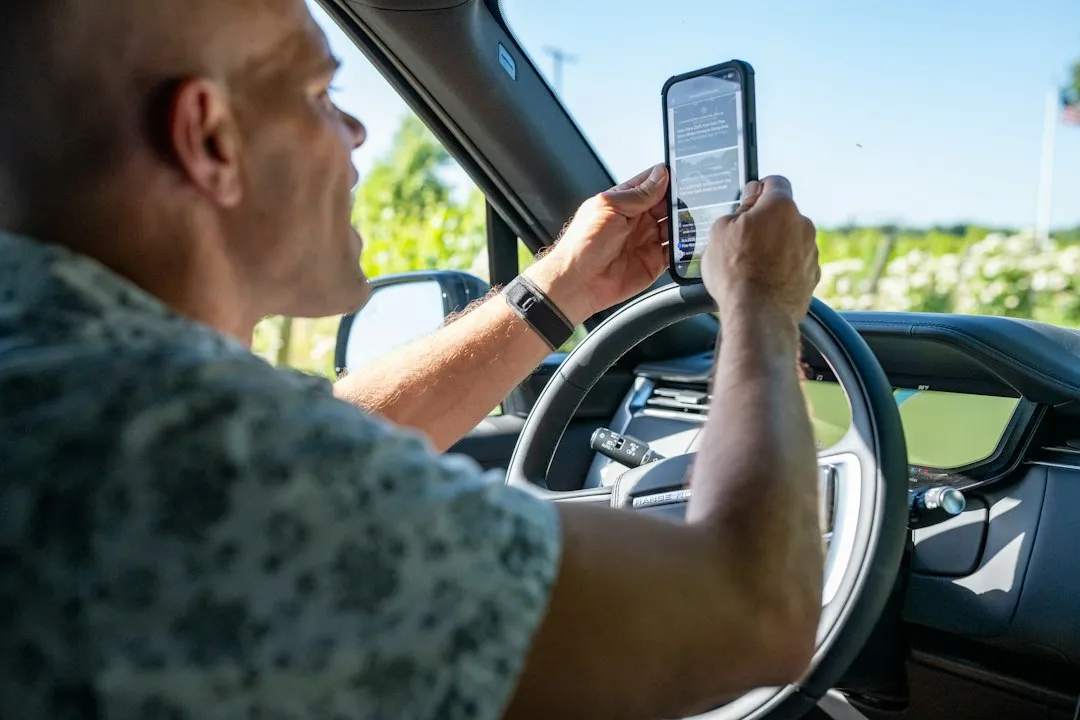
The advice on phones is simple. Talking or texting distracts you from the road. Silence the phone and don’t answer it while driving.
Then there’s the part people resist. Even music, audio books, or chatting with passengers can distract some older drivers. If you’re among them, the advice is to turn off the sound and avoid conversations.
New York’s DMV echoes it. It suggests keeping the radio, air conditioning, and heater on lower settings to reduce background noise. Yellowstone says the same for everyone: avoid distractions and put your phone away while driving.
My take: the “quick photo of the entrance sign” can wait until you’re parked. No picture is worth a bumper.
But distraction isn’t the only thing working against you at sunrise, as #7 reveals.
#7 – Driving Into Dawn and Dusk Glare
🔥 Would you like to save this?
We'll email this post to you, so you can come back to it later!
The best light for photos is the worst light for your windshield.
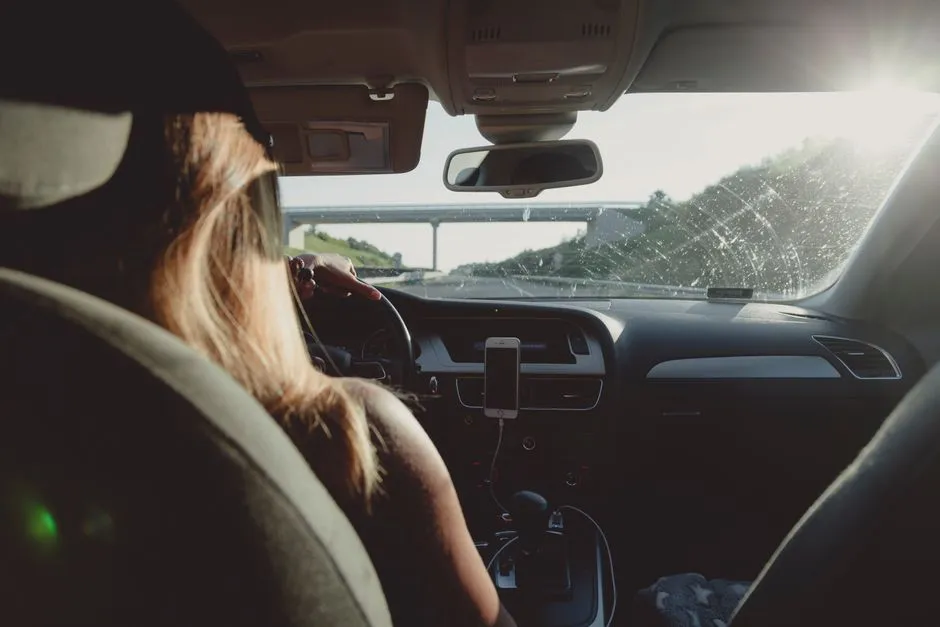
The National Institute on Aging offers a specific warning. Try to avoid driving at sunrise and sunset, when the sun can sit directly in your line of vision. Park roads that curve toward a low sun can leave you briefly blind.
Wildlife follows the same schedule. One national-park driving guide lists elk and deer as most active at dawn and dusk. Yellowstone tells drivers to watch for animals, especially when it’s dark.
Here’s where the system works against you. Haleakala requires a vehicle reservation to drive in between 3 A.M. and 7 A.M. for the summit sunrise. That’s a booking that points you at a dark mountain road.
At a Glance
- Low sun can sit directly in your line of vision at sunrise and sunset
- Elk and deer are most active at dawn and dusk
- Haleakala’s summit sunrise window runs 3 A.M. to 7 A.M. by reservation
- Yellowstone urges extra animal watching in the dark
Some travelers swear that sunrise is worth it. Others argue the pre-dawn drive is the real cost of the trip. If you’re a glare-sensitive driver, the second camp may have a point.
But what about the stereotype that says older drivers are the ones who speed or crawl? The data at #6 may surprise you.
#6 – Speeding to Make Up Lost Time
🔥 Would you like to save this?
We'll email this post to you, so you can come back to it later!
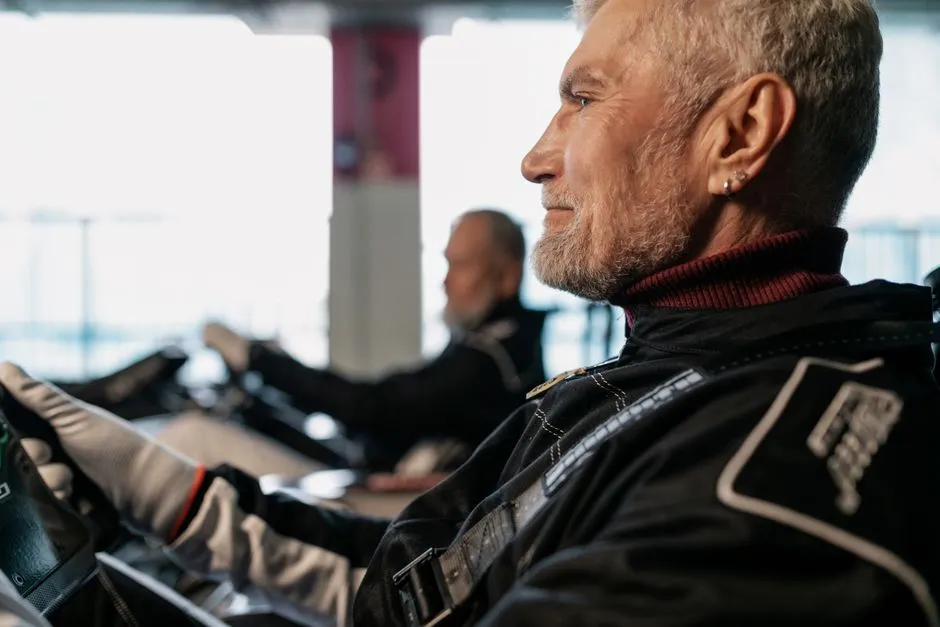
The stereotype says seniors are the problem. The numbers say otherwise.
Park speed limits aren’t arbitrary. They’re set for a reason, often because of wildlife or sharp turns. A long entrance wait can tempt any driver to hurry once the road opens up.
Here’s what the evidence says about older drivers. They’re the least likely age group to be in a crash that involves speeding. In 2022, drivers 65 and older had a lower involvement rate in fatal crashes per 100,000 licensed drivers than any other age group.
The picture isn’t one-sided, though. Fatal crash rates per mile rise with age, from 1.6 for ages 65-69 to 7.9 for 85 and older. The primary driver of that gap is fragility, meaning how likely you are to be injured in a crash.
In plain terms, the problem is survival, not recklessness.
And the next habit has nothing to do with speed. It causes more park-road chaos than you’d expect, at #5.
#5 – Stopping in the Travel Lane for Wildlife
🔥 Would you like to save this?
We'll email this post to you, so you can come back to it later!
A “bear jam” starts with one polite driver.
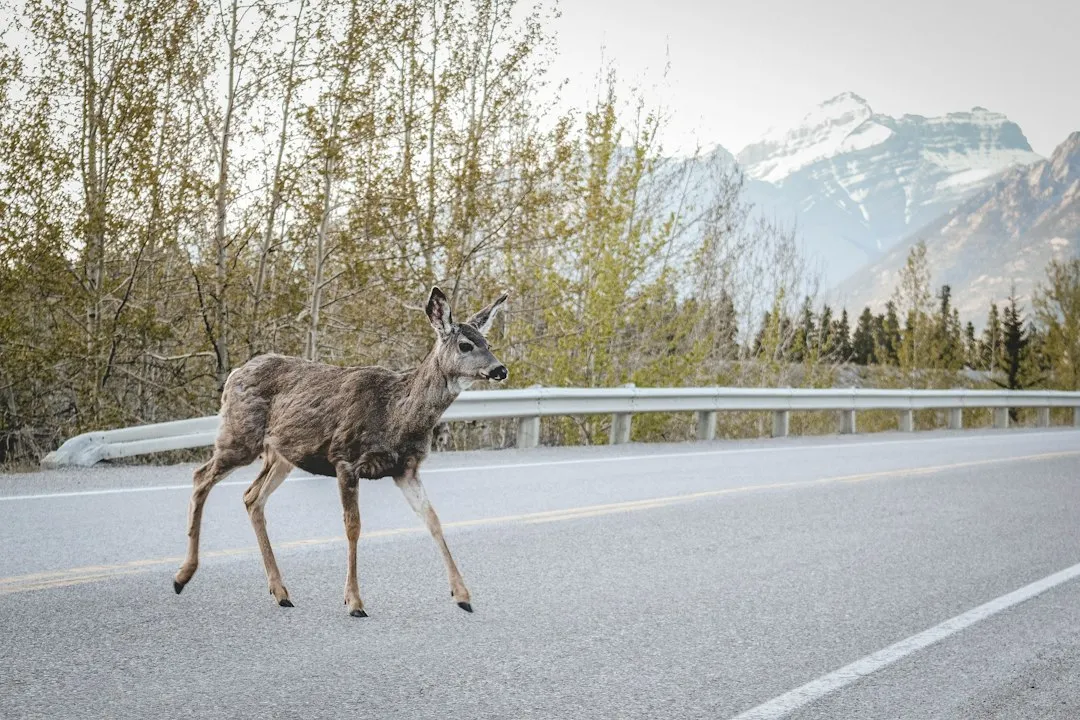
The guidance is clear. When you see wildlife on the road, slow down but don’t stop in the middle of traffic. It isn’t safe for you, other drivers, or the animals. Use your hazard lights if you need to warn others.
Distance matters too. One guide recommends staying at least 25 yards from bison without honking, and 100 yards from bears.
Then there’s the animal to fear most. The same guide calls moose the most dangerous animal collision, and says to brake firmly. Keep pets inside the vehicle.
Most visitors treat a roadside animal as a free photo op. Park guidance treats it as a traffic hazard. The car stopped in the lane for a better look is the one the next driver never sees coming.
- Slow down, but don’t stop in the lane
- Hazards on if you must brake sharply
- Don’t honk at bison
- Keep pets inside
Now for the maneuver where the research is the most striking, at #4.
#4 – Turning Left Across Traffic Near the Gate
🔥 Would you like to save this?
We'll email this post to you, so you can come back to it later!
Intersections, not highways, are where age-related risk concentrates.
The Insurance Institute for Highway Safety has a revealing figure. Multiple-vehicle crashes at intersections made up 43% of fatal crash involvements among drivers 80 and older, versus about 24% for drivers 20 to 64.
A summary of CDC findings describes the pattern. Crashes often involve lower-speed, multiple-vehicle events at intersections, including left turns. Causes include inadequate surveillance and difficulty judging other vehicles’ speed and available space.
Quick Compare
- Drivers 80 and older: 43% of fatal crash involvements were multiple-vehicle intersection crashes
- Drivers 20 to 64: about 24%
- The takeaway: the share is roughly 1.8 times higher for the older group
The advice is practical. Avoid highways with ramps and left turns on busy roads. It’s better to go a little out of your way than face a difficult intersection.
Gateway roads can funnel you into the same decisions again and again. A detour can be the safest route.
But what you can’t see matters even more, and #3 explains why.
#3 – Skipping Glasses, Hearing Aids, and Eye Exams
🔥 Would you like to save this?
We'll email this post to you, so you can come back to it later!
Many of the biggest risks are the ones you can’t see, literally.
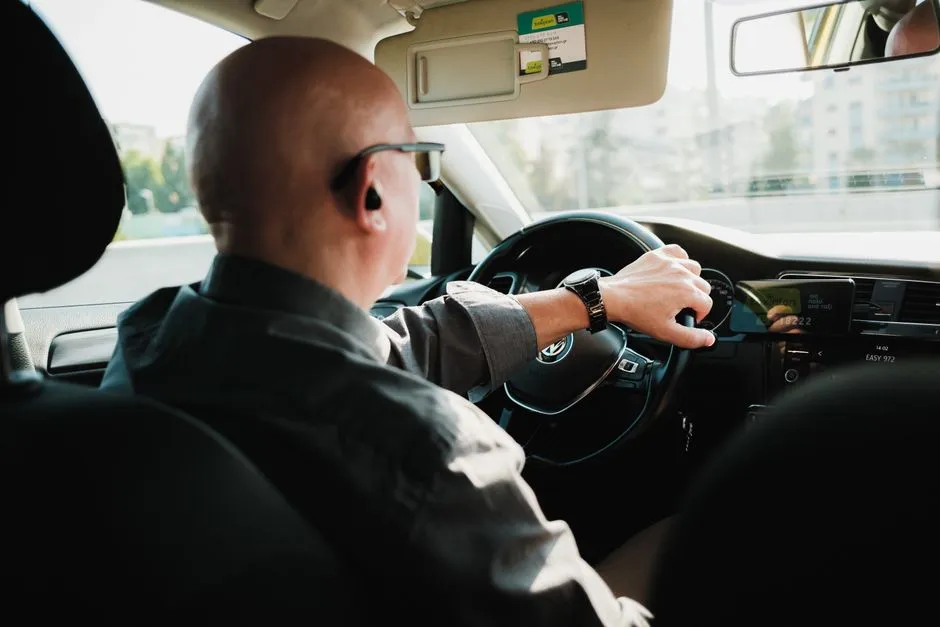
The National Institute on Aging keeps this one simple. Wear your glasses or contacts if you need them, and wear your hearing aids while driving. A horn or a siren you never hear is a hazard you never get to react to.
North Dakota’s transportation department suggests a vision check every two years, or more often if you notice sudden or frequent vision changes.
Here’s a detail almost nobody thinks about. Eyeglasses or sunglasses with wide frames can restrict your side vision. Fashionable frames can quietly cost you a clear view of a side road or an animal at the edge of the road.
The state also draws a clear line. If you struggle to recover from glare or adjust to darkness, limit driving to daylight and talk to your doctor about restrictions.
Still, there’s a hidden risk in the medicine cabinet that comes next, at #2.
#2 – Driving on Medication or Drowsy

🔥 Would you like to save this?
We'll email this post to you, so you can come back to it later!
The riskiest item in the car may be in a pill organizer.
North Dakota’s guidance is explicit. Avoid taking medication before driving, because side effects may create unsafe driving behavior. That’s easy to forget when a pill has been part of the morning routine for years.
New York’s DMV goes further. Never drive after consuming alcohol or drugs, including prescription drugs, and read the labels on over-the-counter medications too.
Then there’s plain tiredness. The NIA says not to drive if you feel lightheaded or drowsy. A long travel day and an early gate time are a recipe for exactly that.
Alcohol is a harder subject. One 2022 analysis found 10% of older drivers in fatal crashes were impaired, and the share was highest, at 13%, among 65 to 69. Turns out it’s the younger end of the group, not the oldest, that had the highest share.
Worth Knowing
- Prescription drugs count, not just alcohol
- Over-the-counter labels deserve a read before a drive
- Lightheaded or drowsy means the keys stay put
- Impairment share peaked at 13% for ages 65 to 69
That’s an uncomfortable fact, and it undercuts the “they’re all frail” assumption.
But the habit at #1 is the one that decides everything else.
#1 – Ignoring the Warning Signs and Never Handing Over the Keys

🔥 Would you like to save this?
We'll email this post to you, so you can come back to it later!
The most important behavior isn’t at the gate. It’s in your head.
North Dakota’s guidance gets to the heart of it. The key is recognizing what your abilities are now, not what they used to be. Many older drivers still operate safely well into later life.
The warning signs are specific. They include repeated warnings from law enforcement, frequent close calls, and feeling nervous or fearful behind the wheel. Near-misses are the loudest signal, and the one people explain away most often.
The goal isn’t to quit. Driving helps older adults stay mobile and independent. The goal is to adapt.
Here’s the controversial part. Sharing the driving on a park trip isn’t surrendering independence. It’s the smartest safety feature you can add.
The biggest myth here is the premise itself. Park gates don’t run on a secret over-65 checklist, and the evidence doesn’t support treating age alone as the danger. Older drivers speed less and have lower crash-involvement rates, but they’re more likely to be badly hurt when something goes wrong.
That’s why paperwork, attention, vision, medication, and honest self-assessment matter more than a birth year. Most of the fixes are small and cheap: a pass in hand, a full tank, a wider gap, a phone on silent.
My view: the best driver at any gate is the one who planned ahead and knows their limits. Which of these habits have you seen cause the biggest backup at a park entrance? Tell us in the comments.

- 7 Everyday Habits That Can Make Your Senior Dog Happier - November 5, 2026
- 10 Enigmatic Structures That Continue to Puzzle Scientists Today - November 5, 2026
- 10 Strange Ruins in the Americas That Challenge What We Know About Early History - November 5, 2026