
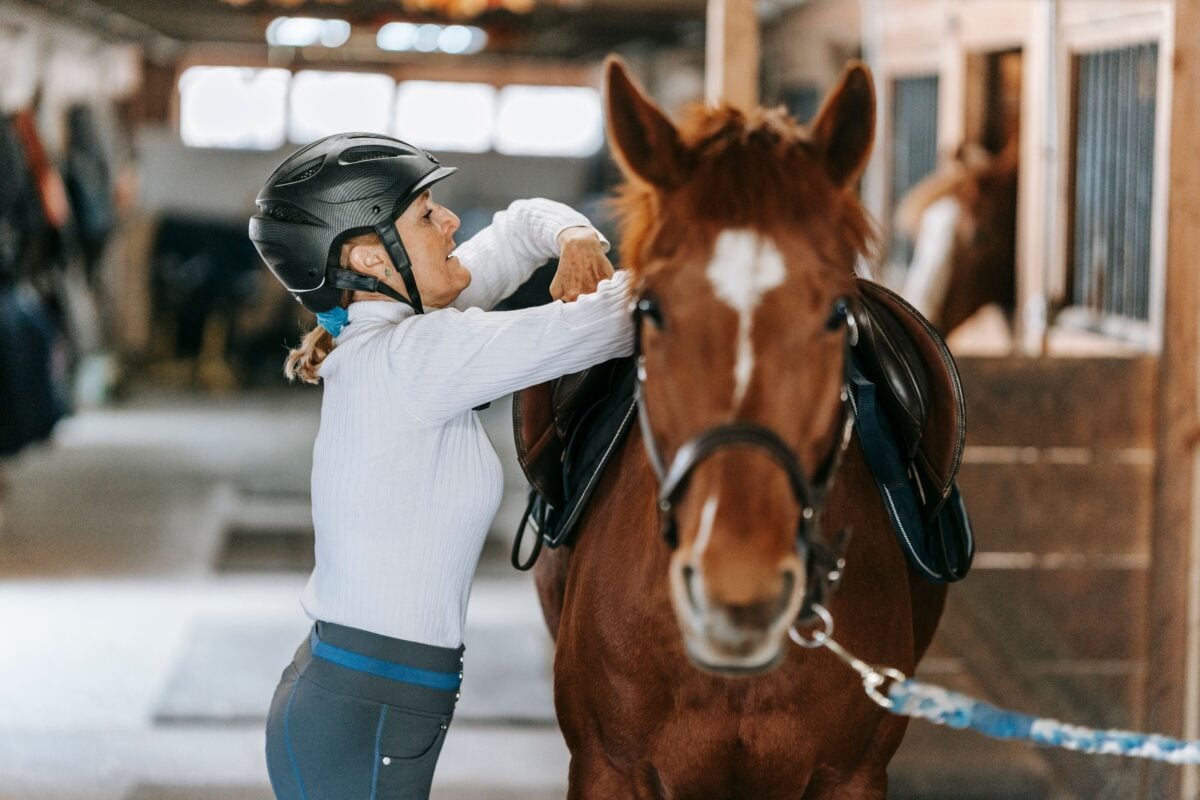
You bring home a rehomed horse expecting a clean slate. Then he flinches at a raised hand, plants his feet at a trailer he has supposedly loaded on a hundred times, or panics at one specific corner of the arena. Nobody on earth can tell you why.
That’s the strange truth behind this list. Horses carry years of habits, fears and learned responses into every new barn, and the previous owner’s handling often can’t be traced. Papers get lost, sellers go quiet, and the horse can’t tell you. So the clues show up in daily behavior, and some are far stranger than “he must have been hit.” A few point to pain, a few to memories that research suggests can last for years, and the one at #1 changes how you’ll read all the others.
#14 – The Flinch Nobody Can Explain
🔥 Would you like to save this?
We'll email this post to you, so you can come back to it later!
A hand rises near his face, and he whips his head away as if you’d swung at him. Your stomach drops. Someone must have hit this horse.
Head-shyness is one of the most common quirks in a new horse, and the story is rarely that simple. Some horses were handled roughly around the head. Others were never handled there at all. Many are simply protecting a sore spot. Dental problems, ear issues and bit-related pain can all produce the same flinch, so the cause isn’t always a person.
That matters, because “he was hit” is the story people reach for first. Maybe. But the evidence for it is usually thin. A flinching horse could have a history, a toothache, or both, and only one of those gets fixed by patience alone.
- Rule out pain first: teeth, ears, poll.
- Approach from the side, where the horse can see you.
- Move slowly and keep your hands low and predictable.
But the next behavior is even harder to pin on anyone, and it starts at the pasture gate…
#13 – Walking Away the Moment You Show Up With a Halter
🔥 Would you like to save this?
We'll email this post to you, so you can come back to it later!
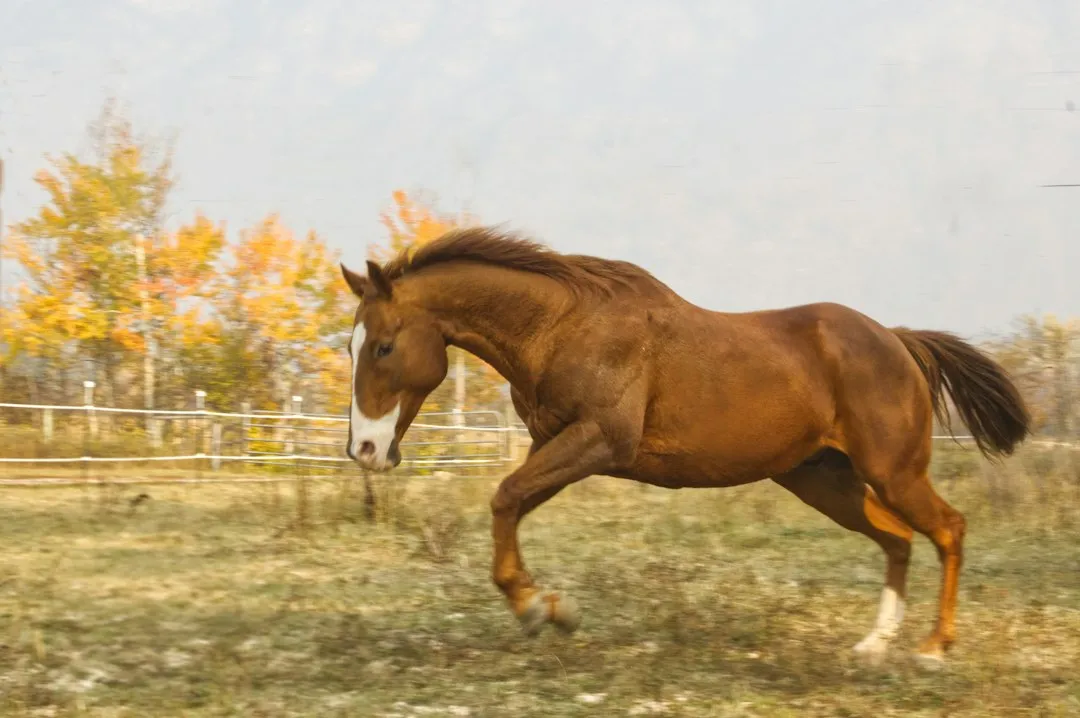
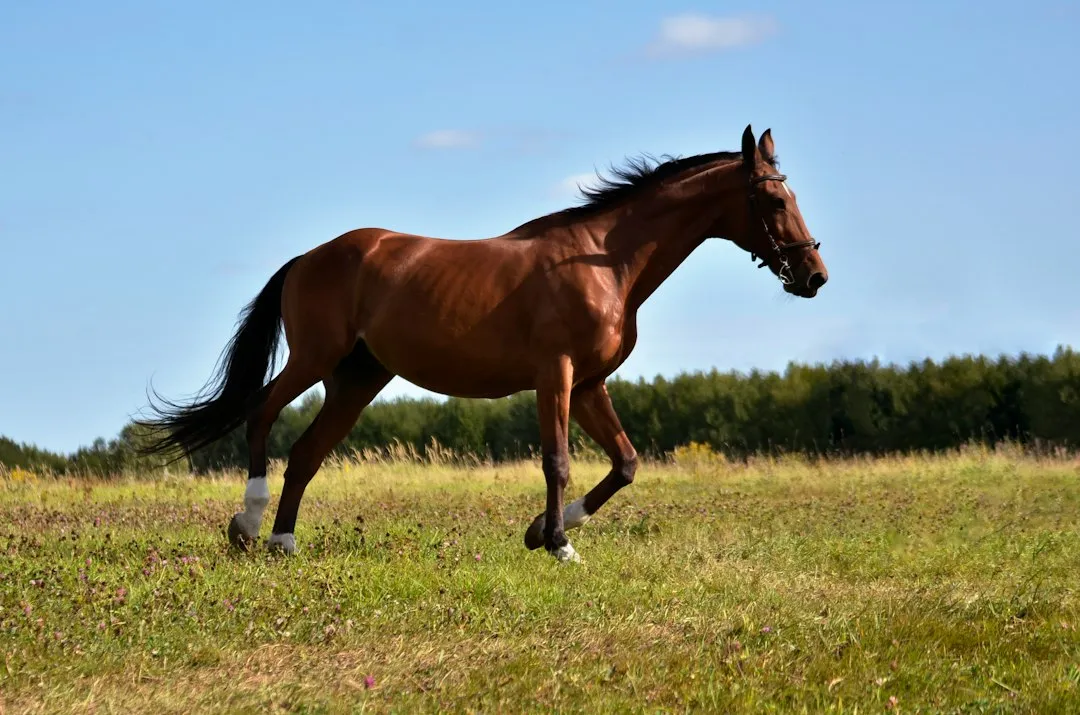
You’re holding a halter and a carrot. Your horse turns and walks off like he has somewhere better to be.
Plenty of horses learn that a halter means work, a vet visit or a stressful trailer ride. So they leave. The horse isn’t being stubborn. It’s predicting something. That prediction was built from experiences you weren’t there for.
The reverse also happens. Some rehomed horses walk straight up and drop their heads into the halter. That usually means someone made the halter a reliable, low-pressure signal early on.
Here’s the controversial part. Many people call a horse that won’t be caught “disrespectful.” Plenty of trainers now argue that word misreads what’s happening. The horse is avoiding something it expects to feel bad, and calling it disrespect leads people to answer with pressure, which only confirms the horse’s prediction.
- Visit the field without catching the horse, sometimes.
- Pair catching with something the horse likes.
- Keep early sessions short and uneventful.
But that’s nothing compared to what a single hoof can tell you at #12…
#12 – Perfect (or Terrible) Behavior for the Farrier
🔥 Would you like to save this?
We'll email this post to you, so you can come back to it later!
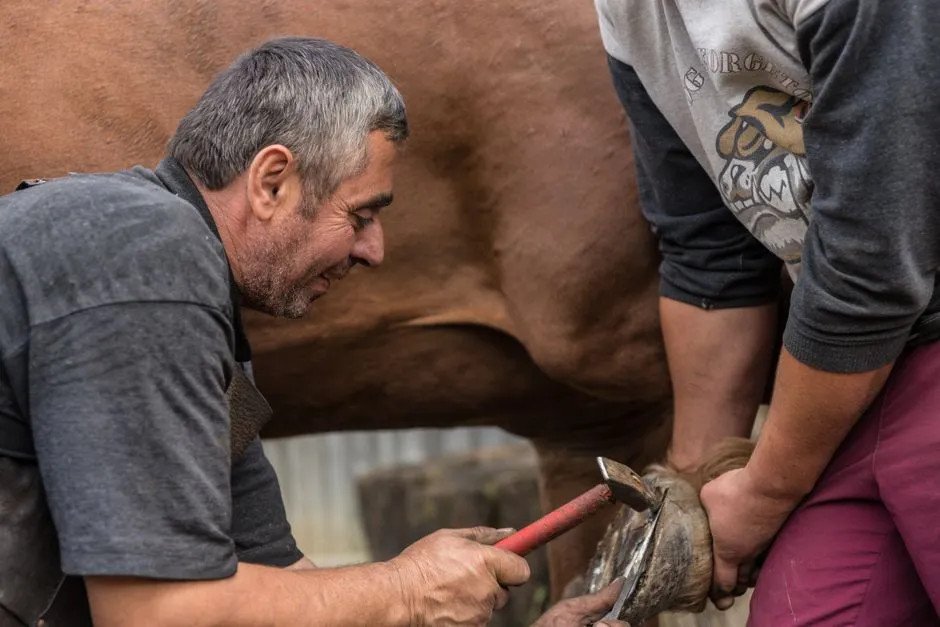
Watch a horse hand over a hoof, and you’re watching a piece of his résumé.
Standing quietly on three legs takes trust and training. A horse that does it well was almost certainly taught, and probably early. A horse that snatches his foot away, leans hard or panics may have had a bad trim, a painful abscess or a rushed handler.
Hoof handling is learned in layers, and the layers don’t disappear when the horse changes owners. A horse may accept a front foot and fight about a hind foot. That split often points to specific experiences rather than a general attitude.
Pain is the other suspect. Sore joints, a stiff back or a tender hip can make balancing on three legs hard. The behavior looks like resistance but is really discomfort.
- Ask your farrier and vet to share what they see.
- Reward the smallest cooperative effort.
- Hold the foot for less time than the horse can tolerate, then build up.
The next behavior is where history, instinct and fear collide: the horse trailer.
#11 – The Trailer Panic (Or the Suspiciously Easy Load)
🔥 Would you like to save this?
We'll email this post to you, so you can come back to it later!
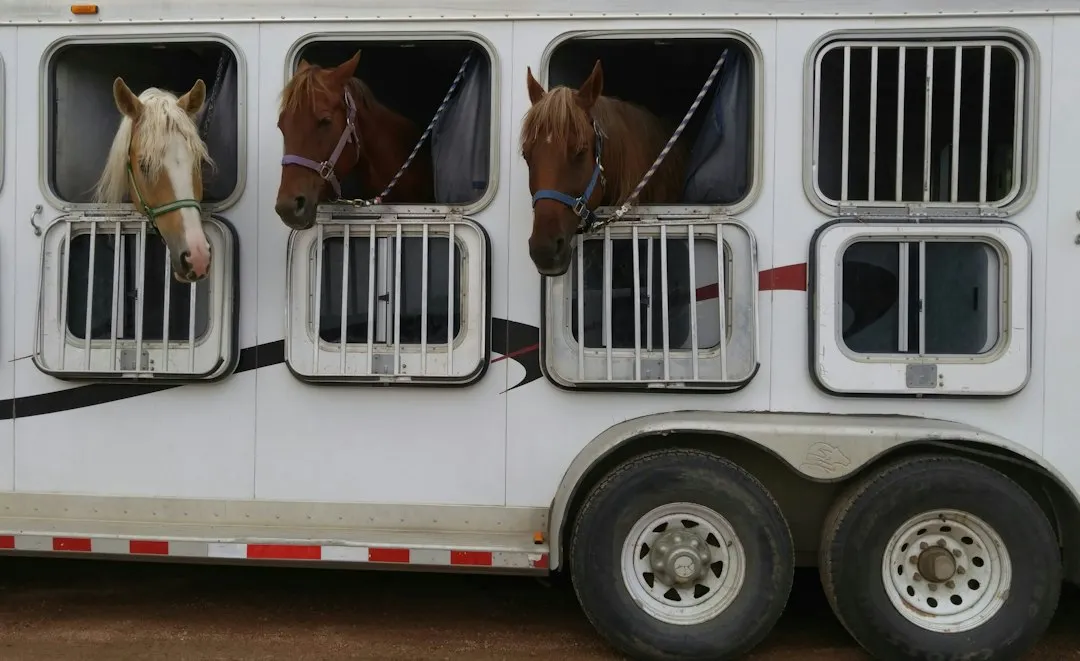
Loading is the moment a hidden history can suddenly show itself.
A trailer is a dark, enclosed, moving box, and for a prey animal that’s a big ask. A horse that loads calmly with no coaching has probably practiced it many times in a positive way. A horse that plants his feet, rushes backward or scrambles out may have had a frightening trip, a slip or a rough loading session.
Here’s the catch: you often can’t tell which memory is driving it. Fear of the ramp, the floor, the dark or the motion can all look identical from the outside.
The same goes for horses that rush on, then panic once the door closes. They may have learned that getting in is easy, but something bad happens afterward.
- Let the horse look and sniff before you ask it to step in.
- Practice loading at home, with no journey attached.
- Keep the first few trips short and smooth.
Trailer fears at least have an obvious setting. The next one doesn’t…
#10 – Spooking at One Oddly Specific Thing
🔥 Would you like to save this?
We'll email this post to you, so you can come back to it later!
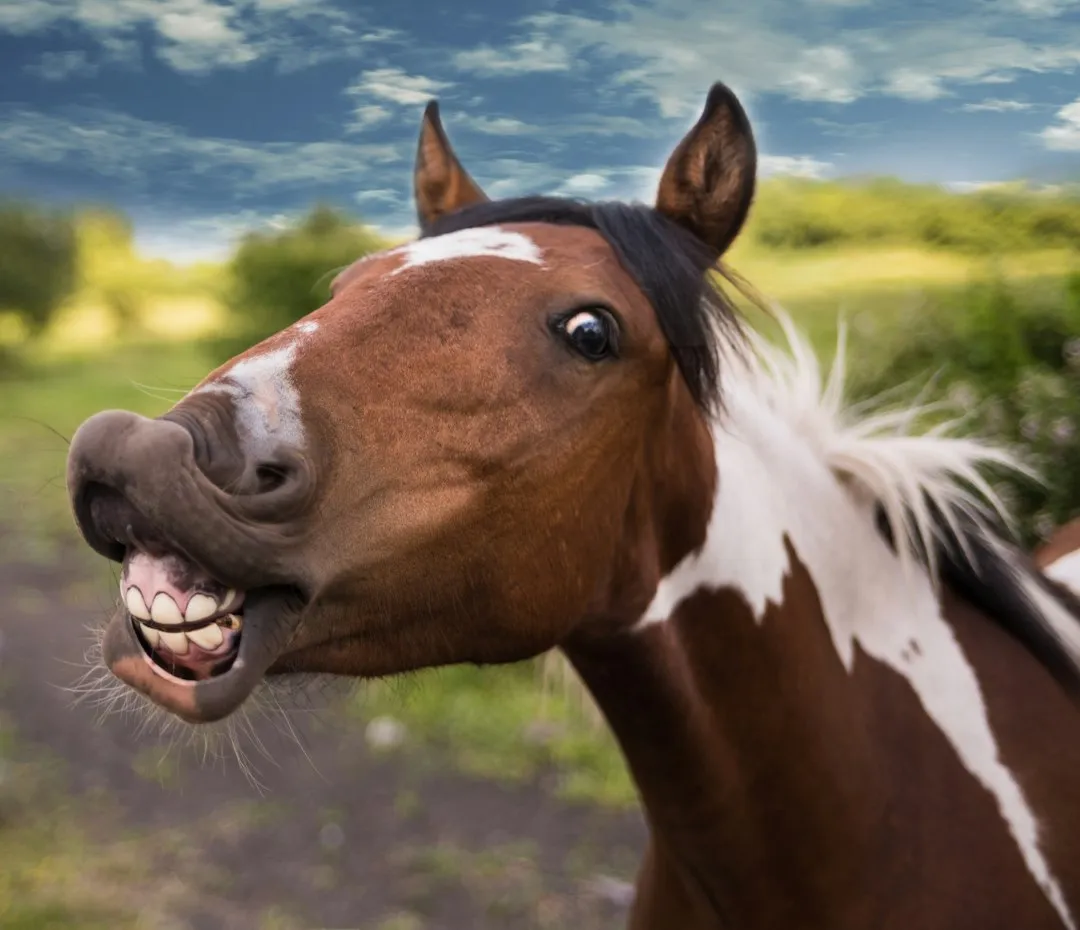
One object. Every time. Nobody knows why.
Plenty of horses ignore traffic but panic at a plastic bag, a particular jump or a certain corner of the arena. Owners often assume it’s random. Research suggests it often isn’t. A French study confirmed that horses have powerful long-term memories of both positive and negative experiences. The writers of one report even joked about horses balking at a fence because of a rabbit that appeared years earlier.
A trainer interviewed about that work noted the downside too: a bad experience can bring out defensive reactions many years later. That means your horse’s strangest fear could be tied to something that happened in a different barn, years ago.
You may never find the cause, and you don’t need to. What helps is slow, repeated exposure at a distance where the horse stays calm.
- Let the horse approach the object on its own.
- Reward calm, not just bravery.
- Don’t force closeness, and don’t punish the spook.
But memory doesn’t only store fears. The next one is where it gets weirdly useful…
#9 – Responding to Cues Nobody Taught You
🔥 Would you like to save this?
We'll email this post to you, so you can come back to it later!
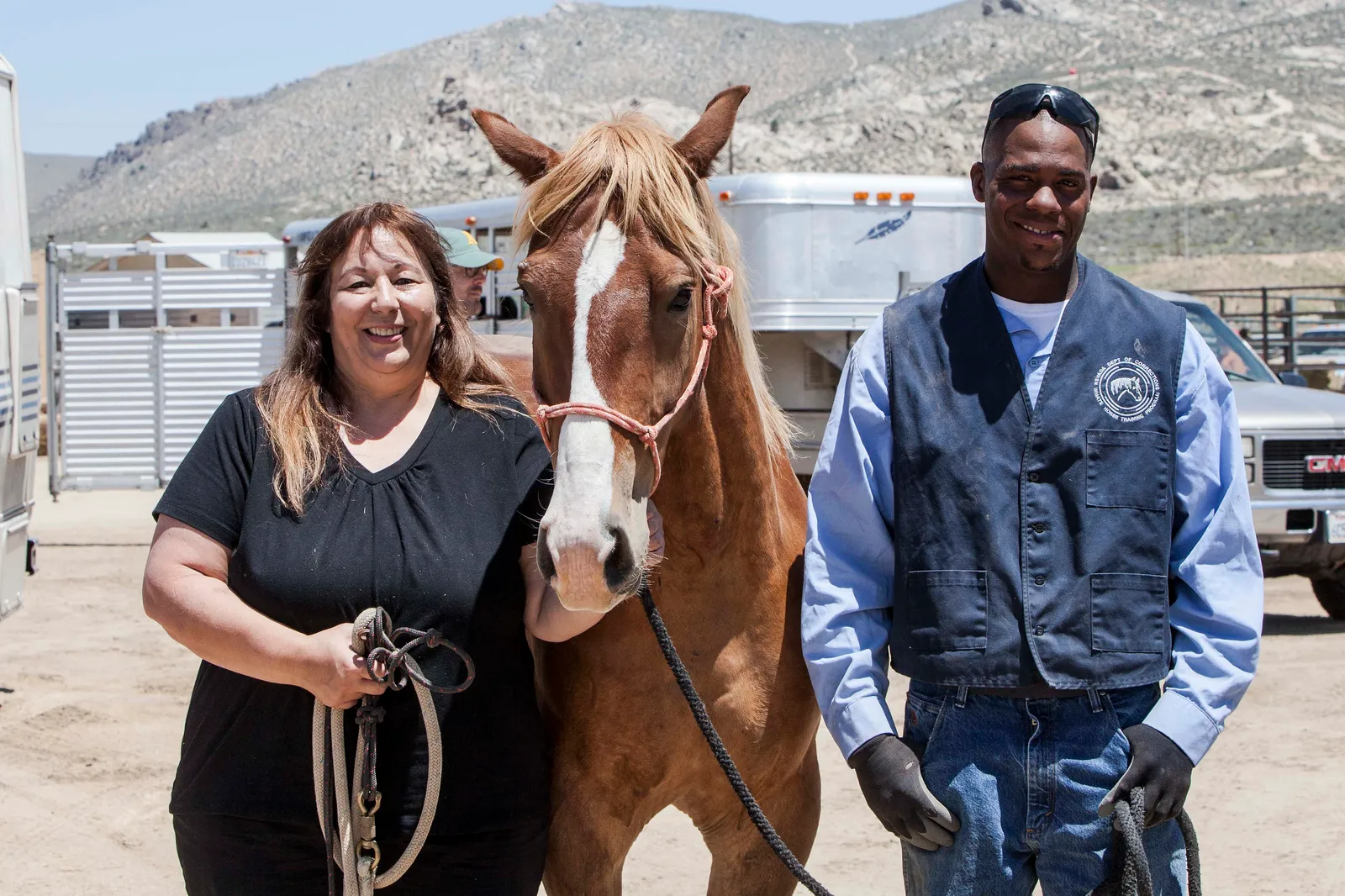
Your new horse may already know commands you’ve never given.
Some rehomed horses respond to a cluck, a leg squeeze or a spoken word before you’ve trained anything. They learned it elsewhere and kept it. Research suggests that if you teach a horse something, it can remember it for years, even without practice.
The French team tested that with a simple spoken cue. Horses had learned to back up when told “Back!” and were rewarded with food. Equine researcher Evelyn Hanggi found similar results with concept learning. One Arabian remembered a size concept more than seven years later, and a Paint Horse performed perfectly more than 10 years after a different study.
Fast Facts
- Spoken cue tested: “Back!” paired with a food reward.
- Arabian: recalled a size concept after more than 7 years.
- Paint Horse: performed perfectly after more than 10 years.
- Takeaway: old training can resurface without any practice.
So the “mystery cue” your horse seems to know is probably years old. It’s a sign someone trained this horse carefully, even if you’ll never find out who.
Try different cues gently and watch which ones get a response. You may be uncovering a training history without a single record.
- Test voice cues before physical ones.
- Note which cues are clear and which are muddled.
- Build on what’s already there instead of starting over.
Next up is a habit that has nothing to do with training and everything to do with feeding…
#8 – Rushing the Feed Bucket (and Guarding It)
🔥 Would you like to save this?
We'll email this post to you, so you can come back to it later!
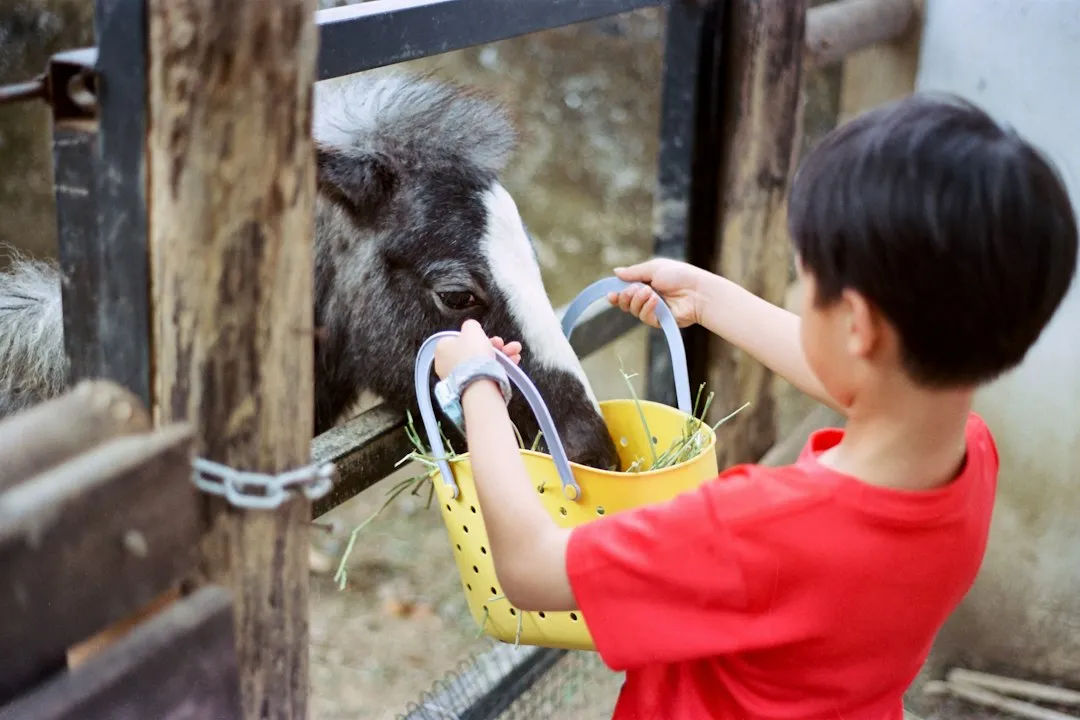
Pinned ears at feeding time don’t always mean a bad attitude.
A horse that charges the bucket, pins his ears at neighbors or gulps his food may have lived with limited forage or competition at meal times. Horses evolved to eat small amounts almost constantly. Long gaps between meals are a documented stress for them, which is why some horses guard food even when there’s plenty.
The behavior can stick long after circumstances change. A horse that has been through lean periods may take weeks or months to relax around food, even when the hay is always there.
Some experts argue that “just feed more” is bad advice. They say a horse needs a predictable routine and a safe place to eat as well as more food. Others prioritize slow-feed hay nets. The truth is probably both.
- Feed in a spot with space between horses.
- Keep meal times consistent.
- Use slow feeders to extend eating time.
And if you think food habits are strange, the next one involves a stall door…
#7 – Cribbing, Weaving and Other Stall Habits
🔥 Would you like to save this?
We'll email this post to you, so you can come back to it later!
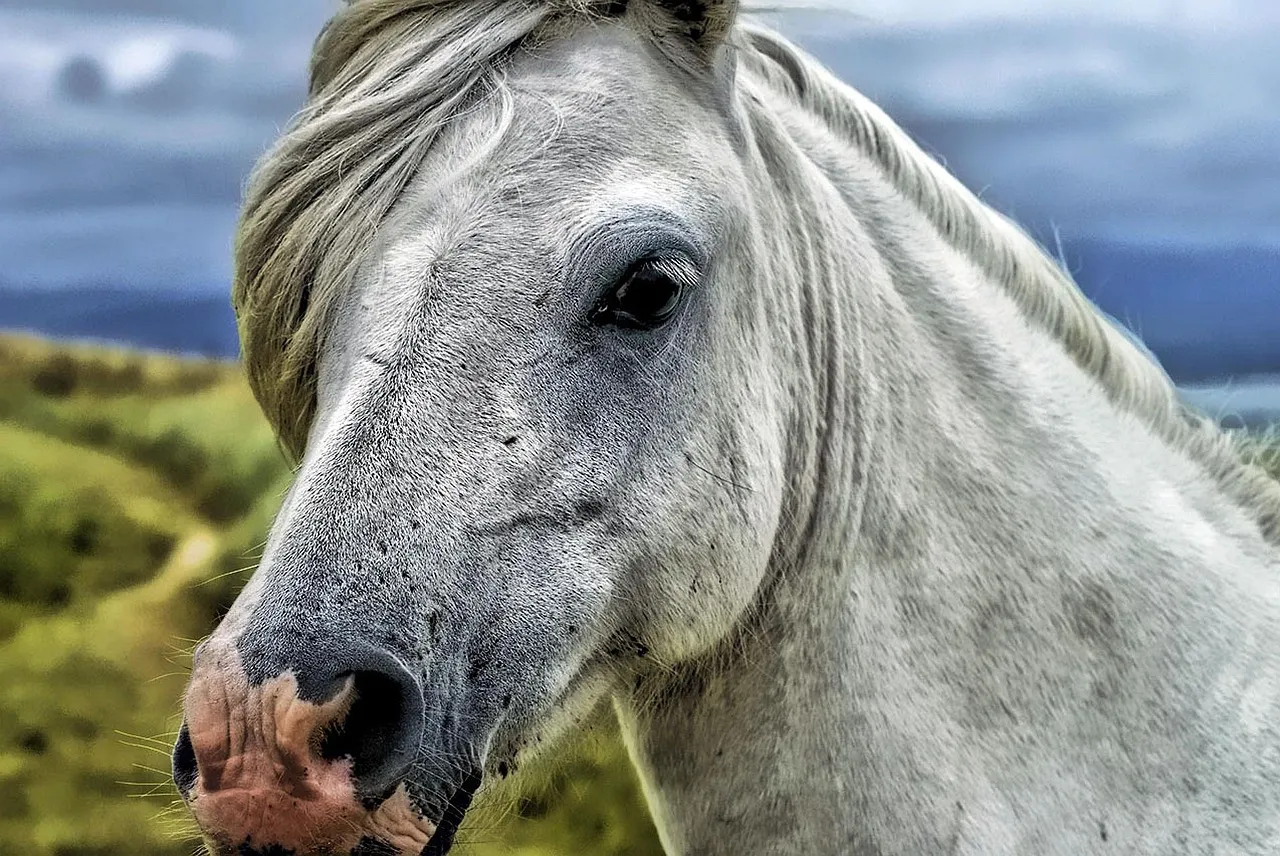
Repetitive stall habits are not random quirks.
Cribbing (gripping a surface and sucking in air), weaving (swaying side to side) and stall walking are called stereotypies. They’re commonly linked to management factors such as limited turnout, restricted forage and little social contact. A rehomed horse may arrive with one of these habits from a barn he left long ago.
At a Glance
- Cribbing: grips a surface and sucks in air.
- Weaving: sways side to side, often at the stall door.
- Stall walking: paces repeatedly around the stall.
- Common thread: limited turnout, forage and company.
The old belief was that horses copy these habits from each other. Current thinking leans more toward the horse’s environment than imitation, although the exact causes are still debated. The habit may also fade, stay the same or return under stress.
Here’s a hot take: strapping on a cribbing collar and calling it solved is a bad idea. It may stop the behavior without addressing why the horse needs to do it. Many experts prefer to improve turnout, forage and company first.
- More turnout and free movement.
- Constant access to forage.
- Visual and physical contact with other horses.
But the next one is more personal: how a horse reacts to people.
#6 – Distrust of Certain People
🔥 Would you like to save this?
We'll email this post to you, so you can come back to it later!
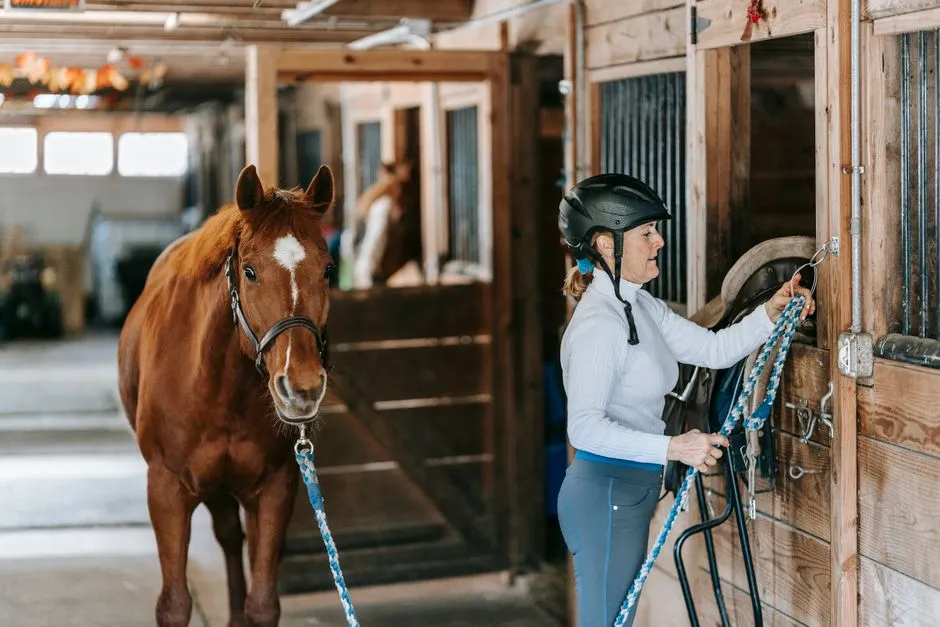
Your horse might single out one type of person, and you may never learn why.
Some rehomed horses relax around one person and tense around another. It can look irrational. It may not be. Research on face recognition indicates that horses’ social cognition extends across species, including to humans.
A study also looked at memories of emotion. Researchers point out that remembering emotional experiences with particular individuals may help social bonding and avoiding aggression. One reviewer cautioned that much more research is needed before firm conclusions are drawn on how animals use remembered expressions.
So be careful. It’s tempting to assume your horse hates men, hats or loud voices because of one past owner. But horses react to body language, tone and movement, not just identity. What you can control is your own behavior. Slow movement, a soft voice and consistency help most horses settle with new people.
- Keep a calm, predictable approach.
- Let the horse choose to come closer.
- Introduce new people gradually.
The next behavior has a far more physical cause than most owners suspect…
#5 – Pinned Ears and Snapping at the Girth
🔥 Would you like to save this?
We'll email this post to you, so you can come back to it later!
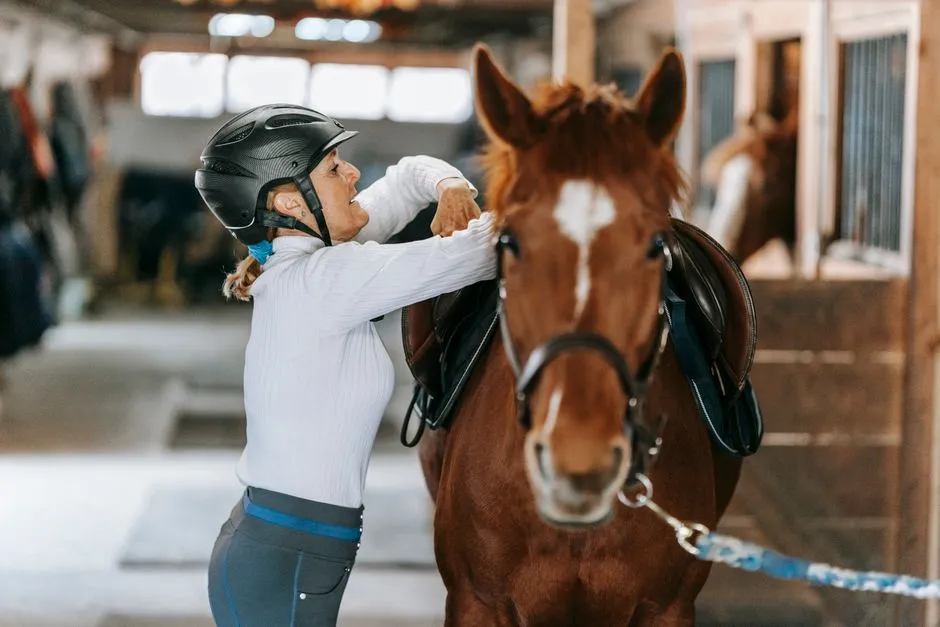
A cinchy horse may simply be hurting.
Girthiness is often blamed on a past bad saddle or rough tightening. Sometimes that’s accurate. But a horse that reacts to girthing can also be reacting to stomach discomfort, a sore back or an ill-fitting saddle.
That distinction matters because it changes the fix. A horse in pain can’t be trained out of reacting to it, and training may only teach him to hide the signs.
Many experts recommend checking the fit of the saddle, then the horse’s back, teeth and gut health, before assuming the behavior is learned. If everything checks out, slow, gradual girthing in stages usually works better than a quick tightening.
- Tighten the girth in small steps.
- Walk the horse a few strides between each notch.
- Have a vet and a qualified saddle fitter check for problems.
But the next behavior shows how much a horse’s earliest years can matter…
#4 – Odd Social Skills Around Other Horses
🔥 Would you like to save this?
We'll email this post to you, so you can come back to it later!
Some horses never got the chance to learn how to be horses.
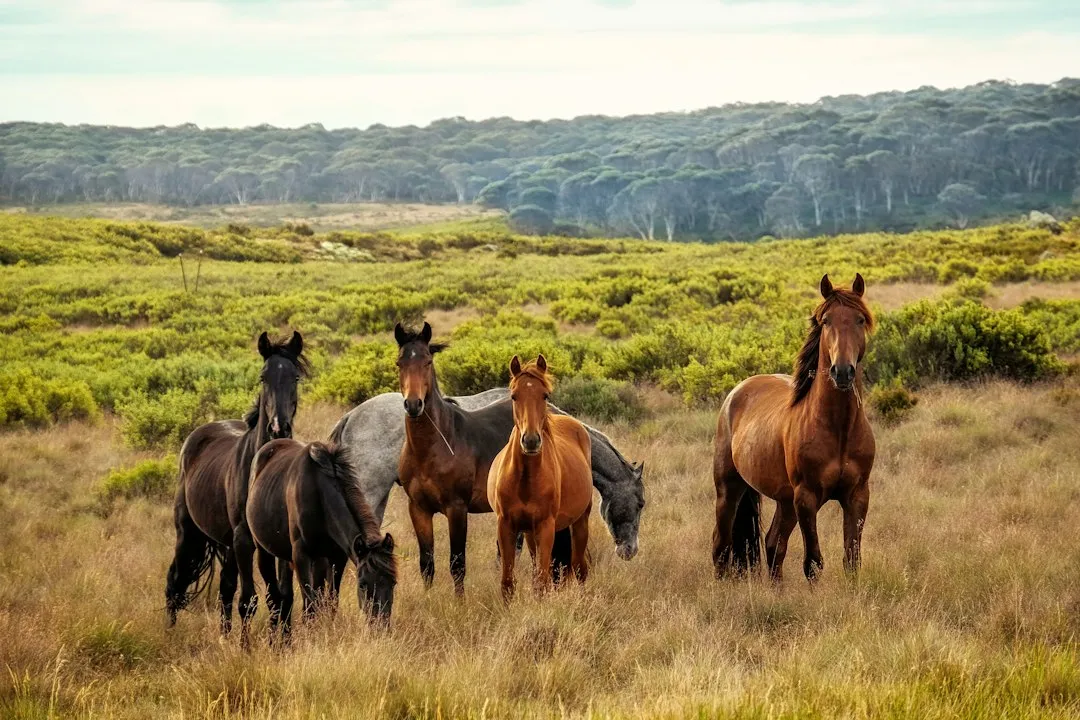
A rehomed horse may bully pasture mates, ignore them or panic when separated. Social habits are shaped early by contact with other horses. Horses kept alone or moved often may miss out on lessons that herd life normally teaches.
A horse that seems to have no manners with other horses may simply have had little practice. Experts also note that rehomed horses often need time to find their place in a group. Turning one out with a whole herd on day one is a common mistake.
Here’s another hot take: many people think the fastest way to integrate a horse is to put him out and let the herd sort it out. Others say that’s how horses get hurt. A gradual introduction over a fence line is the safer approach for most.
- Start with fence-line contact.
- Pair the newcomer with one calm, settled horse.
- Watch the first few turnouts closely.
Quick Compare
- Straight into the herd: fastest, but the highest risk of chasing and kicks.
- Fence-line first: slower, but horses can sort out rank safely.
- One calm buddy: a middle path that teaches manners gently.
And what happens in the dark may tell you even more about how safe a new horse feels…
#3 – Refusing to Lie Down or Settle
🔥 Would you like to save this?
We'll email this post to you, so you can come back to it later!
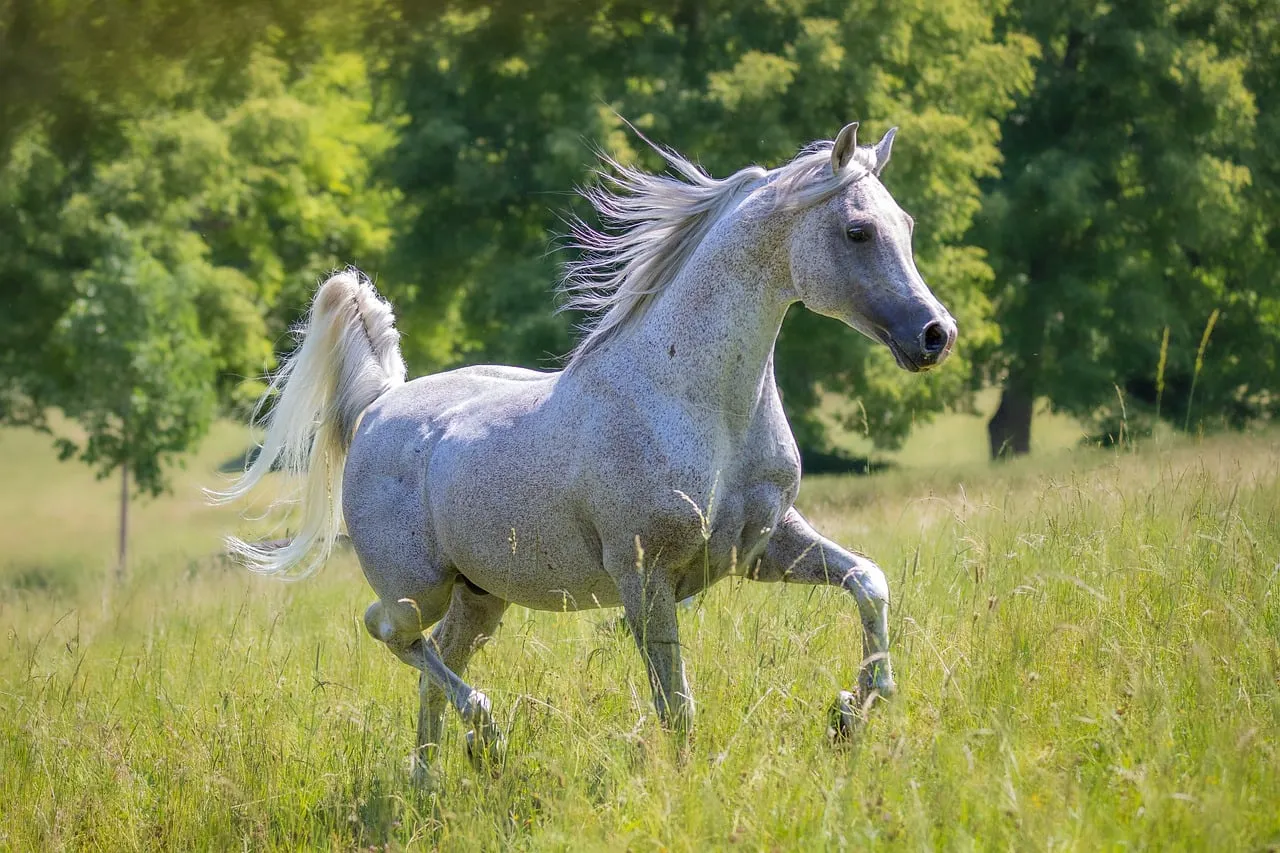
A horse that never seems to relax isn’t being dramatic.
Horses sleep in short bursts and need to feel safe to lie flat. A new environment can delay that. Some rehomed horses stay on high alert for days or weeks, watching, shifting and rarely resting.
Many horses simply won’t lie down to rest until they feel secure. That can reflect a past home where things felt unpredictable, though it can equally be the stress of change. It’s hard to tell, and either way it often eases with time.
Sometimes the cause is physical. Pain or stiffness can make lying down and getting up uncomfortable. If the horse seems unable to settle for a long period, a vet check is wise.
- Keep the routine steady and predictable.
- Give the horse company, or at least sight of other horses.
- Consult a vet if the restlessness persists.
But one of the most fascinating behaviors involves sound, our #2…
#2 – Reacting to Sounds and Signals That Mean Nothing to You
🔥 Would you like to save this?
We'll email this post to you, so you can come back to it later!
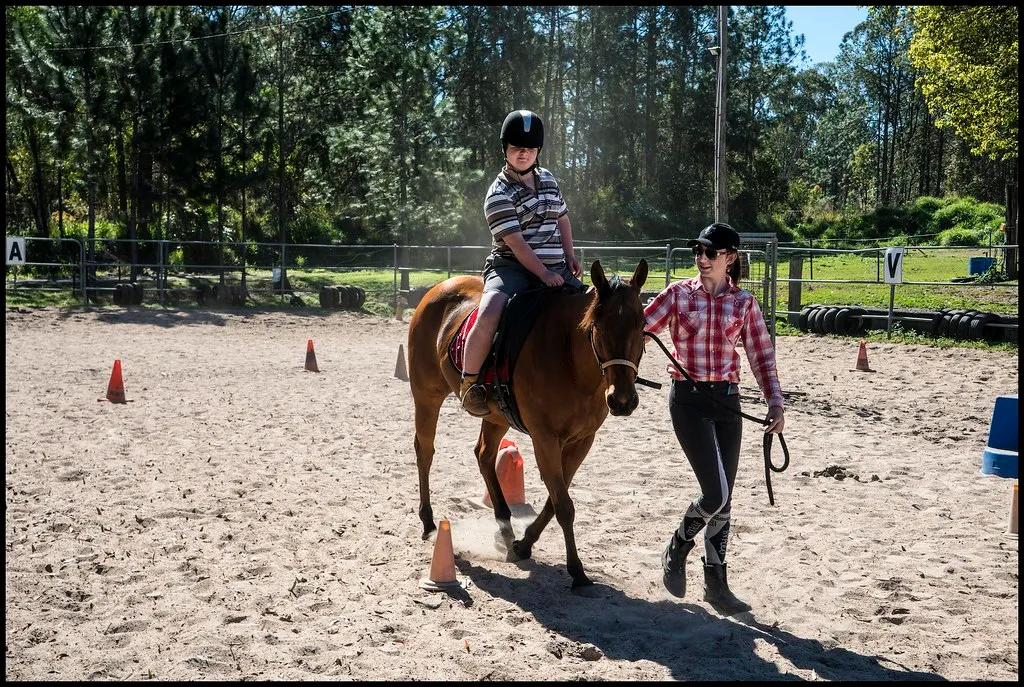
Your horse may be waiting for a signal that never comes.
A bucket rattle, a gate latch or a particular tone can send some horses into anticipation or alarm. They’ve learned to link that sound with an event. The French memory study shows how this works: horses learned to cross an obstacle after hearing a bell, to avoid a puff of air.
The researchers also noted that when rewards were removed, horses tended to stop performing the tasks. That suggests horses don’t keep responding mindlessly. They keep what still pays off.
The good news is that these conditioned responses can fade if the sound stops predicting anything. That takes patience and a lot of repetition. If your horse jumps at a sound you can’t identify, don’t punish it. Stay calm, and give the sound new meaning, such as feeding time or a scratch.
- Notice which sounds trigger a reaction.
- Pair neutral sounds with calm, pleasant moments.
- Be consistent so the new meaning sticks.
But nothing in this list compares to what’s waiting at #1…
#1 – Remembering Kindness
🔥 Would you like to save this?
We'll email this post to you, so you can come back to it later!
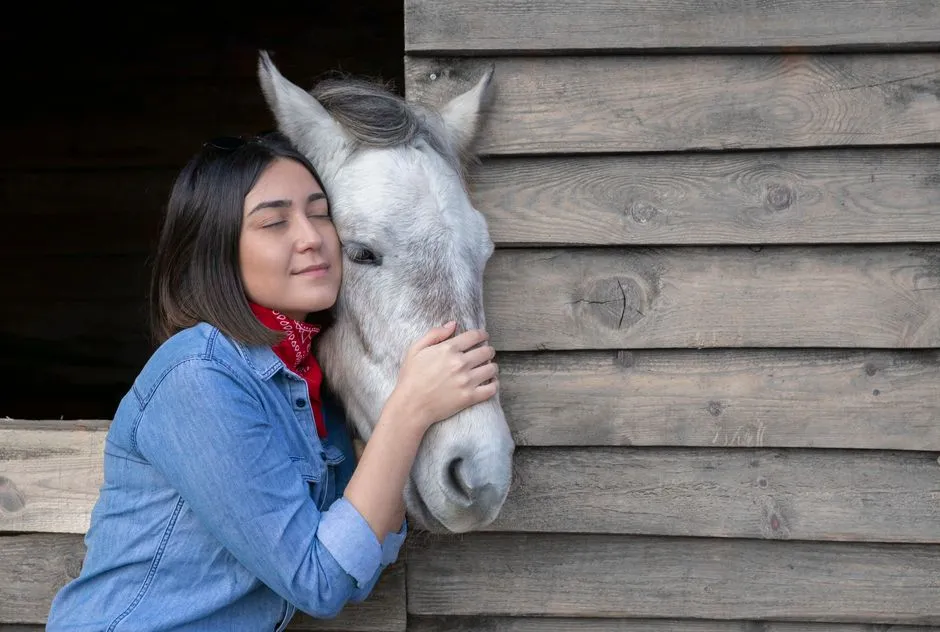
The most powerful thing a rehomed horse keeps is trust.
Memory works in both directions. A horse that remembers fear also remembers a handler who was patient. A review of research on horse memory highlights this: horses trained with positive reinforcement seemed to recall the bond with their trainer and used it to build a longer-term memory of humans in general.
One researcher described it this way: positive training left a deep, long-lasting trace that shapes how the animals perceive humans. That means good handling doesn’t just teach a task. It may change how a horse sees the next person it meets.
The flip side is just as real. Negative experiences can become fixed so strongly that a horse shows fear whenever similar situations arise.
So the way you handle a rehomed horse isn’t just about today. You’re adding to its memory of people, for better or worse. Some horses seem to show it within weeks, and some take far longer.
- Consistency matters more than intensity.
- Small, repeated positive experiences build trust.
- Never assume a horse is “over it” just because it’s quiet.
Which brings us to what all of this really means.
You’ll probably never know exactly where your rehomed horse’s habits came from, and that’s fine. Memory in horses is real, long-lasting and works both ways. Fear can linger for years, but so can good training and trust.
My opinion: stop writing dramatic backstories for horses. Check for pain first, then adjust your handling and let the horse show you who he is. A mystery quirk is a prompt for patience, not proof of abuse.
What’s the strangest habit your rehomed horse arrived with, and how did you figure out where it came from?

- 7 Everyday Habits That Can Make Your Senior Dog Happier - November 5, 2026
- 10 Enigmatic Structures That Continue to Puzzle Scientists Today - November 5, 2026
- 10 Strange Ruins in the Americas That Challenge What We Know About Early History - November 5, 2026