

Nature has always been a masterful engineer, designing extraordinary solutions to help creatures survive in even the most challenging environments. Through millions of years of evolution, animals have developed remarkable adaptations that might seem strange or even impossible to the casual observer. These evolutionary innovations demonstrate nature’s incredible creativity and the power of natural selection to shape living organisms in response to environmental pressures. From specialized organs to unusual behaviors, these adaptations have helped species not just survive but thrive in their ecological niches. In this article, we’ll explore sixteen of the most bizarre and fascinating adaptations in the animal kingdom, each one a testament to the incredible diversity of life on Earth.
14. The Bombardier Beetle’s Chemical Cannon

The bombardier beetle possesses one of the most explosive defense mechanisms in nature. When threatened, this insect mixes two chemicals—hydroquinone and hydrogen peroxide—in a specialized chamber in its abdomen. These compounds, normally kept separate, react violently when combined, creating a boiling hot, caustic spray that can reach temperatures of up to 100°C (212°F). What makes this adaptation truly remarkable is the precision of the delivery system: the beetle can aim this chemical spray in virtually any direction with pinpoint accuracy, often directly at a predator’s face. The spray is expelled with an audible popping sound, further startling would-be attackers. This complex chemical defense system, which combines elements of chemistry, physics, and specialized anatomy, showcases evolution’s remarkable problem-solving capabilities.
13. The Pistol Shrimp’s Sonic Weapon

The pistol shrimp, despite its small size (typically measuring just a few centimeters), possesses one of the most powerful weapons in the animal kingdom. One of its claws has evolved into a specialized snapping mechanism that creates a cavitation bubble when rapidly closed. This bubble travels through the water at speeds of up to 62 mph (100 km/h) and, when it collapses, generates a sound reaching an astonishing 218 decibels—louder than a gunshot. The collapse also briefly produces temperatures nearly as hot as the surface of the sun, around 4,700°C (8,500°F). This momentary extreme heat and pressure stuns or kills small prey, allowing the shrimp to feed. The adaptation is so effective that colonies of pistol shrimp create enough noise to interfere with underwater communication and sonar equipment. This remarkable adaptation transforms a simple claw into a weapon utilizing principles of hydrodynamics that engineers have studied for potential technological applications.
12. The Hairy Frog’s Wolverine-Like Claws

The Central African hairy frog (Trichobatrachus robustus) has earned the nickname “horror frog” due to its bizarre defensive adaptation. When threatened, this amphibian deliberately breaks the bones in its own toes, pushing the sharp, broken bone fragments through its skin to create makeshift claws. These bone claws serve as weapons against predators, similar to the fictional character Wolverine from X-Men. Unlike the superhero, however, the frog can’t retract these weapons—once deployed, the bones remain protruding until they heal naturally. The frog’s skin contains collagen around the bone that creates a channel for the bone to emerge through, minimizing tissue damage. This extreme adaptation demonstrates the remarkable lengths evolution will go to enhance survival, even when the solution involves self-injury. Researchers are still studying the specific mechanisms and triggers that allow this frog to utilize such a dramatic defense strategy.
11. The Wood Frog’s Freeze-Thaw Cycle

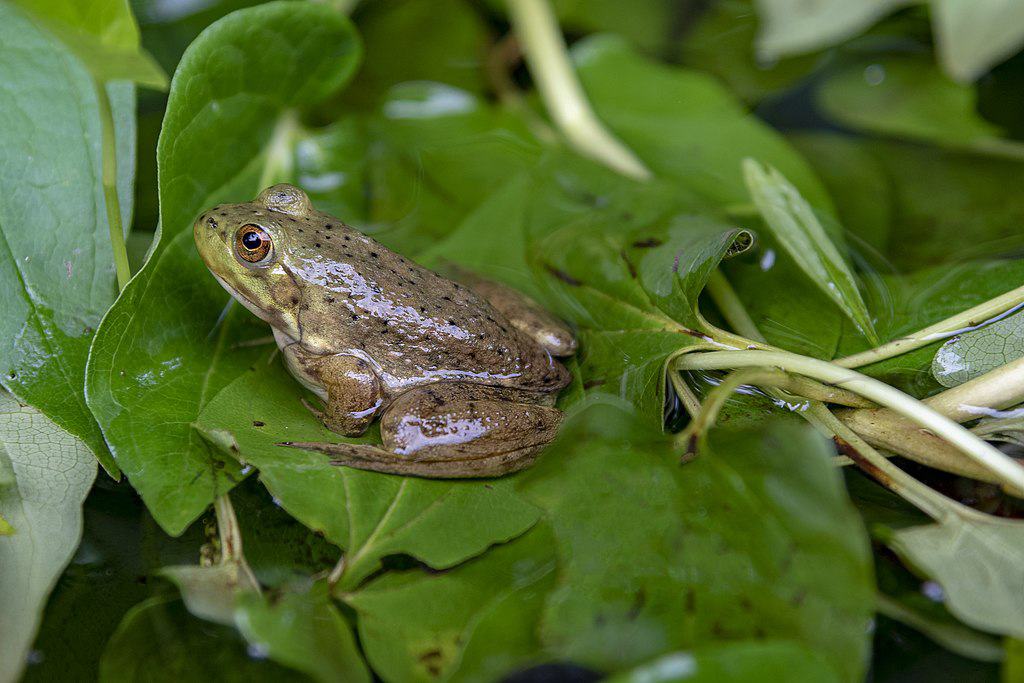
The wood frog (Lithobates sylvaticus) has developed an extraordinary adaptation to survive harsh winter conditions in northern North America, including Alaska and Canada. During winter, these remarkable amphibians allow up to 65% of their body to freeze solid. Their hearts stop beating, they cease breathing, and their blood stops flowing. By any conventional definition, they appear dead. What makes this possible is the frog’s ability to flood its cells with glucose and urea, which act as natural antifreeze compounds, preventing fatal ice crystal formation within cells. The ice forms instead in spaces between cells and organs. When spring arrives and temperatures rise, the frogs simply thaw out and resume normal biological functions with no ill effects. This cryogenic adaptation allows wood frogs to survive in regions where temperatures regularly plunge far below freezing for extended periods. Scientists studying this phenomenon hope it might eventually provide insights for human organ preservation for transplantation.
10. The Crypt Keeper Wasp’s Mind Control
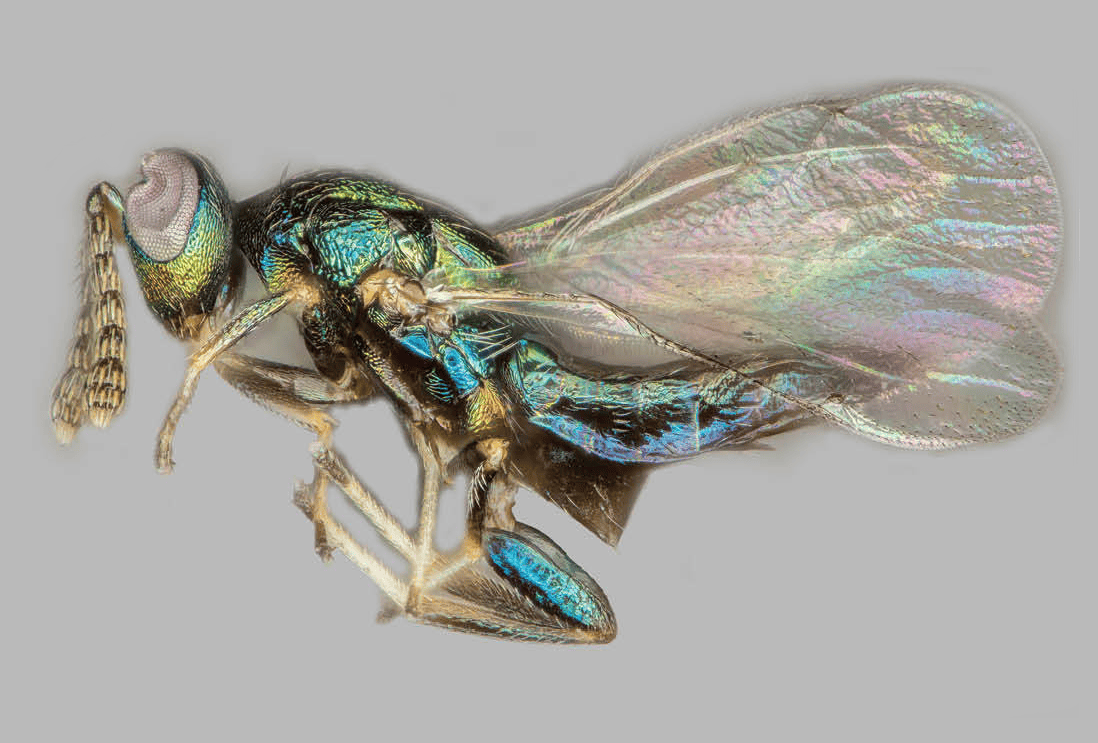
Discovered only in 2017, the crypt keeper wasp (Euderus set) demonstrates one of the most macabre examples of parasitic manipulation in nature. This tiny wasp targets another wasp species, Bassettia pallida, which creates protective galls in oak trees. The crypt keeper lays its eggs inside these galls, and when its larvae hatch, they perform a remarkable feat of behavioral manipulation. The parasite somehow compels the host wasp to create only a partial exit hole from its gall, just large enough for the host’s head to emerge—but not its body. The host then becomes stuck in this position, with its head plugging the hole. The crypt keeper larva then consumes the host from within and, when mature, burrows through the host’s head to emerge into the outside world. This extraordinary adaptation showcases the evolution of complex parasitic behaviors that manipulate host physiology and behavior. Scientists are still researching the exact mechanisms the parasite uses to control its host’s actions with such precision.
9. The Lyrebird’s Sonic Mimicry

The superb lyrebird (Menura novaehollandiae) of Australia possesses what might be the most sophisticated vocal mimicry abilities in the animal kingdom. These birds can perfectly recreate almost any sound they hear in their environment with astonishing accuracy. Their repertoire includes the calls of at least 20 other bird species, reproduced so perfectly that even the mimicked species can’t tell the difference. Even more remarkably, lyrebirds also imitate man-made sounds with incredible precision—including camera shutters, car alarms, chainsaws, and even complete musical tunes. One famous lyrebird at an Australian zoo learned to perfectly mimic the sound of construction work, complete with hammering, drilling, and the beeping of a reversing truck. This extraordinary vocal flexibility comes from their highly developed syrinx (the avian equivalent of the larynx) and specialized neural pathways for sound processing. The adaptation likely evolved as part of male courtship displays to demonstrate fitness to potential mates, with the most skilled mimics attracting more females.
8. The Mantis Shrimp’s Supersonic Punch

The mantis shrimp possesses what might be the most powerful attack mechanism relative to body size in the animal kingdom. Its specialized appendages, called dactyl clubs, can strike with the force of a .22 caliber bullet—reaching speeds of up to 50 mph (80 km/h) and accelerating faster than a Formula One race car. This punch generates enough force to break aquarium glass and easily shatter crab shells. The impact creates cavitation bubbles similar to those produced by the pistol shrimp, adding a secondary shock wave when they collapse. What makes this adaptation truly remarkable is the structural engineering of the dactyl clubs themselves, which contain a complex arrangement of hydroxyapatite crystals, chitin fibers, and shock-absorbing regions that prevent the shrimp from damaging itself during strikes. This natural design is so effective that materials scientists study mantis shrimp appendages to develop better body armor, car frames, and sports equipment. Adding to their remarkable adaptations, mantis shrimp also possess the most complex visual system known in nature, with up to 16 photoreceptor types (humans have just three).
7. The Bagworm Moth’s Architectural Disguise

Bagworm moths have evolved one of the most elaborate architectural camouflage systems in nature. While still in their larval stage, these insects construct protective cases (bags) around themselves using silk and materials from their environment. What makes this adaptation extraordinary is the intricate design and precision of these portable homes. Different species create distinctive structures: some build spiral cases resembling snail shells, others create log cabin-like structures from precisely cut twigs, while others fashion cases that look exactly like pine cones or bundles of needles. The Japanese bagworm species Eumeta variegata creates hexagonal log structures with mathematical precision that would challenge human architects. These bags serve multiple purposes: they provide physical protection, camouflage from predators, insulation from temperature extremes, and even collect moisture in arid environments. The larvae carry these homes everywhere they go, expanding them as they grow. This combination of architectural skill, material science, and defensive strategy represents a remarkable example of complex adaptive behavior in an insect.
6. The Mimic Octopus’s Shapeshifting Abilities

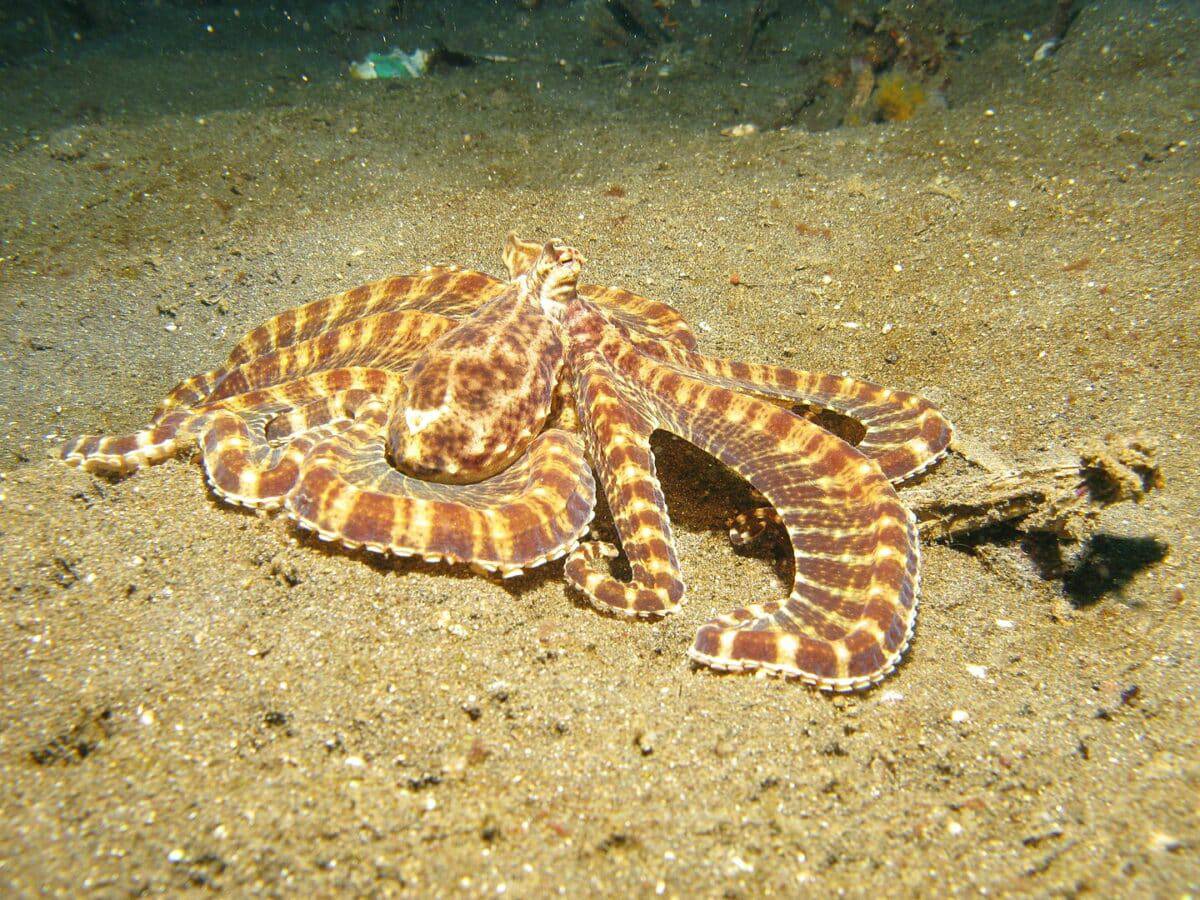
The mimic octopus (Thaumoctopus mimicus), discovered in 1998 in the waters of Indonesia, has elevated camouflage to an art form through its extraordinary ability to impersonate other marine species. Unlike other octopuses that simply change color and texture to blend with their surroundings, the mimic octopus actively changes its behavior and body shape to resemble dangerous creatures. It can convincingly impersonate at least 15 different species, including sea snakes, lionfish, flatfish, and mantis shrimp—all toxic or venomous animals that predators avoid. When imitating a sea snake, for instance, it hides six of its arms and extends two in opposite directions while undulating them and adopting the black and white banded pattern characteristic of banded sea snakes. The octopus intelligently selects which creature to mimic based on the specific threat it faces. This sophisticated behavioral adaptation requires not only control over skin color and texture but also an almost theatrical ability to assume different personas. The mimic octopus demonstrates how evolution can produce not just physical adaptations but complex behavioral repertoires that border on intelligence.
5. The Pompeii Worm’s Heat Resistance

The Pompeii worm (Alvinella pompejana) has evolved to survive in one of the most extreme environments on Earth—hydrothermal vents on the ocean floor. These remarkable creatures build papery tubes attached to the chimneys of these vents, where they experience perhaps the most extreme temperature gradient of any animal. Their heads extend into the cool ocean water (around 22°C or 72°F), while their tails withstand temperatures that can reach a scorching 80°C (176°F)—hot enough to kill most proteins in other organisms. The worm’s remarkable heat tolerance comes from specialized hemoglobin that remains stable at high temperatures and heat-shock proteins that prevent cellular damage. Additionally, the Pompeii worm maintains a symbiotic relationship with thermo-resistant bacteria that form a protective “fleece” on its back, providing insulation and possibly detoxifying the heavy metals present in its environment. The bacteria may also help the worm digest food in this extreme habitat. This extraordinary adaptation allows the Pompeii worm to exploit a food-rich but challenging ecological niche that few other animals can tolerate.
4. The Thorny Devil’s Water-Harvesting Skin

The thorny devil (Moloch horridus), a small lizard native to the arid Australian outback, has evolved one of the most sophisticated passive water collection systems in nature. Covering its entire body is a complex network of microscopic channels between its overlapping scales, creating a system that works through capillary action—the same physics that draws water up through plant roots. When any part of the lizard’s body contacts moisture, even just morning dew or damp sand, these channels transport the water automatically to the corners of its mouth, allowing it to drink without having to find standing water. This remarkable adaptation enables the thorny devil to survive in one of Earth’s driest environments, where rainfall is sparse and unpredictable. The microscopic structure of these channels has inspired biomimetic designs for water collection in desert regions. Combined with its intimidating appearance—covered in sharp, thorn-like projections that deter predators—and its ability to change color for temperature regulation, the thorny devil demonstrates how evolution can produce solutions to multiple survival challenges simultaneously.
3. The Cordyceps Fungus’s Zombie Control
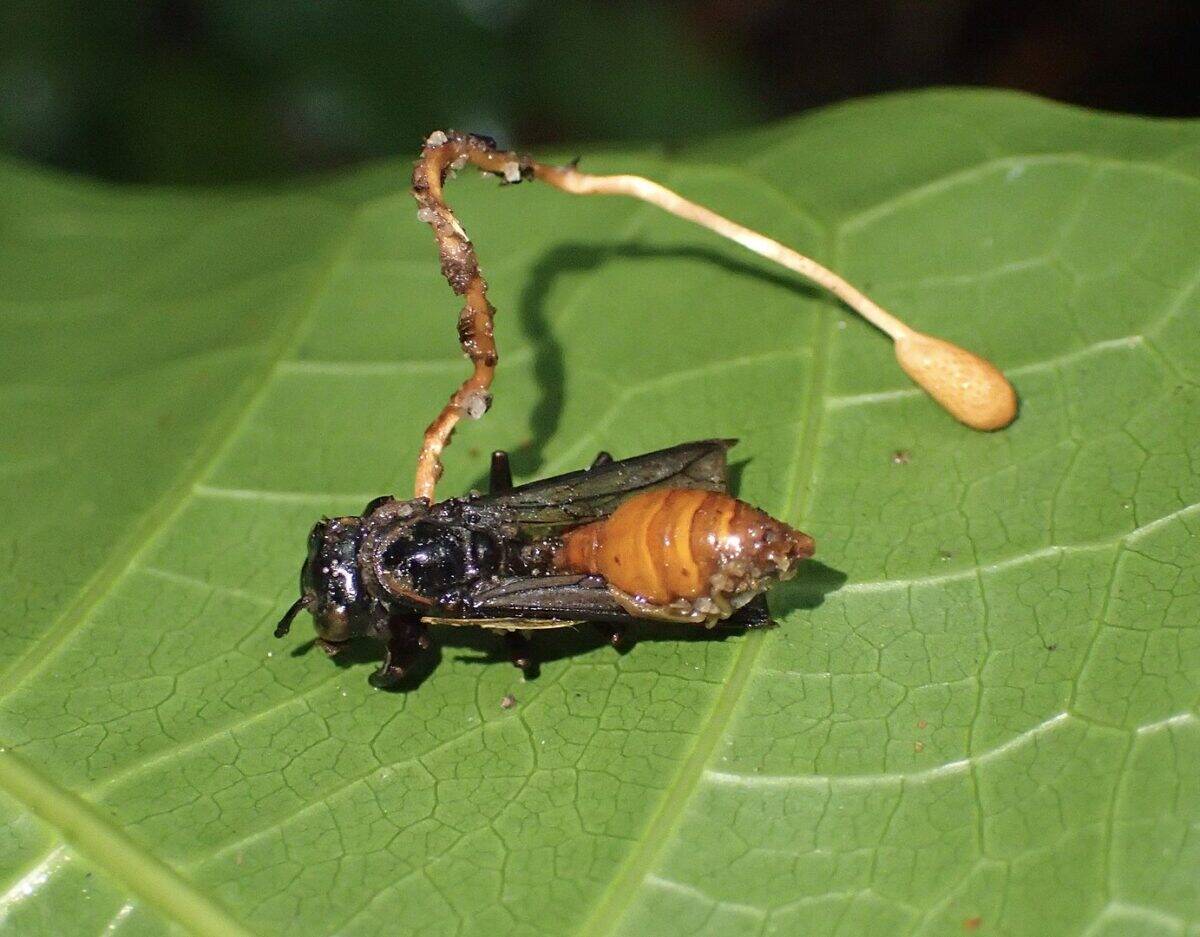
While not an animal itself, the Cordyceps fungus has evolved one of the most disturbing parasitic adaptations known to science, effectively turning its insect hosts into “zombies.” Different Cordyceps species target specific insects—ants, beetles, caterpillars, and others. When an insect encounters the fungal spores, they penetrate the exoskeleton and begin growing inside the host’s body. What makes this adaptation truly remarkable is how the fungus manipulates the host’s behavior. In the case of Ophiocordyceps unilateralis, which infects carpenter ants, the fungus compels infected ants to leave their colonies and climb to a precise height on nearby vegetation with specific temperature and humidity conditions ideal for fungal growth. The ant then bites down on a leaf vein in what scientists call the “death grip,” securing itself in place. After the ant dies, the fungus sprouts a stalk from the insect’s head, which releases spores to infect more ants below. Research has revealed that the fungus produces compounds that affect the ant’s central nervous system and hijack its muscle control. This sophisticated form of behavioral manipulation represents an extraordinary evolutionary arms race between parasite and host.
2. The Pearlfish’s Uncomfortable Hideout

The pearlfish (Carapidae family) has evolved perhaps one of the most unsettling living arrangements in nature. These slender, eel-like fish have adapted to live inside the body cavities of various marine invertebrates, but most notably, they often make their homes inside the anal cavity of sea cucumbers. When threatened or during daylight hours, the pearlfish backs tail-first into its unwilling host through the sea cucumber’s cloaca (the rear opening that serves as both anus and respiratory organ). The fish’s slender body and specialized tail allow it to slip inside without causing significant damage. Some species are simply using the sea cucumber as shelter, emerging at night to feed elsewhere, while others have become parasitic, feeding on the sea cucumber’s gonads and internal tissues. What makes this adaptation particularly remarkable is that the pearlfish has developed resistance to the sea cucumber’s primary defense mechanism—the release of toxic chemicals called saponins and even sticky threads called Cuvierian tubules. This bizarre living arrangement showcases how evolution can lead species to exploit unusual ecological niches, even when they involve inhabiting the internal spaces of other animals.
1. The Hagfish’s Slime Defense

The hagfish, an ancient jawless fish often considered one of the most disgusting creatures in the ocean, possesses what might be the most effective defensive slime system in the animal kingdom. When threatened, specialized slime glands along its body instantly release a small amount of mucus that, upon contact with seawater, expands up to 10,000 times its original volume. A single hagfish can turn 20 liters (5.3 gallons) of water into slime in seconds. This remarkable substance consists of mucin proteins and thread-like fibers that, when expanded, create a material with properties of both solid and liquid. The slime effectively clogs the gills of would-be predators, forcing them to retreat or risk suffocation. What makes this adaptation truly extraordinary is the hagfish’s ability to tie itself into a knot and slide the knot down its body to clean off its own slime, preventing self-suffocation. The unique properties of hagfish slime—which is stronger than nylon when formed into threads—has attracted significant interest from materials scientists who are working to develop synthetic versions for applications ranging from sustainable fabrics to protective gear.
Conclusion:
From explosive chemical reactions and bone-breaking claws to shape-shifting mimicry and mind-controlling parasites, the animal kingdom is full of adaptations that defy expectation and stretch the imagination. These astonishing traits are not random quirks—they are the results of millions of years of evolutionary refinement, honed by natural selection to solve life-or-death challenges in specific environments. While some adaptations seem almost alien in their complexity or brutality, each one offers profound insights into the ingenuity of nature. Whether it’s a shrimp snapping with the force of a gunshot, a beetle wielding boiling chemicals, or a frog turning its bones into weapons, these examples remind us that survival often demands extraordinary innovation. By studying these creatures, we not only gain a deeper appreciation for the diversity of life on Earth but also unlock potential applications in fields ranging from medicine to materials science. Nature, it seems, has been solving complex problems long before humans ever picked up tools—and it continues to be the greatest source of inspiration for scientific discovery.

As a little kid, I fell in love with nature, wildlife, and animals. Living in the USA, South Africa, Italy, China and Germany gave me the opportunity to discover the world's Wildlife. My favorite animals are Mountain Gorillas, Siberian Tigers, and Great White Sharks.
I'm a certified PADI Open Water Diver, went to Everest Base Camp and Trekked Gorillas in Uganda. I hold a Master of Science in Economics and Finance.
Please send any feedback to feedback@animalsaroundtheglobe.com
- The 10 Rarest Dog Breeds Making a Comeback in America - July 19, 2026
- 13 Creatures That Survived Mass Extinctions - July 19, 2026
- 12 Pets That Are Perfect for Seniors - July 19, 2026