
Most dog owners check the weather before heading out for a walk. Fewer check the clock. For a surprising number of popular breeds, though, the time of day matters just as much as the temperature reading. Once the morning cools off and the sun begins to climb, certain dogs face a genuine health risk simply by stepping outside.
Brachycephalic dogs are more likely to overheat because they often already struggle to breathe, even at rest, and effective panting is essential for cooling since dogs cannot sweat like humans. Add thick double coats, heavy builds, and the kind of enthusiasm that keeps a dog running long after they should have stopped, and the danger compounds quickly. Exercising in hot weather can be just as dangerous as leaving a dog in a hot car, and can prove fatal.
These are the 14 breeds that seasoned vets and canine health professionals consistently flag as most vulnerable once temperatures rise after mid-morning.
1. French Bulldog
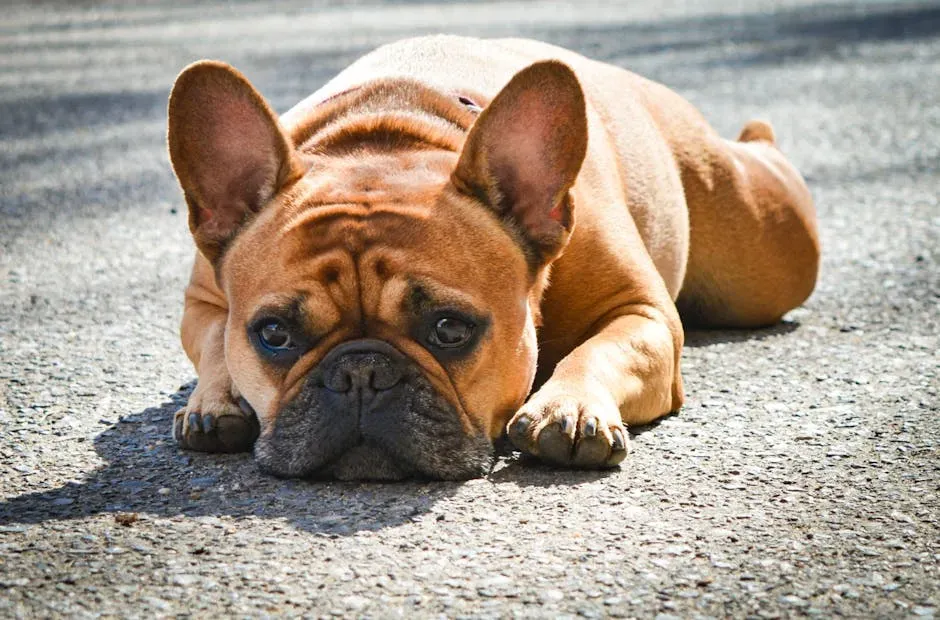
The French Bulldog has an extremely short breathing system, making this breed highly susceptible to heatstroke. Their popularity has done little to change their physiology, and on warm days, even a short stroll can tip them over the edge.
Frenchies are playful, stocky, and unfortunately heat-intolerant. Their broad skull and compressed airways make them especially prone to overheating, even after a short walk.
The French Bulldog is six times more likely to develop heatstroke compared to the Labrador Retriever. That’s a striking gap for one of the world’s most popular breeds. Early morning walks only, and keep them short.
2. English Bulldog
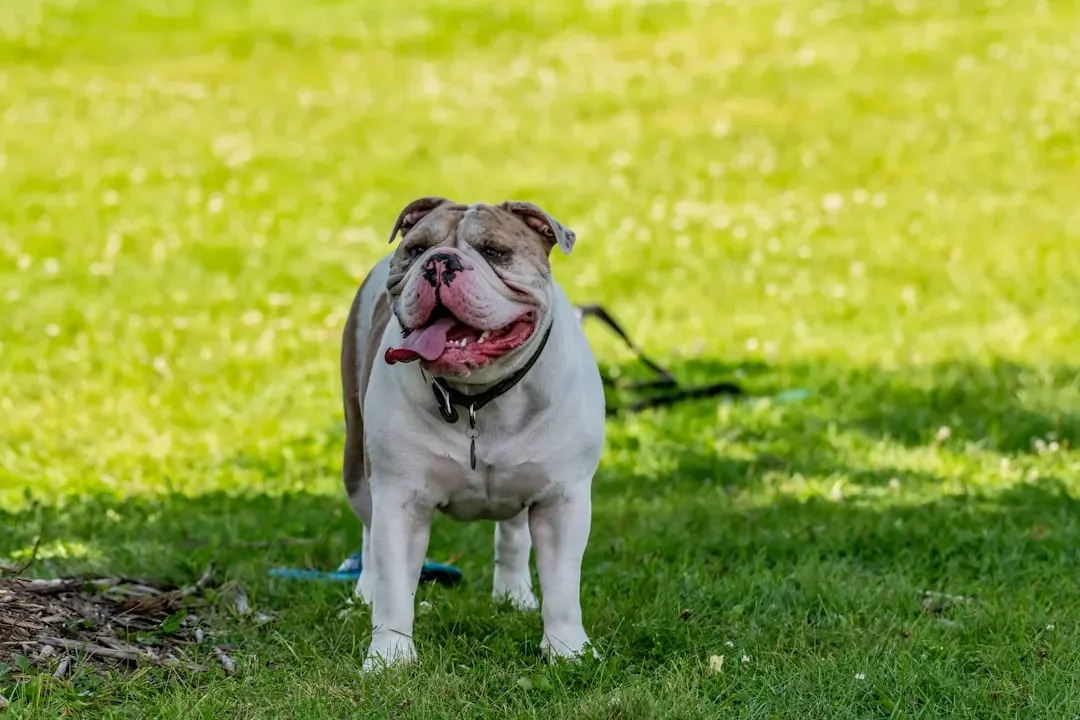
Bulldogs can overheat quickly, even in temperatures of 85 degrees Fahrenheit. Their shorter muzzles make it harder to release extra heat by panting, so the excess heat can take its toll quickly.
The English Bulldog is the first of several flat-faced dogs who find it hard to regulate their heat. They are 14 times more likely than the Labrador to suffer heatstroke. That number alone should give any owner serious pause.
The flat face of an English Bulldog makes this breed prone to overheating, and it’s vital that pet parents restrict this dog’s outdoor activity during the heat of the day. Their easygoing temperament makes compliance easier than it sounds.
3. Pug
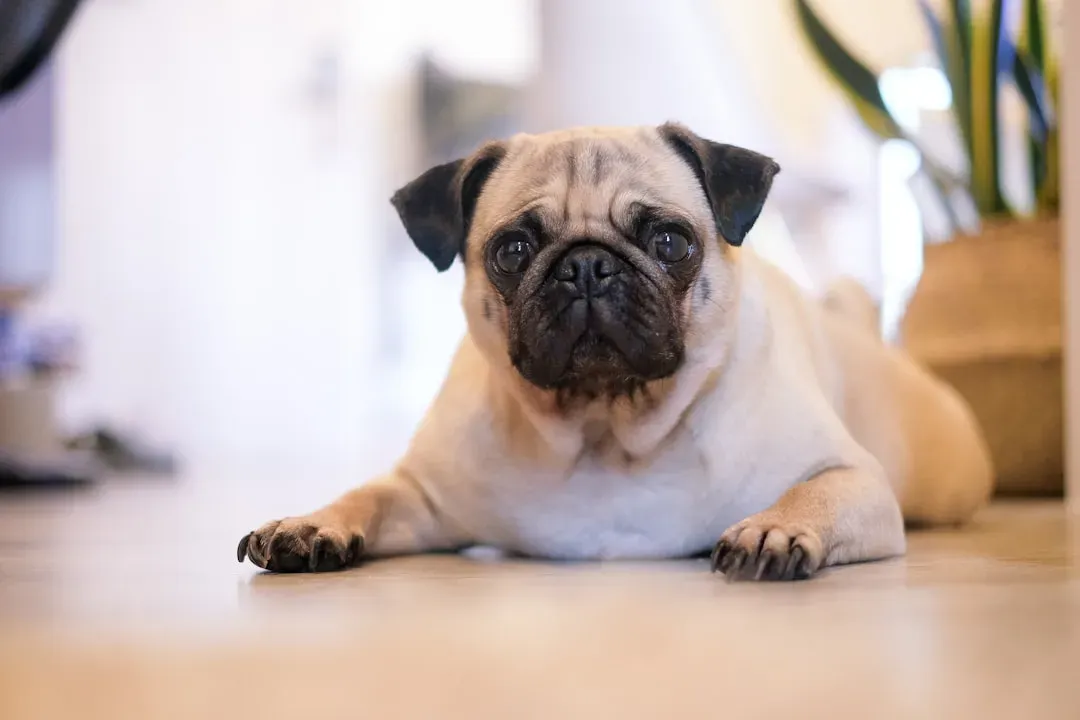
Despite the Pug’s short fur and compact size, they don’t do well in hot weather because of their flat face. The short coat is almost deceiving. It suggests a breed that can handle warmth, but the structure of their airways tells a different story.
Pugs are prone to many health problems caused by their snub noses. Breathing troubles are especially common in pugs. They are also prone to obesity, and that makes them extremely susceptible to heat stroke.
The Pug is a short-snouted dog that already has breathing issues. When it gets hot, they can’t keep up with the heat and won’t be able to cool down before heatstroke starts to take over.
4. Chow Chow
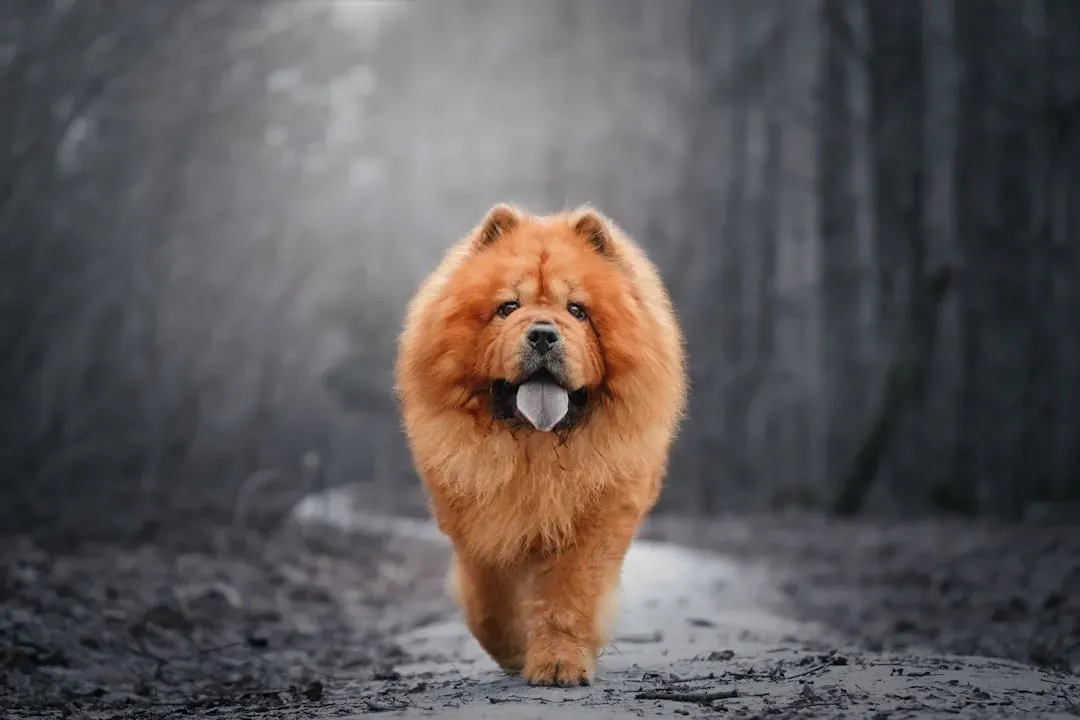
Research has found that the Chow Chow is 17 times more likely to suffer from heatstroke compared to Labrador Retrievers, making it arguably the single most heat-vulnerable breed in the study. That number is remarkable given how common the breed remains as a household pet.
Think of a Chow Chow as wearing a fur-lined parka in July. Their thick double coats, built for icy winters, act like insulation in summer.
A Chow Chow will be happy with just a few short walks each day, so aim for an early morning and an evening stroll when the sun isn’t high in the sky. That temperament makes the rule easier to follow, though owners still need to stay vigilant.
5. Boxer
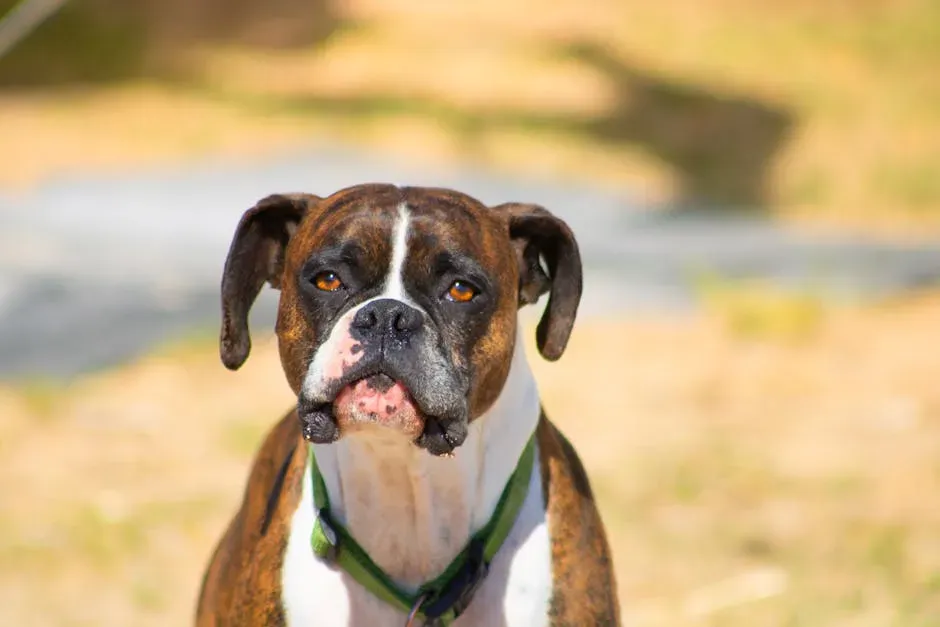
Because Boxers are brachycephalic and have high energy levels, they tend to overheat easily. That combination is particularly tricky. A dog that wants to run hard but can’t cool down efficiently is a dog that will push past its own limits without warning.
The excess soft tissue makes Boxers prone to upper airway obstruction that compromises their ability to take in air. Their inefficient panting and inability to cool down can result in inflamed, swollen airways that lead to more severe obstruction and further overheating.
Make sure their daily walks are restricted to cooler parts of the day, such as morning or evening, and that they have a cool, shaded place to rest during the heat of the afternoon.
6. Boston Terrier
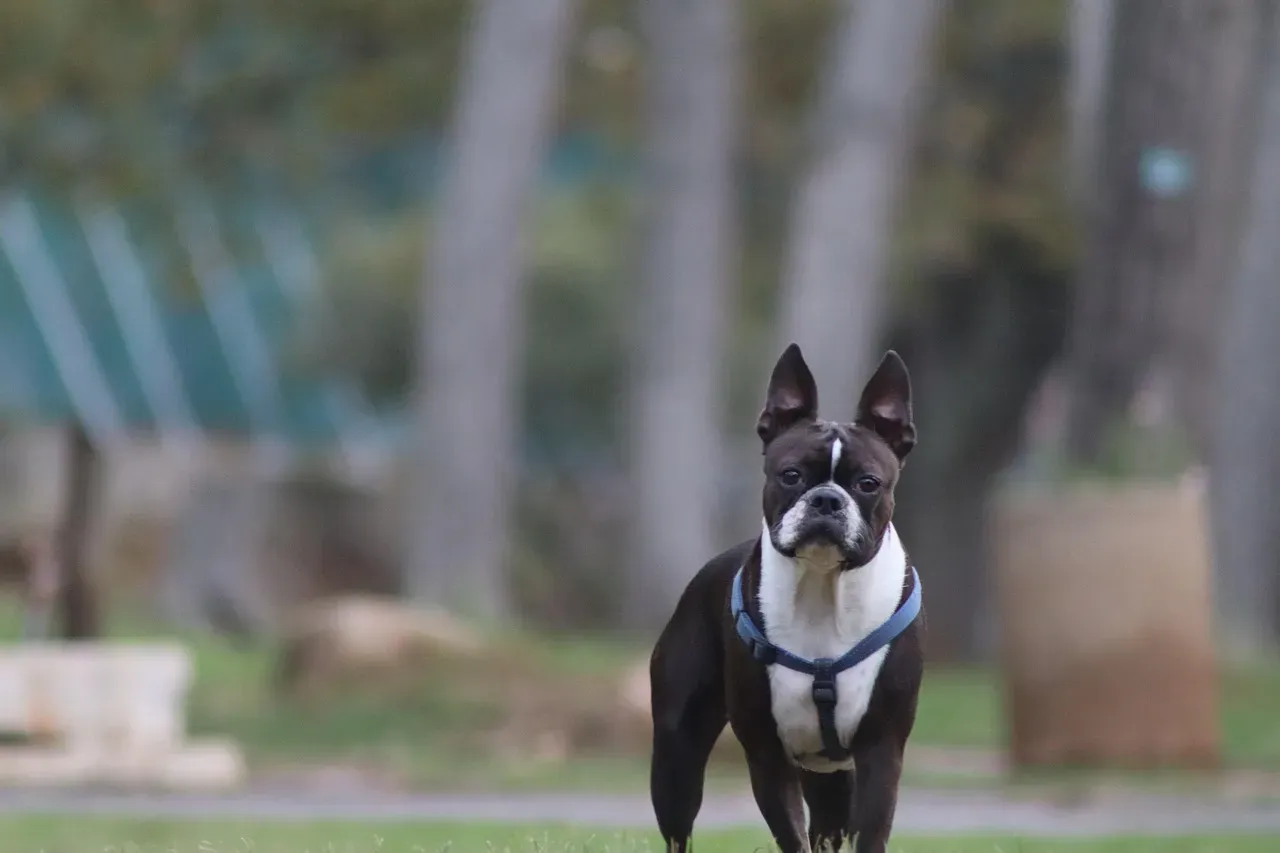
Boston Terriers aren’t very good at regulating their body temperature. Plus, their smaller airways make it tougher to get rid of excess heat through panting.
Boston Terriers are adaptable dogs, making them a perfect fit for just about any living situation, as long as you keep in mind that they don’t do well in summer heat. Although Bostons have a short, smooth coat, the breed’s short muzzle means that intense exercise during periods of high heat and humidity is a no-go.
Most Boston Terriers are black or dark-coated, which attracts additional heat from the sun. That detail is often overlooked, but darker coats absorb significantly more solar radiation, adding another layer of risk on sunny days.
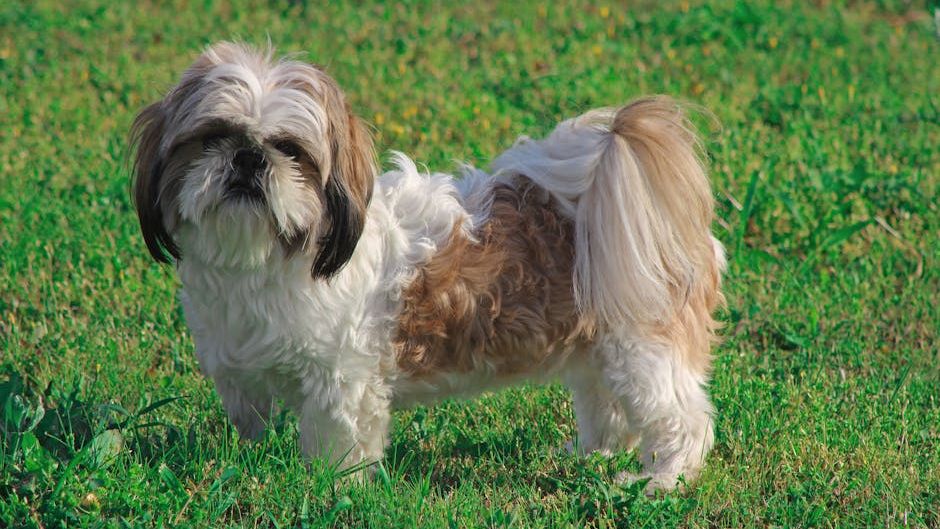
7. Shih Tzu
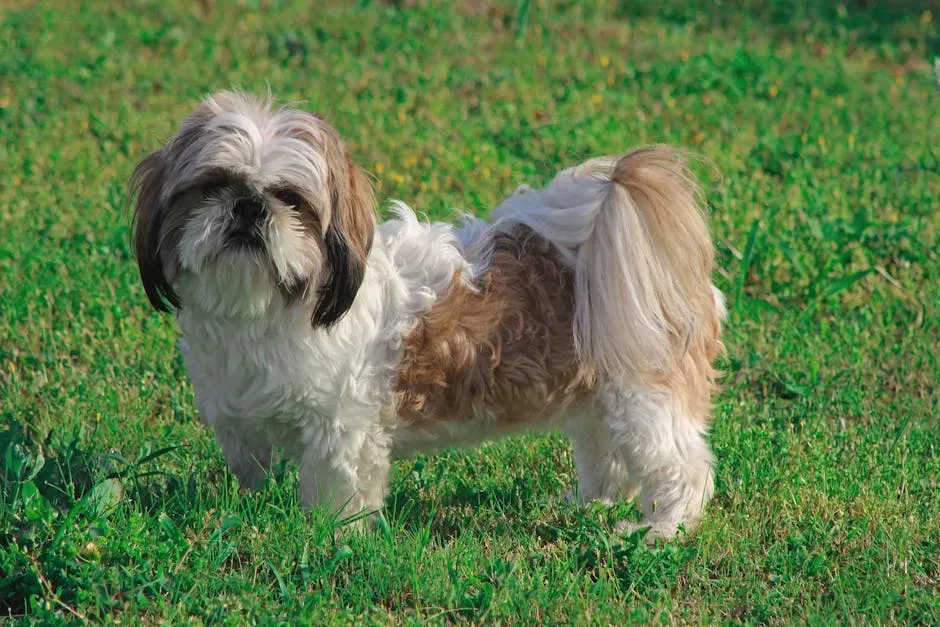
The Shih Tzu is one of many flat-faced breeds that struggle when it gets hot because it’s more difficult for them to cool themselves. Dogs cool down by panting, and brachycephalic breeds already work harder to breathe due to their shorter facial structure.
Shih Tzu dogs are especially sensitive to heat due to their facial structure and coat. Preventing heat stroke focuses on avoiding high temperatures, limiting exertion in warm weather, and ensuring access to shade, ventilation, and fresh water.
To protect a Shih Tzu, owners should test the ground’s heat with their hand, walk in shaded areas or on grass, and avoid walking during peak hot hours. If the pavement is uncomfortable to touch, it is too hot for paws.
8. Pekingese
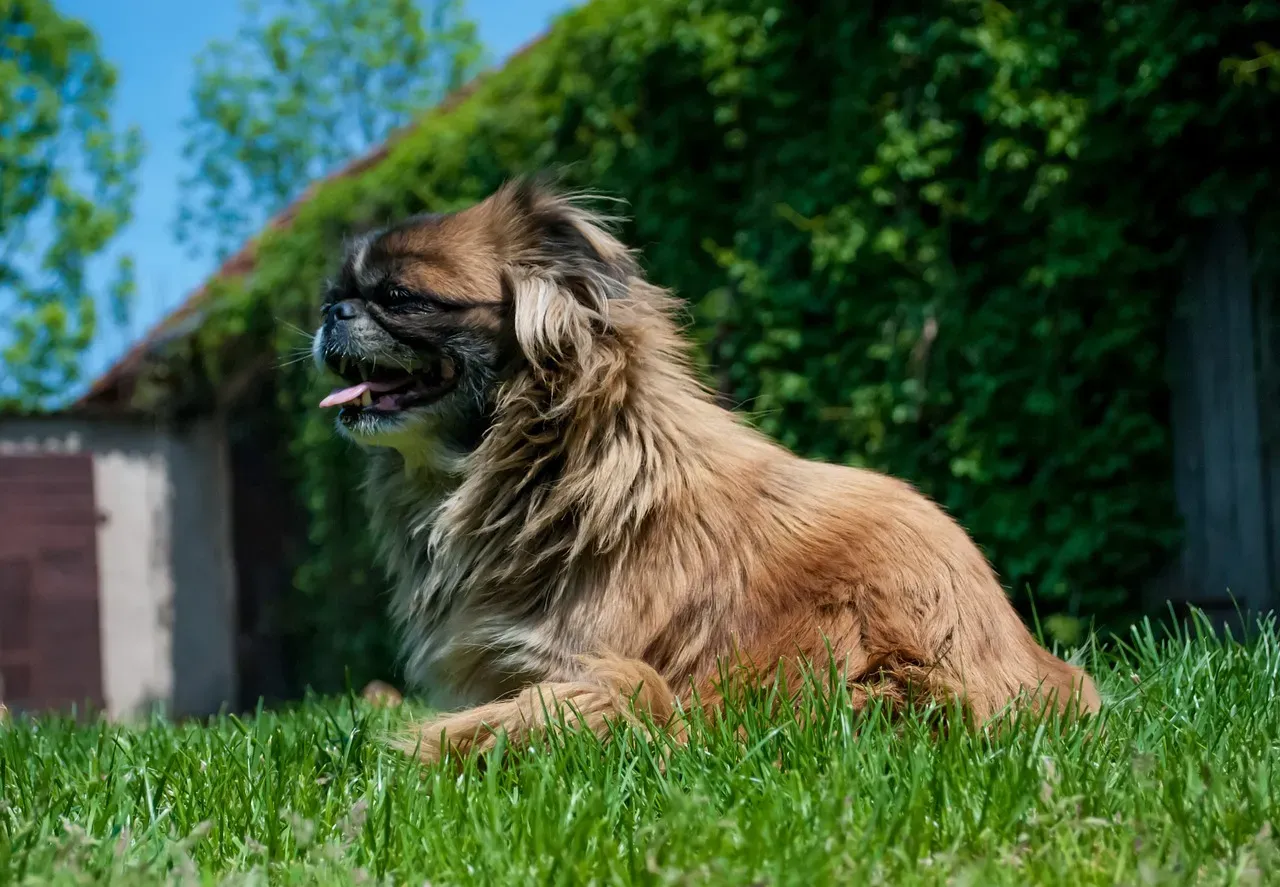
Pekingese can’t tolerate hot weather because they have a long, thick coat and because they’re brachycephalic. That’s a double burden. The coat traps heat while the facial structure prevents effective cooling through panting.
Keeping Pekingese cool when it gets hot is essential. They can’t cool themselves as effectively as other breeds and will overheat faster than many other pups.
The breed’s long, floor-sweeping coat adds additional insulation that makes the situation worse as temperatures climb through the morning. Owners should plan any outdoor time to conclude well before 10 AM during warm months.
9. Golden Retriever
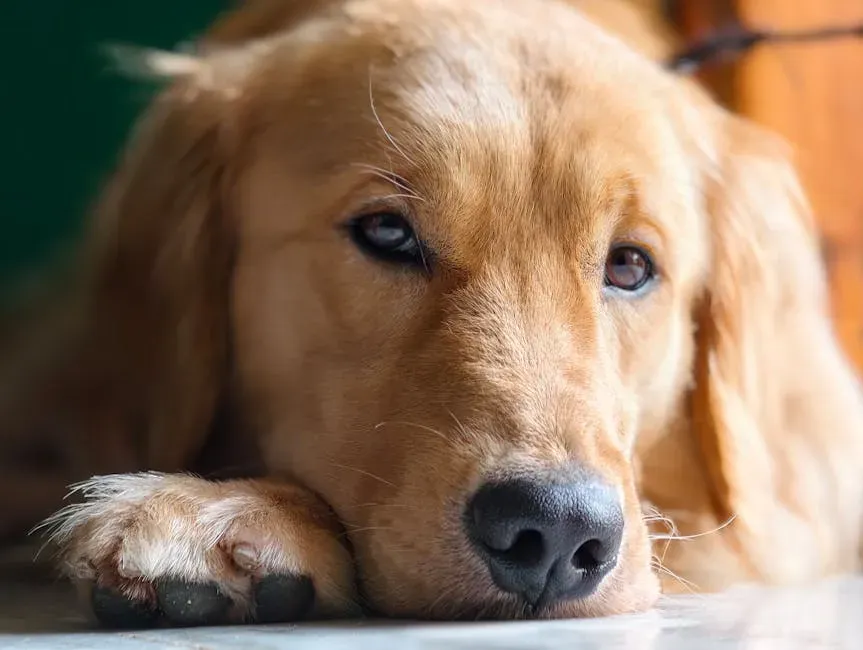
Golden Retrievers have increased risk of heatstroke because of their thick double coats. A thick coat acts as insulation, trapping hot air and limiting heat loss if the dog overheats.
Goldens love to play, but their thick, double coats make it hard for active Retrievers to stay cool. It’s better to keep the play indoors during the hot parts of the day.
What makes Goldens especially tricky is their relentless enthusiasm. Dog owners should pay careful attention on hot, humid days, because dogs will keep going even as they are overheating, and will keep exercising till they drop. The Golden’s eagerness to please makes it particularly susceptible to this pattern.
10. Akita
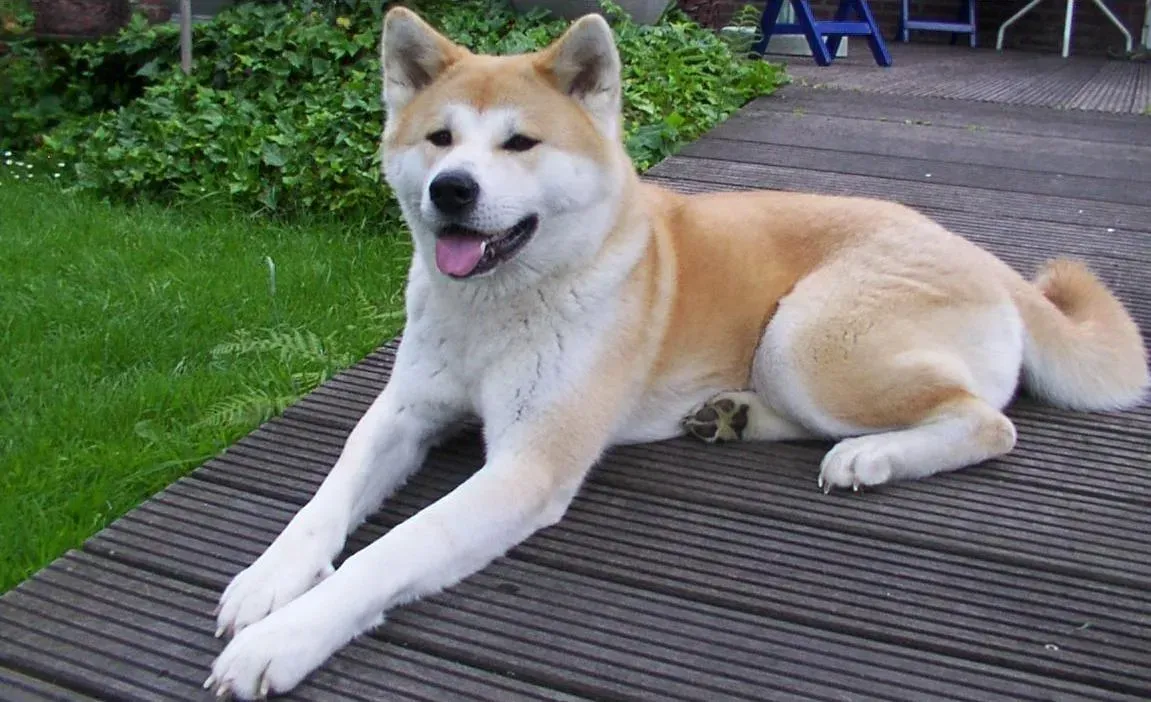
In cold weather, an Akita’s thick double coat provides insulation. In hot weather, this coat may cause them to overheat. This, coupled with their heavy build, means Akitas have a low tolerance for heat.
The highly active Akita wants to play and spend lots of time outside, but they also have thick coats. Put these two qualities together, and you’ve got a recipe for heatstroke if you’re not super careful.
Akita owners in warm climates often walk their dogs in the earliest light of the day, well before sunrise in summer. Akita has a beautiful, fluffy, and soft coat which is also super thick, and this breed is better suited to a colder climate, so extra precautions are needed if you live in a warm region.
11. Saint Bernard
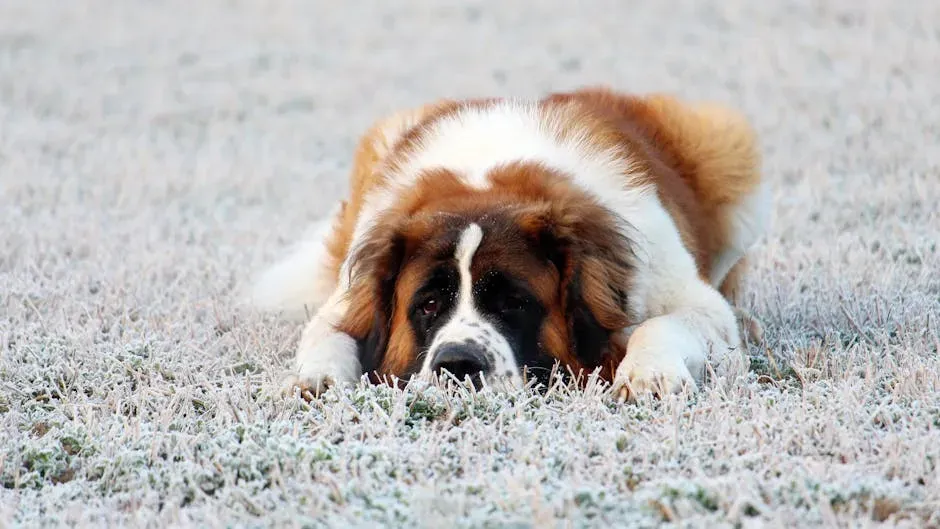
Originally from the Swiss Alps, Saint Bernards were bred for cold-weather rescue work. Thanks to the thick coat that protects them in the mountain snow, Saint Bernards can struggle in hot and humid climates.
Large dogs, in general, were more likely to develop heatstroke than dogs under 10kg, with giant breed dogs weighing over 50kg being three times more likely to develop heatstroke. Saint Bernards sit squarely in that giant category.
With their large, furry bodies, Saint Bernards are not well-suited for hot weather and can quickly overheat. If you own one of these gentle giants, the early morning window is your only reliable safe zone for outdoor exercise during warmer months.
12. Cavalier King Charles Spaniel
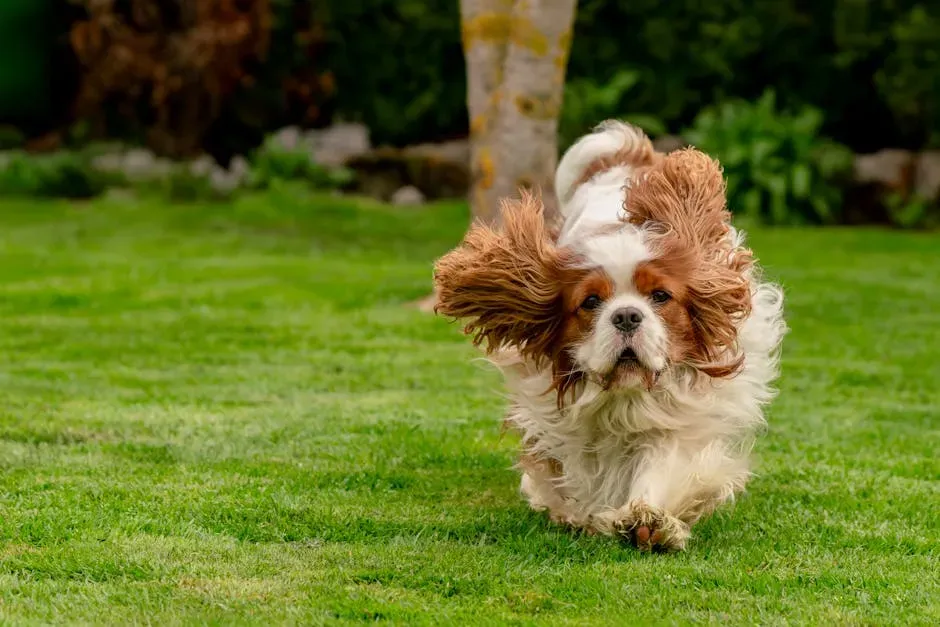
Cavalier King Charles Spaniels are small dogs with a moderate build, making them sensitive to extremes in temperature. Their medium-length coat provides some protection, but it doesn’t make them immune to heat. In the warmer months, Cavaliers can struggle with heat. This breed is prone to overheating because of their short snouts, which makes it difficult for them to cool down effectively.
It’s best to walk your Cavalier King Charles Spaniel during the cooler evenings during the summer, as the breed is three times more likely to get heatstroke compared to the Labrador.
Providing shade, water, and a cool place to rest is crucial in hot weather, along with limiting exercise during the hottest parts of the day. For Cavaliers, that boundary starts surprisingly early in the morning.
13. Greyhound
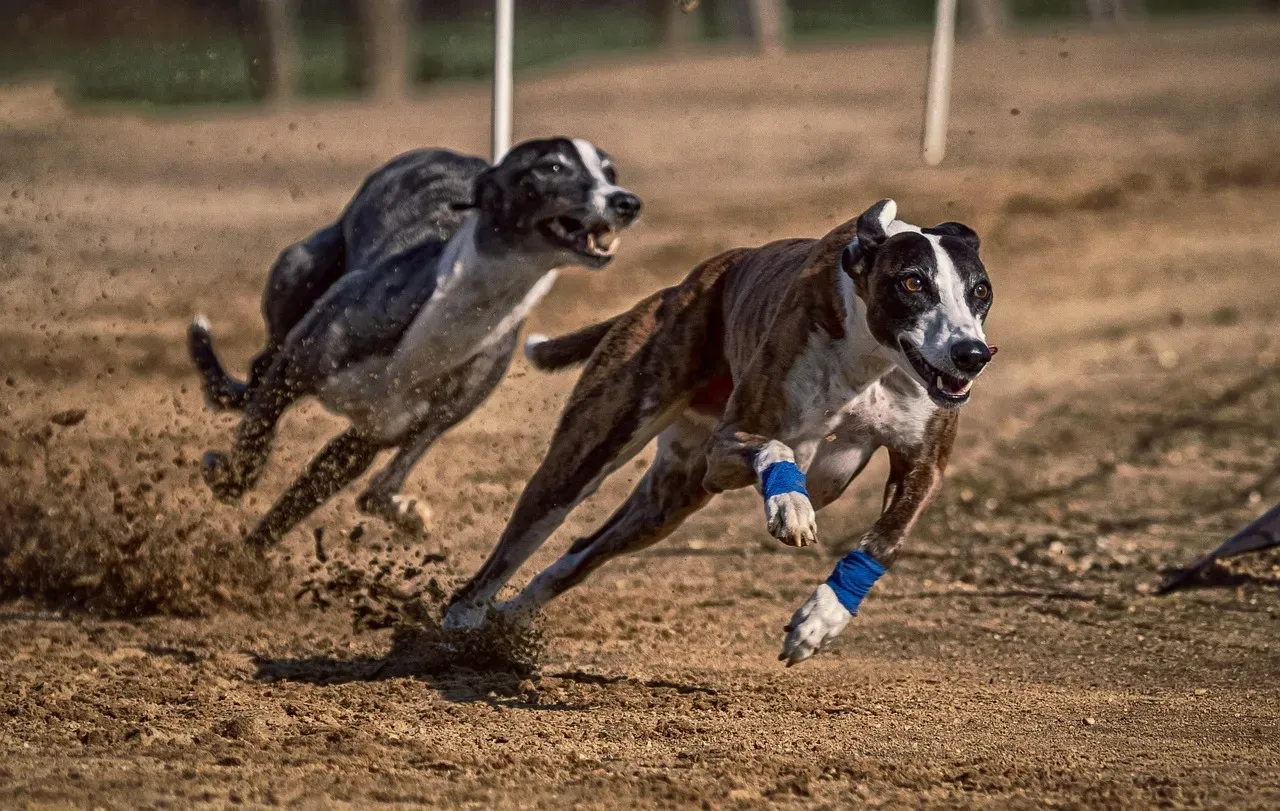
The Greyhound might seem like an unlikely addition to this list. Lean, athletic, minimal coat. Yet the reality is more complicated. Greyhounds are sleek and built for speed, but they’re also surprisingly sensitive to heat. Their high muscle content and thin skin make them poor at regulating body temperature after intense activity.
When it’s humid, Greyhounds can end up with heatstroke at just 80 degrees Fahrenheit. Their sleek and slender bodies increase their risk.
The Greyhound simply doesn’t know when it’s time to stop running and take a rest in the shade, making them four times more likely than the Labrador to get heatstroke. Speed and stubbornness, it turns out, are not a safe combination in summer heat.
14. Alaskan Malamute
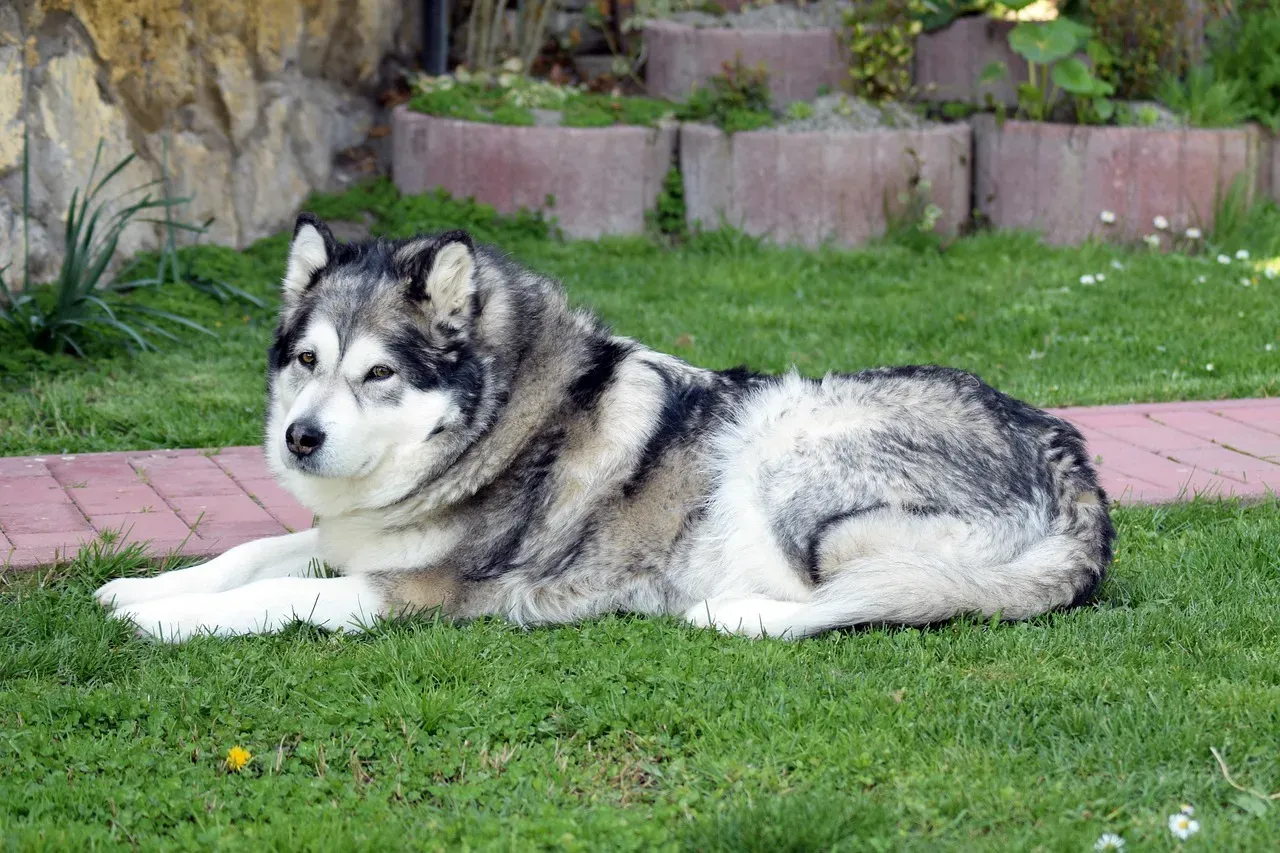
Alaskan Malamutes are bred specifically to pull sleds in the Arctic, so hot weather is not exactly a suitable environment for this breed. These dogs have extremely thick coats, and it is important to keep them brushed out to reduce the risk of overheating.
The Malamute’s dense coat acts as insulation that traps heat. Malamutes love to work and be outside, so this dog breed is best for homes in colder or moderate climates. During the warmer months, it’s essential to plan outdoor exercise when the temperature is at its lowest.
Keeping a Malamute inside during the hottest parts of the day and routinely grooming them with a comb or undercoat rake to remove excess fur can help the dog stay comfortable in the summer. Even then, the morning walk window should be treated as a firm boundary, not a loose guideline.
What Every Owner Should Know
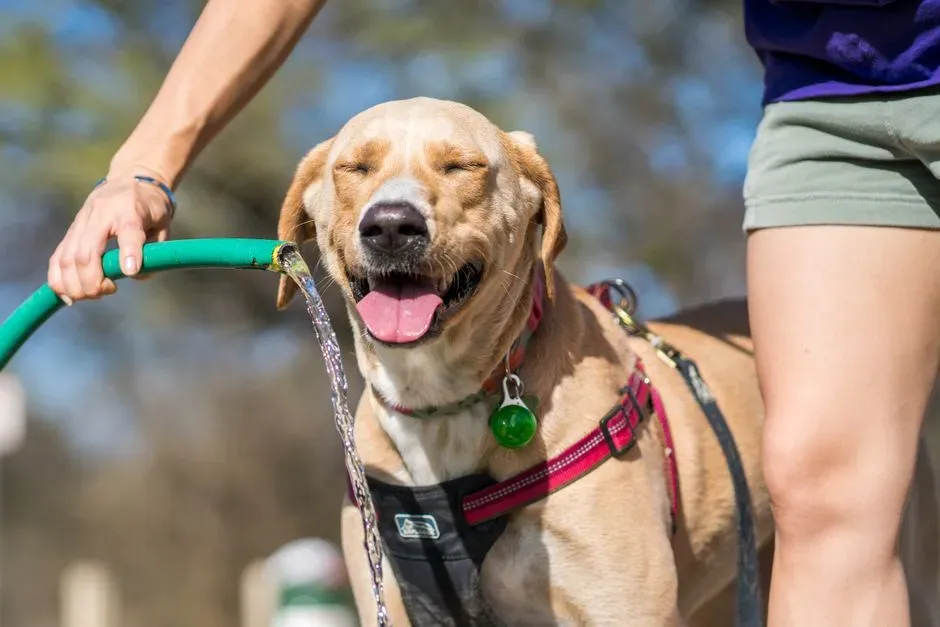
Outdoor exercise and walks are best in the early morning or late evening when temperatures are cooler. For all 14 breeds on this list, that window is not a preference. It’s a genuine safety measure backed by veterinary data.
Signs that a dog is overheating include excessive panting, vomiting, excessive drooling, bloody diarrhea, and collapse. Knowing these signs early can make the difference between a manageable situation and a medical emergency.
If you’re worried that your dog is too hot, seek veterinary advice immediately and start cooling your dog straight away. Some quick ways of cooling dogs include getting them into the shade, using cool water, and using cool air. Avoid covering your dog with wet towels, as it may trap heat.
A Final Word
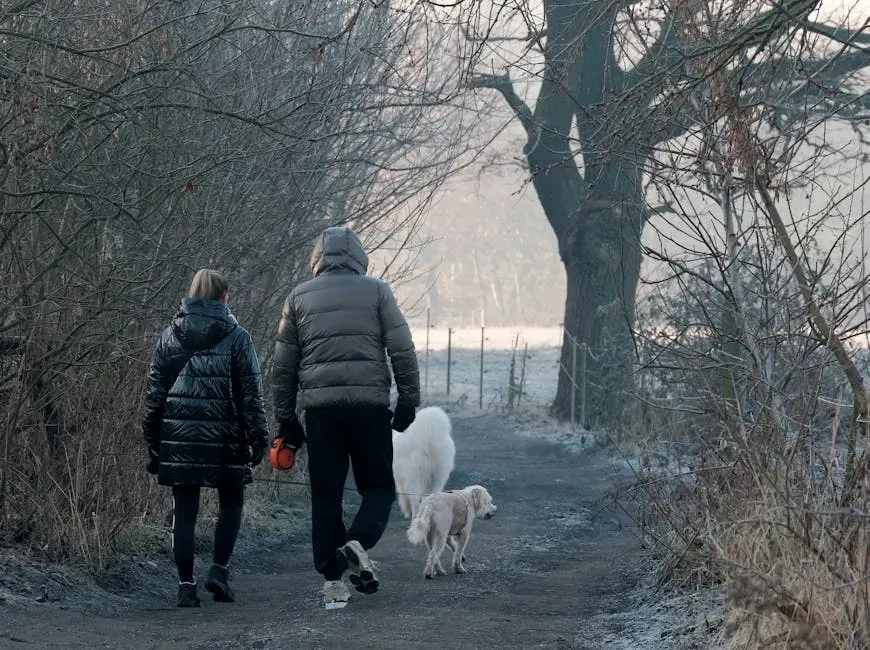
Many of these breeds are among the most beloved and widely owned in the world. French Bulldogs, Golden Retrievers, Pugs. Their popularity doesn’t insulate them from biology. If anything, it makes awareness more urgent.
The 10 AM rule isn’t a hard universal law. Some days are cooler, some regions are more humid, and individual dogs vary. Still, for anyone sharing their life with one of these breeds, treating mid-morning as a cutoff is a simple habit that carries real protective value. A shorter, cooler walk is always better than a rushed trip to the emergency vet. The morning light is there every day. Use it.

- 12 Surprising Facts About Reindeer - July 30, 2026
- 10 Common Bird Feeder Mistakes That Could Harm Your Backyard Visitors - July 30, 2026
- How Beavers Are Naturally Restoring Wetlands and Preventing Flooding - July 30, 2026