
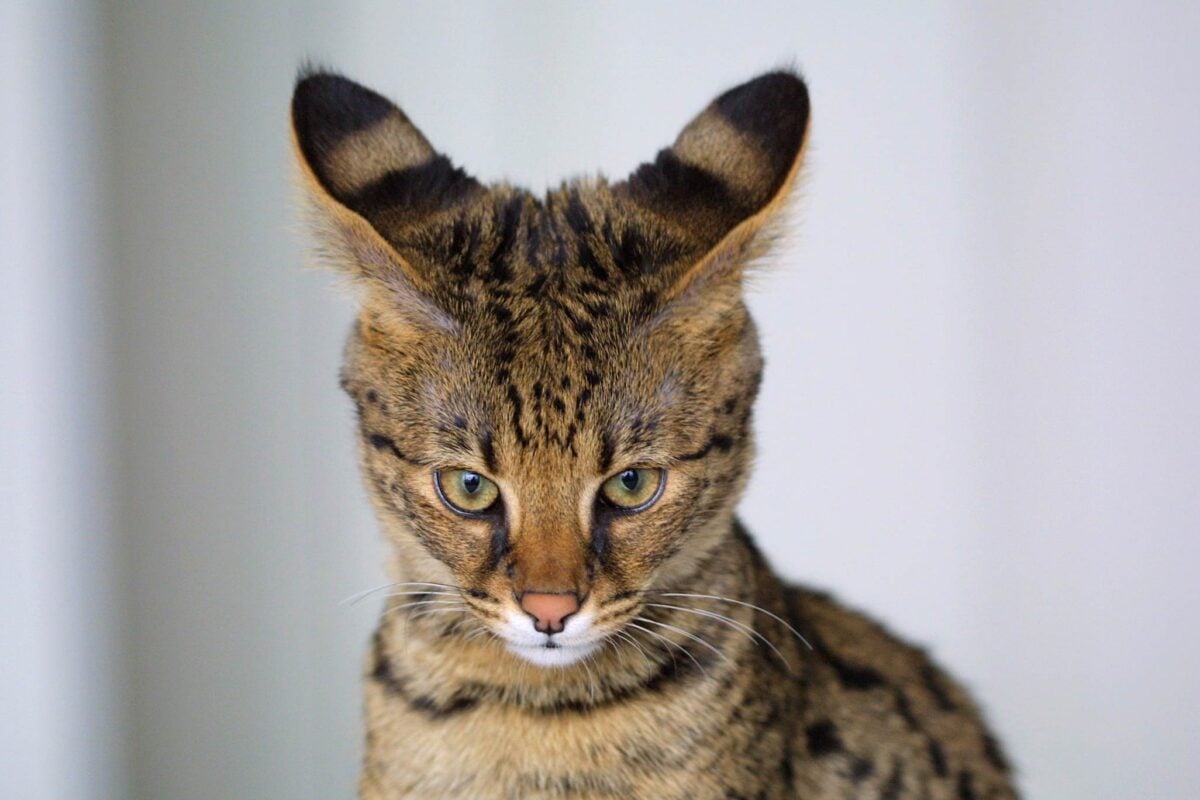
Everyone “knows” what a family cat looks like: fluffy, calm and adorable on a sofa. Then the doorbell rings for the ninth time, a toddler sprints past banging a toy drum, the dog erupts, and the perfect cat vanishes under a bed for the rest of the night.
Behaviorists and breeders keep pointing to the same quiet truth: temperament, not looks, decides whether a cat thrives. These 14 breeds aren’t bad cats. Each has a specific weak spot that a loud, rushed household tends to hit head-on, and a few names will surprise you. The breed at #1 is one that families choose for its looks all the time.
#14 – Persian: The Gentle Soul Who Hates the Chaos
🔥 Would you like to save this?
We'll email this post to you, so you can come back to it later!
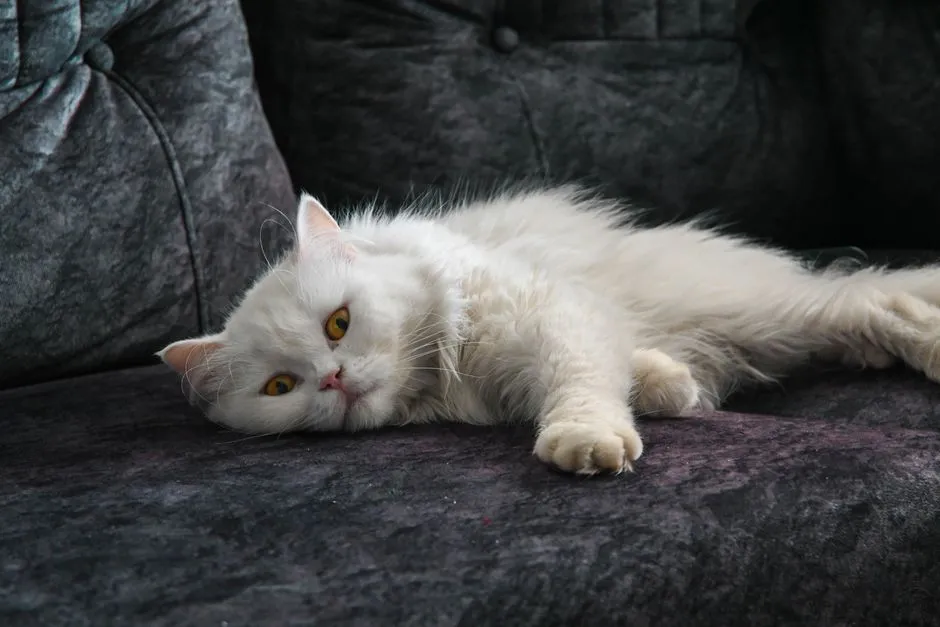
The fluffiest cat on this list may also be one of the most mismatched with a loud household.
Persians are known for a calm, low-key temperament, and in a busy home that’s the problem. They like predictable routines, soft voices and quiet corners. When things get hectic, they tend to withdraw rather than push back, so nobody notices how much they’re putting up with.
Their physical care adds pressure too. The long, dense coat needs daily brushing to prevent painful mats, and the flat face often means tear staining and eye cleaning on top of that. In a house where everyone rushes out the door at 7:30, grooming is the first thing to slip.
- Daily coat care is non-negotiable
- Flat-faced anatomy can mean breathing and eye issues
- Prefers low-traffic, quiet spaces
Many Persian-type cats are also prone to inherited conditions such as polycystic kidney disease, which is why responsible breeders screen for it. Many experts argue the Persian suits calm adult homes far better than a house with a toddler who loves to grab fur.
But the next cat has a very different way of coping with stress, and it’s easy to miss…
#13 – Russian Blue: The Shy Shadow Who Needs Routine
🔥 Would you like to save this?
We'll email this post to you, so you can come back to it later!
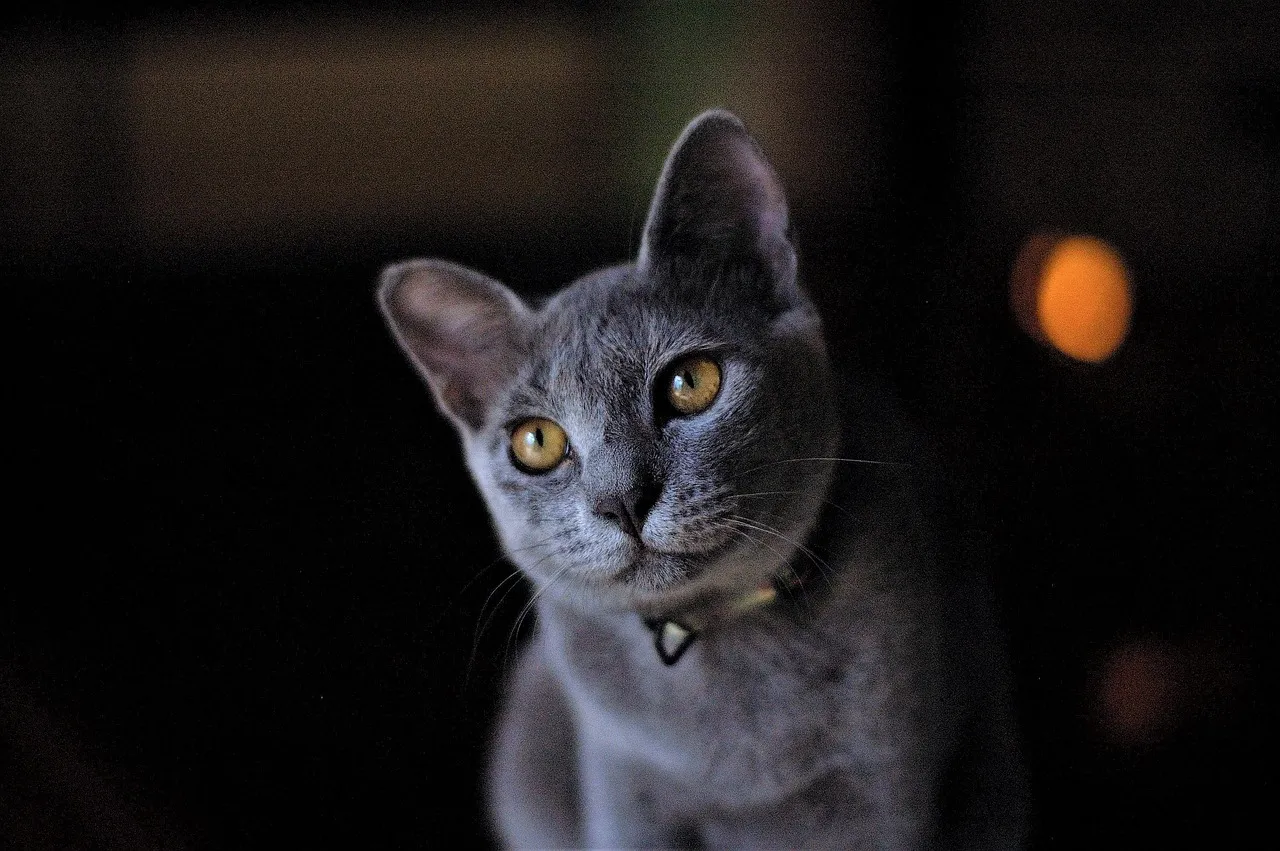
Russian Blues look like perfect pets, with that plush silver-blue coat and those green eyes. Underneath, they’re creatures of habit.
This breed is typically described as gentle, reserved and loyal to its own people. Many Russian Blues disappear the moment unfamiliar visitors arrive. A teenager’s friends, a rotating cast of cousins or a weekend party can send them under the bed for hours.
They also tend to dislike disruption. Feeding times, play sessions and litter box locations matter a lot to them. Move any of those and you may see changes in appetite or behavior, which is hard to avoid when the household schedule changes daily.
- Often shy with strangers
- Prefers fixed daily rhythms
- Bonds deeply with a small circle of people
Here’s the twist most owners don’t expect. A Russian Blue isn’t usually aggressive when overwhelmed. It just goes quiet.
Quiet cats get overlooked in busy homes, which means stress can build for weeks before anyone notices. Watch for hiding, skipped meals and a cat that suddenly avoids shared rooms.
Fast Facts
- Coat: dense, plush and silver-blue, paired with vivid green eyes
- Origin: commonly traced to the port of Arkhangelsk in northern Russia
- Lifespan: often 15 years or more, so the routine you set up now lasts a long time
- Red flags: hiding, skipped meals and avoiding shared rooms
Next up is a cat whose sensitivity is even more extreme, and its fans admit it…
#12 – Korat: The Noise-Sensitive Cat From Thailand
🔥 Would you like to save this?
We'll email this post to you, so you can come back to it later!
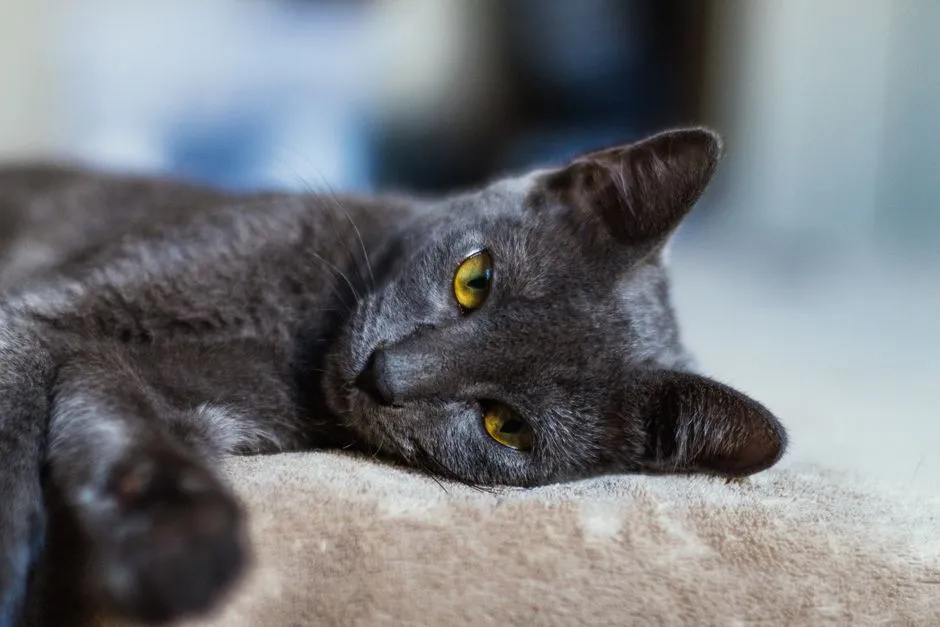
If your house is loud, the Korat may feel like it’s living inside a speaker.
The Korat is an old, rare breed from Thailand with a silver-blue coat and green eyes. Breed descriptions commonly highlight a cat that is intensely bonded to its people and sensitive to loud noise and sudden changes. That sensitivity is the heart of the mismatch.
Korats generally do best in a calm, devoted household. They often want to be involved in everything their people do, yet they can be unsettled by rough handling or wild play. Picture slamming doors, game consoles and shrieking cousins. That’s a lot to ask of a sensitive cat.
Most Korats are also intelligent and attentive, which is wonderful for a quiet couple. It’s less ideal when the household’s attention is split between homework, sports and three different TVs.
Opinion alert: some breeders argue the Korat is too sensitive for any home with very young children. Others say a well-socialized kitten handles it fine. Both can be true, because socialization matters enormously.
Now for a cat that looks bold but is actually quite the opposite…
#11 – Egyptian Mau: The Fast Cat With a Fragile Trust
🔥 Would you like to save this?
We'll email this post to you, so you can come back to it later!
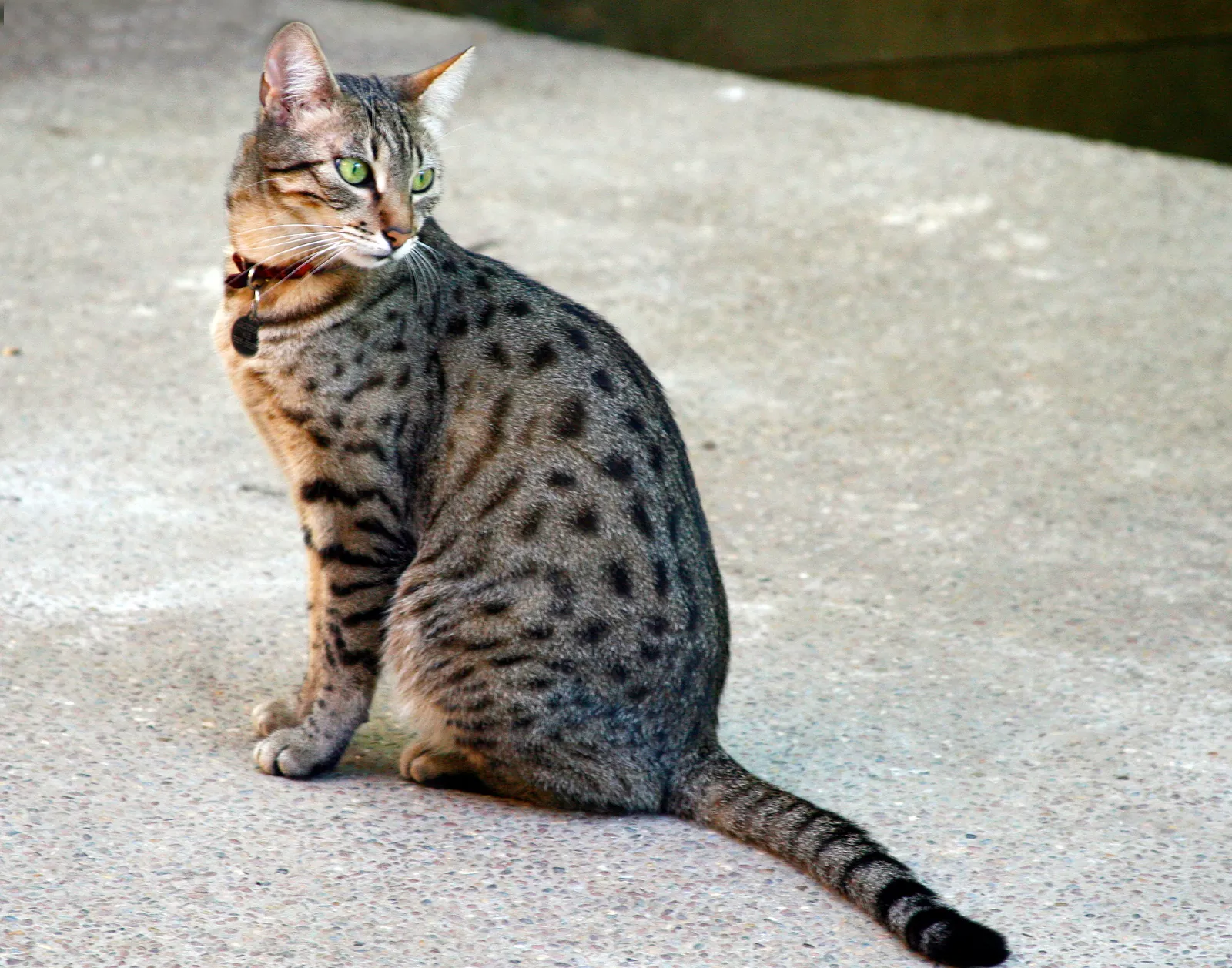
The Egyptian Mau is often billed as one of the fastest domestic cats, and when it’s scared, that speed is used for escaping.
Maus have a naturally spotted coat and an athletic build. They’re usually described as loyal to one person or a small group, and wary of strangers and loud environments. That’s a tough fit for a house where front-door traffic never stops.
When a Mau is frightened, it tends to flee first. In a family home, that can mean slipping through an open door or bolting past a toddler. Breed fans often warn that a Mau needs time to trust, and it won’t tolerate being pulled into the action on someone else’s schedule.
- Often reserved with new people
- Athletic and quick when startled
- Needs patient, consistent handling
They’re also active and love to climb and chase. So the Mau is both easily startled and energetic. That combination is rare, and it means the cat needs a calm but stimulating home. Most busy households can offer only one of those.
Quick Compare: How Stress Shows Up
- Persian: withdraws quietly and tolerates too much
- Russian Blue: hides under furniture and goes silent
- Egyptian Mau: bolts for the nearest exit
But next comes a breed everyone calls “easygoing,” and that label hides a catch…
#10 – British Shorthair: The Teddy Bear Who Doesn’t Want a Hug
🔥 Would you like to save this?
We'll email this post to you, so you can come back to it later!
Most people believe this breed is the ultimate family cat. The truth is more complicated.
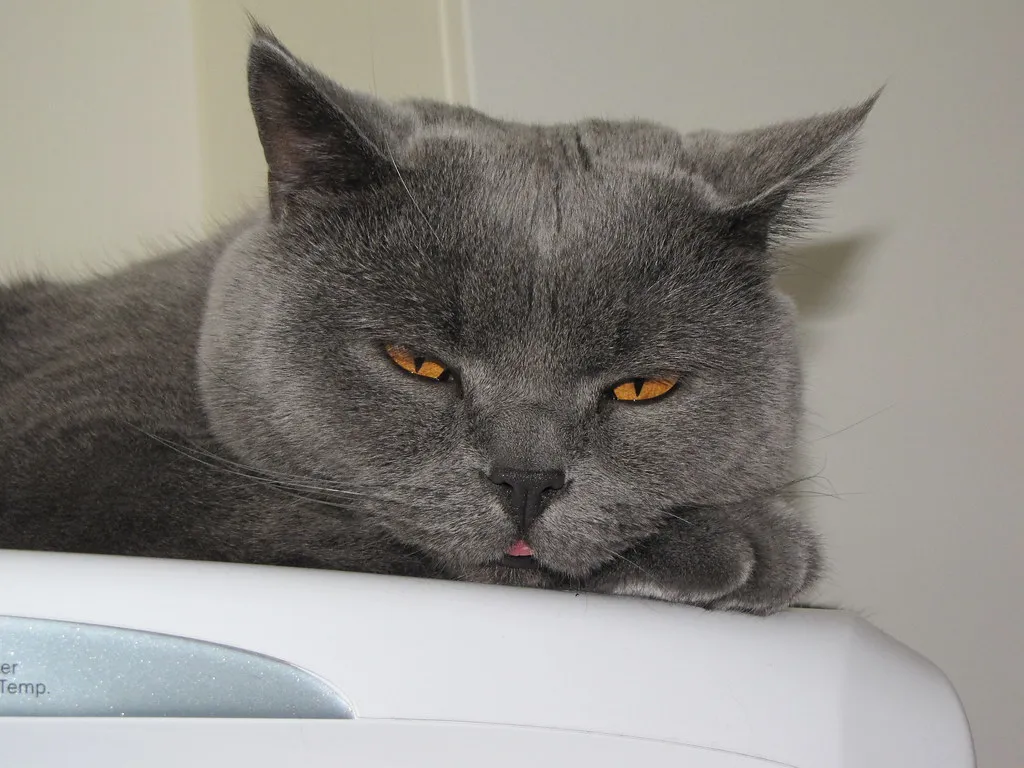
British Shorthairs are calm, sturdy and tolerant, which is how they earned their reputation. But owners and breeders often note that many of them dislike being picked up and carried. They like affection on their own terms, usually with all four paws on the ground.
That matters in a family home. Children love to scoop up a cat that looks like a plush toy. A cat that tolerates it silently may eventually swat, hide or avoid the child altogether. “Easygoing” doesn’t mean “endless patience.”
They also gain weight easily if they’re free-fed and under-exercised. In a house where three different people each “top up” the bowl, a British Shorthair can quietly drift toward obesity.
Many experts now argue the “perfect family cat” label is oversold for this breed. It’s a great companion for a calm home with clear rules about handling.
The next breed is famous for being limp and relaxed, which is exactly why it’s at risk…
#9 – Ragdoll: Too Trusting for Rough Hands
🔥 Would you like to save this?
We'll email this post to you, so you can come back to it later!
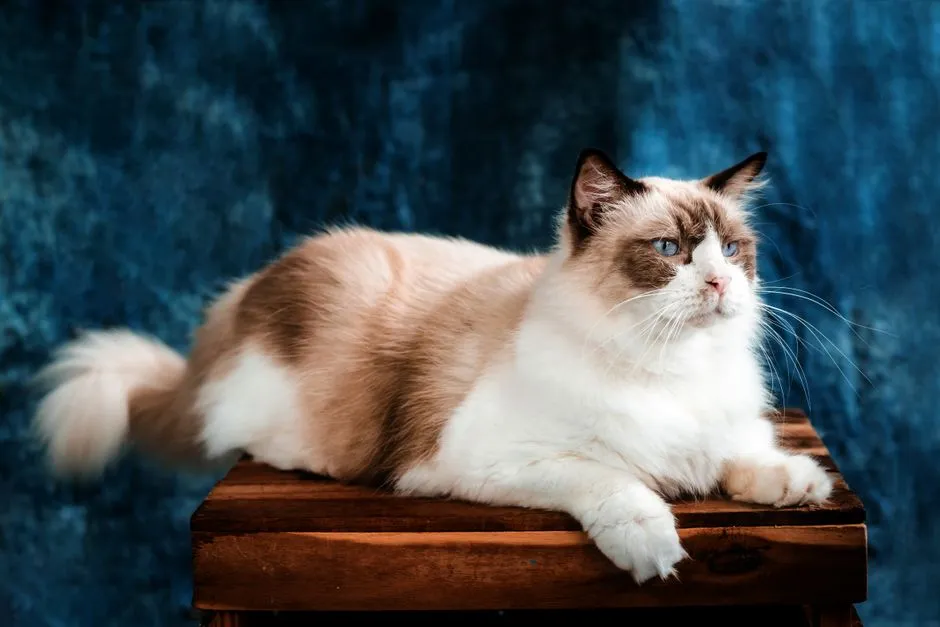
Ragdolls are named for how some of them go floppy when picked up, and that’s not entirely a good thing.
These cats are large, soft-coated and usually docile. They’re often described as one of the most tolerant breeds, which can mean they put up with handling no cat should have to endure. A cat that doesn’t protest is easy to mistake for a cat that’s comfortable.
In a busy home, that gap can be risky. A child may drag a Ragdoll around, carry it awkwardly or treat it like a toy, and the cat may not complain until it’s genuinely stressed or hurt. Their size also makes them heavy to carry, so drops are a real concern.
They’re usually people-oriented, too, and many want to follow their humans from room to room. If the house is empty for long stretches while everyone is at work and school, that can be tough on them.
- Docile and tolerant, which can hide stress
- Heavy and long-bodied, so they’re easy to injure when dropped
- Usually prefer company over long solitude
But the next cat has the opposite problem: it demands more from you than almost any other…
#8 – Sphynx: The Hairless Cat With Needs You Can’t Skip
🔥 Would you like to save this?
We'll email this post to you, so you can come back to it later!
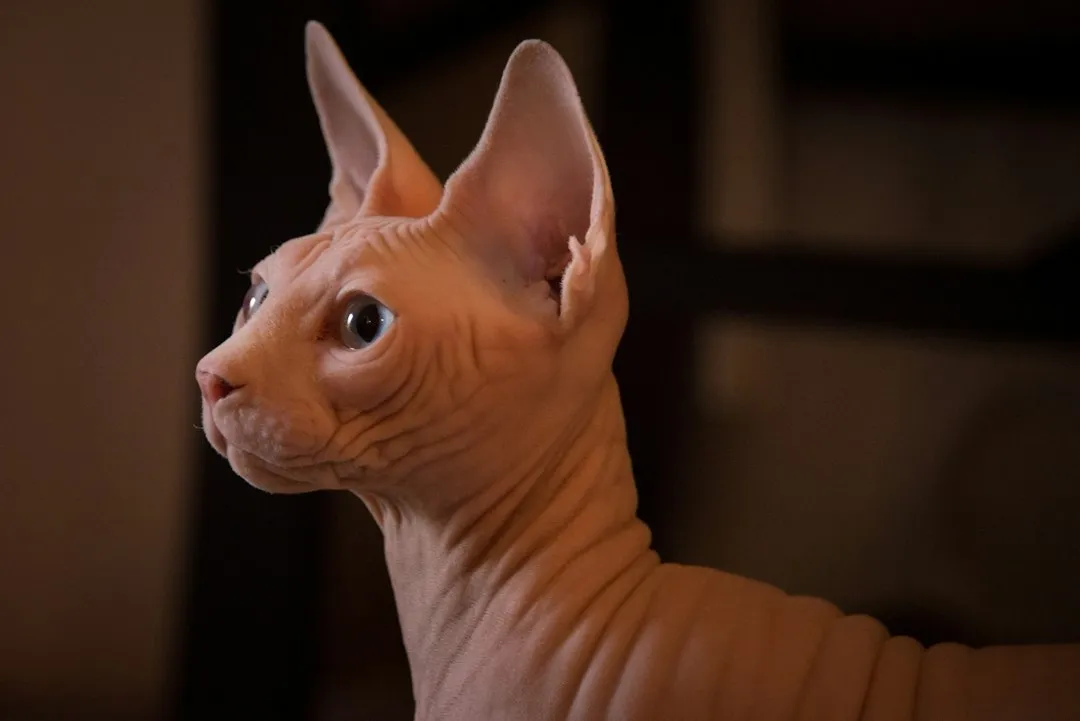
The Sphynx has no fur coat, so the care that fur usually handles falls squarely on you.
Hairless doesn’t mean low-maintenance. A Sphynx’s skin still produces oils, and without fur to absorb them, those oils can build up on the skin and on your furniture. Many Sphynx owners bathe their cats regularly, and the ears often need cleaning too.
They also feel the cold more easily, so many seek warmth under blankets, on laps and in sunny spots. They’re usually outgoing and attention-loving. In a busy home where people are in and out and the thermostat is set low, they may struggle to get the warmth and company they crave.
- Regular bathing and ear cleaning
- Needs a warm, draft-free environment
- Often craves human company
The breed is also known to be predisposed to hypertrophic cardiomyopathy, a heart condition, so vet monitoring is important. That’s time and money a stretched household has to plan for.
Next, a cat with fur but just as much energy to burn…
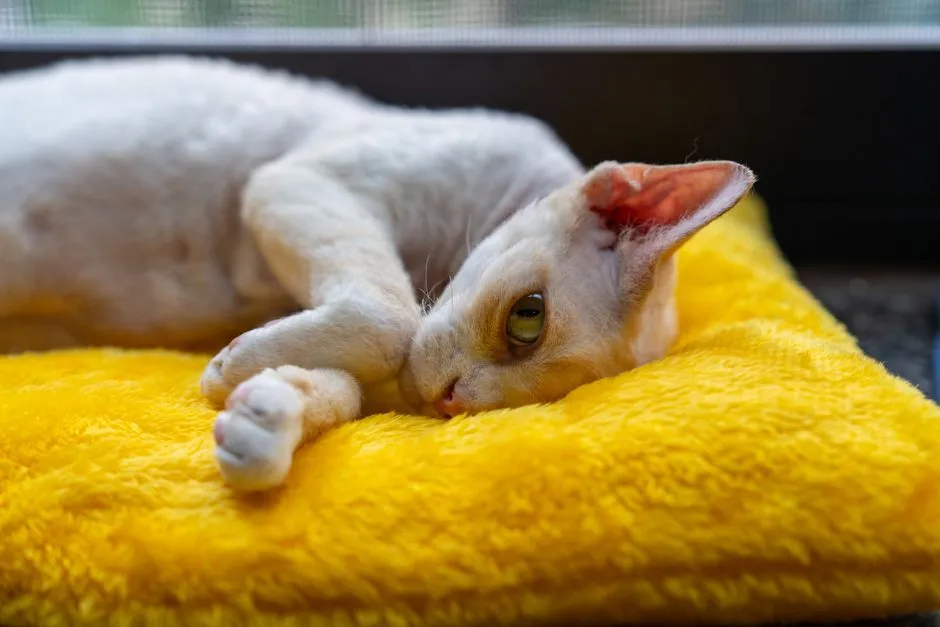
#7 – Cornish Rex: The Hyperactive Greyhound of the Cat World
🔥 Would you like to save this?
We'll email this post to you, so you can come back to it later!
If your home doesn’t have a runway, the Cornish Rex will build one.
The Cornish Rex is slender, long-legged and often described as the “greyhound” of cats. It’s known for playfulness that continues well into adulthood. Many stay kitten-like for years, so you can’t count on a calm phase arriving.
That’s a challenge in a busy household. Rexes often leap onto high shelves, race around the house and invent games with whatever they find. They also love people and may want to be involved in everything, including dinner, homework and the laundry basket.
Their very fine, wavy coat means they can feel cold easily and often seek warm spots. That usually means laps, beds and laptops.
- Very active, even as adults
- Highly people-focused
- Needs vertical space and daily play
If no one has time for 10 to 15 minutes of play at a stretch, a Rex may become mischievous, vocal or destructive. That’s boredom, not bad behavior.
At a Glance
- Origin: the first Cornish Rex kitten was born in Cornwall, England, in 1950
- Coat: a short, soft, wavy layer of down with little of the usual outer fur
- Build: lean and long-legged, built for sprinting and leaping
- Best match: a home with time for daily play and plenty of warm spots
But the next breed is even better at turning boredom into a full-time job…
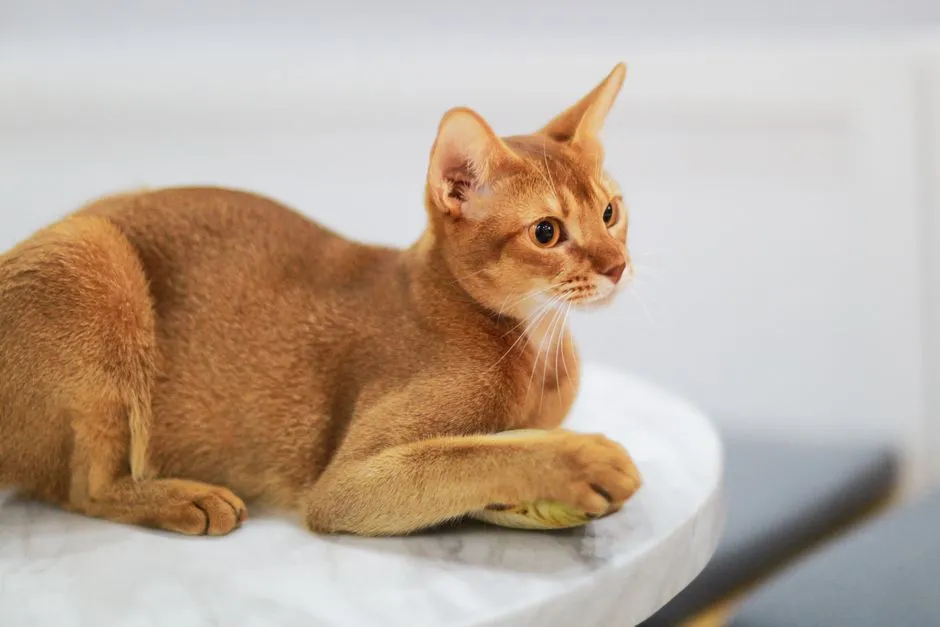
#6 – Abyssinian: The Curious Climber Who Gets Into Everything
🔥 Would you like to save this?
We'll email this post to you, so you can come back to it later!
Abyssinians don’t just explore your home. They audit it.
Abys are lean, active and notoriously curious. They’re known for opening cupboards, scaling bookshelves and investigating every bag that enters the house. If a busy household is cluttered, an Aby will find every item worth knocking down.
They’re usually affectionate but not typically lap-sit cats. They’d rather be doing something. Many do best with tall cat trees, puzzle feeders and interactive play, and without those they invent their own entertainment. You may not enjoy it.
- High energy and intelligence
- Needs mental stimulation, not just exercise
- Often dislikes being ignored
Abys also tend to want to be part of the action, so a family schedule that leaves them alone for long periods can lead to frustration. A bored Aby is rarely a quiet Aby.
Next is a cat that treats your bathroom like a swimming pool…
#5 – Turkish Van: The Swimming Cat Who Won’t Be Cuddled

🔥 Would you like to save this?
We'll email this post to you, so you can come back to it later!
Most cats avoid water. The Turkish Van often doesn’t.
This breed is known for an unusual love of water, so dripping taps, full sinks and even toilet bowls can become playgrounds. Their coat is often described as soft and water-resistant. Expect splashed floors and soaked paper towels.
They’re also athletic and strong, and many are not fond of being held. They enjoy affection on their terms. Picture a child who wants a cuddle and a Van that wants to climb the curtains. Neither is wrong, but the match is poor.
Turkish Vans are also intelligent and can be determined. They may learn to open doors or cupboards, and a busy family home provides plenty of tempting opportunities.
- Strong, energetic and independent
- Often prefers play to cuddling
- Fascinated by water
But the next cat won’t just play in your home, it will comment on everything…
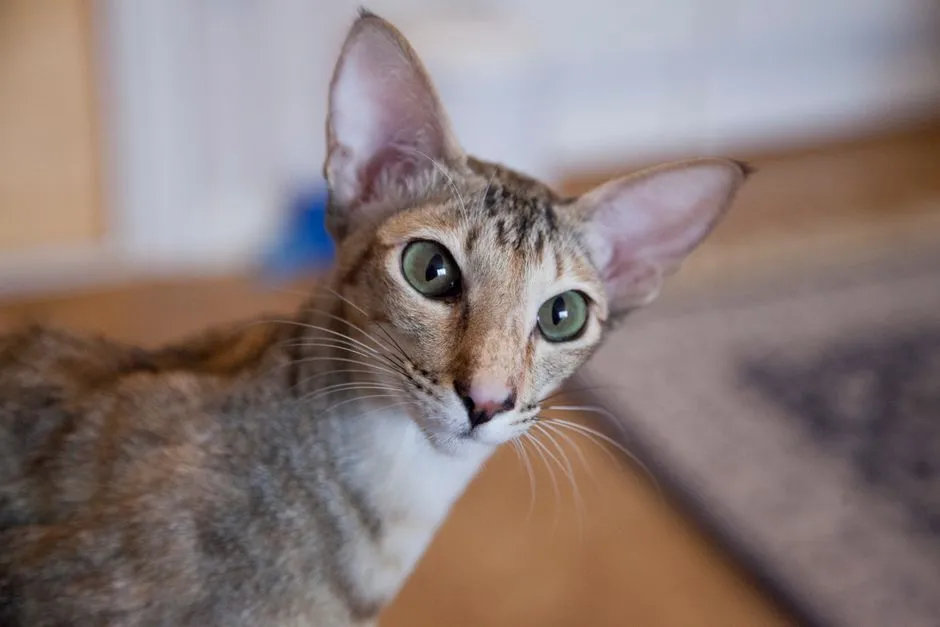
#4 – Oriental Shorthair: The Talker That Needs an Audience
🔥 Would you like to save this?
We'll email this post to you, so you can come back to it later!
Oriental Shorthairs are social, loud and not shy about it.
Closely related to the Siamese, Orientals are known for being vocal, people-hungry and prone to boredom. They’ll follow you around, comment on your activities and demand a response. In a calm home, that’s endearing. In a noisy one, it can become a competition.
They typically want interaction all day. A house where everyone leaves for work and school and returns only in the evening can leave them lonely. Lonely Orientals can become loud, destructive or clingy.
- Often very vocal
- Strongly attached to people
- Needs lots of interaction
They can also be sensitive to being left out. Busy family homes, where attention is split between children, pets and chores, make it easy for an Oriental to feel ignored. Many owners find a second cat helps, but that’s no guarantee.
Worth Knowing
- Family tree: a close relative of the Siamese, with the same people-focused streak
- Look: a long, slim body with strikingly large ears
- Coats: available in both shorthair and longhair varieties
- Best match: a home where someone is around for much of the day
The next cat is bigger, bolder and far more complicated…
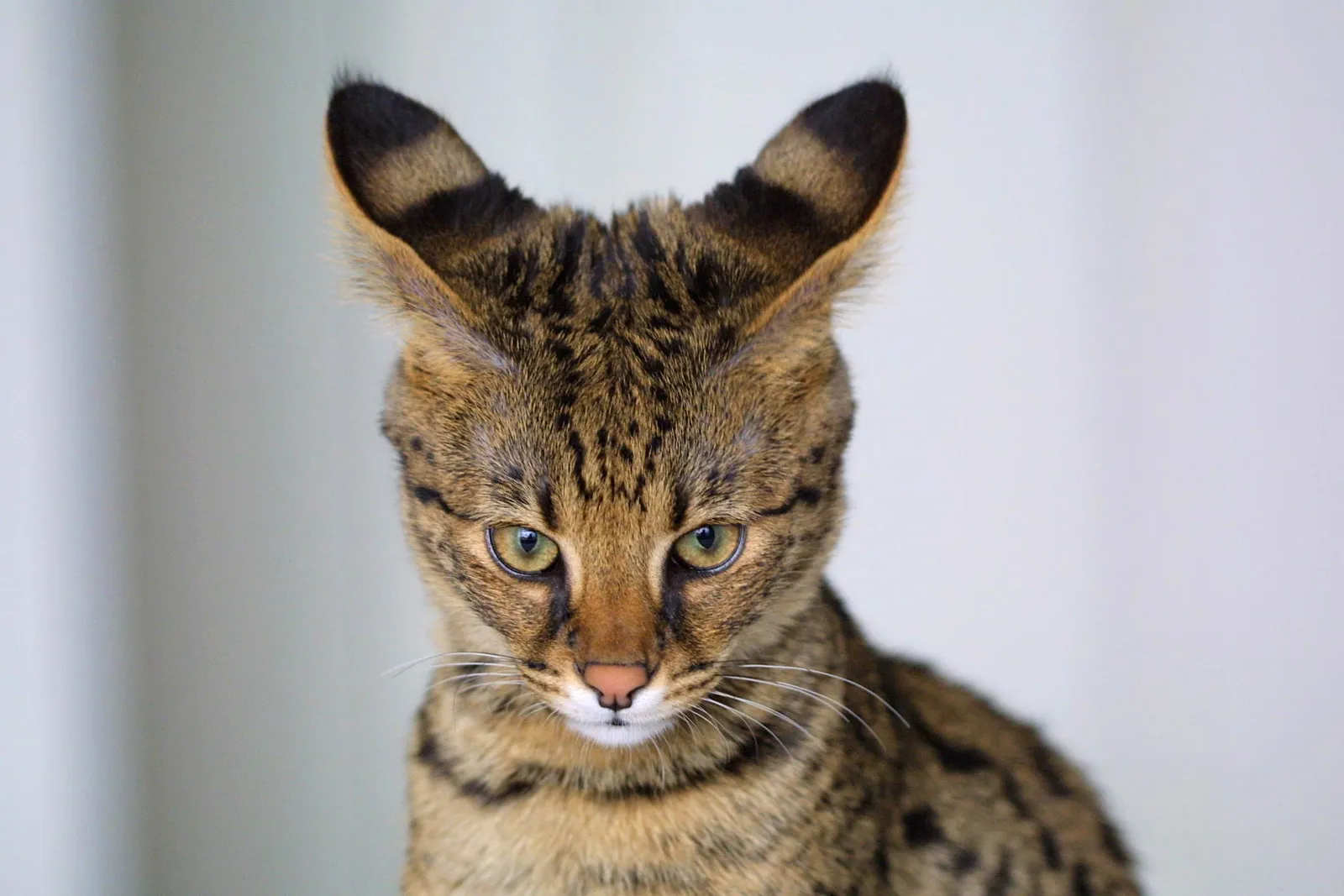
#3 – Savannah: The Wild-Looking Cat That Needs a Wild-Sized Plan
🔥 Would you like to save this?
We'll email this post to you, so you can come back to it later!
The Savannah’s exotic look comes with a very real set of challenges.
The Savannah is a hybrid between a domestic cat and an African serval. Early generations are larger and can be much more demanding and athletic than typical house cats. They jump extremely high, are very intelligent and can be difficult to contain in a typical home.
They tend to be curious, bold and strongly bonded to their people. Many like to open doors, climb to the top of anything and even play fetch. That’s entertaining for an experienced owner with time. It’s overwhelming in a household that is already stretched.
Rules about owning Savannahs vary by country and by state or region, and some places restrict early generations. Always check local law before you buy.
Opinion alert: some experts argue the Savannah is the most over-romanticized cat of all. It’s a specialist’s pet, not a starter family cat.
But the next cat isn’t a hybrid, and it may be the most emotionally demanding of all…
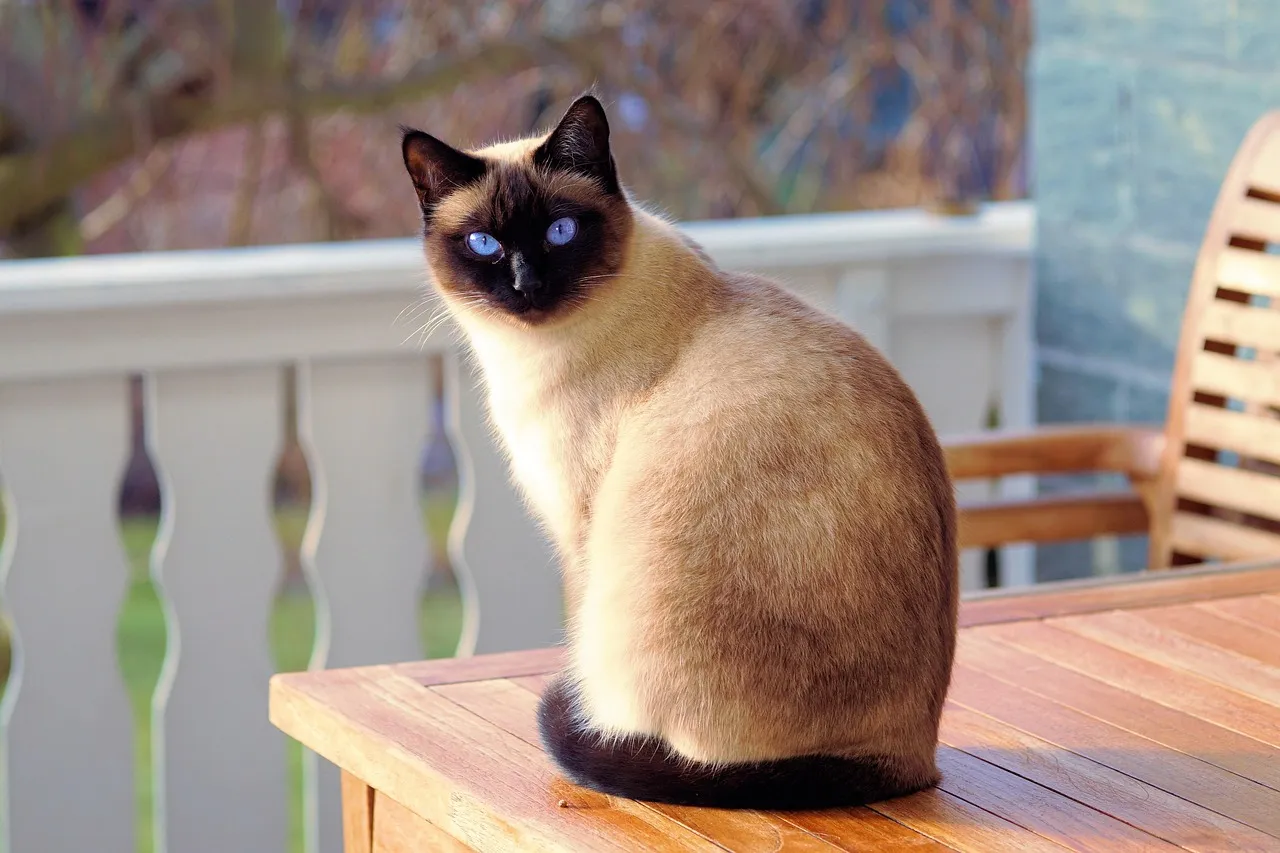
#2 – Siamese: The Cat That Feels Everything Loudly
🔥 Would you like to save this?
We'll email this post to you, so you can come back to it later!
Siamese cats don’t just want company. They need it.
The Siamese is one of the most recognizable breeds, and also one of the most intensely social and vocal. They’re known for loud, distinctive voices and for bonding closely with their people. If no one answers, they tend to say it again, louder.
In a busy home, that’s a mismatch in both directions. When the house is empty during the day, a Siamese may become anxious or bored. When it’s full and chaotic, the cat may demand attention from everyone and get overstimulated.
- Highly social and vocal
- Strong attachment to people
- Can struggle with long periods alone
Siamese are also intelligent and can learn tricks, but they pick up bad habits just as easily. A Siamese who learns that yelling at 5 a.m. gets breakfast will happily repeat it for years.
And the number one breed is the one most families choose for its looks, not its needs…
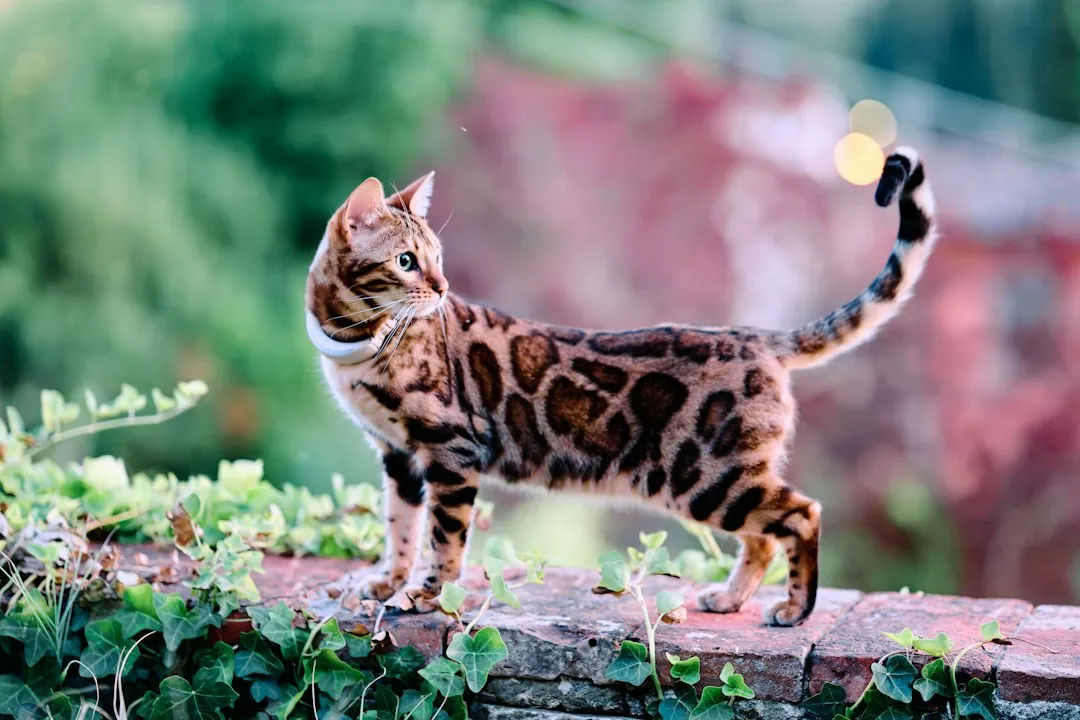
#1 – Bengal: The Athlete That Can Wreck a Routine
🔥 Would you like to save this?
We'll email this post to you, so you can come back to it later!
The Bengal looks like a small leopard, and in a busy home it can act like a tiny, unpaid personal trainer.
Bengals are descended from crosses between domestic cats and the Asian leopard cat. Later generations are fully domestic, but the breed still has a reputation for extraordinary energy, climbing ability and a love of water. They’re not couch-potato cats. They want a job.
In a busy family home, that energy is hard to ignore. Bengals can open doors, jump onto the highest shelves and take over any room. They’re intelligent and need games, puzzles and daily interactive play, and without that, many redirect their energy to your belongings.
They’re also usually very people-oriented and bold. Some enjoy the chaos of a family. Others become overstimulated or pushy. Either way, they need an owner who is consistently available.
- Needs several play sessions a day
- Loves climbing, so vertical space is essential
- Often dislikes being ignored
The Bengal is spectacular, and for the right household, it’s brilliant. For a rushed one, it’s a recipe for chaos.
Breed is a tendency, not a guarantee. Individual cats vary, and early socialization, a calm setup and realistic expectations all change the outcome. Still, the pattern is hard to miss. Sensitive breeds like the Persian, Korat and Russian Blue struggle with noise. Energetic breeds like the Bengal, Abyssinian and Savannah struggle with boredom. Needy breeds like the Siamese and Oriental struggle with absence.
Here’s our opinion: the “family cat” label is oversold, especially for the looks-first breeds. If your house is chaotic, a well-socialized adult cat of a calmer, more adaptable type is usually the safer bet. A cat’s real personality shows up in the middle of the commotion, not on the breeder’s photo page.
Which of these breeds would you have put on the list, and which one did you think was a perfect family pet until now?

- 7 Everyday Habits That Can Make Your Senior Dog Happier - November 5, 2026
- 10 Enigmatic Structures That Continue to Puzzle Scientists Today - November 5, 2026
- 10 Strange Ruins in the Americas That Challenge What We Know About Early History - November 5, 2026