


Let’s be honest here, not all cats are created equal when it comes to making friends with other pets. While some felines practically roll out the welcome mat for newcomers, others would rather stage a full feline rebellion than share their kingdom. Pet trainers and behaviorists have long observed that certain breeds possess inherent traits that make multi-pet harmony more challenging than solving a Rubik’s cube blindfolded.
Understanding these breed-specific quirks isn’t about labeling cats as “bad” or “difficult.” Rather, it’s about recognizing their natural temperaments and working within those parameters. Some cats and dogs do not like to socialize and they’re not as outgoing as others, and it’s important to realize that a lot of social behavior is caused by genetics. So let’s dive into the fascinating world of feline personalities and explore which breeds keep trainers scratching their heads when it comes to inter-pet relationships.
#14 Persian Cats
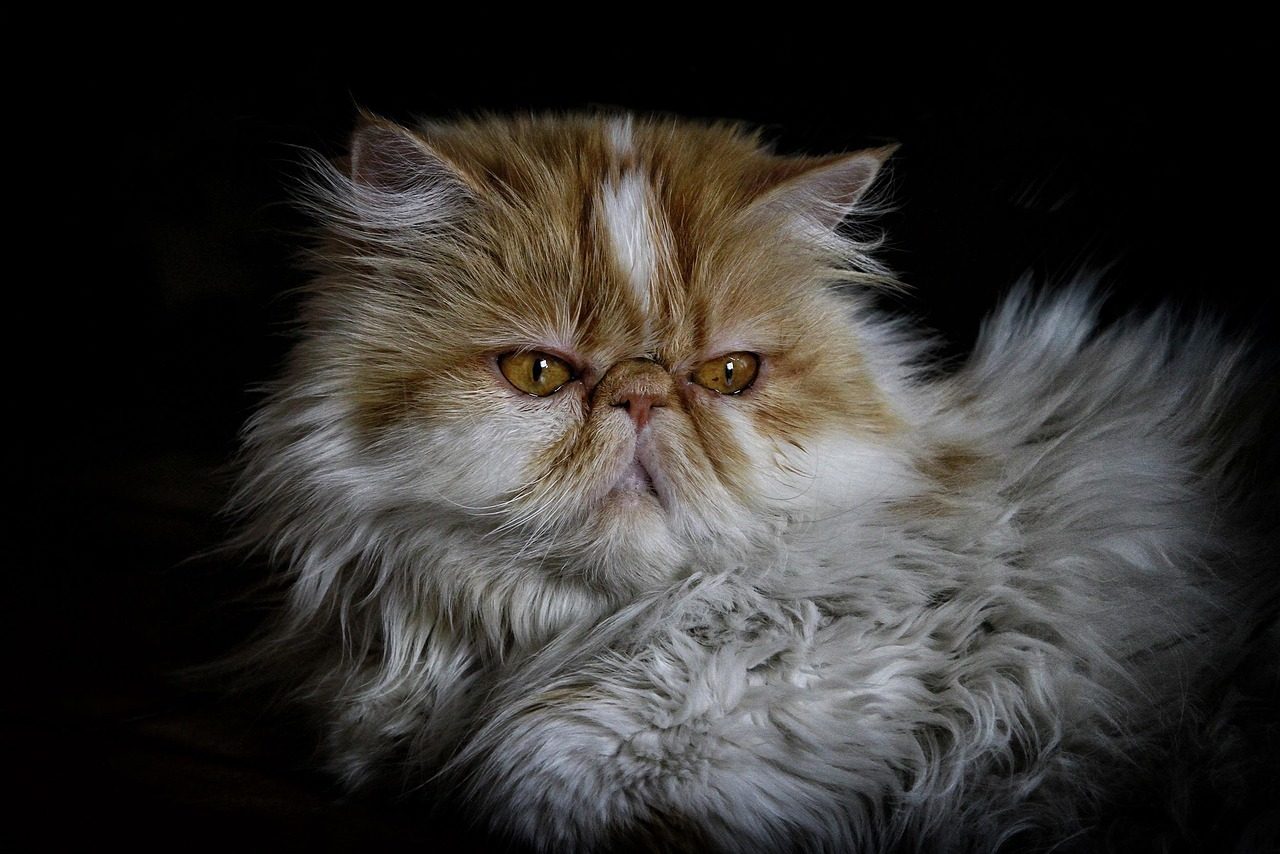
Despite their regal beauty and calm demeanor, Persian cats can be surprisingly resistant to socializing with other pets. Regal, beautiful, and quiet, Persians have class. Their adorable faces are expressive, and they’re very gentle felines. However, this gentle nature doesn’t necessarily translate to welcoming attitude toward fellow household companions.
The challenge with Persians lies in their preference for tranquility and routine. These cats thrive in peaceful environments where they can maintain their dignified composure without interruption. When other pets disrupt this serene atmosphere, Persians often withdraw rather than adapt, making successful integration a lengthy process that requires extraordinary patience.
#13 Russian Blue
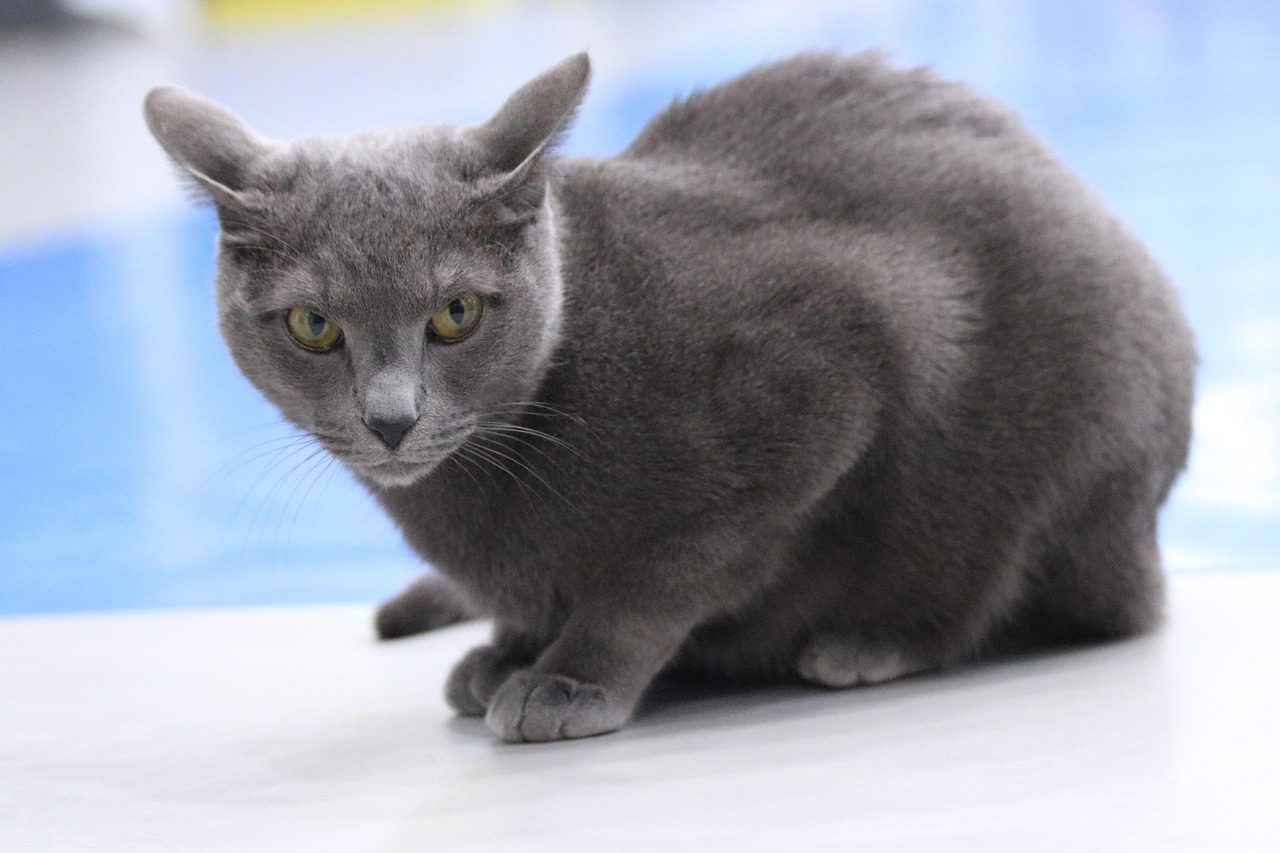
Russian Blue cats were the most likely to show shyness towards novel objects and had the highest probability for shyness towards strangers. This inherent shyness extends to their relationships with other pets, making them one of the more challenging breeds for multi-pet households. Their reserved nature means they prefer observing from a distance rather than engaging.
Russian Blues are more reserved than Maine Coons. They are quieter and prefer to live in calm, quiet households. These cats tend to shy away from strangers and may hide under the couch or bed when company comes over. This same tendency to retreat affects their ability to bond with new animal companions, often requiring months of gradual introduction.
#12 Manx Cats
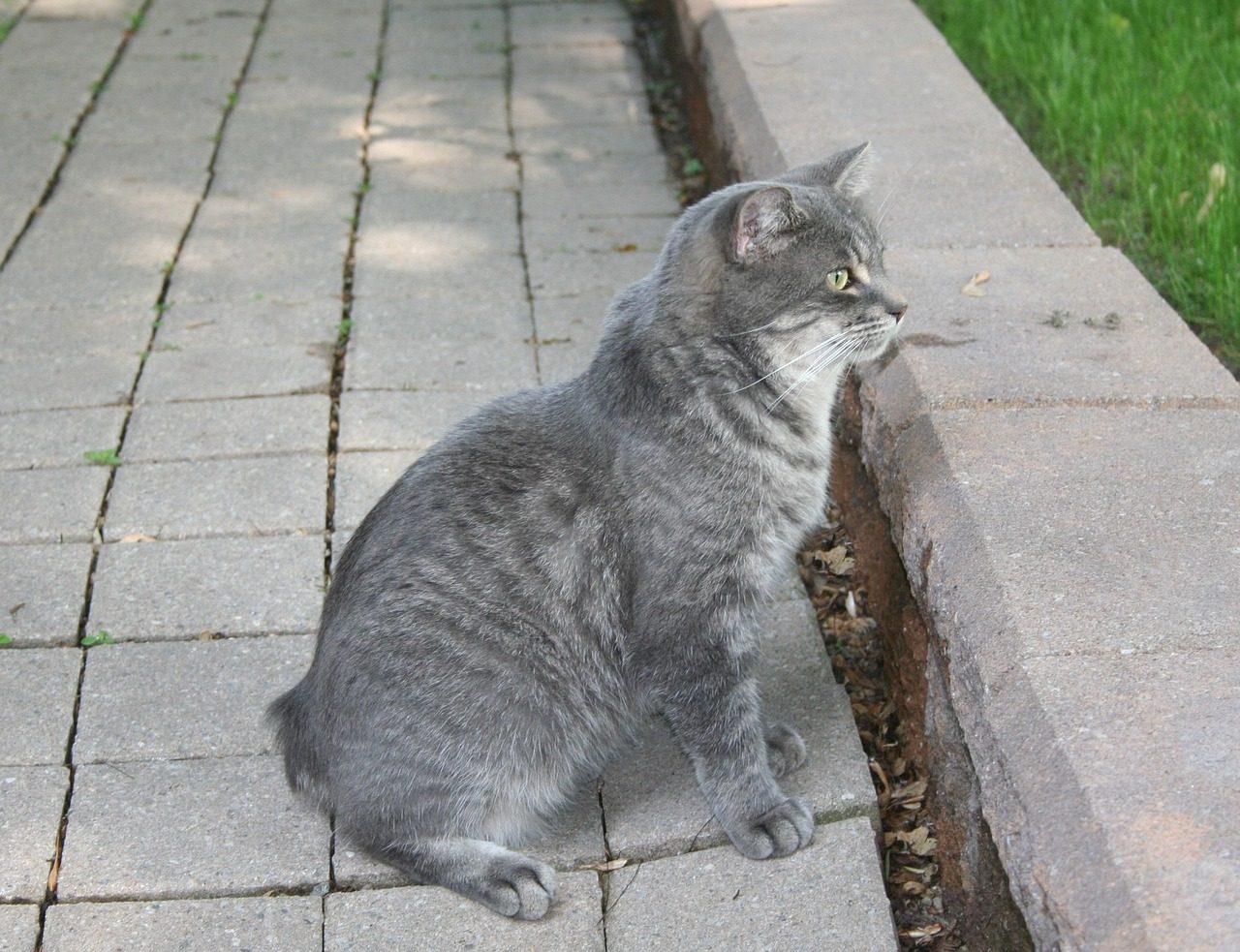
The tailless wonder known as the Manx presents unique socialization challenges that go beyond their distinctive appearance. Endearing and loyal, Manx cats often choose a human in the family to shower with their full attention. This intense human bonding can create jealousy issues when other pets compete for their chosen person’s attention.
Like many of the cats on our list, the Manx tend to bond strongly with their owners, but may have difficulty with moving to a new home. This same attachment-related anxiety extends to accepting new pets into their established territory. Their athletic nature and powerful jumping abilities also mean they can easily escape to high places when stressed by other animals, making consistent socialization nearly impossible.
#11 American Wirehair
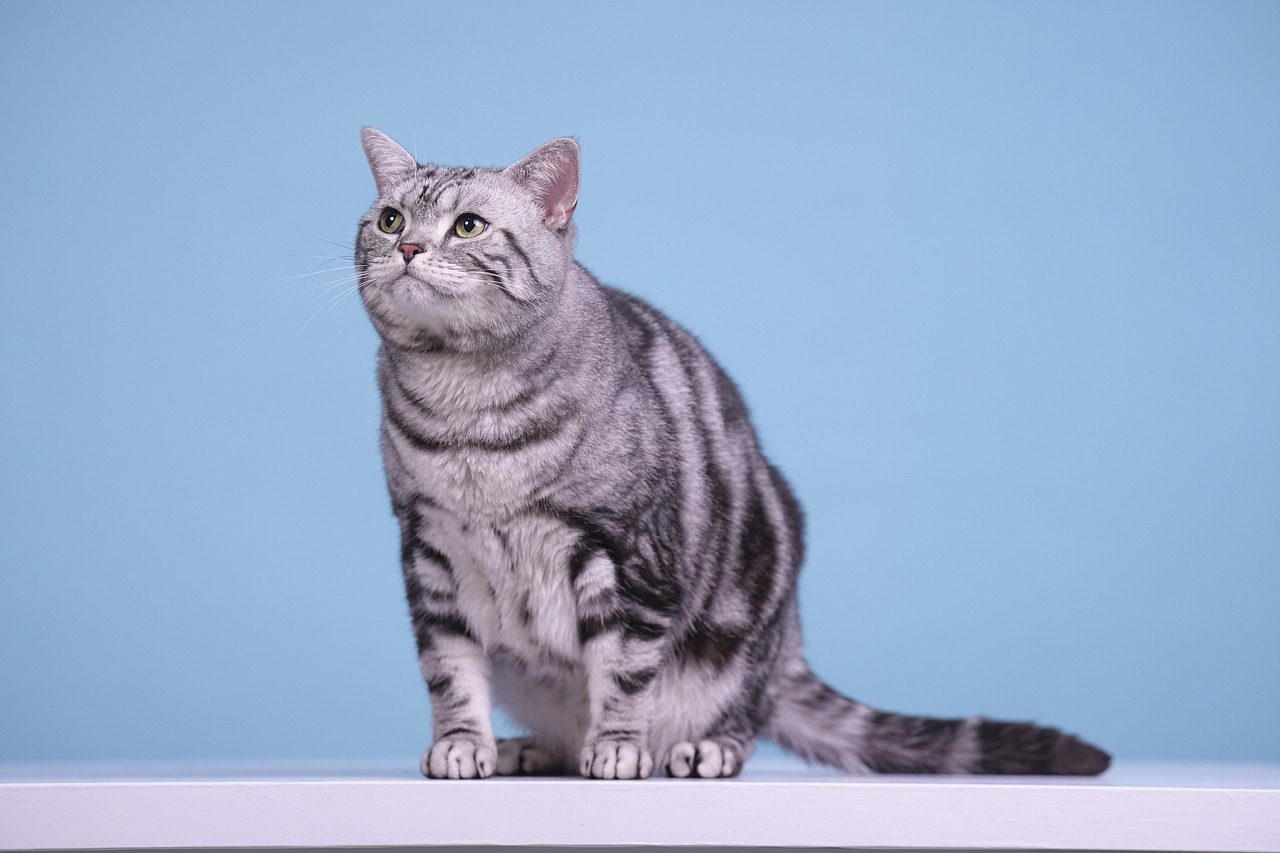
The American Wirehair is a natural hunting cat, and while they don’t have any one area where they’re super challenging, they require a little more attention in every area. They need plenty of socialization, plenty of exercise, and plenty of attention; otherwise, you might have a temperamental cat on your hands. Their hunting instincts can make them view smaller pets as potential prey rather than companions.
The challenge with American Wirehairs isn’t necessarily aggression, but rather their high-maintenance nature across all aspects of socialization. They demand consistent, intensive effort in every area of their development. When this comprehensive approach isn’t maintained, they can become moody and uncooperative, making pet introductions particularly stressful for both the cats and their owners.
#10 Korat
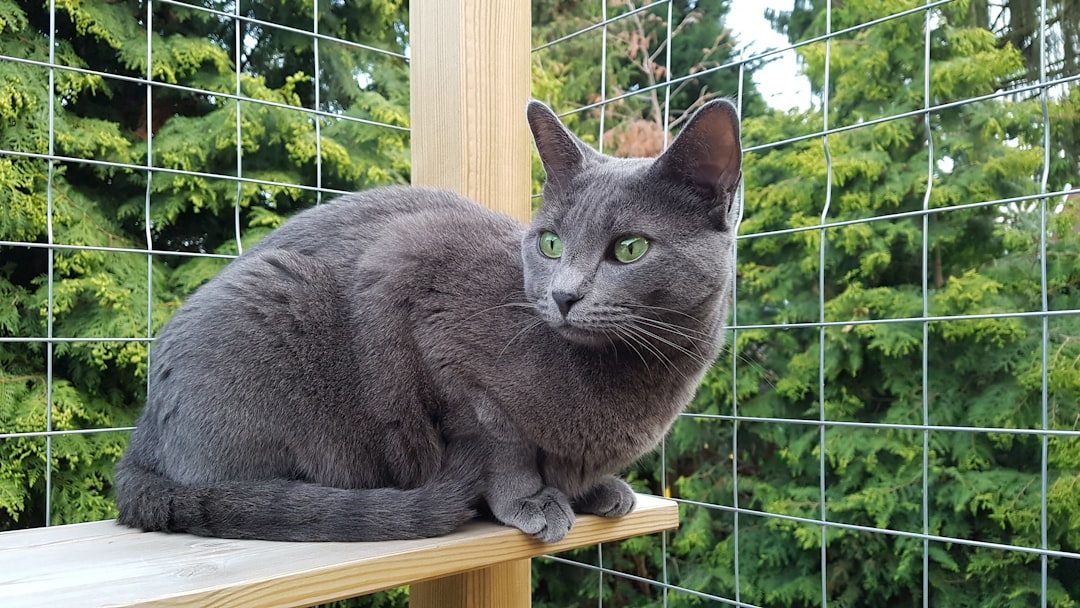
If you live in a busy and noisy home, the Korat is NOT the right cat for you. These kitties aren’t particularly nasty when they’re left in peace, but they can become nervous or scared when things get a little to rambunctious around them. Unlike more mellow breeds that will simply hide until they feel safe, Korat reacts aggressively out of self-defense. This defensive aggression makes them particularly challenging around playful dogs or energetic cats.
Korats tend to show indifference to unknown humans and have been known to become problematic when left to their own devices without any stimulation or interaction. If they feel they do not have your full attention, Korats are likely to paw an individual to evoke a reaction. This attention-seeking behavior combined with their sensitivity to chaos creates a perfect storm for inter-pet conflicts.
#9 Singapura
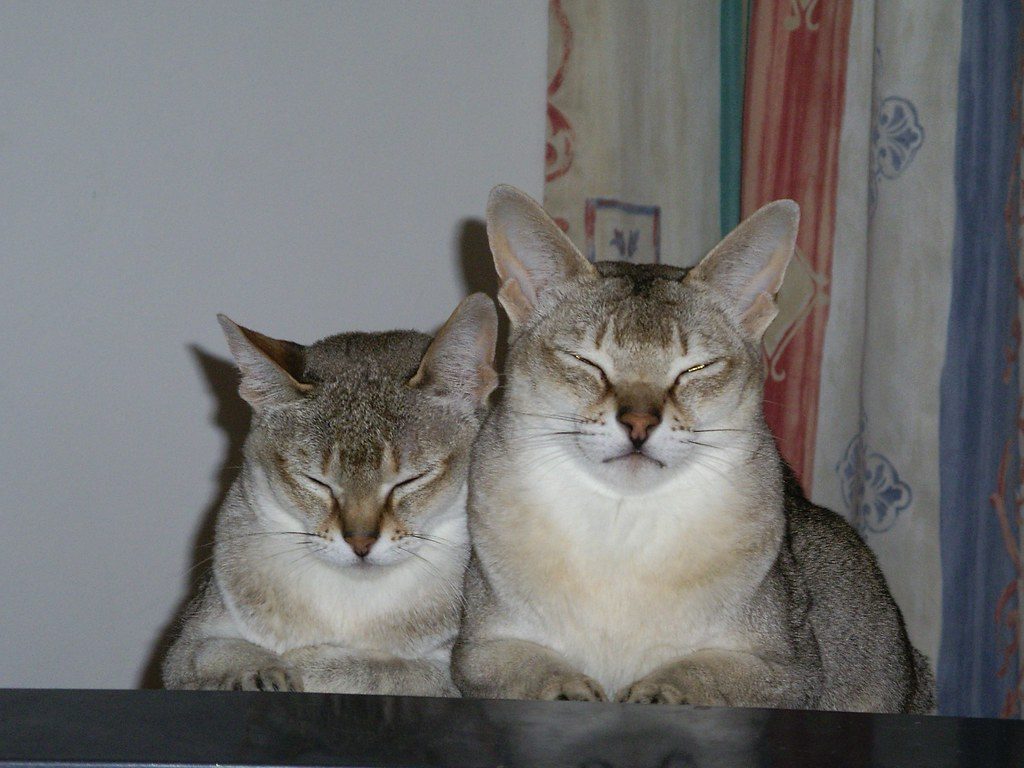
Singapura is yet another example of a cat that loves to have fun with his people but acts totally different around strangers. They become rather aggressive when they feel like they’re in danger. This fear-based aggression extends to their interactions with other pets, especially those they perceive as threatening to their small stature.
They also have high socialization requirements. In other words, if you don’t bond with them early on, they may act out towards you. The window for proper socialization with other pets is incredibly narrow, and missing this critical period often results in a Singapura who remains suspicious and defensive around other animals throughout their life.
#8 Egyptian Mau
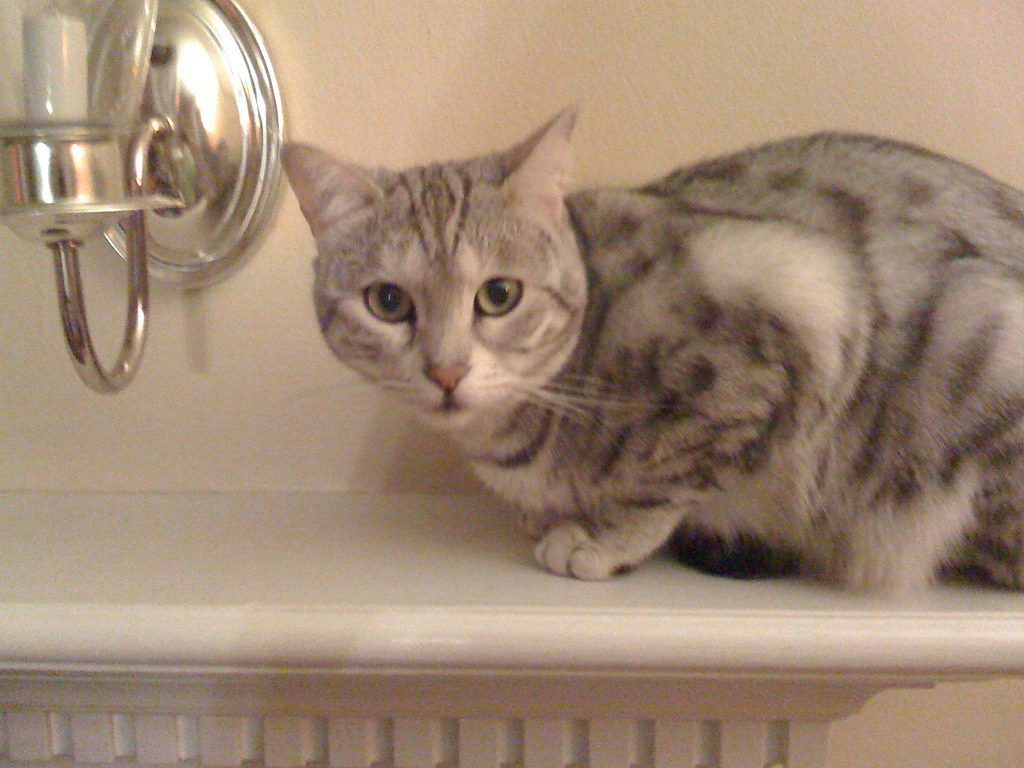
If you want a dog-like cat, the Egyptian Mau is the way to go. However, they are extremely intelligent cats, and if you don’t find ways to keep them mentally stimulated, they can lash out and be challenging to own. But give them some unique toys and plenty of attention and you shouldn’t have to worry about this. Their high intelligence can work against peaceful coexistence when they become bored.
Having high intelligence means that they tend to lash out when they are bored. Smart cats who lack proper mental stimulation often redirect their energy toward pestering other pets, creating ongoing household tension. Their dog-like loyalty to their humans can also manifest as protective behavior that excludes other animals from the inner circle.
#7 Turkish Van
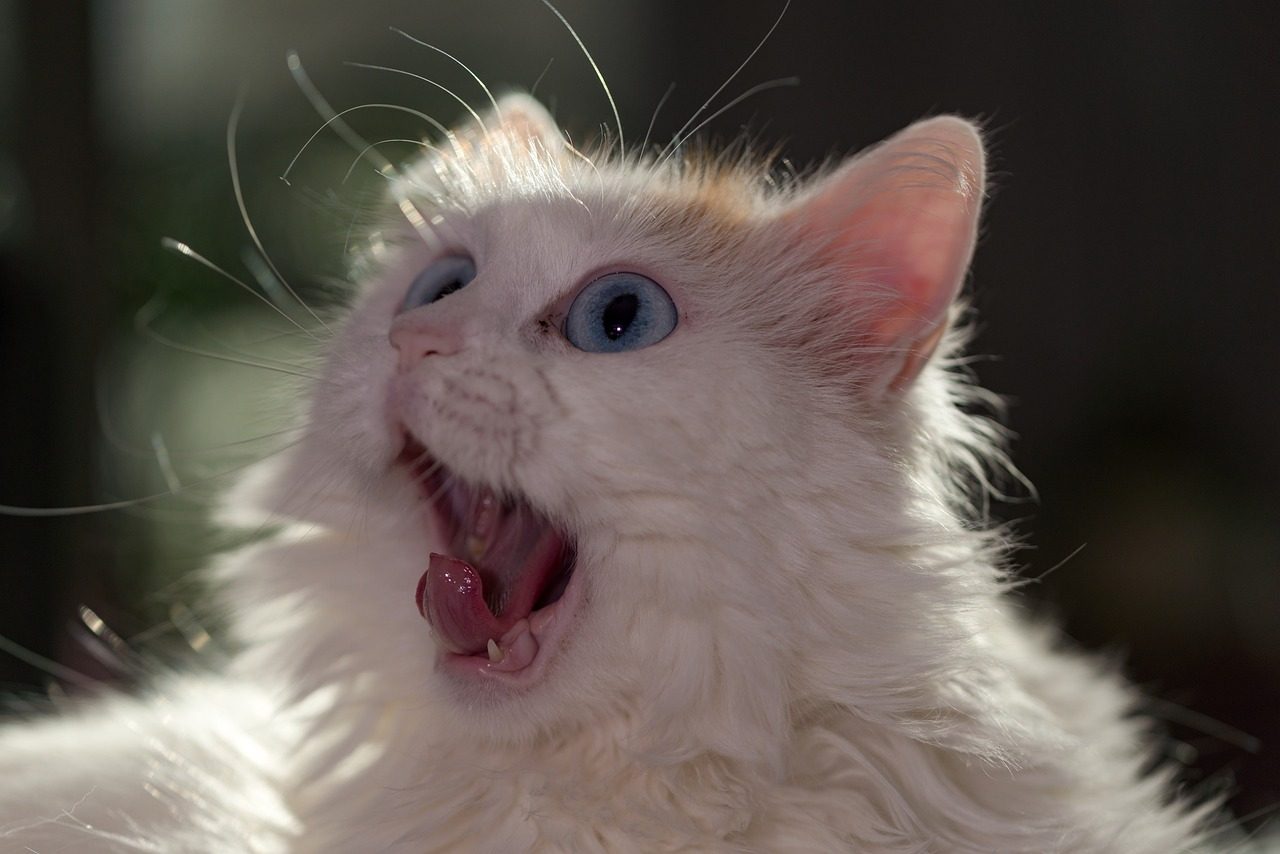
A recent study of over 40 breeds found that Turkish Vans were the most likely to display aggression towards people and other cats. The Turkish Van is a cat that prefers to be the only cat in the household. They are also fond of strangers. Ensure that you properly socialize your Turkish Van as a kitten, so they don’t become territorial when a stranger enters the home. This research-backed aggression makes them particularly challenging in multi-pet environments.
Turkish Vans are very territorial and people typically find them staring out the windows for long periods of time. This breed requires plenty of attention from their owners because they like being pampered, but if this cat becomes neglected then he might become aggressive towards other pets or even humans in your home. Their territorial nature combined with high attention needs creates a volatile mix when other pets compete for resources.
#6 Scottish Fold
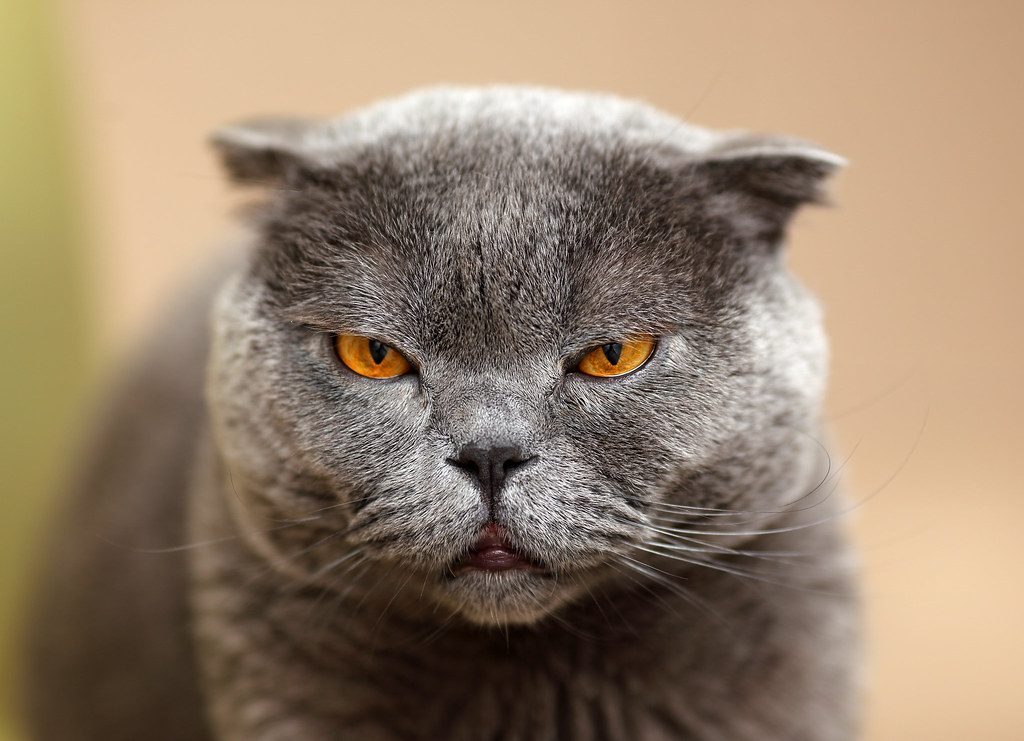
This breed is quite sensitive to change and may become aggressive when new pets are brought home. This cat is also not the friendliest toward babies and children. The Scottish Fold doesn’t like to share the attention and is also fond of rough petting. Their sensitivity to change makes pet introductions particularly stressful experiences that can trigger lasting behavioral issues.
With the right socialization, the Scottish Fold is one of the most loving and adorable cat breeds out there. However, Scottish Folds require a lot of attention, so if you’re not going to spend a ton of time with them, you could run into problems. We suggest researching this breed first, as they aren’t for someone who’s stuck at work all day. Their high maintenance nature means they often view other pets as competition rather than companions.
#5 Donskoy
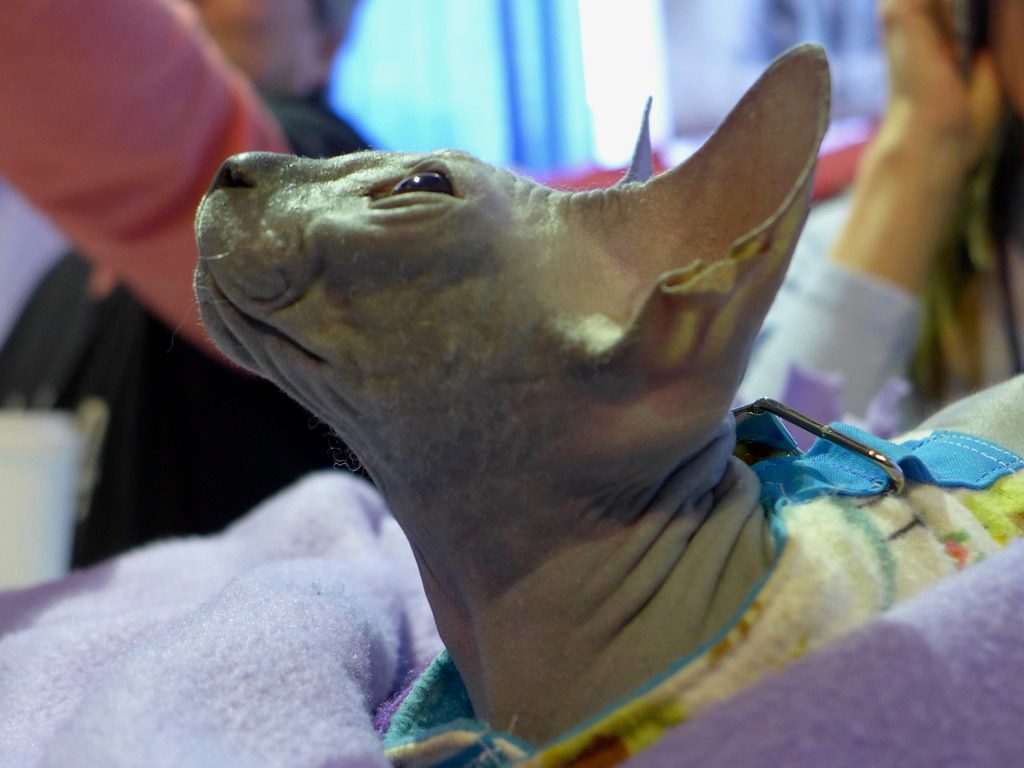
Donskoy cats are territorial animals, so they can often appear aggressive and hostile to other cats they deem as a threat or intruder in their loving, safe space. This is why socializing your pet Donskoy is key to curating a loving feline home without causing strenuous relationships between your pets. Their territorial instincts run deep, making them natural guardians of their domain against all perceived invaders.
Hailing from Russia, this breed is often mistaken for a Sphynx. Despite their hairless appearance, the Donskoy craves love and attention. They can be a bit territorial so introducing them to other cats needs careful handling. The combination of attention-seeking behavior and territorial aggression creates a challenging dynamic that requires expert intervention to manage successfully.
#4 Bombay
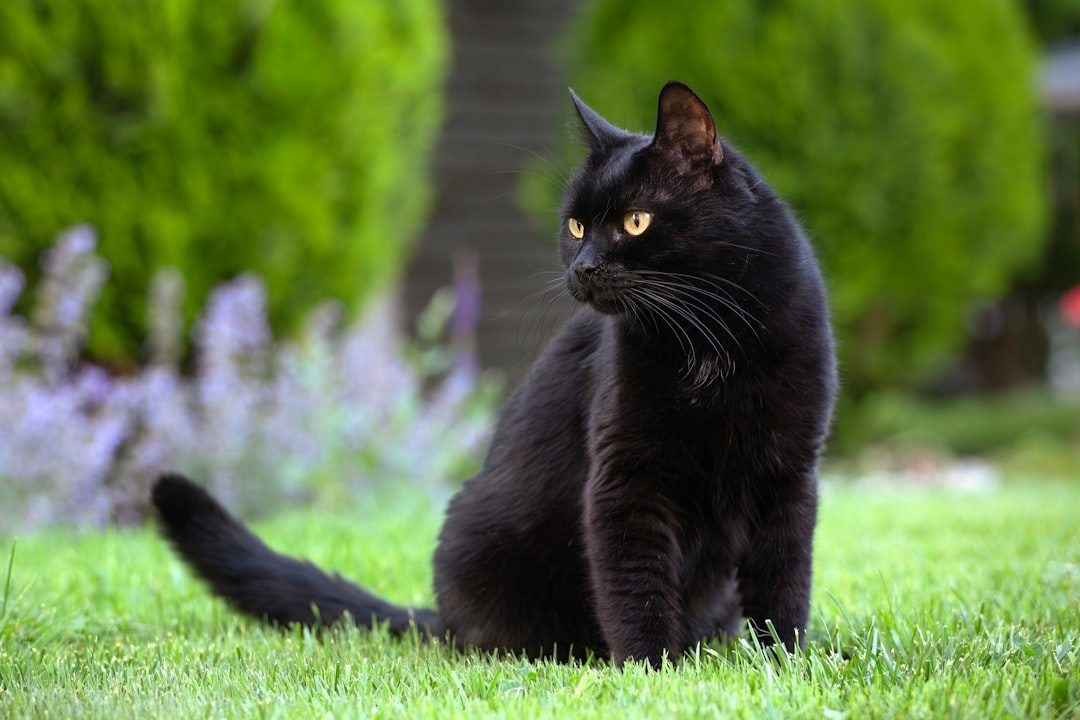
Bombay cats love attention from their owners and will always try to make sure that everyone knows it. However, if you don’t give these cats your full attention, this breed will cause problems. They are very territorial and do not like to share their owner with anyone else. This cat can be aggressive if it feels neglected, but if you make sure that the owner of the cat spends plenty of time playing with him then he will get along better with everyone around them. Their possessive nature toward their humans creates intense jealousy toward other pets.
As the Bombay breed is a hybrid mix, they have numerous strong behavior traits. They are known to be both fearless and aggressive and have a litter box aversion. They have sturdy and small-to-medium bodies, which means that they can be surprisingly forceful for their size during playfights. Much like the Siamese and Sphynx cat, the Bombay requires a significant amount of attention, which, when not met, can come out in aggressive tendencies. Their physical strength combined with fearless personality makes conflicts with other pets potentially dangerous.
#3 Sphynx
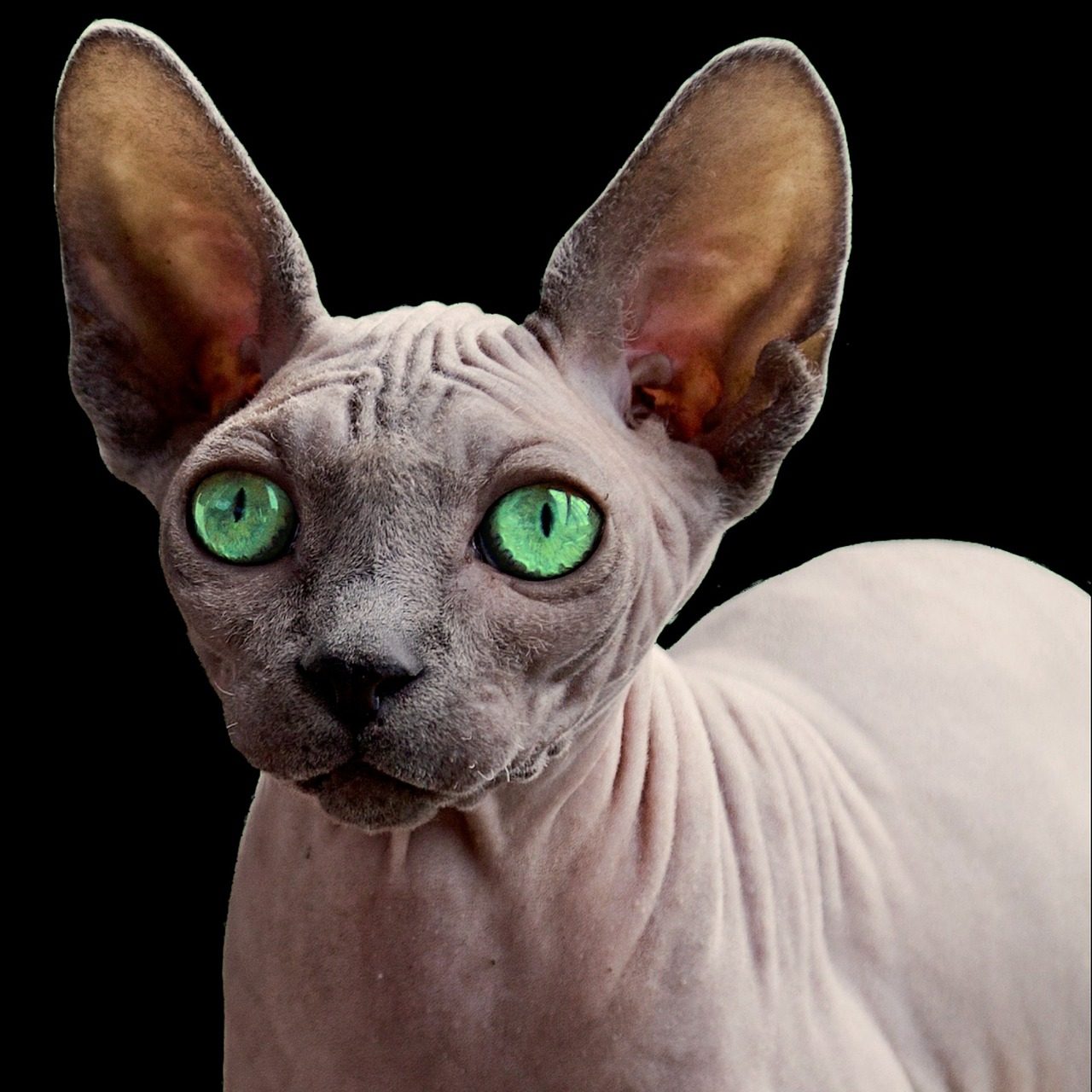
Sphynx cats are intelligent, but they have a very independent streak and can be aggressive because of it. They do not want to be told what to do, so training them is difficult. This independence extends to their relationships with other pets, where they prefer to set the terms of engagement rather than follow established pack hierarchies.
In an ideal situation, these cats will be left alone a lot because they do not interact well with other animals or children. Sphynxes are hyperactive cats that need plenty of playtime, and they are also incredibly intelligent. This means that they are capable of learning tricks, with some owners saying that they have successfully taught their Sphynx to play fetch. Their high energy combined with independence makes them overwhelming companions for most other pets.
#2 Bengal
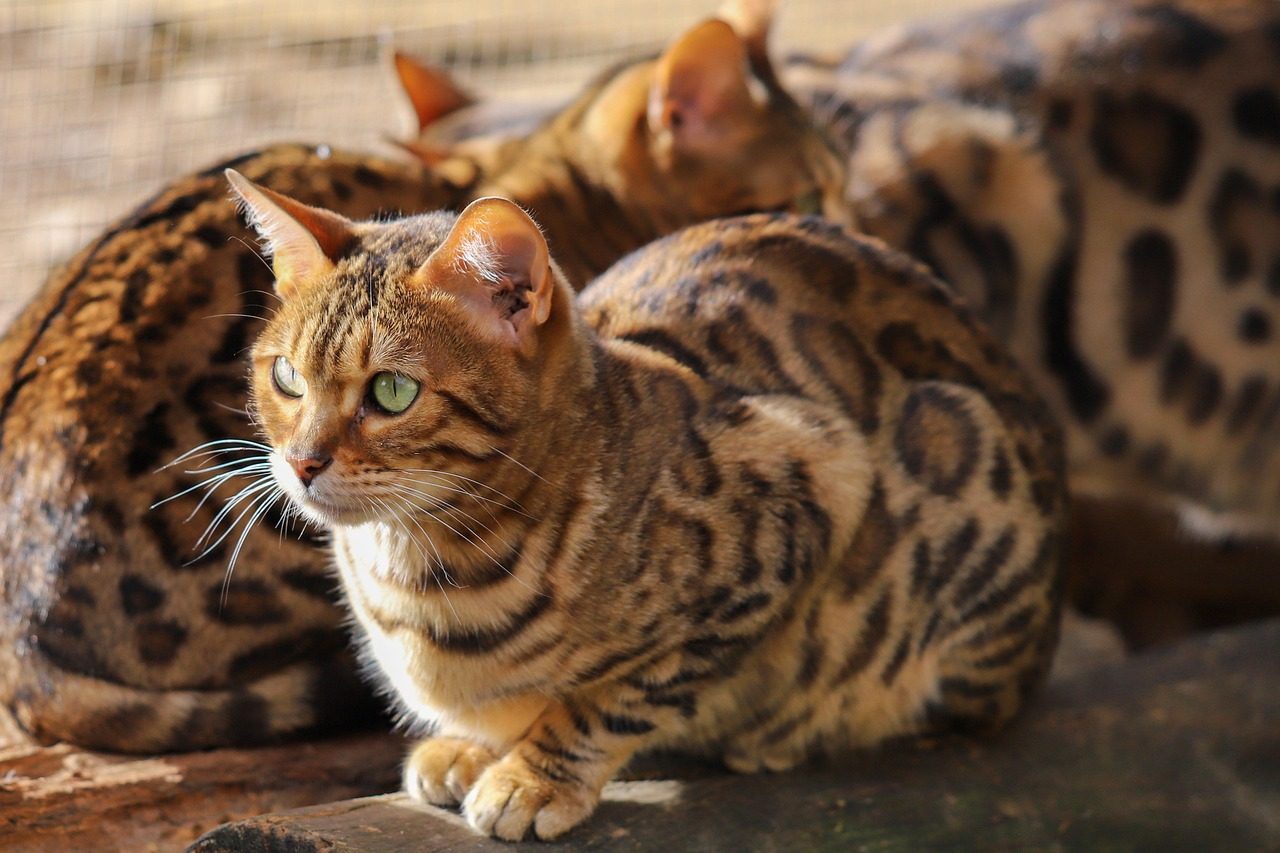
Bengal cats are very dominant and often become aggressive if their owners try to control them too much. They have a high energy level, so it is important for the owner of this cat to take on an active role in its life by playing with it frequently. Also, because these cats are destructive, it will be difficult to train them not to do certain things that they shouldn’t be doing such as jumping onto counters or scratching furniture. If you provide plenty of toys for this cat to play with then the behavior problems should subside somewhat because these cats love anything that allows them to use their natural instincts. Their wild ancestry makes them naturally dominant and territorial.
Behavioral issues like territorial spraying and play aggression are quite common if this Bengal breed doesn’t meet its needs. The Bengal is notoriously high maintenance, so you’ll need to put a lot of time into this cat to avoid aggressive behavior. Their hybrid vigor and wild instincts make them formidable opponents when conflicts arise with other pets, often resulting in serious injuries.
#1 Siamese
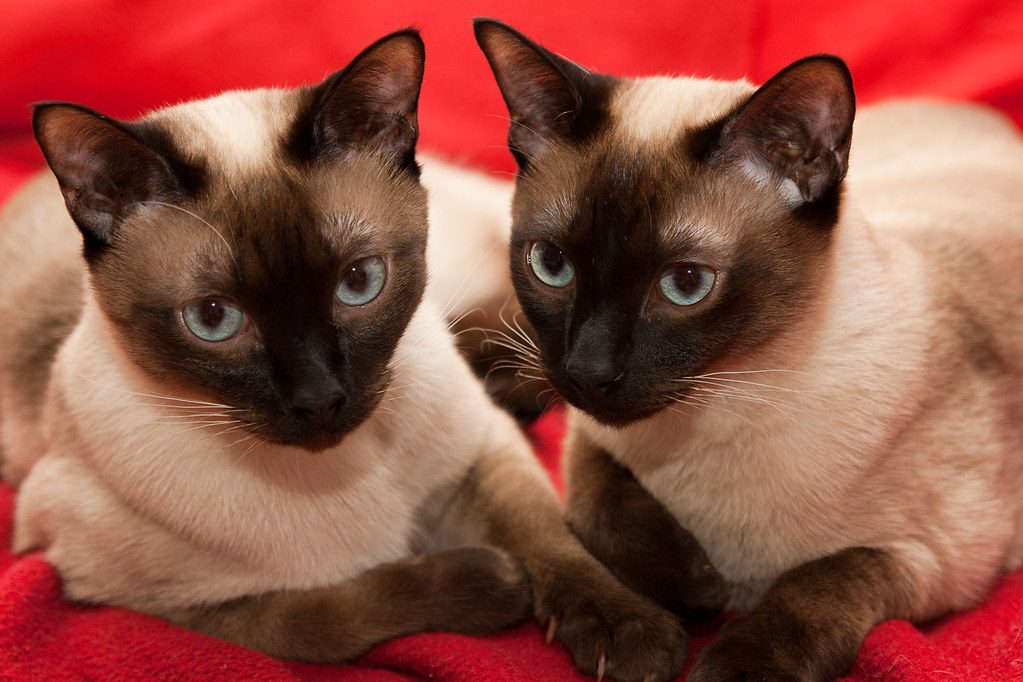
Siamese cats are known for being one of the most aggressive and territorial out of them all. If you own other pets, it is crucial to understand that Siamese cats are very jealous and will take a long time to get used to them. Siamese cats are very needy, so if they feel like they are not receiving enough attention from their owners, they will potentially lash out. Their reputation as the most challenging breed for multi-pet households is well-documented and consistently reported by trainers.
If you ask people, “What’s the meanest cat breed?” The Siamese will be one of the first breeds mentioned. Despite their striking blue eyes and elegant body, the cute Siamese has a reputation for being jealous, aggressive, and territorial. What most people don’t realize is that Siamese cats bond very closely with a single person and are happy to ignore the rest of the family. This intense human bonding creates a zero-sum mentality where other pets are seen as competitors for their beloved person’s affection, making successful socialization extremely rare without professional intervention.
Conclusion
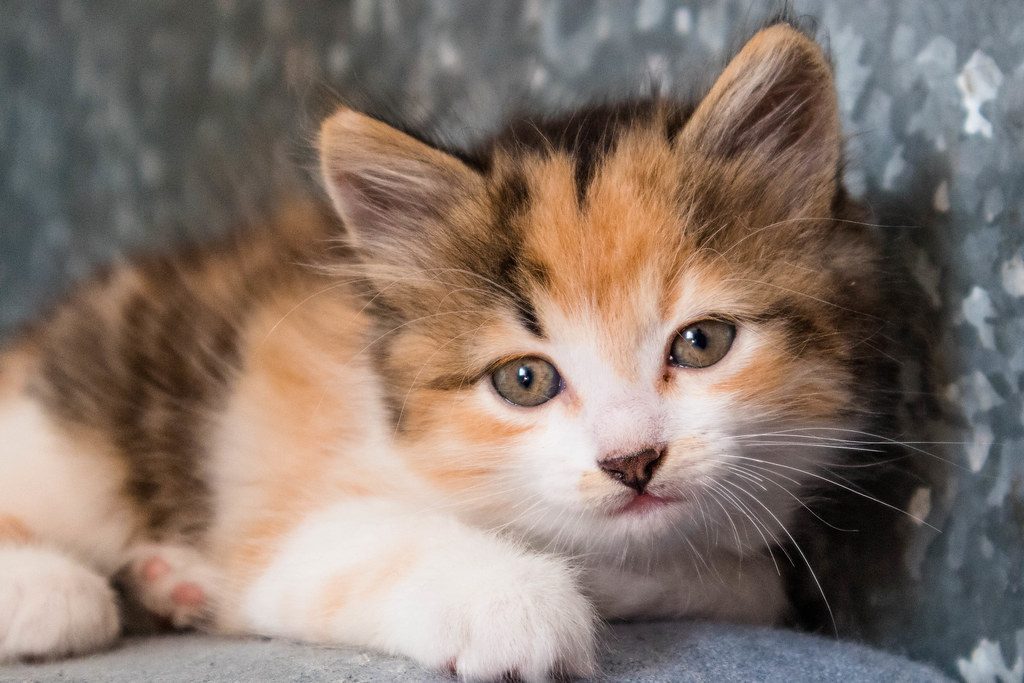
While these breeds present unique challenges, remember that individual cats within each breed can vary dramatically in temperament. Genetics provide the blueprint, but early socialization, environment, and owner dedication play crucial roles in shaping behavior. While some cats have a bad reputation as a mean and aggressive breed, it’s important to note that every cat can make a great pet if you meet their basic needs and socialize them correctly. The cat breeds we’ve highlighted here can be a bit more challenging to own, and if you don’t meet their basic needs, they can lash out, which can lead to aggressive behaviors and tendencies! However, all cats can be socialized and trained if you start from a young age.
The key takeaway isn’t to avoid these breeds entirely, but to understand their needs and limitations before adding them to multi-pet households. With patience, professional guidance, and realistic expectations, even the most challenging felines can learn to coexist peacefully. What’s your experience with multi-pet socialization? Have you encountered any of these challenging breeds in your own home?
