


Animals are magnificent creatures that have always captured human curiosity. Their unique behaviors, adaptations, and characteristics never fail to amaze us. Whether it’s the cunning strategies of predators or the surprising habits of the common house pet, animals continue to surprise and delight us with their diversity and complexity. In this article, we delve into 14 astonishing animal facts that might just make you see the animal kingdom in a whole new light. Get ready to be wowed by the wonders of nature!
The Clever Crows

Crows are among the most intelligent birds on the planet. They have been observed using tools to solve complex problems. For instance, crows in urban areas have been seen placing nuts on roads for cars to crack open the shells. This shows a remarkable level of reasoning and planning. Additionally, crows have excellent memory and can remember human faces for years, distinguishing between those who are friendly and those who pose a threat. Their intelligence is comparable to that of a seven-year-old child, making them fascinating subjects of study.
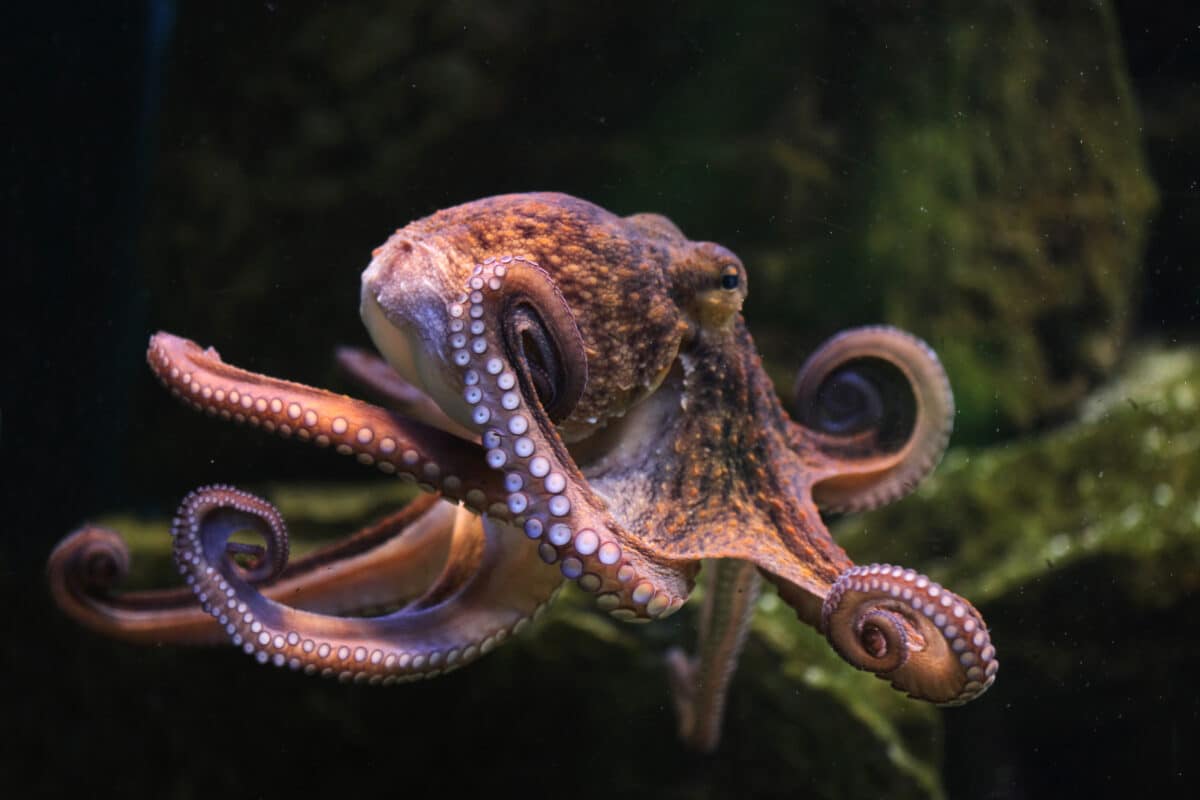
Octopuses The Masters of Disguise

Octopuses are renowned for their incredible ability to camouflage. They can change their skin color and texture in an instant, blending seamlessly with their surroundings. This skill is not just for hiding from predators but also for sneaking up on prey. Octopuses have specialized skin cells called chromatophores that allow them to mimic their environment. Additionally, they possess a decentralized nervous system, meaning their arms can operate independently of their brains. This allows them to multitask efficiently, making them adept hunters and escape artists.
The Mighty Mantis Shrimp

The mantis shrimp is a small marine crustacean with a punch that can shatter glass. Its club-like appendages accelerate faster than a bullet, delivering a forceful blow to its prey. This incredible power is due to a unique spring-loaded mechanism in their arms. Furthermore, mantis shrimps have the most advanced eyes in the animal kingdom, capable of seeing polarized light and detecting cancer cells. Their vision allows them to navigate complex underwater environments with ease, making them formidable predators in the ocean.
Dolphins’ Signature Whistles

Dolphins are known for their playful nature and intelligence, but did you know they have unique “names”? Dolphins use signature whistles to identify themselves, much like humans use names. These whistles are developed at a young age and remain consistent throughout their lives. Dolphins can recognize each other’s whistles even after decades of separation. This sophisticated communication system highlights their advanced social structures and cognitive abilities, making them one of the most intelligent marine animals.
The Immortal Jellyfish

The Turritopsis dohrnii, commonly known as the immortal jellyfish, has the astonishing ability to reverse its aging process. When faced with environmental stress or physical damage, it can revert to its juvenile form, essentially starting its life cycle anew. This biological phenomenon is known as transdifferentiation. While not truly immortal, this ability allows the jellyfish to potentially live indefinitely under the right conditions. Scientists are studying this process to understand aging and regeneration, hoping it might unlock secrets for human longevity.
Elephants’ Empathy

Elephants are known for their impressive memory, but they also exhibit profound empathy. They have been observed comforting each other in distress, using their trunks to offer reassurance. Elephants mourn the loss of herd members, often revisiting the bones of deceased relatives. This emotional depth is indicative of their complex social structures and intelligence. Elephants also demonstrate self-awareness, recognizing themselves in mirrors, a trait shared with only a few other species, including humans. These gentle giants remind us of the emotional capacities present in the animal kingdom.
The Sleepy Koalas

Koalas are often associated with sleepiness, and for good reason. These marsupials sleep up to 18-20 hours a day! This excessive sleep is due to their low-energy diet of eucalyptus leaves, which are toxic and require a lot of energy to digest. Koalas have a specialized digestive system to detoxify the leaves, but it takes a lot of time and energy, hence their long naps. Despite their sleepy demeanor, koalas are excellent climbers and have sharp claws for gripping tree branches, making them perfectly adapted to their arboreal lifestyle.
The Color-Changing Chameleons

Chameleons are famous for their ability to change color, but this skill is not just for camouflage. They also change color to communicate with other chameleons and regulate their body temperature. The color change is controlled by layers of specialized cells in their skin, which expand or contract to reflect different wavelengths of light. This ability allows them to signal aggression, attract mates, or simply blend in with their surroundings. Chameleons are a testament to the intricate adaptations that have evolved in the animal kingdom.
Penguins’ Unique Parenting

Penguins are remarkable parents, especially the emperor penguins of Antarctica. After the female lays a single egg, the male takes on the role of incubating it, balancing it on his feet to keep it warm. During this time, the male fasts, relying on stored body fat to survive the harsh winter. Meanwhile, the female travels to the sea to feed, returning months later to take over parenting duties. This cooperative parenting strategy ensures the survival of their chicks in one of the most extreme environments on Earth.
The Echoing Bats
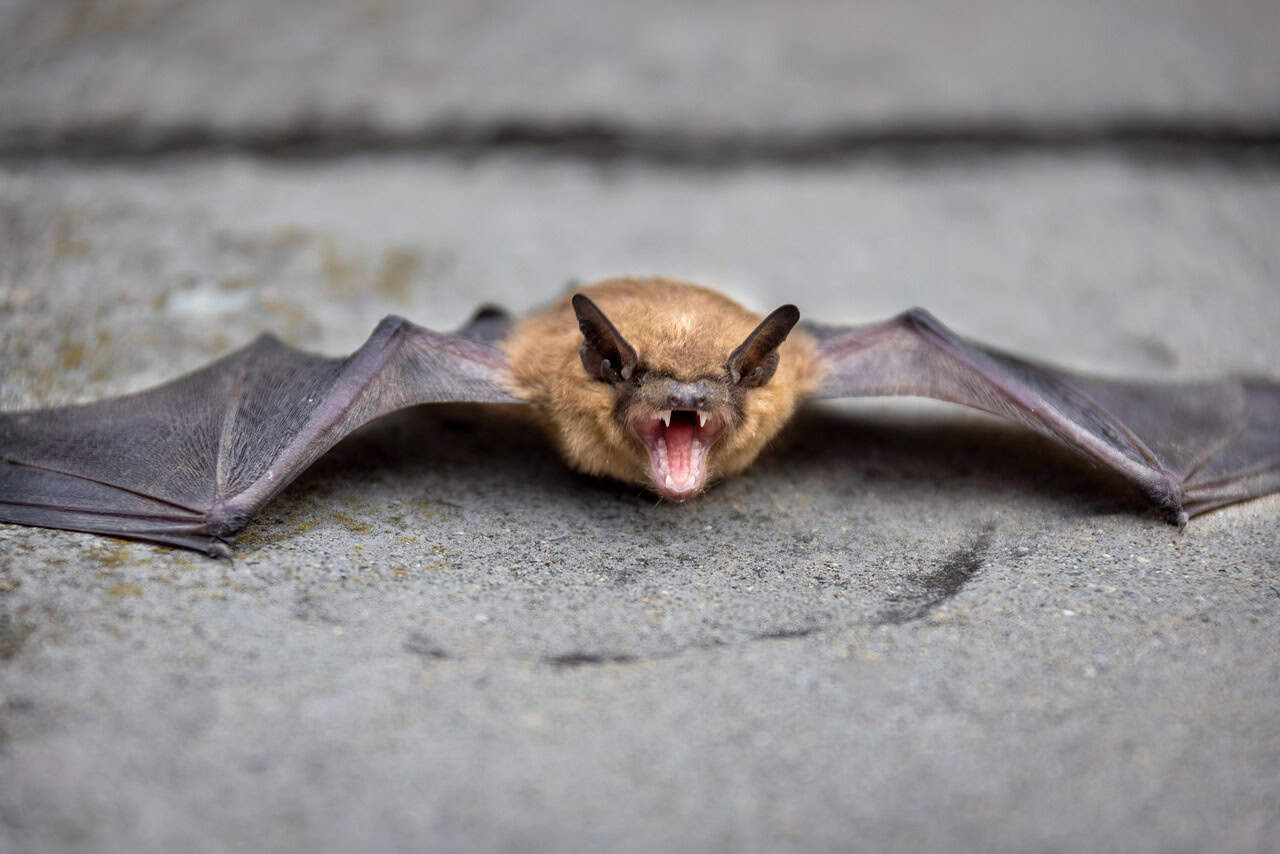
Bats are the only mammals capable of sustained flight, and they navigate the night skies using echolocation. By emitting high-frequency sound waves, bats can detect obstacles and prey, even in complete darkness. This sonar-like ability allows them to hunt insects with incredible precision. Some species of bats can even detect the fluttering of a moth’s wings, showcasing their acute hearing. Echolocation is a remarkable adaptation that enables bats to thrive in nocturnal environments, making them vital players in controlling insect populations.
Beavers Nature’s Engineers

Beavers are renowned for their ability to transform landscapes by building dams. These industrious rodents construct complex structures using branches, mud, and stones to create ponds that provide safe havens from predators. The ponds also create wetland habitats that support a diverse array of wildlife. Beavers have sharp teeth that never stop growing, allowing them to fell trees efficiently. Their engineering skills are not only crucial for their survival but also play a significant role in maintaining healthy ecosystems.
The Graceful Giraffes

Giraffes are the tallest land animals, with necks that can reach up to six feet long. However, despite their height, giraffes have the same number of neck vertebrae as humans—seven! Their long necks are adapted for reaching high foliage, but they also play a role in social interactions. Male giraffes engage in “necking” battles, swinging their heads like sledgehammers to establish dominance. Giraffes have a unique cardiovascular system to manage blood flow, preventing fainting when they lower their heads to drink water.
The Playful Sea Otters

Sea otters are known for their playful and curious nature, often seen floating on their backs or using rocks to crack open shellfish. They have the densest fur of any animal, with up to a million hairs per square inch, providing insulation in cold waters. Sea otters are keystone species, playing a crucial role in maintaining the balance of kelp forest ecosystems. By preying on sea urchins, they prevent overgrazing of kelp, ensuring the health and biodiversity of these underwater forests.
The Resilient Axolotls

Axolotls are unique amphibians capable of regenerating lost body parts, including limbs, spinal cord, and even parts of their brain. This remarkable ability has made them a subject of scientific research, with hopes of applying their regenerative powers to human medicine. Axolotls retain their juvenile features throughout their lives, a phenomenon known as neoteny. Native to Mexico, these “walking fish” have captured the fascination of scientists and hobbyists alike, offering insights into the possibilities of regeneration and development.
Conclusion
In conclusion, the animal kingdom is full of wonders and surprises. From the intelligence of crows to the regenerative abilities of axolotls, each species has its unique story and contribution to the tapestry of life. These fascinating facts not only highlight the diversity of life on Earth but also remind us of the beauty and complexity of nature. As we continue to explore and understand the world around us, let us cherish and protect these incredible creatures that share our planet.

As a little kid, I fell in love with nature, wildlife, and animals. Living in the USA, South Africa, Italy, China and Germany gave me the opportunity to discover the world's Wildlife. My favorite animals are Mountain Gorillas, Siberian Tigers, and Great White Sharks.
I'm a certified PADI Open Water Diver, went to Everest Base Camp and Trekked Gorillas in Uganda. I hold a Master of Science in Economics and Finance.
Please send any feedback to feedback@animalsaroundtheglobe.com
- 10 Most Unique Reptiles You will See in the US - July 21, 2026
- 3 Dangerous Invasive Species the USA Must Eradicate - July 21, 2026
- 10 Things That Calm Cats And 4 That Make Them Nervous - July 21, 2026
Leave a comment
You must be logged in to post a comment.