

When natural disasters strike, our first thoughts often turn to our loved ones—and that includes our cherished pets. Whether it’s a hurricane, earthquake, wildfire, or flood, the chaos and unpredictability of these events can pose significant risks to pets. Understanding the potential dangers and planning accordingly can be lifesaving for our furry family members. This article examines the 14 most dangerous places for pets during natural disasters, offering insights to protect them when nature strikes its fiercest blow.
Why Natural Disasters Threaten Pets

Natural disasters can create hazardous environments for pets due to their instinctual vulnerabilities and reliance on human guardianship. From confusion and disorientation to physical harm and lack of resources, pets face numerous threats. Without proper planning and awareness, these dangers can lead to injury, separation, or worse. Knowing where the risks lie is the first step toward ensuring their well-being during such events.
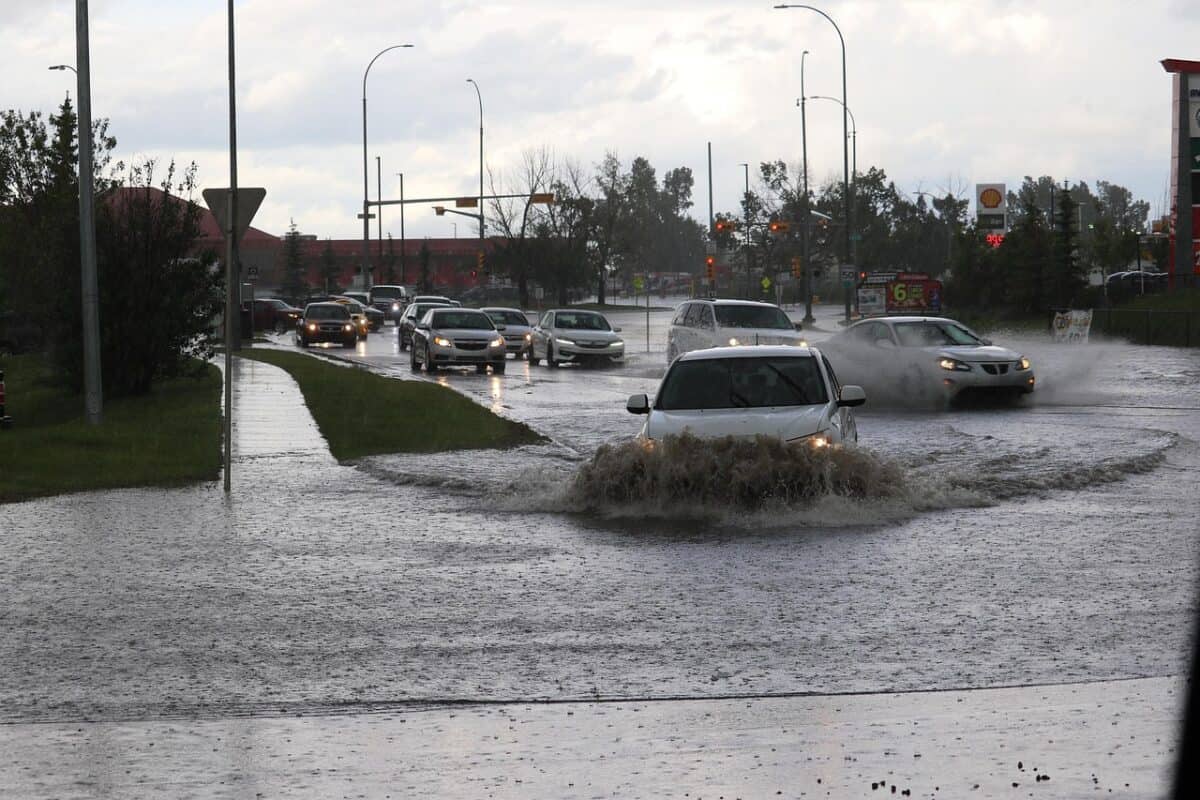
The Perils of Flood Zones

Flood zones are particularly treacherous for pets. Rising waters can lead to drowning, hypothermia, and contamination of drinking supplies. Additionally, pets left outside or in poorly secured areas are at risk of being swept away. It’s crucial to ensure that pets are kept in elevated, secure locations during flood warnings and relocated to safety if an evacuation is ordered.
Constricted Urban Spaces

In densely populated urban areas, natural disasters can lead to hazardous situations for pets, such as exposure to falling debris and broken glass. The confusion of large crowds and the scarcity of open space can make it hard to find safety. Owners should identify pet-friendly emergency shelters and have a plan to evacuate crowded cities when necessary.
Unstable Homes
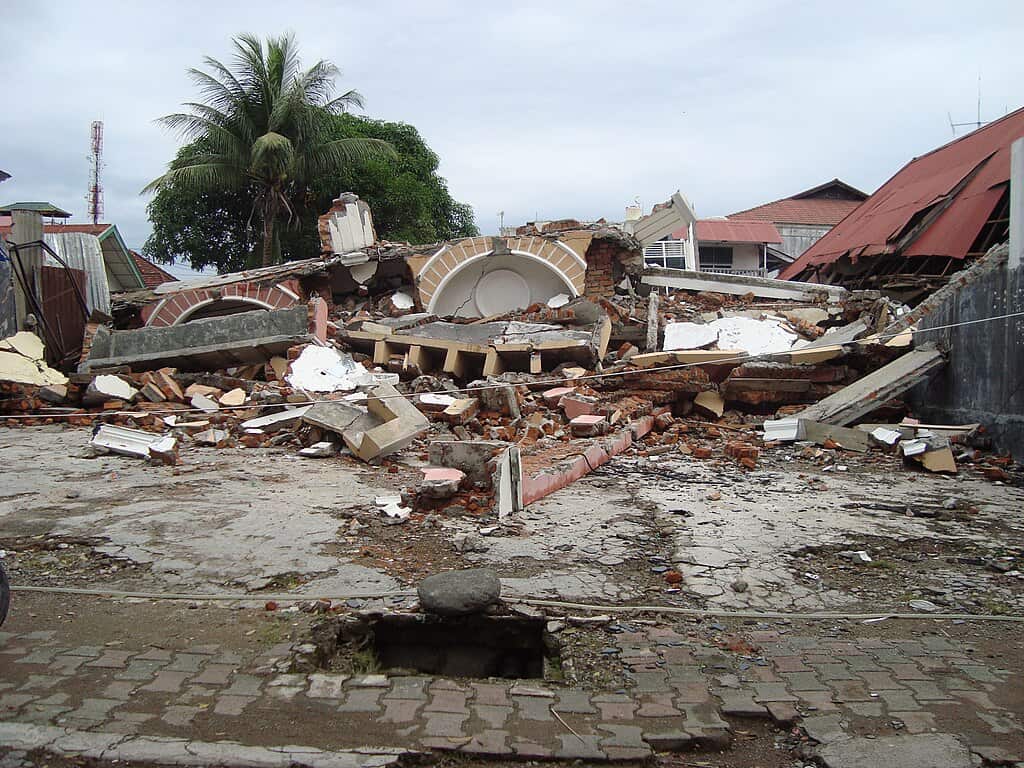
During an earthquake or severe storm, houses themselves can become dangerous for pets. Collapsing structures, falling objects, and shattered windows pose immediate physical threats. Pets should have access to safe zones, ideally away from windows and heavy objects, to protect them from structural failures.
Forest Fire Zones
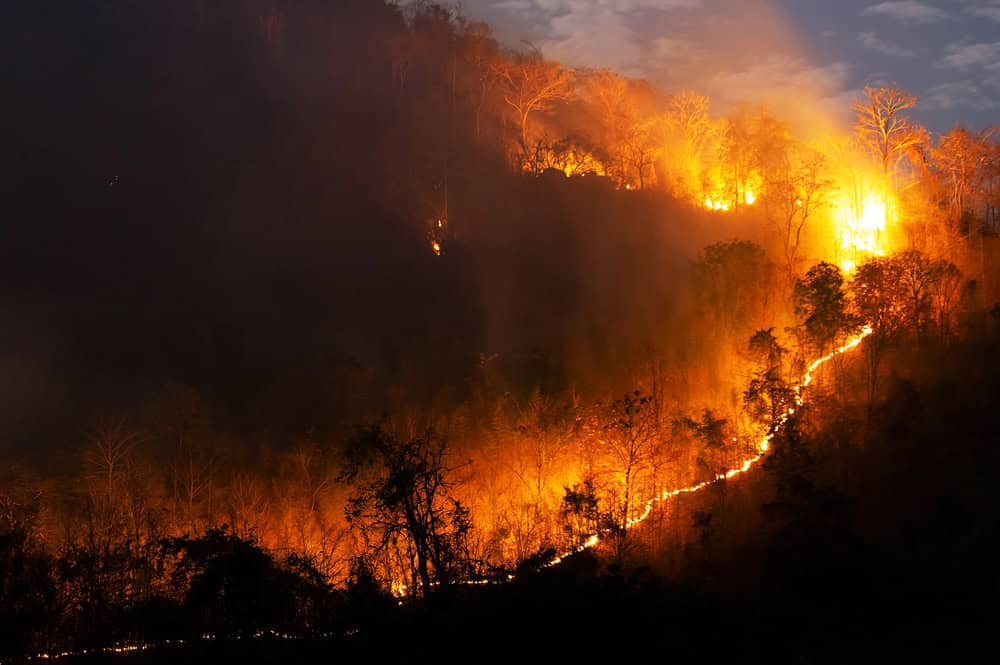
Wildfires spread rapidly, creating a terrifying scenario for pets left behind. Smoke inhalation, burns, and disorientation are significant risks. For those living near forested areas, it’s essential to incorporate pet-inclusive wildfire evacuation plans and ensure they have proper identification in case of separation.
Insecure Basements
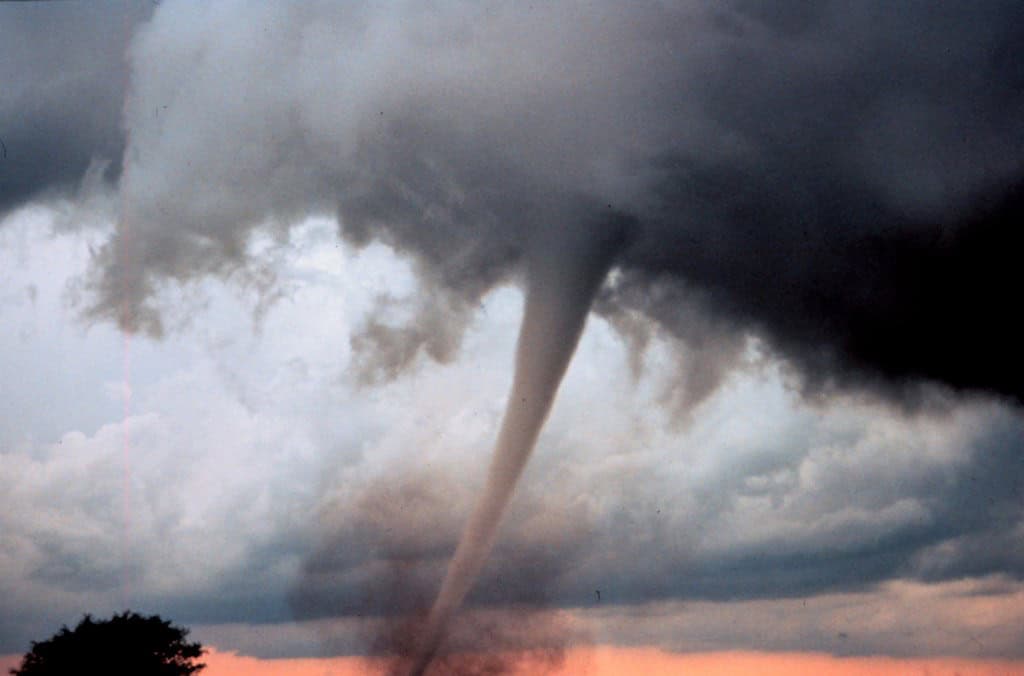
While basements might seem like a refuge from tornadoes or hurricanes, they can quickly turn into traps due to flooding and lack of ventilation. Pets should be kept in areas with higher ground and access to exits during such emergencies. A well-prepared storm shelter can offer safety without the flood risks associated with basements.
Ill-Equipped Evacuation Routes
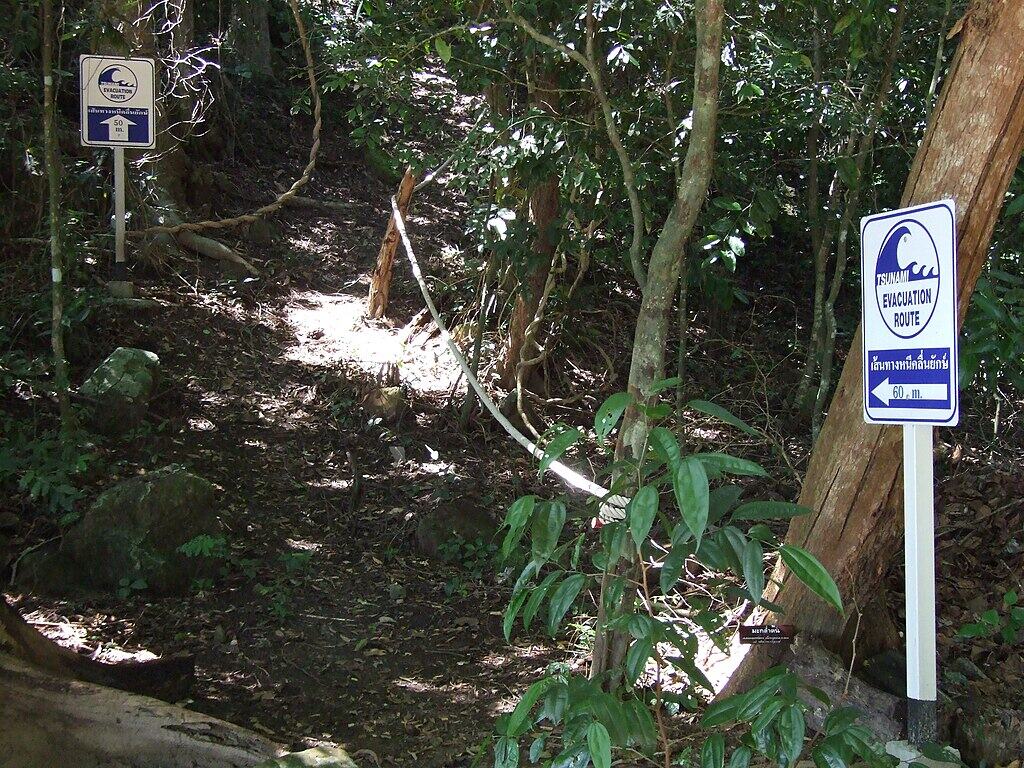
Evacuation routes that are not pet-friendly can lead to tragic separations. It’s crucial to know predetermined evacuation paths that allow for pets. Ensure you have all necessary pet supplies packed and that transportation arrangements accommodate them comfortably and safely.
High Traffic Areas
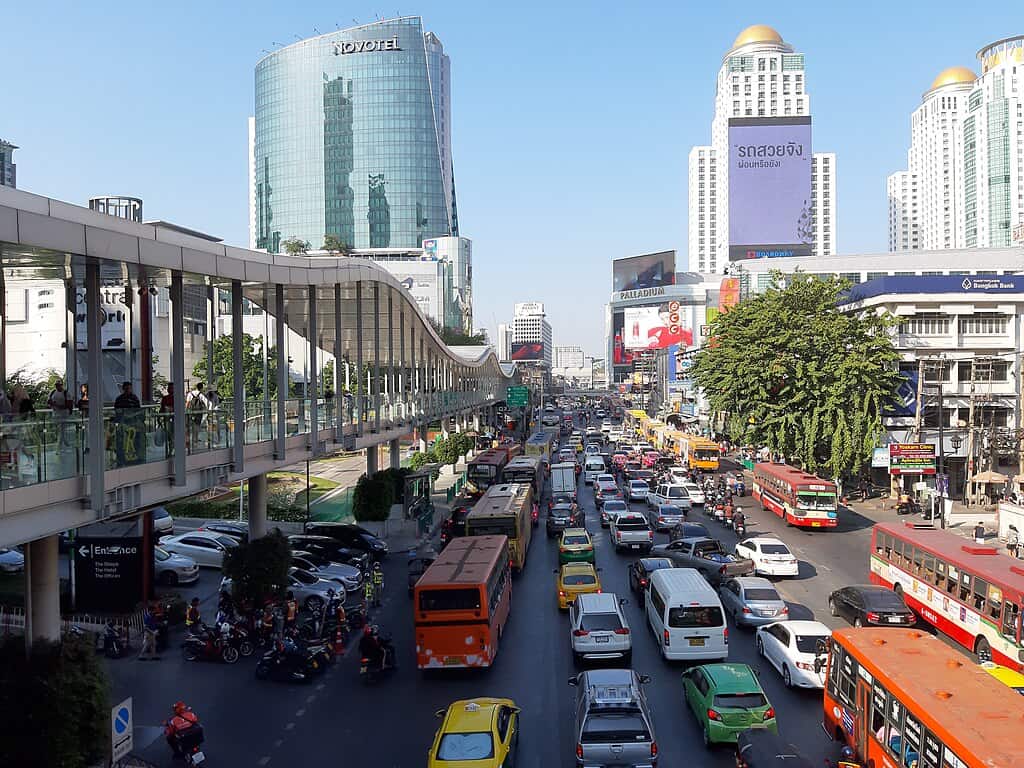
During evacuations, high-traffic areas become chaotic and dangerous for pets prone to anxiety. Loud noises and crowded spaces can heighten stress, leading to escape attempts or accidents. Keep pets restrained with sturdy carriers or leashes and consider using calming aids if appropriate and prescribed by a veterinarian.
Isolated Outdoor Areas
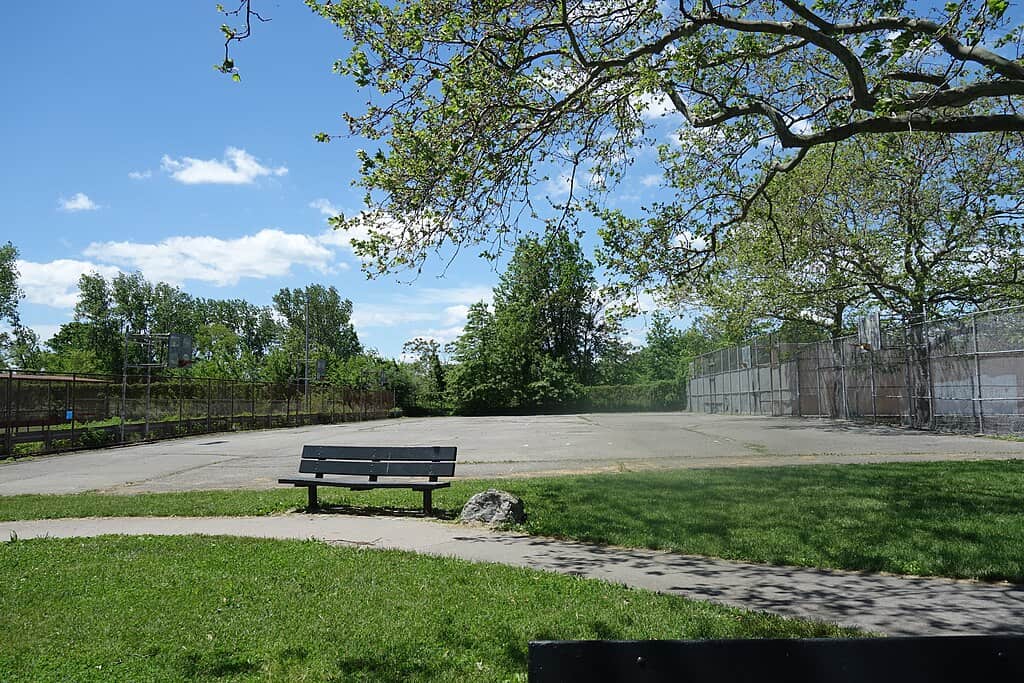
Pets left unattended in outdoor enclosures during natural disasters face increased risks from predators, debris, and severe weather. Safely securing pets indoors or evacuating them with the family prevents them from becoming lost or injured in the chaos.
Secluded Rural Locations

In rural areas, the isolation can mean delayed assistance and rescue efforts during disasters. Owners should have a well-stocked emergency kit and ensure regular communication with nearby neighbors to coordinate timely rescue efforts. Planning to relocate pets in anticipation of impending disasters is imperative.
Pet Shelters During Overcrowding

During large-scale evacuations, shelters can become overwhelmed, leading to increased stress and the potential spread of diseases among animals. Owners need to have personal emergency plans that minimize reliance on overburdened facilities. Additionally, ensuring pets are vaccinated can prevent illness from spreading in any situation where high mingling occurs.
Public Transport Systems

Public transportation systems can become a source of panic for pets unaccustomed to travel. The noise, confined space, and unpredictability are intimidating. Owners using public transport during emergencies should have appropriate carriers and familiar items that can comfort their pets.
Hazardous Domestic Settings
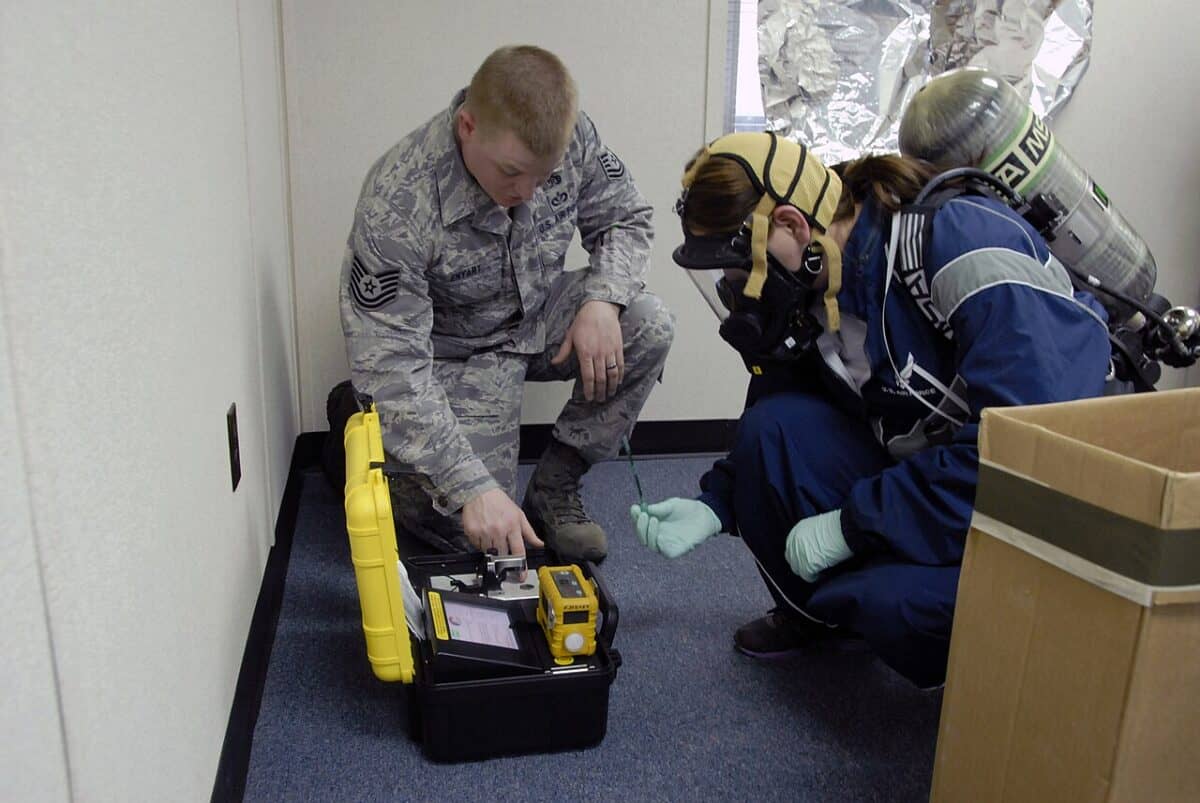
In the frenzy of preparing for a natural disaster, home interiors can inadvertently become dangerous with improperly stored chemicals, exposed wires, and overcrowded spaces. Owners must pet-proof their environments to mitigate these risks and secure essentials like food, water, and medications in safe locations.
Pet-Friendly Safe Havens

Addressing these risks requires awareness and proactive planning. Identifying pet-friendly hotels, parks, and evacuation centers in advance can ease the stress of displacement. Pet microchipping and maintaining updated identification increase the likelihood of reunion if pets are separated under duress.
Conclusion:
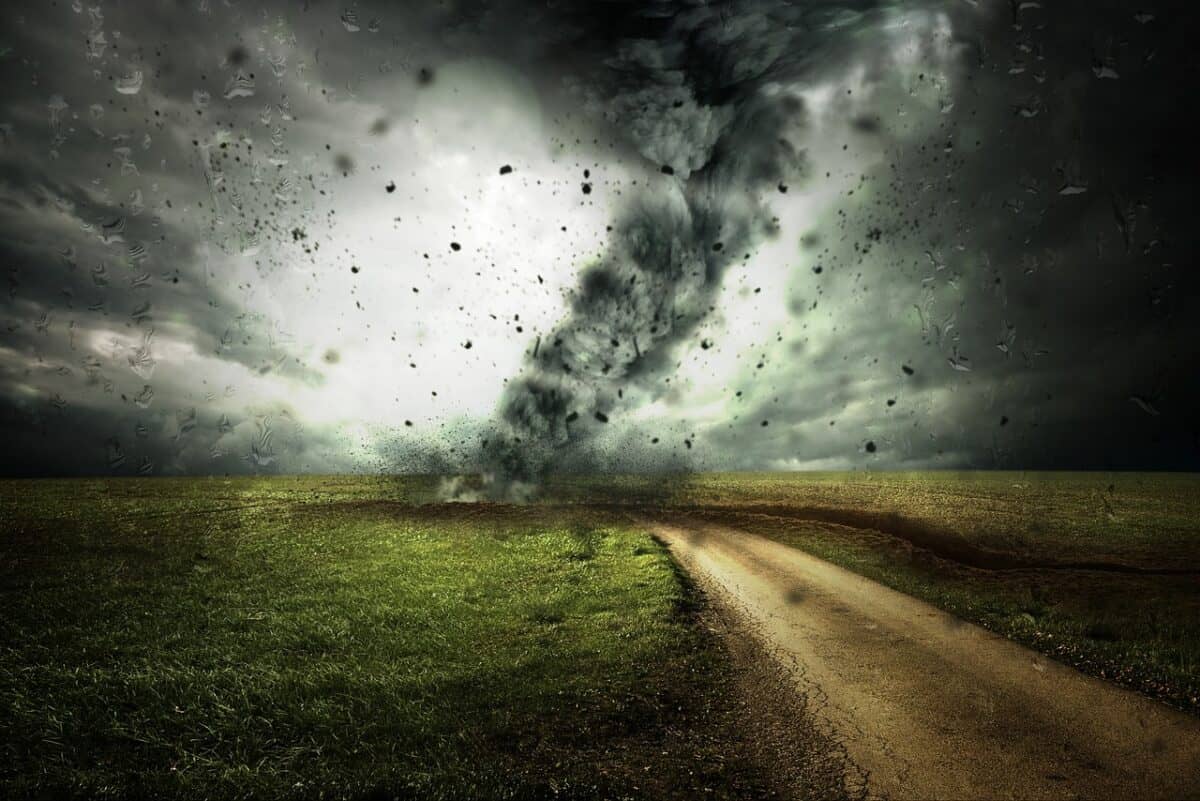
In conclusion, while we can’t control when or where natural disasters will strike, we can prepare to mitigate their impact on our pets. By recognizing the environments and scenarios that pose threats, we strengthen our ability to safeguard those most vulnerable during emergencies. Our preparedness can mean the difference between safety and tragedy for the furry companions that count on us the most.

As a little kid, I fell in love with nature, wildlife, and animals. Living in the USA, South Africa, Italy, China and Germany gave me the opportunity to discover the world's Wildlife. My favorite animals are Mountain Gorillas, Siberian Tigers, and Great White Sharks.
I'm a certified PADI Open Water Diver, went to Everest Base Camp and Trekked Gorillas in Uganda. I hold a Master of Science in Economics and Finance.
Please send any feedback to feedback@animalsaroundtheglobe.com
- Saving the Javan Rhino The World’s Most Elusive Giant - August 2, 2026
- 16 Most Loyal Dog Breeds in the World - August 2, 2026
- 10 Places Where Lightning Strikes More Than Anywhere Else - August 2, 2026