
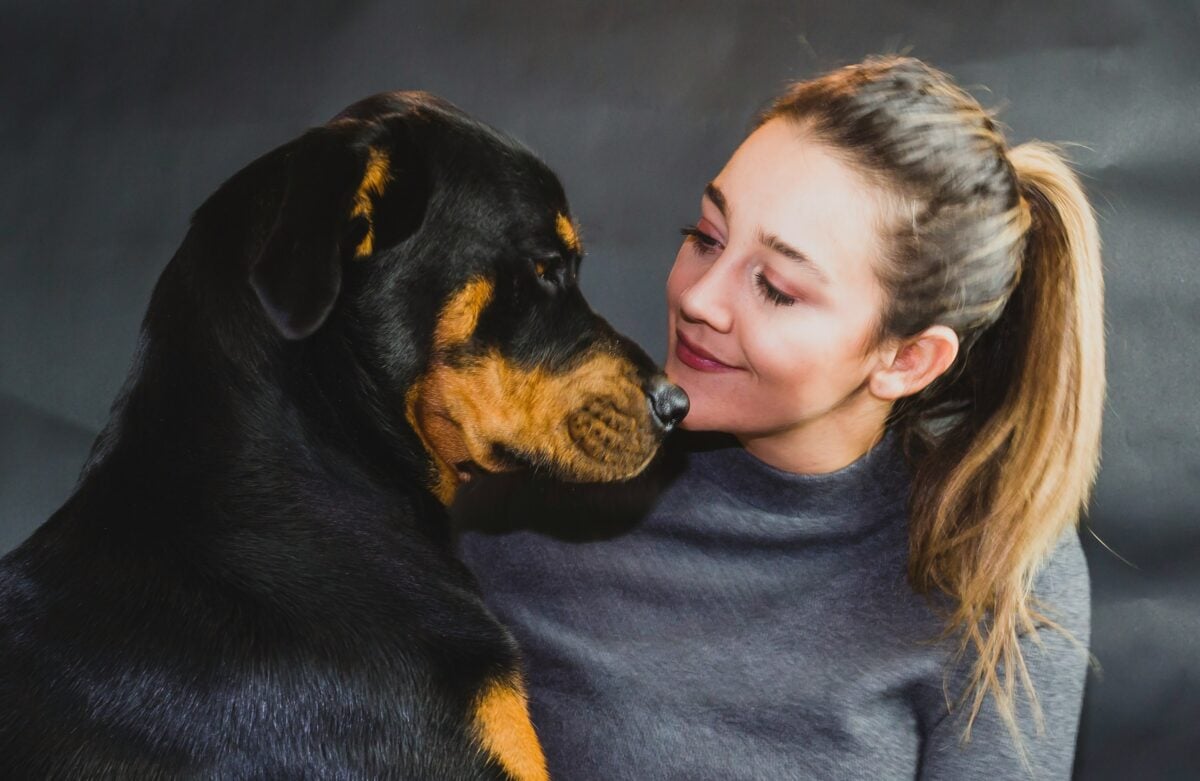
You get your quote for a week of boarding, and the number is higher than the one your neighbor got for the same dates at the same kennel. Same city, same style of suite, same cheerful front-desk voice. The difference isn’t your dates. It’s your dog.
Many kennels build breed-based extras into their pricing, and they rarely itemize them. They show up as a ‘large dog rate,’ a ‘special handling fee,’ or just a higher nightly number. Not every facility does this, but the reasons behind it are surprisingly consistent. Some come down to size. Others come down to breathing, insurance paperwork, or one trait about a famously sweet breed that quietly reshapes the whole schedule. The countdown starts with a dog that looks calm but doesn’t want a roommate, and it ends with a breed whose price tag makes perfect sense once you picture the floor plan.
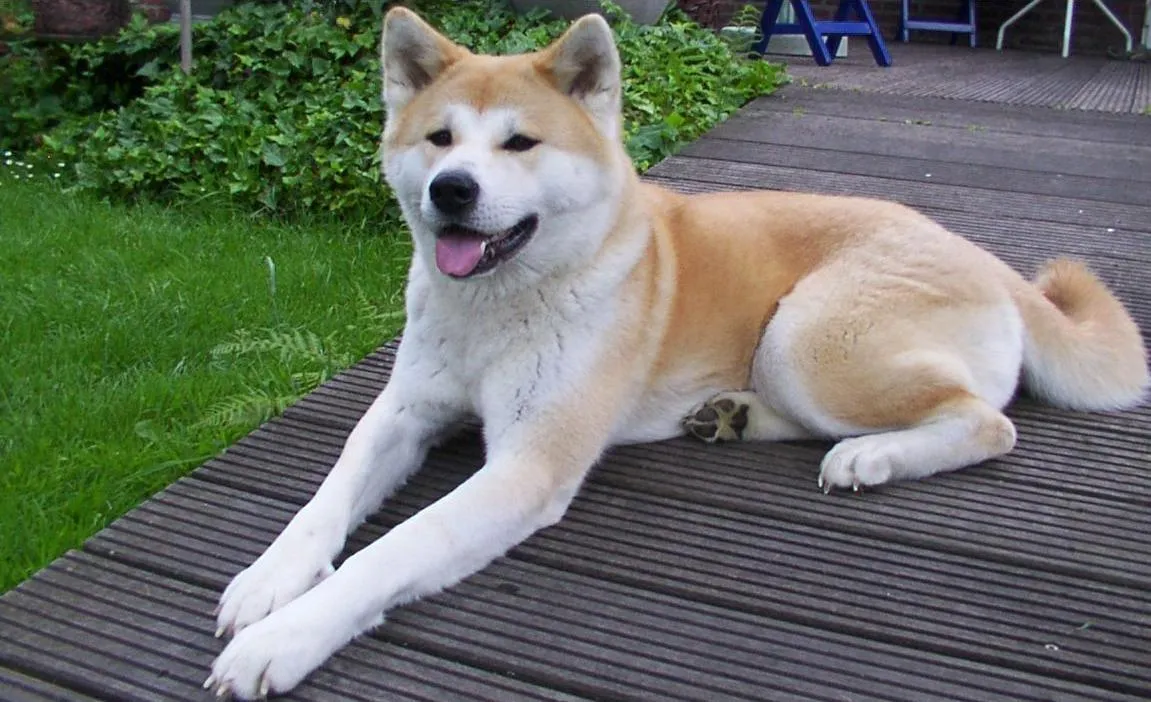
14. Akita: The Dignified Dog Who Doesn’t Want a Roommate
🔥 Would you like to save this?
We'll email this post to you, so you can come back to it later!
Akitas can be wonderfully loyal and calm at home. At a kennel, staff often see a different side: a dog that can be intolerant of other dogs, especially of the same sex. That makes group play a gamble, so many facilities skip it entirely.
Skipping group play doesn’t make the dog cheaper. It means someone walks the Akita alone, at a separate time, in a separate yard. Every solo outing is a block of staff time that a standard rate was never built to cover.
Then there’s the coat. Akitas have a dense double coat that sheds in dramatic seasonal waves, and a kennel run has to be cleaned more often when that happens. Owners hear ‘private play.’ The kennel hears ‘extra labor.’
- Separate exercise sessions away from other guests
- Closer supervision at every handoff and walk
- Heavier cleaning during coat-blowing season
13. Boxer: The Eternal Puppy Who Burns Through Staff Hours

🔥 Would you like to save this?
We'll email this post to you, so you can come back to it later!
A Boxer doesn’t do ‘quiet time.’ Boxers are bouncy, mouthy, and powerful, and they tend to keep that puppy energy well into adulthood. A potty break and a nap won’t cut it.
That means multiple structured play or exercise periods a day, and a staff member watching closely. Boxers play rough, and a rowdy Boxer can easily overwhelm a mellower dog. Handlers often step in more with this breed than with a typical guest.
Their short coats also leave them exposed to both cold and heat, so the climate in the run matters. Boxers are also known to be prone to certain heart conditions, so some kennels ask for health notes and medication details up front. Those small extra steps are part of why the nightly rate creeps up.
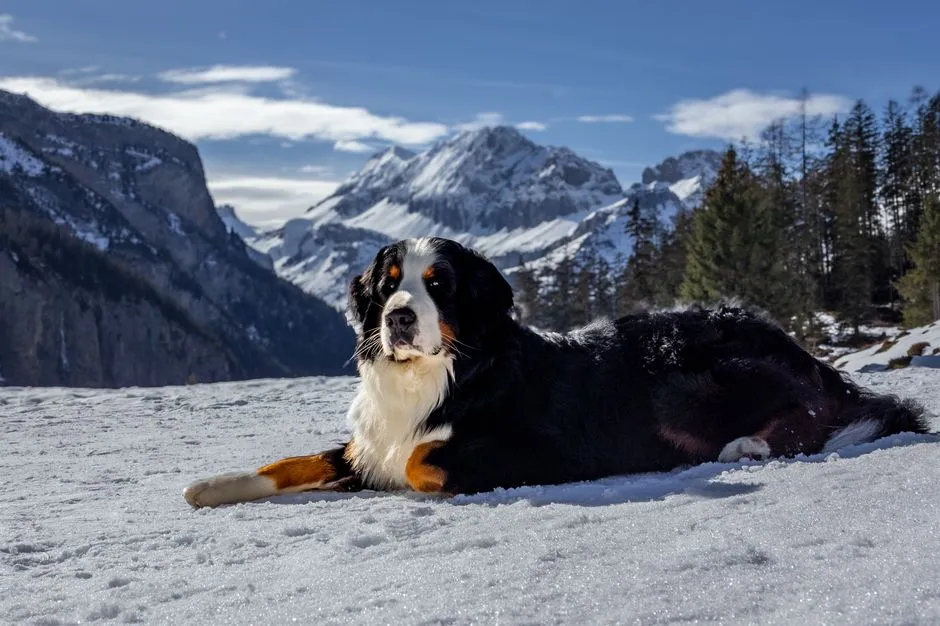
12. Bernese Mountain Dog: The Gentle Giant With a Giant Laundry Bill
🔥 Would you like to save this?
We'll email this post to you, so you can come back to it later!
Berners have a reputation as sweet, mellow family dogs, and that reputation is mostly earned. But sweet doesn’t mean low-maintenance. A big, thick-coated dog sheds on everything: bedding, floors, and the staff’s clothes.
Their coat is built for cold mountain weather, which makes summer boarding a balancing act. Kennels have to keep the run cool and watch for overheating, and that takes real attention during warm months.
Size is the other piece. A Bernese can weigh well over 80 pounds, so these dogs need a larger run, a larger bed, and more food. Many are also prone to joint problems, so slippery floors and stairs become a handling issue. The ‘large dog’ bracket exists because of dogs like this one.
- Bigger enclosure allocation
- Extra cooling and coat care in hot weather
- More cleaning and laundry per stay
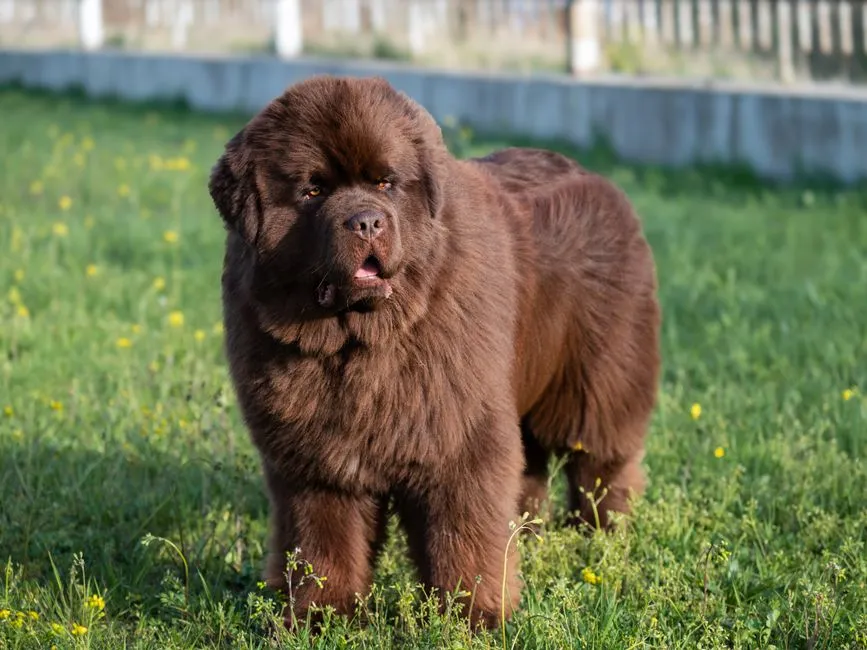
11. Newfoundland: The Water Lover That Turns a Kennel Run Into a Swamp
🔥 Would you like to save this?
We'll email this post to you, so you can come back to it later!
Newfoundlands were bred to work around water, with webbed feet and a thick, water-resistant coat. That’s charming on a beach. In a kennel, it means a dog that can turn a water bowl into a splash zone and then take a very long time to dry.
Add the drool. Newfies can leave a trail that staff mop up several times a day, and a damp, heavy coat needs more attention than a short-haired dog does.
Fast Facts
- Breed standards put adult males at roughly 130 to 150 pounds and females at roughly 100 to 120 pounds
- Webbed feet and a water-resistant double coat mean wet floors and slow drying
- Heavy drooling adds repeat mopping through the day
- Few kennels have many runs built for a dog this size
They’re also enormous, often well over 100 pounds. That means fewer runs that fit them, and more physical effort for handlers during every transfer. A kennel that takes Newfoundlands needs giant-breed protocols, and smaller facilities often can’t absorb that cost without a surcharge.
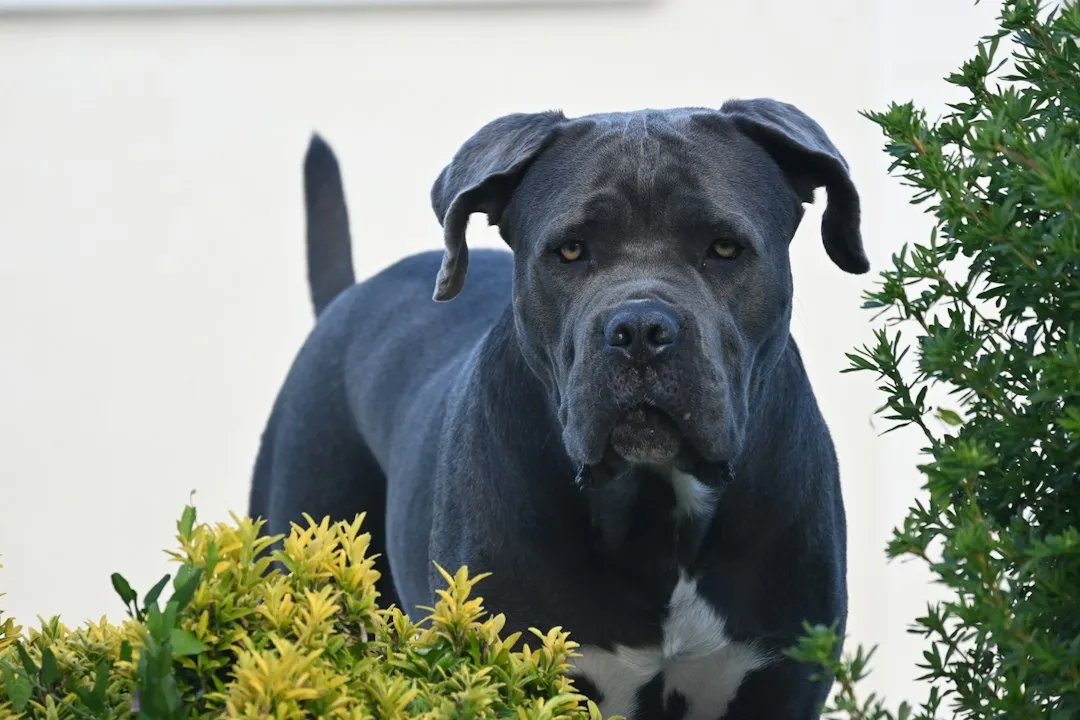
10. Cane Corso: The Guardian That Makes Insurance Companies Nervous
🔥 Would you like to save this?
We'll email this post to you, so you can come back to it later!
The Cane Corso is a muscular guardian breed, and that is exactly what makes some kennels cautious. Even a well-trained, well-loved Corso can read a busy kennel as a threat to protect against. Staff often want a longer intake evaluation before accepting one.
That evaluation takes time, and in some places it comes with a behavior deposit or extra paperwork. Kennels also carry liability coverage, and powerful guardian breeds can make that coverage more complicated. The risk is rarely about the individual dog. It’s about what could happen if something goes wrong.
Many Corsos are also deeply bonded to one person. A few days without that person can mean pacing, stress, and a need for more reassurance from handlers who know how to read a big, serious dog. Experienced handling costs more, and the rate reflects it.
- Longer temperament assessment at intake
- Private accommodations rather than group play
- Experienced handlers assigned to the dog
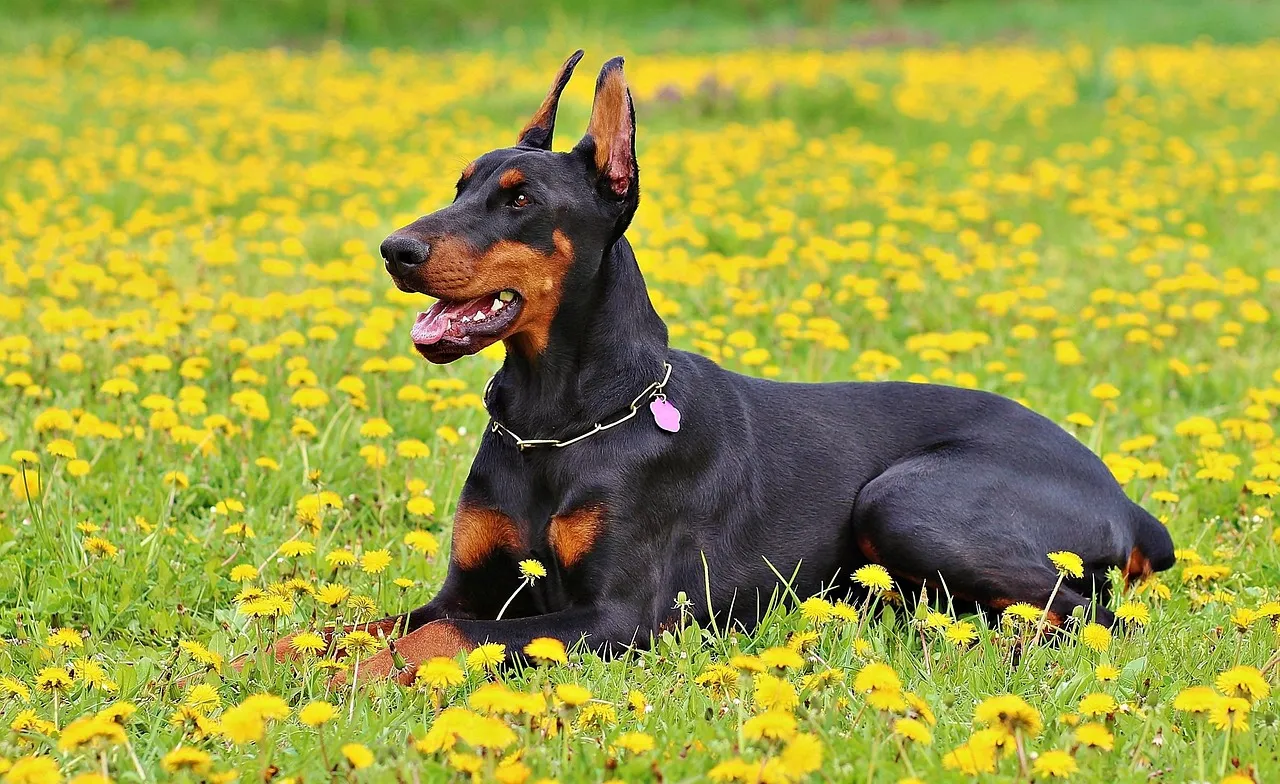
9. Doberman Pinscher: The Velcro Dog Who Hates Being Bored
🔥 Would you like to save this?
We'll email this post to you, so you can come back to it later!
Dobermans are smart, athletic, and famously attached to their people. That combination can be a lot for a kennel. A bored, anxious Doberman is a dog that paces, barks, and tests the latch on every gate.
So kennels often add enrichment: puzzle feeders, one-on-one walks, and extra check-ins. These are real staff hours, and a Doberman benefits from every one of them. Their short, thin coats also mean cold weather can be rough, so heated or insulated space matters.
Routine changes can make things worse. A dog used to a tight daily schedule may struggle when the kennel’s rhythm doesn’t match it, and that stress can show up as barking that disturbs the whole building. Preventing that is labor that never shows up on the quote.
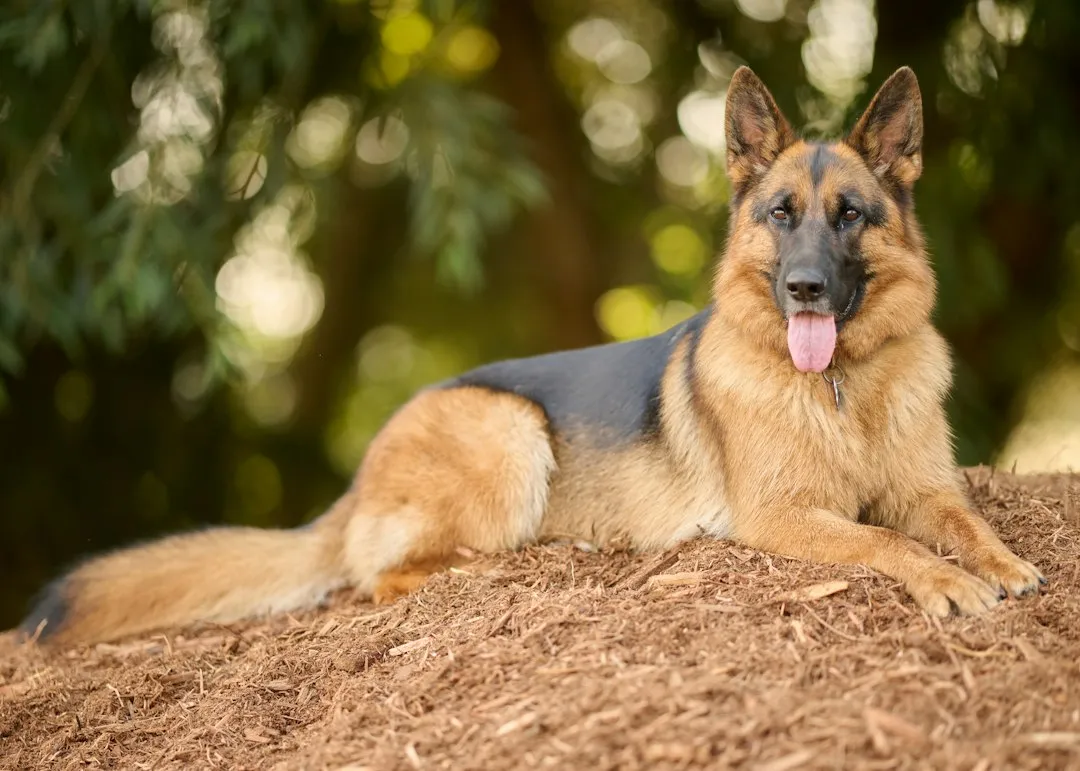
8. German Shepherd: The Overachiever That Treats Boarding Like a Job Interview
🔥 Would you like to save this?
We'll email this post to you, so you can come back to it later!
German Shepherds were bred to work, and many of them still act like it. They watch everything, learn routines in a day, and can get anxious when the routine disappears. A kennel stay can feel like a job with no instructions.
That is why many facilities schedule extra structured activity for them: more walks, more mental work, more handler attention. A passive run and a bowl of kibble isn’t enough for most Shepherds. Stress can also show up in the body, including pacing, barking, and an upset stomach, which adds cleanup and monitoring.
Then there’s the shedding. German Shepherds shed constantly and more heavily in the changing seasons, and a busy kennel feels it. Because the breed is so common and so varied, some facilities also take extra care with introductions, especially for dogs with protection or working backgrounds.
- Multiple structured exercise blocks per day
- Careful, gradual introductions to group settings
- Extra cleaning during heavy shedding periods
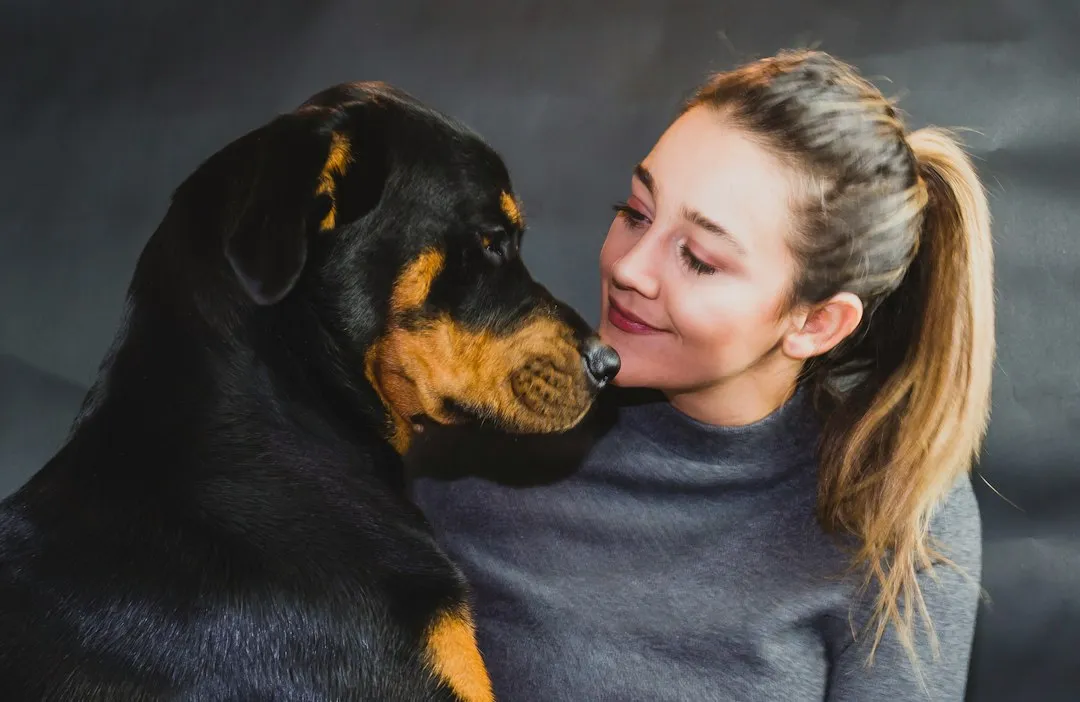
7. Rottweiler: The Family Softie Who Gets Priced Like a Risk
🔥 Would you like to save this?
We'll email this post to you, so you can come back to it later!
Plenty of Rottweilers are goofy, affectionate couch companions. But Rottweilers are also strong, and they often appear on the breed lists that some insurers watch closely. Kennels carry commercial liability coverage, and powerful breeds can complicate it.
That doesn’t mean your dog is a problem. It means the facility’s risk isn’t based on your dog’s personality. It’s based on what a mishap with a strong, heavy dog could cost. A kennel may pass part of that cost on through a higher base rate.
Worth Knowing
- Insurance rules are set by the policy, not by your dog’s individual record
- Breed restrictions differ from one insurer and one kennel to the next
- Males commonly reach 95 pounds or more, which affects handling and run size
- Asking for the kennel’s breed policy in writing saves surprises at drop-off
There are practical costs too. A Rottweiler often needs a sturdier run, stronger handling, and enough staff to manage a 100-pound dog safely. Even a gentle one is expensive to be wrong about, so facilities staff for the breed rather than for the dog standing in front of them.
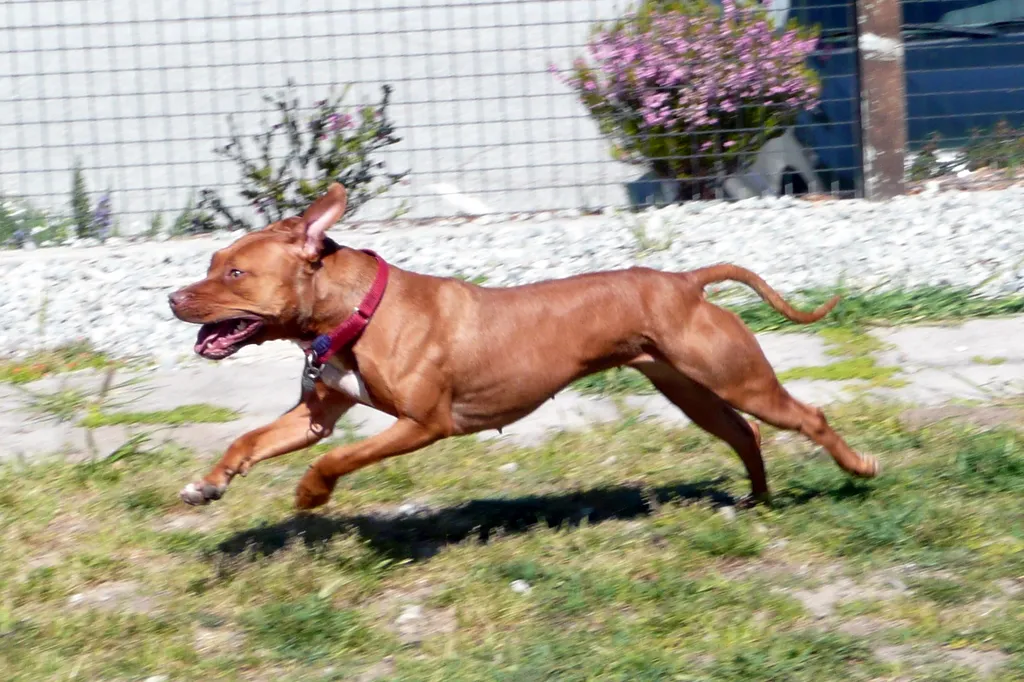
6. Pit Bull-Type Dogs: The Sweet Dogs Who Pay for Paperwork
🔥 Would you like to save this?
We'll email this post to you, so you can come back to it later!
‘Pit bull’ isn’t one breed. It’s an umbrella term that can include dogs like American Pit Bull Terriers, American Staffordshire Terriers, and Staffordshire Bull Terriers. Yet many insurance policies treat the whole group as a single risk category.
Some policies exclude these dogs entirely, which is why a few kennels won’t accept them at all. Facilities that do accept them often require private suites, extra waivers, and enhanced documentation. The extra administrative work is built into the rate.
The frustrating part is that many pit bull-type dogs are outgoing, people-loving, and easy to handle. They still pay for a risk category they didn’t create. A good kennel will explain its policy plainly, and that conversation is worth having before you book.
- Private housing in place of group play
- Signed waivers and extra documentation
- Insurance restrictions that vary widely between facilities
5. Pug: The Small Dog With Big-Dog Climate Costs
🔥 Would you like to save this?
We'll email this post to you, so you can come back to it later!
This is where the size rule flips. A Pug is small, but its flat face makes breathing harder, especially in heat or during excitement. A kennel can’t treat a Pug like a Beagle.
Short-nosed breeds can overheat quickly because they don’t cool themselves as efficiently as longer-muzzled dogs. That pushes kennels toward air-conditioned runs and more frequent checks. Exercise has to be adjusted too, with shorter, gentler outings in warm weather.
Pugs also come with wrinkles and prominent eyes, which need regular cleaning and attention. None of this is dramatic on its own. Together it adds up to a dog that needs more staff attention and better facilities than its size suggests, and the price follows.
- Climate-controlled space
- Shorter, cooler exercise periods
- More frequent welfare checks
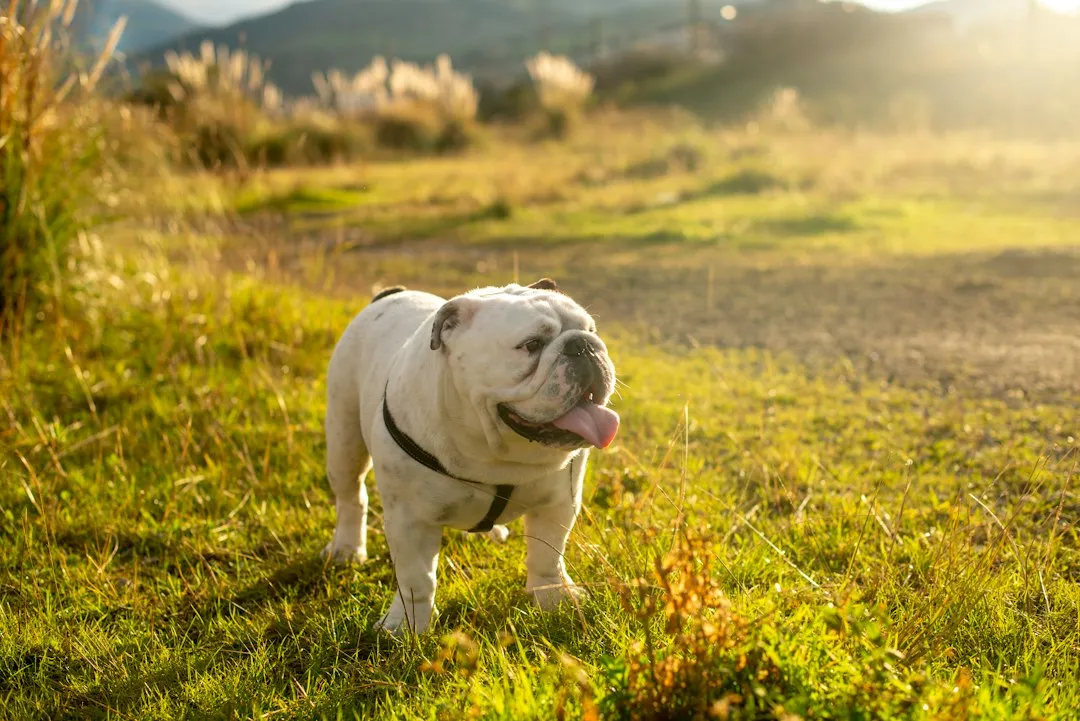
4. English Bulldog: The Heavy, Heat-Sensitive Breed That Needs a Watchful Eye
🔥 Would you like to save this?
We'll email this post to you, so you can come back to it later!
English Bulldogs take the flat-faced challenge and add a stocky, heavy body. That build makes breathing and temperature control even more of a concern. A short walk in warm weather can be too much.
Kennels respond by limiting playtime, keeping the air cool, and checking on the dog more often. Many Bulldogs also have low stamina, so there’s less roughhousing but more passive supervision. A staff member may spend more time watching a Bulldog nap than walking a Lab.
Quick Compare
- Bulldog: cooled space, short outings, frequent checks, skin fold care
- Typical Lab: longer play sessions, standard climate, fewer welfare checks
- The pricing gap: the Bulldog’s cost is attention, not activity
Bulldogs often need skin fold care and may snore or struggle at night, which means closer attention to how they’re resting. The cost isn’t flashy. It’s quiet, constant vigilance, and that is exactly what a higher care tier is made of.
3. French Bulldog: The Trendy Favorite With Hidden Premiums

🔥 Would you like to save this?
We'll email this post to you, so you can come back to it later!
French Bulldogs have been among the most popular breeds in the country in recent years, so many owners assume that standard rates apply. In reality, the Frenchie’s breathing anatomy calls for the same climate controls and monitoring as other flat-faced breeds.
Frenchies can also have back problems, which means kennels may want to limit jumping and stairs. Some arrive with medication or special instructions, and each one takes a little more time to manage. Their compact size doesn’t cancel out any of it.
Here’s the twist. High demand hasn’t made Frenchie boarding cheaper. It has made well-equipped facilities more selective about how many they take and how they price them. Popularity brought more dogs, not more discounts.
- Air-conditioned suites for flat-faced breeds
- Limits on jumping and stair use
- Extra time for medications and special instructions
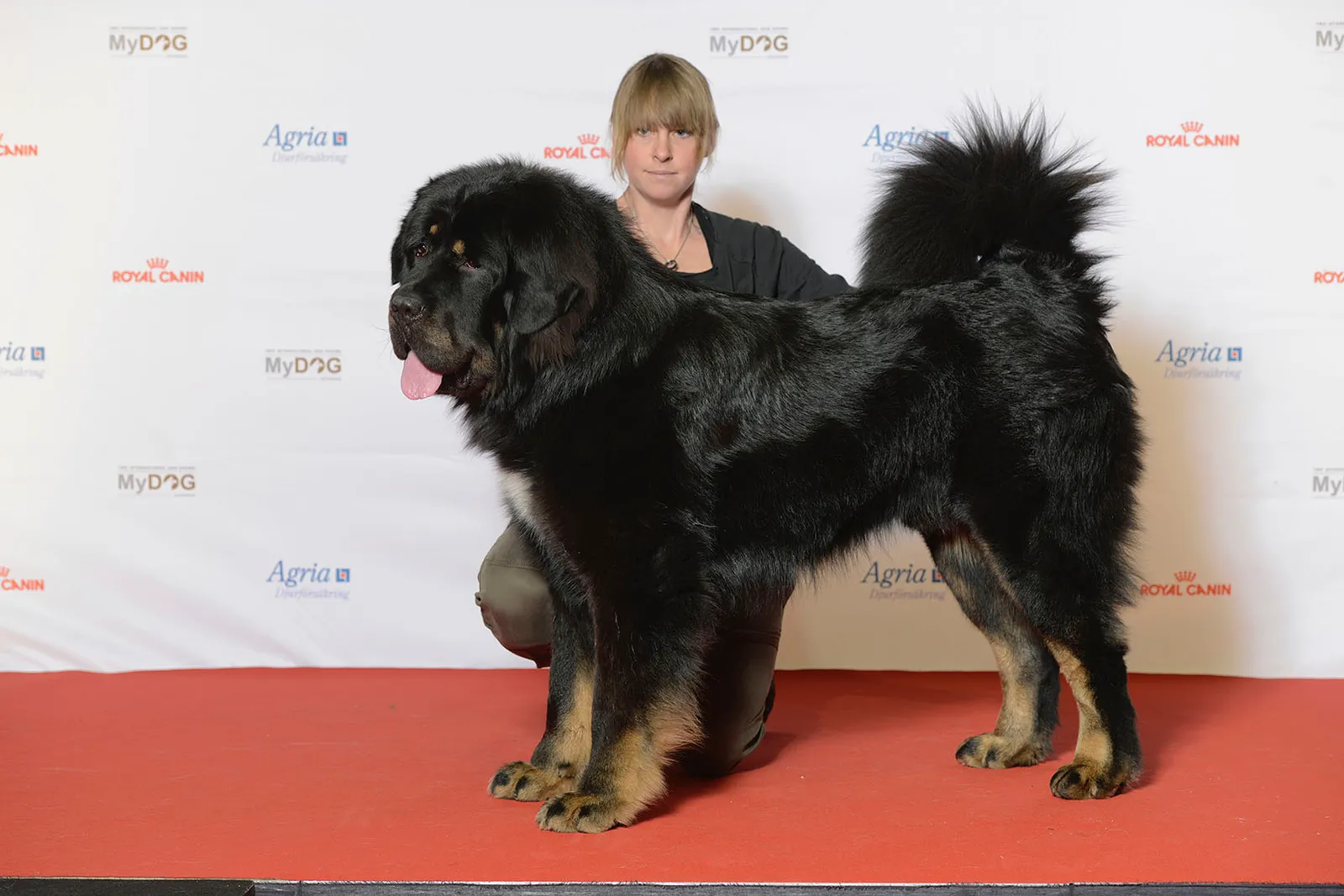
2. Mastiff: The Dog Who Rewrites the Floor Plan
🔥 Would you like to save this?
We'll email this post to you, so you can come back to it later!
Mastiffs can weigh well over 150 pounds, and that changes everything. They need the largest runs a kennel has, and a facility may only have a few. When you’re booking one of those few, you’re booking scarce space.
Handling is the next problem. Moving a dog that size safely often takes more than one person, especially for a dog that is older, slow, or stressed. Drool and shedding add to the daily cleaning load in a way smaller breeds never do.
Why It Stands Out
- It competes for the same few oversized runs as other giant breeds
- Safe transfers can take two handlers instead of one
- Some facilities cap how many giant dogs they take at once
- The dog is calm, but the logistics are not
Many facilities also cap the number of giant dogs they accept at once, because those dogs take up so much room and effort. Limited availability supports a higher price. For a calm, sleepy dog, a Mastiff takes a lot of resources.
1. Great Dane: The Breed That Quietly Redefines Every Cost Category
🔥 Would you like to save this?
We'll email this post to you, so you can come back to it later!
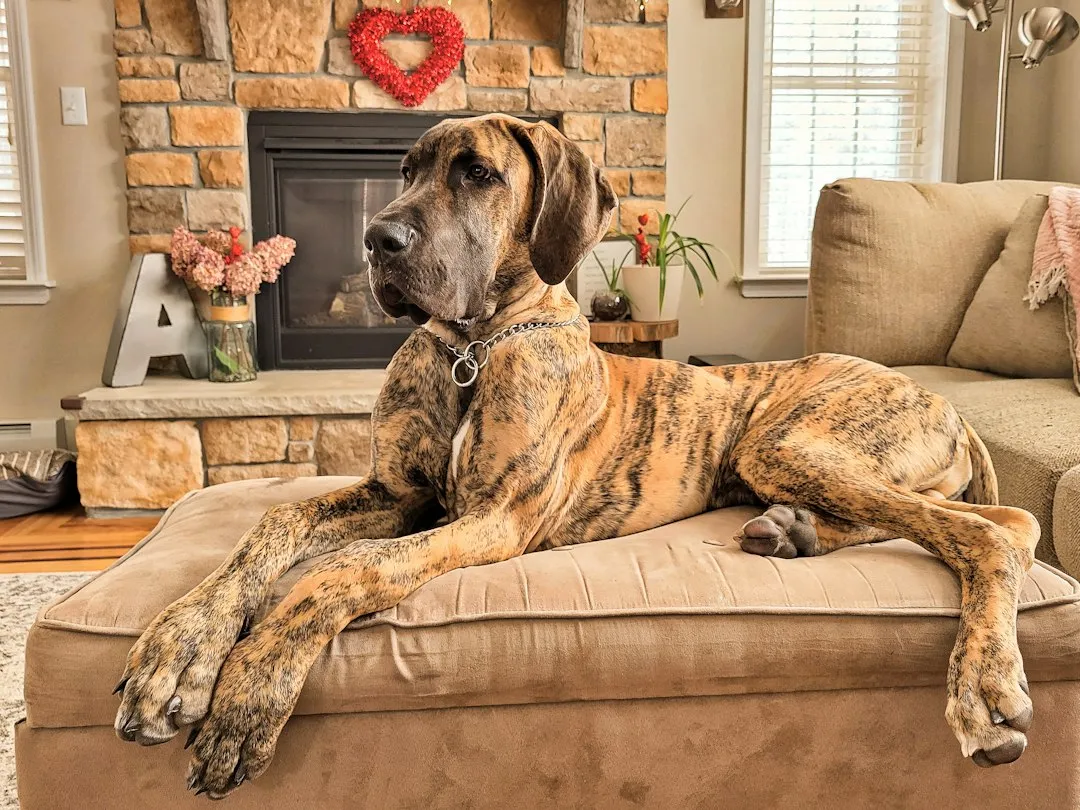
Great Danes top the list, and it’s easy to see why once you picture one in a run. Standing tall and long-legged, a Dane needs a big enclosure, a big bed, and tall fencing. A single dog can take up the space that several small guests would.
Food is the next line item, and it’s large. Danes eat far more than small dogs, and their deep chests make them prone to bloat, a serious emergency. Many kennels want careful feeding schedules and close monitoring after meals, which is real staff attention.
Danes are also prone to joint trouble, so cushioned, raised bedding matters. And their long tails can sweep a low shelf clean in one happy wag. The gentle-giant reputation is deserved, but it doesn’t shrink the footprint.
- Maximum enclosure size and tall fencing
- Special feeding and post-meal monitoring
- Supportive bedding for large joints
The final reality is simple. One Great Dane can take up the room and effort of several small dogs, which is why the highest per-night rates often land here.
The honest takeaway: most of these surcharges aren’t random, but the silence around them is a problem. A kennel that charges more for a Pug’s air conditioning or a Mastiff’s giant run has a defensible reason. A kennel that won’t tell you what that reason is does not.
My opinion is that breed-based pricing is fair only when it’s explained up front. Ask every kennel what it charges for your dog’s size, coat, face shape, or breed category, and why. If the answer is vague, treat it as a warning. The best facilities are happy to show their math, and they usually take better care of your dog too.

- The Remarkable Intelligence of Octopuses: Beyond What Scientists Imagined - November 5, 2026
- What Your Dog’s Tail Wags Are Really Trying to Tell You - November 5, 2026
- The Surprising Reason Some Animals Thrive in Extreme Environments - November 5, 2026