
There’s something quietly fascinating about a vet’s waiting room. It tells you more about cultural trends than almost any other place. In the 1980s, those rooms were filled with breeds that felt as natural to the decade as cassette players and wood-paneled station wagons. Certain dogs were simply everywhere, trotting through suburban neighborhoods, starring in TV commercials, and filling examination tables at every animal clinic in the country.
Dog breed popularity isn’t random. It often reflects what’s happening in culture and society at the time, and movies, TV shows, and even celebrity pets can spark a surge in interest for a particular breed. Then, just as swiftly as they rose, some breeds fade into near obscurity. Nine breeds in particular showed pronounced booms and busts in popularity, with the increase phase lasting an average of 14 years, during which time annual new registrations increased by roughly 3,200 percent, followed by equally steep decreases. These are the dogs vets once knew by heart but now go weeks without seeing.
#1. Cocker Spaniel

The Cocker Spaniel enjoyed a remarkable renaissance in the 1980s, climbing all the way to the number one position. The breed held the most popular dog spot in the nation from 1983 to 1990, giving it the distinction of holding that top rank for more years than any other breed to that point. Vet waiting rooms of that era were essentially Cocker Spaniel conventions. Those floppy ears and soulful eyes were genuinely impossible to resist.
In 1991, the Labrador Retriever began its uninterrupted reign as the most popular breed in the U.S., ending the Cocker Spaniel’s 23 years in the top position. From there, the breed’s numbers began a slow but steady decline. Their friendly and affectionate nature made them a go-to breed for many families in the decade, and with their floppy ears and soulful eyes, they were simply impossible to resist. Today, they still exist but have slipped far down the rankings from their once-dominant days.
#2. Irish Setter
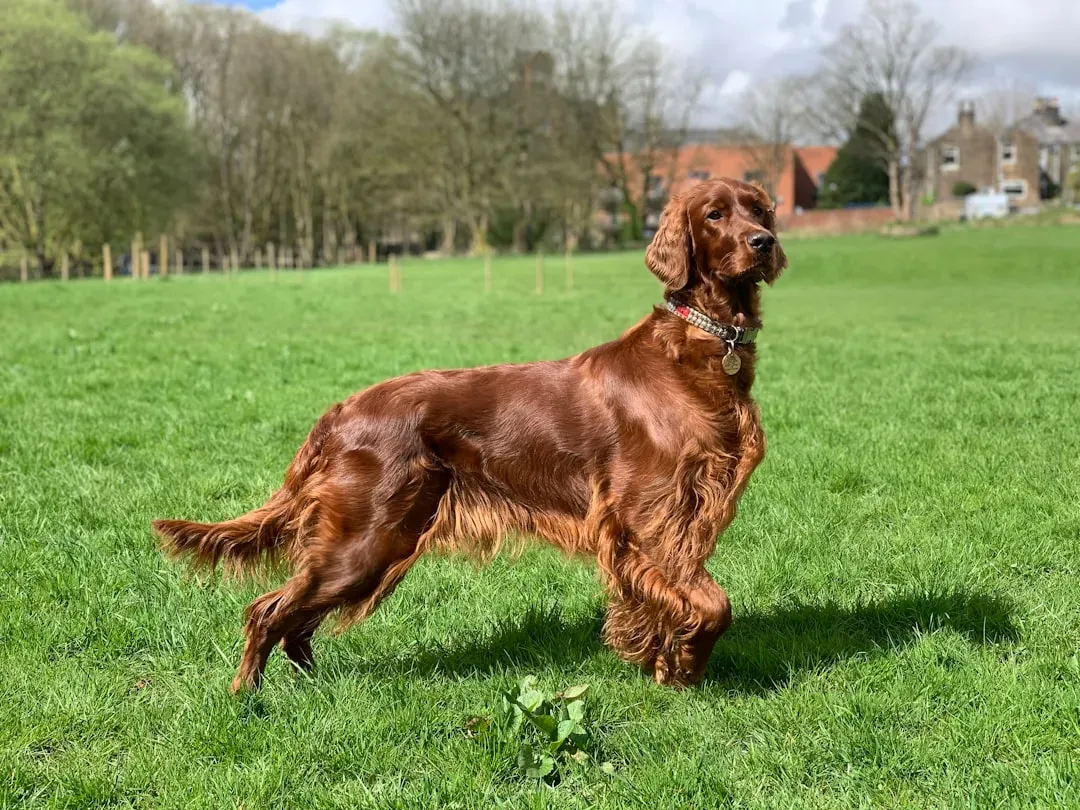
In the 1980s, the Irish Setter’s striking red coat and boundless energy made them a favorite choice for active families. Known for their friendly and playful nature, they were great companions for children and outdoor enthusiasts. Their high energy levels and need for constant exercise, however, made them less suitable for modern lifestyles. Vets were well acquainted with these flame-coated dogs, treating everything from ear infections to the occasional exercise-related injury.
The annual number of new Irish Setter registrations jumped 25-fold between 1961 and 1974, from 2,526 to 61,549. Then, as suddenly as they rose, registrations began to drop, and by 1984, new Irish Setter registrations had fallen to a mere 7 percent of what they were a decade earlier. Their exuberance and need for constant stimulation eventually turned off families who expected more of a TV dog and less of a Tasmanian tornado, and with more low-maintenance breeds on the rise, the Irish Setter’s popularity faded.
#3. Old English Sheepdog
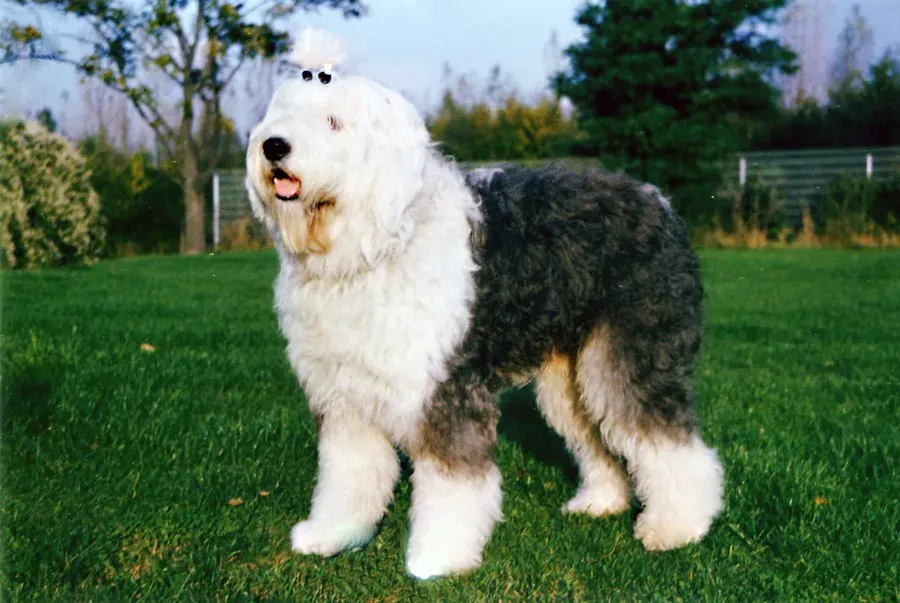
The Old English Sheepdog was a staple of 1980s pop culture, thanks to its shaggy coat and lovable personality. The breed became widely recognized due to its role as the iconic Dulux dog in advertising and its appearance in movies and television. Their playful, intelligent nature made them a favorite family pet, but their high-maintenance grooming needs contributed to their decline in popularity.
Old English Sheepdogs saw annual registrations increase nearly 11,000 percent in just 14 years during their boom phase, one of the most dramatic surges in breed history. The breed needs a lot of attention in the grooming department, and as life got busier and apartment living more common, that reality caught up with the breed’s popularity. What was once a fixture in the vet’s office is now a genuinely rare sighting, remembered mostly with nostalgia by anyone old enough to recall those Dulux paint ads.
#4. Afghan Hound
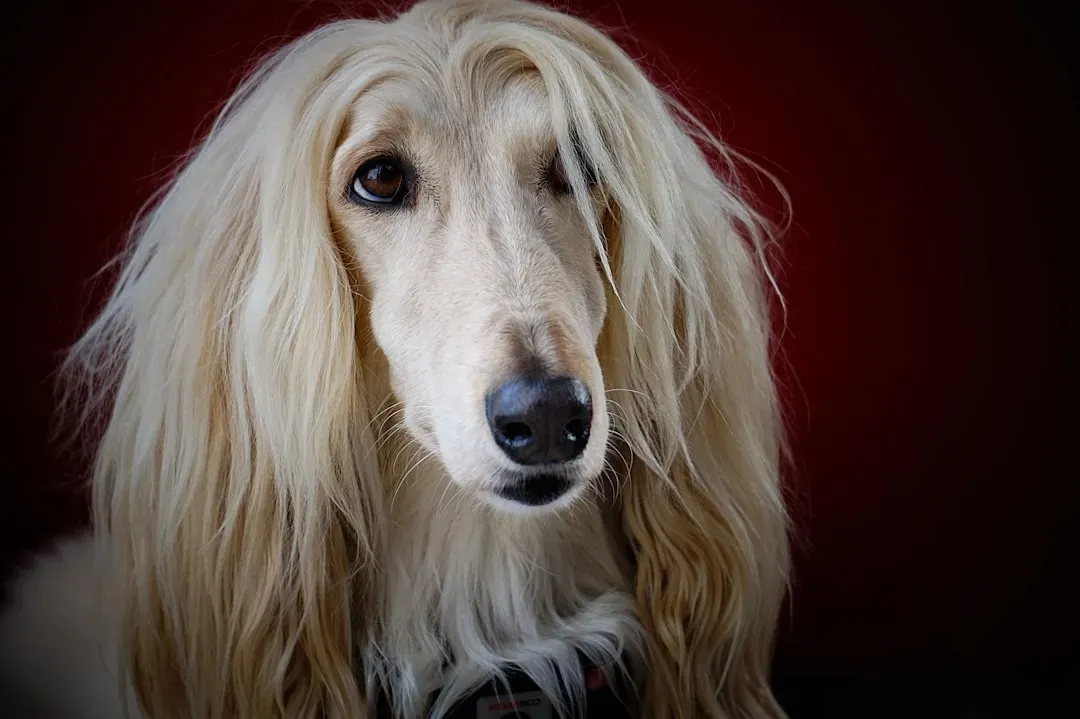
With its flowing, silky coat and elegant appearance, the Afghan Hound was a breed that exuded luxury in the 1980s. Their striking looks made them a favorite among dog show enthusiasts and high-fashion advertisements. Despite their beauty, Afghan Hounds require extensive grooming and have an independent, sometimes aloof personality that doesn’t always make them the easiest pets.
The Afghan Hound is much more than just a pretty face. Beneath all that long, silky fur, it is an impressive hunting dog, bred to trek across rugged terrain in South Asia. These independent, often aloof dogs can be quite the handful for inexperienced owners and do best with regular daily exercise. Over time, their popularity waned, and they are now considered a rare breed. It’s a striking shift for a dog that once turned heads on every street corner.
#5. Chow Chow
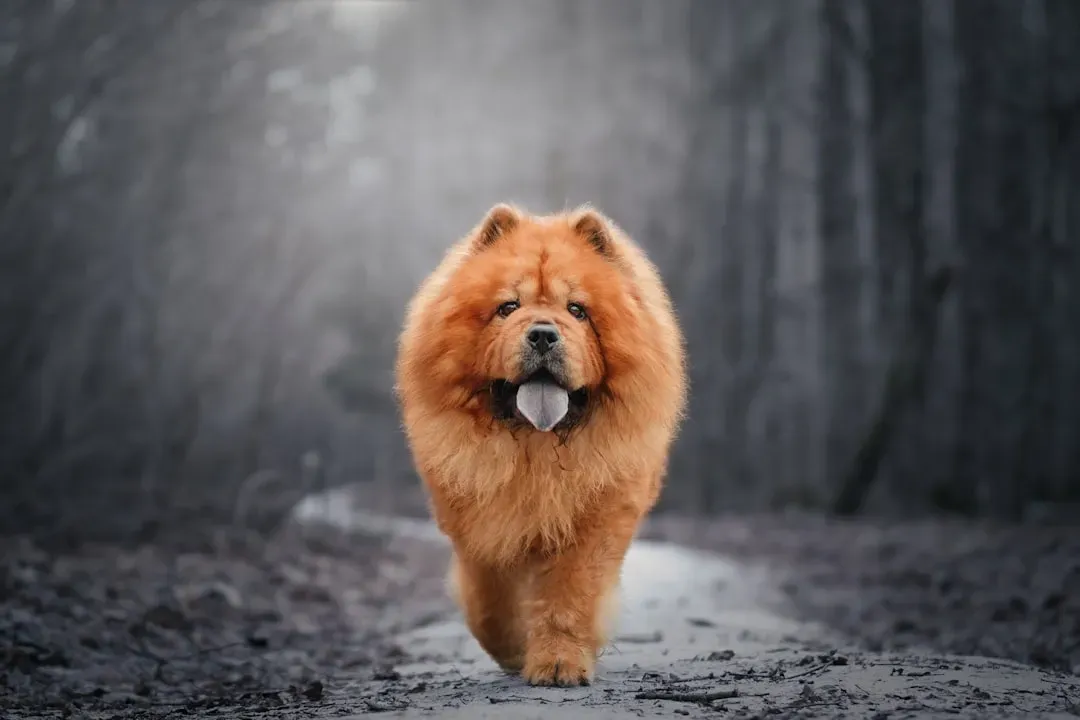
During the 1980s, the Chow Chow’s lion-like appearance and fluffy coat made them a status symbol for many dog owners. Their distinct blue-black tongues and independent personalities set them apart from other breeds. While their popularity soared in that decade, their strong-willed nature and potential for stubbornness led to a decline in their numbers over time. They require experienced handling and socialization, which may explain why they are less common today.
Chow Chows were among a specific group of breeds that showed classic boom-and-bust patterns of growth and decline in AKC registration history. Vets of that era treated them regularly, knowing the breed’s particular temperament well. Today, an entire generation of dog owners has likely never encountered one in person, which is a strange thought considering how deeply embedded they were in the decade’s visual culture.
#6. Doberman Pinscher
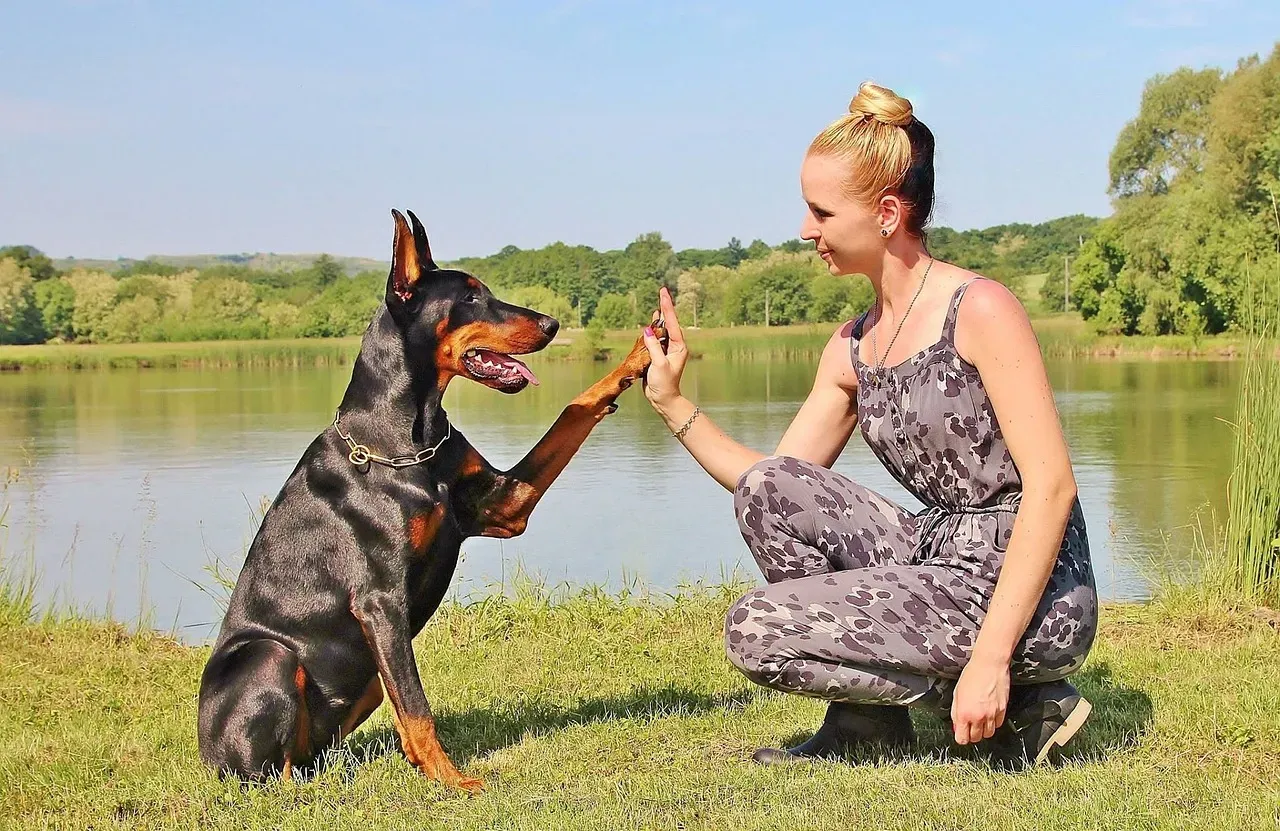
The breed originated around 1900 in Germany, taking its name from Louis Dobermann of Apolda, a tax collector who desired a medium-sized dog to perform as a guard dog as well as a companion. Through the 1980s, the Doberman’s sleek build and reputation for fierce loyalty made it a popular choice for families seeking both a pet and a protector. Vets treated them routinely, often managing the breed’s known susceptibility to certain cardiac conditions.
The Doberman Pinscher’s keen intelligence makes it attractive as a working dog in many police departments, but it can be stubborn and willful from time to time. These animals also make excellent guard dogs and are deeply loyal to their owners. Despite these qualities, the breed’s image shifted over the years, and changing perceptions around larger guarding breeds gradually pushed Dobermans out of the mainstream family pet conversation. They’re still admired, but the waiting rooms tell a different story now.
#7. Dalmatian
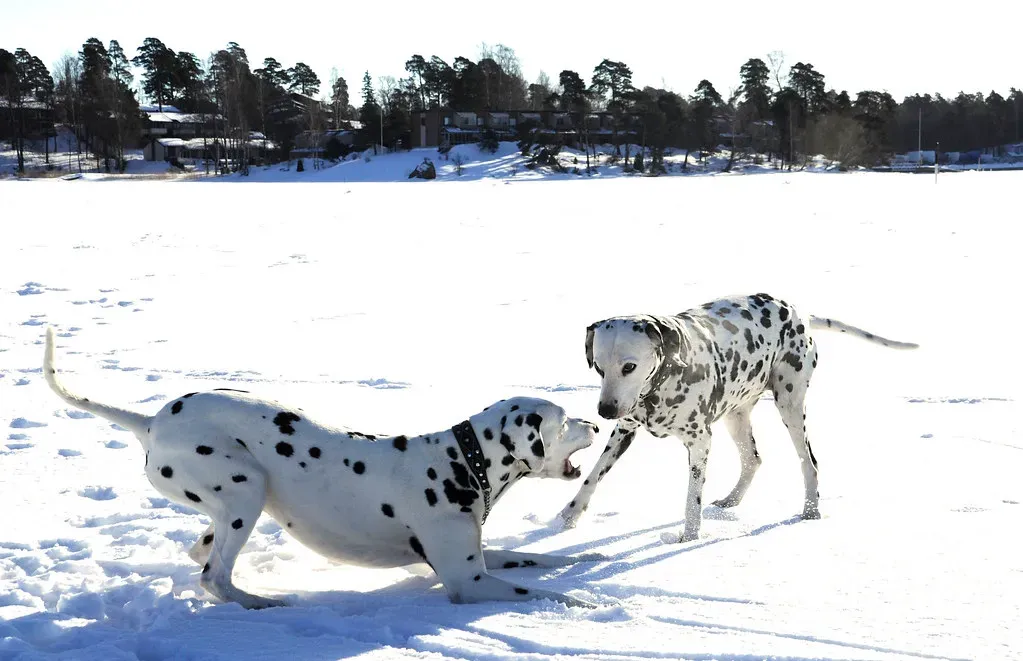
The Disney movie 101 Dalmatians provides a textbook example of media-driven breed popularity. In the eight years following the 1985 re-release of the film, the annual number of new Dalmatian registrations increased spectacularly, from 8,170 puppies to 42,816 puppies. Vets across the country prepared for the wave, and it arrived in full force. Spotted coats became an almost unavoidable sight in examination rooms through the late 1980s and into the early 1990s.
The peak in 1993 was followed by the steepest descent in popularity of any breed in AKC history, a decline of 97 percent within a decade. The reality of owning a Dalmatian, including their high energy, potential stubbornness, and in some cases, hereditary deafness, often proved more challenging than the movie suggested. Before the Disney reboot in the 1990s, the original animated 101 Dalmatians helped fuel a Dalmatian boom. With their signature spots and high energy they were hard to ignore, and while their popularity has waned, they still make a dramatic statement when spotted in public.
#8. Poodle
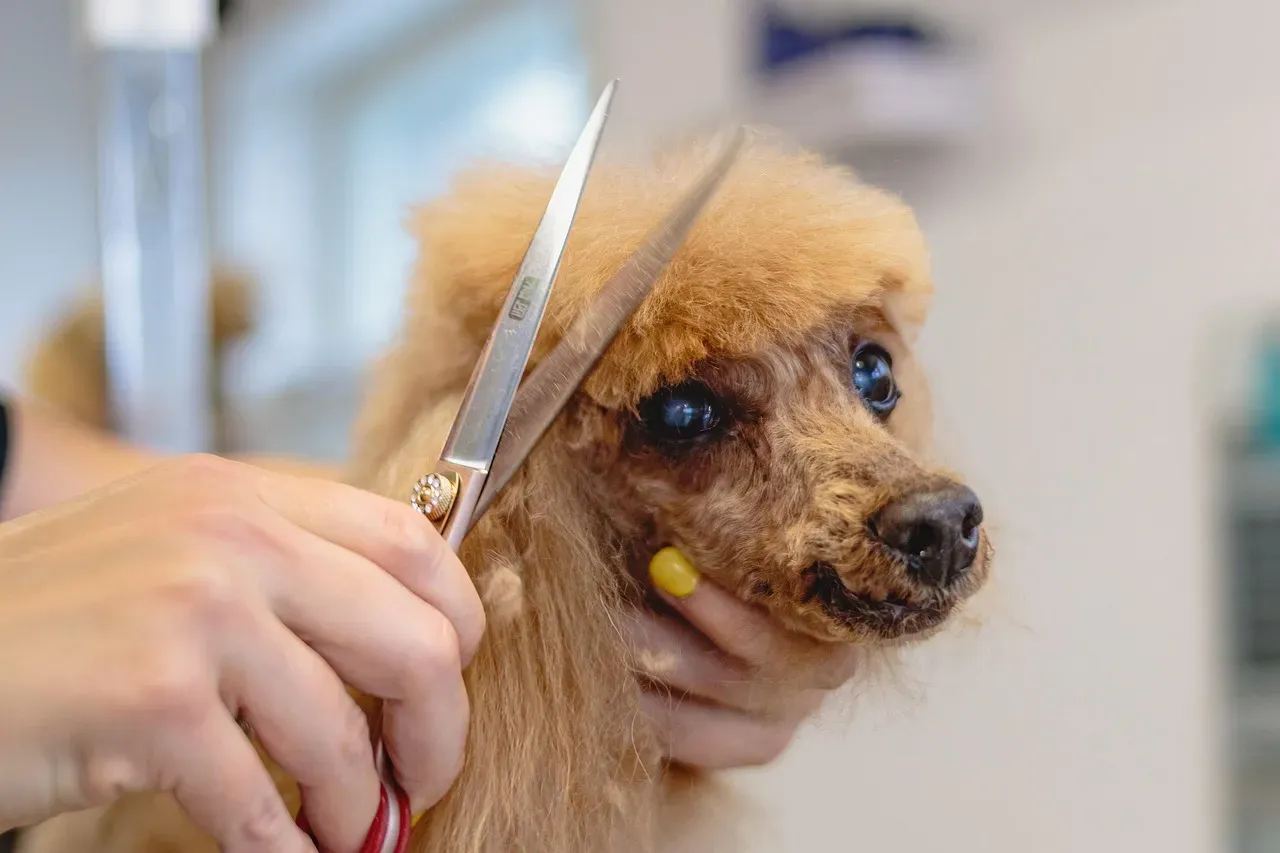
In 1950, Poodles were moderately popular, ranking 16th among recognized breeds with 3,159 new registrations. Then, for reasons that are unclear, Poodle registrations abruptly took off, and by 1960 the Poodle was the most popular dog in America. By the 1980s, that legacy was still strong. After two decades as the country’s number one breed, the Poodle slipped into the number two position in the 1980s and would continue falling in subsequent decades.
Poodles were peak posh in the 1980s, poofed, primped, and frequently seen riding in convertibles. Available in three sizes, toy, miniature, and standard, they had a version for everyone. Beyond the glam, they’re genuinely intelligent and low on allergens, keeping them relevant in today’s dog-loving world. The irony is that Poodle genetics now quietly dominate the dog world through the doodle crossbreeds, yet the purebred Poodle itself is a less common sight on the vet’s examination table than it once was.
#9. Saluki
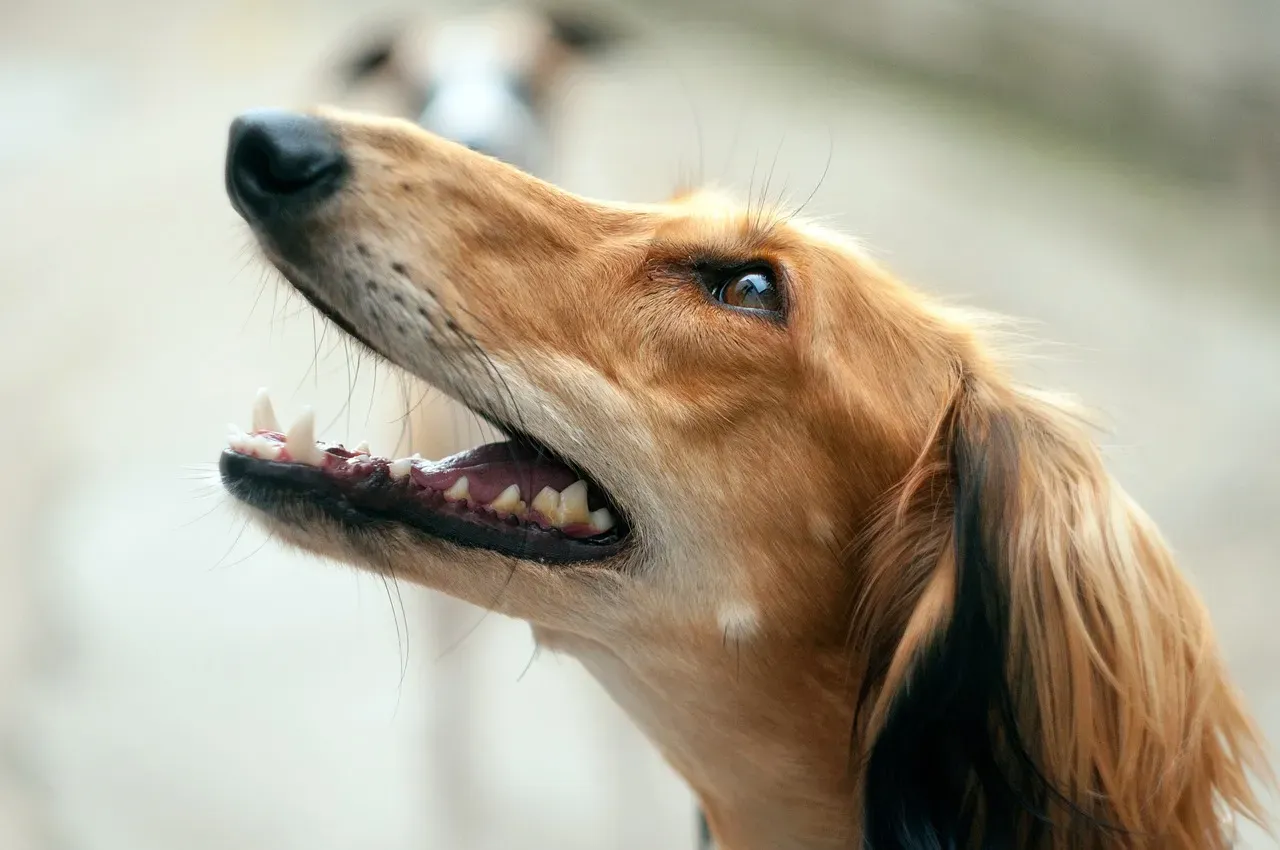
Among the world’s oldest breeds, the slim but rugged Saluki was the hunting hound of kings for thousands of years. Salukis are swift and agile sprinters who love a good chase, and they make gentle, dignified, and independent but loyal pets. Salukis, one of the oldest dog breeds in existence, had a resurgence in popularity in the 1980s. Their lean build, athleticism, and graceful movement made them a favorite among dog show participants and hunters. Their independent streak and strong prey drive, however, made them challenging for inexperienced owners.
As dog preferences shifted toward more trainable breeds, Salukis became less common. The Saluki is decidedly a one-family dog, tending to be aloof or even shy with strangers. It is a devoted but not particularly demonstrative breed that will relish sitting by your side rather than on your lap. Salukis are quiet at home, extremely gentle with children, and good with other dogs. Those traits charmed a certain type of dedicated owner in the 1980s but haven’t translated into broad mainstream appeal today.
#10. Briard
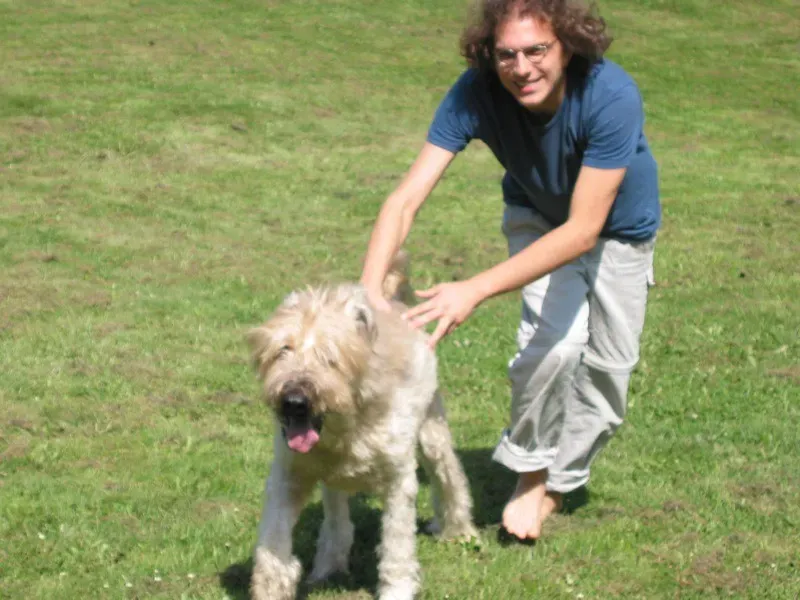
The Briard, a herding breed with a long, wavy coat, was well-loved in the 1980s for its intelligence and protective instincts. They were often seen as family guardians and excelled in various working roles. Belonging to the herding group, Briards originated in France and were originally bred to protect farmers’ flocks. Vets who practiced in that decade saw them with some regularity, especially in rural and semi-rural communities where the breed’s working instincts were genuinely put to use.
The Briard’s decline mirrors a broader pattern. Lifestyle shifts played a huge role in changing breed popularity. As more people moved into apartments and cities, smaller, low-maintenance breeds became more appealing than large working dogs that need space. The Briard, with its imposing size and considerable grooming needs, simply didn’t fit the direction modern pet ownership was heading. It remains a magnificent breed, deeply loyal to those who know it, but it’s become a genuine rarity in the clinic.
#11. Norwegian Elkhound
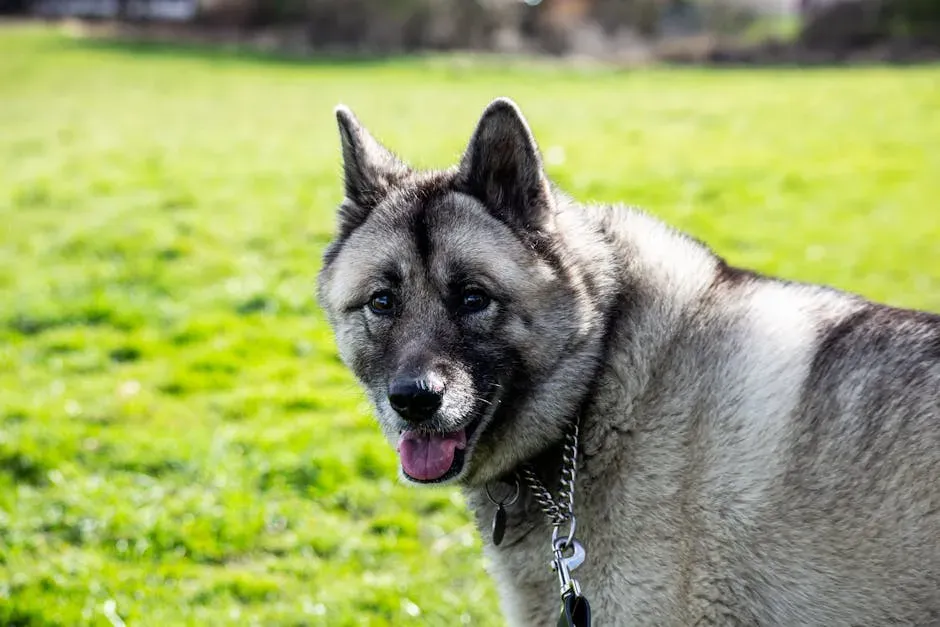
The Norwegian Elkhound was once a favored hunting and guard dog in rural America, especially among communities with a strong Scandinavian heritage. Their sturdy build, thick coat, and loyalty made them reliable working dogs and fantastic companions for active families. However, as hunting lifestyles declined and more people preferred sleek, hypoallergenic lapdogs, the Elkhound fell out of favor.
The Norwegian Elkhound is a spitz-type breed known for its wolf-like appearance, and the breed’s two-ply coat may have something to do with its decline in popularity. They’re not the easiest to train and have a bark that could rival a foghorn, which didn’t help their case in tight urban apartments. That combination of shedding, vocal tendencies, and exercise demands pushed them steadily down the popularity charts from the mid-1980s onward, and veterinary caseloads reflect exactly that trend.
#12. Bearded Collie
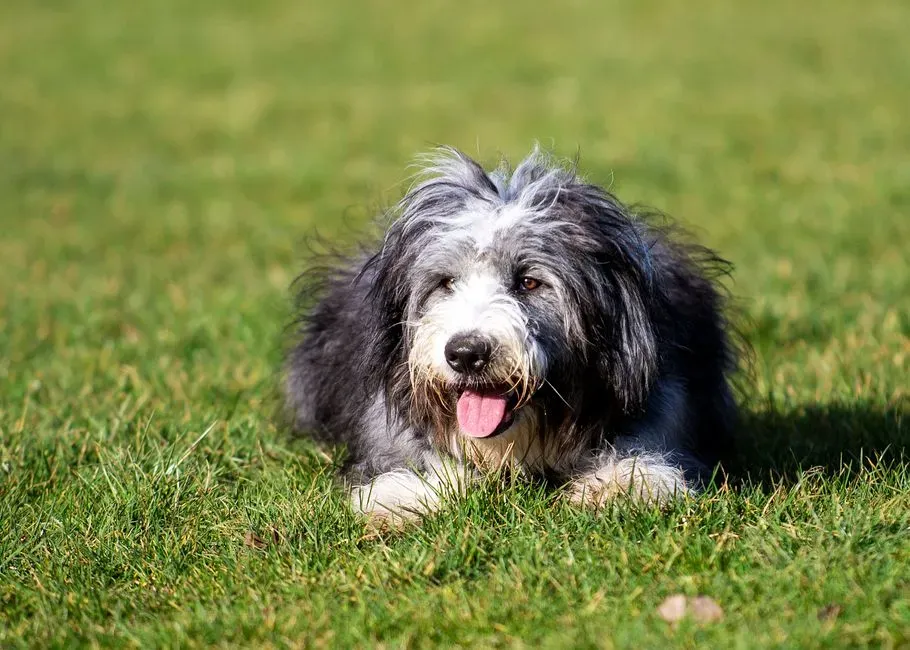
The Bearded Collie experienced a notable drop in the breed rankings. These canines are a little more high-maintenance than you might expect: the Bearded Collie’s long coat requires daily grooming, its energetic nature means it needs tons of outdoor exercise, and its stubborn temperament can make training challenging. In the 1980s, their shaggy, exuberant appearance made them a natural choice for active suburban families, and vets saw plenty of them.
The Bearded Collie’s story is in many ways a familiar one. A beautiful, animated breed that captured hearts during a decade when bigger, shaggier dogs felt right at home in spacious family yards. As household sizes shrank and schedules filled up, the daily commitment required to properly care for a Bearded Collie became a real barrier. Broader trends in what people value in a pet, like hypoallergenic coats, portability, or family-friendly temperaments, can push certain breeds into the spotlight, and all these influences combine to shape which dogs rise or fall in popularity with each passing decade.
#13. Welsh Terrier
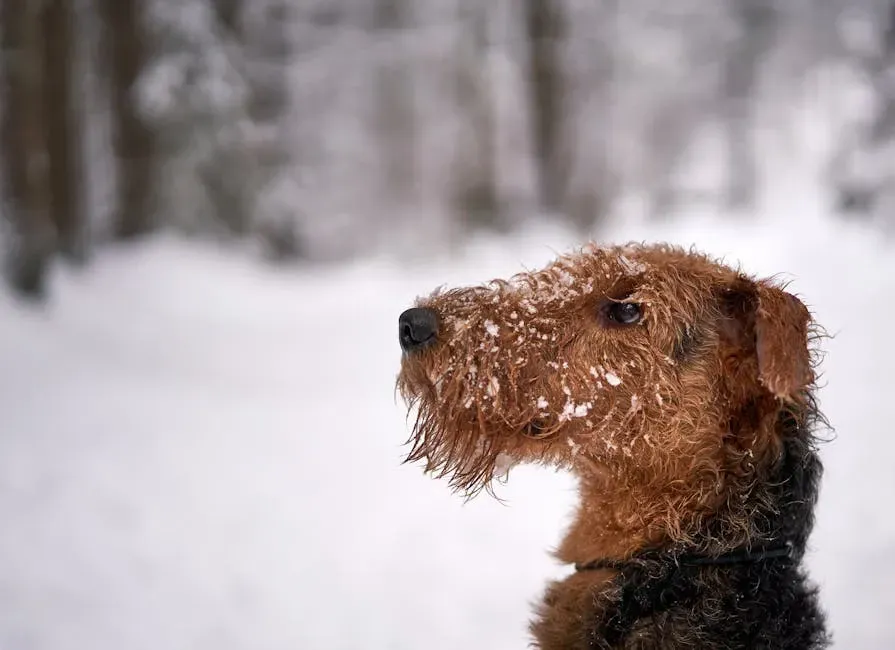
Spunky and friendly, Welsh Terriers were bred to hunt game and vermin in northern Wales. Through the 1980s, their compact size, wiry coats, and animated personalities made them a favorite among families who wanted a smaller dog with real character. They were recognizable fixtures in veterinary practices, known for their feisty dispositions on the examination table as much as anywhere else.
The Welsh Terrier’s decline is tied to the same forces that swept away many working terriers. Some breeds were bred for jobs that have since become obsolete, making them less desirable as purely domestic companions. With ratting and game hunting no longer relevant to most owners, the qualities that once defined the Welsh Terrier’s appeal became harder to channel in a modern home. Today, the breed sits well down the AKC rankings and is genuinely unfamiliar to many current dog owners.
#14. Rottweiler
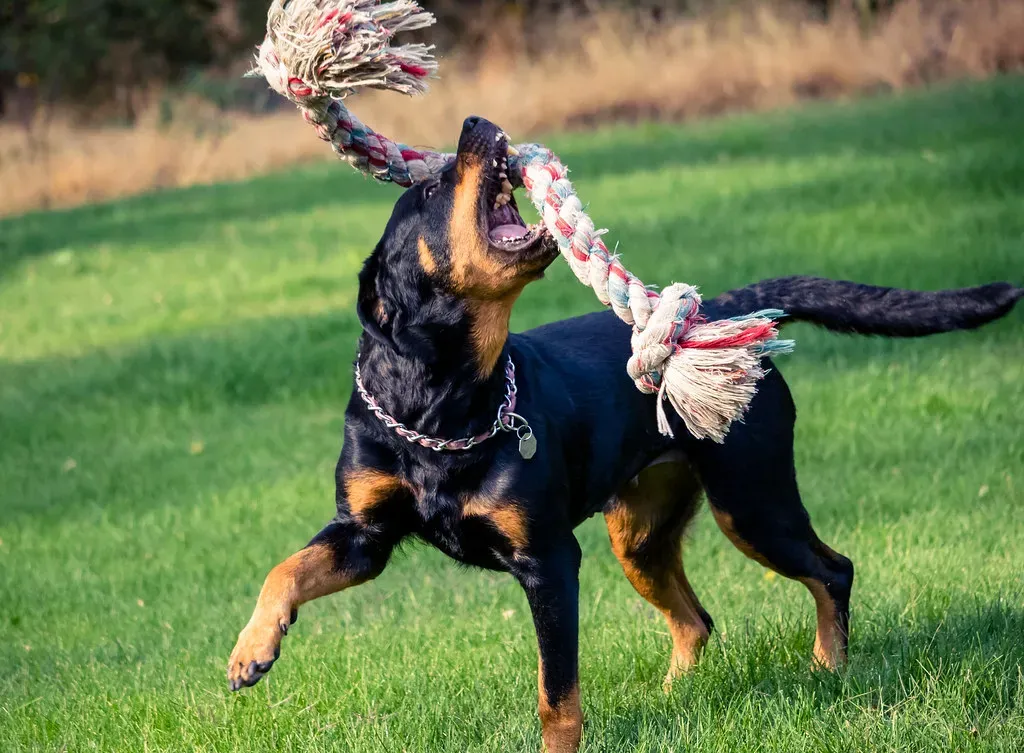
Rottweilers showed modest growth during the 1970s but began an explosive increase in popularity in the mid-1980s. In 1983, Rottweilers ranked 25th in popularity with 13,265 registrations. Ten years later, the Rottweiler was the second most popular breed in the United States with over 104,000 annual registrations. Vets of that era saw them constantly, and most developed a genuine familiarity with the breed’s particular health profile and temperament quirks.
A steep bust followed, and registrations declined 83 percent over the next decade. One factor in the fall of interest in the breed was bad publicity associated with fatal attacks. The Rottweiler’s trajectory is perhaps the most dramatic on this entire list, swinging from near-ubiquity in veterinary waiting rooms to a breed that most young vets today encounter only occasionally. The dogs themselves haven’t changed. What changed was the cultural story told around them, and that, as the numbers show, was more than enough to reshape their fate entirely.
What the Waiting Room Tells Us
![What the Waiting Room Tells Us (EraPhernalia Vintage . . . [''playin' hook-y''] ;o, Flickr, CC BY-SA 2.0)](https://nvmwebsites-budwg5g9avh3epea.z03.azurefd.net/aatg/80dfae0db8647494c922d526a36b06d9.webp)
Trends don’t just affect fashion or music. They hit the dog world too, and some breeds once ruled American homes, starred in films, and appeared in vintage ads, only to fade into near obscurity. The breeds on this list aren’t inferior to the dogs that replaced them. They’re simply products of their moment, shaped by cultural forces that proved more powerful than any amount of breed loyalty.
Breeds may be unfamiliar to the general public, may have outlived their professions, or may not make the easiest of pets. Essentially, a breed remains rare until more responsible breeders promote and preserve it. There’s something worth sitting with in that observation. The dogs haven’t disappeared entirely. They’re still out there, cherished by small circles of devoted owners who know them well.
The broader truth is that every decade produces its own version of this list. The French Bulldog that dominates vet tables today may well appear on a similar list written forty years from now. Popularity is borrowed, not owned. The breeds that stick around longest are usually the ones that found a way to be genuinely useful or genuinely adaptable, not just fashionable. The 1980s breeds on this list were, in many cases, both. They just didn’t get to stay at the party.
