
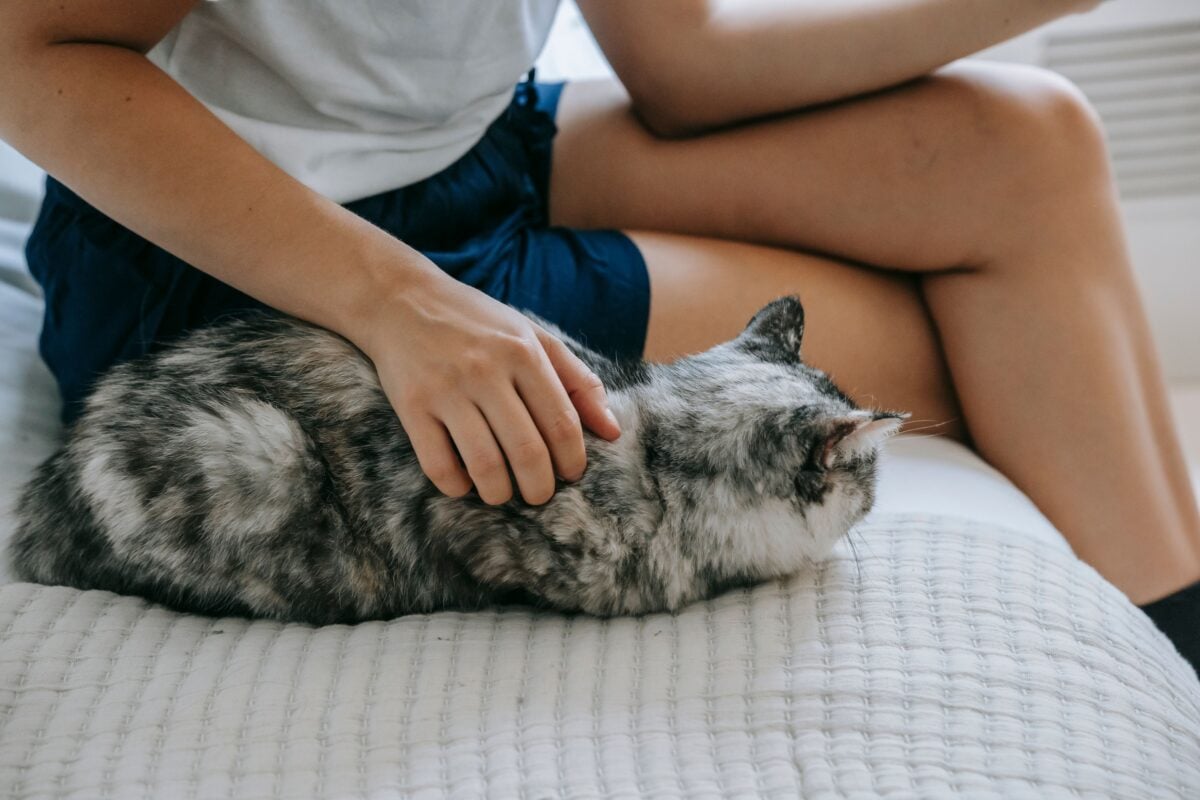
Most people think a cat “liking” them just means it tolerates their presence and hasn’t scratched anyone lately. But feline behaviorists say the real signs of trust are far quieter, and so subtle that most owners walk right past them. If you’ve ever wondered whether your cat truly loves you, this countdown is where the answer hides.
Here’s the twist: many cats save their softest, most vulnerable behaviors for exactly one human in the house, and it isn’t always the person who fills the food bowl. Some of these signs will make you smile. A few might sting if you realize your cat does them for someone else. Count down from #14 and see how many already belong to you.
#14 – The Slow Blink That Lasts a Little Too Long
🔥 Would you like to save this?
We'll email this post to you, so you can come back to it later!
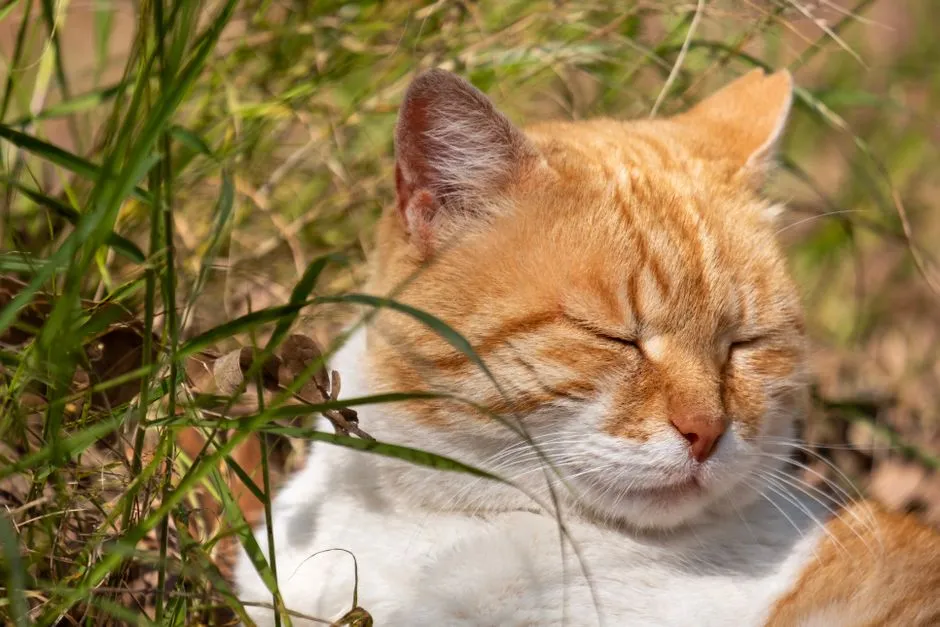
When a cat slow blinks at you, it isn’t just “cute.” It’s one of the strongest nonverbal trust signs they have. A casual blink is normal. But an extra-slow, heavy-lidded blink that holds your gaze is your cat saying, “I feel safe enough to close my eyes around you.”
Think about what that means for an animal that is both predator and prey. Cats don’t shut their eyes in front of something they consider a threat. When one does it with you, it’s not random. It’s earned. A 2020 study from the University of Sussex even found that cats were more likely to approach a person who slow blinked at them first.
At a Glance
- The research: A 2020 Sussex-led study published in Scientific Reports
- The finding: Cats were more likely to approach a person who slow blinked first, and more likely to slow blink back
- Best timing: When you’re calm, seated, and not reaching for them
- Your move: Soften your eyes, close them slowly, then open them slowly
You’ll usually see it when you’re calm and sitting still, not reaching for them. Many people ruin the moment by lunging in for a kiss or a grab, and the cat quietly learns to stop offering it so freely. If your cat does the following, you’re probably in their inner circle:
- Blinks slowly and then relaxes their whole face
- Pairs the blink with a tiny head tilt or a soft purr
But that’s nothing compared to the next sign, which happens while your cat is completely defenseless…
#13 – Choosing to Nap Where You Can Reach Them
🔥 Would you like to save this?
We'll email this post to you, so you can come back to it later!
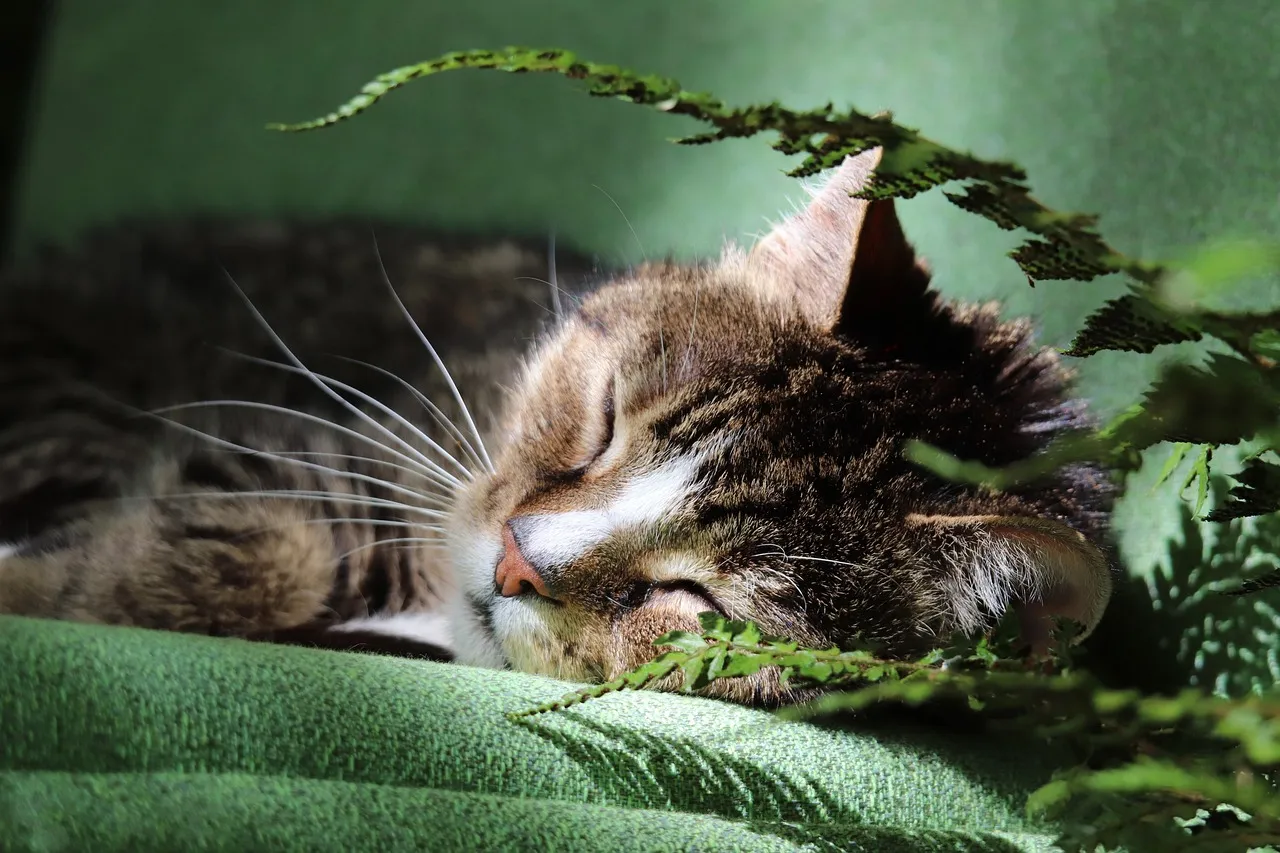
Any cat can crash on the couch. But a cat that chooses to sleep within your arm’s reach, again and again, is doing something very specific: handing over control. In the wild, sleep is when an animal is most vulnerable, and your cat knows that instinctively, even in a third-floor apartment.
So when they curl up in certain spots, it’s a calculated decision:
- On your lap, fully conked out
- With their back exposed and paws tucked in
- On the bed beside your legs instead of by the doorway
Behind each one is the same thought: “If something happens, this human isn’t the danger.”
What’s fascinating is how picky cats are about this. Many will happily sleep near the TV, a sunny window, or an empty chair, but only press up against one particular person. If that’s you, you’re not just their favorite seat. You’re their safest place in the house.
Wait until you see what your cat does with the most protected part of their body…
#12 – Pointing Their Belly at You (Without Necessarily Wanting Belly Rubs)
🔥 Would you like to save this?
We'll email this post to you, so you can come back to it later!
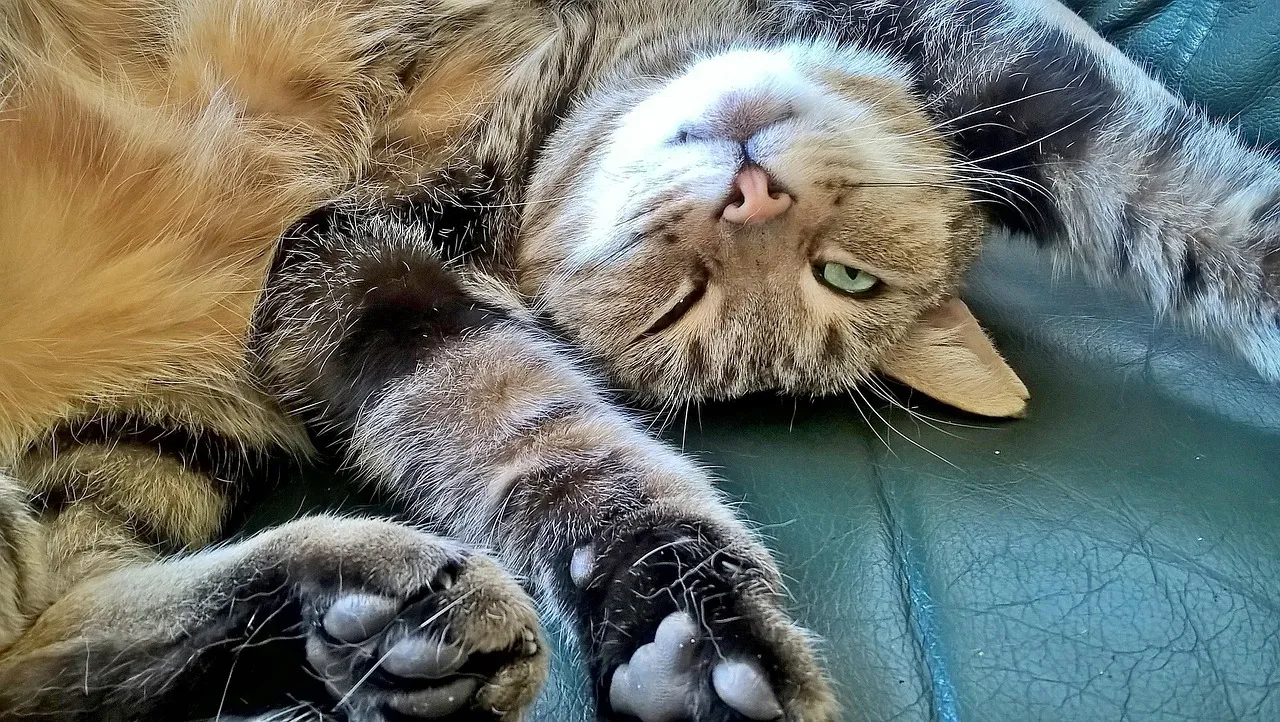
Most people brag, “My cat shows me their belly, so they want rubs!” Not exactly. For many cats, exposing the belly is about trust, not an invitation. It’s the feline version of lowering a shield.
The belly is where vital organs sit, and cats protect it by instinct. So when your cat rolls onto their side and stretches long in front of you, flops onto their back when you walk in, or sleeps half twisted with their belly toward you, they’re telegraphing, “I’m not on guard. I don’t think you’re going to hurt me.” That’s huge.
Quick Compare
- Trust display: Loose side-roll, soft face, slow blinks, relaxed tail
- Overstimulation risk: Tense body, twitching tail tip, flattened ears, paws ready to grab
- Safer move: Skip the belly dive and offer a chin or cheek scratch instead
Here’s where people get burned, sometimes literally. They dive in for a scratch, and the cat suddenly grabs with both paws or bunny kicks. That isn’t betrayal. It’s reflex and overstimulation. The trust was in the exposure, not the touch.
The detail to watch is the timing. If your cat shows their belly specifically when you walk by or sit down, that’s not random stretching. It’s targeted vulnerability, aimed at you.
Now for something you can actually hear…
#11 – The Soft, Barely-There “Greeting Meow” Just for You
🔥 Would you like to save this?
We'll email this post to you, so you can come back to it later!
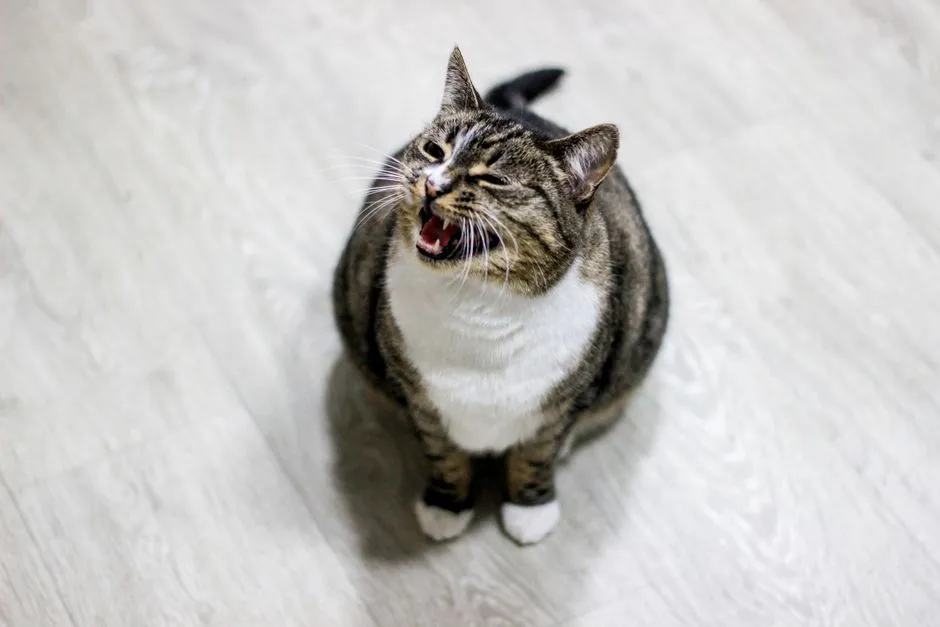
Not all meows are created equal. The harsh, demanding “FEED ME” yowl is for anyone with thumbs. But the soft, questioning chirp some cats give when you walk in? That one is reserved for their person.
You’ll notice three things about this special sound:
- It’s quieter and higher than their usual dinner meow
- It happens when there’s no obvious need, such as food, a door, or the litter box
- It comes with loose body language, like a gently raised tail or a head bump
This is social, not transactional. Your cat is essentially checking in: “There you are. Everything good?” That tiny vocal choice carries more information than most people realize.
Over time, many cats build a whole private language with one human. You start recognizing the sleepy meow, the “come sit with me” meow, and the “I heard a noise” meow. The fact that your cat bothers to develop that nuance with you at all is the real clue.
Next comes a behavior that looks like an insult but means the opposite…
#10 – Turning Their Back and Just… Existing Next to You
🔥 Would you like to save this?
We'll email this post to you, so you can come back to it later!
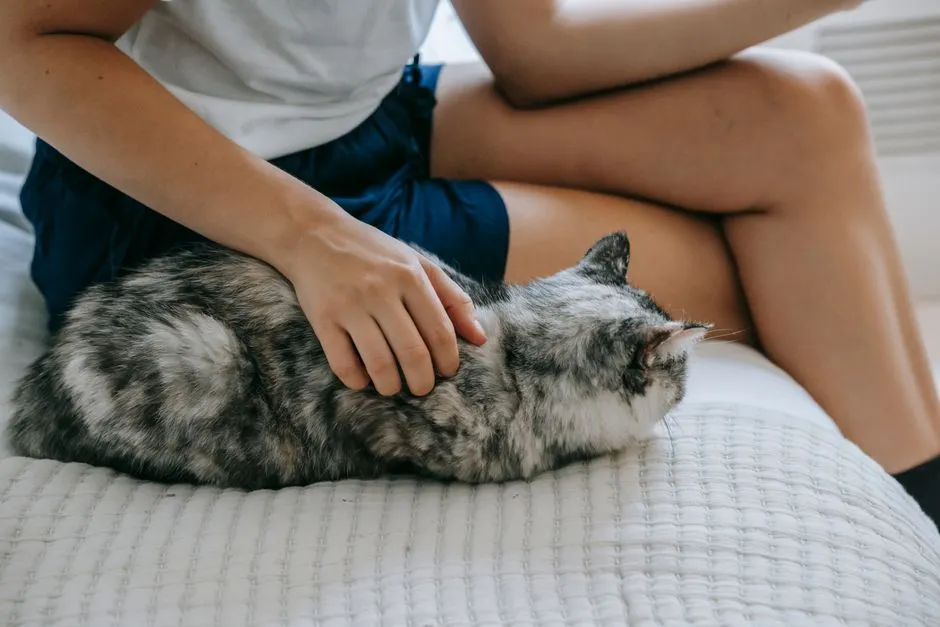
It sounds backwards, but a cat that sits with its back to you may trust you more than one that stares you down. Predators keep their eyes on anything they might have to fight or flee. Turning away means you’ve been moved off the threat list.
You’ve probably seen versions of it:
- Your cat hops up next to you and faces the room instead of you
- They sit on your desk with their back toward you while you work
- They perch at a window but wedge themselves against your leg or hip
What they’re really doing is outsourcing security. You’re part of the safety net now. Many people misread this as “ignoring me,” when your cat has actually slotted you into the same category as a safe rock or tree, only warmer and far more useful.
It’s strangely flattering. If they occasionally glance back, slow blink, or flick the tip of their tail when you speak, that’s your confirmation. They’re not snubbing you. They’re relaxed enough that they don’t need to keep watching you.
And the next one? Your cat is literally marking you as theirs…
#9 – Gentle Head Bumps and Face Rubs (Scent-Marking You as “Home”)
🔥 Would you like to save this?
We'll email this post to you, so you can come back to it later!
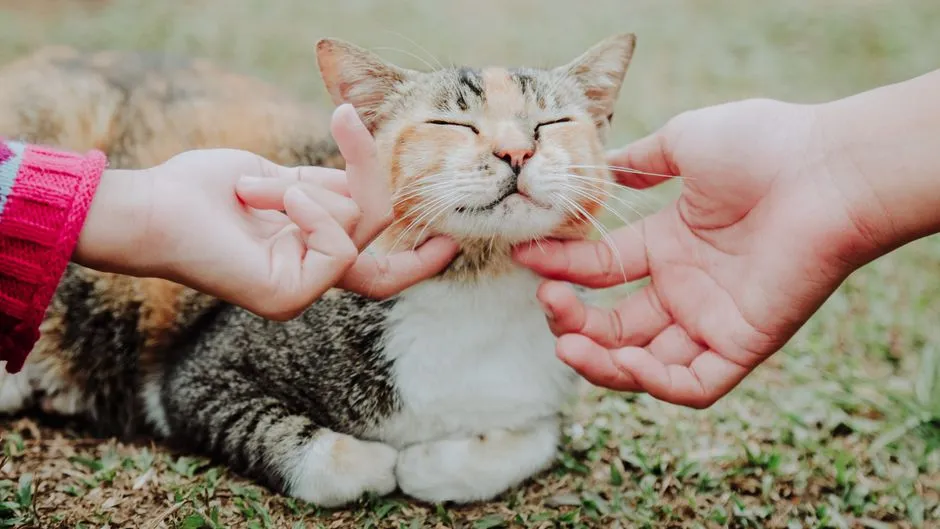
Head bunting isn’t just affection. It’s branding. When a cat rubs their cheeks, forehead, or chin on you, they’re depositing scent from glands clustered in those areas. To you it’s “Aww, kisses.” To them it’s, “You belong in my safe-smelling zone.”
Here’s what it looks like in real life:
- Firm but gentle bumps against your forehead, nose, or chin
- Long cheek rubs along your hand, glasses, or even your phone
- Little drive-bys where they graze your calf and keep walking
They’re overwriting the world’s unfamiliar smells with a shared, familiar one that includes you. It’s especially telling when it happens after you come home from outside, when you’re stressed or upset, or right before they settle in next to you.
Those moments suggest they aren’t just claiming territory. They’re actively re-linking you with “safe, known, mine.”
Now we get to a behavior that borrows straight from cat family life…
#8 – Grooming You Like You’re Part of Their Social Group
🔥 Would you like to save this?
We'll email this post to you, so you can come back to it later!
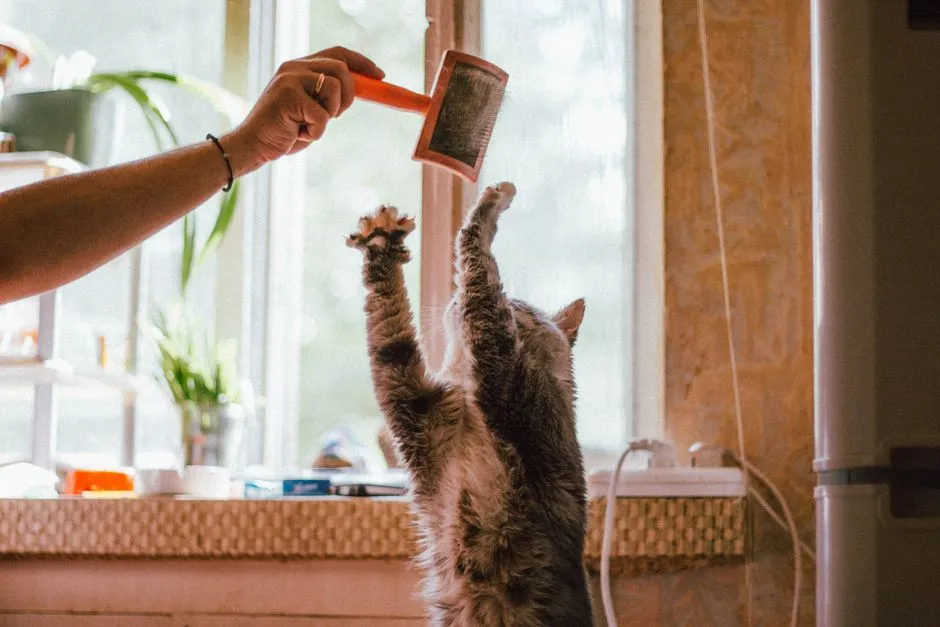
Cats don’t groom just anyone. Allogrooming, or cleaning another cat, is usually reserved for close, friendly relationships. So when your cat licks your hair, beard, eyebrows, or hands, they’re crossing a serious social line, in the best way.
It might show up as tiny, careful licks on your fingers while you pet them, gentle tugging or chewing at your hair, or meticulous attention to one spot on your arm. Your skin and hair are, let’s be honest, questionable textures. They aren’t doing it because you taste great. They’re doing it because you’re in the family grooming circle.
A few quick cues to read the moment:
- Light, patient grooming = high trust
- Followed by relaxed purring or settling down = bonus points
- Abrupt, hard bites = probably overstimulation, not malice
But the next spot your cat chooses to sleep takes real nerve…
#7 – Sleeping on Your Chest, Throat, or Head
🔥 Would you like to save this?
We'll email this post to you, so you can come back to it later!
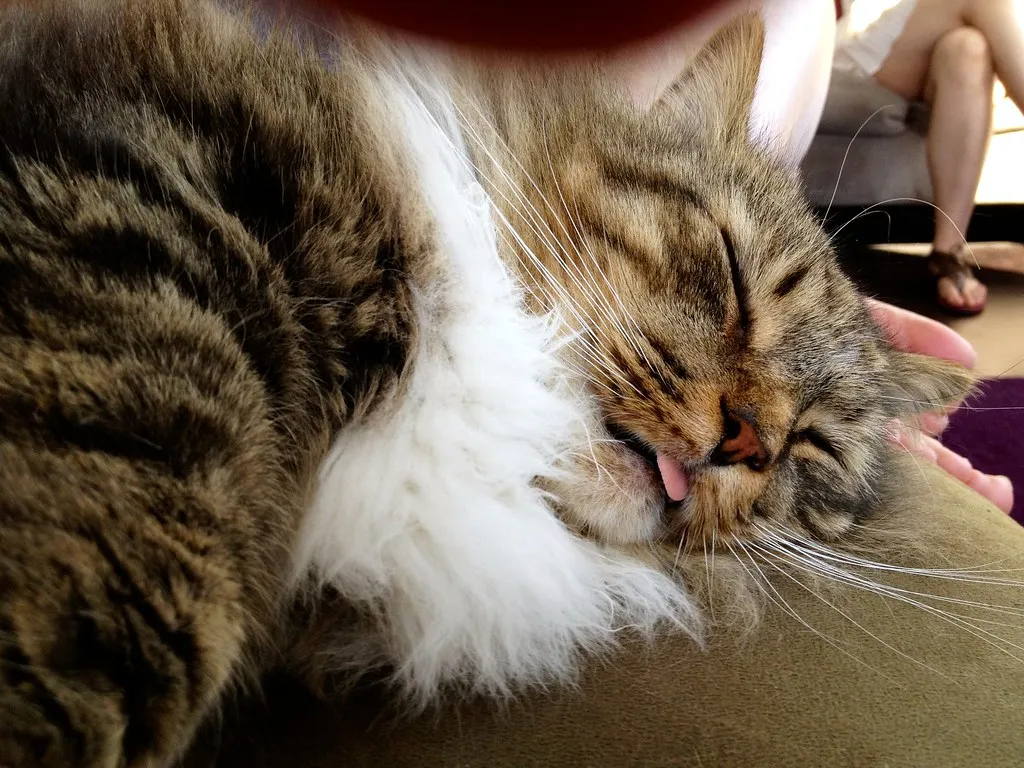
This isn’t just about warmth. When a cat chooses to sleep on the parts of you that move and make noise, like your chest, neck, or head, they’re tolerating a lot of sensory chaos just to be as close as possible.
From a cat’s point of view, your heartbeat and breathing are constant, rhythmic signals. For some cats, that becomes deeply soothing. For others, it would normally be annoying or even unsettling. So when your cat repeatedly climbs onto your chest and goes still, curls around your neck like a furry scarf, or sleeps against your head on the pillow, they’re overriding their own sensitivity to be near you.
Fast Facts
- Adult cats typically sleep roughly 12 to 16 hours a day, so a lot of trust gets tested during naps
- A healthy cat’s heart usually beats around 140 to 220 times per minute, far faster than a typical human’s 60 to 100
- A cat’s normal body temperature runs about 100.5 to 102.5°F, which is why a warm human is so appealing
- Purring commonly falls in a low-frequency range of about 25 to 150 Hz
That’s not casual. Many multi-person households report the same thing: the cat might cuddle with anyone on the couch, but only sleeps on one person in bed. That’s a clear trust ranking, whether the family wants to admit it or not.
Still, the next sign reveals who your cat runs to when things go wrong…
#6 – Coming to You When They Feel Unwell or Scared
🔥 Would you like to save this?
We'll email this post to you, so you can come back to it later!
Anyone can be “fun” when the treats come out. The real question is: where does your cat go when something feels wrong?
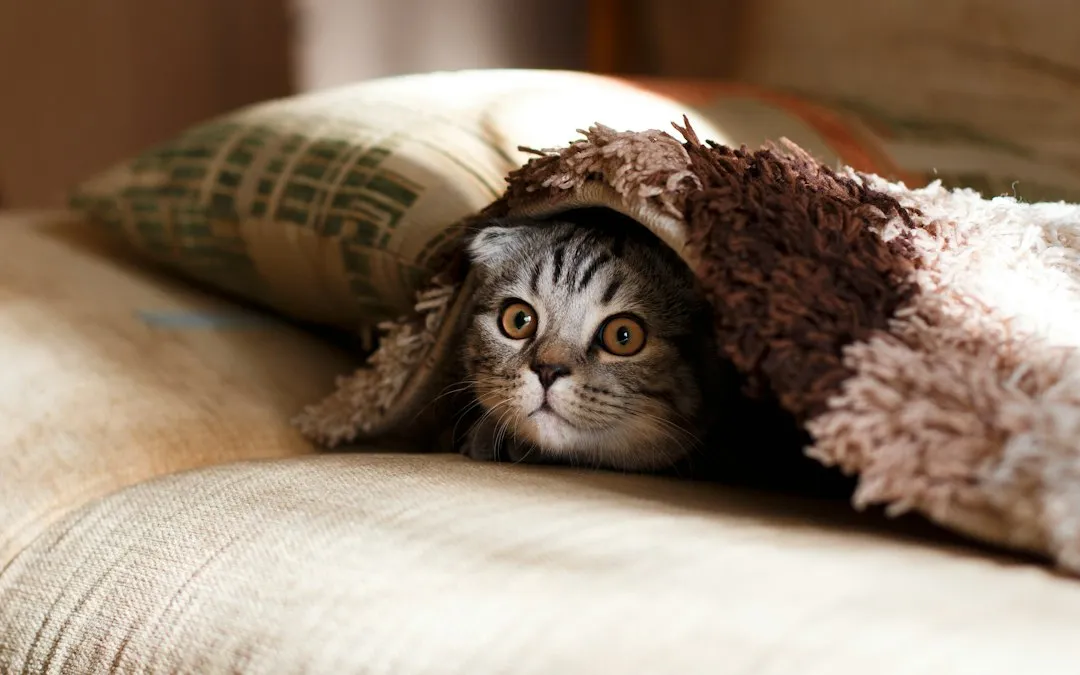
During thunderstorms, fireworks, vet-recovery days, or random household chaos, does your cat seek out your room and hide under your side of the bed? Crawl into your lap even though they’re usually independent? Cry out to you specifically when they’re distressed? Then you’re not just their buddy. You’re their emergency plan.
This is especially telling in aloof cats. A cat who normally “does their own thing” but appears at your feet during every loud storm is revealing their real trust map, not their daily preferences. Here’s what to watch for:
- Distress: the cat moves closer to you, not farther away
- Illness or lethargy: the cat chooses your presence over solitude
- Startle event: the cat turns their body in your direction
Next, your cat quietly rewrites their own rules just for you…
#5 – Letting You Touch “Off-Limits” Areas
🔥 Would you like to save this?
We'll email this post to you, so you can come back to it later!
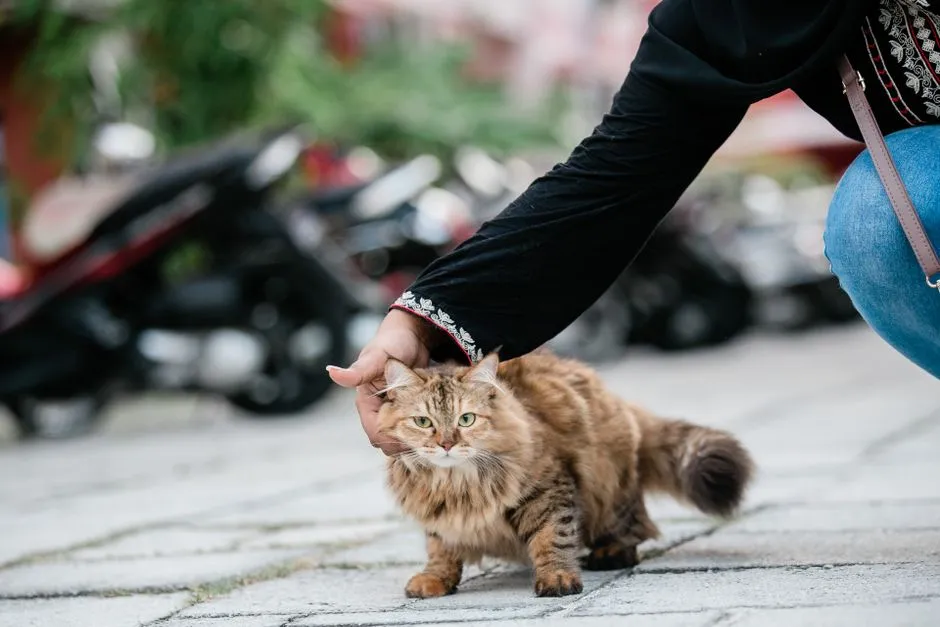
Most cats have strict boundaries: no paws, no tummy, no tail base, and absolutely no surprise hugs. So when a cat lets you handle their protected spots, it’s no accident. It’s a massive trust concession.
Think about it. Do they let you trim their nails with only mild complaint? Tolerate gentle touches around their mouth or eyes? Allow you to check their belly, armpits, or under their tail for mats or injuries? They might not enjoy it, but they let you do it, and that distinction matters. Many cats will bolt or lash out if anyone else even tries.
Worth Knowing
- Keep it short: Brief handling sessions work better, and stopping before your cat objects protects the trust
- Green lights: Relaxed ears, steady breathing, soft eyes
- Red lights: Flattened ears, lashing tail, rippling skin, or a low growl
- Finish well: A calm pause, a treat, or a favorite scratch spot afterward helps the memory stay positive
If you’re the one person they allow to give medicine, clean their ears, or pick burrs out of their fur, congratulations. You’ve been promoted to “medical staff,” which in their world means trusted caretaker.
The next sign is so subtle you may have been seeing it for years without noticing…
#4 – Matching Their Rhythm to Yours (Following You, But Casually)
🔥 Would you like to save this?
We'll email this post to you, so you can come back to it later!
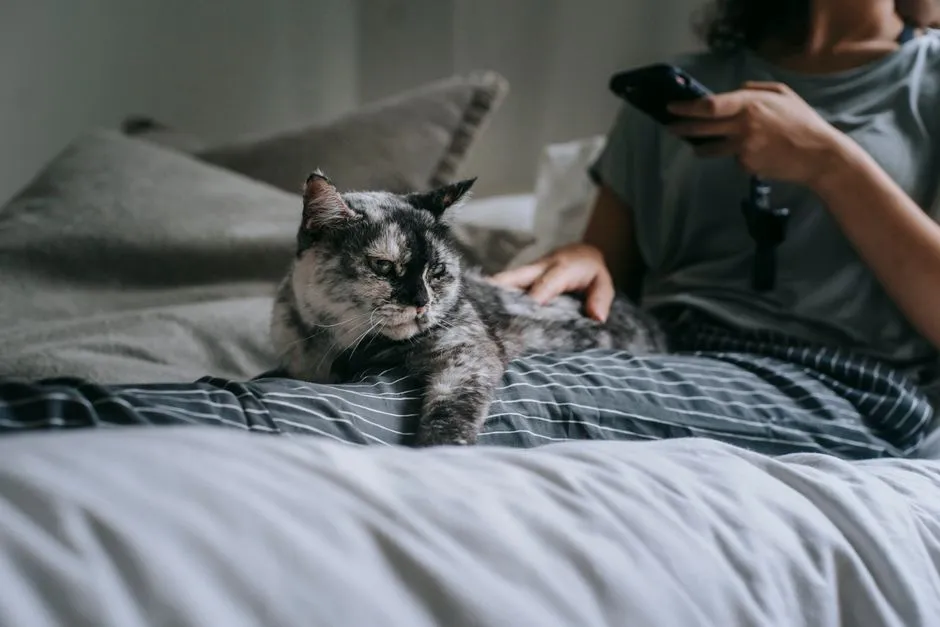
Everyone recognizes a cat trailing behind them like a dog. The deeper version is subtler: your cat quietly syncs their daily rhythm with yours.
You might notice they get up when you get up, even if they were sleeping in another room. They move when you move, but don’t demand attention. They just exist nearby. They may even wait outside the bathroom door, then go right back to their nap once you’re “accounted for.”
This isn’t clinginess. It’s social alignment. Your presence has become such a core part of their environment that they track it the way they’d track the members of a bonded group. They usually settle:
- Just outside your personal space bubble
- On the back of the sofa while you’re on the front
- On the floor under the table while you work
They’re not always asking for touch. They’re asking for predictability.
Now the top three, where the emotional weight really starts to land…
#3 – Adjusting Their Play Style Just for You
🔥 Would you like to save this?
We'll email this post to you, so you can come back to it later!
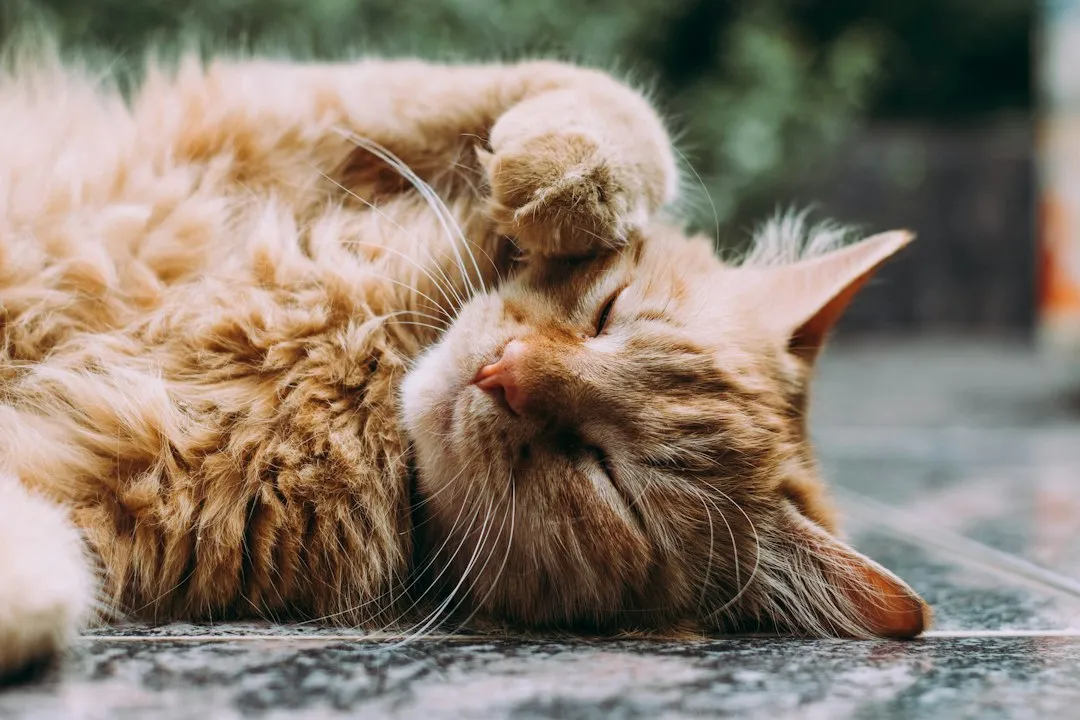
Play isn’t just entertainment for cats. It’s hunting practice. So the way a cat chooses to play with you shows how they categorize you. If your cat modifies their intensity for you, that’s relationship-level nuance.
Look for claws mostly sheathed when they grab your hand, even in excitement. Look for softer bites with an immediate release, especially compared to how they treat toys. Look for a willingness to chase, pounce, then flop beside you instead of staying in attack mode.
Some cats have a rough mode for toys and a noticeably gentler mode for their chosen person. That’s deliberate control. They’re using bite inhibition and restraint even while highly aroused. A quick way to read it:
- Wild, claws-out attacks = play drive, low control
- Adjusted, claws-in contact with you = trust plus self-control
- Quick recovery to purring or rubbing after play = emotional safety
The next one is a moment most cats would rather no one ever saw…
#2 – Showing You “Embarrassing” Vulnerabilities (Cat Logic Version)
🔥 Would you like to save this?
We'll email this post to you, so you can come back to it later!
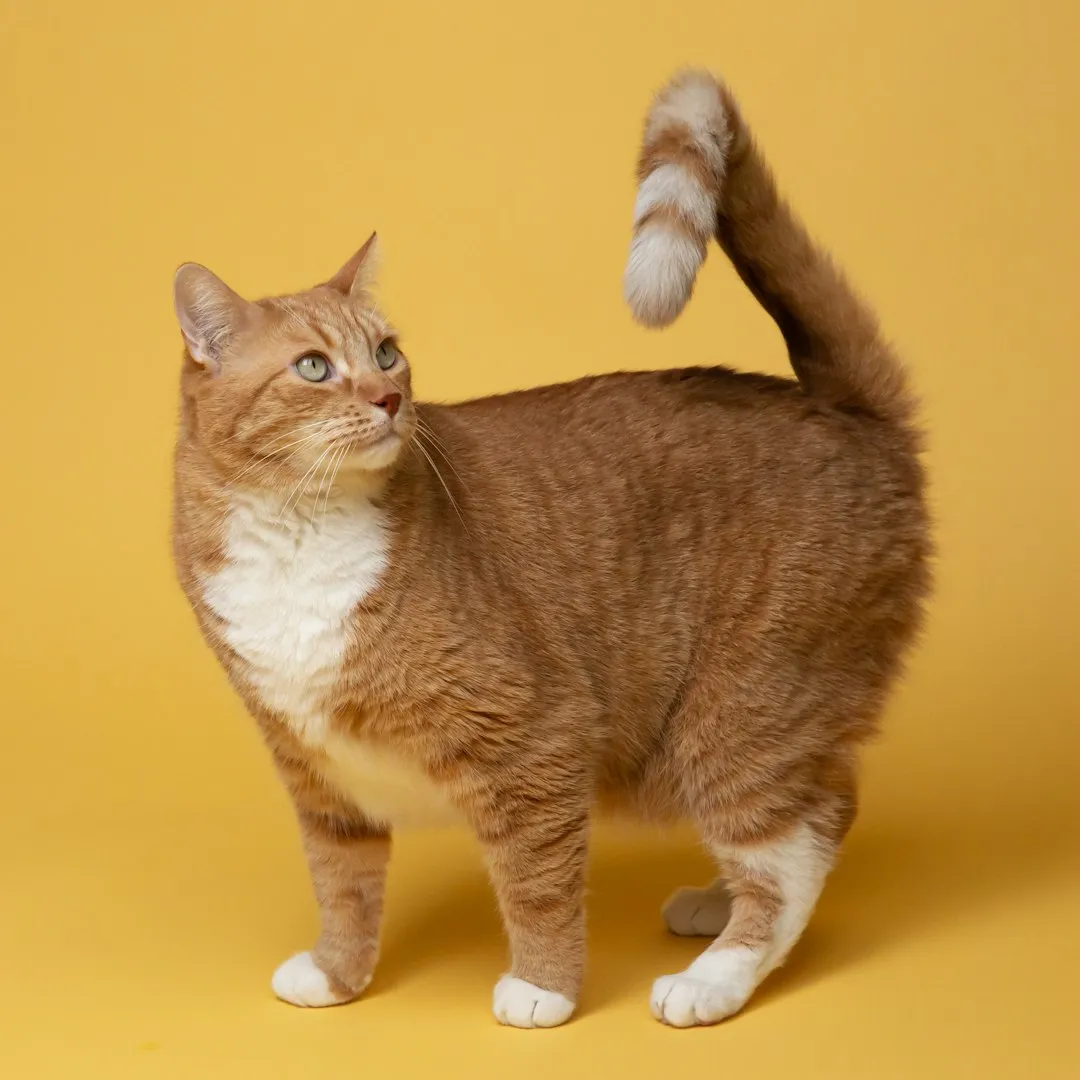
Some cats treat weakness like a state secret. Others, when deeply bonded, will actually let you see their most compromised moments: a weird cough, a hairball, a clumsy jump, or a scared reaction.
Picture your cat missing a jump and crashing into the coffee table, hacking up a hairball, or getting spooked by a loud noise. If they bolt from everyone else in those moments but stay near you, or even look at you during or after, that’s not random. They’re allowing you to witness something they could easily hide.
It can also look like meowing at you after a scary sound and checking your reaction, coming to your bed or desk after an embarrassing fall, or letting you see them limp slightly or lick a sore spot. You become their reference point: “Is this okay? Am I okay?”
And the number one sign? It’s the quietest of all…
#1 – Offering Quiet, Unsolicited Contact… Then Just Staying There
🔥 Would you like to save this?
We'll email this post to you, so you can come back to it later!
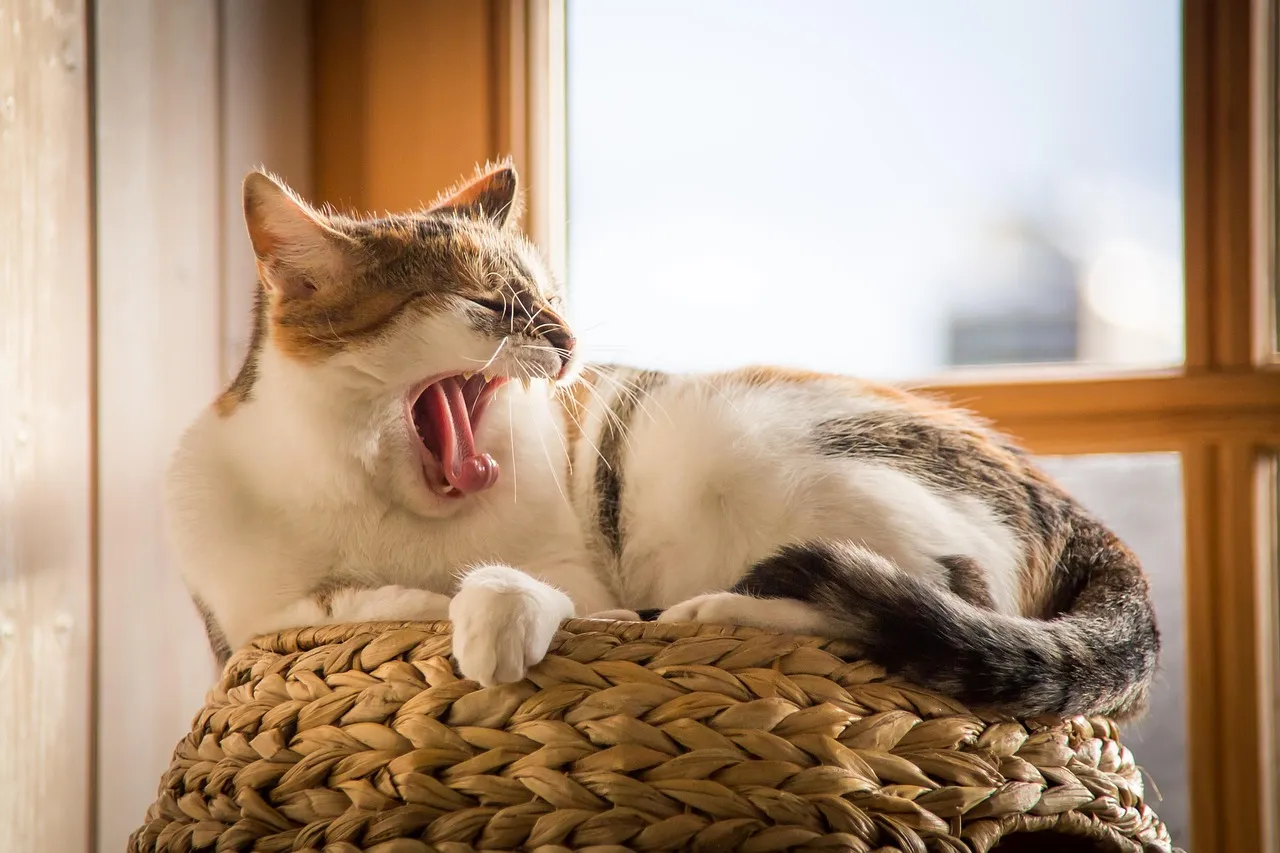
The most powerful sign your cat has truly accepted you isn’t dramatic at all. It’s when they choose gentle contact with you, and then nothing else happens. No treats appear. No toys. No talking.
They simply decide to press one paw against your leg and fall asleep, lean their back against your arm while you read, or curl up touching your side without asking for pets. Then they stay there in complete, boring, uneventful peace.
This is the opposite of performative affection. It isn’t based on bribery, novelty, or need. It’s your cat saying, “Your presence is enough.” A few signature traits:
- It often happens when you’re calm or distracted, not calling their name
- It may look very small, like one paw, a draped tail, or a hip against your ankle
- They may sigh, blink slowly, or fully relax their jaw and whiskers
This isn’t something you can fake your way into. It shows up after hundreds of low-drama, consistently safe interactions.
Here’s my blunt take: cats aren’t “cold.” They’re selective. The gentle behaviors people dismiss as quirks, like a long blink, a quiet greeting, or a cat choosing your chest over the windowsill, are the clearest evidence you’ve been let into their tiny social world. Honestly, a cat that does these things for you has given you more than a dog’s wagging tail ever could, because a cat never says it casually.
The pattern is hard to ignore. The more you respect feline boundaries, with no forced hugs, no chasing, and no ignoring their subtle “I’m done” signals, the more of these soft behaviors start to appear. That’s not magic. It’s an animal learning, over time, that you are reliably safe.
So if your cat saves their slow blinks, quiet naps, and vulnerable moments just for you, don’t downplay it. In cat language, that’s as loud as “I love you” gets.
Which of these behaviors does your cat reserve for you, and which ones do you think people still completely misunderstand? Did we miss one of your cat’s secret trust signals? Drop it in the comments.

- 7 Everyday Habits That Can Make Your Senior Dog Happier - November 5, 2026
- 10 Enigmatic Structures That Continue to Puzzle Scientists Today - November 5, 2026
- 10 Strange Ruins in the Americas That Challenge What We Know About Early History - November 5, 2026