
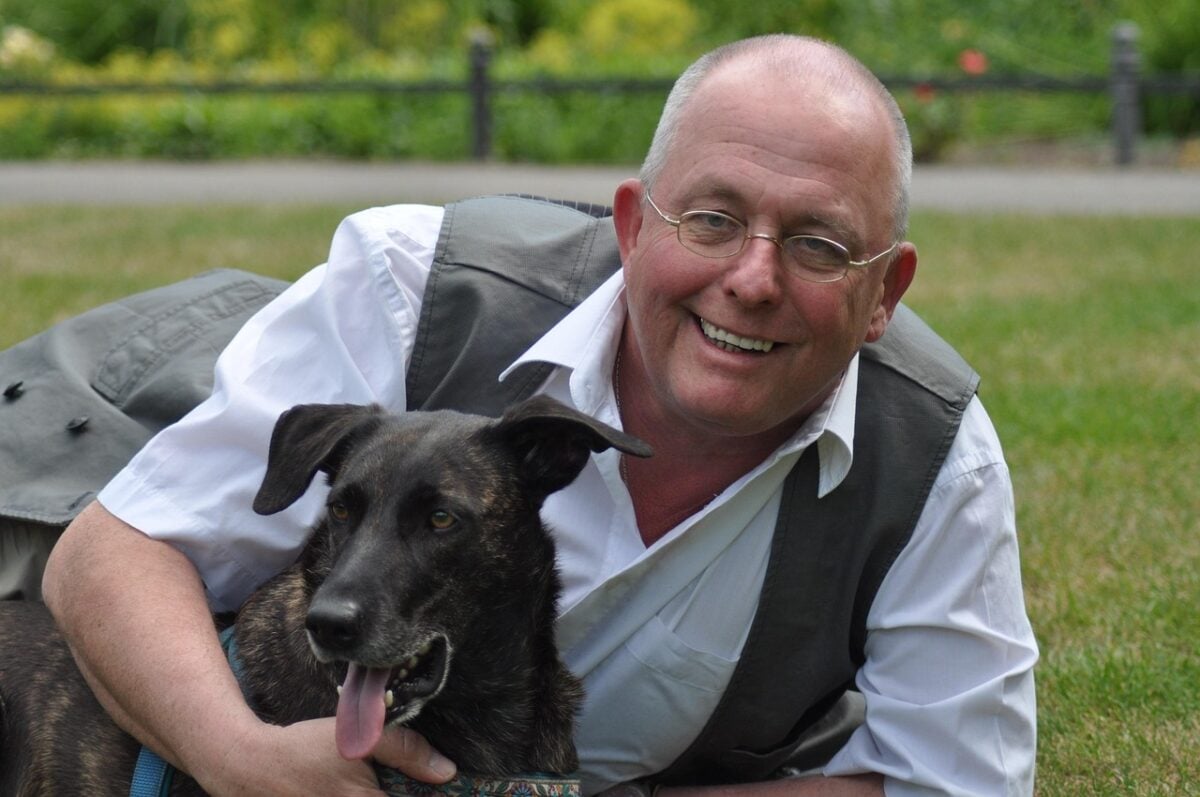
Your old dog no longer sprints to the door. The tennis ball has been sitting under the couch for months. Somewhere along the way, you may have quietly decided the spark was fading.
Here’s the twist: many behaviorists read those small changes as the opposite of fading. Senior dogs often aren’t loving you less. They’re loving you quieter, in ways that are easy to mistake for plain old age. These 14 signs show what that looks like, from the sweet and subtle to a few that might change how you read your dog every day.
Some of them hide in your daily routine. One shows up the moment you pick up your keys. And the sign at #1 is the one most owners never notice until someone points it out.
#14 – They Dont Follow You Everywhere… But They Always Know Where You Are
🔥 Would you like to save this?
We'll email this post to you, so you can come back to it later!
It sounds backward, but a senior dog can be more attached even when they’re no longer glued to your heels. Younger dogs often shadow you out of novelty and a touch of FOMO. Every trip to the kitchen might be the start of something exciting.
Older dogs already know the shape of your day. They don’t need to check every move. They just want the reassurance that you’re nearby.
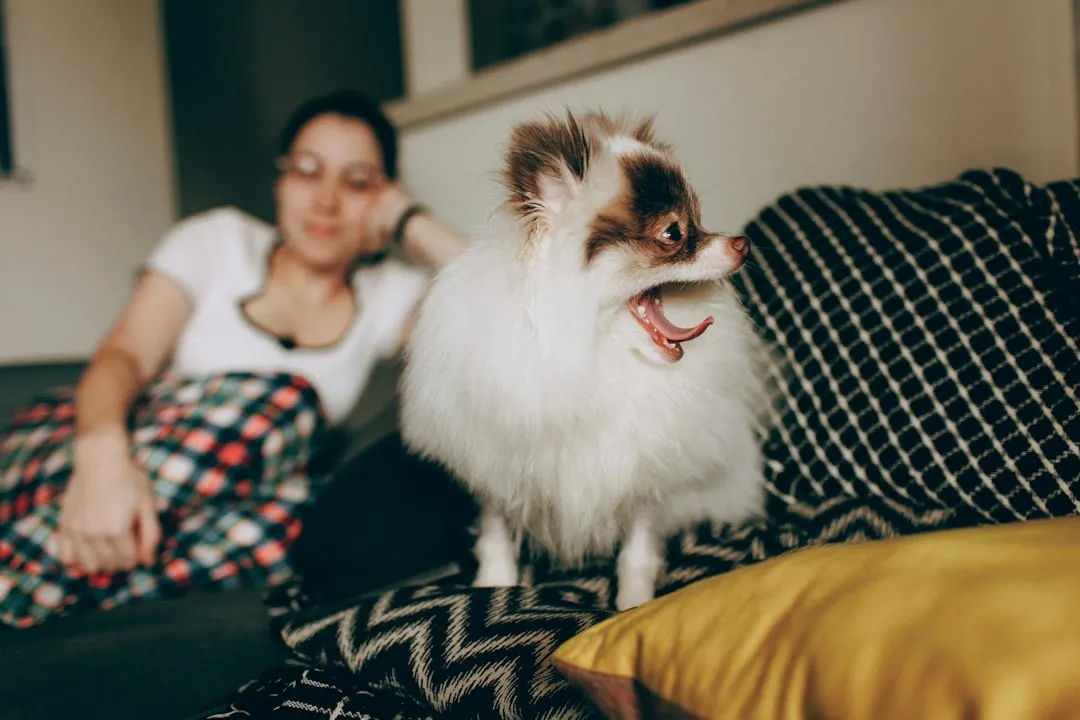
So your dog may no longer leap up every time you stand. But if you change rooms for a while, they’ll quietly relocate to a spot where they can still keep you in view. They track you with their eyes more than their paws now. That’s not disinterest. It’s calm confidence.
Look for these subtle behaviors:
- They nap in a doorway, facing you.
- They lift their head as you walk by, then drift peacefully back to sleep.
- They move when you move, just a little more slowly and a lot more casually.
They’re not obsessively checking on you anymore because they’ve finally decided you’re not going anywhere. That’s trust, not distance.
But that’s nothing compared to what comes next at #13…
#13 – Their Greeting Is Softer, But Weirdly More Intense
🔥 Would you like to save this?
We'll email this post to you, so you can come back to it later!
Most people miss this one because they’re comparing today’s hello to the wild zoomies of puppyhood. Senior dogs often have gentler reunions, but emotionally they’re doing more, not less.
Instead of frantic spinning, you get slow tail wags, deep eye contact, and a full-body sigh of relief. They might lean against your legs, rest their chin on you, or quietly nuzzle your hand. Older dogs trade chaos for ritual.
That routine greeting says the relationship has moved from excitement to trust. For a dog, predictability equals safety, and safety is a big part of attachment.
Quick Compare
- Puppy hello: spinning, jumping, and a lot of noise.
- Senior hello: a slow wag, a lean, and steady eye contact.
- What it signals: thrill in the young dog, deep trust in the older one.
You may notice:
- Their tail wag is slower but lasts longer.
- They linger with you after the hello instead of tearing off to do something else.
Some guardians mistake this calmer style for sadness or low energy. In reality, it often says, “My favorite person is back, so now I can finally relax.”
But that’s nothing compared to what we found about #12…
#12 – They Choose Contact Over Play
🔥 Would you like to save this?
We'll email this post to you, so you can come back to it later!
You know your dog is getting older when the tennis ball suddenly matters less than your lap. Yes, aching joints can play a part. But there’s often more going on than a body that tires faster.
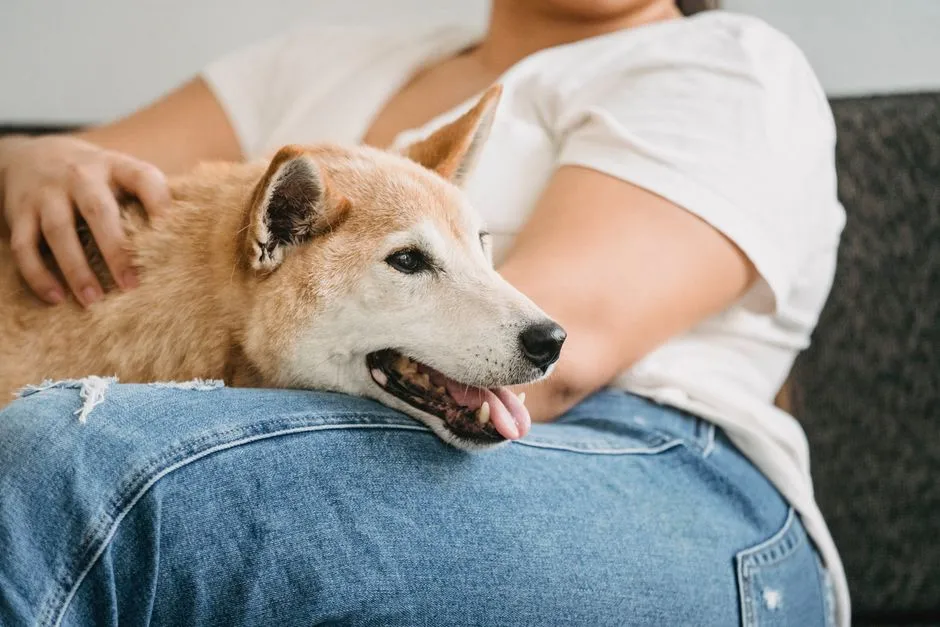
Touch becomes more important than toys. A younger dog might drop a squeaky toy on your feet to demand a game. A senior dog often walks over just to rest their head on your knee.
They may still enjoy play, but they bail out sooner. Instead of demanding round two, three, and four, they settle down beside you like the game was only ever an excuse to get close.
Watch for these quiet but powerful signs:
- They abandon a toy mid-game to come lean against you.
- They prefer lying pressed against your side to lying across the room.
Age and energy matter, no question. But when a dog has a clear choice between solo entertainment and physical closeness, choosing you is attachment in action.
But that’s nothing compared to what we found about #11…
#11 – They Tolerate (and Even Seek) Gentler Handling
🔥 Would you like to save this?
We'll email this post to you, so you can come back to it later!
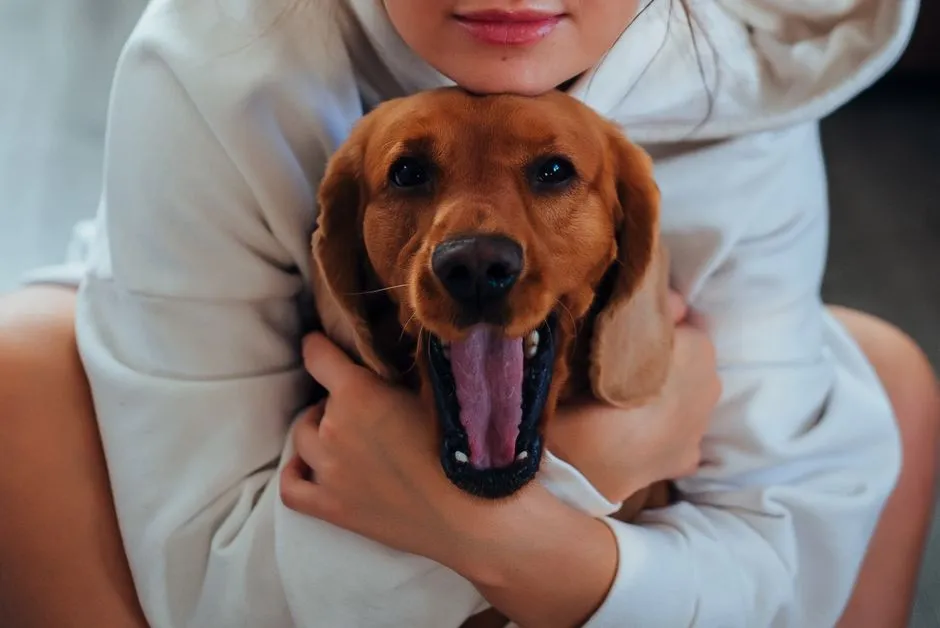
Ironically, plenty of dogs dislike being “hugged” when they’re young. It can feel restraining or overwhelming. In later years, that often flips.
A senior dog who once dodged cuddles might now lean in, close their eyes, and actively push for more contact with their head or paw. You’ll often see it during:
- Brushing sessions that used to be a battle.
- Nail trims or ear cleanings where they settle faster than before.
Part of this is training and routine. But part of it is trust. They’ve logged years of learning that your hands don’t hurt, they help.
Being lifted onto a couch or helped up the stairs can actually lower their stress when it’s your touch doing it. Some dogs even start to “ask” for care by nudging the brush, presenting a hip for scratches, or backing up to you for a massage. That comfort with physical vulnerability is never neutral. It’s attachment laid bare.
But that’s nothing compared to what we found about #10…
#10 – Their “Check-Ins” Become Laser-Focused

🔥 Would you like to save this?
We'll email this post to you, so you can come back to it later!
Senior dogs may nap more and move less, but pay attention when they’re awake. Their check-ins with you often get sharper. A check-in is that quick glance to confirm you’re okay, where you are, and what you’re doing.
In older dogs, these looks can be more intense and meaningful. You might notice it on walks, when they glance back to find your face. Or in a new place, when they scan the room and then lock right onto you.
This isn’t clinginess. It’s consultation. You’re their home base and decision-maker, and they’re essentially asking, “Is this safe? Are we good?” A dog who trusts you to answer that question has built a serious attachment over time.
The short version:
- Young dogs check in because they’re unsure of the world.
- Older dogs check in because they’re invested in you.
If your senior dog’s eyes find you quickly in a crowd or a noisy space, that’s no accident. It’s a practiced emotional shortcut.
But that’s nothing compared to what we found about #9…
#9 – They Relax Faster When You’re Nearby
🔥 Would you like to save this?
We'll email this post to you, so you can come back to it later!
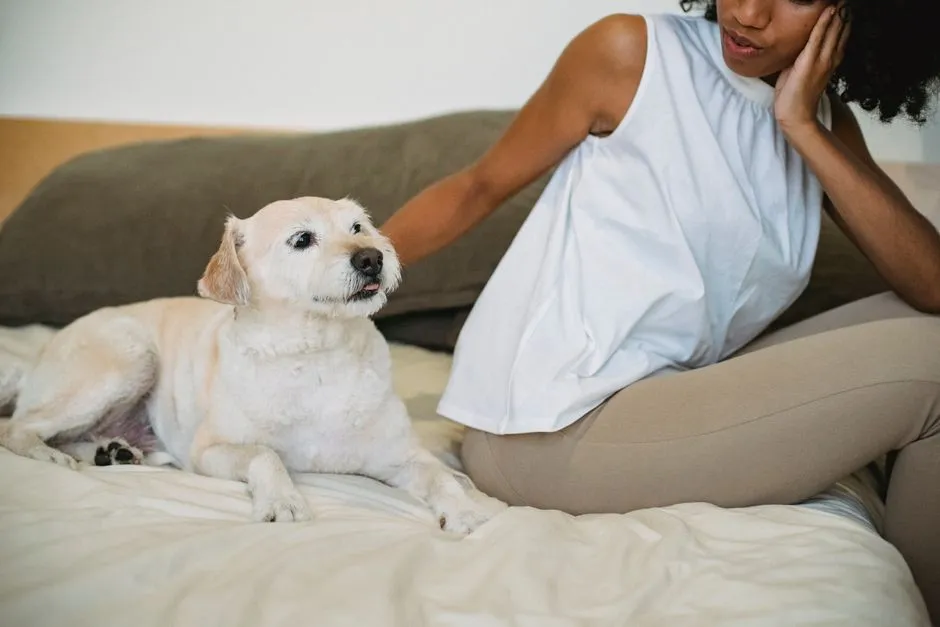
One of the most underrated signs of attachment in older dogs is how quickly their body softens when you enter the picture. You might see mild pacing, whining, or tension when something is new or uncomfortable.
Then you sit beside them or say a few calm words, and their entire posture melts. It’s like watching someone set down a heavy bag.
Key body language signals:
- Ears soften and move to a neutral position.
- Breathing slows, and they may offer a deep exhale or yawn.
- Their weight shifts from “ready to move” to “sinking into the surface.”
You become their coping strategy. It’s especially visible at the vet’s office, during storms or loud noises, and around visiting guests or children.
Some people treat this as a weakness (“My dog’s too dependent on me”). Many behavior pros see it as a healthy attachment response, because your presence actually helps regulate their stress. If your senior dog sleeps through chaos as long as you’re there, that’s no accident.
But that’s nothing compared to what we found about #8…
#8 – They Start Preferring “Their Person” Over Everyone Else
🔥 Would you like to save this?
We'll email this post to you, so you can come back to it later!
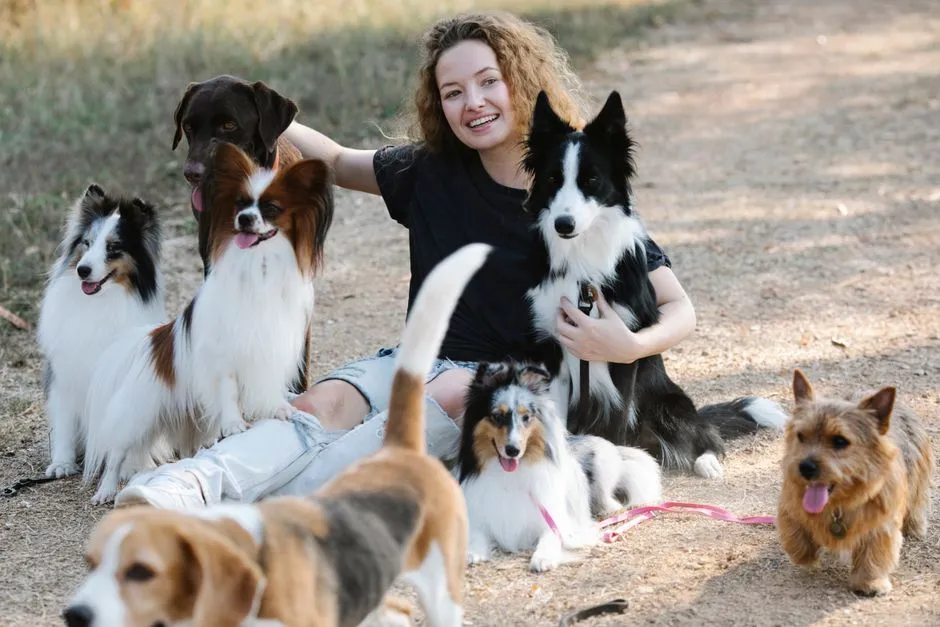
A lot of families assume their dog “loves everybody equally.” By the senior years, that’s rarely the whole story. Many older dogs narrow their social circle and clearly pick a favorite human. Sometimes they even shift from a once-preferred person to the one who now meets their daily needs most consistently.
Signs your dog has chosen:
- They move toward you first when multiple people call them.
- They seek you out when startled, not the loudest or most exciting human.
- They settle at your feet even when someone else is offering treats.
This can feel a little awkward in multi-person households, especially if someone else did more during the puppy stage. But relationships change. Dogs attach most to the person who reliably provides safety, care, and calm, not just fun.
Think of it this way:
- Food builds interest.
- Fun builds liking.
- Consistency and safety build attachment.
If your older dog has slowly reoriented their world around you, that’s not favoritism. It’s emotional math.
But that’s nothing compared to what we found about #7…
#7 – Their Sleep Spots Get Weirdly Specific (and Always About You)
🔥 Would you like to save this?
We'll email this post to you, so you can come back to it later!
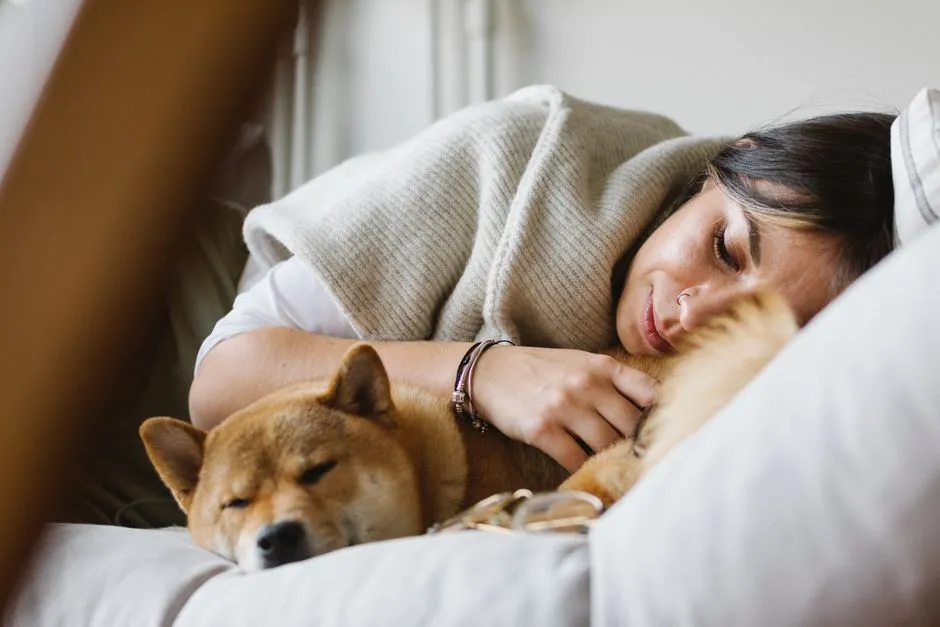
A younger dog might crash anywhere. Seniors often become surprisingly picky about where they sleep, and those choices say a lot about attachment.
They may insist on lying:
- Against the side of your bed.
- On the bath mat while you’re in the shower.
- At the exact corner of the couch where they can feel your leg.
These aren’t random spots. They’re positions with maximum “you proximity” and quick access. Older dogs care more about comfort and safety than novelty, and you’re a big part of that comfort equation.
You might notice they give up cooler or softer places just to be closer to your scent (a clothes pile, your pillow, your side of the bed) or your path (the hallway you cross all day).
Worth Knowing
- Adult dogs typically sleep around 12 to 14 hours a day, and seniors often sleep even more, so where they sleep matters.
- Dogs have roughly 300 million scent receptors, compared with about 6 million in people.
- Your worn clothes and bedding carry a strong, familiar scent profile that many dogs find soothing.
- Many dogs are considered seniors around age 7, and giant breeds often reach that stage earlier.
Yes, older bodies like predictable surfaces. But attachment explains why those surfaces are nearly always near you. If your dog seems determined to turn your personal space into their bedroom, it’s not just habit. It’s emotional anchoring.
But that’s nothing compared to what we found about #6…
#6 – They “Ask Permission” More Often
🔥 Would you like to save this?
We'll email this post to you, so you can come back to it later!
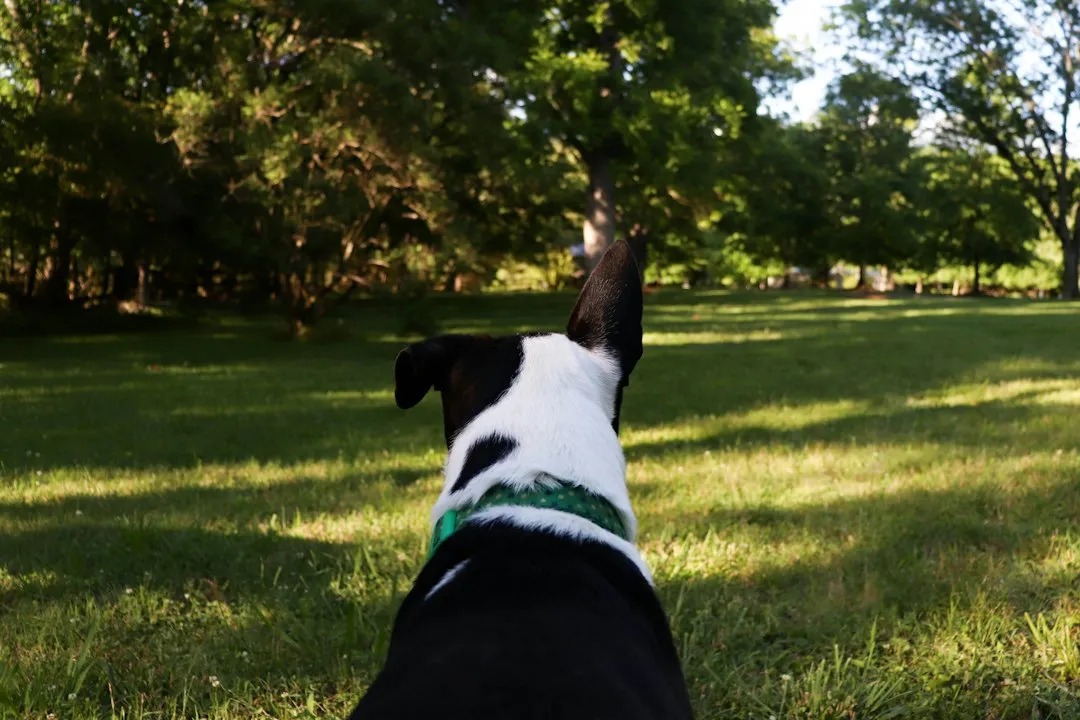
This one surprises people. Puppies push boundaries, but bonded senior dogs often start seeking your approval before doing something they’re unsure about.
You’ll see them pause at a doorway, glance back at you before approaching a stranger, or wait for a nod before hopping on the couch. That quick look isn’t only training. It’s a relationship check. They’ve learned that life goes smoother when you’re in the loop.
Look for:
- A half-step forward, then a pause and a look back.
- Hesitation before taking food from a stranger when you’re present.
- Waiting at the car door until you invite them in, even if they could just jump.
These micro-moments say, “You’re the decision-maker I trust.” Some owners read this as “slowing down.” It’s actually a sign of deep social cooperation.
But that’s nothing compared to what we found about #5…
#5 – They Become More Vocal… But Only With You
🔥 Would you like to save this?
We'll email this post to you, so you can come back to it later!
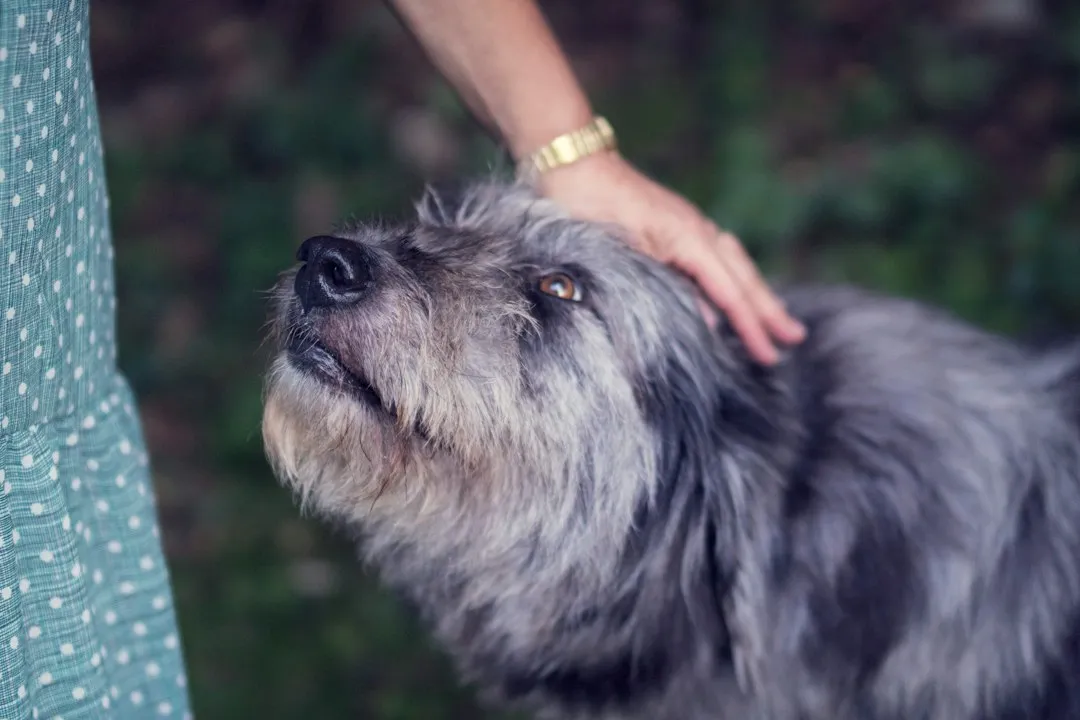
Some senior dogs actually get chattier, but not in a general, bark-at-the-world way. You might notice new little grumbles, soft whines, or “talking” noises that seem saved for moments when they’re interacting with you.
It’s not misbehavior. It’s communication getting more nuanced. Think of a specific whine when they want help onto the couch, a funny half-bark when dinner is late, or a soft, repetitive murmur when they want you back in the room.
This can worry people who assume more noise means more stress. Sometimes it does. But with physically aging dogs, it’s often about swapping actions they can’t do as easily, like jumping or pacing, for sounds that get your attention. If a new pattern of noise appears suddenly or seems linked to distress, mention it to your vet.
At a Glance
- Soft whine by the couch: usually a request for a boost up.
- Half-bark near dinnertime: a polite reminder, not an emergency.
- Low murmur from another room: “Come sit with me.”
- Sudden new noise with restlessness: worth a vet check.
The pattern to watch for:
- They direct more “conversations” at you.
- The vocalizations have clear patterns and contexts.
- They often stop once you respond or engage.
If your senior dog has developed a private language just for you, that’s more than cute. It’s a customized emotional channel.
But that’s nothing compared to what we found about #4…
#4 – They Guard the Relationship, Not the House
🔥 Would you like to save this?
We'll email this post to you, so you can come back to it later!
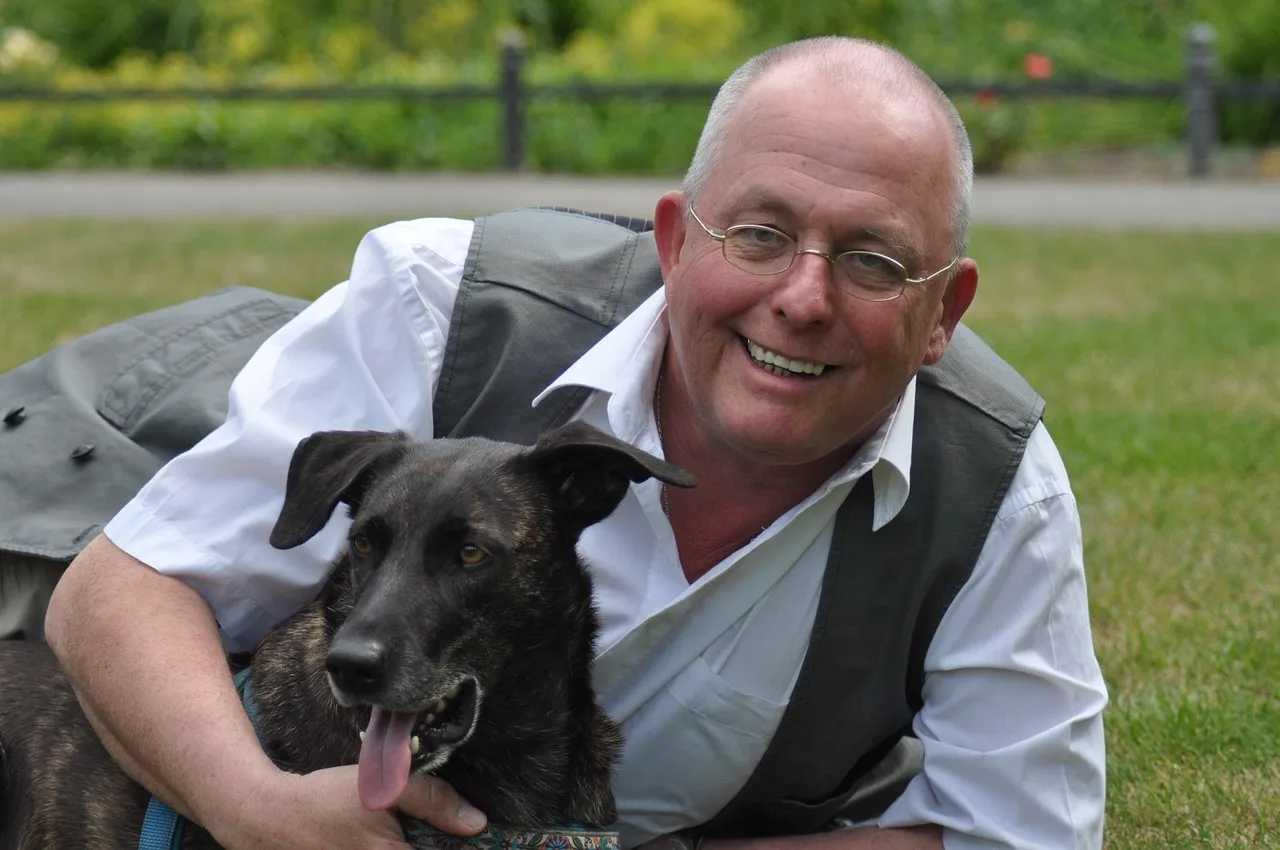
Young dogs often bark at anything and everything. As they age and bond, many seniors get more selective about what’s worth a reaction. They may ignore random noises outside but perk up when something involves you, like a stranger approaching you directly or an unexpected knock when you’re alone.
In other words, their protective instinct shifts from territory to relationship. They care less about the yard and more about the person standing in it.
Watch for:
- Barking less at passing cars, more at people who step toward you.
- Positioning their body between you and a perceived threat, however small.
- Staying calmer when you greet someone confidently, but tensing if you’re uneasy.
Not every dog becomes a “guardian,” but this prioritization is revealing. They’ve figured out what actually matters in their world, and spoiler: it’s not the mail truck. It’s you.
But that’s nothing compared to what we found about #3…
#3 – They Soften During Your Routines (Even the Boring Ones)
🔥 Would you like to save this?
We'll email this post to you, so you can come back to it later!
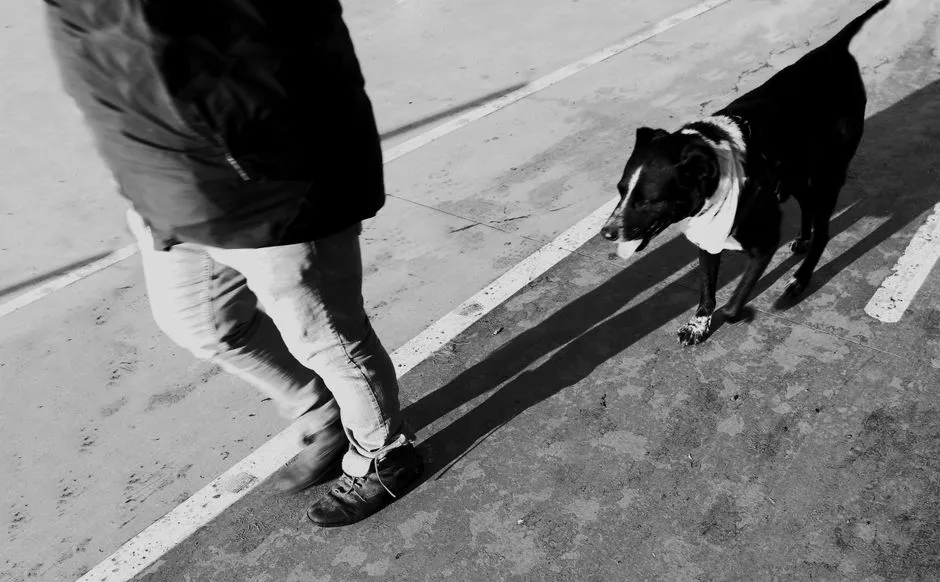
One of the clearest signs of late-life attachment is how a dog responds to your most mundane habits. Many seniors seem to sync their emotional state to your daily rhythms: coffee time, TV time, bedtime, work calls.
They start treating your routine like background music they want to harmonize with. You may see them:
- Settle automatically when you open your laptop, without being told.
- Head to the bedroom as soon as you dim the lights, sometimes before you do.
- Quietly join you in the bathroom or laundry room, then simply lie down.
This isn’t laziness. It’s emotional alignment. They’re not just sharing a space, they’re sharing a pattern. Behavior nerds might call it “entrainment,” but in plain terms, your dog has chosen to live life in your rhythm.
Quick highlights:
- They anticipate rather than react.
- They seem calmer when you’re engaged in familiar tasks.
- They may seem uneasy if your routine changes drastically.
If your older dog has become a living shadow of your habits, not in a frantic way but in a peaceful, predictable way, that’s advanced-level attachment.
But that’s nothing compared to what we found about #2…
#2 – They Handle Your Absence Differently Than Before
🔥 Would you like to save this?
We'll email this post to you, so you can come back to it later!
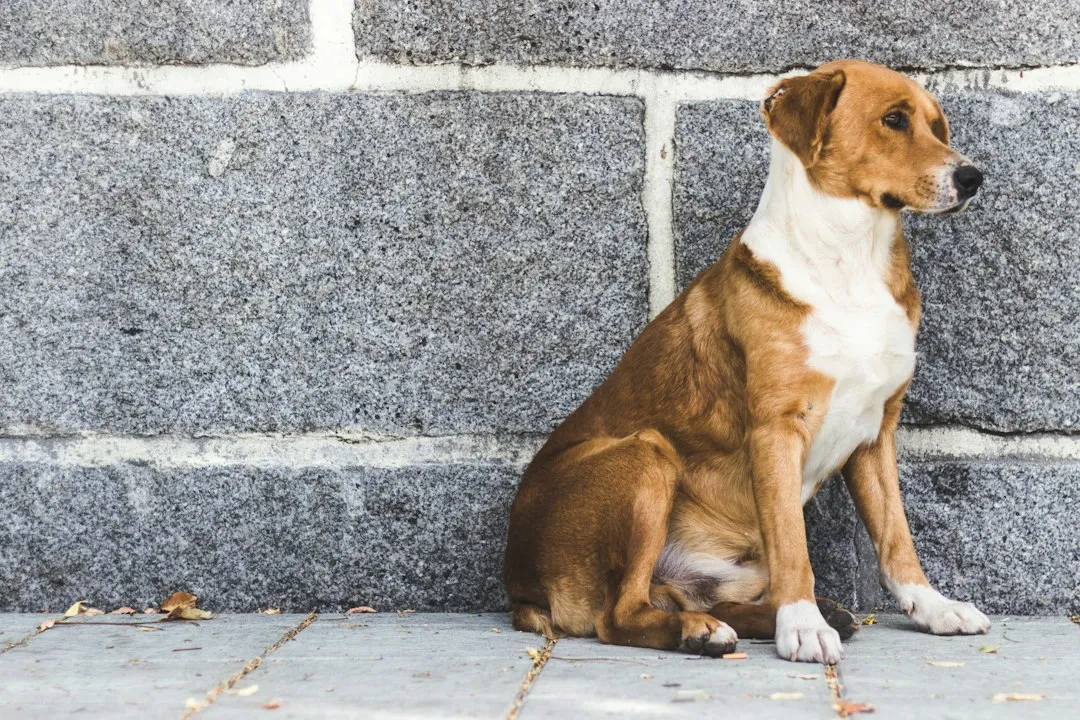
This one can cut both ways, and it’s where many owners get confused. A senior dog who is more attached may either become calmer when you leave because they trust you’ll come back, or show increased distress because they depend on you more emotionally.
Both can be signs of deepened attachment, depending on context and history. The difference is in the quality of the behavior:
- Calm attachment: They watch you go, maybe sigh, then settle and sleep until you return. The greeting is warm but not frantic.
- Anxious attachment: Pacing, vocalizing, destruction, or physical signs of stress while you’re gone.
Neither response means your dog loves you less. If anything, the anxious version shows how central you’ve become to their world, and the calmer version shows how much trust you’ve built. In both cases, you matter a lot.
Fast Facts
- In one UK study of pet dogs, about 28% of those aged 11 to 12 showed signs of canine cognitive dysfunction.
- That figure climbed to roughly 68% among dogs aged 15 to 16.
- Common clues include confusion, disrupted sleep, and new anxiety.
- Pain and hearing loss can look similar, so a vet exam is the smart first step.
One caution: if separation distress shows up suddenly in an older dog, it’s worth a vet visit. Pain, hearing loss, and age-related cognitive changes can all play a role.
But that’s nothing compared to what we found about #1…
#1 – Their Entire World Narrows… And You’re At the Center
🔥 Would you like to save this?
We'll email this post to you, so you can come back to it later!
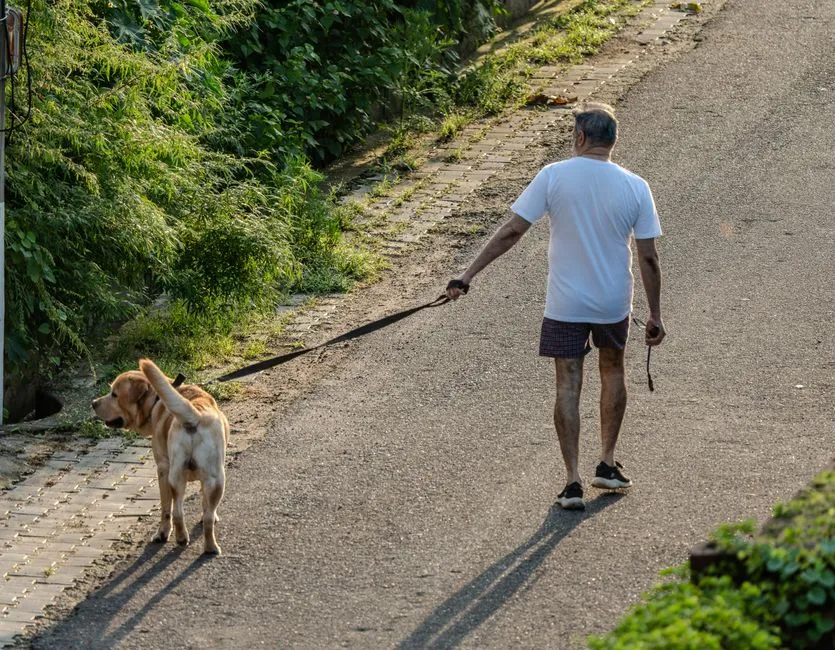
By the later years, many dogs stop caring about big adventures, dog park drama, or meeting every stranger. Their world gets smaller. And for a deeply attached senior dog, that smaller world is organized around you.
You become the fixed point they orbit. You’ll see it everywhere:
- They’d rather have a quiet evening on the couch with you than a long, stimulating outing.
- They skip interacting with new dogs just to stay near your side.
- They perk up most predictably for your voice, your footsteps, your hands.
To some people, this looks like “slowing down” or even “shutting down.” But look closer. If their eyes still light up most for you, that’s not apathy, it’s prioritization. They’re spending their limited energy on what matters most.
The shift in a nutshell:
- Fewer hobbies, deeper loyalties.
- Less social butterfly, more private devotion.
- Less motion, more meaning.
When a senior dog quietly builds their final routine around your presence, that is late-life attachment in its purest form.
Here’s my take: we’ve been grading dogs on the wrong scale. We romanticize puppies and their fireworks, but from an attachment standpoint, the real magic happens later. Senior dogs love with fewer fireworks and more depth. They trade zoomies for eye contact, games for gentle leaning, and novelty for your familiar scent on a quiet pillow.
If you only measure affection in excitement, you’ll completely miss the way older dogs rewire their entire world around you.
Not every change in an aging dog is sentimental. Some are medical, some are cognitive, and those deserve serious attention. But among the graying muzzles and slower walks, there’s often a very real emotional upgrade: calmer greetings, tighter routines, more deliberate check-ins, and an almost stubborn insistence on being near you.
Here’s the uncomfortable truth. While many people start emotionally coasting as their dog ages, the dog often does the opposite. They double down. They pick you, over and over, with the quiet certainty of someone who finally knows exactly what matters.
Did we miss a sign your older dog shows only to you? Drop it in the comments and make the rest of us jealous.

- 7 Everyday Habits That Can Make Your Senior Dog Happier - November 5, 2026
- 10 Enigmatic Structures That Continue to Puzzle Scientists Today - November 5, 2026
- 10 Strange Ruins in the Americas That Challenge What We Know About Early History - November 5, 2026