
Most of us assume national and state parks just run themselves. The trails stay clear, the wildlife keeps a polite distance, and the overlook we happened to pick looks like a postcard. It never occurs to us that someone arranged any of it.
This list pulls back the curtain on the small, almost invisible kindnesses behind that illusion. These aren’t the helicopter rescues you see on TV. They’re quieter: an open bench right when you’re about to give up, or a friendly question that moves you three steps back from an edge without a lecture. A few of them are more emotional than you’d expect, and #1 is the one most rangers would never bring up themselves.
#14 – They Subtly “Edit” Your View Before You Arrive
🔥 Would you like to save this?
We'll email this post to you, so you can come back to it later!
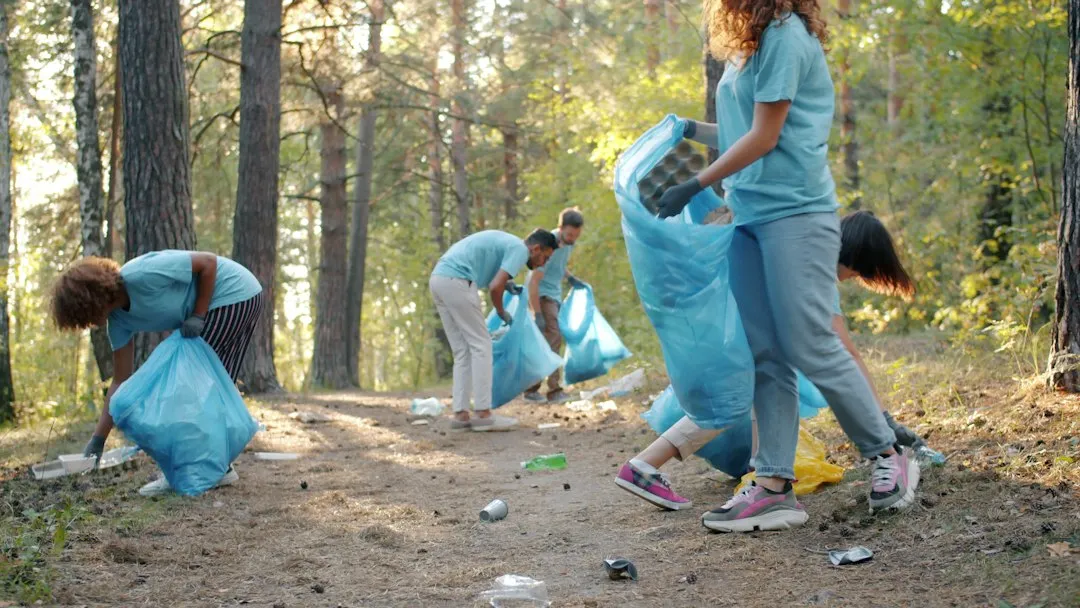
Park views don’t stay postcard-perfect by accident. Before many visitors even leave the parking lot, rangers and maintenance crews have often made a quiet sweep of the most popular overlooks and photo spots. They move fallen branches that ruin sightlines, pick up small trash, and brush loose gravel off rock edges so nobody slips while framing the perfect shot.
They’re not landscaping nature into a theme park. The trick is to remove just enough distraction so your brain reads “wild beauty” instead of “messy and maybe unsafe.” A single tossed soda can will wreck a sunrise, and staff know your eyes will find it first, so they get there before you do.
In some places, crews even adjust small, movable signs so safety warnings stay visible without landing in the middle of everyone’s photos. You never think about any of it. You just feel like you showed up at exactly the right moment.
- Micro-trash (gum wrappers, bottle caps, cigarette butts) is often the top “view-killer.”
- Loose gravel at cliff edges quietly causes more near-slips than visitors realize.
That one is only the warm-up. #13 involves a very sneaky bit of psychology…
#13 – They Quietly Reposition You Away from Danger Without Saying “You’re the Problem”
🔥 Would you like to save this?
We'll email this post to you, so you can come back to it later!
Almost nobody likes being told they’re doing something unsafe. Rangers know this, so they often trade orders for something closer to conversational judo. When they spot someone edging too close to a cliff, a river, or a wild animal, they might stroll over with a friendly question: “Hey, want to see a better angle?”
Then they move you three steps back from disaster without making you feel scolded for a second. It’s intentional. Direct confrontation makes people defensive and more likely to dig in, while a casual “insider tip” lands far better than “back away now.”
Quick Compare
- The command: “Back away from the edge.” It often sparks embarrassment and pushback.
- The nudge: “Want a better angle?” You get the same safer spot with your pride intact.
- The model: A ranger simply stands where you should be, and you drift over on your own.
They’ll point out a “better” rock to stand on, a sturdier railing, or a spot where your kids can see over the edge without leaning too far. Sometimes they just model the safe behavior. If you’re climbing on a barrier, they may not shout at all. They’ll stand where they want you and your camera to be, then wave you over like a friend saving you a seat.
- Safety language often shows up disguised as “photography advice” or a “local secret.”
- Kids respond better to “let’s try over here” than to “don’t do that.”
Next up is something hiding in plain sight on nearly every trailhead sign…
#12 – They Adjust Trail Signs Based on How Tired You Probably Feel
🔥 Would you like to save this?
We'll email this post to you, so you can come back to it later!
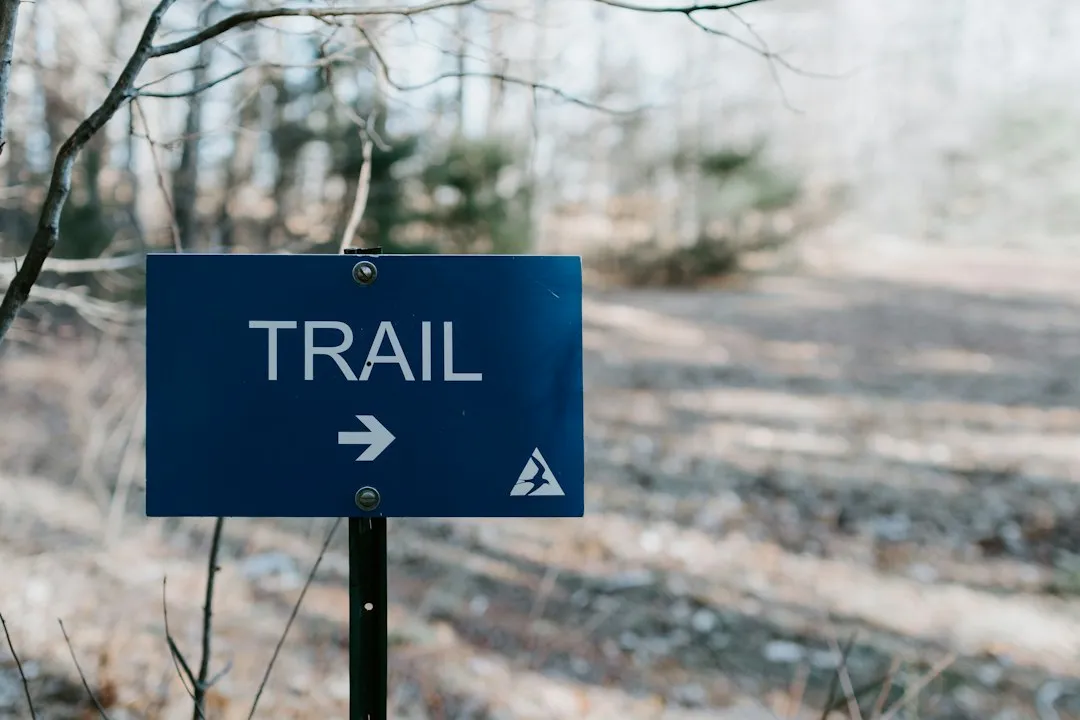
Trail difficulty isn’t as cut and dried as it looks. Official standards exist, but within them, local staff often tweak how a hike is described based on who’s showing up, the season, and what the last few rescues looked like. If lots of families in sneakers keep underestimating a steep route, that “moderate” trail may suddenly get a blunter sign: “Steep, rocky – not recommended for small children.”
On very hot or icy days, you may spot small temporary warnings that say a trail will feel harder in current conditions. Staff know people read “2 miles” as “easy,” even when every step is uphill. The wording becomes a soft brake pedal before anyone gets in trouble.
Distances can play tricks too. Some hikers swear a trail felt a little shorter or longer than advertised, and it’s easy to see why that matters. If you expect 3 miles and it turns out to be 2.7, your brain feels relieved, not misled. When people feel the opposite, tired brains tend to make worse decisions.
- Phrases like “last water source” and “no shade beyond this point” are chosen to make you pause.
- Maps and markers near return routes give tired hikers an easy moment to turn around.
The next one starts the second you walk through a visitor center door…
#11 – They Notice Your Mood Before They Say a Single Word
🔥 Would you like to save this?
We'll email this post to you, so you can come back to it later!
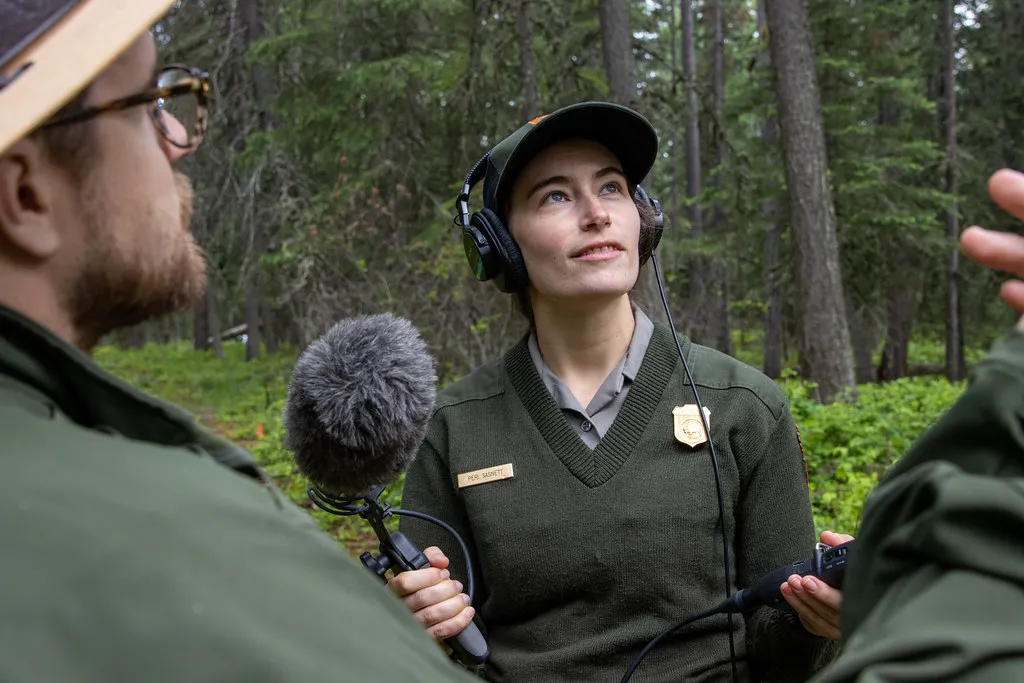
Rangers are observers first and talkers second. Walk into a visitor center and you’ll see staff quietly scanning posture, faces, kids’ behavior, clothing, even how you’re gripping your car keys. They’re not judging you. They’re sizing up what kind of help you need.
Are you excited and chatty? They’ll lean into storytelling. Do you look anxious, overwhelmed, or already annoyed? Expect calm, no-pressure guidance and extra reassurance. A ranger might slow their speaking pace, repeat key directions twice, or steer an older visitor toward the accessible overlook instead of the Instagram-famous trail that would flatten them.
Most visitors never realize the “lucky” match between what they needed and what they got was decided in about 20 silent seconds. Families with overtired kids get the same treatment, with short, low-stress ideas that still feel like a win so the day doesn’t end in meltdowns and resentment.
Some of the cues staff quietly track:
- Are people arguing in the lobby? They’re probably already stressed.
- Is someone lingering by the emergency info board? They may be hiding worry behind bravado.
Now for the unglamorous part of the job that you’re never meant to see…
#10 – They Time Trash Runs to When You’re Least Likely to Notice
🔥 Would you like to save this?
We'll email this post to you, so you can come back to it later!
Overflowing trash cans are a mood killer. Yet you almost never see a ranger dragging leaky bags through a crowded picnic area. That’s not luck, it’s timing.
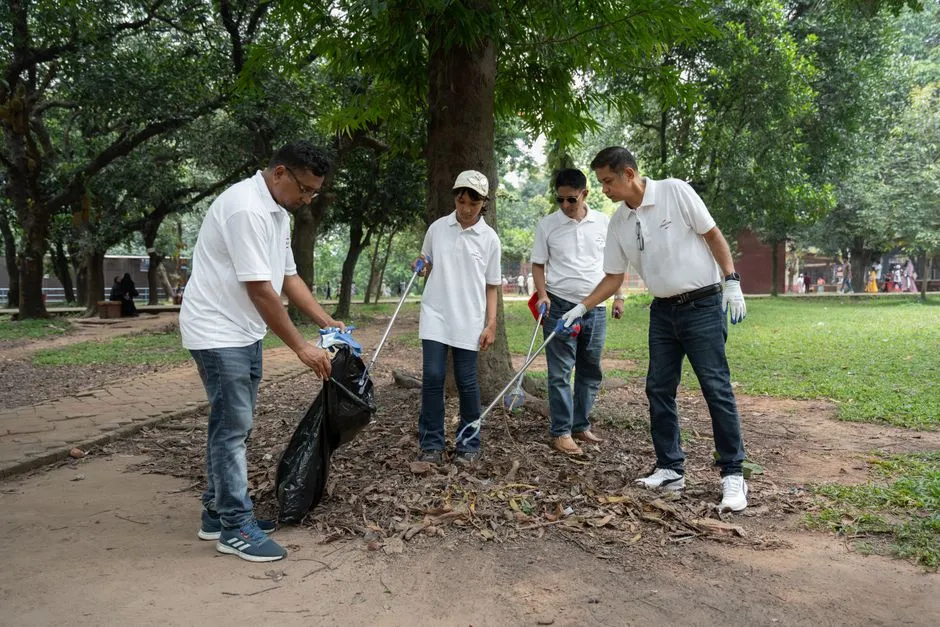
Many parks schedule the “ugly” tasks like trash hauling and deep-cleaning restrooms for lulls between crowds, early mornings, or the hours when tour groups are busy at ranger talks. Staff would rather sweat in silence at 6 a.m. than pull you out of your “forest therapy” bubble with the smell of hot garbage at noon.
When cleaning has to happen at peak times, crews often work in pairs. One quietly moves the bins while the other keeps a friendly buffer so visitors don’t brush against carts or bags. Some supervisors also rotate routes so the same worker isn’t stuck with only the grossest jobs all day. It’s a small, invisible respect for the people and for the park’s atmosphere.
- Complaints about trash and restrooms tend to spike when visitors see or smell the process, not just the result.
- A single raccoon-ravaged bin at the wrong moment can undo hours of behind-the-scenes work.
The next move is the most socially delicate one on the list…
#9 – They Discreetly Separate You from People Who Might Ruin Your Day
🔥 Would you like to save this?
We'll email this post to you, so you can come back to it later!
Yes, staff notice “problem visitors” early. They aren’t mind-readers, but patterns jump out fast: a loud group that’s clearly been drinking at 10 a.m., adults swearing at kids, guests chasing wildlife for a photo. Rangers will subtly reshape the flow of crowds to keep you away from that energy, especially in family-heavy areas.
Maybe a ranger “happens” to suggest a different overlook because the light is better there right now, while the rowdy group gets pointed toward a bigger, more open spot where the noise won’t echo. Sometimes they’ll start an impromptu ranger talk near the disruption. Surprisingly, a friendly program often calms everyone down without a formal confrontation.
Fast Facts
- The National Park Service reported about 323 million recreation visits in 2025, across a system of 433 units.
- July is the busiest month, averaging roughly 44 million visits system-wide, around three times January’s total.
- Great Smoky Mountains was the most visited national park in 2025, with about 11.5 million visits.
- With crowds like that, staff think in terms of flow, not just rules.
When someone truly crosses a line, law enforcement rangers step in. But long before that, front-line staff are doing soft intervention. They linger just close enough that people lower their voices, or they chat up the loudest person so everyone else gets a break.
- Suggesting alternate routes that naturally spread groups out so you’re not stuck with one loud party.
- Walking patrols through hotspots before behavior escalates.
Up next, what rangers can read from your shoes alone…
#8 – They Quietly Check Your Gear and Shoes Without Ever “Checking” You
🔥 Would you like to save this?
We'll email this post to you, so you can come back to it later!
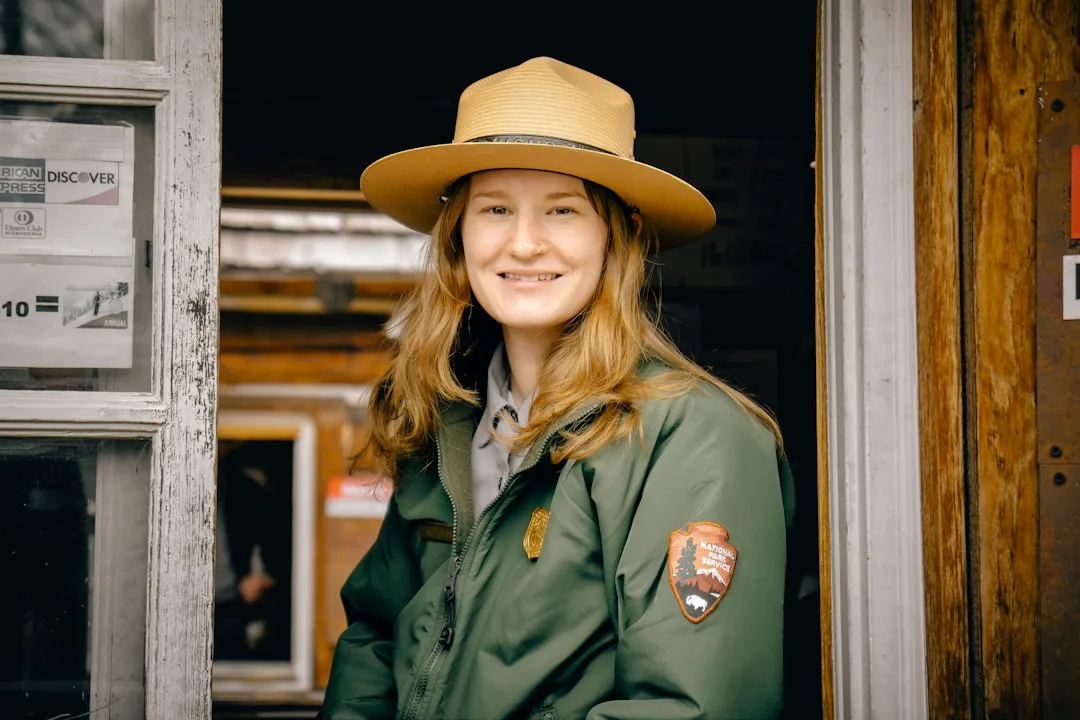
Rangers are constantly taking inventory of risk. When you walk past a trailhead or ask a quick question, they’re glancing down at shoes, water bottles, backpacks, and kids’ gear. Flip-flops on a rocky trail, one tiny water bottle in summer heat, or not enough daylight left for your planned distance will all start a “planning” chat that’s really a disguised intervention.
They might say, “Just so you know, people usually feel better with more water on that one.” Or, “Those rocks get pretty slick in sandals, and there’s a great flat loop over here that fits what you’ve got.” You think you got friendly advice. They were trying to keep you off the incident report.
The best ones never shame you. Most of us hate admitting we’re underprepared, and a ranger who rolls their eyes loses influence instantly. So they frame it as an upgrade: “There’s an even better option for the gear you have today.”
- Timeline checks like “What time do you need to be back at your car?”
- Directing stroller users away from roots and stairs toward smoother loops.
The next one is about a place to sit, and why it might not be an accident…
#7 – They Strategically Leave Some Benches Empty Just for You

🔥 Would you like to save this?
We'll email this post to you, so you can come back to it later!
That open bench right when your legs give out? It isn’t always luck. In busy parks, staff learn which benches become hotspots: too close to restrooms, too exposed to wind, or too tempting as nap spots for people who’ve clearly overdone it. Some place and maintain benches so there’s usually at least one place for someone in real need to sit.
How does that work in practice? People tend to cluster wherever there’s something to look at, like an info sign or a scenic view. The plain bench a little farther down the path stays open more often. That’s where an exhausted hiker, a pregnant visitor, or someone feeling faint can usually find a spot.
Some staff add a slow “bench patrol” to their rounds, cleaning or inspecting in a way that gently keeps traffic moving without being rude. You don’t see the choreography. You just see the open seat right when you’re about to give up.
- Keeping trash cans and noisy features away from at least a few benches.
- Encouraging groups to stand, not sit, during informal ranger talks.
The next one is where this list gets tender…
#6 – They Softly “Buffer” Kids from Disturbing Sights
🔥 Would you like to save this?
We'll email this post to you, so you can come back to it later!
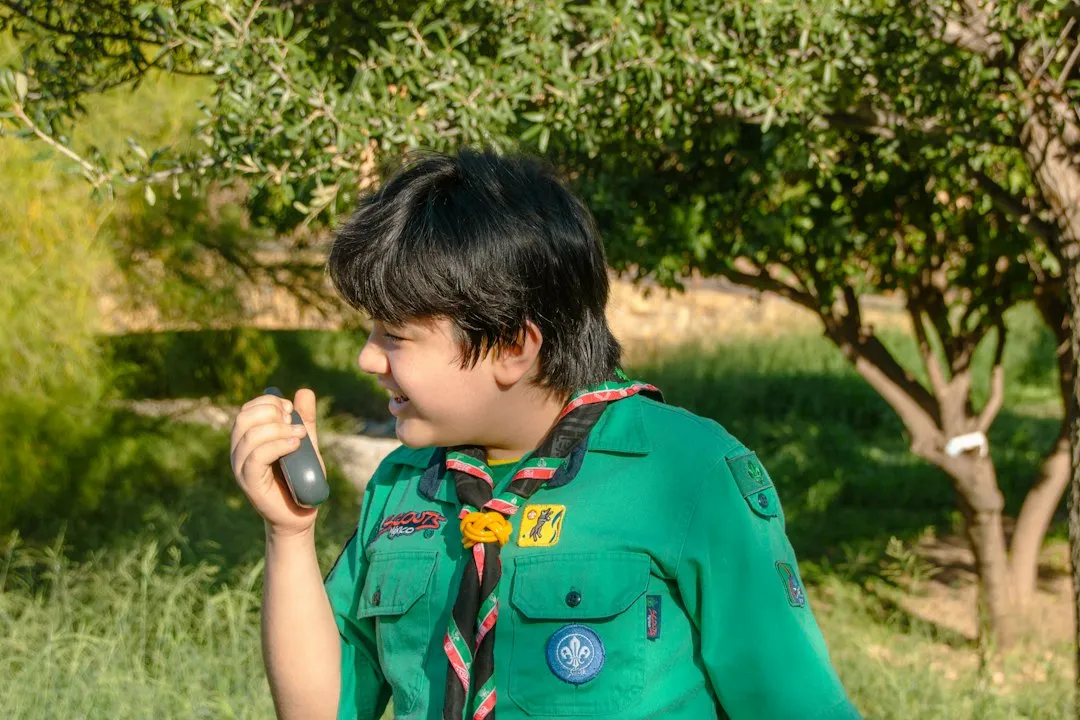
Nature isn’t always gentle. Dead animals near trails, medical emergencies, and angry arguments between adults all happen, even in the most peaceful places. What you don’t see is how fast staff move to shield children from the harshest edges.
A ranger might step into a family group with an upbeat “junior ranger” chat and quietly position themselves between the kids and something upsetting until it’s handled. In a medical emergency, staff often assign one person just to manage bystanders. They may “accidentally” block a direct view or herd families toward another path with a cheerful, “There’s a cool spot this way you don’t want to miss.”
They’re not hiding reality. They’re controlling exposure so parents aren’t ambushed. Wildlife is even trickier, because a predator with a fresh kill or an injured animal can be hard for a child to unsee. Rangers weigh ethics, park policy, and human psychology on the fly, sometimes rerouting visitors to spare a family a burned-in memory.
- Sudden, upbeat ranger talks popping up near tense situations.
- Temporary “trail work” closures that clear once a sensitive issue is resolved.
You may have been on the receiving end of the next one without knowing it…
#5 – They Quietly Watch for People Who Might Be Lost but Too Embarrassed to Say So
🔥 Would you like to save this?
We'll email this post to you, so you can come back to it later!
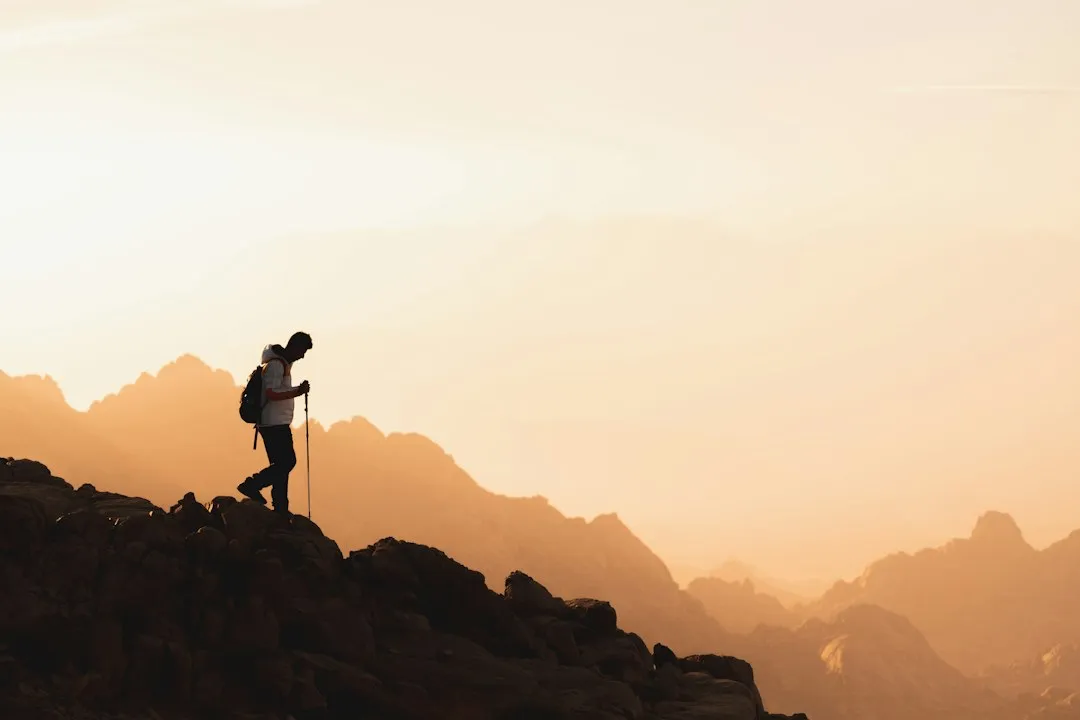
Getting lost feels shameful to a lot of adults. Rangers know it, so they watch for the classic tells: someone studying a map upside down, a couple arguing about which way the car is, or the anxious “walk ten steps, spin around, walk back” dance.
Instead of asking, “Are you lost?” (which many people will deny), they say, “Where are you hoping to end up today?” or “Which trail were you excited about?” That wording lets you save face while admitting you have no idea where you are. From there, they’ll often walk you to a key junction instead of just pointing. Escorting someone a short distance can prevent hours of wandering and a full-blown search later.
Worth Knowing
- Tell someone your trailhead and your expected return time before you set out.
- Pick a turnaround time, not just a destination, and stick to it.
- Snap a photo of the trailhead map so you have it even without cell service.
- If you realize you’re truly lost, stopping where you are is usually smarter than wandering farther.
They also keep an eye on parking lots at dusk. A lone car left after dark near a tricky trail doesn’t get ignored. Staff may check trailheads, leave a note, or alert search teams earlier than you’d guess, simply because the pattern says something might be wrong.
- Casual timeline questions like “What time did you start out?”
- Mentioning landmarks ahead so you know if you’ve gone too far.
Now we get to the part where staff accept being the bad guy…
#4 – They Reliably Overprepare for Your Bad Weather Decisions
🔥 Would you like to save this?
We'll email this post to you, so you can come back to it later!
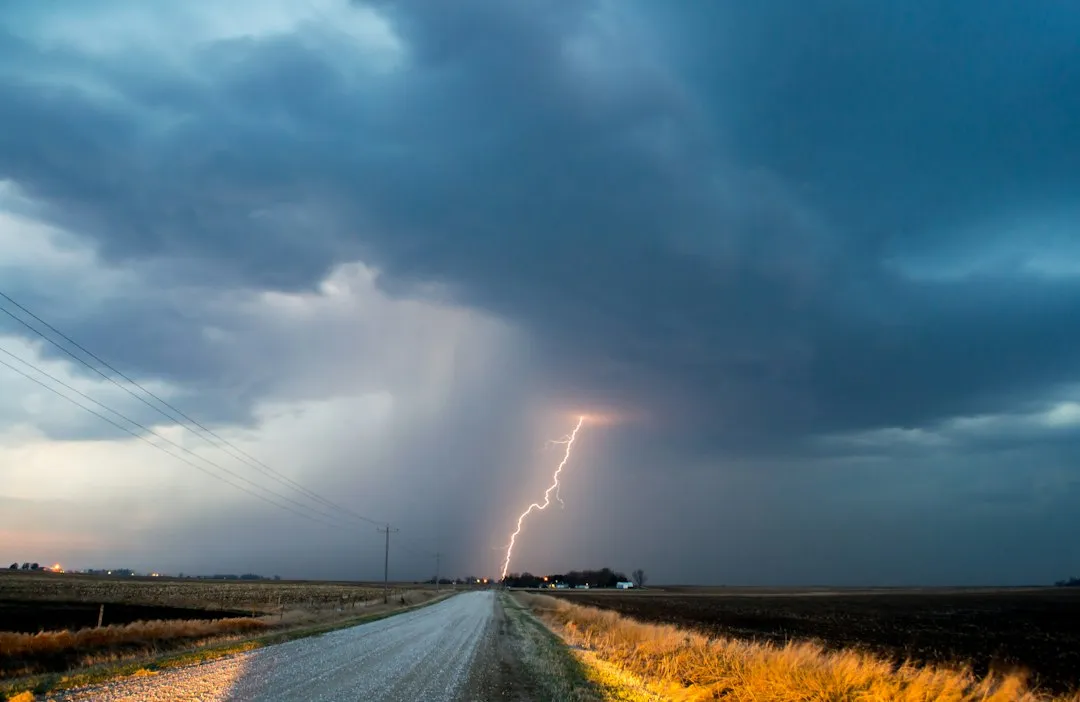
Weather apps make people dangerously confident. Visitors see “10% chance of rain” and decide to hike an exposed ridge in flip-flops with no jacket. Rangers, who live in that terrain, know microclimates don’t care what your phone says.
So they prep long before the first drop falls: pulling rain gear, checking radios, and staging extra signage in flash-flood-prone areas. On days with a shaky forecast, temporary sandwich boards appear and vanish like ghosts: “Storms Possible This Afternoon,” “Trail Closed Beyond This Point During Lightning.” Sometimes they go up hours before anything looks threatening, based on patterns you’d never see from the road.
Winter works the same way. A sunny parking lot fools people into ignoring the icy shade higher up, so staff salt, sand, or close the spots that freeze first. They know some visitors will roll their eyes at the “overreaction.” They accept being unpopular if it keeps you alive.
- Calling in extra staff when a big weather system targets a popular region.
- Pre-positioning rescue gear like throw ropes, sleds, or high-clearance vehicles.
The next one will change how you look at the ground beneath your boots…
#3 – They Silently Rebuild the Trail You Think Is “Totally Natural”
🔥 Would you like to save this?
We'll email this post to you, so you can come back to it later!
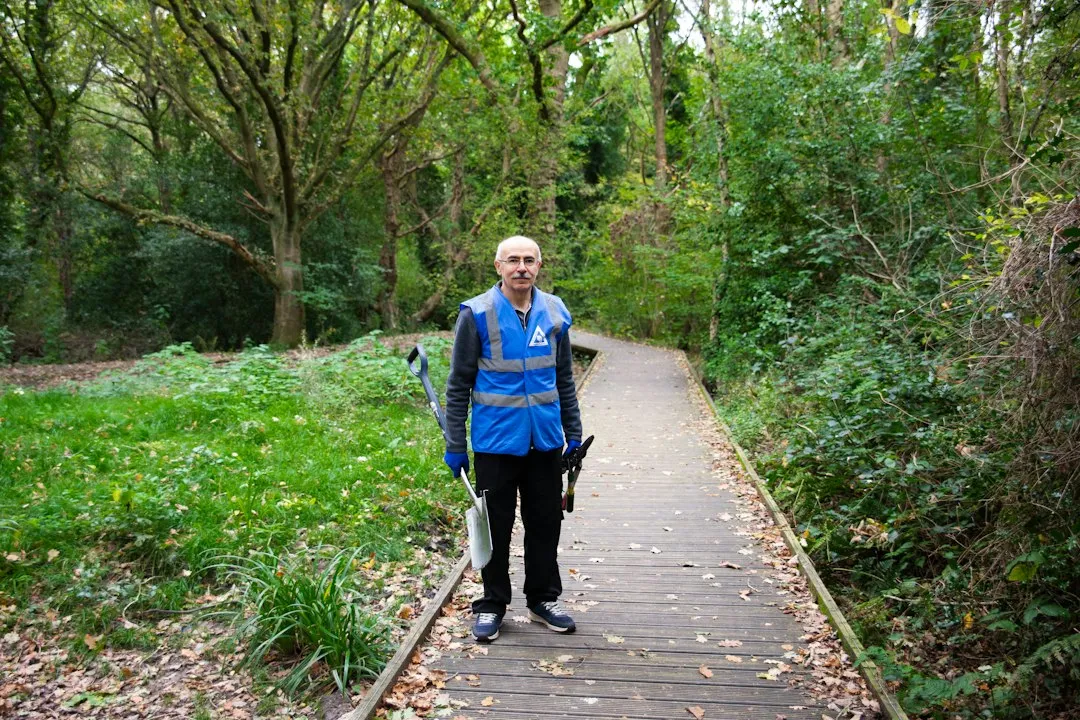
That “wild” trail you’re walking on? It’s often hand-built. After storms, heavy use, or snowmelt, popular paths can turn into muddy, eroded messes. Left alone, they widen into ugly scars that destroy plants and confuse hikers.
So crews spend early mornings and off-days re-digging drainage, hauling rocks, and brushing in shortcuts, all so your brain reads “this is where the trail obviously goes.” The work is deliberately designed to disappear into the landscape.
Why It Stands Out
- The best trail work is the kind you never register as work at all.
- Drainage is the secret hero, because water is what wrecks paths fastest.
- One leveled step can spare dozens of twisted ankles over a busy season.
- A clear, obvious route keeps boots off fragile plants.
They think about your ankles more than you do, too. A single misplaced rock can twist dozens of joints a day, so crews gradually shift, level, or remove hazards on heavily used routes. The point isn’t to sanitize nature. It’s to cut avoidable injuries that drain emergency resources. You might grumble when a familiar log step disappears or a shortcut gets blocked, but those micro-changes are what keep the area from collapsing under modern crowds.
- Angling water bars so runoff is diverted without you noticing.
- Using native-looking brush to “erase” harmful cut-throughs.
The final two are the ones people share. This next one might save your whole trip…
#2 – They Deliberately Give You One “Win” So You’ll Come Back to Nature
🔥 Would you like to save this?
We'll email this post to you, so you can come back to it later!
Parks know not every visit will be epic. Maybe the weather turns. Maybe the road to the big attraction is closed. Maybe your kids melted down somewhere around mile three of the car ride.
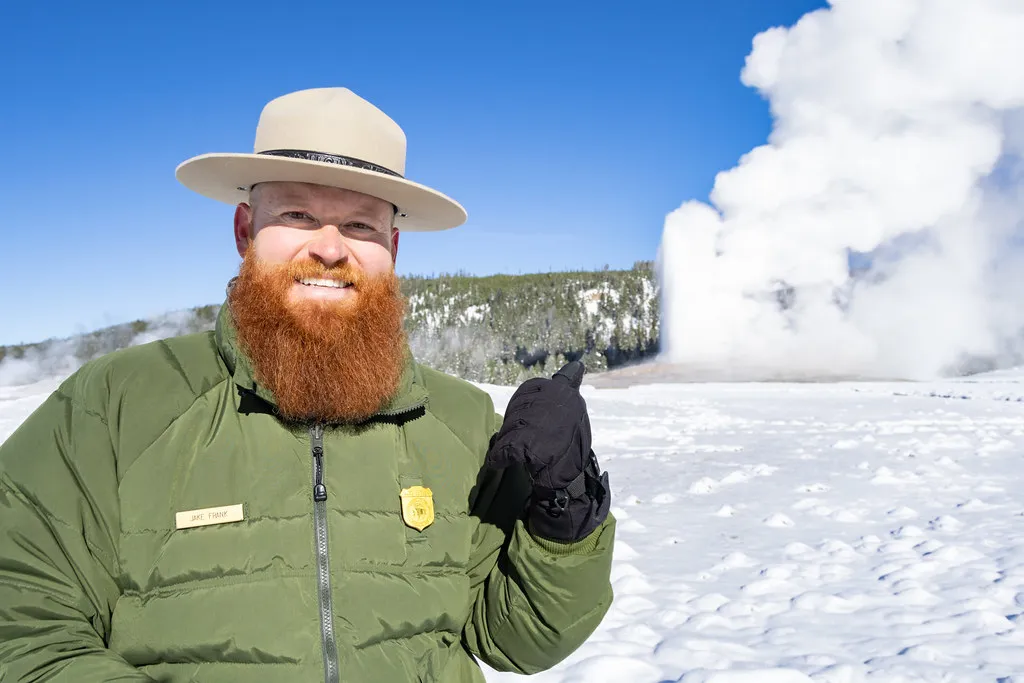
Good staff accept they can’t control all of that, but they’ll work hard to hand you one clear, simple win that rescues the day. If the marquee trail is shut, they might hype a short side loop that “most people skip but locals love.” If wildlife viewing is a dud that morning, they’ll pivot to a historic site or viewpoint that always delivers. Behind the counter, they’re quietly asking: “What’s the easiest thing this person can accomplish today and feel proud of?”
This is why so many rangers push accessible boardwalks, short nature loops, and visitor center exhibits more than social media ever would. They’re playing the long game. A 20-minute good experience can do more for a lifelong love of the outdoors than a miserable six-hour death march that ends in blisters and regret.
- “If you only have 45 minutes, do this one thing…”
- “With the heat and your group, I’d pick this instead. It’s a guaranteed payoff.”
And the last one is the part almost nobody sees…
#1 – They Carry the Emotional Weight of Your Visit So You Don’t Have To
🔥 Would you like to save this?
We'll email this post to you, so you can come back to it later!
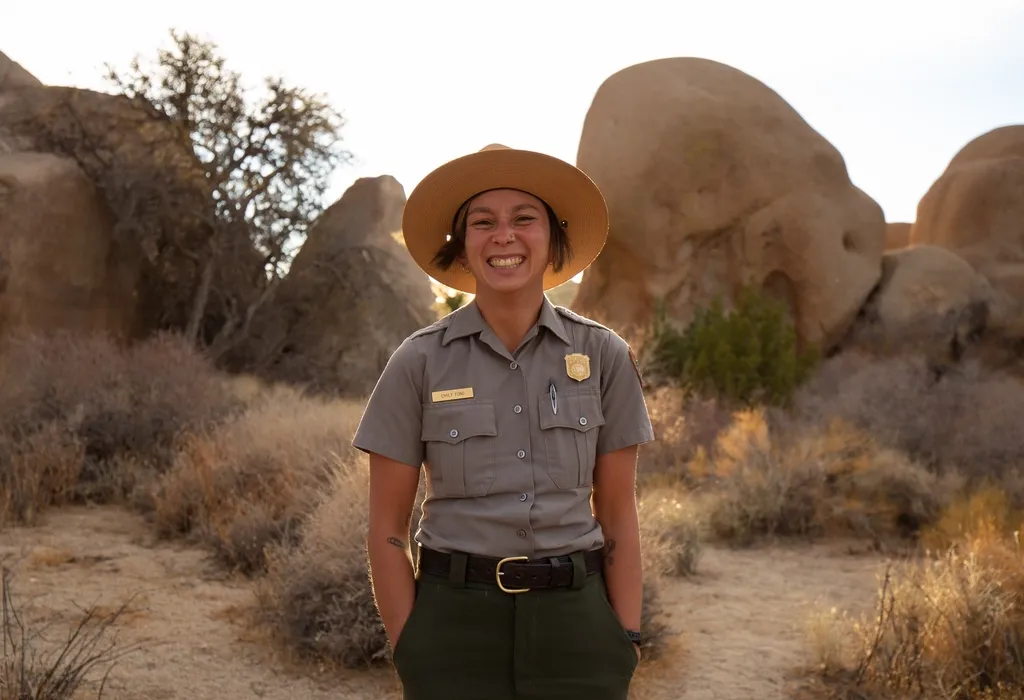
Park staff aren’t just managing trails and trash. They’re constantly managing other people’s emotions, including yours. They absorb frustration about crowded lots, fear after a close wildlife encounter, grief when families scatter a loved one’s ashes, and even anger from people who feel “cheated” by closures or bad weather.
Instead of snapping back, they swallow it, smile, and redirect. That costs something. Many rangers go home drained not from the miles they walked, but from the energy it took to make sure you left with a story of awe instead of anger. They’re trained to be the calm center so you can feel whatever you need to feel without the whole day derailing.
They also sit with the harder moments: fatalities, rescues that came too late, damaged habitats. Then the next morning they show up and cheerfully help a brand-new family pick their very first trail. That mix of heartbreak and hospitality is the real job description nobody prints on the uniform.
- Remembering your kids’ names so they feel special, not like just another family in line.
- Treating your “dumb questions” like the start of a lifelong connection to nature.
Here’s my take: American park staff are doing far more than answering questions and writing parking tickets. They’re quietly editing the entire experience, including your views, your routes, your run-ins with wildlife, and even your memories, in ways you’re not supposed to notice. From steering you away from a cliff edge with a joke, to hauling trash at sunrise, to handing you one small “win” when everything else goes sideways, their work lives in the background and shapes everything in front of you.
And yes, I’ll say the unpopular part out loud. Some visitors rant that parks are “overmanaged” or “too safe now,” but I’d take a gentle nudge over a tragedy every time. The people grumbling about a blocked shortcut rarely see how close someone else came to disaster before a ranger stepped in with a smile instead of a siren.
The gentle truth is that if park staff did their jobs perfectly, you’d walk away believing nature handled it all by herself. That might be the biggest compliment the work could ever get, and the least we can do is notice it, thank them, and listen the next time a ranger offers a “better angle.”
Did we miss a quiet kindness you’ve seen from park workers, or do you think they step in too much? Drop your take in the comments.

- 7 Everyday Habits That Can Make Your Senior Dog Happier - November 5, 2026
- 10 Enigmatic Structures That Continue to Puzzle Scientists Today - November 5, 2026
- 10 Strange Ruins in the Americas That Challenge What We Know About Early History - November 5, 2026