


The vast expanse of the oceans surrounding the United States is one of the planet’s last frontiers. From mysterious creatures to unexplored landscapes, the ocean depths teem with secrets waiting to be uncovered. Join us as we dive into the fascinating mysteries lurking beneath the waves and explore the 14 most surprising secrets of America’s ocean depths.
The Hidden Mountains Beneath the Sea

While we often think of mountains as towering structures above sea level, the ocean floor boasts some of the world’s highest peaks. The Mid-Atlantic Ridge, which runs through the Atlantic Ocean, features underwater mountains that far exceed the height of Mount Everest when measured from base to summit. These submerged mountains play a crucial role in ocean currents and marine ecosystems.
The Abyssal Plains Ocean’s Flatlands

Beyond the continental slopes, vast abyssal plains spread across the ocean floor. These underwater flatlands can span hundreds of miles and are surprisingly uniform. Despite their barren appearance, abyssal plains are vital to marine life, providing habitats for unique species adapted to extreme pressures and darkness.
Bizarre Bioluminescent Beings

Bioluminescence is a common phenomenon in the dim ocean depths. Many deep-sea creatures, like jellyfish and anglerfish, produce their light through chemical reactions. This bioluminescence serves varied purposes: attracting prey, deterring predators, and even luring mates. This natural glow illuminates otherwise pitch-black surroundings, creating a hauntingly beautiful underwater spectacle.
The Deep-sea Hydrothermal Vents

Hydrothermal vents are like underwater geysers, spewing super-heated, mineral-rich water from the Earth’s crust. Located mostly along the ocean ridges, these vents provide energy to ecosystems entirely independent of sunlight. Fascinatingly, life forms near these vents rely on chemosynthesis, a process where bacteria convert chemicals into energy, supporting entire communities of unique organisms.
The Enigmatic Giant Squid

The giant squid is a true deep-sea marvel, shrouded in mystery due largely to its elusive nature. Growing up to 43 feet long, these creatures have inspired countless tales and legends. Despite their size, they are rarely seen alive, underscoring the vastness and inaccessibility of their deep-sea habitat.
Uncharted Deep-sea Trenches
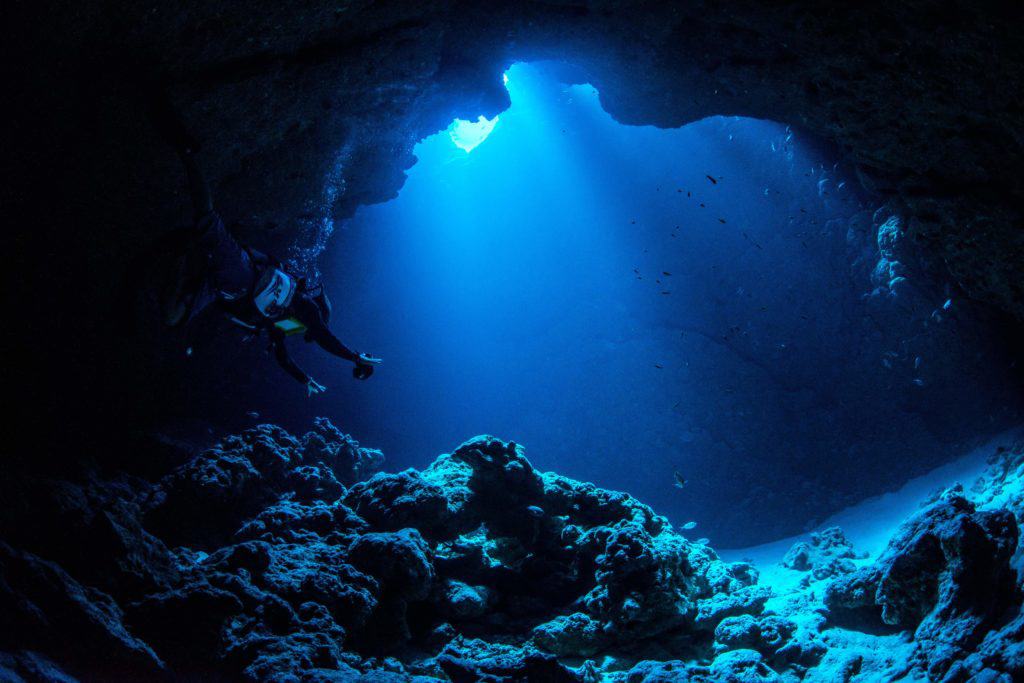
The ocean’s deep trenches are among the least explored regions on Earth. The Mariana Trench in the Pacific Ocean is the deepest, reaching nearly 36,000 feet below sea level. These trenches contain unique geological features and host astonishingly adapted life forms, some of which are yet to be discovered by scientists.
The Ocean’s Alien-like Creatures
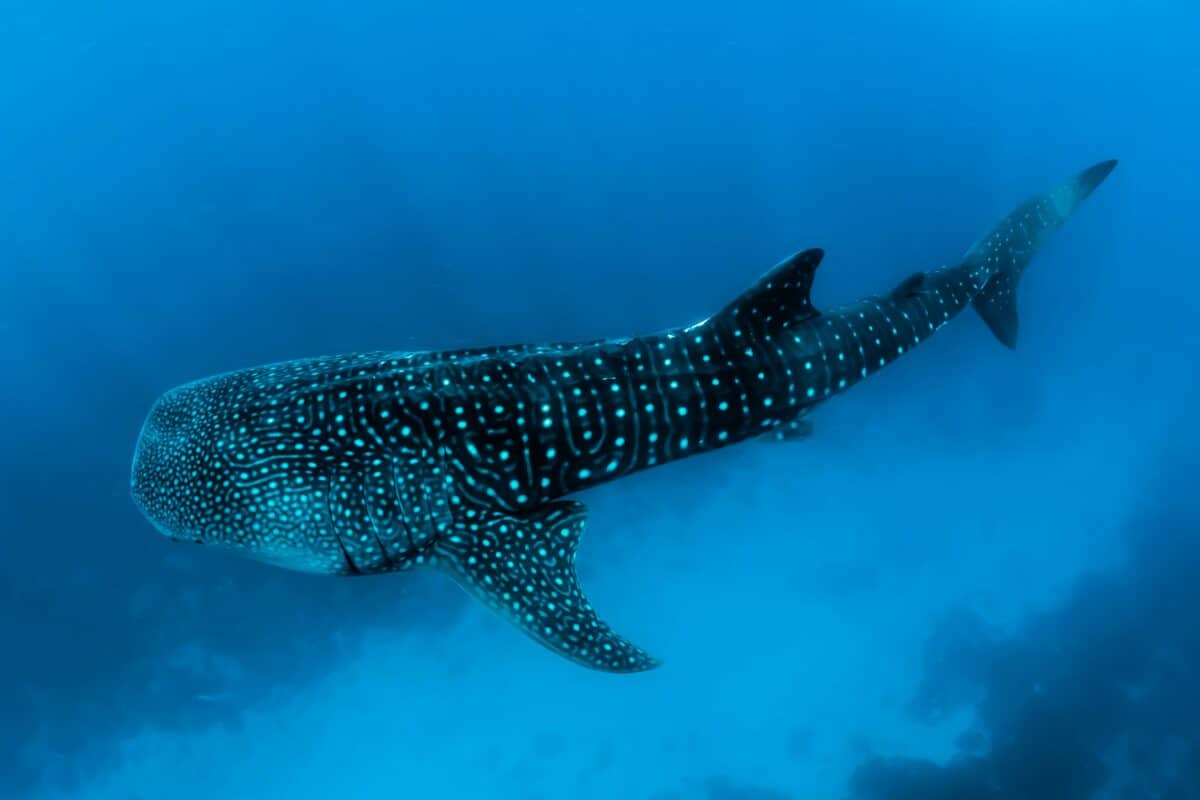
Deep-sea creatures often appear otherworldly due to their unique adaptation to extreme environments. Among them are the blobfish, vampire squid, and the gulper eel, each exhibiting bizarre physical traits. These adaptations intrigue scientists as they provide insights into the evolution and life’s resilience in harsh conditions.
Ocean Floor Resources Wealth from the Depths

Beyond its ecological importance, the ocean floor holds significant mineral resources, such as manganese nodules and polymetallic sulfides. These materials are essential for modern technologies and have sparked interest in deep-sea mining. Efforts are underway to balance resource extraction with environmental preservation, given the fragile nature of deep-sea ecosystems.
The Remarkable Blue Holes

Blue holes are underwater sinkholes or caves found in oceans and seas. These formations, like Dean’s Blue Hole in the Bahamas, are renowned for their depth and rich biodiversity. They serve as natural laboratories for studying marine evolution and hydrology, as they house species found nowhere else.
The Dynamics of Ocean Currents

Ocean currents, driven by wind and differences in water density, play a crucial role in regulating Earth’s climate. The Gulf Stream, for instance, carries warm water from the Gulf of Mexico across the Atlantic Ocean, impacting weather patterns in Europe and North America. Studying these currents helps scientists understand climate change and predict weather extremes.
The Historical Shipwrecks Mysteries

The ocean depths are the final resting place for countless shipwrecks, each with its own story. From ancient to modern vessels, these wrecks offer a glimpse into the past and hold valuable archaeological information. Ongoing exploration efforts aim to uncover secrets and preserve these underwater time capsules.
The Resilient Coral Communities

Deep-sea corals are resilient organisms found at depths of up to 20,000 feet. Unlike their shallow-water counterparts, they do not rely on sunlight, drawing sustenance from nutrient-rich waters instead. Despite their slow growth rates, these corals form complex structures that provide habitats for diverse marine life.
The Curious Ocean Gyres

Ocean gyres are large systems of circular ocean currents, shaped by global wind patterns and Earth’s rotation. Despite their vital role in distributing nutrients and heat, these gyres can also trap debris, leading to massive garbage patches like the Great Pacific Garbage Patch. Understanding these gyres is essential for tackling marine pollution and conserving ocean health.
Concluding Thoughts on the Ocean’s Mysteries
America’s ocean depths are a realm of endless wonder and mystery. From hidden mountain ranges to enigmatic creatures, these waters hold secrets that challenge our understanding of life on Earth. As technology advances, we gain unprecedented opportunities to explore and protect this fragile frontier. In doing so, we ensure that the mysteries of our oceans remain a source of inspiration for generations to come.

As a little kid, I fell in love with nature, wildlife, and animals. Living in the USA, South Africa, Italy, China and Germany gave me the opportunity to discover the world's Wildlife. My favorite animals are Mountain Gorillas, Siberian Tigers, and Great White Sharks.
I'm a certified PADI Open Water Diver, went to Everest Base Camp and Trekked Gorillas in Uganda. I hold a Master of Science in Economics and Finance.
Please send any feedback to feedback@animalsaroundtheglobe.com
- 13 Creatures of American Folklore Fact or Fiction? - August 16, 2026
- 14 Dangerous Places for Pets During Natural Disasters - August 16, 2026
- 13 Most Colorful Animals Living in the U.S. - August 16, 2026