
You saw the fluffy face on Instagram, pictured yourself on lazy Sunday walks, and maybe even picked out a name before you’d read a single sentence about temperament. That’s exactly how thousands of first-time dog owners end up blindsided a few months later, staring at a shredded couch cushion or standing in the driveway watching their dog disappear down the street for the third time that month.
The truth is, some breeds are gorgeous traps. They’re popular, photogenic, all over social media… and completely unprepared for the reality of a beginner household. Below are 14 breeds that look or sound like the perfect starter dog but demand far more experience than most first-timers expect, ranked from tough to nearly impossible. Number one might make you rethink a breed you assumed was easy.
14 – Border Collie
🔥 Would you like to save this?
We'll email this post to you, so you can come back to it later!
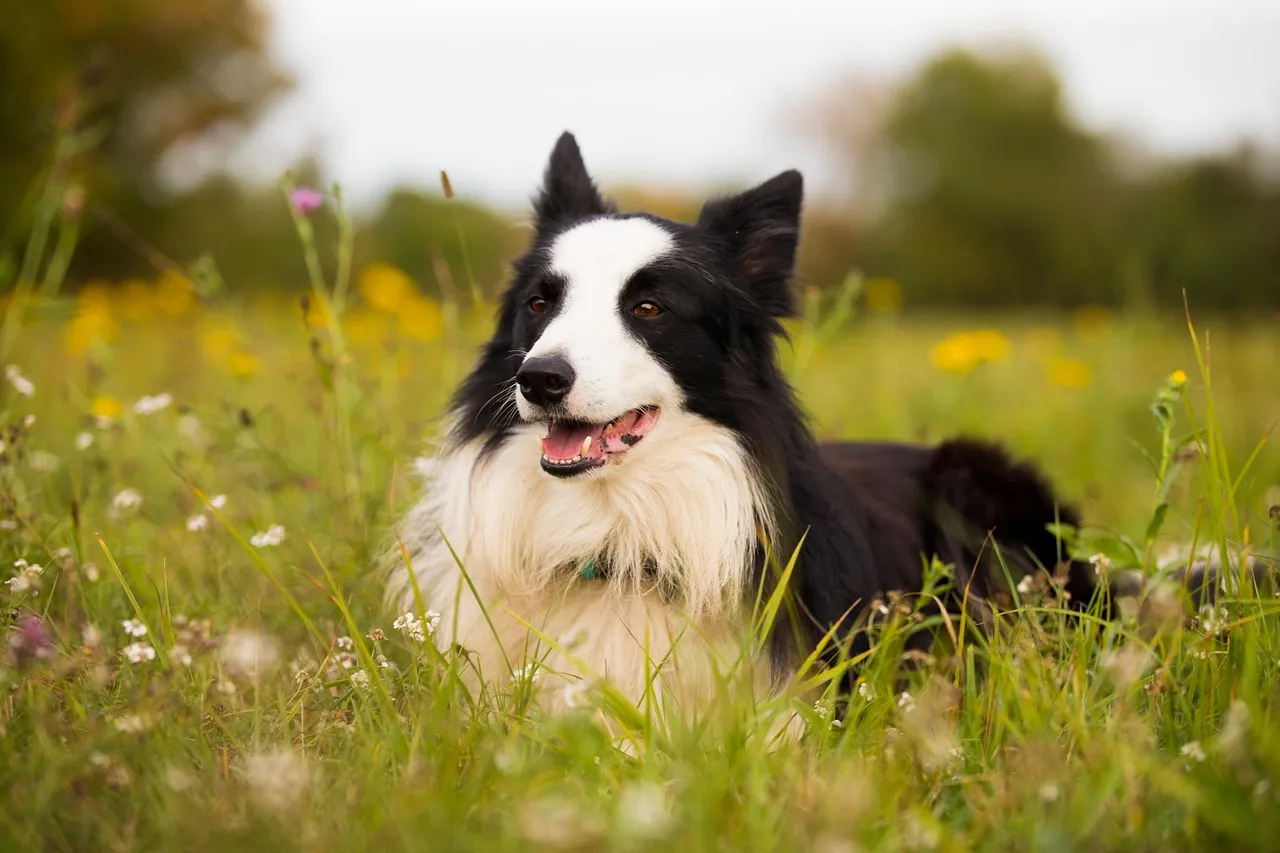
Border Collies are routinely crowned the smartest dog breed alive, but that brilliance isn’t a gift you get to enjoy for free. These dogs were bred to think for themselves out on the hills, making split-second decisions about which sheep to chase and which to leave alone. Bring that brain into an apartment with no job to do, and it starts inventing its own tasks.
That’s when things get expensive. Bored Border Collies chew furniture, shred drywall, and develop a herding obsession so strong they’ll try to corral children, cars, and joggers like loose livestock. Without hours of mental work every single day, this breed doesn’t calm down. It escalates.
Fast Facts
- Widely considered the most trainable and intelligent dog breed by canine cognition researchers
- Originally developed to herd sheep along the England-Scotland border region
- Often needs well over an hour of vigorous exercise plus daily mental challenges
- Best suited to active households with yard space or working outlets, not apartments
13 – Siberian Husky
🔥 Would you like to save this?
We'll email this post to you, so you can come back to it later!
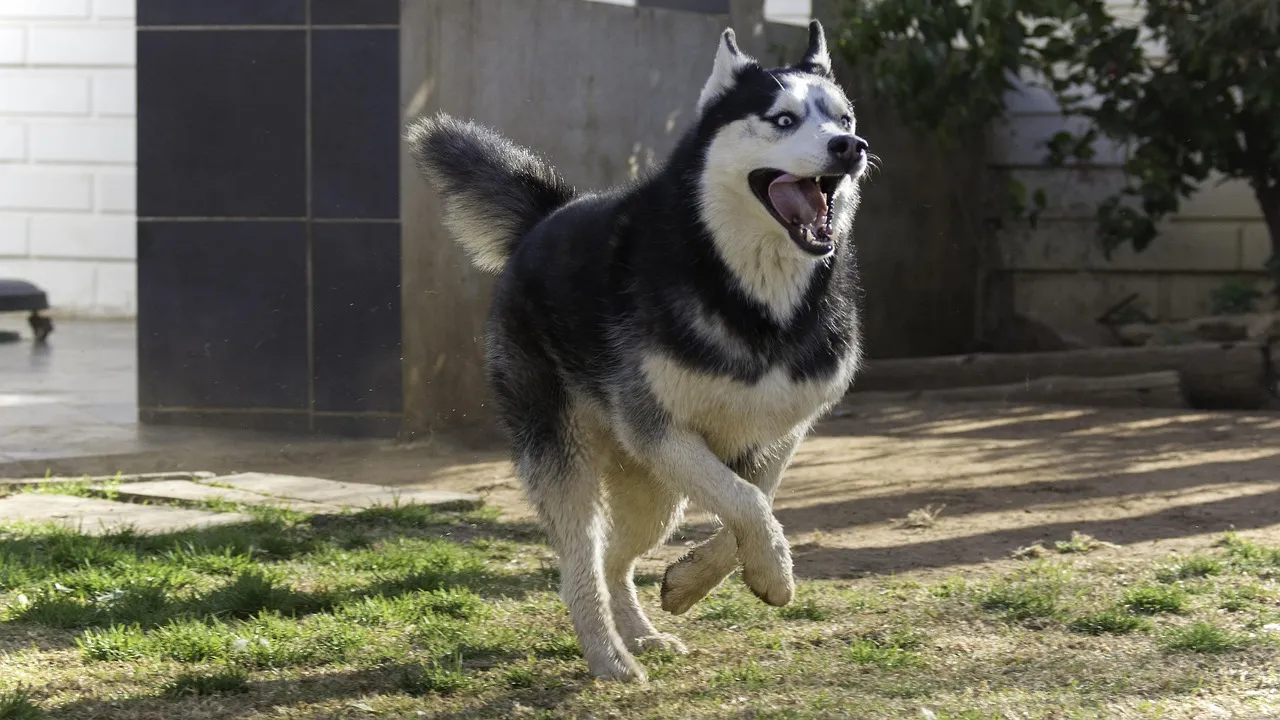
Huskies have built an entire online fame career out of their striking blue eyes and dramatic “talking,” but behind the charm is one of the most determined escape artists in the dog world. A six-foot fence means nothing to a Husky that’s decided the other side looks interesting. They’ll dig under it, climb over it, or squeeze through a gap you didn’t know existed.
Owners who underestimate this often learn the hard way, sometimes with a frantic multi-mile search after their dog bolts. Add in a thick double coat that blows out twice a year in dramatic fashion and a stubborn independent streak that laughs at traditional obedience training, and you have a breed that photographs beautifully but tests patience daily.
12 – Dalmatian
🔥 Would you like to save this?
We'll email this post to you, so you can come back to it later!
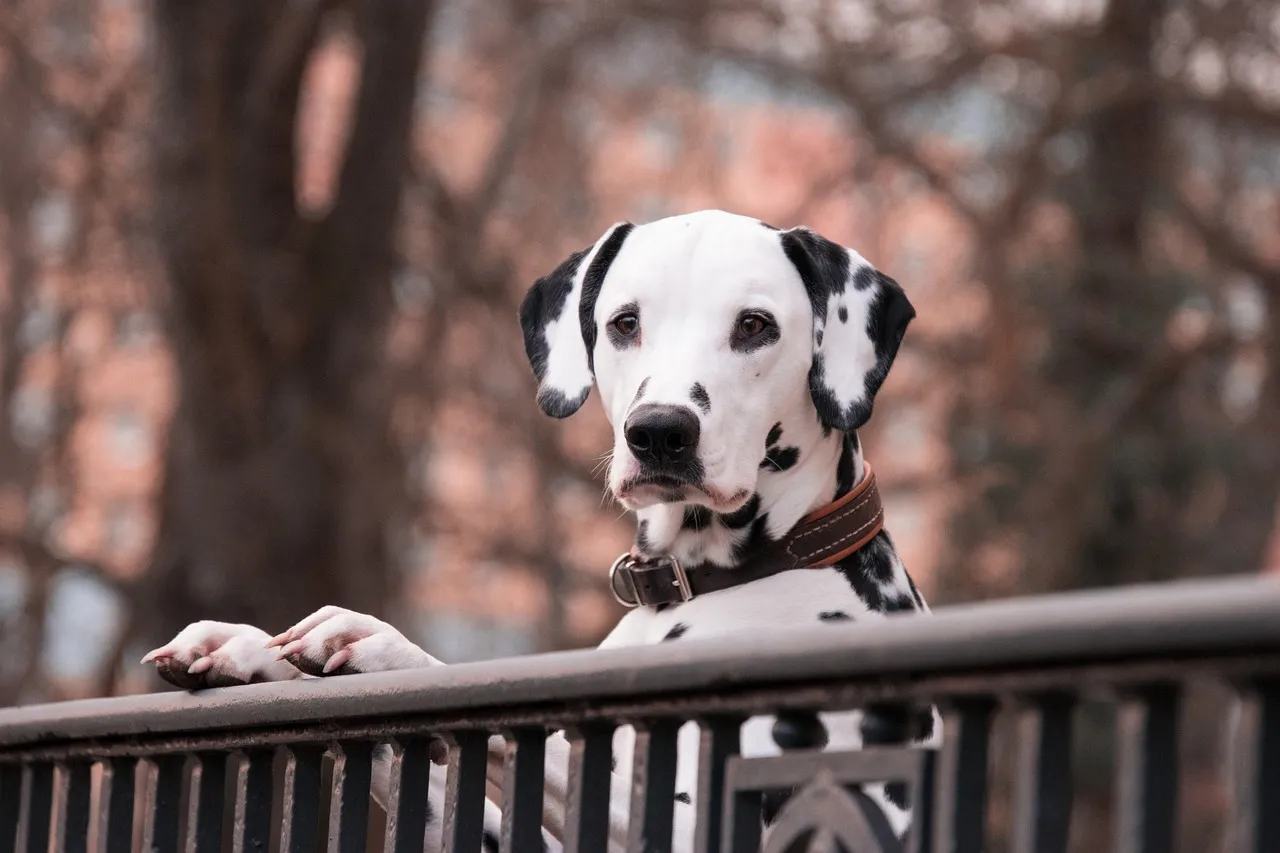
Dalmatians were bred to trot alongside horse-drawn carriages for miles, and that heritage never left them. A short walk around the block doesn’t scratch the surface of what this breed needs; without serious daily exercise, that pent-up energy turns into restlessness, barking, and destroyed household items.
Then there’s the shedding, which catches almost every new owner off guard. Dalmatian hair is short, sharp, and seems to embed itself into every couch cushion, car seat, and sweater in the house. Combine that grooming reality with the exercise demands, and it’s a lot more dog than the spotted movie image suggests.
11 – Chow Chow
🔥 Would you like to save this?
We'll email this post to you, so you can come back to it later!
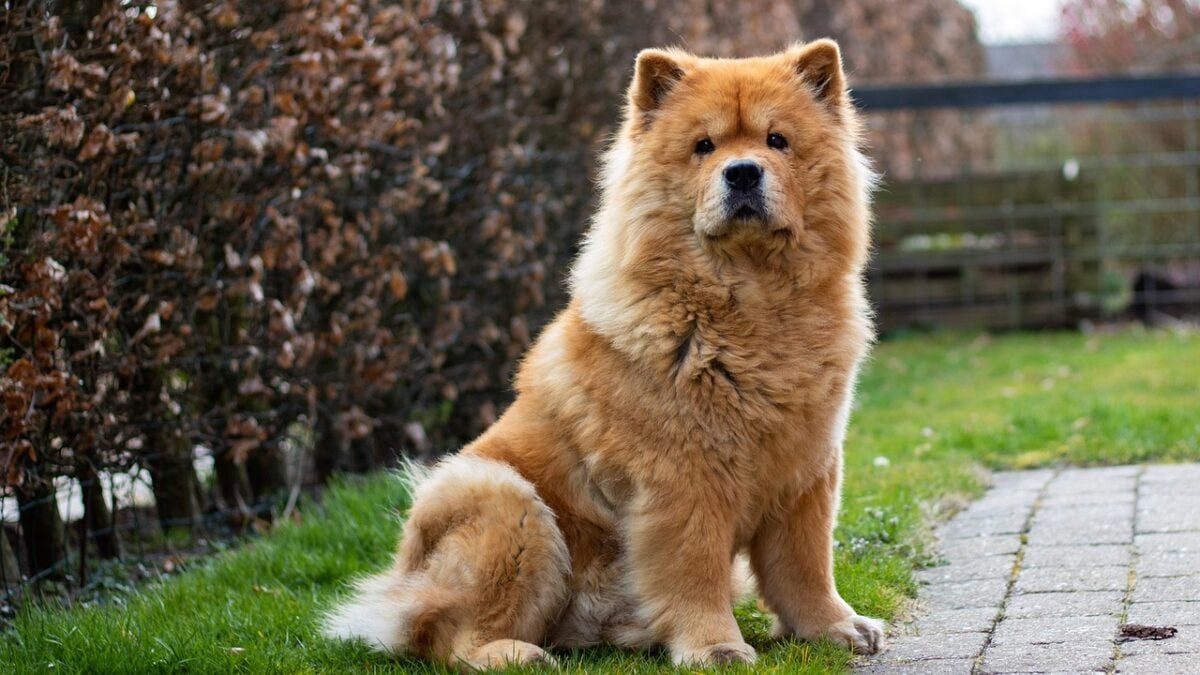
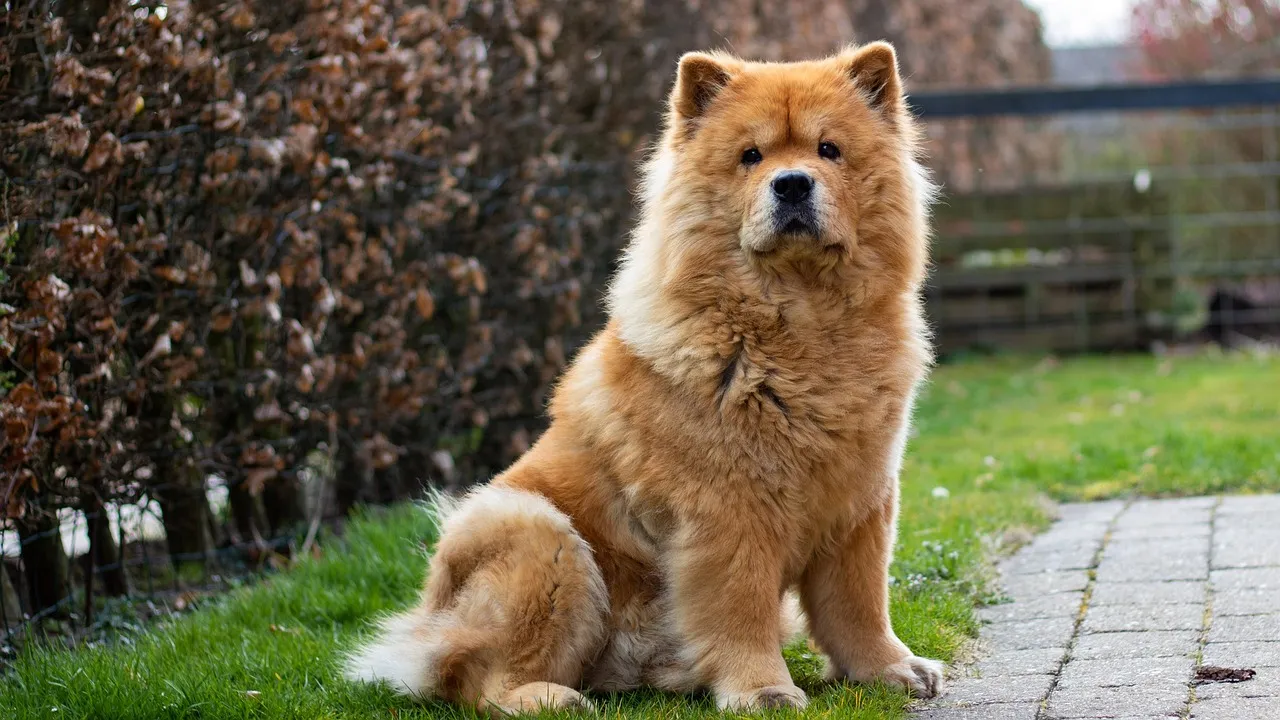
With their lion-like mane and permanently unimpressed expression, Chow Chows look like they belong in a palace, and honestly, that’s close to how they act. This breed tends to bond fiercely with one person and can be openly suspicious of everyone else, which means skipping early socialization isn’t a minor mistake, it’s a long-term problem.
Traditional training methods often bounce right off a Chow Chow’s independent, almost cat-like personality. Add a thick double coat prone to painful matting if neglected, and you’ve got a breed that demands patience most beginners don’t know they’ll need until it’s already a struggle.
10 – Cane Corso
🔥 Would you like to save this?
We'll email this post to you, so you can come back to it later!
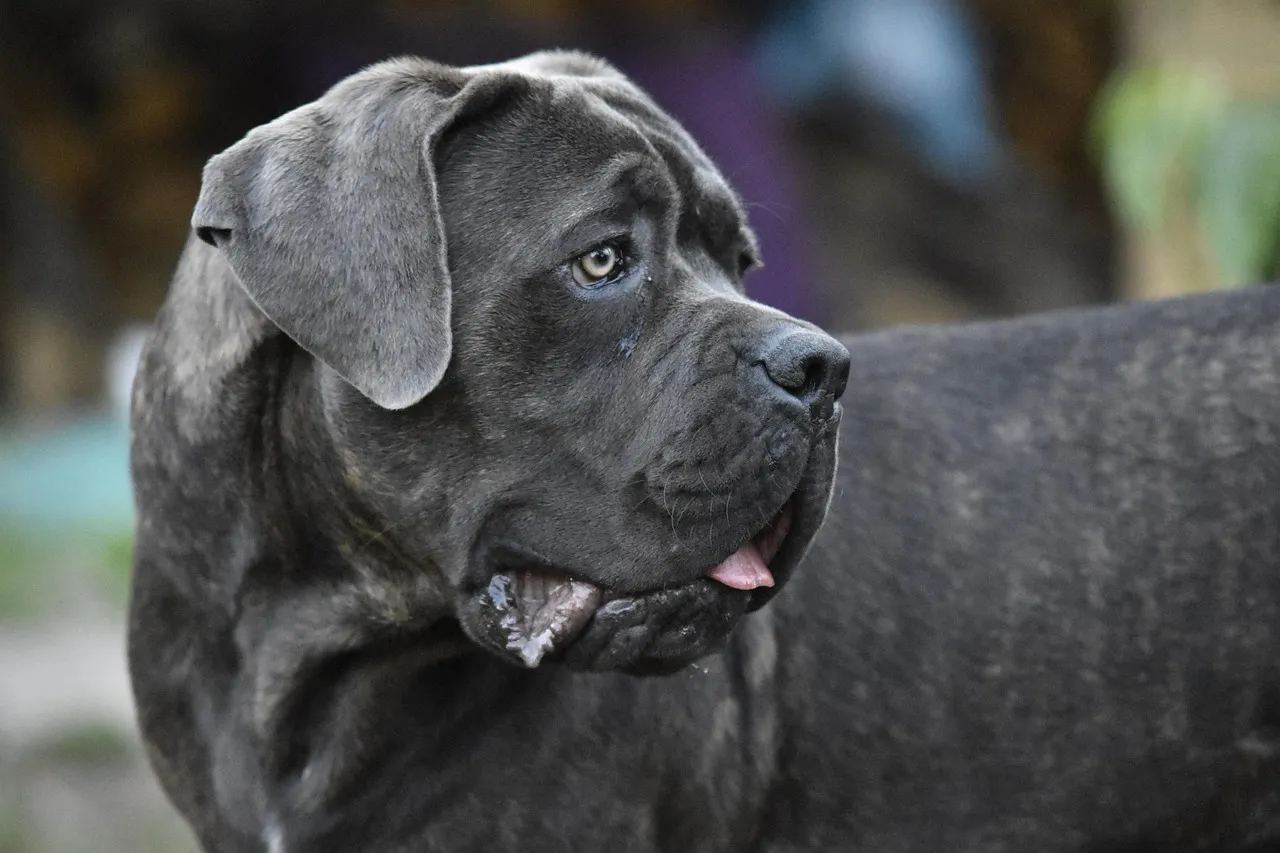
The Cane Corso is an imposing Italian guardian breed built to protect property and family, and that instinct doesn’t switch off just because you live in the suburbs now. Without early, consistent training and serious socialization, that protective drive can curdle into unpredictable aggression toward strangers or other dogs.
First-time owners frequently underestimate how much daily structure a dog this powerful actually requires. It’s not unusual for new owners to feel in over their heads within weeks, realizing too late that a hundred-pound dog with a strong will needs an experienced hand, not good intentions.
9 – Akita
🔥 Would you like to save this?
We'll email this post to you, so you can come back to it later!
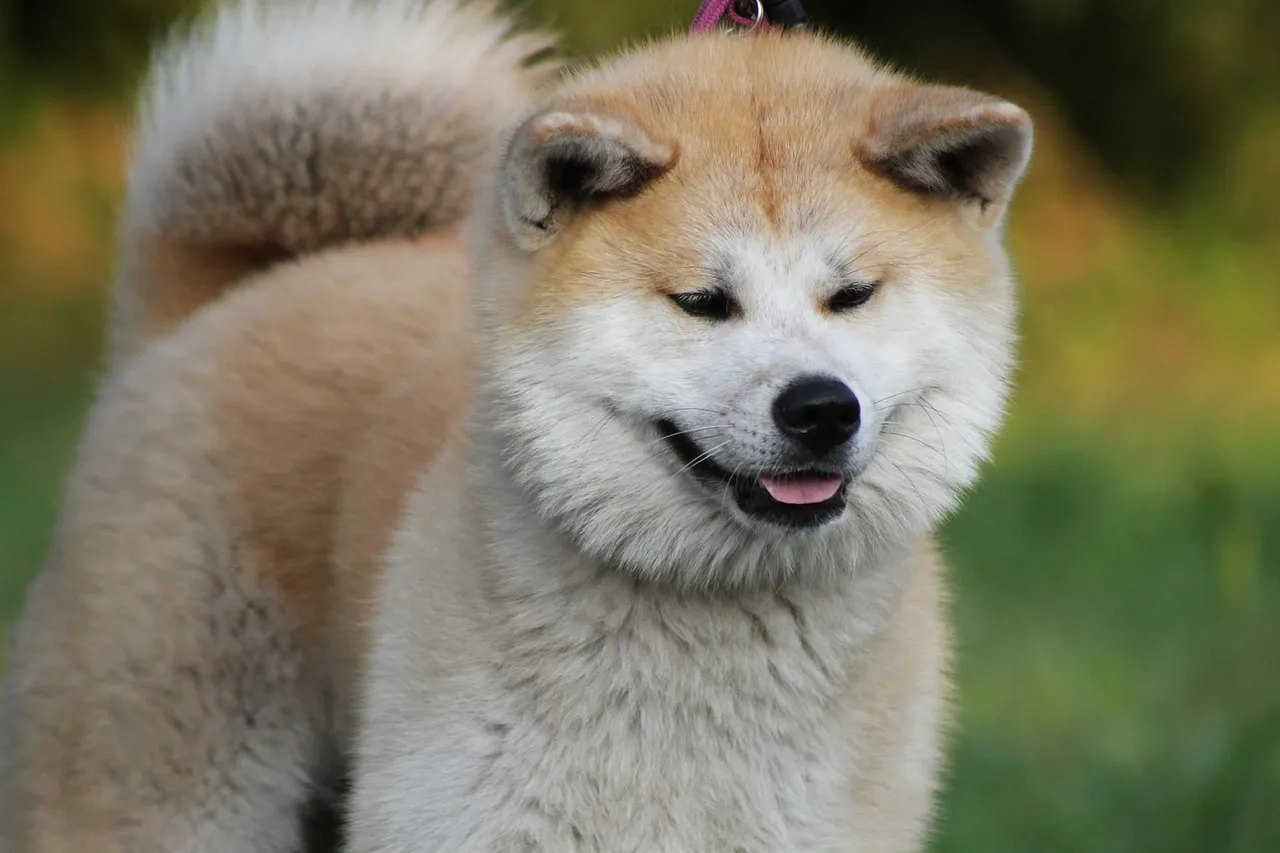
Made famous by Hachiko’s legendary loyalty, Akitas carry a reputation for devotion that’s well earned, but that same devotion comes wrapped in a fiercely territorial, dominant personality. Without firm early leadership, an Akita can decide it’s the one in charge of the household, not you.
This breed also has a notably strong prey drive and can show aggression toward other dogs, especially of the same sex. Quiet and reserved on the surface, Akitas require an owner who understands subtle dog body language and won’t be caught off guard by sudden, decisive action.
8 – Rottweiler
🔥 Would you like to save this?
We'll email this post to you, so you can come back to it later!
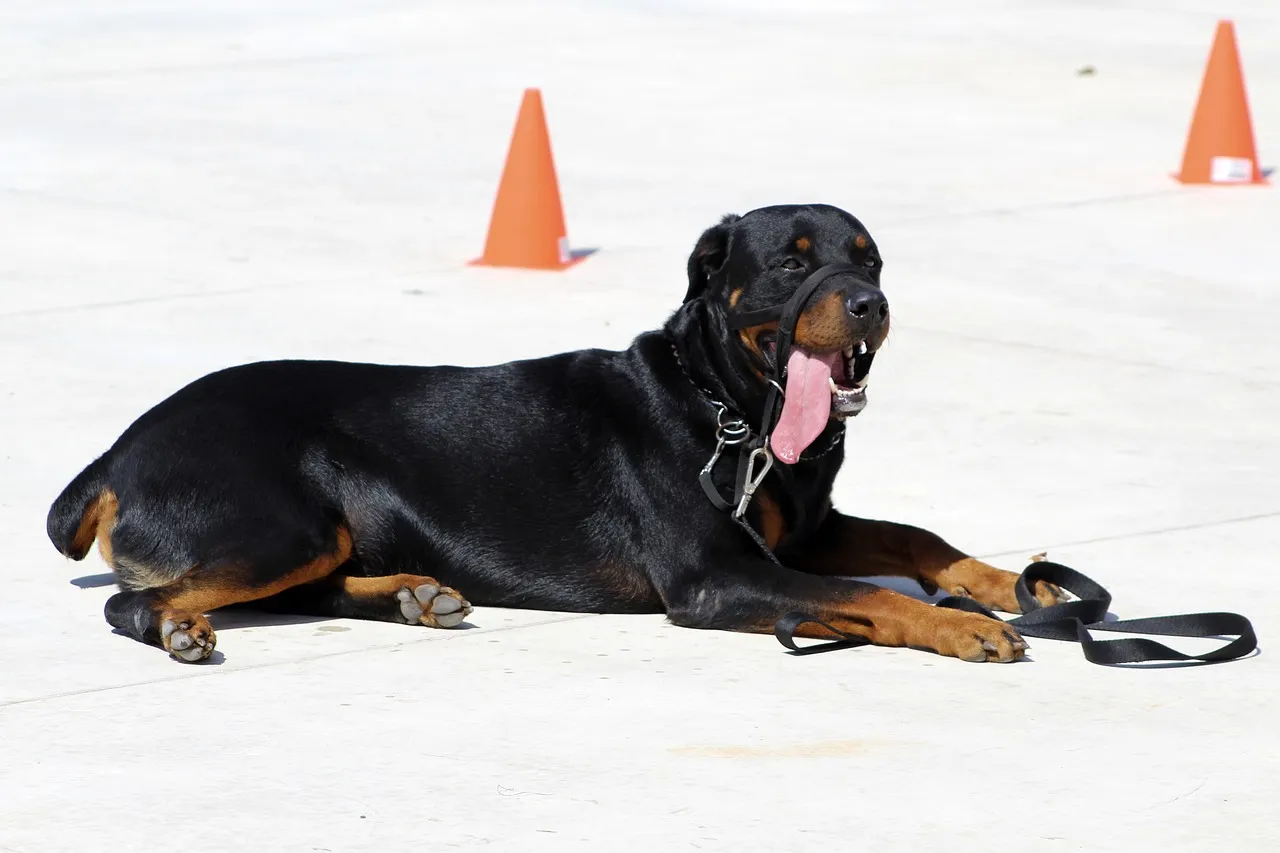
Rottweilers are enormously capable, loyal, and loving family dogs, but that outcome depends entirely on the owner putting in the work early. Skip structured training and consistent boundaries, and their natural size and confidence can turn into dominant, pushy behavior fast.
I rehabilitate dogs, I train people.
Cesar Millan
That mindset matters enormously with a breed this strong. Rottweilers aren’t dangerous by nature, but their power means small training gaps become big problems, which is exactly why they’re not recommended as a first dog.
7 – Belgian Malinois
🔥 Would you like to save this?
We'll email this post to you, so you can come back to it later!
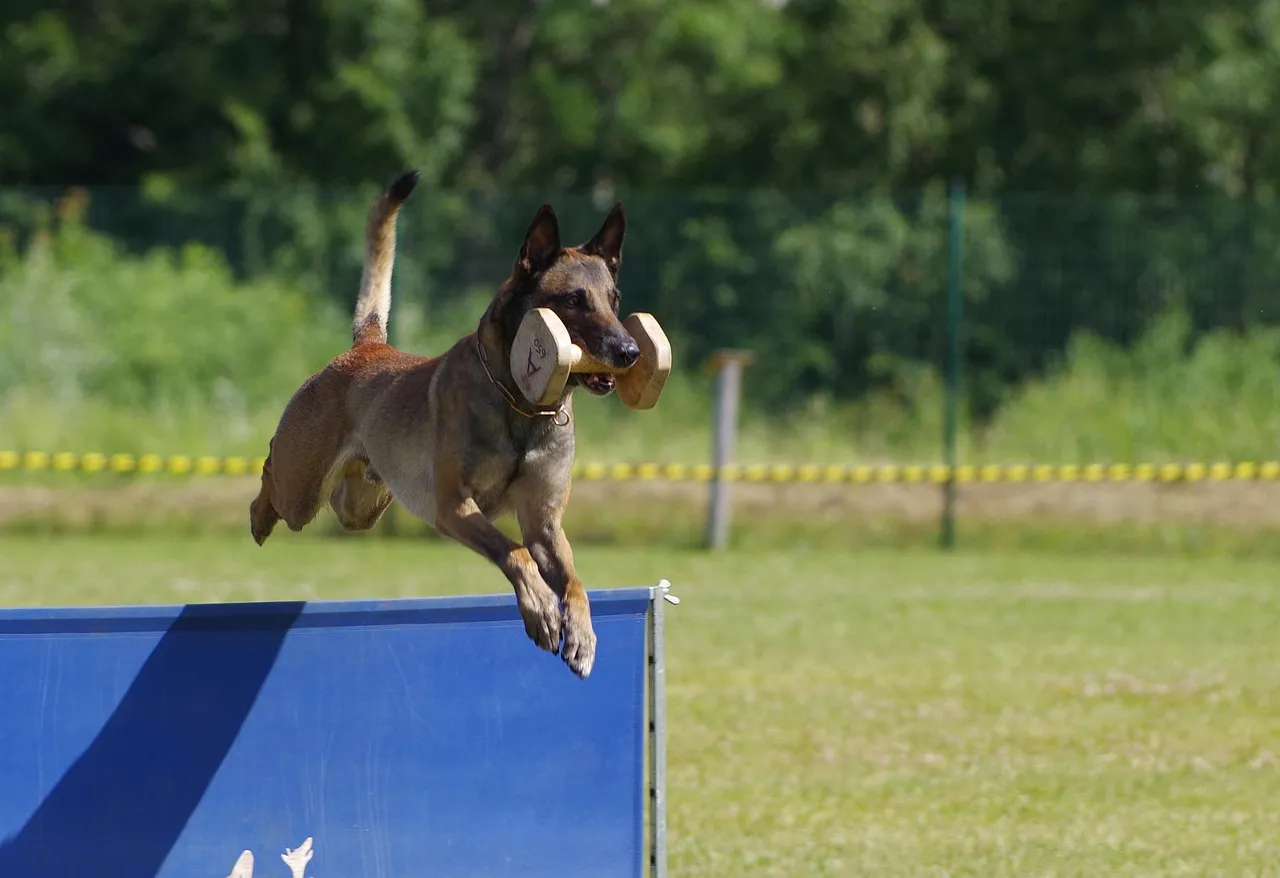
Ask any police or military K9 unit, and they’ll tell you the Belgian Malinois is one of the hardest-working dogs on the planet, which is precisely the problem in a pet home. These dogs were bred for relentless drive, and a couch-potato lifestyle sends that drive somewhere destructive.
Without hours of structured training and mental challenges daily, Malinois can develop anxiety, obsessive behaviors, and serious destructiveness. This is a breed built for a job, and if you can’t provide one, the fallout lands squarely on your furniture and your nerves.
Worth Knowing
- Used extensively by military and police units worldwide for tracking, detection, and protection work
- Often mistaken for a German Shepherd but generally leaner, faster, and even higher-drive
- Thrives with a structured “job,” like agility, scent work, or advanced obedience
- Rarely a good fit for first-time owners without access to serious training resources
6 – Jack Russell Terrier
🔥 Would you like to save this?
We'll email this post to you, so you can come back to it later!
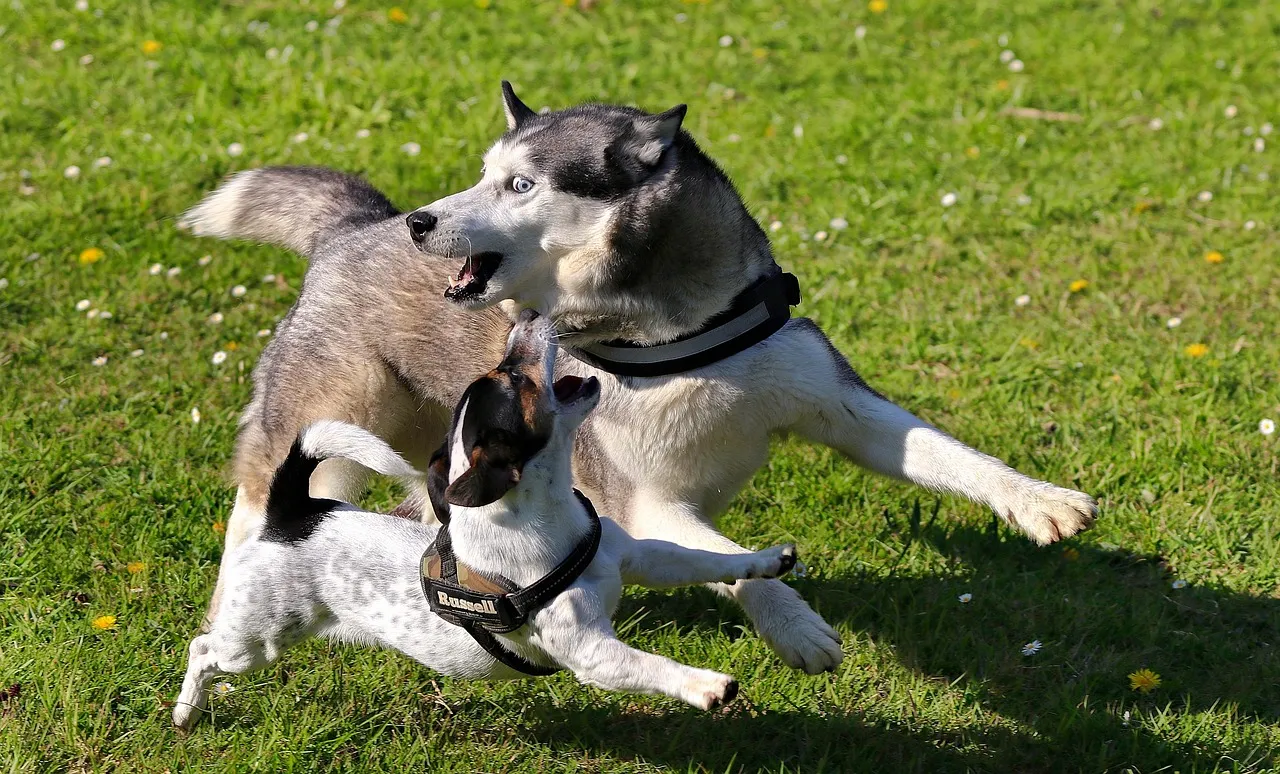
Don’t let the small body fool you. Jack Russell Terriers were bred to chase foxes into underground dens, and that fearless, high-octane energy didn’t shrink along with their size. These dogs need serious daily exercise and mental stimulation, or they’ll find their own entertainment, usually by digging up the yard or bolting after a squirrel.
Their prey drive is intense enough that small pets in the home can become targets, and their terrier stubbornness makes training a genuine test of consistency. First-time owners often expect an easy lap dog and get a tiny, tireless escape artist instead.
5 – Weimaraner
🔥 Would you like to save this?
We'll email this post to you, so you can come back to it later!
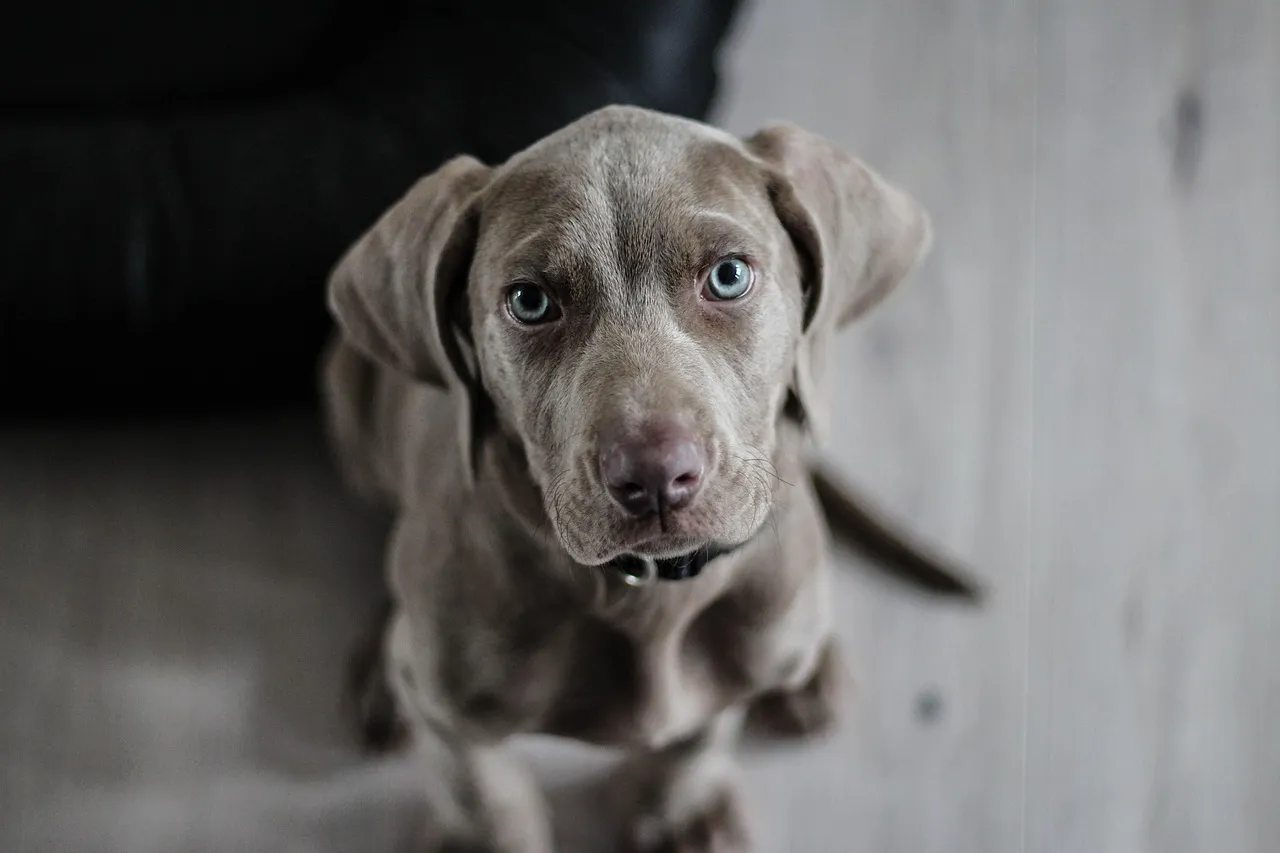
Nicknamed the “gray ghost” for their sleek silver coat, Weimaraners are also famous for something far less glamorous: crushing separation anxiety. Leave one alone too long, and you’ll come home to chewed doorframes, torn blinds, or worse.
These dogs were bred to hunt alongside humans all day, and that need for constant companionship and physical activity doesn’t fade with age. Combine their high energy with an emotional attachment this intense, and you get a breed that’s demanding in ways beginners rarely anticipate.
4 – Australian Cattle Dog
🔥 Would you like to save this?
We'll email this post to you, so you can come back to it later!
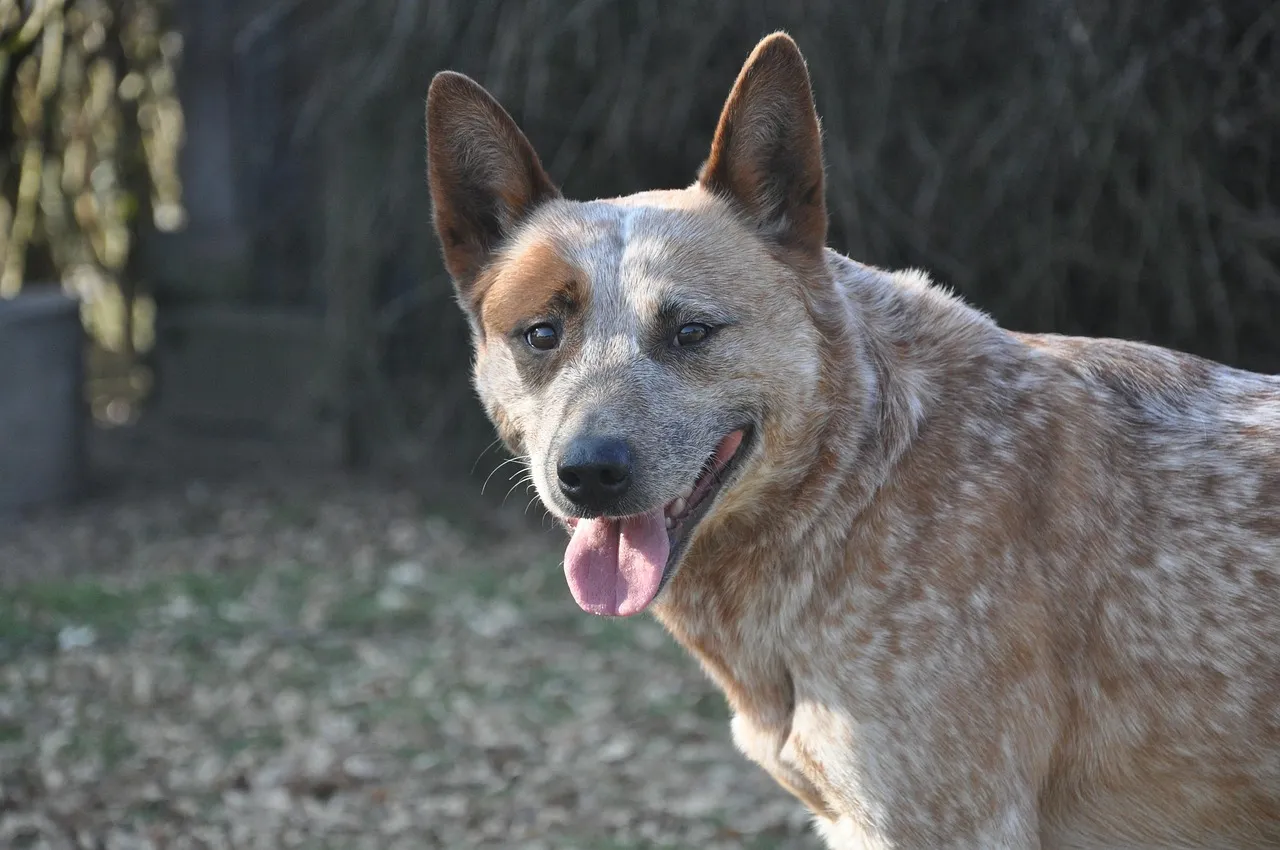
Australian Cattle Dogs were bred to control full-grown cattle by nipping at their heels, a habit that doesn’t disappear just because the “herd” is now your kids or the neighbor’s jogging routine. Their intelligence and drive are impressive, but without structured outlets like obedience or agility work, that energy turns into frustration fast.
These dogs also tend to bond intensely with one person, which can tip into possessiveness, and they’re rarely a smooth fit with cats or smaller pets. Left alone too often, they develop real separation anxiety, another reason experienced trainers rarely recommend them to beginners.
3 – Alaskan Malamute
🔥 Would you like to save this?
We'll email this post to you, so you can come back to it later!
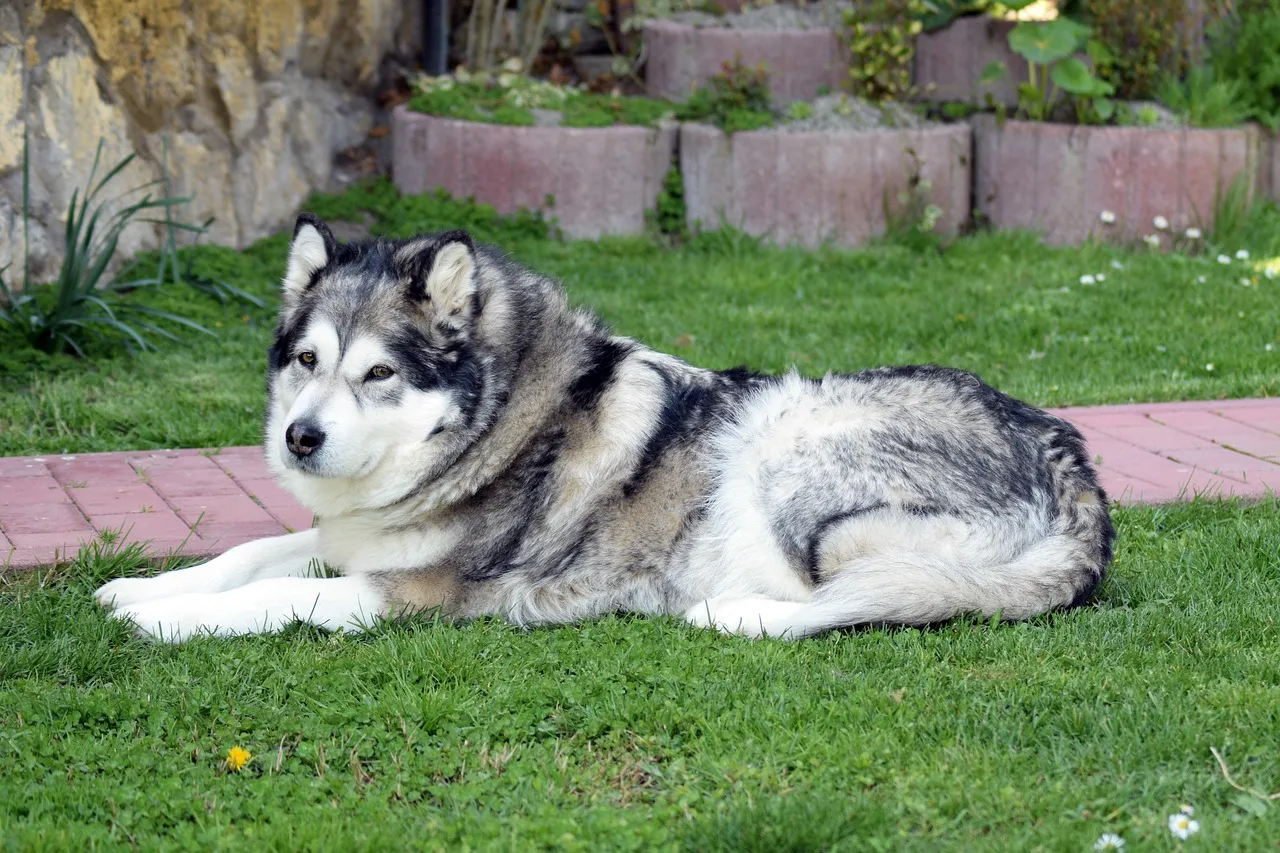
Bred to haul heavy loads across brutal Arctic terrain, Alaskan Malamutes come with the strength to match, and that includes serious pulling power on a leash that can genuinely knock over an unprepared owner. Add their escape-artist instincts and a talent for digging, and containment becomes a constant project.
Boredom turns this breed destructive quickly, and their heavy seasonal shedding means grooming is not optional. They also physically thrive in cold weather, which means hot climates add another layer of difficulty most beginners never see coming.
At a Glance
- Standard weight typically runs 65 to 85 pounds, though some individuals reach 140 pounds or more
- Named after the Mahlemuts, an Inuit tribe that settled along Kotzebue Sound in northwestern Alaska
- Bred for strength rather than speed, unlike its faster cousin the Siberian Husky
- Thick double coat sheds heavily on a seasonal cycle and needs frequent brushing
2 – Bullmastiff
🔥 Would you like to save this?
We'll email this post to you, so you can come back to it later!
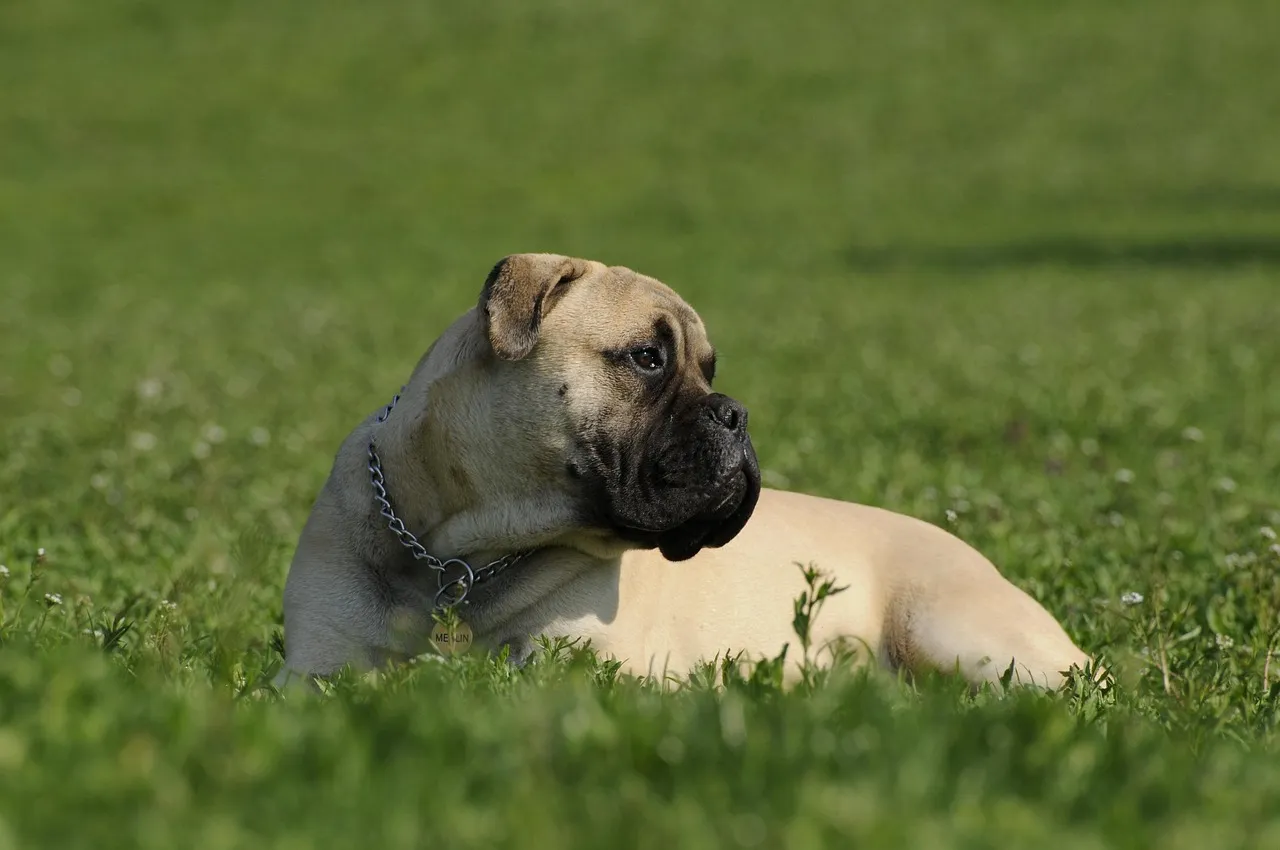
Bullmastiffs were originally bred to silently track and pin down poachers, and that history explains a lot about their personality today. Weighing up to 130 pounds of solid muscle, they’re gentle with their families but capable of overpowering an inexperienced handler without even trying.
Their stubborn streak, heavy drooling, and tendency toward serious health issues like hip dysplasia and bloat mean ownership takes both physical control and financial preparation. It’s a lot of dog, in every sense of the word, for someone who’s never handled a large, willful breed before.
1 – Dogo Argentino
🔥 Would you like to save this?
We'll email this post to you, so you can come back to it later!
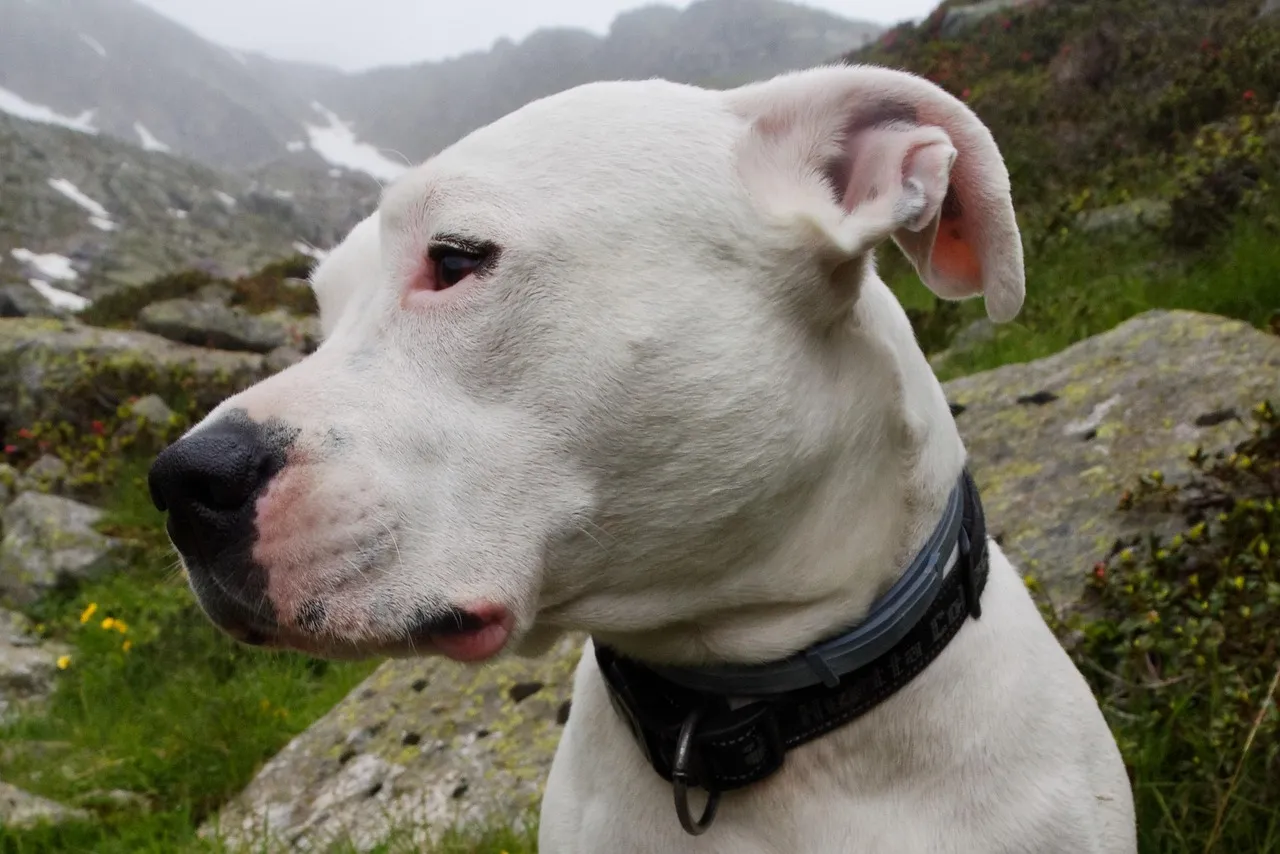
At the very top of the list sits a breed built specifically to hunt wild boar in packs, which tells you almost everything about the intensity packed into this muscular, all-white dog. The Dogo Argentino is banned or restricted in several countries precisely because untrained versions of this breed can become genuinely dangerous.
Ironclad socialization from puppyhood isn’t optional here, it’s the entire foundation of a safe adult dog. This is a breed that rewards expert handlers with fierce loyalty and courage, but for a first-time owner without that experience, it’s simply too much dog, too much risk, and too little room for trial and error.
Why It Stands Out
- Developed in Argentina in the 1920s by Dr. Antonio Nores Martinez as a large, powerful hunting and protection breed
- Banned outright in the UK, Australia, Denmark, Norway, and Romania
- A high-energy breed that typically needs several walks plus two to three hours of exercise a day
- Requires expert-level, lifelong socialization starting from puppyhood, not a one-time training phase
If there’s one honest takeaway from this list, it’s that “good with beginners” and “popular” are not the same thing, and mixing them up is how shelters end up full of gorgeous, misunderstood dogs. None of these 14 breeds are bad dogs. Most of them are extraordinary, given the right owner, the right training, and the right amount of daily commitment.
But pretending that commitment doesn’t exist because a breed is cute or trending online is exactly how first-time owners get blindsided. If you’re new to this, start with a breed that forgives your learning curve, not one that punishes it.

- 7 Everyday Habits That Can Make Your Senior Dog Happier - November 5, 2026
- 10 Enigmatic Structures That Continue to Puzzle Scientists Today - November 5, 2026
- 10 Strange Ruins in the Americas That Challenge What We Know About Early History - November 5, 2026