


Earthquakes, nature’s great movers and shakers, often strike without warning, leaving chaos and destruction in their wake. While science has advanced our understanding of these seismic events, predicting them with accuracy remains elusive. The story of 14 quakes that hit major cities unexpectedly highlights the urgent need for improved early-warning systems. Through a journey of geological surprises and human resilience, we explore the intricate dance between the Earth’s shifting plates and the lives impacted by their movements.
Understanding Earthquakes A Brief Overview
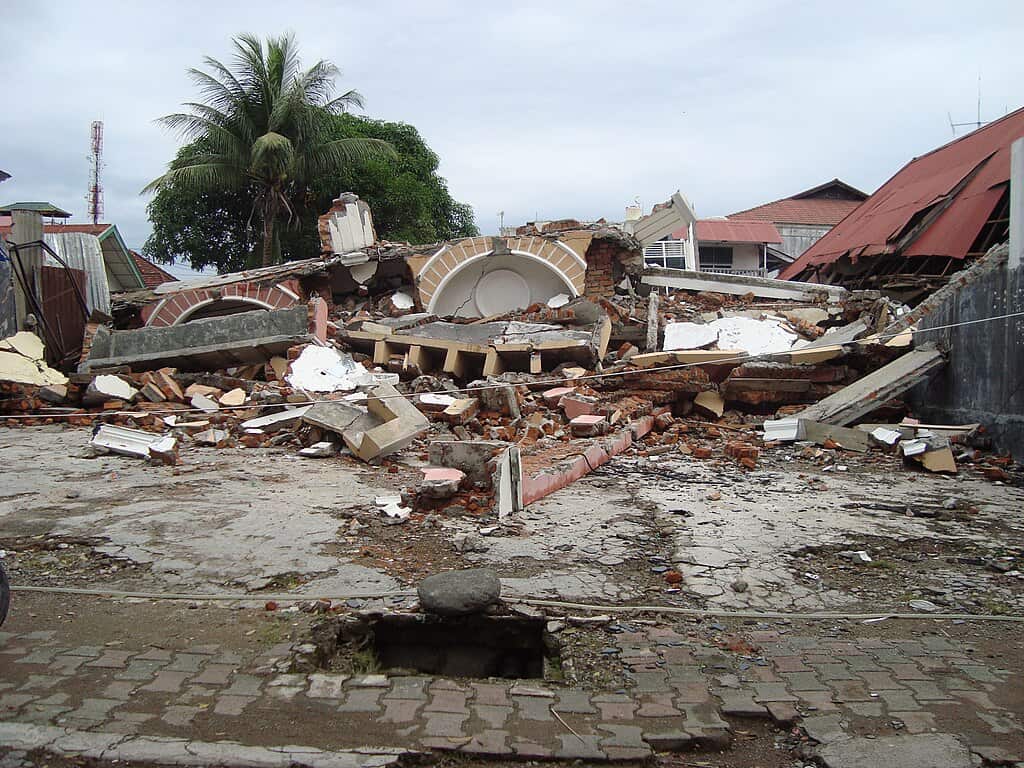
Earthquakes occur when energy stored in the Earth’s crust is suddenly released, usually due to the movement of tectonic plates. These movements can cause the ground to shake, at times with devastating intensity. Although technology has advanced, providing us with measures to detect seismic activity, predicting the exact timing and location of earthquakes remains an ongoing challenge for scientists.
The Unseen Forces Beneath Our Feet

The Earth’s crust is divided into several large and small tectonic plates. These plates float on a viscous layer known as the mantle, and their interactions form the basis for seismic activity. When plates grind against each other, pull apart, or collide, the accumulated stress can lead to an earthquake. Often, these quakes strike without warning, catching cities off guard and putting millions of lives at risk.
The 1906 San Francisco Earthquake
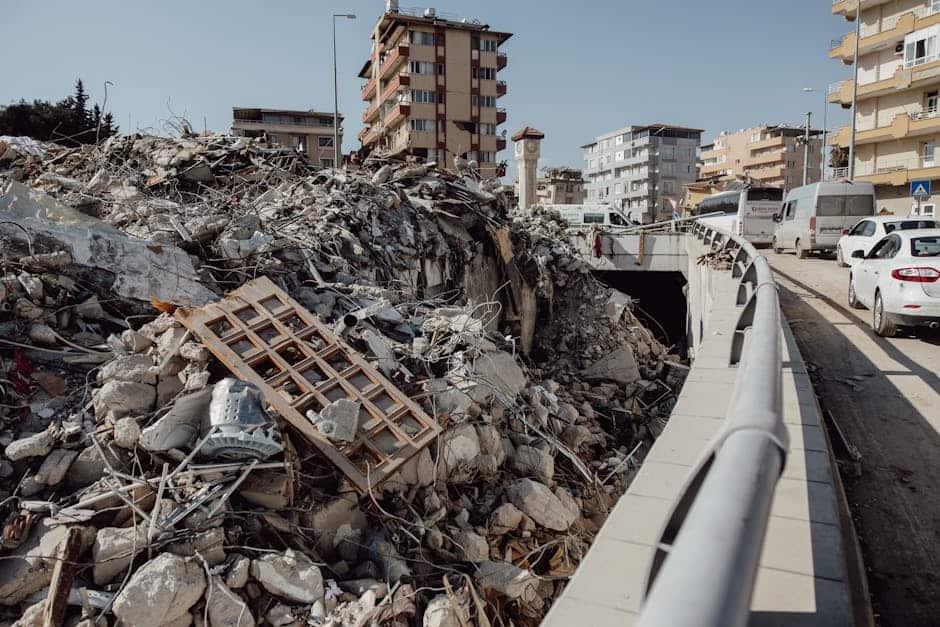
One of the most catastrophic earthquakes in history, the 1906 San Francisco earthquake, hit early in the morning of April 18. With a magnitude estimated at around 7.9, it caused fires that burned for days, destroying about 80% of the city. The event underscored the vulnerability of urban areas situated near fault lines and spurred advancements in both building regulations and emergency preparedness.
Kobe, Japan The 1995 Great Hanshin Earthquake

The 1995 earthquake in Kobe, Japan, struck with a magnitude of 6.9 and caused extensive damage and loss of life. Known as the Great Hanshin Earthquake, it highlighted the limitations of existing warning systems at the time, prompting Japan to develop more sophisticated technologies for seismic detection.
Port-Au-Prince, Haiti The Unforgiving 2010 Quake

In January 2010, a magnitude 7.0 earthquake devastated Port-au-Prince, Haiti, leveling buildings and infrastructure and resulting in a humanitarian crisis. The lack of an early-warning system compounded the tragedy, making it one of the most catastrophic natural disasters in recent history and underscoring the need for global cooperation in earthquake preparedness.
Mexico City’s 1985 Earthquake

Mexico City is built on a former lakebed, which amplifies seismic waves, making it particularly vulnerable. In 1985, an 8.1 magnitude earthquake struck, causing massive destruction and spurring the development of one of the world’s first public earthquake early-warning systems. Despite this, the city remains at risk due to its unique geological conditions.
Canterbury, New Zealand The 2010/11 Quakes

New Zealand’s Canterbury region experienced a series of powerful earthquakes beginning in 2010, culminating in a 6.3 magnitude quake in February 2011 that struck Christchurch. The series of quakes led to major advancements in New Zealand’s seismic resilience research and building standards.
2011 Tōhoku Earthquake and Tsunami
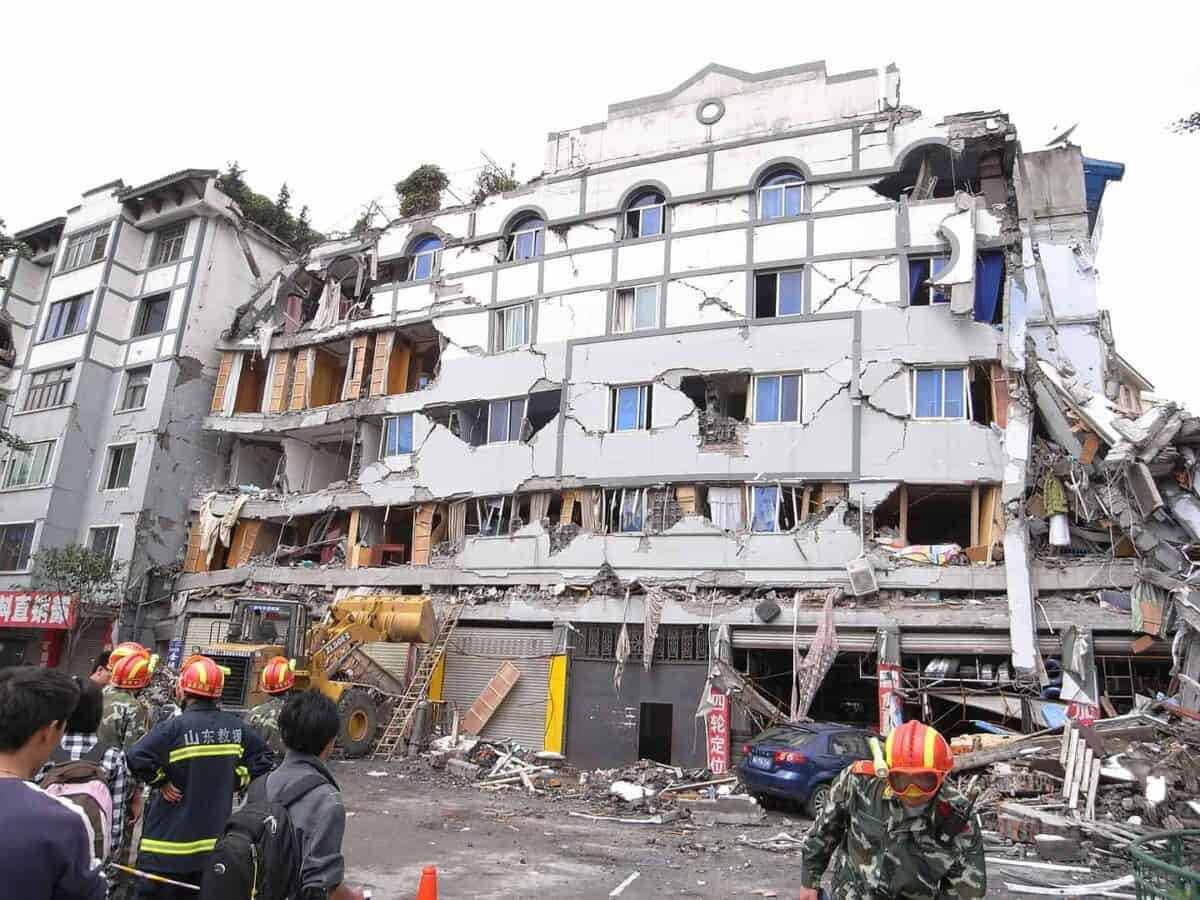
The 2011 Tōhoku earthquake off the coast of Japan not only shook the ground but also triggered a devastating tsunami. This dual disaster tested Japan’s extensive emergency systems and underscored the challenges of dealing with complex, cascading natural events. It also led to significant changes in nuclear safety protocols worldwide.
The Unexpected Quake in Sichuan, China (2008)

The 2008 Sichuan earthquake with a magnitude of 7.9 resulted in significant casualties and infrastructural damage. It exposed vulnerabilities in construction practices across rural China and led to increased efforts in earthquake engineering and community preparedness in the region.
Nepal’s Seismic Wake-Up Call in 2015

In April 2015, Nepal was struck by a 7.8 magnitude earthquake that ravaged the Kathmandu Valley, a historic and densely populated region. The earthquake caused massive damage to cultural heritage sites and challenged the country’s disaster response capabilities, prompting a reevaluation of urban resilience strategies.
Earthquakes Along the Iranian Plateau

The Iranian Plateau is one of the most seismically active areas in the world. The 2003 Bam earthquake, with a magnitude of 6.6, caused widespread devastation and highlighted the urgent need for modern building practices in earthquake-prone regions. Efforts have since increased to retrofit and reinforce buildings across Iran.
The Chilean Earthquake of 2010

With a magnitude of 8.8, the 2010 earthquake in Chile was one of the largest ever recorded. Despite its size, the country’s robust building codes and preparedness plans significantly reduced loss of life and showcased the effectiveness of stringent construction standards and proactive risk management strategies.
Indonesia’s Sumatra Quake of 2004

The vast megathrust earthquake off the coast of Sumatra in 2004 triggered the Indian Ocean tsunami, affecting countries as far away as East Africa. The event revealed seismic risks in subduction zones and led to the establishment of the Indian Ocean Tsunami Warning System.
Conclusion: Building Resilience for an Unpredictable Future
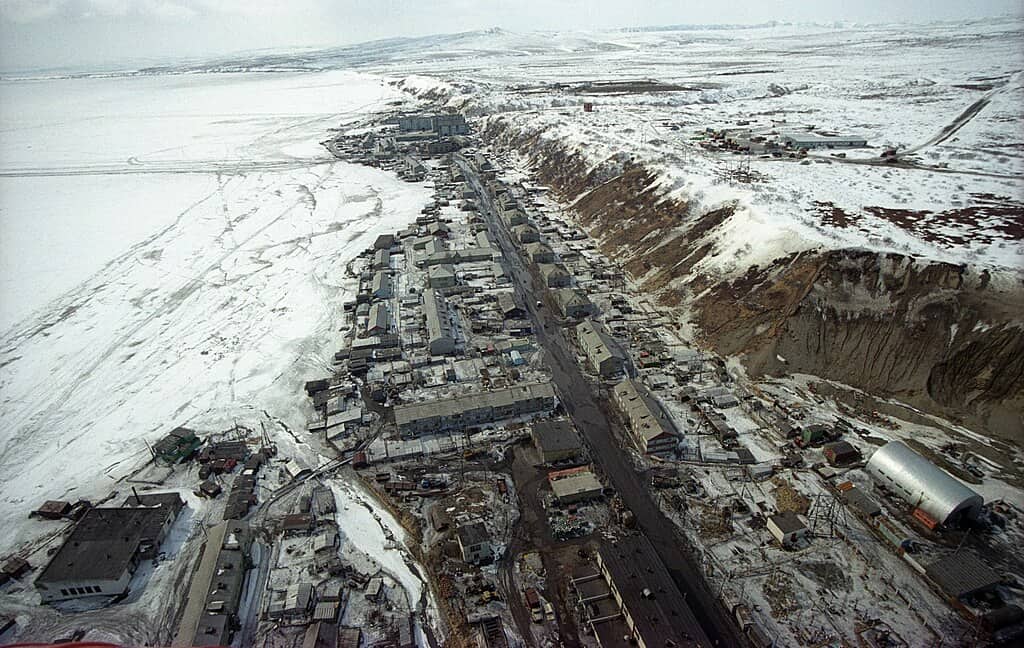
These 14 quakes that struck without warning serve as potent reminders of the unpredictable nature of our planet. While science has made leaps in understanding and technology has provided us with tools to anticipate potential threats, true prediction remains beyond our grasp. The path forward lies in building resilience—improving construction practices, enhancing public awareness, and fostering international collaboration in disaster preparedness. As we continue to live with the persistent threat of seismic events, the lessons from past earthquakes can guide us toward a safer, more prepared future.

As a little kid, I fell in love with nature, wildlife, and animals. Living in the USA, South Africa, Italy, China and Germany gave me the opportunity to discover the world's Wildlife. My favorite animals are Mountain Gorillas, Siberian Tigers, and Great White Sharks.
I'm a certified PADI Open Water Diver, went to Everest Base Camp and Trekked Gorillas in Uganda. I hold a Master of Science in Economics and Finance.
Please send any feedback to feedback@animalsaroundtheglobe.com
- The Zombie Fungus That Turns Animals into Mindless Puppets - July 20, 2026
- 13 Weirdest Creatures Living in Florida - July 20, 2026
- 10 Fastest Growing Exotic Pets in U.S. Homes - July 20, 2026