
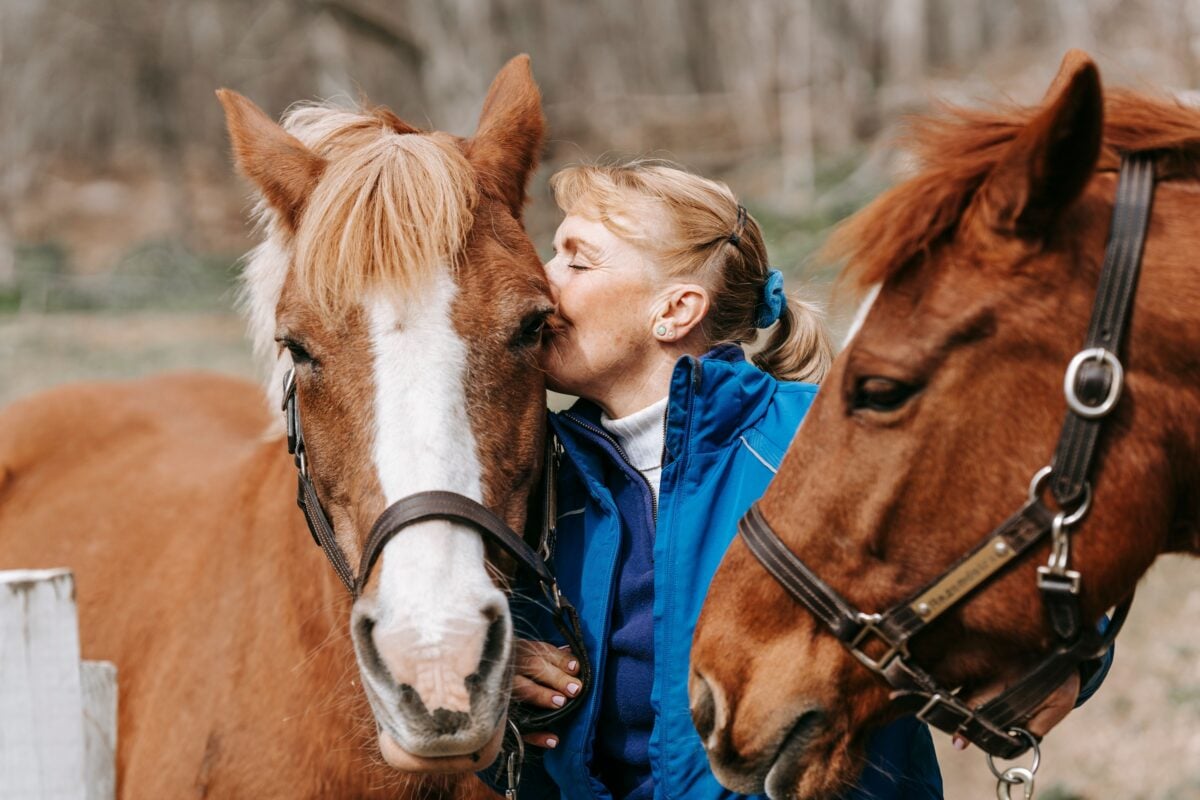
Most people think a horse shows it cares in big, unmistakable ways – the nuzzle, the whinny at the gate, the trot across the pasture to greet you. That version makes for good videos. It’s just not where the real story lives.
Riders who’ve spent years with a truly bonded horse will tell you the real proof shows up in the boring moments – the half-lifted ear, the tiny sidestep, the “grazing” that isn’t really grazing at all. These aren’t quirks. They’re a thousand-pound prey animal quietly deciding it’s now your bodyguard, and most owners walk right past the evidence every single day.
#1 – The Ears That Are Never Really “Off Duty”
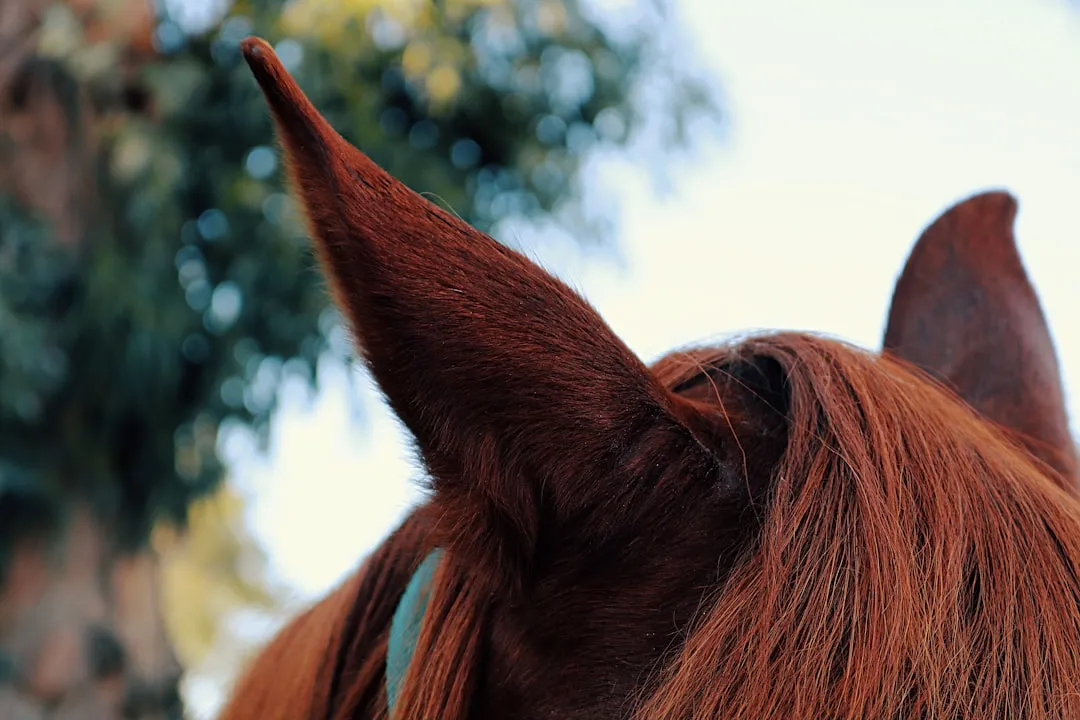
A claimed horse might look completely relaxed beside you, but its ears are telling a different story. Even when it seems half-asleep, one ear will often stay tilted toward you or the space around you, quietly monitoring everything while you go about your business. That’s not just “being alert” – it’s selective vigilance, where you’ve become the priority signal worth tracking.
You’ll notice it most when you’re distracted – scrolling your phone at the rail, chatting near the trailer, fumbling with tack. While you let your guard down, your horse quietly turns theirs up. Their ears may snap toward footsteps behind you or an approaching vehicle, then soften once the threat’s been “cleared.” Most people shrug this off as normal. For a bonded horse, it’s closer to, “I’ve got this – just keep doing what you’re doing.”
#2 – The “Accidental” Step That Puts Them Between You and Trouble

Many riders completely miss this one: some horses physically reposition themselves so they’re standing between you and something they’ve quietly decided could be a problem. It might be a flapping tarp, a barking dog, or another pushy horse cutting too close. The movement is subtle – one sideways step, a small pivot, a drift that looks random if you’re not paying attention.
To a prey animal, where you put your body is never meaningless. So when a horse edges itself closer to the noise while keeping you on the safer side, that’s a silent version of “stand behind me.” Not every trainer likes this – some read any crowding as disrespect. But in the right context, that little block can be the clearest sign your horse has already decided which of you is worth protecting.
#3 – The Fake Grazing Act That’s Actually a Perimeter Check
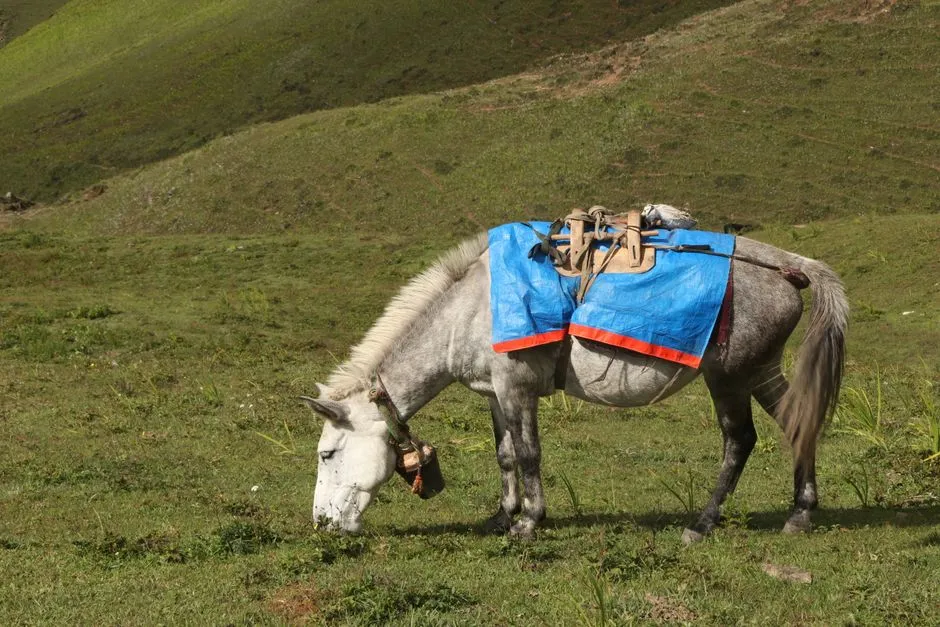
To a casual observer, your horse looks like it’s just grazing while you sit nearby – head down, tail swishing, totally checked out. Look closer, though. The pauses between bites run longer, and the head pops up more often when you’re with them than when they’re alone. They’re not just snacking. They’re running a constant scan of the whole scene.
This “fake grazing” is classic prey-animal camouflage. By pretending to be relaxed, your horse avoids drawing attention while staying fully switched on underneath. Scroll your phone on a fence post, and it’ll graze near you but snap its head up the second a gate clangs or a car pulls in. Plenty of horses do this in herds. But when one performs the routine specifically around you – sticking close, circling back the moment you move – it’s quietly trading its own rest for your safety.
Fast Facts
- A horse’s eyes give it nearly 350 degrees of vision, with true blind spots only directly ahead and directly behind.
- Wild grazing horses lift their heads every handful of bites purely to rescan the horizon for danger.
- Ear muscles let a horse rotate each ear almost independently, covering sound from nearly every direction at once.
- Horses can doze standing up thanks to a locking leg structure, but true deep sleep still requires lying down.
#4 – Shadowing the Side You Can’t See
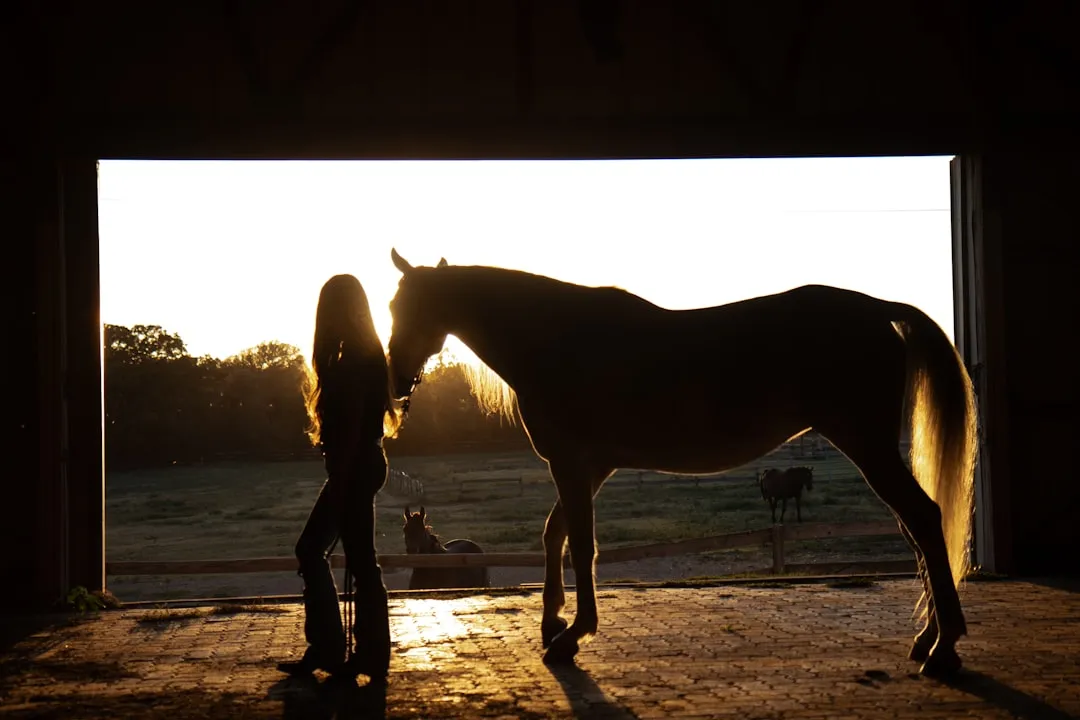
We like to think we’re aware of our surroundings. Horses know better. A horse that has quietly claimed you will often choose to travel or stand on the side where you see the least or are most exposed – for most people, that’s slightly behind and to one side, right in your natural blind spot.
Watch what happens leading your horse through a busy yard or an unfamiliar trail. Instead of charging ahead, a bonded horse often hangs just far enough back to see both you and the space around you. If something unexpected approaches from your weak side, they’ll stiffen, flare their nostrils, or swing their head toward it before you’ve even clocked it. Trainers argue endlessly about where a horse “should” walk, but the ones that pick a specific angle to cover your blind side are usually telling you exactly where they think they’re needed.
#5 – The Silent Freeze That Happens Before You Even Notice a Problem
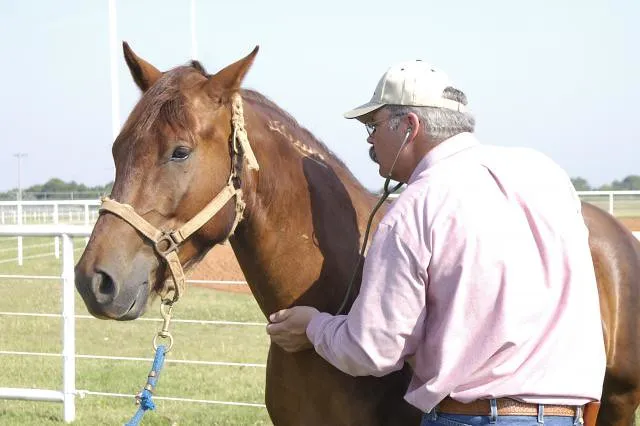
Most people notice when their horse spooks and jumps. Almost nobody notices what happens three seconds before that: a total freeze. Muscles lock, breathing shifts, the eyes fix on something, and every ounce of energy channels into listening. Alone, that’s just basic survival instinct.
But when it happens specifically because you’re distracted – talking with your back turned, digging through the tack trunk – it reads differently. If your horse suddenly stops fidgeting, plants its feet, and goes completely still while staring past you, it’s stepped into the early-warning role. Instead of bolting, it’s choosing to analyze first, as if to say, “Hang on – I’m checking this for both of us.” Riders often mistake this for stubbornness or boredom. In context, it can be the clearest sign your horse has quietly expanded its safety radius to include you.
#6 – The Micro Check-Ins Nobody Notices But You
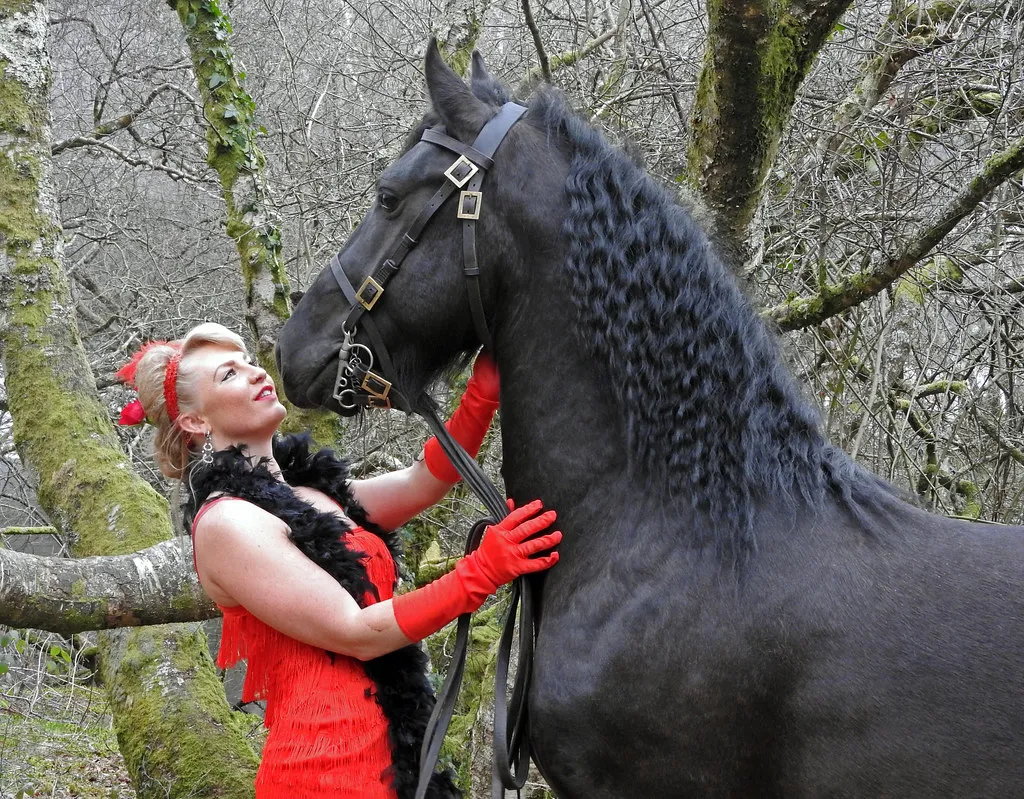
The Hollywood version of a bonded horse is dramatic whinnies and galloping greetings. Real life is quieter. A horse that has claimed you will often check in with quick, barely-there eye and head movements that last a second but repeat constantly while you’re around.
You’ll catch it while riding with others – while their horses tune their riders out and squabble over position, yours keeps flicking an eye back at you, reading your balance, your tension, your mood. On the ground, they might lift their head from the water trough just long enough to meet your gaze across the paddock, then go back to drinking. These micro check-ins are easy to dismiss, but they’re the equine version of quietly confirming you’re still okay and still part of their herd. If a horse that used to do this suddenly stops, that change is almost always worth paying attention to.
#7 – Standing Guard the Moment You’re Vulnerable
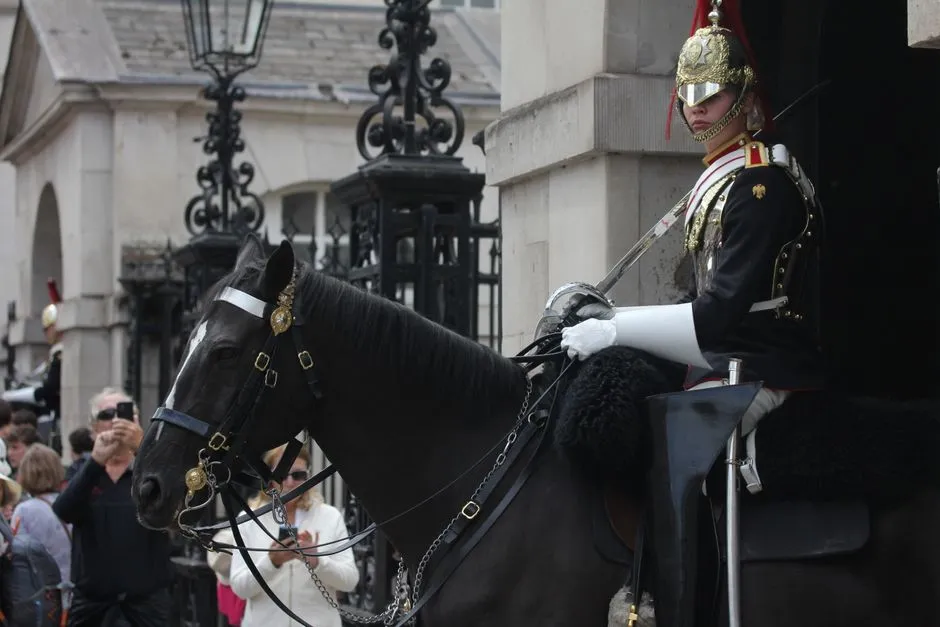
There are moments when humans are, frankly, useless as herd members – tying a boot, fixing a stirrup, digging through a backpack, sitting flat on the ground. A horse that’s only half-claimed you might wander off to graze during these lapses. A horse that’s fully claimed you tends to stay close, face outward, and widen its attention, like it just clocked in for security detail.
You’ll notice the pattern: they choose to stand instead of drifting off to play, and their body angles so they’re between you and open space or other horses. Some will even lower their head slightly while keeping their eyes open, almost like a resting guard dog. It’s especially common on the trail – while you mess with your tack, they’re watching the path behind you, ears swiveling, tail quiet. They’re not being lazy. They’ve decided someone has to stay on duty, and if you’re not fit for the job right now, they’ll take it.
At a Glance: The “On Duty” Posture
- Stays put instead of wandering off to graze or socialize
- Angles its body between you and open space or other horses
- Head may lower slightly, but eyes stay open and tracking
- Ears swivel toward the path or area behind you, not toward you
#8 – Quietly Shoving Other Horses Out of Your Space
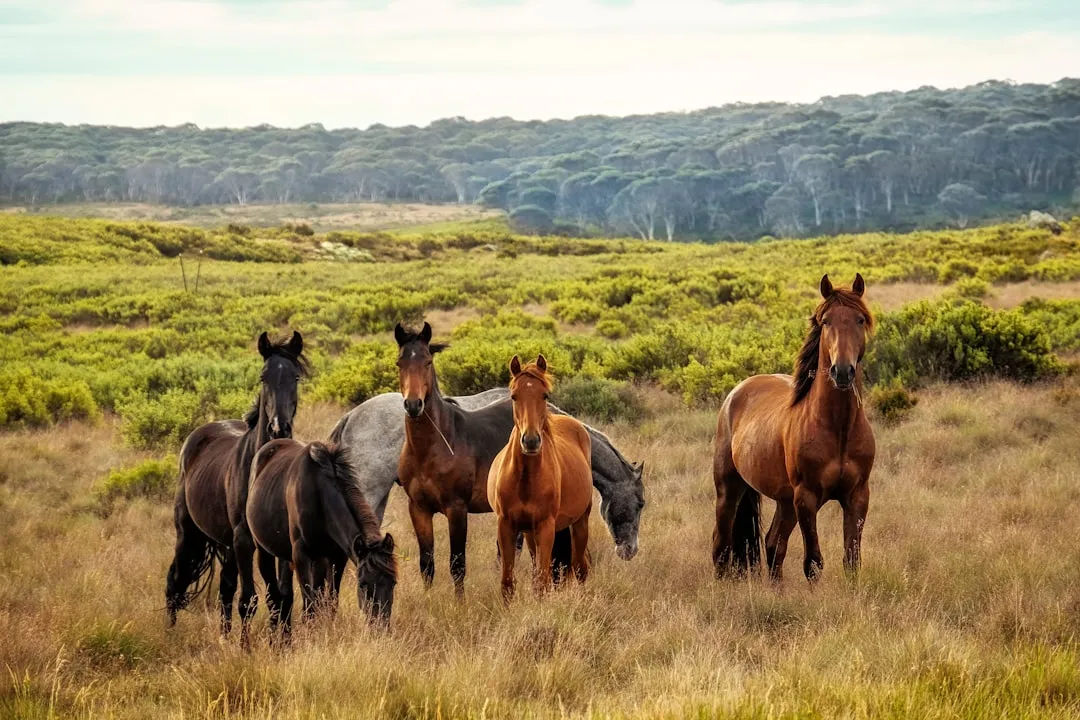
This is one of the most misunderstood behaviors on the list. Most people call it bad manners or bullying – your horse pins its ears or swings its hindquarters to keep another horse from getting close to you. Sometimes what looks like rudeness is actually a fiercely possessive, even protective response.
In a herd, space is status and safety. If your horse consistently moves others away from your personal bubble – especially when your hands are full or you’re not facing the newcomer – it may be managing the herd dynamic around you specifically. You still have to correct genuinely dangerous moves, no question. But pretending it’s all random ignores the pattern. Some horses clearly treat “their person” like a resource worth guarding, and the one that won’t let others crowd you might be overstepping while also showing you exactly where its loyalty now sits.
#9 – Matching Your Energy Just Enough to Keep You Both Alive
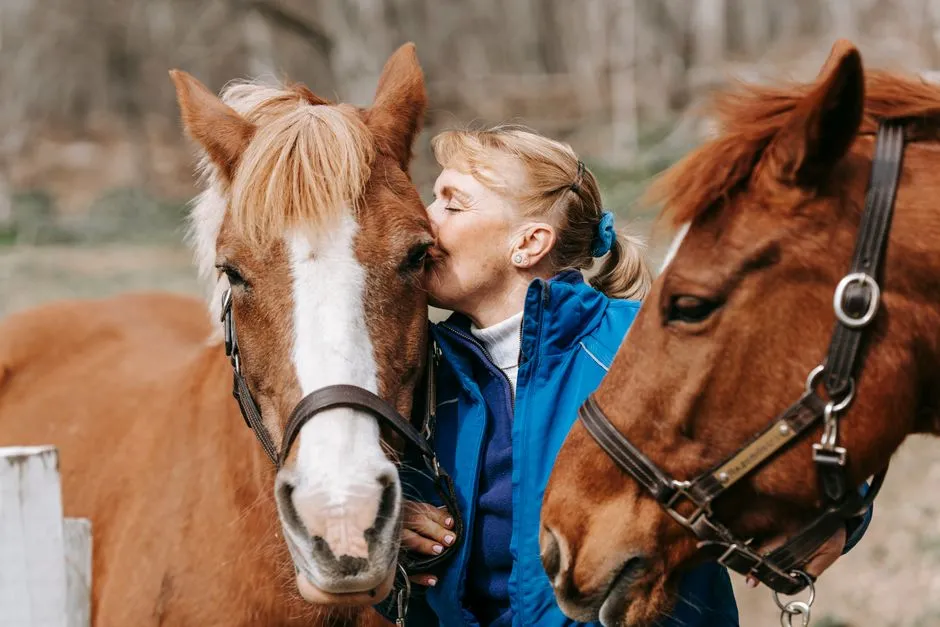
Bonded horses don’t just react to the environment – they react to you. A horse in a watchful role will often mirror or counterbalance your energy level to keep both of you safe. A nervous rider might get a horse that slows down, shortens its stride, and moves with almost unnatural care. An overconfident rider barreling into chaos might get a horse that suddenly hesitates before stepping into the unknown.
This isn’t obedience. It’s regulation. Lead through mud or step over a log while rushing, and a watchful horse may deliberately slow down, testing the footing before fully committing. Seem spaced out, and they’ll stiffen and start double-checking sounds and shadows on their own. People love to say “my horse keeps me humble,” but the deeper truth is that some horses quietly work to keep you alive by refusing to match your most reckless impulses – and that mismatch can be deeply protective, even when it just looks like stubbornness.
Quick Compare: Rider Energy vs. Horse Response
- Nervous, tense rider → horse slows its stride and moves with exaggerated care
- Rushed, careless rider → horse hesitates before mud, logs, or uncertain footing
- Distracted, spaced-out rider → horse stiffens and starts double-checking sounds on its own
- Calm, steady rider → horse typically matches that steadiness rather than overriding it
#10 – The Body Block at Doorways, Gates, and Trailer Ramps
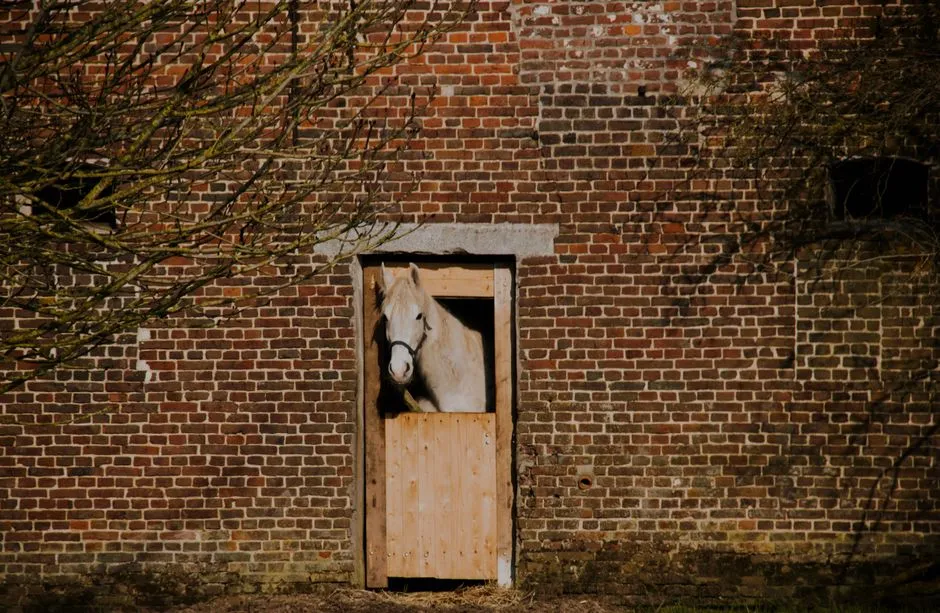
Narrow spaces are danger zones in a horse’s mind. Doorways, trailer ramps, gates – these can feel like traps waiting to spring. A horse that trusts you but also feels responsible for you will sometimes insert its body in a way that forces you to pause, like hitting a living speed bump.
You might get a horse stepping slightly ahead, then hesitating at the threshold until it’s scanned the other side. Or a gentle shoulder nudge that pushes you back half a step right when someone suddenly appears at the gate. Yes, this can be handled poorly and turn into genuine pushiness. But when a normally respectful horse suddenly gets insistent about how fast you pass through a tight spot, it’s worth asking what they’re picking up on – noise, movement, tension you haven’t processed yet. In a herd, the more confident horse usually decides when the group moves through a bottleneck. When yours quietly claims that right with you, it might be guardianship dressed up as bad manners.
#11 – Switching Sides to Face the Danger You Can’t See
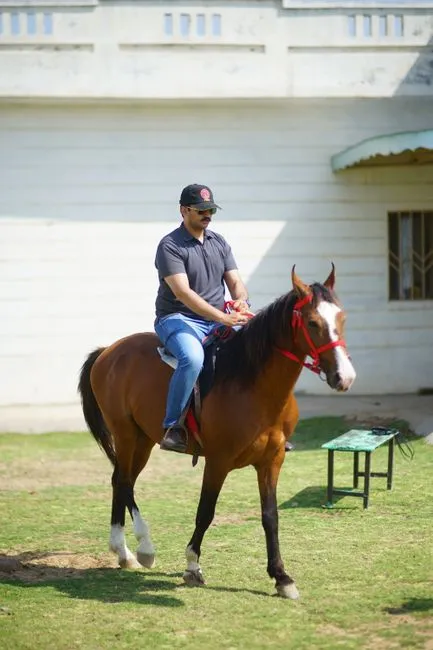
Most riders are taught a fixed “correct” side for leading and mounting. Horses never got that memo. A horse that has claimed you will sometimes change sides on its own, positioning its stronger sensory side toward whatever it considers the bigger risk.
It can look like the horse is just “getting in the way,” but the pattern is rarely random. If something consistently worries them – a busy road, a line of trees, a noisy arena door – they may maneuver so that eye and ear face squarely toward it while you end up on the safer, opposite flank. Sensitive horses will even swap sides mid-walk as the environment shifts. It’s probably not conscious protection in a human sense, but it is targeted, self-assigned surveillance – your horse deciding which angle needs guarding and placing you accordingly. Riders who never allow a horse to change sides miss how intentional this can be once the bond runs deep.
#12 – Snapping Awake Faster For You Than Anyone Else
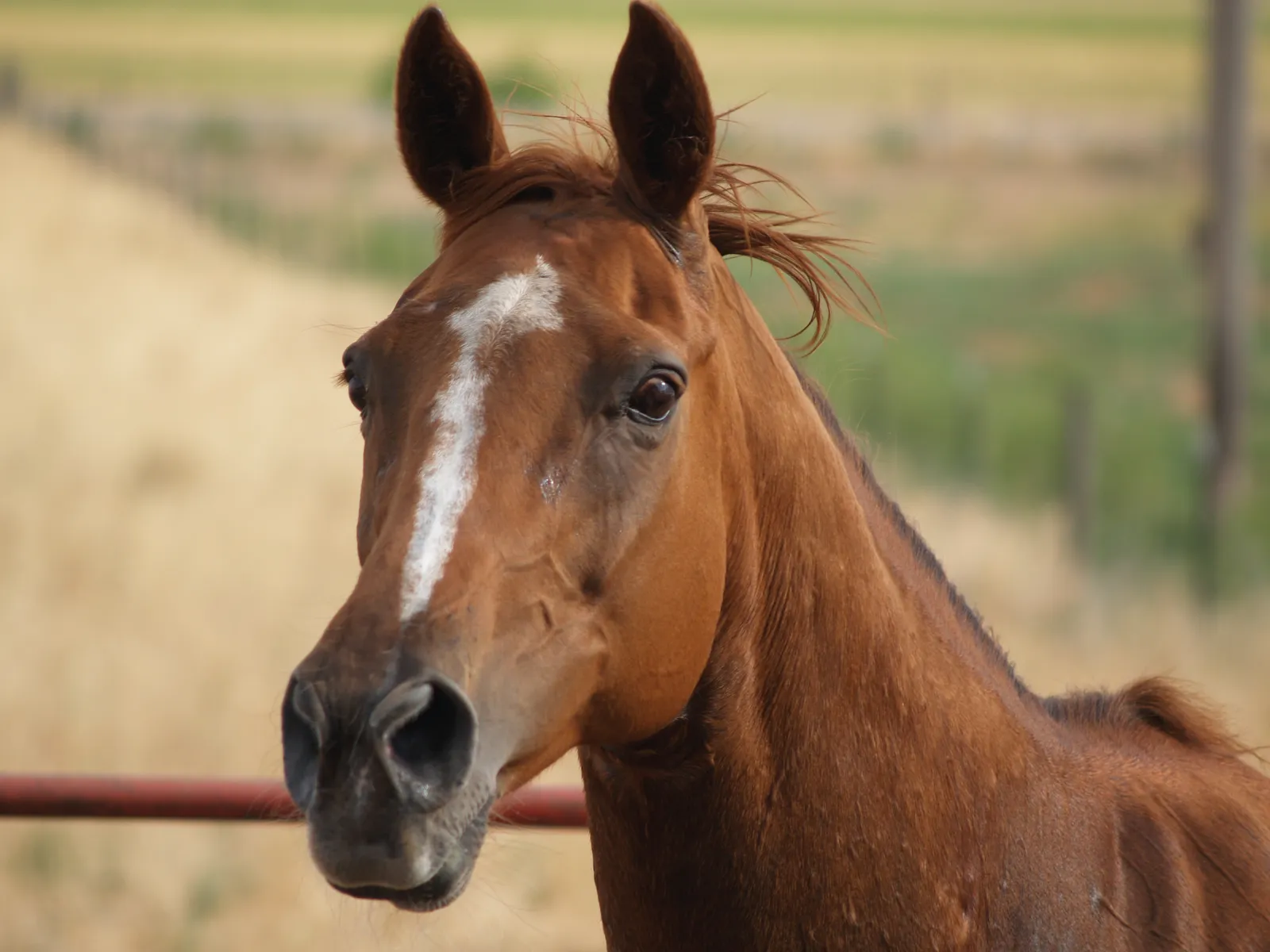
Watch your horse as different people approach. With some, it barely lifts its head. With others – especially the person it has claimed – the wake-up is faster, sharper, and instantly focused. The eyes clear, the head comes up fully, and the ears lock on, not just in greeting but in full situational awareness.
This isn’t the dramatic gallop-from-the-back-pasture moment social media loves. It’s quieter than that – your horse drifts to the fence as you walk up, and instead of lingering in that groggy half-asleep state, it snaps into “on” surprisingly fast. For a prey animal, that rapid switch costs real energy. They don’t burn it for just anyone. Often, the moment you arrive, they start scanning the surrounding area more diligently, as if your presence just doubled the herd size and someone has to adjust for it.
#13 – Calm About Chaos, Until It Gets Too Close to You
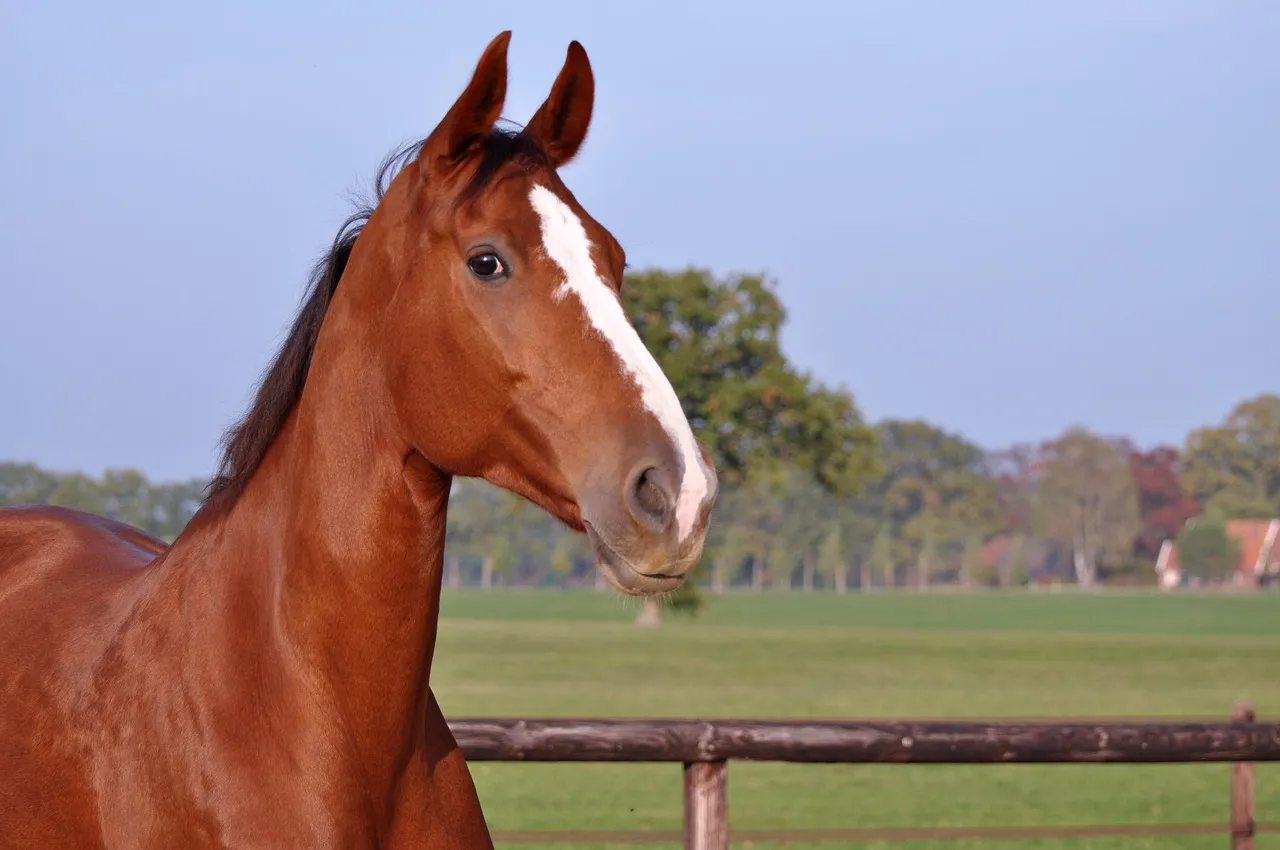
One of the most telling patterns: a horse that’s totally unbothered by chaos – right up until that chaos crosses into your personal space. Then its entire body language flips from chilled out to fully alert the moment something moves in too close to you.
Think dogs sprinting through an arena, kids darting past the mounting block, a truck backing up near where you’re standing. A watchful horse might tolerate all of that at a distance, but if it angles toward your hip, steps between you and the movement, or suddenly stiffens the second someone brushes your shoulder, it’s drawing a very clear line. Barns love to label this overreactive or “dramatic,” but the timing gives it away. If the tension only spikes when something crosses that invisible circle around you, it isn’t random sensitivity – it’s targeted concern. Your horse is fine with the world being chaotic, as long as the chaos doesn’t threaten the space the two of you share.
Why It Stands Out
- Stays relaxed through genuine chaos – loose dogs, running kids, noisy equipment – at a distance
- Tension appears only once something crosses into your immediate personal space
- Body angles toward you, not just toward the disturbance itself
- The timing, not the trigger, is what separates this from ordinary spookiness
#14 – Refusing to Leave When You’re Not Okay
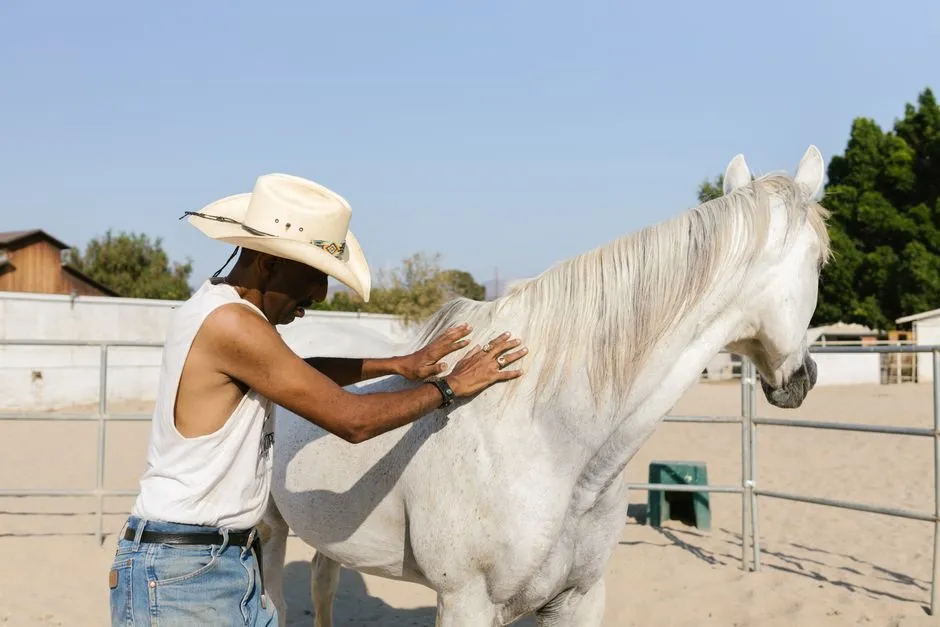
This is the behavior even the skeptics struggle to explain away. Horses that have truly claimed a person will sometimes flat-out refuse to leave or relax when that person is physically or emotionally off balance. This isn’t a cute barn story – it’s a genuinely costly decision for a prey animal to make, and they make it anyway.
Riders describe horses that won’t go out with the herd when their person is injured, that circle back on the trail when a rider falls, or that stand rock-still beside someone crying in the stall, ears soft but eyes still scanning the doorway. Science will say it’s conditioning and pattern recognition, and there’s real truth in that – horses are masters at reading tiny shifts in breathing, posture, and scent. But pretending that’s the whole story undersells what it means for a thousand-pound flight animal to voluntarily anchor itself to a struggling member of its herd. When it chooses to be the one who stays, that’s watchfulness in its purest, quietest form.
The Bottom Line
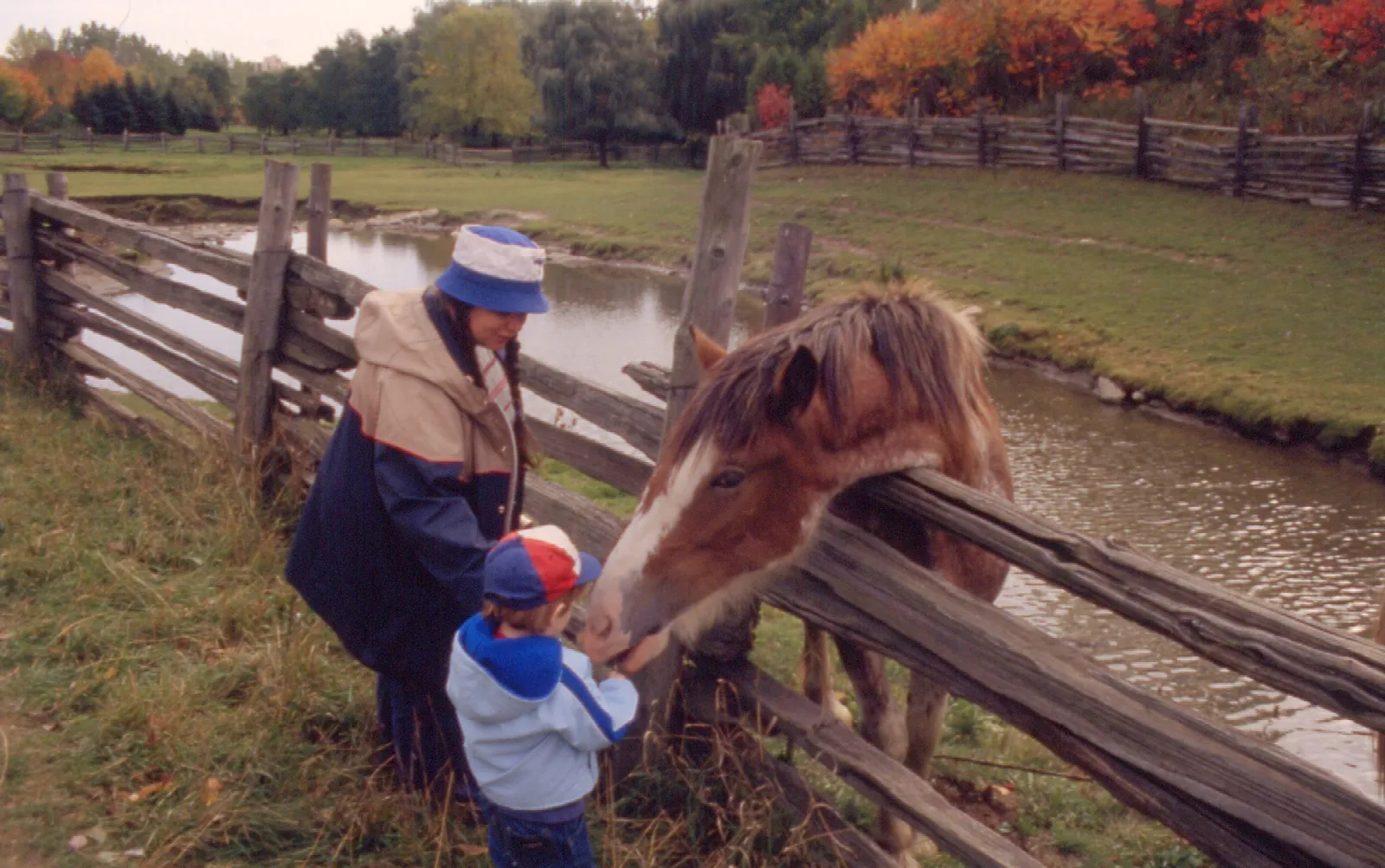
A horse doesn’t need to rear at a cougar or drag you out of a burning barn to be protecting you. Most of the real guarding happens in plain sight: the ear that never fully relaxes, the step that puts their body between you and something sketchy, the stubborn refusal to move when you’re not okay.
Social media will keep chasing the dramatic rescue footage because it’s easy to clip and easy to share. The less glamorous truth is that claimed horses protect mostly through attention, not heroics – and that kind of protection is arguably harder to fake.
Not every horse will show all fourteen of these, and not every pushy or clingy moment is some romantic act of loyalty – sometimes a horse really is just being rude. But once you start noticing the pattern – the fake grazing that’s actually surveillance, the micro-glances, the quiet body blocks at the gate – it gets a lot harder to write your horse off as a food dispenser with legs. Some people will insist it’s all instinct and training stacked on top of each other, and honestly, they might be partly right. That still doesn’t explain why some horses do it only for one specific person, and never bother for anyone else.

- 13 Tender Signs a Horse Is Grieving a Rider It Lost - July 28, 2026
- 11 Small Ways a Rescue Horse Shows It Has Finally Let a Human In - July 28, 2026
- 14 Quiet Ways a Horse Keeps Watch Over the Person It Has Claimed - July 28, 2026