
You’ve probably heard it at the barn a hundred times: “He’s just getting old.” It sounds harmless, even sweet. But vets, farriers, and longtime barn managers describe something far less cozy: a cluster of small changes that tends to show up in a horse’s final year, and often in the last few months, that most owners quietly file under “ordinary age.”
Here are 14 of those shifts, counted down from the easiest to miss to the one nearly every horse person eventually recognizes. Some are harmless. Some are early warnings about pain, organ strain, or fading reserves. And the last one has almost nothing to do with the body at all, so stay with the countdown, because the order matters.
#14 – The “Good Eater” Starts Leaving a Little Feed
🔥 Would you like to save this?
We'll email this post to you, so you can come back to it later!
The first sign most owners miss is tiny. A horse who always licked the bucket clean starts leaving a ring of grain at the bottom. Or he pulls at his hay, then wanders off to stare at the fence. It looks like nothing: warm weather, a fussy mood, a new batch of hay.
That’s exactly why it slips past. In older horses, this slow downgrade in appetite often points to dental pain, low-grade gut discomfort, or early strain on the liver or kidneys. The horse doesn’t stop eating. He quietly renegotiates what he’s willing to work for.
You might also see:
- Slow chewing, or wads of half-chewed hay dropped on the ground (quidding)
- Standing at the hay but never truly tucking in
- A sudden preference for soaked feeds over dry roughage
That last one explains why so many barns soak senior feeds. It isn’t a trend. Soft food is often what a horse picks when chewing hurts, and the barns that notice early are trying to stay one step ahead of the slide.
Fast Facts
- Adult horses typically have between 36 and 44 teeth, and every one of them has to grind fibrous forage all day.
- Horse teeth keep erupting throughout life, so a very old horse can eventually run out of usable tooth.
- Many vets start using the word “senior” somewhere around 15 to 20, though plenty of horses live well into their late 20s or beyond.
- Annual dental exams are standard advice, and many vets suggest checking seniors more often.
But the next shift looks like peace, and it isn’t always.
#13 – A Sudden Love Affair with Naps and Corners
🔥 Would you like to save this?
We'll email this post to you, so you can come back to it later!
Barns love to joke that the “oldies” sleep more. Sometimes that’s true and perfectly fine. But when a horse starts choosing stillness over movement, something deeper may be shifting.
Maybe he’s parked in a favorite corner while the herd grazes across the field. Maybe he stands with his eyes half-closed through turnout, or lies down more often and takes longer to get back up. Some of that is normal muscle fatigue and stiff joints.
But when a curious, engaged horse starts opting out of exploring and socializing, vets tend to read it as a pain or exhaustion signal, not a personality change. The horse isn’t lazy. He’s triaging his energy. Heart disease, chronic laminitis, advanced arthritis, and respiratory strain can all make simply standing and walking feel like a workout.
Sleep matters here too. Horses can doze on their feet, but they need to lie down for deep REM sleep. A horse who hurts too much to lie down comfortably, or fears he won’t get back up, can slowly run a sleep deficit that makes everything else worse.
Next up is a change that can hide in plain sight for months, and it often looks like good news.
#12 – Weight Loss That Looks “Graceful” but Isn’t
🔥 Would you like to save this?
We'll email this post to you, so you can come back to it later!
Plenty of end-of-life horses are described as “just a bit too lean” in the months before they decline. It starts as a nice, trim senior body. By the time you can clearly count ribs, the slide has usually been underway for a long while.
Older horses are fighting several uphill battles at once:
- Teeth: Worn molars make grinding hay inefficient. A horse may still “eat” a full ration but extract fewer calories from it.
- Gut efficiency: An aging digestive tract pulls less nutrition from the same feed.
- Chronic disease: Cushing’s/PPID, dental disease, liver problems, and long-standing parasite loads all erode condition slowly.
The instinct is to pile on more grain. That can backfire, because high-starch feeds stress older organs and can raise laminitis risk. The better move is usually high-fat, highly digestible fiber: beet pulp, soaked senior feeds, and frequent small meals.
The next shift is about the body’s own thermostat, and it gets misread constantly.
#11 – Strange Sweating and Trouble with Temperature
🔥 Would you like to save this?
We'll email this post to you, so you can come back to it later!
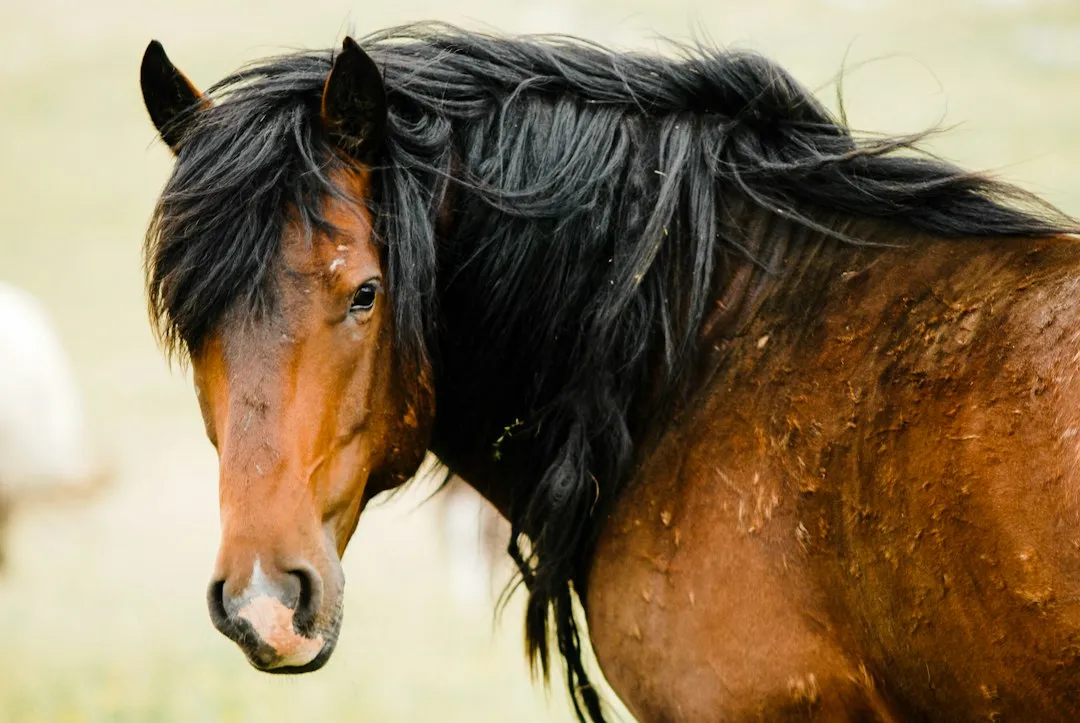
One of the most misunderstood late-life changes is a horse who starts sweating in strange patterns, or barely at all. It doesn’t look like illness. It looks like weather.
Here’s what barn crews report:
- Heavy sweating on a cool day after only light work
- Damp patches on the neck or flanks while the rest of the body stays dry
- A horse who clearly seems hot and is breathing hard, with no visible sweat (“dry sweat”)
Older horses, especially those with hormonal issues like PPID, can lose their efficient cooling system. The result is a higher risk of heat stress, dehydration, and circulatory strain, even at mild temperatures or with light exertion.
Winter brings the opposite problem. Thin skin, weight loss, and weaker circulation make some seniors chill faster. That tough old gelding who never needed a blanket may suddenly need careful blanketing and real wind protection.
The next one is something owners adore about their old horses, and it may not be what they think.
#10 – Eyes That Look “Kind,” but See Less Than You Think
🔥 Would you like to save this?
We'll email this post to you, so you can come back to it later!
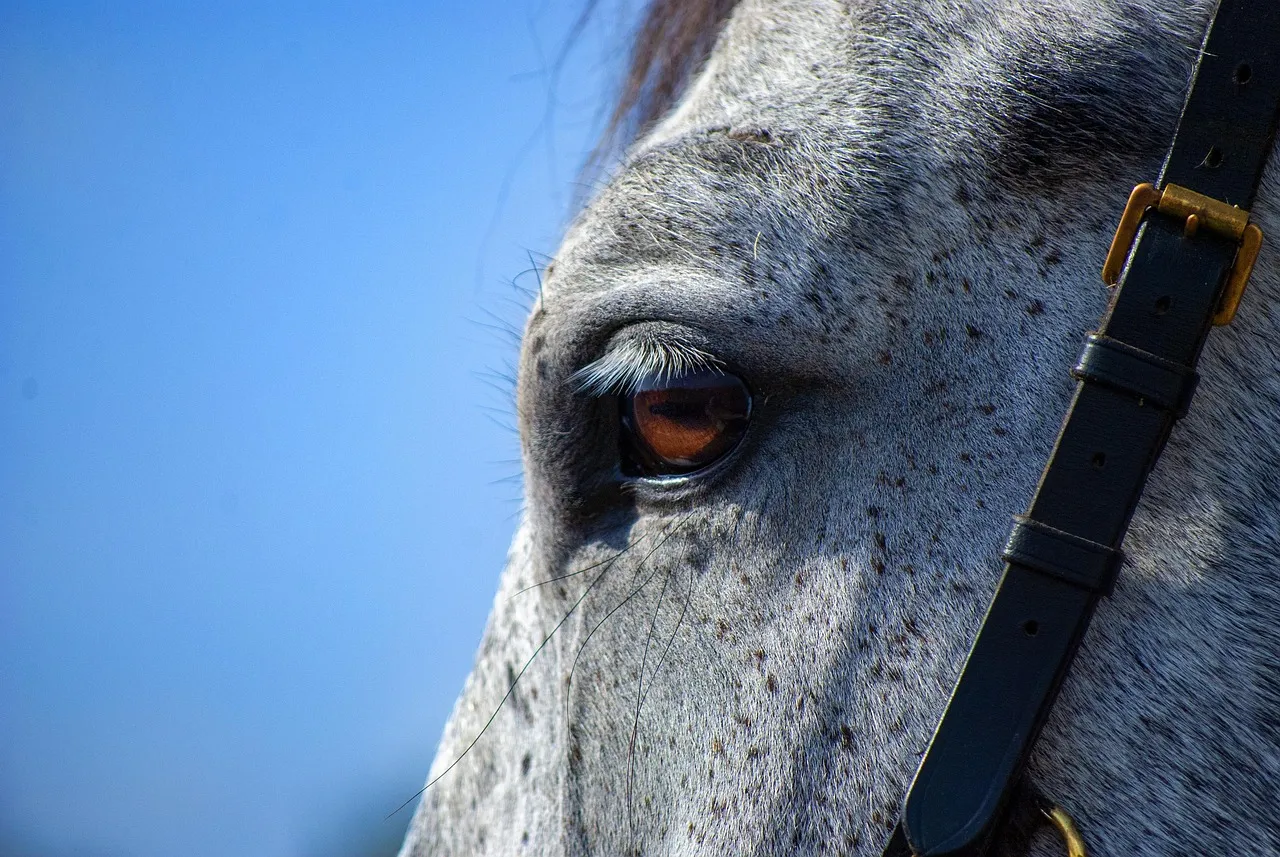
People love to say old horses have kind, wise eyes. What gets mentioned less often is that those same eyes are frequently failing quietly in the final years.
Common late-life changes include a subtle blue-grey haze (early cataracts or normal lens aging), hesitation when walking from bright sun into a dark barn, and extra spookiness at moving shadows on the ground.
Then the behavior shifts. That sweet, bombproof schoolmaster may start:
- Questioning changes in footing
- Balking at dark trailer interiors
- Overreacting to sudden shapes, especially from one particular side
Owners write it off as “getting quirky” or “finally finding an opinion.” Often the horse is just uncomfortable stepping into spaces he can’t fully interpret. Vision loss is exhausting, because every step takes more brainpower.
The next shift isn’t physical. It plays out in the pasture, and it can be quietly heartbreaking.
#9 – Subtle Shifts in Herd Politics
🔥 Would you like to save this?
We'll email this post to you, so you can come back to it later!
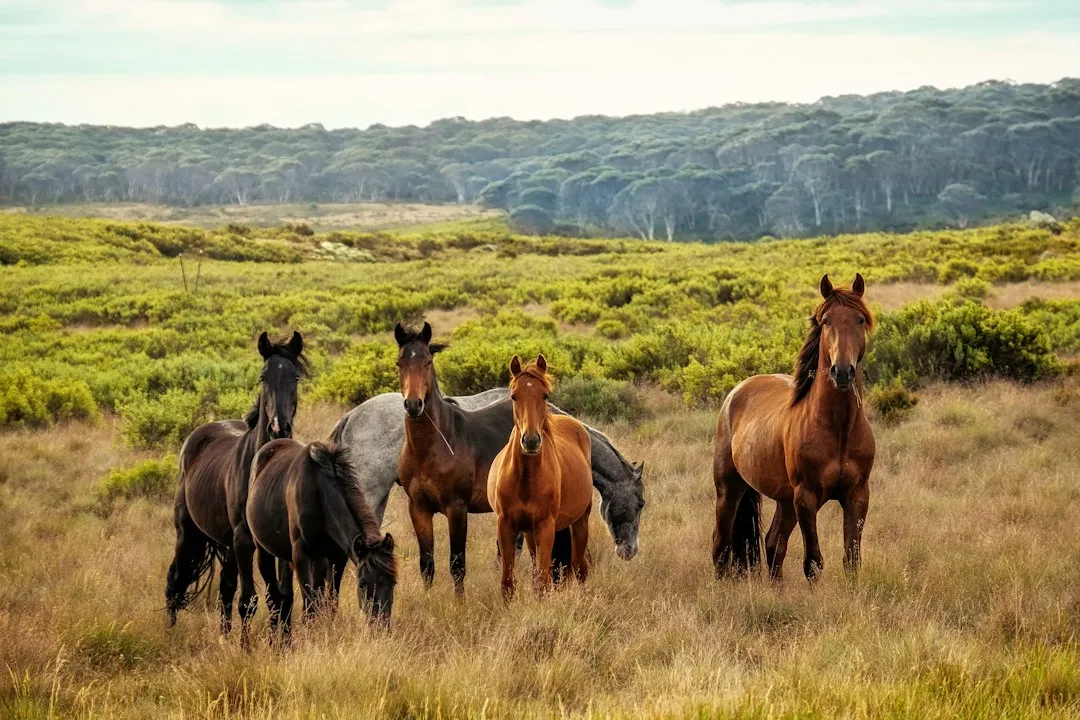
One of the most human changes in a horse’s final months is social. Dominant horses step back. Horses who once picked fights start avoiding them.
Watch closely and you may notice a longtime boss mare quietly giving up her hay pile to a younger horse. Or a gelding who used to chase everyone now choosing a quiet corner of the field. Play fades, mock battles disappear, and mutual grooming becomes the main event.
Some people romanticize this as “mellowing with age,” and there’s a grain of truth in it, since experience teaches which fights are worth having. But in the closing stretch, reduced strength and slower reflexes push even high-ranking horses down the ladder. They don’t announce it. Their bodies do the talking.
Quick signs to watch:
- Less pinning of ears, more avoiding
- Smaller, safer social circles
- More time spent with other seniors
The next shift reveals itself in what happens after a rough day, not during it.
#8 – The “Off” Day That Never Fully Bounces Back
🔥 Would you like to save this?
We'll email this post to you, so you can come back to it later!
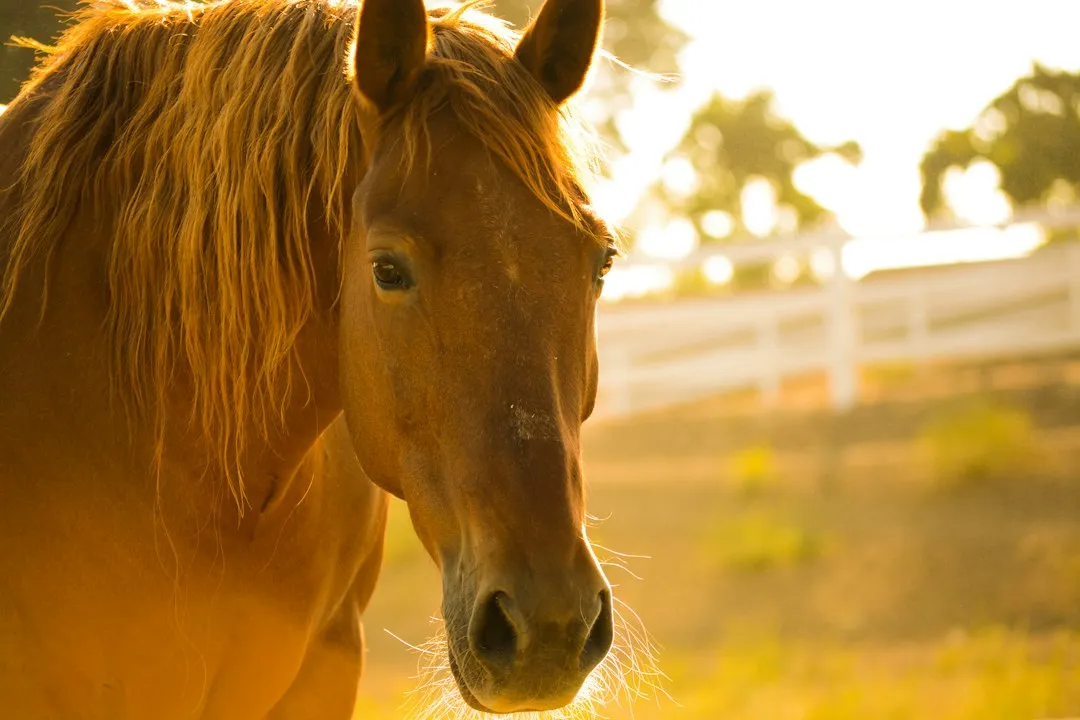
Most stables will tell you that how an older horse recovers from a bad day says more than the bad day itself. A younger horse can be stiff in the morning, work out of it, and be fine by tomorrow.
In the closing months, you see episodes that don’t fully reset. A day of mild lameness improves but never quite returns to true soundness. A colic scare resolves, but the horse stays a little quieter and flatter afterward. A respiratory flare leaves him more winded than before.
Each event subtracts a little resilience. It isn’t dramatic. It’s insidious, because the floor of “normal” keeps dropping while people keep hoping it’s a minor setback.
At a Glance: Typical Adult Resting Vitals
- Temperature: roughly 99 to 101°F
- Heart rate: about 28 to 44 beats per minute
- Breathing: about 8 to 16 breaths per minute
- Gum color: moist and pink, with color returning in about two seconds when pressed
Jot down your own horse’s numbers on a calm, healthy day. A personal baseline makes a slow bounce-back something you can measure instead of something you just worry about.
A snapshot of what that looks like:
- The usual bounce-back window stretches from a day to several days
- Long-standing issues (arthritis, COPD, laminitis) flare more easily
- Standard meds like NSAIDs or bronchodilators seem to help less
Now for the part of the body that farriers say often tells the story first.
#7 – The Hooves Start Telling the Whole Story
🔥 Would you like to save this?
We'll email this post to you, so you can come back to it later!
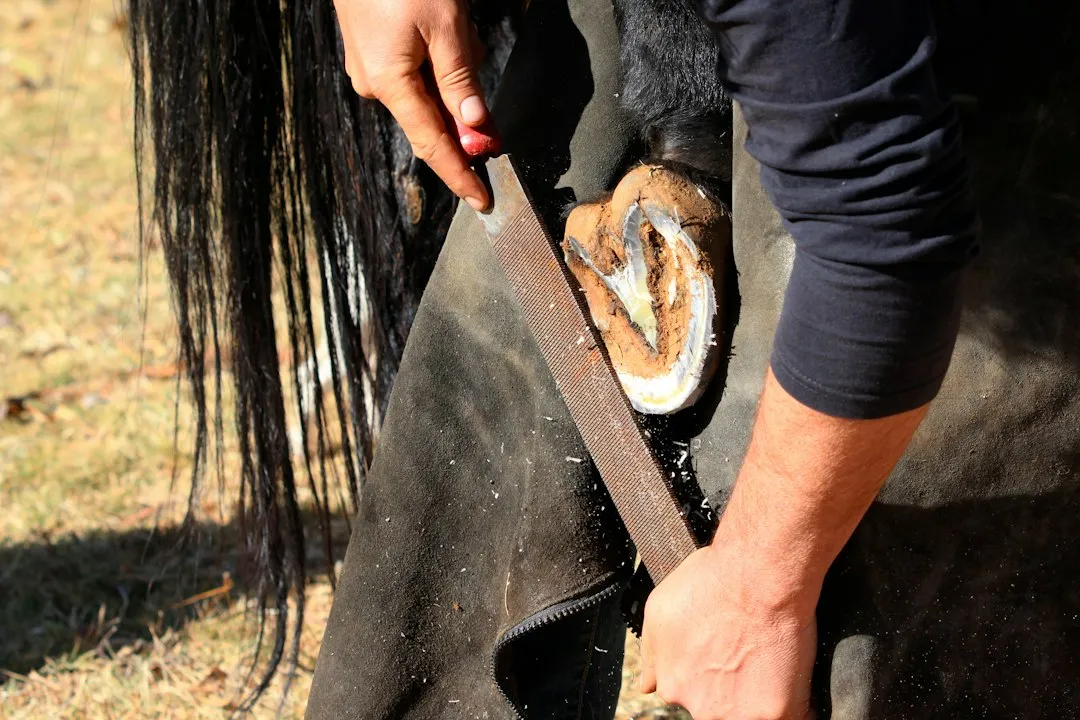
Farriers are often the first to see the end coming. In the last year or so, hooves can change shape, texture, and growth pattern in ways owners dismiss as “just bad feet.”
Red-flag changes include:
- Shelly, brittle walls that chip no matter how careful you are
- Long toes and crushed heels that ignore the normal trimming schedule
- Growth rings that look more like ridges, a sign of repeated metabolic stress
Senior horses with PPID or other metabolic trouble often show it in the hoof before it’s obvious anywhere else. A horse who “suddenly can’t go barefoot” after a lifetime of tough feet hasn’t turned dramatic. His internal support system has changed.
Barns also tend to underestimate how much low-grade foot pain shapes behavior: reluctance to walk downhill, balking on hard ground, refusing certain work. That’s not attitude. It’s pressure on a compromised structure.
Next, a change you can hear from across the arena.
#6 – Breathing That Sounds Just a Little Too Loud
🔥 Would you like to save this?
We'll email this post to you, so you can come back to it later!
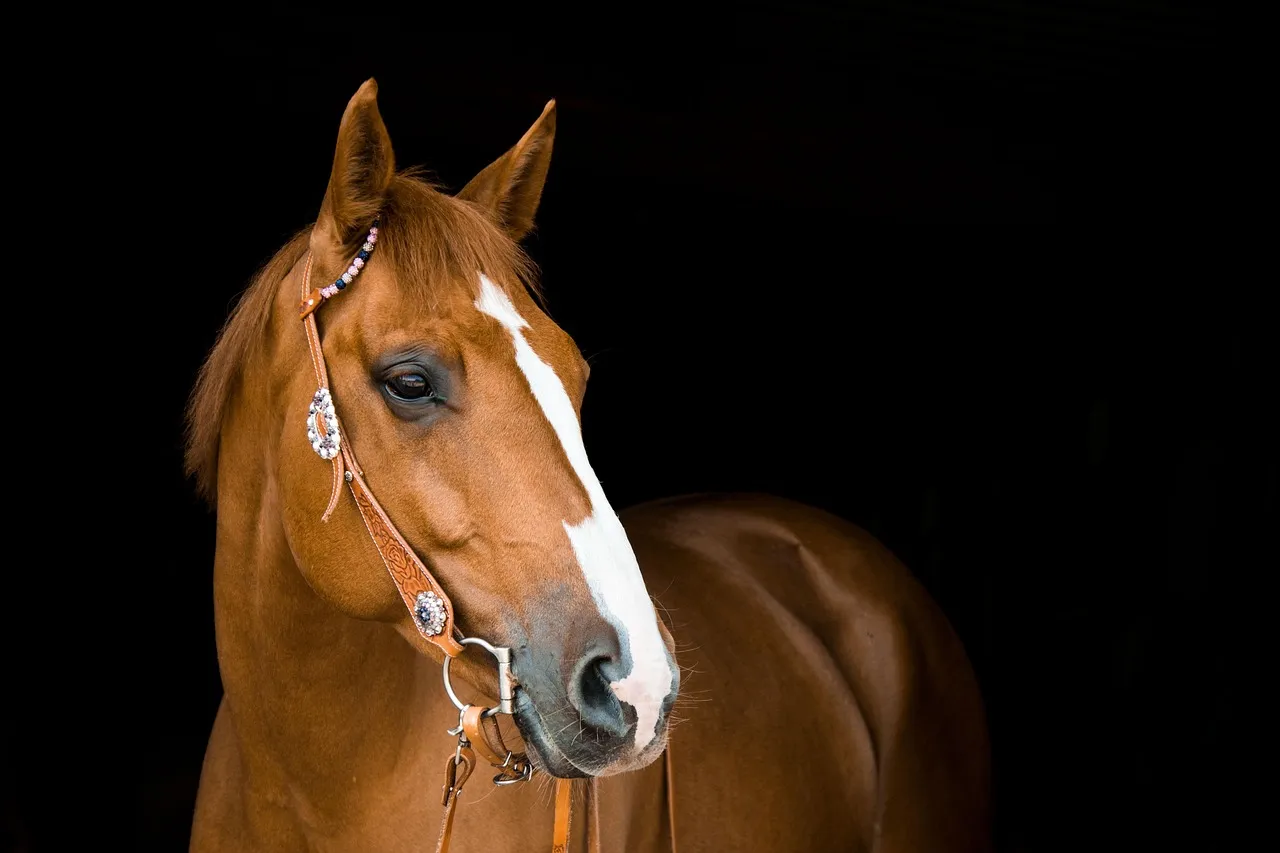
Older horses don’t just slow down. They often get noisier. Breathing that used to be nearly silent picks up texture: faint wheezes, rattles, a heavy blow after a short trot.
Common late-life respiratory changes include:
- Heaves (recurrent airway obstruction), which makes exhaling a labored effort
- Age-related weakening in the upper airway, causing snoring or roaring
- Reduced lung elasticity, so air simply moves less efficiently
Stables sometimes joke that their oldies sound like “grandpas with a cold.” The joke hides a truth: the respiratory system is often working near its limit. A hot afternoon or a slightly dusty hay batch can turn a quiet day into a real struggle.
Things worth watching under saddle or in hand:
- Taking longer to catch his breath after mild work
- Flaring nostrils at a walk
- Dodging canter transitions or hills he used to handle easily
The next shift shows up during something that feels like pure affection.
#5 – Grooming That Looks “Sweet” but Hides a Decline
🔥 Would you like to save this?
We'll email this post to you, so you can come back to it later!
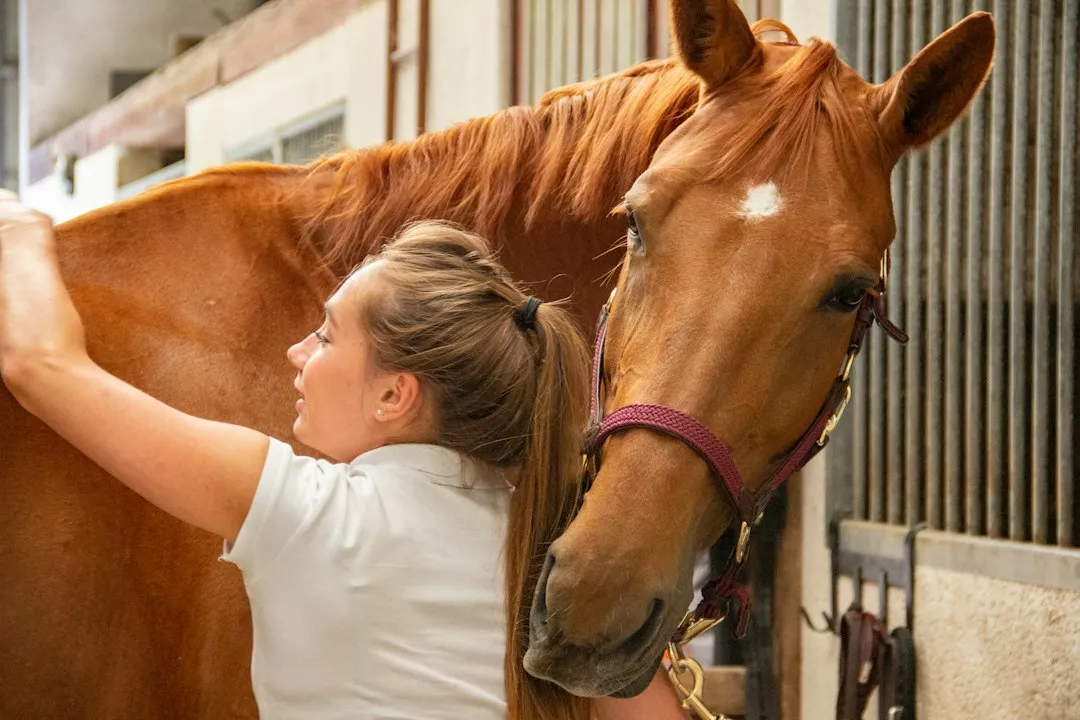
Owners love that seniors often tolerate fussing and grooming better than fiery youngsters. But a few grooming-related changes can quietly signal a last chapter.
Watch for:
- A delayed skin twitch to flies or touch, which hints at slower nervous system responses
- A patchy, dull coat that never fully sheds, even with heavy grooming. A long, shaggy coat that lingers into summer is a classic sign of PPID.
- Over-the-top reactions to a curry comb in certain spots
That last one is key. Horses with chronic back pain, rib pain, or internal discomfort (such as gastric ulcers or liver disease) may become fiercely protective of specific zones. Instead of lashing out, many seniors freeze, pin their ears, or step away, trying not to escalate.
Other horses go the opposite direction and become almost obsessive about mutual scratching with a buddy. It can soothe a chronic itch from skin issues, allergies, or metabolic shifts.
The next shift is the one barn managers say they spot first, once they know what to look for.
#4 – Clockwork Routines Start to Break
🔥 Would you like to save this?
We'll email this post to you, so you can come back to it later!
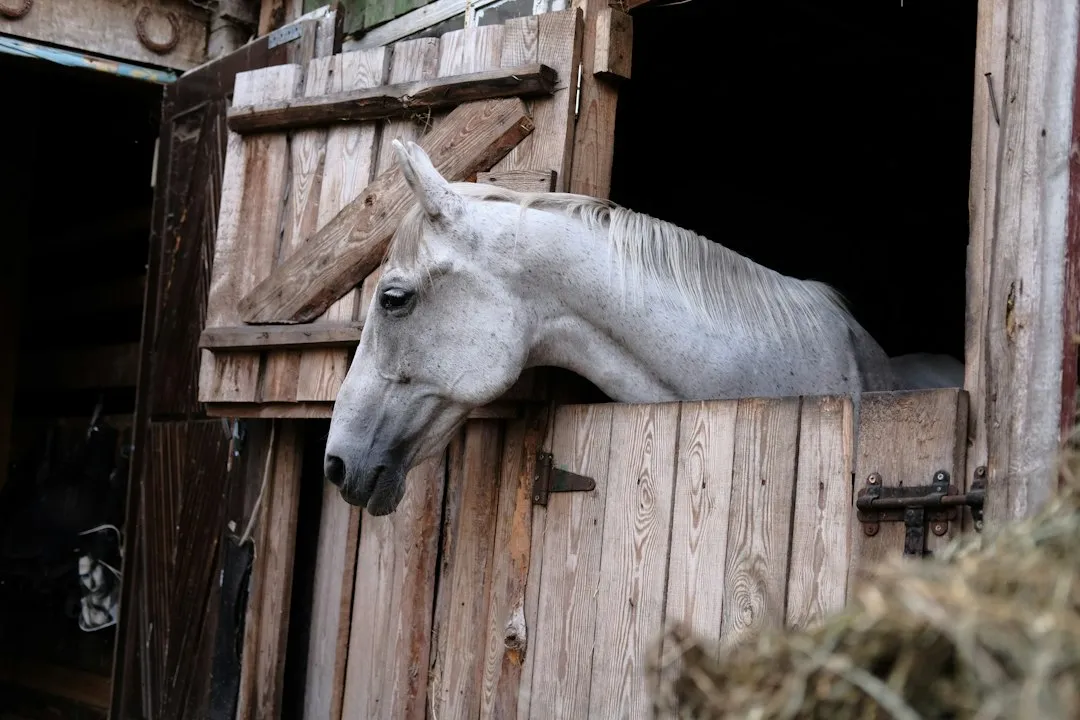
Horses are creatures of habit. That’s exactly why subtle routine drift in an older horse deserves a second look.
Barn managers describe it like this: the horse who always met you at the gate now lags behind the herd. A senior who drank at set times leaves the bucket barely touched. A sound sleeper starts pacing his stall at night.
Routine is comfort. When a horse stops following his own script, something is hurting, confusing, or wearing him out. In the final months, it can be a blend of:
- Brain aging or early cognitive decline (yes, it happens in horses)
- New or worsening chronic pain that makes old habits less appealing
- Social changes that push him out of favorite spots or resources
Barns love to blame the weather, the hay batch, even “weird vibes.” But when a truly routine-bound horse starts writing a new schedule, experienced people quietly call the vet.
Now the countdown turns, because the next shifts are the ones that surprise even experienced horse people.
#3 – Pain Responses Get Quieter, Not Louder
🔥 Would you like to save this?
We'll email this post to you, so you can come back to it later!
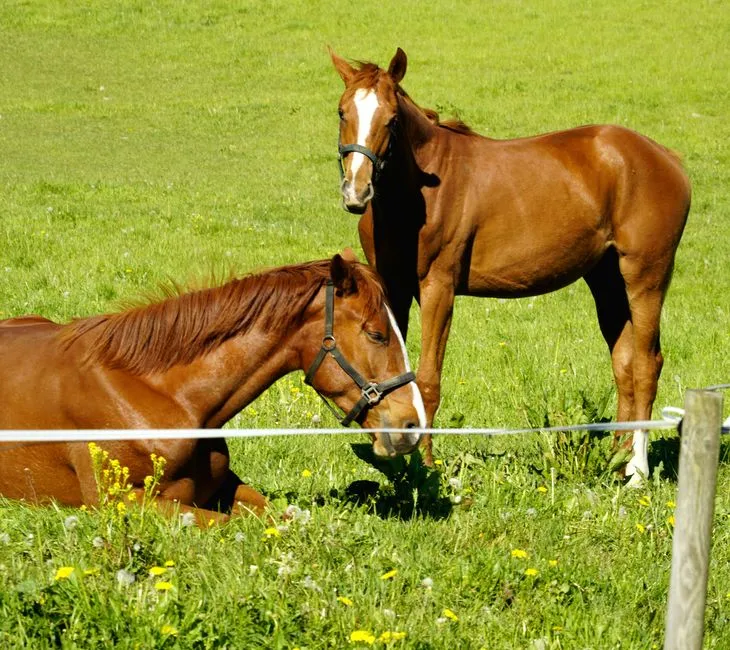
This is the shift that shocks people outside the horse world: many horses in their final months complain less, not more. Instead of acting out, they go inward.
The signs are easy to misread:
- A once-expressive horse goes emotionally flat, with no nickers and minimal interaction
- He tolerates shots and farrier visits with an odd stillness, as if he’s checked out
- His personality seems to shrink
We tend to equate big reactions with big pain, so this quiet suffering gets mistaken for acceptance or maturity. In reality, chronic pain and repeated vet interventions can teach a horse to conserve emotion. Showing distress hasn’t helped him. Enduring has.
Quick Compare: Calm vs. Shut Down
- Truly calm: soft eye, loose lips, relaxed ears, and real interest in food, herd mates, and you.
- Shut down: fixed or glazed stare, stiffly held ears, little response to treats, people, or the herd.
- Why faces matter: Researchers built a Horse Grimace Scale that scores pain from ear position, eye tightening, and muzzle tension.
In barns, this is controversial. Some insist a dull horse is just a “good patient.” Others call it a welfare red flag. The second group is usually right. The quieter he gets, the more closely you should look.
Two left, and the next one is the kind of thing people only recognize in hindsight.
#2 – The “Almost Invisible” Neurological Wobbles
🔥 Would you like to save this?
We'll email this post to you, so you can come back to it later!
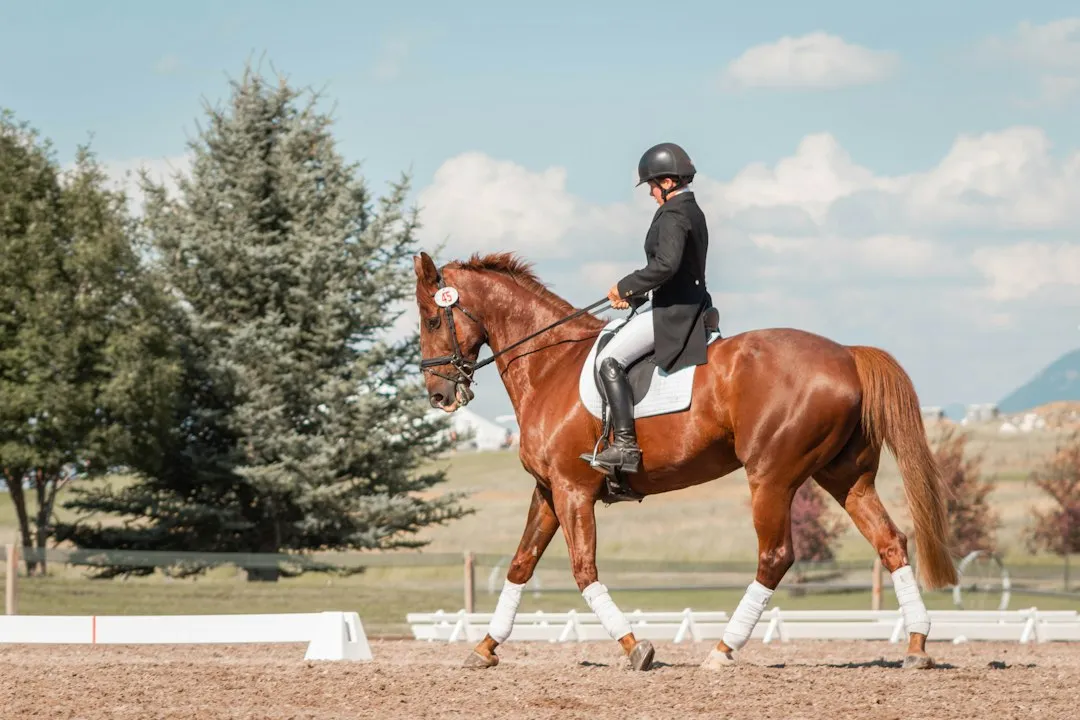
In the closing year, a surprising number of horses develop minor but meaningful neurological changes that stables casually label as clumsiness.
Look for toes scuffing the ground, especially behind. Look for a slight crossing of legs on tight turns, or a moment of hesitation before stepping into a trailer, over a pole, or onto uneven ground.
Some of this is mechanical, from arthritic joints and weakened muscles. But in other cases, spinal cord compression, old injuries, or age-related nerve problems are quietly eroding coordination. Falls become more likely, and getting up from lying down gets harder and riskier.
What barns often notice right before a big decline:
- More “mysterious” scrapes and knocks
- Trouble backing in a straight line
- Hindquarters that feel delayed, like they’re on a half-second lag
And the last shift is the one that has nothing to do with bloodwork, and the one people remember longest.
#1 – The Day They Quietly Stop Saying “Yes”
🔥 Would you like to save this?
We'll email this post to you, so you can come back to it later!
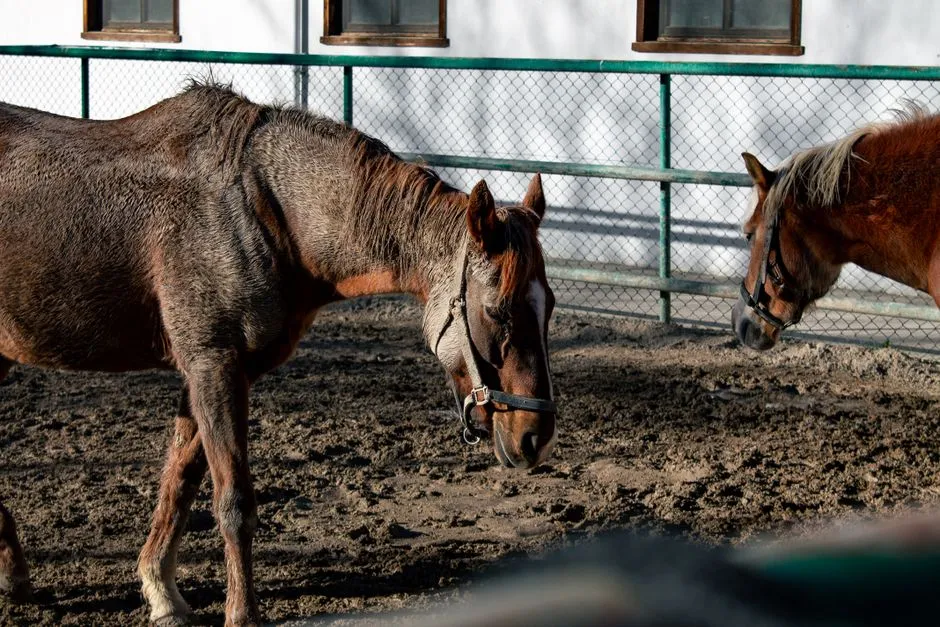
Every seasoned horse person can name the moment, if they’re honest: the day the horse stops volunteering. It is the most profound shift in a horse’s closing months, and the most ignored.
It doesn’t arrive with drama. There’s no rearing and no big refusal. Instead, the horse stops walking up to be haltered. He stands at the back of the stall when you appear with tack. He hesitates at the mounting block, or drifts to a stop on a ride, not out of disobedience but out of absence.
The work might be light. The care might be excellent. That’s not the point. His body, and often his mind, has hit a line, and crossing it one more time is simply too much.
Tragically, many riders read this as laziness, disrespect, or a training failure, and they push harder right when the horse is finally telling the truth. In the best barns, this is the moment everything changes:
- Work becomes hand-grazing, grooming, slow walks, or nothing at all
- The vet, farrier, and sometimes a behaviorist all get a say
- The conversation shifts from performance to quality of life
When a horse who has given you “yes” for years quietly offers “no more,” that isn’t just age. That’s a closing chapter.
Here’s my blunt take: “ordinary age” is the most comfortable lie in the horse world. It lets us keep the schedule, keep the hope, and skip the hard conversation. These 14 shifts aren’t random quirks. They’re a language of small withdrawals, odd naps, missed meals, dull coats, wobbly turns, and finally a quiet refusal to keep pretending everything is fine.
No single sign proves a horse is near the end, and every one of them deserves a vet’s eyes before anyone draws conclusions. Some of these changes can be managed, some can be slowed, and some are simply the body doing what bodies do. But a horse who has carried us for years has earned an owner who watches closely, and who is willing to hear “enough” when he says it.

- 7 Everyday Habits That Can Make Your Senior Dog Happier - November 5, 2026
- 10 Enigmatic Structures That Continue to Puzzle Scientists Today - November 5, 2026
- 10 Strange Ruins in the Americas That Challenge What We Know About Early History - November 5, 2026