
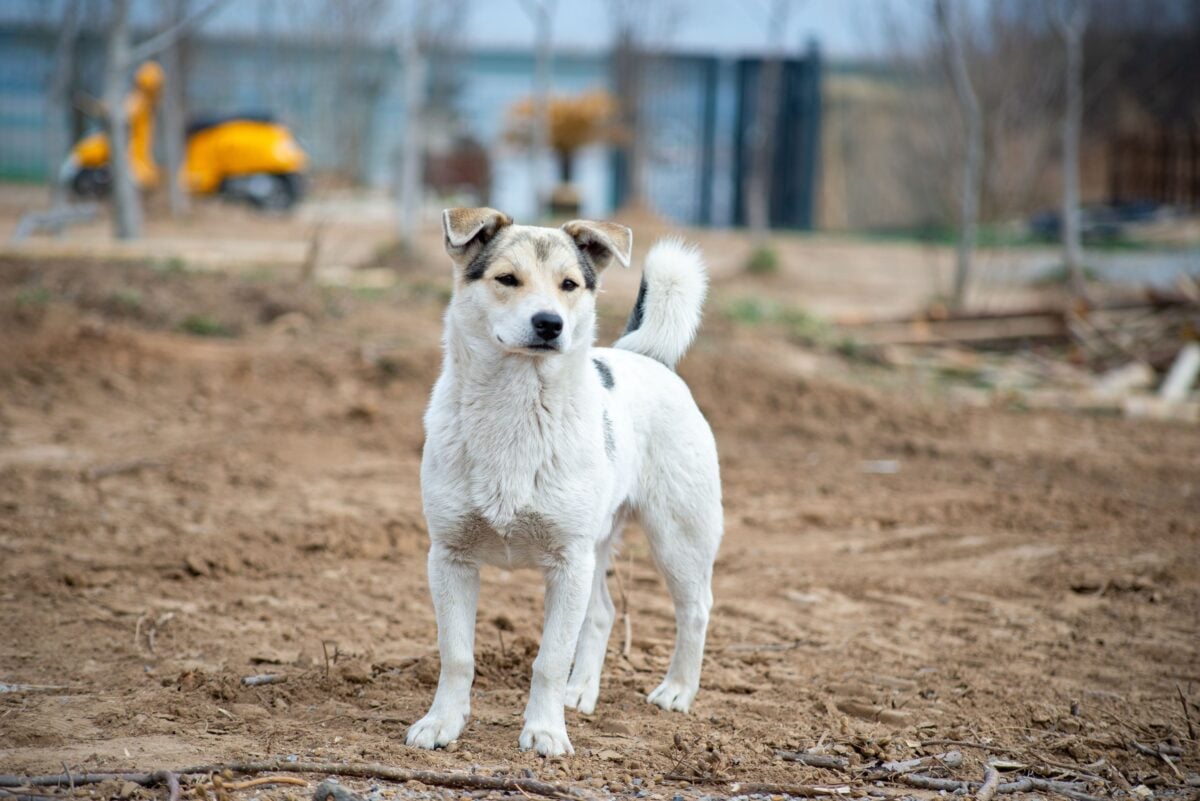
Most people assume a dog’s loyalty is just… loyalty, a flat line that never really moves. But something shifts the moment its owner crosses 60, and it’s not subtle once you know what to look for. Dogs start reading cues in gait, breathing, scent, and routine that the humans themselves haven’t even noticed yet, and they respond by quietly appointing themselves full-time bodyguards.
The behaviors show up in small, easy-to-miss ways at first: a sleeping spot that moves an inch closer to the door, a bark that comes a beat too fast, a walk where the dog suddenly won’t leave your side. But stacked together, they tell a story most owners never see coming. Here are the 14 signs veterinary behaviorists say prove your dog has taken the job of protector seriously, and the last one on this list is the one experts call the clearest proof of all.
#14 – Sleeping Right Against the Bedroom Door
🔥 Would you like to save this?
We'll email this post to you, so you can come back to it later!
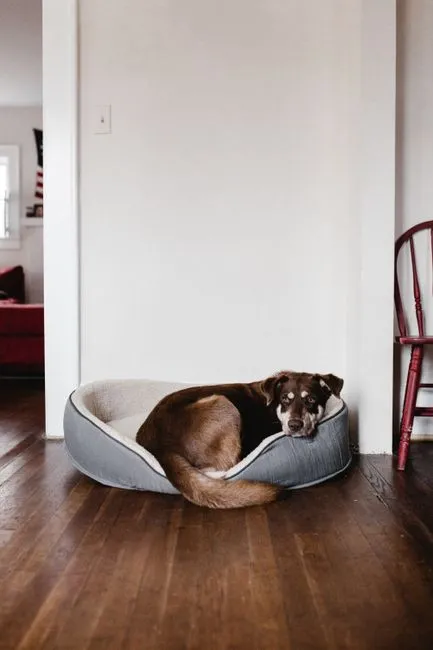
A dog that once slept in its own bed across the house suddenly relocates to the doorway of its owner’s bedroom, and this isn’t a coincidence. It’s a sentry position.
Older dogs, and even middle-aged dogs living with aging owners, often shift their sleeping spot to the most strategic point in the home: the threshold. From there, they can hear footsteps in the hallway, detect changes in breathing patterns through the door, and intercept anyone who tries to enter before the owner even wakes up. Some behaviorists note this repositioning tends to happen gradually over weeks, not overnight, which is exactly why owners rarely notice it happening.
This isn’t about comfort. Dogs are creatures of habit, and abandoning a familiar sleeping spot for a colder, harder floor spot by a door is a deliberate trade-off. They’re giving up comfort for control of the environment.
But that’s nothing compared to what we found about #13…
#13 – Following You Room to Room Like a Shadow
🔥 Would you like to save this?
We'll email this post to you, so you can come back to it later!
The dog that used to nap in the sun while you cooked dinner now trails behind you into the kitchen, the bathroom, even the garage.
This clingy new pattern, often called “velcro dog” behavior, tends to intensify specifically when an owner’s movements slow down or become less predictable. The dog isn’t just seeking affection, it’s monitoring. Veterinary behaviorists suggest dogs become hyper-attuned to changes in an owner’s balance, energy levels, and walking speed, and shadowing behavior is a direct response to perceived vulnerability.
Common patterns owners report include:
- The dog waiting outside closed doors instead of settling elsewhere
- Increased whining when separated by even one room
- A noticeable uptick in “checking in” behavior, where the dog returns every few minutes if left in another space
This shift often shows up before any obvious health issue does, meaning the dog may be noticing something the owner hasn’t consciously registered yet.
But that’s nothing compared to what we found about #12…
#12 – Positioning Itself Between You and Strangers
🔥 Would you like to save this?
We'll email this post to you, so you can come back to it later!
Watch closely the next time a delivery driver or unfamiliar visitor approaches, and you might notice your dog quietly maneuvering its body between you and them.
This blocking behavior is one of the clearest, most physical signs of protective escalation. It’s not aggression, the dog isn’t growling or baring teeth. It’s a calm, deliberate positioning that canine behaviorists describe as a “guardian stance.” The dog places itself at an angle that allows it to watch the stranger while staying in physical contact or close proximity to its owner.
Older owners with dogs who’ve lived with them for years are especially likely to see this behavior emerge or intensify, because the dog has had time to build an internal model of “normal” versus “potential threat” specific to that household.
But that’s nothing compared to what we found about #11…
#11 – Reacting Instantly to Unfamiliar Sounds
🔥 Would you like to save this?
We'll email this post to you, so you can come back to it later!
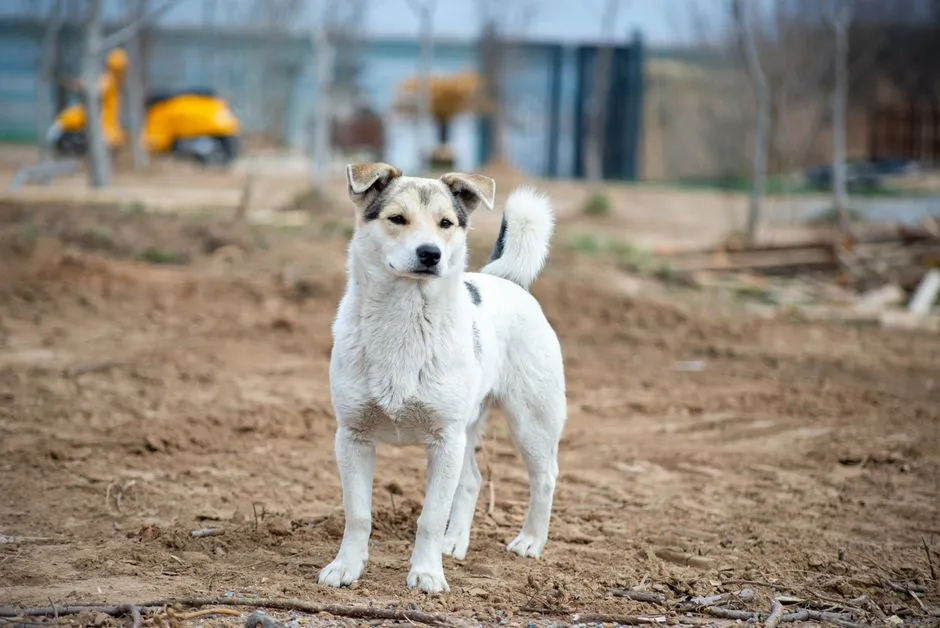
A dog that used to sleep through the doorbell now snaps awake at the faintest creak, and this heightened auditory vigilance is a textbook protective marker.
Dogs’ hearing is already several times more sensitive than a human’s, but what changes with age-related protectiveness isn’t the sensitivity, it’s the threshold for reaction. Sounds the dog once ignored, like a car door closing outside or a neighbor’s voice in the hallway, now trigger immediate alertness: ears up, head raised, body tense.
This heightened responsiveness often correlates with an owner’s own hearing decline, which is common after 60. Some researchers believe dogs unconsciously compensate for an owner’s reduced sensory awareness, effectively becoming the household’s early-warning system. The dog essentially takes over a sensory role the owner can no longer fully perform.
Fast Facts
- Dogs can typically detect sounds up to roughly 45,000 Hz, well beyond the human hearing range
- Each ear is controlled by more than a dozen muscles, letting it swivel toward faint noises instantly
- Sudden alertness to routine sounds like footsteps or car doors is one of the earliest reported protective shifts
- This vigilance often develops gradually, tracking alongside changes in an owner’s own hearing
But that’s nothing compared to what we found about #10…
#10 – Refusing to Settle When Left Alone

🔥 Would you like to save this?
We'll email this post to you, so you can come back to it later!
Separation anxiety in dogs isn’t new, but a specific, more targeted version of it shows up when a dog’s protective instincts ramp up around an aging owner.
This isn’t generalized anxiety about being alone in the house. It’s anxiety tied specifically to being separated from one particular person. The dog may tolerate being left with a family member just fine but becomes distressed the moment the primary owner leaves, even briefly. Pacing, whining at doors, and refusing food are common signs.
Veterinary behaviorists point out that this pattern differs from typical separation anxiety because it’s selective, the dog isn’t anxious about solitude, it’s anxious about disconnection from a specific, monitored individual.
But that’s nothing compared to what we found about #9…
#9 – Sensing Health Changes Before Anyone Else Does
🔥 Would you like to save this?
We'll email this post to you, so you can come back to it later!
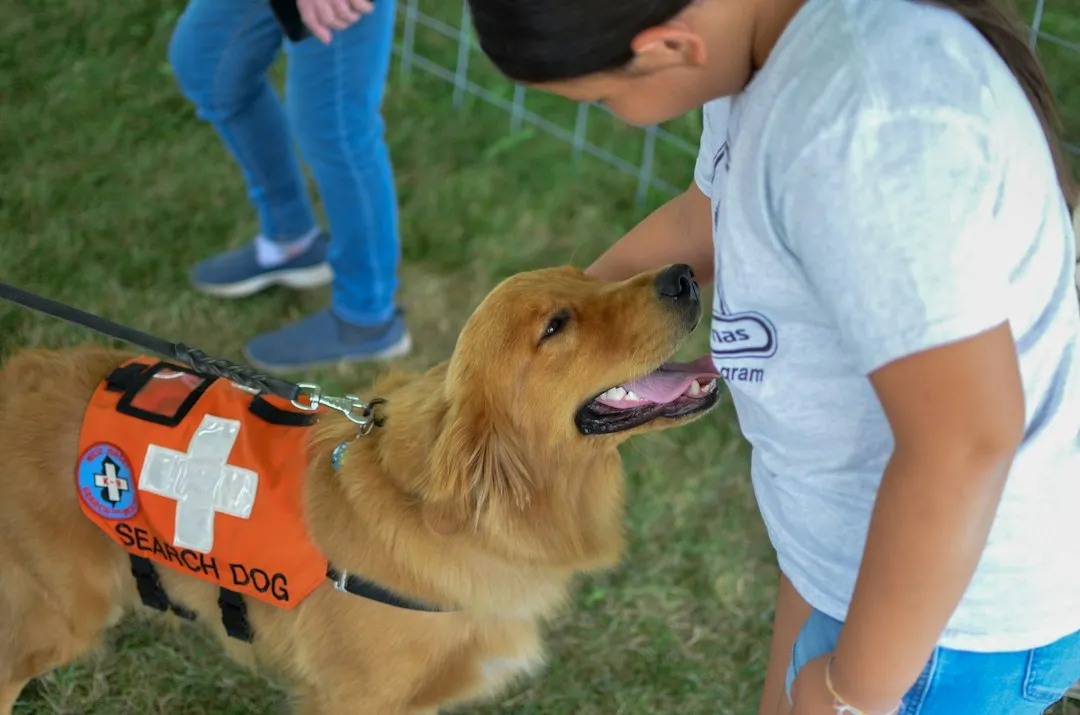
Some of the most remarkable dog behavior reports involve dogs alerting owners to medical issues, low blood sugar, irregular heartbeat, even impending falls, before any symptoms are outwardly visible.
This isn’t mystical. Dogs detect subtle scent changes tied to blood chemistry, and they notice micro-shifts in gait, posture, and breathing rhythm long before a human observer would. A dog that suddenly starts nudging, pawing, or refusing to leave an owner’s side at unusual times may be responding to something physiological, not emotional.
Owners over 60 managing chronic conditions like diabetes or cardiovascular issues sometimes report their dog developing what looks like an internal alarm system:
- Persistent nudging before a known symptom episode
- Refusing normal routines like walks until the owner “checks in”
- Unusual whining directed at the owner with no external trigger
This kind of vigilance tends to develop only after months or years of close cohabitation, since the dog needs a baseline to detect deviation from.
But that’s nothing compared to what we found about #8…
#8 – Staying Unusually Close During Walks
🔥 Would you like to save this?
We'll email this post to you, so you can come back to it later!
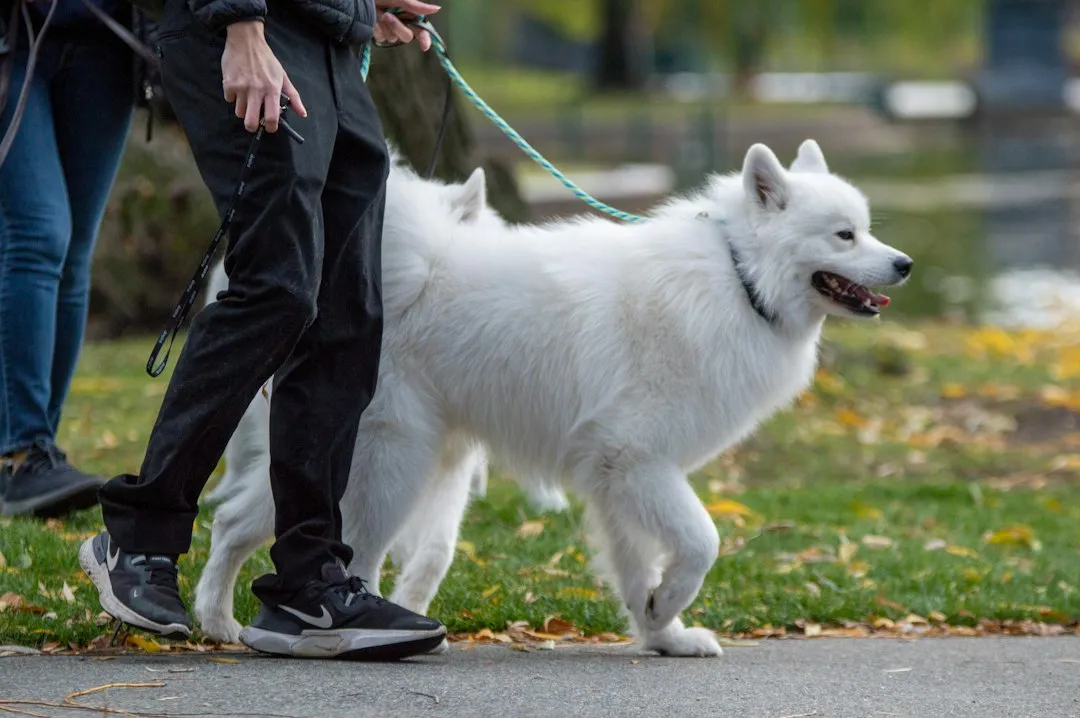
A dog that once bolted ahead to sniff every tree now hugs the owner’s side step for step, adjusting its pace to match theirs almost perfectly.
This change in walking behavior is subtle but telling. Dogs that shift from independent, exploratory walking to close, matched-pace walking are often responding to perceived instability in the owner’s movement. It’s not about obedience training, many of these dogs haven’t had a refresher course in years. It’s an instinctive recalibration.
Some owners notice their dog will physically lean into their leg on uneven terrain, almost like a living stabilizer. This kind of contact-walking is rarely taught; it emerges organically as the dog’s protective radar sharpens.
But that’s nothing compared to what we found about #7…
#7 – Growling at People They Used to Ignore
🔥 Would you like to save this?
We'll email this post to you, so you can come back to it later!
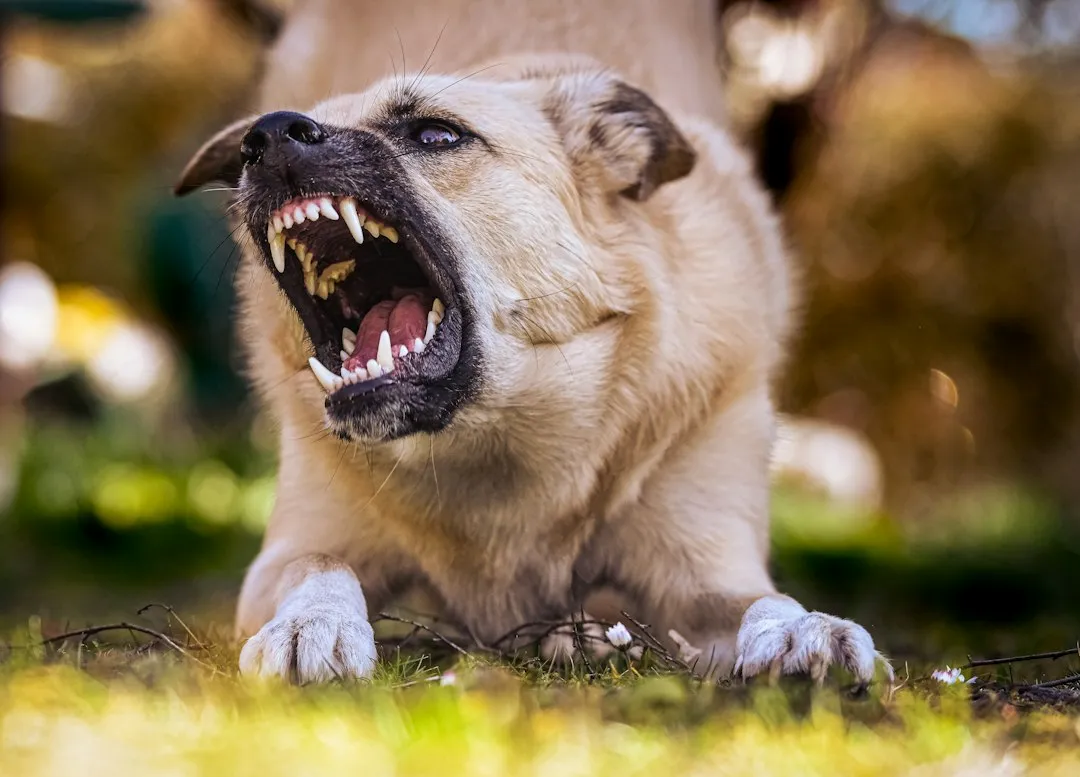
A dog that was once friendly with the mail carrier, the neighbor, or a regular visitor suddenly growls or stiffens around that same person, and this shift shouldn’t be dismissed as random.
This is one of the more controversial signs on this list, because owners often assume something is wrong with the dog rather than recognizing it as heightened protectiveness. Many trainers now argue that punishing this behavior outright is a mistake, the dog isn’t malfunctioning, it’s recalibrating its threat assessment based on new protective priorities.
That said, this sign requires nuance. Sudden aggression can also indicate pain or illness in the dog itself, so ruling out medical causes matters before assuming it’s purely protective. Context is everything: if the growling is specific to certain people or triggered by proximity to the owner, protectiveness is the more likely explanation.
Quick Compare
- Protective growling: targets specific people, eases once the owner relaxes, dog stays close instead of lunging
- Problem aggression: triggered by multiple unrelated situations, doesn’t ease with reassurance, often paired with lip-licking or whale-eye stress signals
- Pain-driven aggression: sudden onset, flinching when touched, growling even at familiar, trusted people
But that’s nothing compared to what we found about #6…
#6 – Leaning or Pressing Against You More Often
🔥 Would you like to save this?
We'll email this post to you, so you can come back to it later!
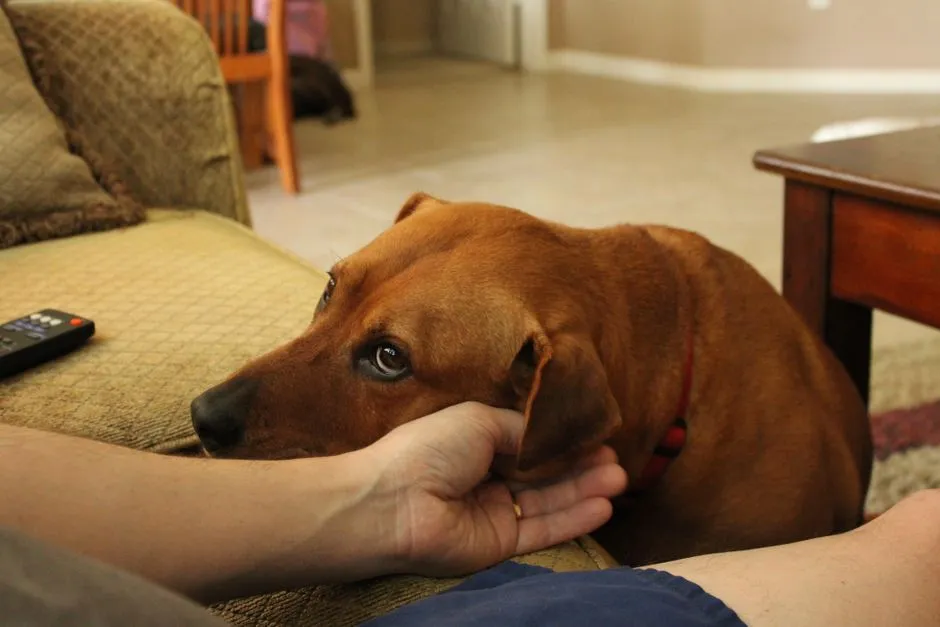
Physical pressure, a dog leaning its full body weight against an owner’s leg, is a well-documented calming and protective behavior, and it tends to increase noticeably as a dog’s guardian instincts intensify.
This isn’t just affection-seeking. Weight-bearing contact activates a calming response in both the dog and the person, but behaviorally, it also allows the dog to maintain constant physical awareness of the owner’s location and movement without needing to visually track them at all times.
Dogs that didn’t previously “lean” often start doing so specifically as owners age, and many trainers describe this as one of the most reliable low-key indicators of protective bonding, precisely because it’s so easy to mistake for simple cuddliness.
But that’s nothing compared to what we found about #5…
#5 – Watching You Sleep, Not Just Sharing the Bed
🔥 Would you like to save this?
We'll email this post to you, so you can come back to it later!
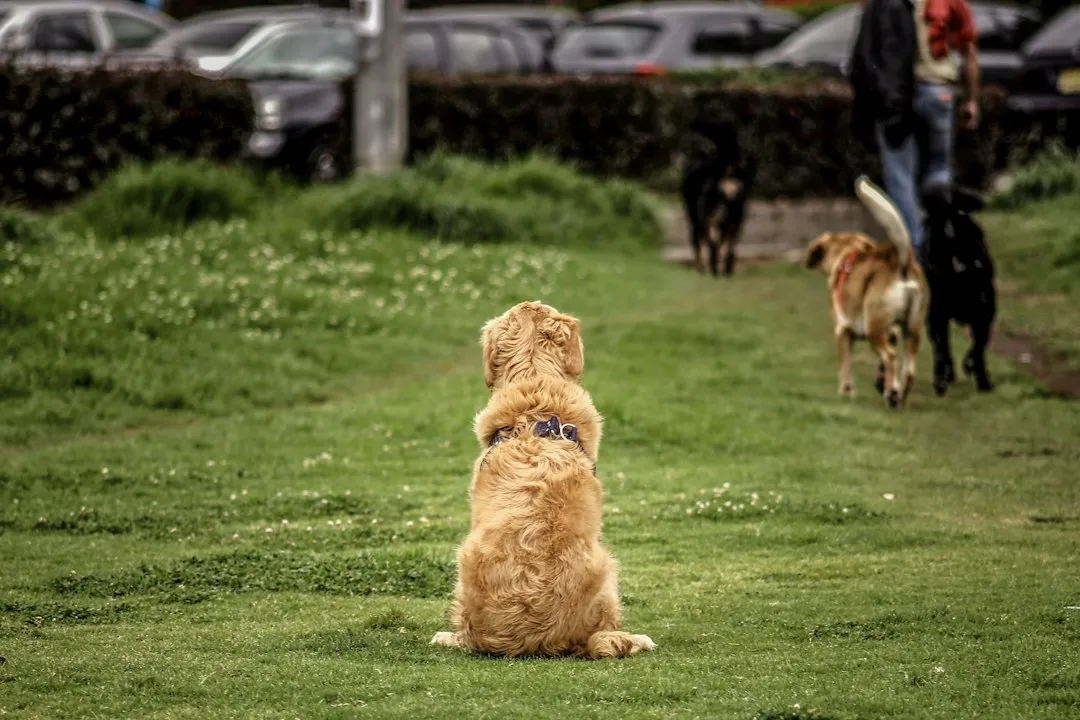
Some dogs go beyond sleeping nearby, they position themselves so they can actually watch the owner’s face and chest movement through the night, waking at the slightest irregularity in breathing.
This is a subtle but striking behavior shift. Instead of curling into a tight ball facing away, the dog stays oriented toward the owner, head raised periodically to check on them. Owners who track this closely sometimes notice their dog waking multiple times a night, not out of restlessness, but specifically timed to breathing pauses or sudden movements.
This kind of vigilance is rarely trained and almost always emerges spontaneously, which is part of why researchers find it so compelling as evidence of genuine protective instinct rather than learned behavior.
Worth Knowing
- Dogs cycle through lighter sleep stages far more often than humans, making it easy to rouse instantly
- Shorter REM cycles mean a partial wake-up to check on an owner costs the dog very little rest
- This watchful sleeping pattern is reported far more often in dogs with one clear, primary bonded person
But that’s nothing compared to what we found about #4…
#4 – Blocking the Front Door When Guests Arrive
🔥 Would you like to save this?
We'll email this post to you, so you can come back to it later!
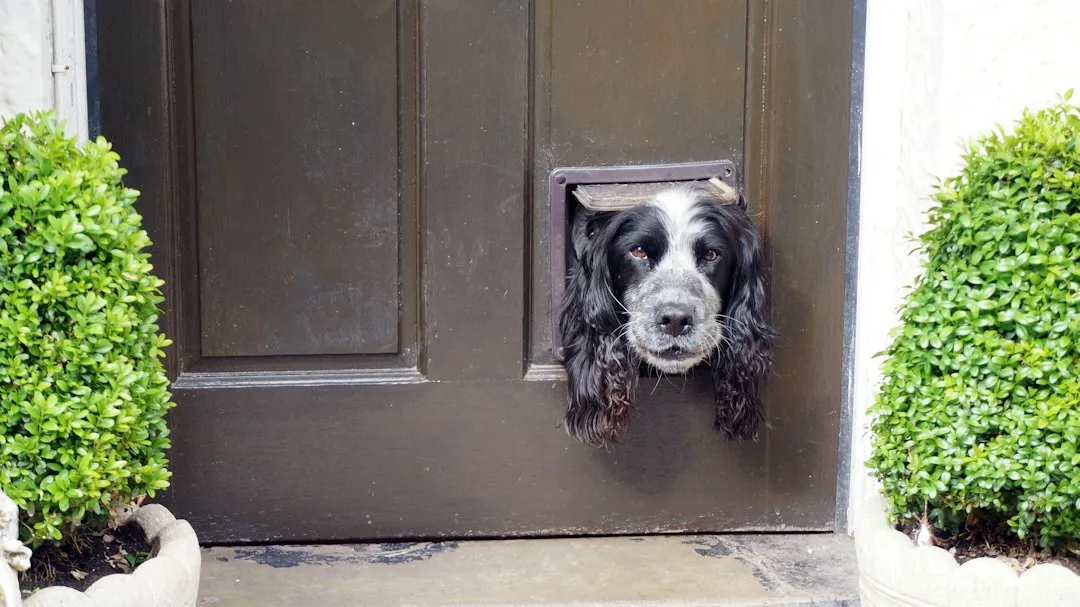
A dog that calmly greeted visitors for years suddenly plants itself in front of the door, refusing to move until it has assessed the person on the other side.
This is a more assertive escalation of the “positioning” behavior seen earlier on this list. Rather than simply standing between the owner and a stranger, the dog now controls the literal entry point to the home. Some dogs will only step aside once the owner gives a clear verbal cue or visibly relaxes, as if waiting for explicit permission.
Trainers who work with senior clients report this specific behavior appears more often in households where the owner lives alone, suggesting the dog has effectively assumed a security role that would otherwise fall to another household member.
But that’s nothing compared to what we found about #3…
#3 – Reacting Instantly to Falls or Stumbles
🔥 Would you like to save this?
We'll email this post to you, so you can come back to it later!
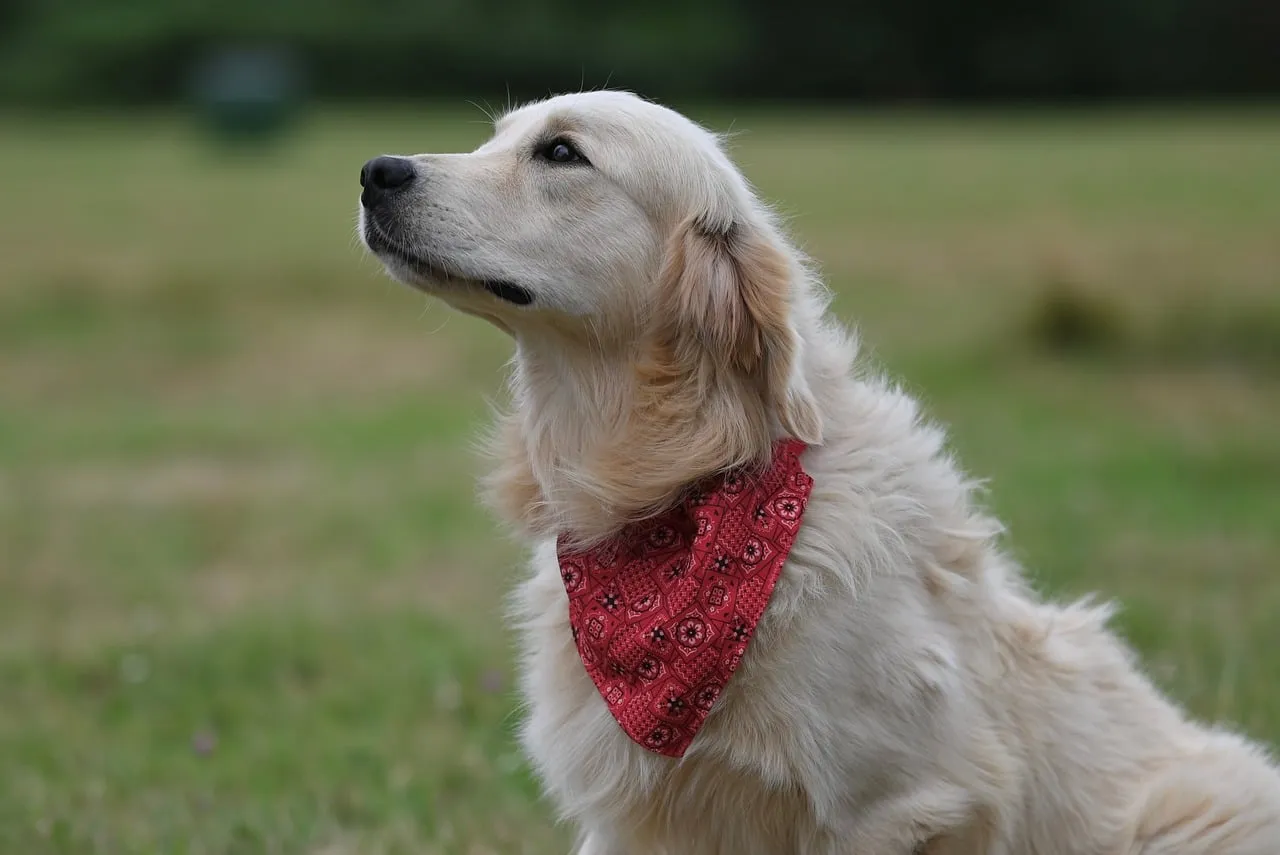
Perhaps the most striking sign on this entire list: dogs that react within seconds to an owner tripping, stumbling, or losing balance, even from another room.
This isn’t just about the dog hearing a loud noise. Multiple case reports describe dogs sprinting to an owner’s side the moment a stumble happens, sometimes attempting to physically brace against the person’s legs to prevent a fall, or barking persistently until help arrives. This kind of response typically isn’t trained, it emerges organically in dogs with an already strong protective bond.
Some owners describe their dog developing an almost predictive sense, reacting a split second before an actual stumble, as if picking up on the earliest signs of a balance shift.
- Immediate repositioning to brace against the owner’s body
- Persistent barking directed at other household members until they respond
- Refusing to leave the owner’s side until they’ve fully stood back up
This is the sign most frequently cited by families of older adults living with dogs as proof of genuine, life-relevant protectiveness.
But that’s nothing compared to what we found about #2…
#2 – Refusing to Let Strangers Get Too Close
🔥 Would you like to save this?
We'll email this post to you, so you can come back to it later!
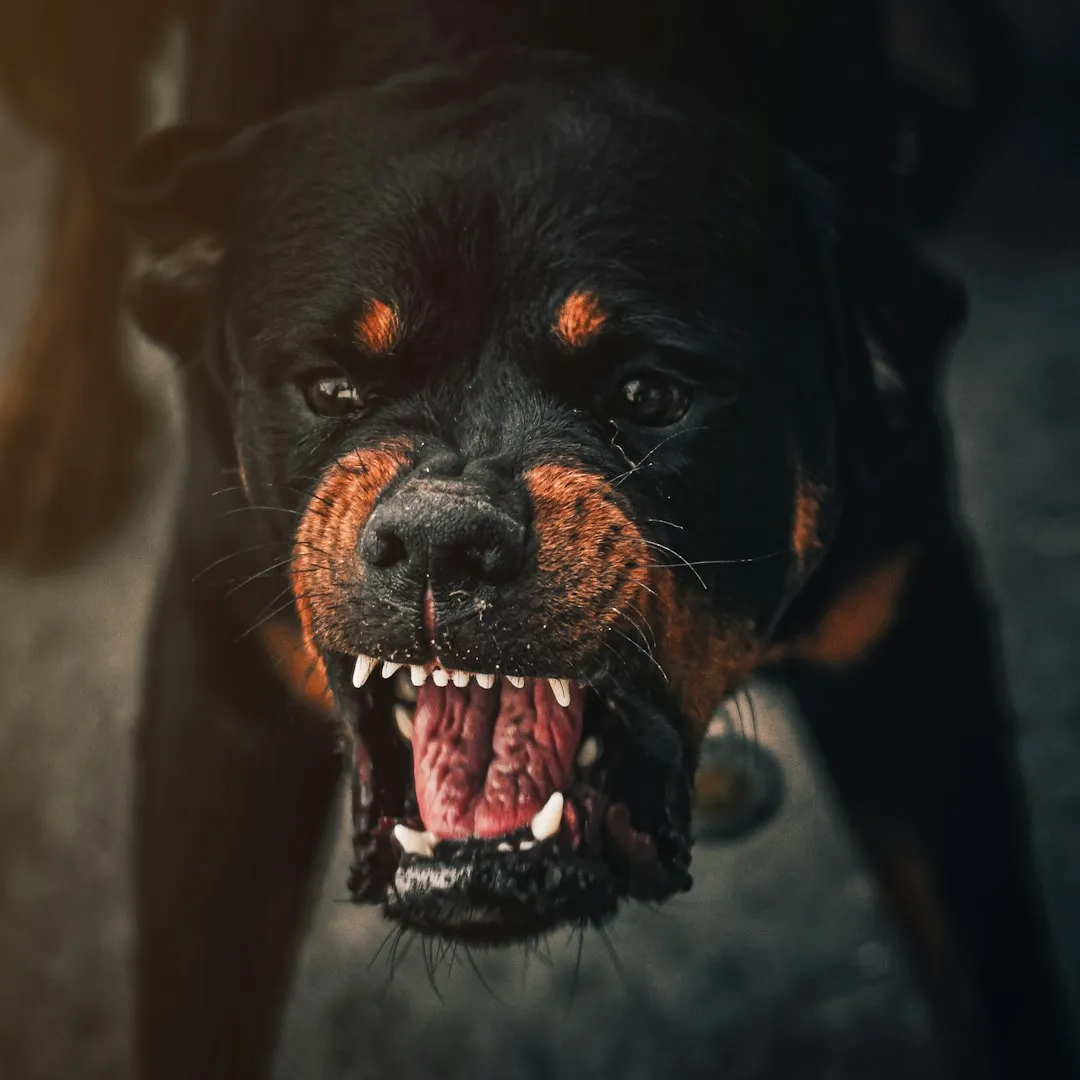
Beyond simple positioning or growling, some dogs escalate to physically intercepting a stranger who gets within a certain radius of the owner, regardless of the person’s intent.
This is a controversial sign because it can look like aggression to an outside observer, and many trainers now argue it’s frequently misread as a behavioral problem when it’s actually advanced protective instinct. A dog that has never bitten anyone may suddenly snap or lunge, not randomly, but specifically when a stranger closes a distance the dog has internally flagged as unsafe.
This sign tends to appear later in the protective escalation timeline, often after the dog has already shown positioning and blocking behaviors for months. It represents the dog moving from passive monitoring to active intervention, which is why behaviorists take it seriously rather than dismissing it as simple crankiness.
But that’s nothing compared to what we found about #1…
#1 – The Silent Vigil: Staying Awake While You Rest

🔥 Would you like to save this?
We'll email this post to you, so you can come back to it later!
The single most telling sign of all: a dog that stays awake, alert, and watching while its owner sleeps, naps, or simply rests in a chair, night after night, without being asked.
This behavior sits at the top of the list because it represents the purest form of protective instinct: no external trigger, no visitor, no stumble, just quiet, sustained vigilance. Owners who notice this often describe their dog as seeming “on duty,” ears twitching at every sound, eyes periodically opening to check the room, refusing to fully relax even in a familiar, safe environment.
Veterinary behaviorists describe this as the deepest expression of the guardian bond, one that typically only emerges after years of close cohabitation and after the dog has already displayed several of the other signs on this list. It’s not trained. It’s not commanded. It’s chosen.
Why It Stands Out
- No trigger needed – this vigilance happens without noise, guests, or stumbles to prompt it
- Usually the last sign to emerge, appearing only after most other protective behaviors are already established
- Widely considered by veterinary behaviorists the clearest marker of deep, lasting guardian bonding
The Bottom Line
🔥 Would you like to save this?
We'll email this post to you, so you can come back to it later!
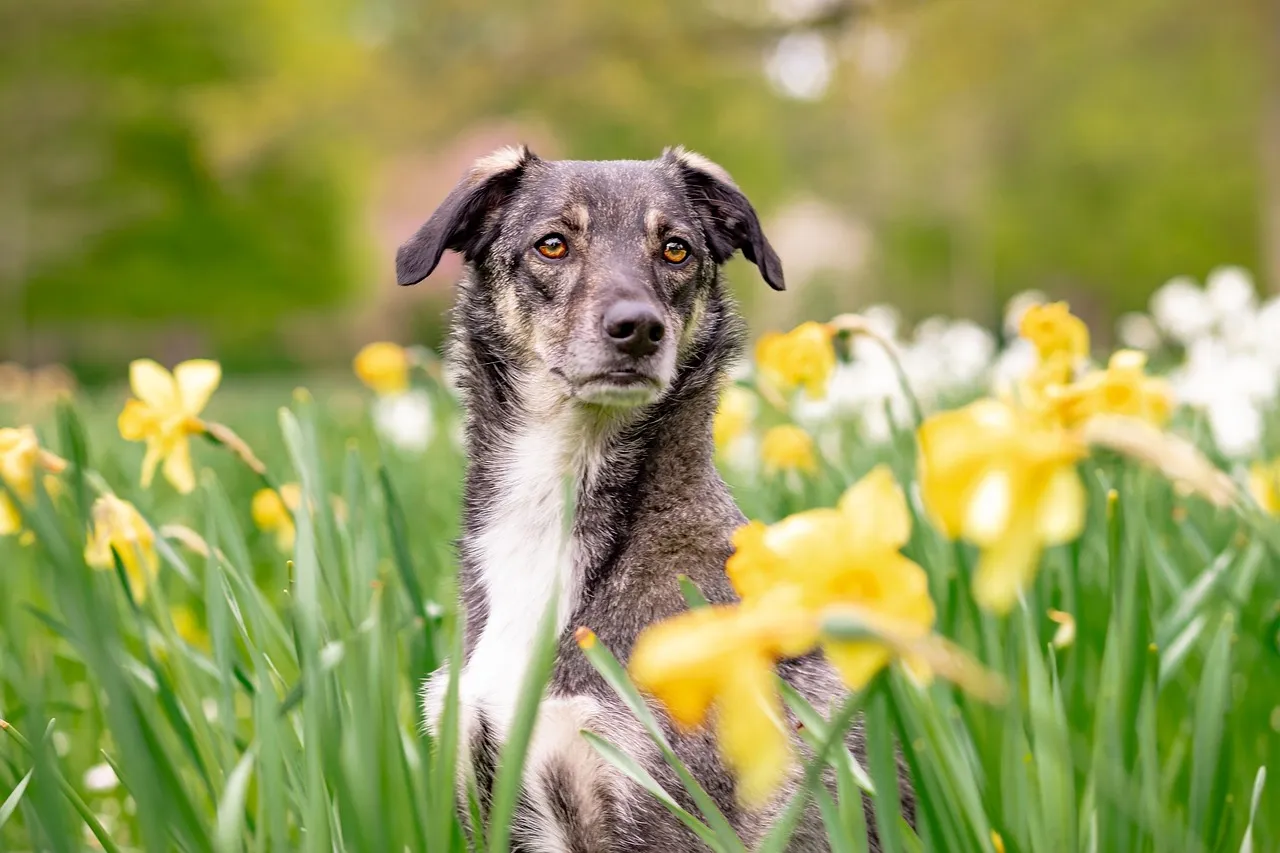
What emerges across all 14 signs isn’t a coincidence, it’s a pattern. Dogs living with aging owners don’t just stay loyal, they actively escalate their vigilance, shifting from casual companions to full-time guardians. From doorway sleeping to fall-reaction speed, these behaviors reveal a level of awareness most owners underestimate entirely.
Here’s the part that should give every dog owner pause: none of this is trained, bribed, or commanded. A dog doesn’t need a class to learn how to watch your breathing or brace against your legs on a stumble, it just starts doing it, quietly, the moment it senses you need it. The uncomfortable truth many trainers now admit is that dogs may be reading our vulnerability better than we read it ourselves. Has your dog started showing any of these signs? Tell us which one surprised you most in the comments.

- Marine Biology Says When Dolphins Suddenly Go Silent in Open Water It's Not Rest – They've Detected a Predator You Cannot See and Their Survival Strategy Reveals How They Read Danger - November 5, 2026
- Why Veterinarians Say If Your Cat Sleeps With Their Back to You, It's the Highest Form of Trust in Feline Behavior - November 5, 2026
- 10 Common Garden Pests That Are Actually Beneficial To Your Backyard Ecosystem - November 5, 2026