
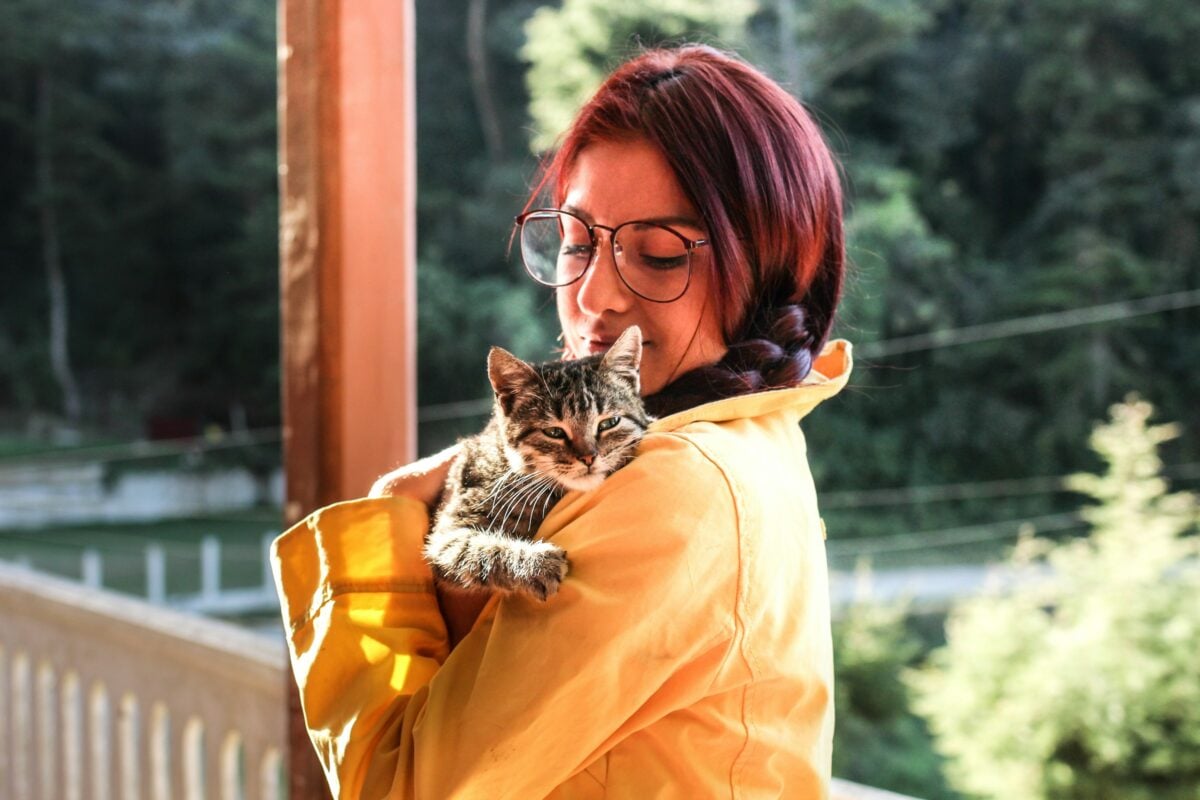
Everyone tells you the same thing about aging cats: they pull away, they get grumpier, they want to be left alone in some sunny corner to nap out their golden years. That’s the myth. The reality, according to the way most senior cats actually behave, is almost the exact opposite.
The truth is stranger and a lot more touching than the independence story we’ve all been sold. As cats get older, many of them don’t retreat from you at all. They orbit you harder. And once you know what to look for, you’ll start noticing it everywhere in your own house.
14. She Won’t Stop Calling for You the Moment You Leave the Room
🔥 Would you like to save this?
We'll email this post to you, so you can come back to it later!
A sudden burst of meowing or yowling the second you walk out isn’t just an old cat being noisy for no reason. It’s often anxiety talking. As hearing and eyesight fade, the world gets a little scarier, and your voice becomes one of the few things that still makes sense to her.
Think of it as her way of checking that the map hasn’t changed. If your senior cat has suddenly turned into a running commentary track every time you step away, she isn’t being dramatic. She’s asking you to confirm you’re still there.
13. She Shadows You From Room to Room Like Security Detail
🔥 Would you like to save this?
We'll email this post to you, so you can come back to it later!
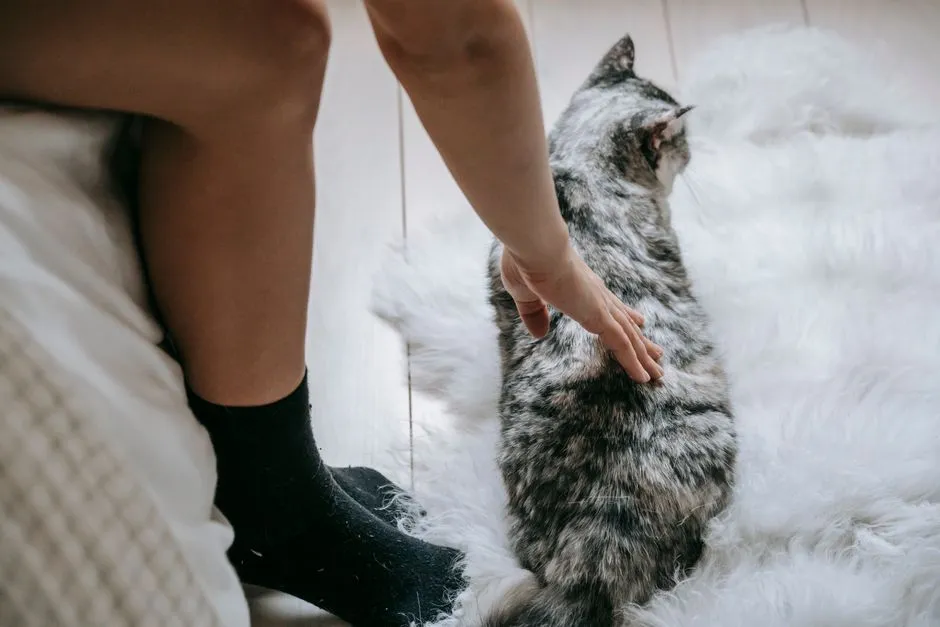
If your cat has appointed herself your personal escort, trailing you to the bathroom, the laundry room, even just across the hallway, that’s not clinginess for its own sake. It’s a senior cat telling you, in the only language she has, that you are the safest place in the house.
This kind of shadowing usually shows up as other things start feeling less certain: joints ache more, jumps get harder, naps get deeper. You becoming the one steady point in her day is not a small thing. It’s the whole point.
Fast Facts
- Vets generally consider cats “senior” starting around age 11, and “geriatric” once they pass 15.
- Hearing and vision changes often develop gradually, long before an owner notices anything is different.
- Increased attachment, not detachment, is one of the most commonly reported shifts in aging cats.
- Cats can still recognize an owner’s voice and scent even as their other senses fade.
12. She Picks Your Side of the Bed Over Her Own Spot
🔥 Would you like to save this?
We'll email this post to you, so you can come back to it later!
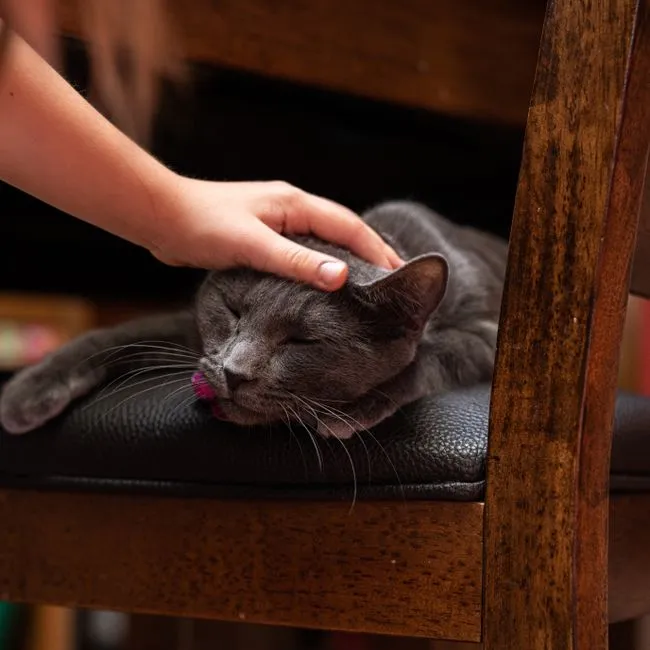
An older cat abandoning her favorite windowsill or cat tree to curl up against you at night is making a quiet but pointed decision. Sleep is when cats are at their most defenseless, and choosing to be vulnerable next to you says a lot about who she trusts.
The warmth helps with aging joints, sure. But the real draw is your heartbeat, your breathing, the simple fact that you’re there. For a cat whose body is slowing down, that closeness is doing more emotional work than physical.
11. She Paces or Frets the Moment You Grab Your Keys
🔥 Would you like to save this?
We'll email this post to you, so you can come back to it later!
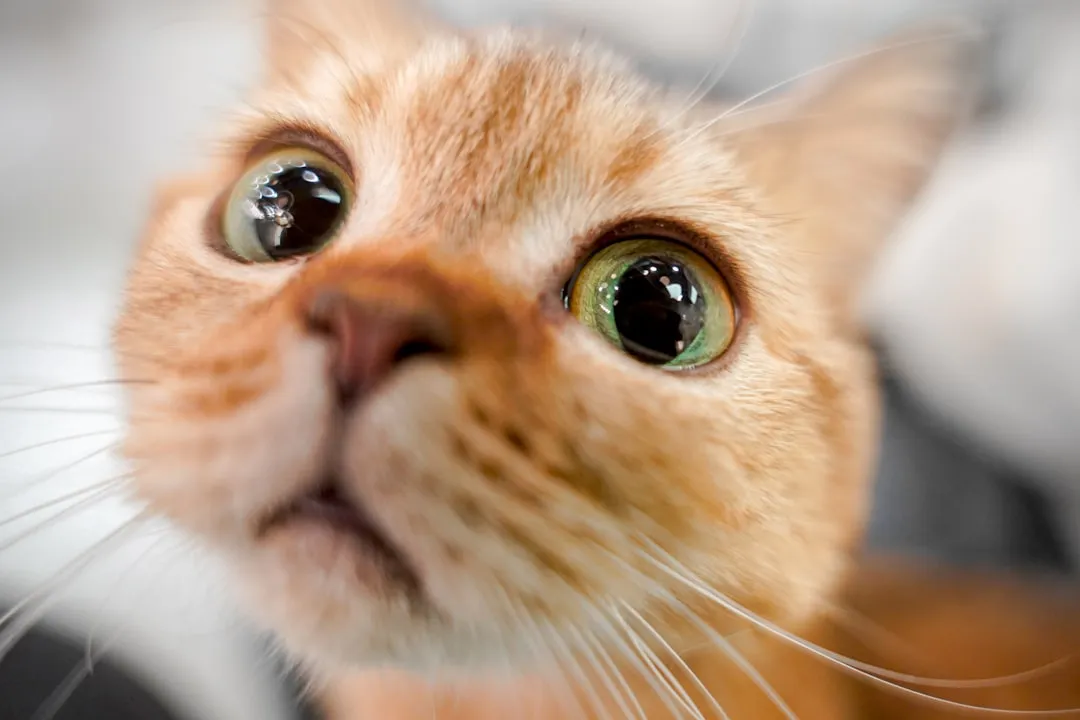
Watch her closely the next time you head for the door. Restlessness, pacing, or a sudden refusal to settle can mean your senior cat has picked up on your departure routine and doesn’t like where it leads.
This isn’t a young, mischievous kind of energy. It’s unease. Cats who once handled alone time without a second thought can develop a real dependency on your presence as they age, and the keys jingling can be enough to set it off.
10. She Head-Butts and Rubs Against You Constantly
🔥 Would you like to save this?
We'll email this post to you, so you can come back to it later!
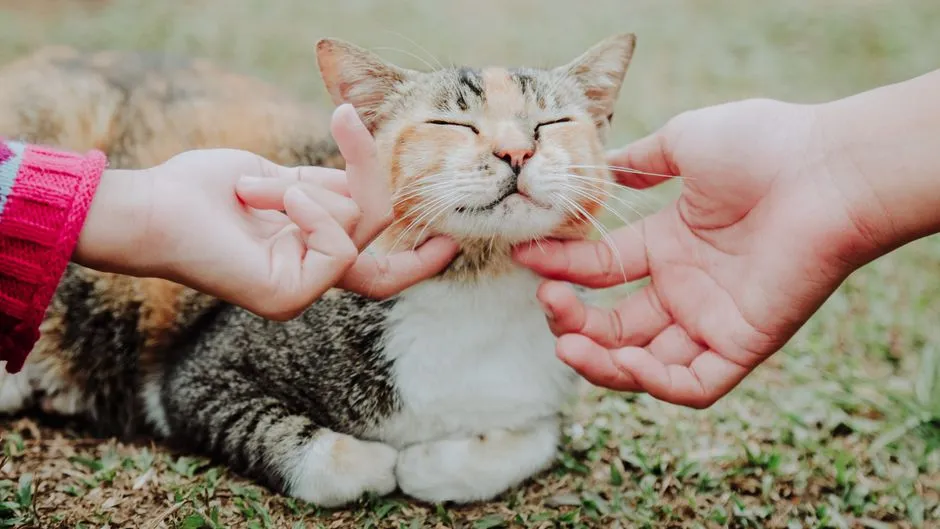
A sudden spike in head-bunts, cheek rubs, or a cat who has newly decided your lap is public property is telling you something direct: physical contact with you now equals safety. This isn’t random affection. It’s a request.
For a cat whose senses aren’t as sharp as they used to be, touch becomes a shortcut to reassurance. Every rub against your leg is basically her double-checking that you’re still exactly who she thinks you are.
9. She Suddenly Has No Patience for the Other Pets
🔥 Would you like to save this?
We'll email this post to you, so you can come back to it later!
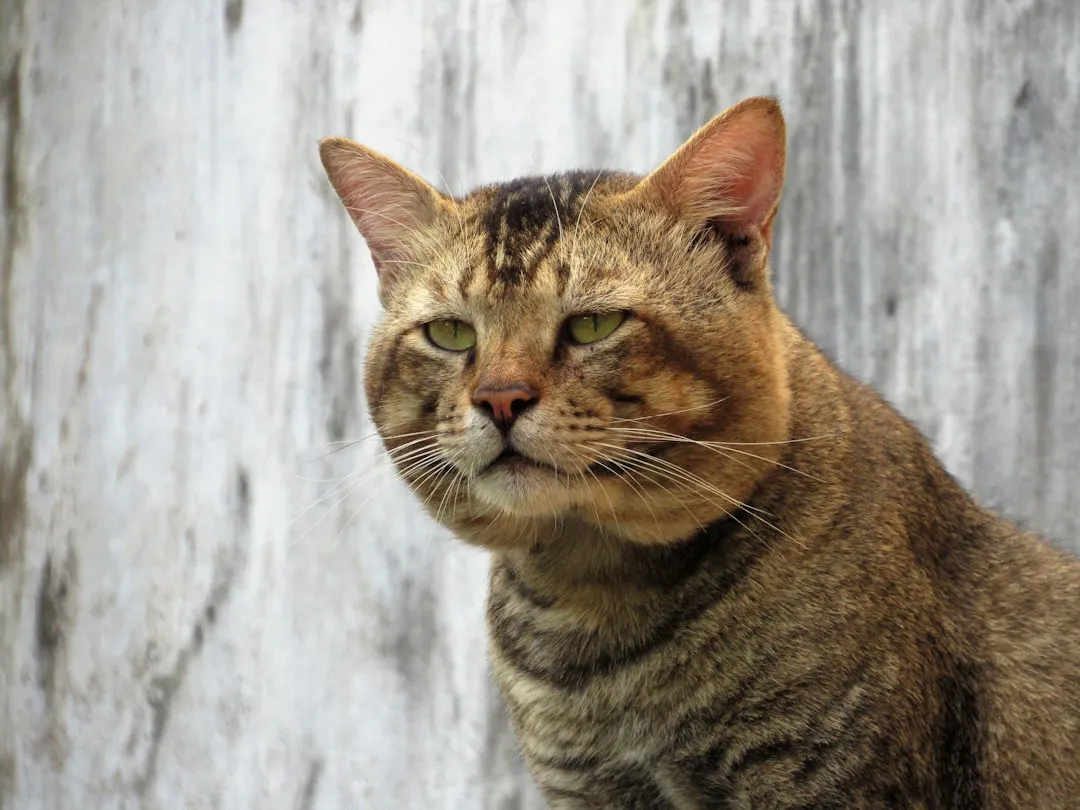
If your senior cat used to tolerate the dog or the younger cat and now visibly avoids them, drifting toward you instead, that’s a real shift in priorities. Lower energy and less patience for chaos often push older cats to simplify their world.
And simplifying, for a cat, usually means picking one predictable source of comfort and sticking to it. That source is you. Everyone else becomes background noise she no longer has the energy to manage.
8. She Grooms Herself More the Moment She’s Near You
🔥 Would you like to save this?
We'll email this post to you, so you can come back to it later!
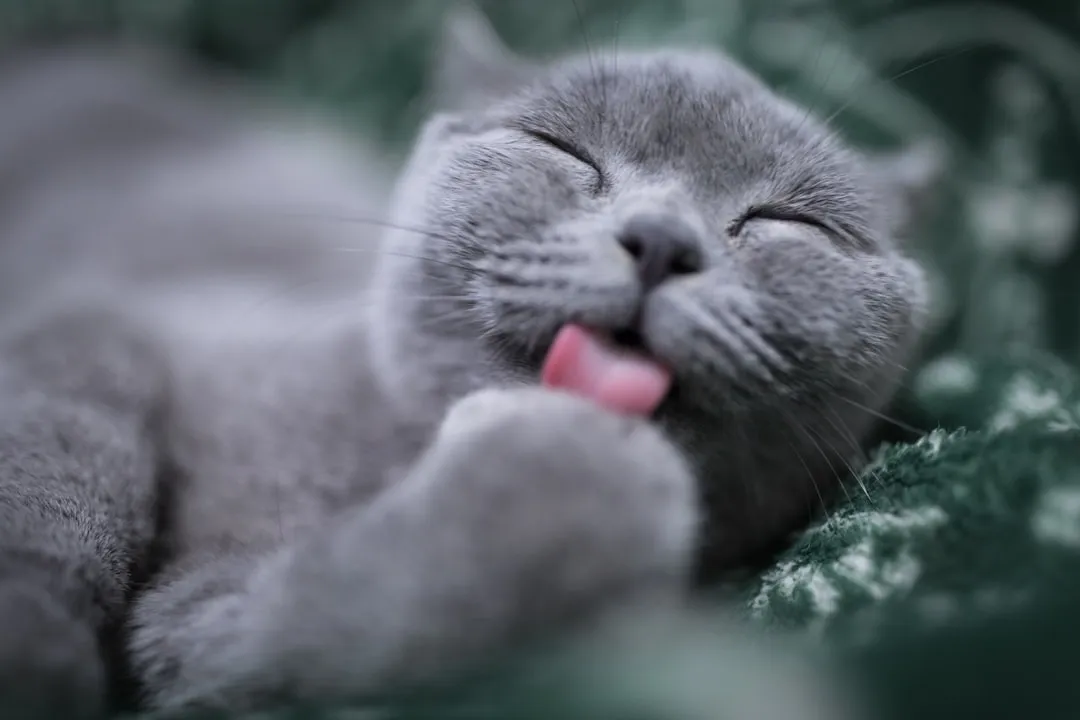
Grooming is a cat’s built-in stress reliever, and an aging cat who suddenly grooms more when you’re around isn’t just tidying up. She’s using your presence as permission to relax enough to do it.
Cats generally don’t groom when they feel exposed or on edge. If she’s settling into a long bath session right next to you, that’s her nervous system telling her the coast is clear, and you’re the reason why.
Quick Compare
- Storms: Younger cats often hide alone; senior cats increasingly run toward their favorite person.
- Sleep spot: Younger cats claim windowsills and high perches; senior cats trade them for a lap or your side of the bed.
- Grooming: Younger cats groom on their own schedule; senior cats often wait until they’re near you before fully relaxing into it.
- Alone time: Younger cats shrug it off; senior cats are far more likely to protest with pacing or vocalizing.
7. She Keeps Bringing You Her Toys, Unprompted

🔥 Would you like to save this?
We'll email this post to you, so you can come back to it later!
An older cat dropping a toy mouse at your feet isn’t chasing playtime the way she used to. She’s inviting you in. This behavior is her way of saying she still wants to be included in whatever you’re doing, even if her energy for it has changed.
It’s easy to miss because it looks like play. But underneath it is a request for connection, a small offering that says your attention still matters enormously to her, even now.
6. She Trades Her Favorite Napping Spot for Your Lap
🔥 Would you like to save this?
We'll email this post to you, so you can come back to it later!
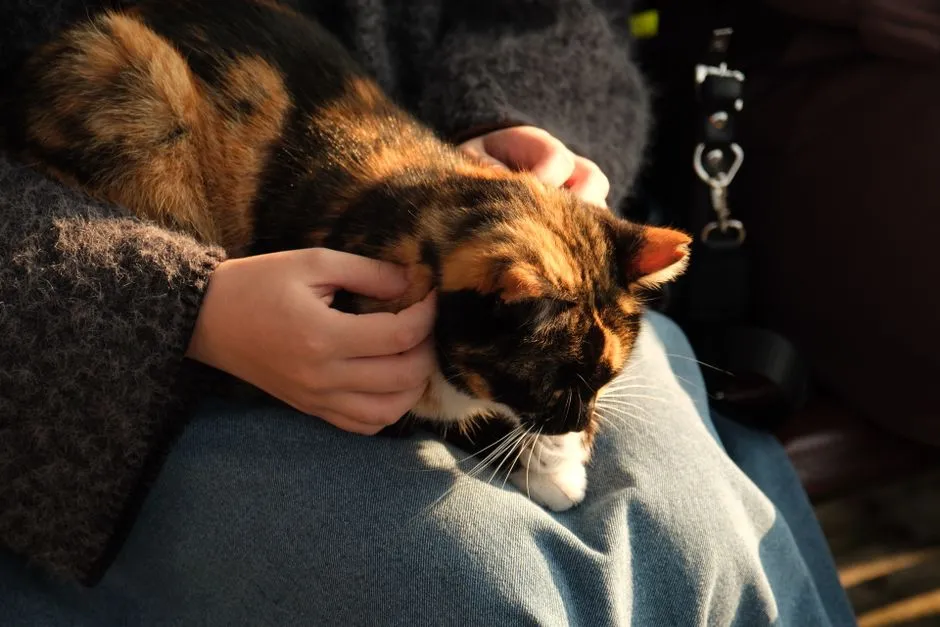
When a cat gives up the sunny windowsill she’s claimed for years in favor of your lap, something has changed. That old spot represented independence. Your lap represents something she now needs more: unconditional, uncomplicated safety.
This swap tends to happen gradually and then all at once. One week she’s splitting her time. The next, your lap is the only place she seems to fully relax, and the windowsill sits empty.
5. She Falls Apart a Little When You’re Gone Too Long
🔥 Would you like to save this?
We'll email this post to you, so you can come back to it later!
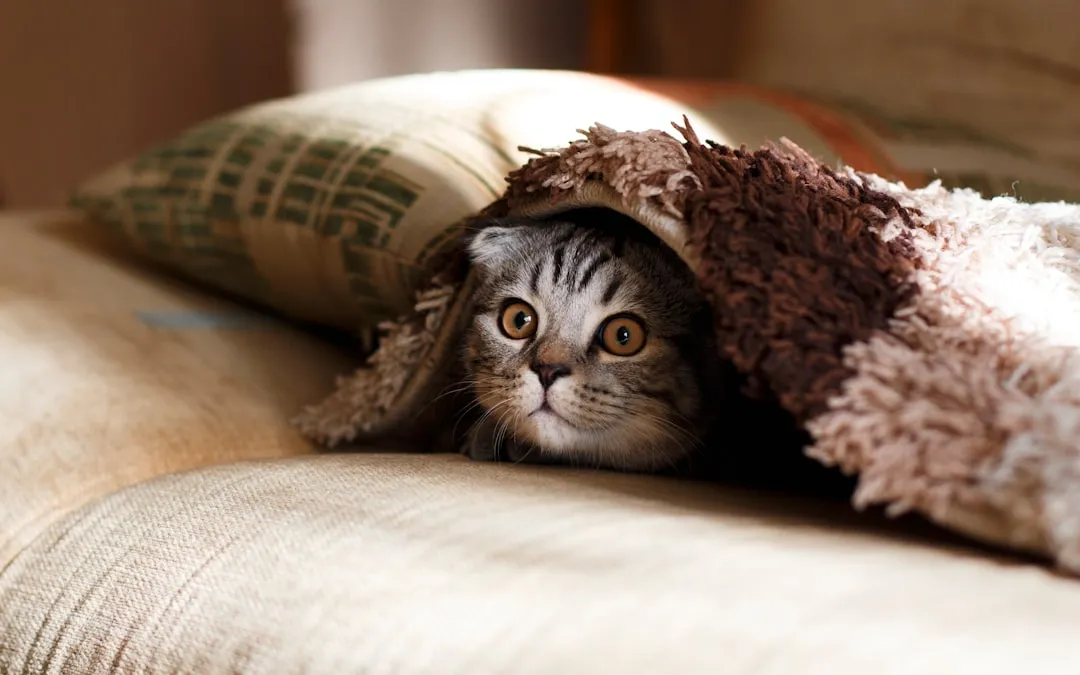
Some senior cats develop something that looks a lot like separation anxiety in dogs: knocking things over, ignoring the litter box, crying at doors. It’s uncomfortable to witness, but it’s not misbehavior. It’s distress.
This is one of the harder signs to watch, because it shows just how much your presence is holding her steady. When you’re gone too long, that steadiness slips, and the fallout is her way of telling you she noticed.
4. She Runs to You the Second Thunder Hits
🔥 Would you like to save this?
We'll email this post to you, so you can come back to it later!
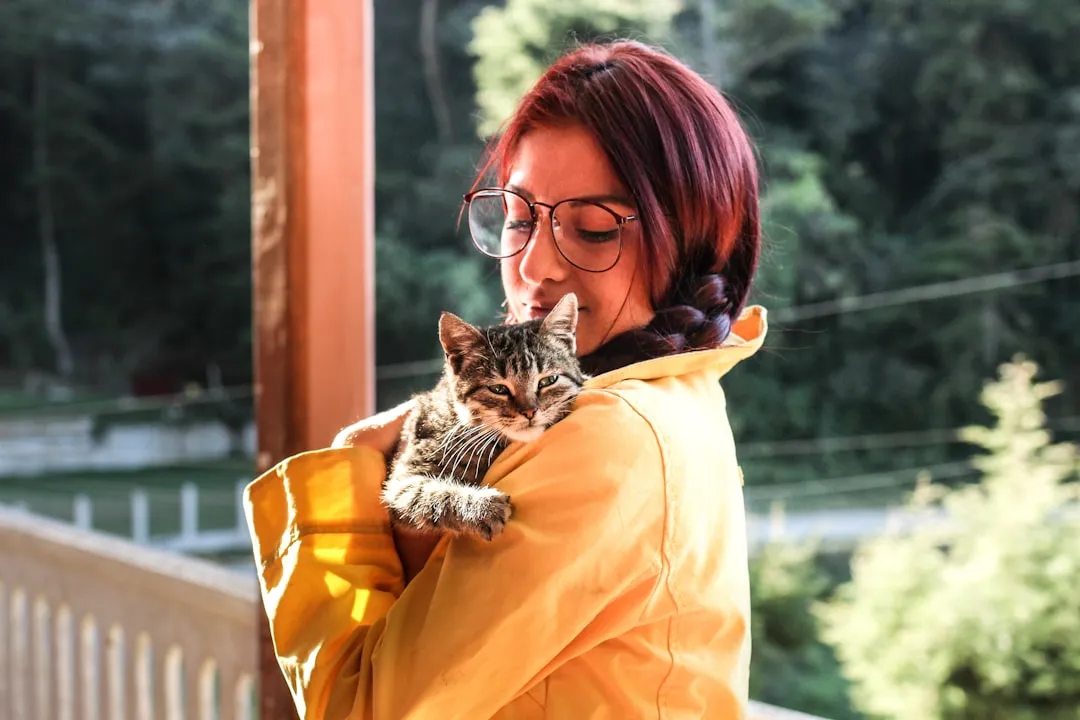
If a storm rolls in or fireworks go off outside and your aging cat beelines straight for you instead of hiding under the bed alone, that’s a big deal. It means somewhere along the way, you became her protector instead of just her roommate.
Younger cats often ride out fear in isolation. Older cats increasingly choose you instead, which says everything about how much trust has built up over the years you’ve spent together.
3. She’s Lost All Interest in the Backyard She Used to Love
🔥 Would you like to save this?
We'll email this post to you, so you can come back to it later!
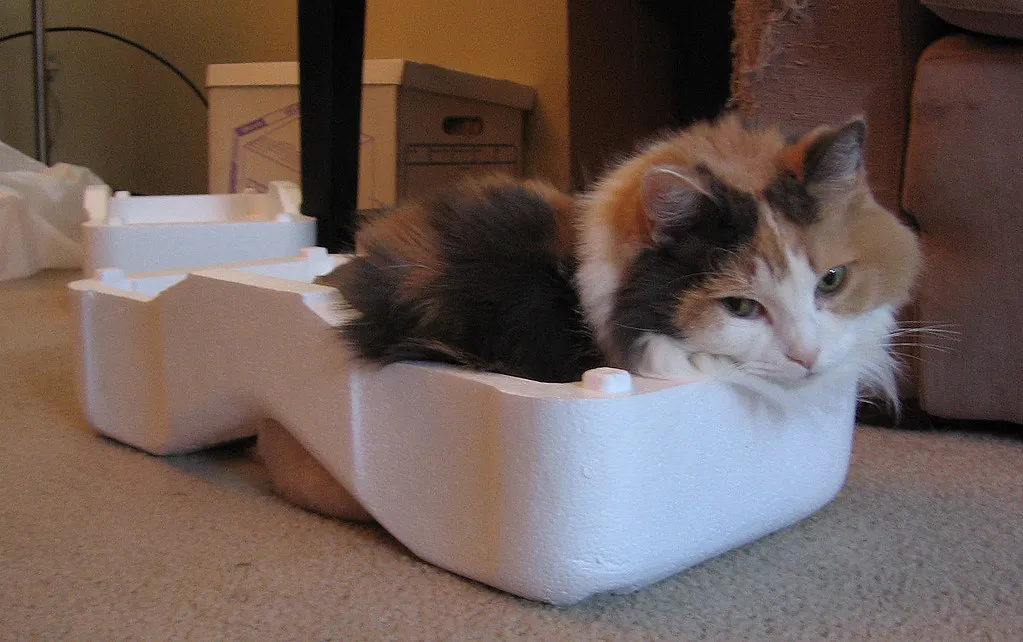
A cat who once begged at the door to get outside and now shows zero interest in leaving isn’t necessarily slowing down out of laziness. Failing eyesight, stiffer joints, and a general drop in confidence can make the outside world feel like too much.
Staying inside, close to you, becomes the safer trade. It’s less about losing curiosity and more about her recalculating where safety actually lives now, and landing on you.
Worth Knowing
- Increased clinginess is usually emotional, but sudden disorientation, nighttime crying, or house-soiling can point to cognitive decline worth mentioning to a vet.
- Arthritis pain often hides behind routine changes, like avoiding jumps or seeking you out instead of a high perch.
- A sudden, dramatic personality shift tells you more than any single behavior on its own.
- Most signs on this list simply reflect a cat adapting to a changing world, not a medical emergency.
2. Her Purring Kicks Into Overdrive Around You
🔥 Would you like to save this?
We'll email this post to you, so you can come back to it later!
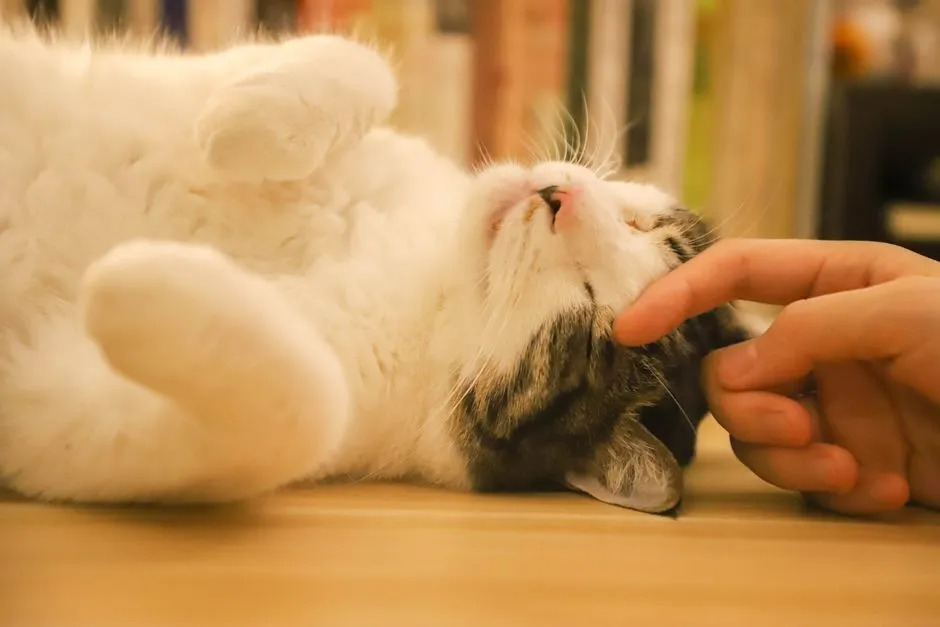
Purring isn’t just a happiness signal, it’s also self-soothing, and an older cat who purrs noticeably harder or longer specifically when you’re close is telling on herself. You are the trigger for her calm.
Pay attention to when it happens most. If the loudest, deepest purring shows up the second you sit down beside her, that’s not a coincidence. That’s her body relaxing because you’re finally there.
1. She Locks Eyes With You and Slow-Blinks
🔥 Would you like to save this?
We'll email this post to you, so you can come back to it later!
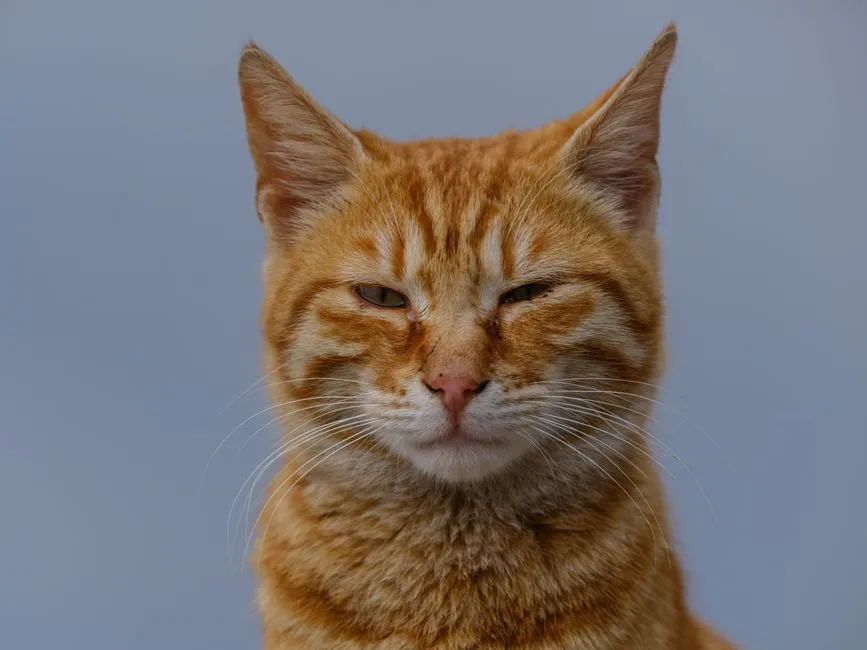
Cat behaviorists often call the slow blink a cat’s version of a kiss, and it’s the most deliberate sign on this list. It takes a moment of stillness, trust, and intention, three things an anxious or unsettled cat simply won’t offer.
If your senior cat holds your gaze and gives you that slow, heavy-lidded blink, she is telling you, in the clearest way a cat can, that you are still her safest place in the world.
Cats show trust with tiny, quiet gestures because they can’t afford to show it any other way.
Common feline behaviorist observation
The Bottom Line
🔥 Would you like to save this?
We'll email this post to you, so you can come back to it later!
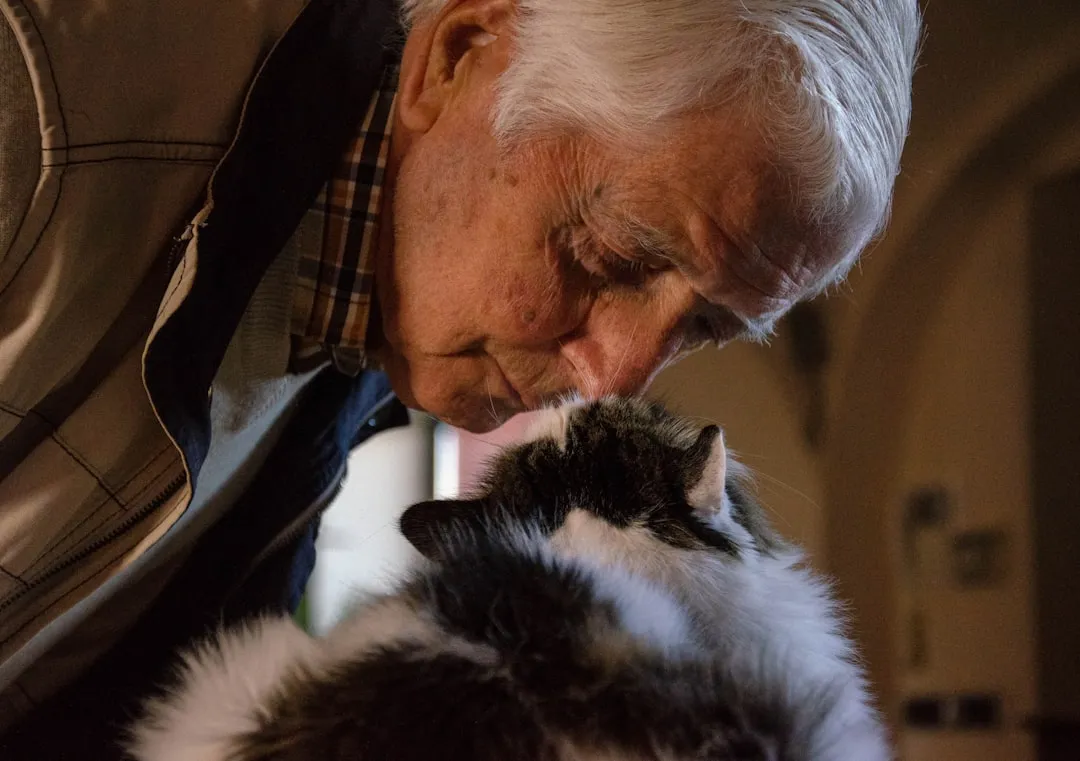
Here’s my honest take after going through all fourteen of these: the idea that cats grow more distant with age is one of the laziest myths in pet ownership. If anything, the opposite is true. Aging strips away a cat’s confidence in almost everything else, her hearing, her balance, her eyesight, her energy, and leaves one thing standing. You.
That’s not neediness. That’s loyalty built over years, showing up in the only currency a cat has: proximity, blinks, purrs, and the simple decision to stay close instead of wandering off. If your old cat won’t leave your side anymore, don’t read it as decline. Read it for what it actually is, a quiet vote of confidence that, out of everything in her world, you’re still the one thing she trusts completely.

- 7 Everyday Habits That Can Make Your Senior Dog Happier - November 5, 2026
- 10 Enigmatic Structures That Continue to Puzzle Scientists Today - November 5, 2026
- 10 Strange Ruins in the Americas That Challenge What We Know About Early History - November 5, 2026