
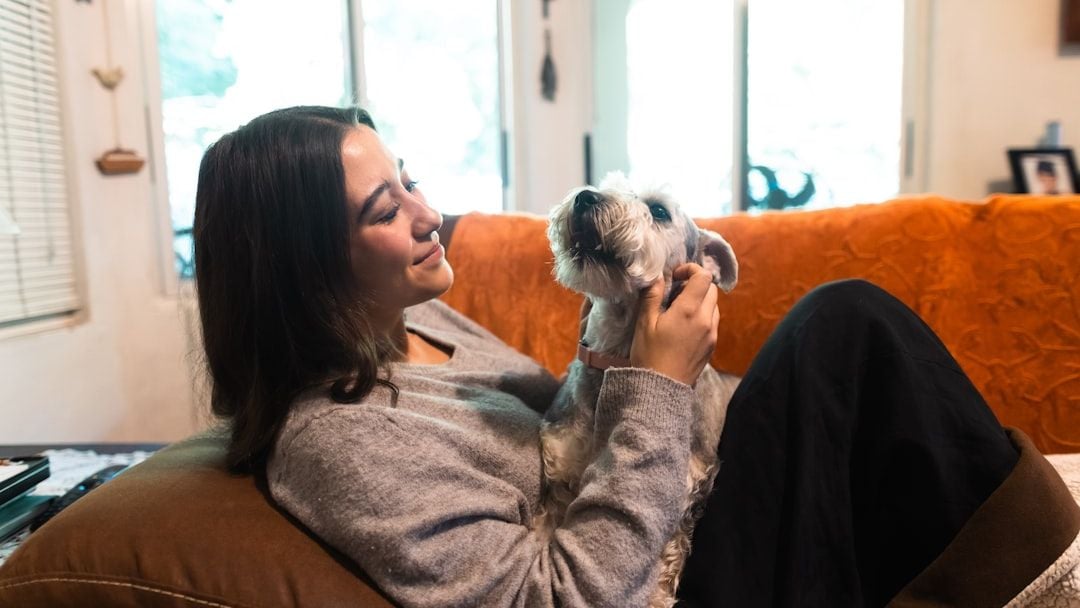
Dogs can’t say the words, but they’re never really silent about how they feel. Every tail wag, sideways glance, or quiet decision to curl up beside you instead of across the room carries meaning that most people walk right past. The relationship between a dog and the person they trust most is one of the more genuinely remarkable things in the animal world, and it’s built not in single grand moments but in thousands of small, ordinary ones.
Many people make the mistake of thinking that dogs give their love and trust to anyone, but that’s not necessarily true. The bond between a dog and their owner is one that takes time to build. If you’ve been paying attention, your dog has already been telling you where you stand. Here are 14 clear signs they’ve placed their deepest trust in you.
#1 They Hold Your Gaze With Soft, Relaxed Eyes
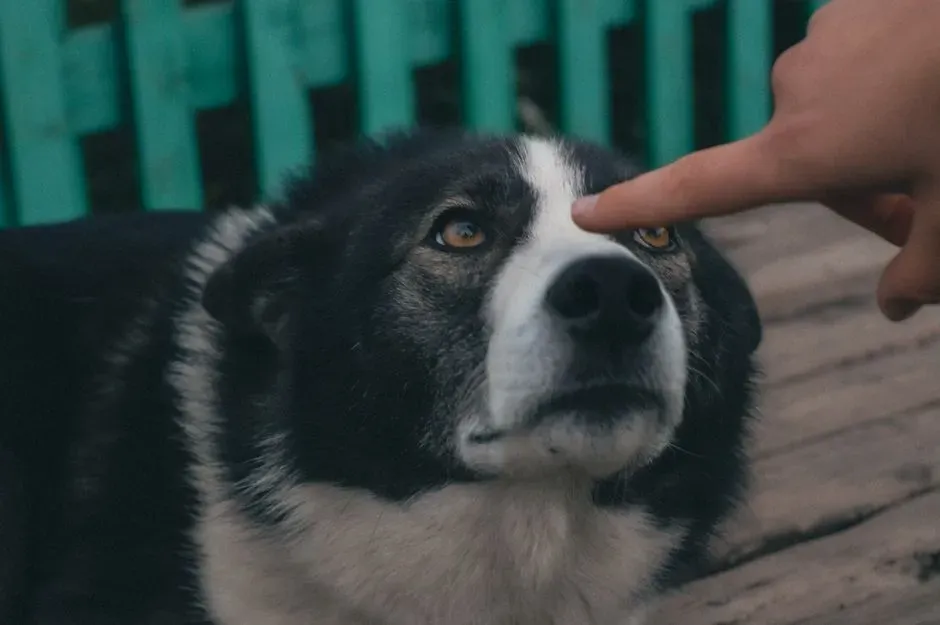
In the animal kingdom, direct eye contact is almost universally a threat signal. Dogs understand this, and they avoid locking eyes with unfamiliar dogs to prevent conflict. So when your dog holds your gaze with soft, relaxed eyes, they’re doing something genuinely remarkable.
Research from Japanese scientists has revealed that sustained eye contact between dogs and their trusted humans triggers the release of oxytocin in both parties. This “love hormone” is the same one that bonds parents and children, indicating the depth of the dog-human connection. That quiet look across the room isn’t nothing. It’s one of the more profound things a dog can offer.
#2 They Sleep Near You or Actually Against You
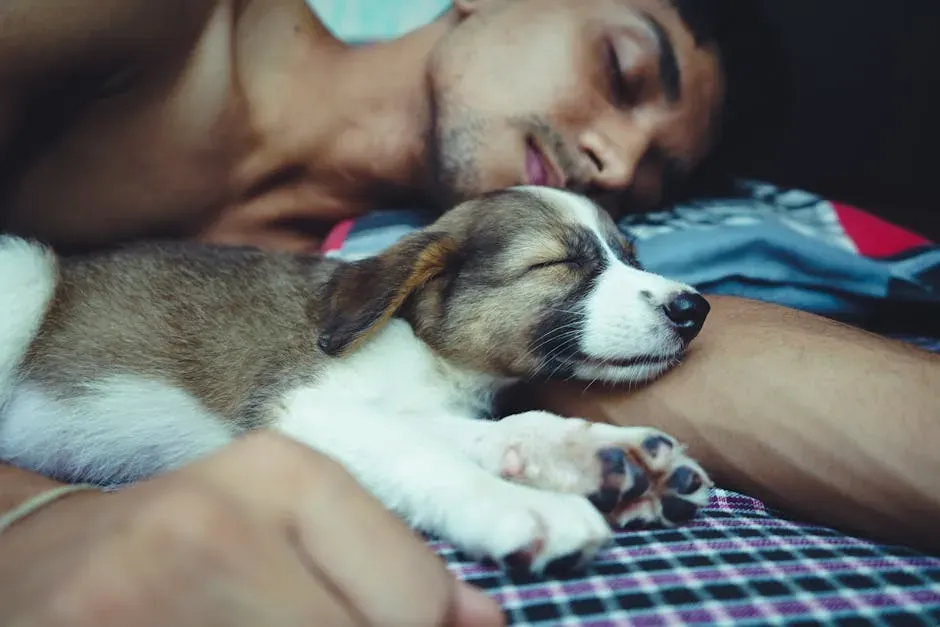
Sleeping near you or even touching you while sleeping shows deep trust. Dogs are vulnerable when they sleep, so choosing to rest beside you means they believe you’ll keep them safe. It’s a decision they make every single night, and it’s never an accident.
A dog that sleeps deeply in your presence, reaching REM sleep quickly and remaining loose and relaxed rather than dozing lightly on alert, is a dog whose nervous system has genuinely stood down because of your presence. When your dog turns their back to you while sleeping, it’s actually a sign they feel secure in your presence, indicating they trust you not to take advantage of their defenceless position.
#3 They Show You Their Belly
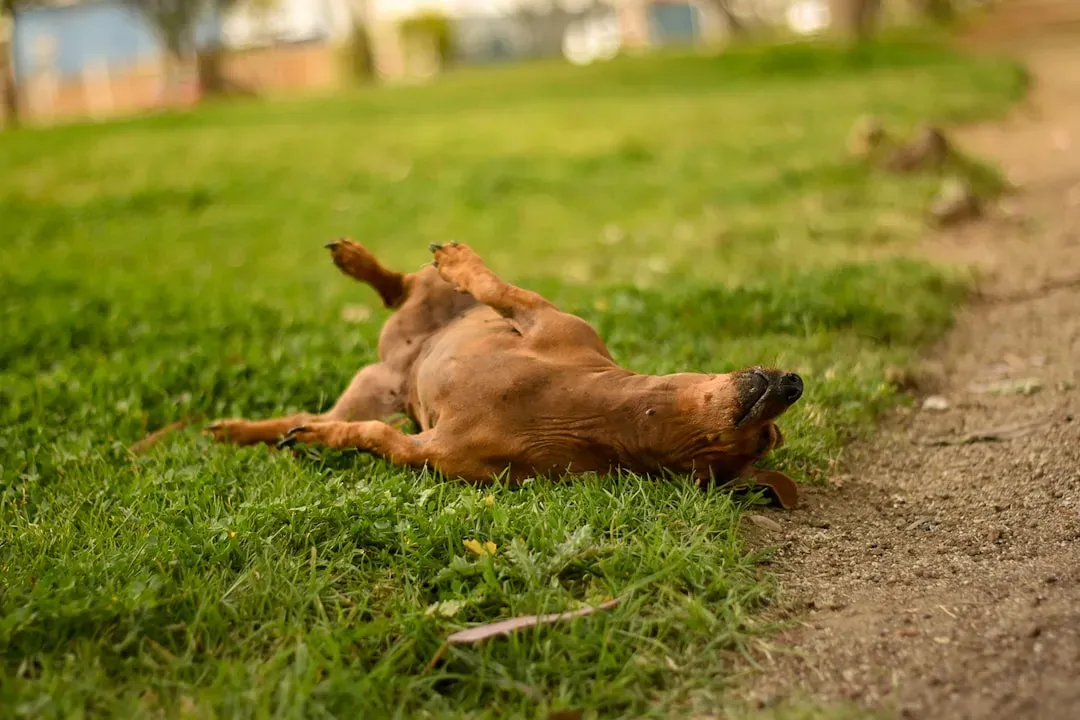
Belly exposure is a significant trust signal. When your dog rolls over to show their belly, they’re displaying the most vulnerable part of their body. This isn’t always a request for belly rubs, but it’s always a sign of trust and submission.
One of the most vulnerable parts of a dog’s body is the belly. When a dog feels comfortable enough to roll onto their back in your presence, they trust you enough to voluntarily roll into this exposing position. There’s a real tenderness in that gesture, even when it looks like a casual flop onto the floor.
#4 They Run to You When Scared, Not Away From You
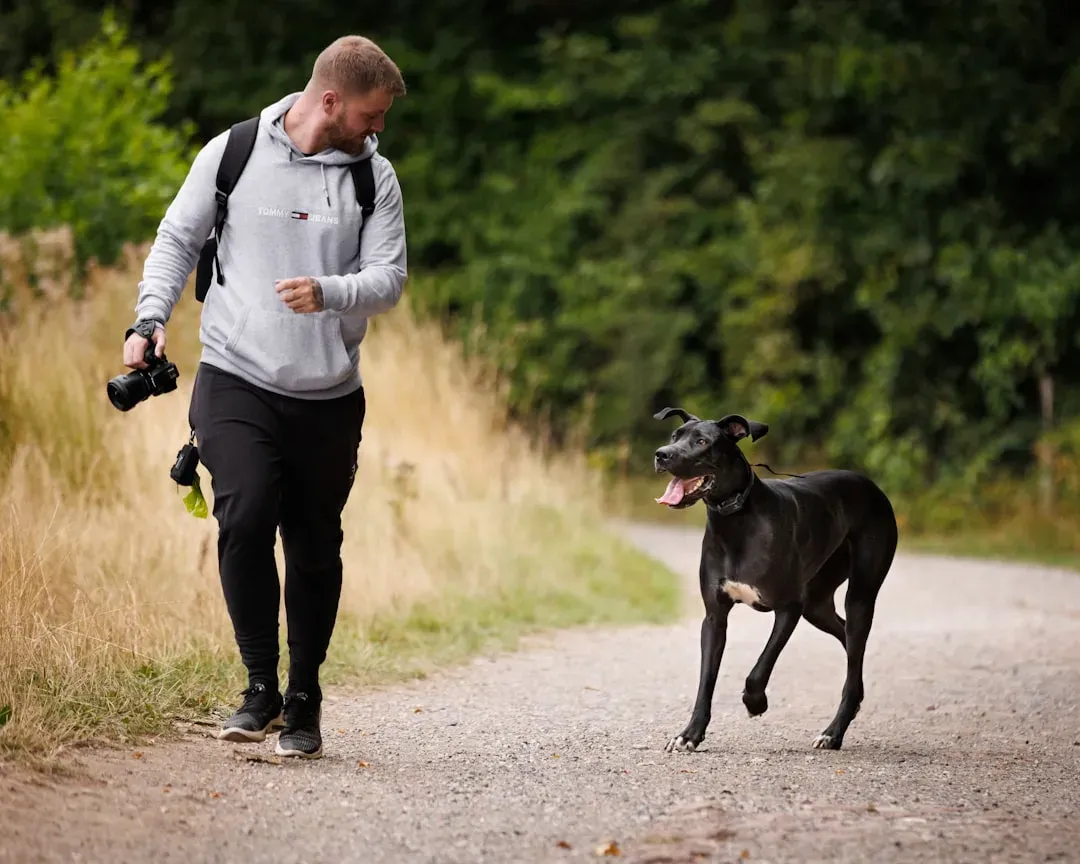
The best way to know if your dog feels safe and comfortable around you is if they rely on you to provide safety and comfort. When startled or upset, if they look to you and move toward you rather than retreating and seeking distance, that’s a pretty solid answer.
If they can relax around you during times of stress, it’s a significant sign that they trust you deeply. Your ability to provide comfort and safety for them in frightening situations reinforces their trust and strengthens your bond. A dog who sprints toward you during a thunderstorm has told you everything you need to know.
#5 They Check Your Face Before Reacting to Something New
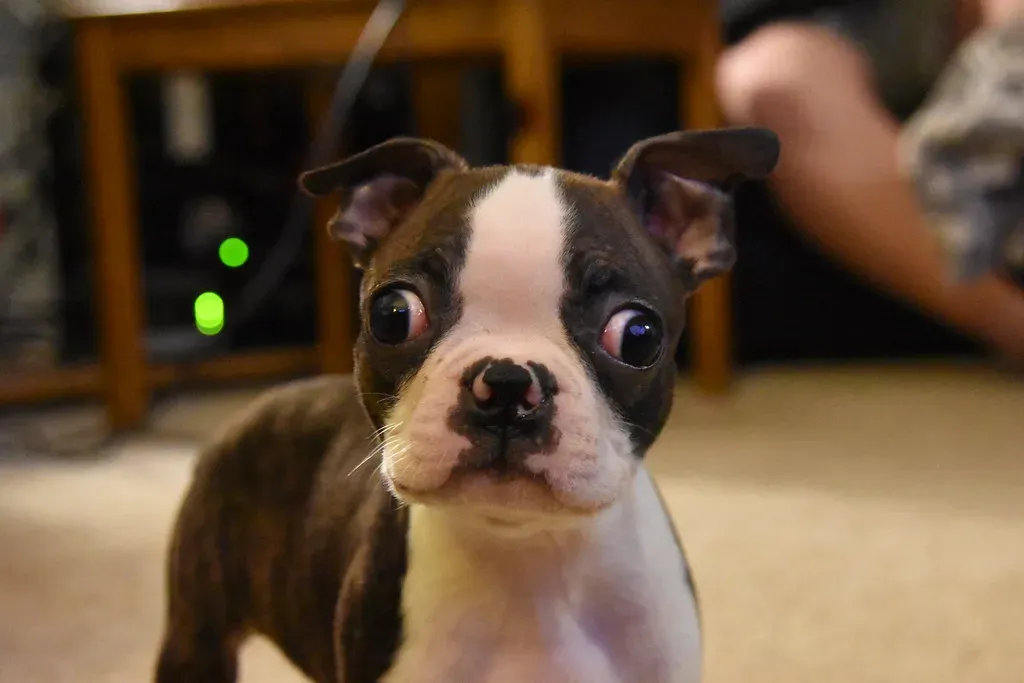
Like children, dogs learn to use emotional cues from their owners to guide their own behavior. When a dog finds itself in an unfamiliar situation, it will look to its owner for comfort and trust that they are there to provide moral support. This is particularly evident in new environments, where dogs look to humans to learn about their surroundings.
In new or potentially stressful situations, a trusting dog will look to their owner for cues about how to react. This “social referencing” behavior shows they value your judgment and rely on you for safety signals. Watch for that quick upward glance the next time something catches your dog off guard. It means you’re their anchor.
#6 Their Whole Body Gets Involved When They Greet You
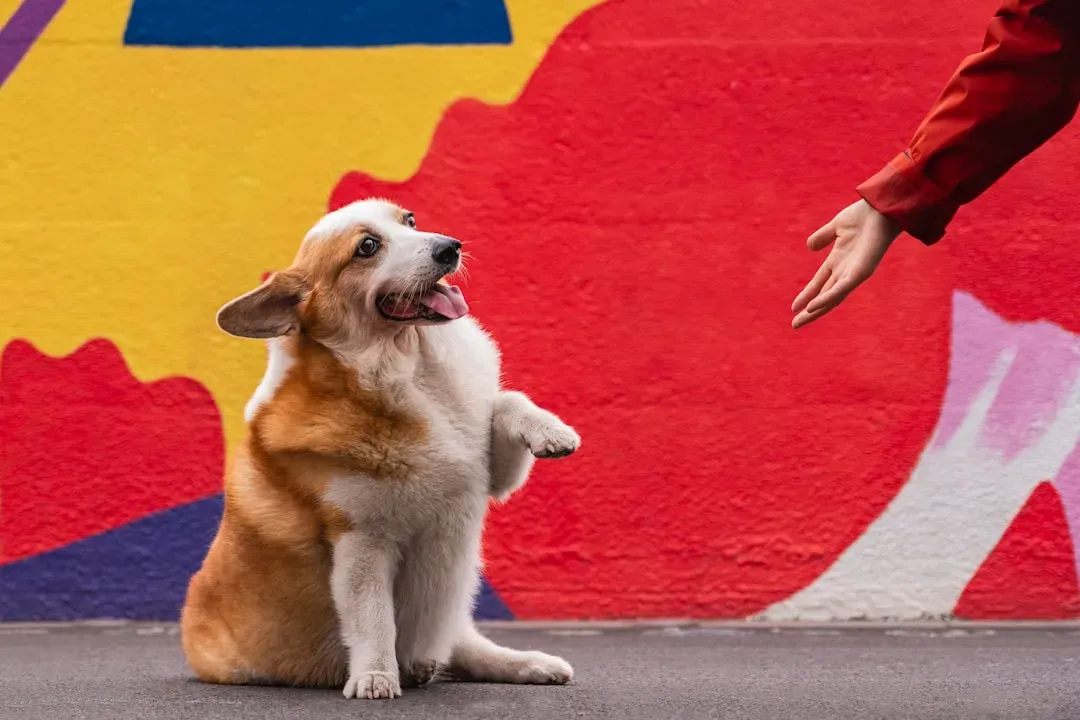
Watch your dog’s tail position and movement. A tail held at a natural height that wags in wide, sweeping motions shows contentment and trust. The famous “helicopter tail” or full-body wiggle when you come home proves your dog is genuinely happy to see you.
Whether you step away for five minutes or five hours, your dog’s enthusiastic greeting when you return is a tell-tale sign of their love and trust. Most dogs show this sign with joy-filled jumps or happy spins. The excitement isn’t performance. It’s relief, pure and simple.
#7 They Lean Their Weight Into You
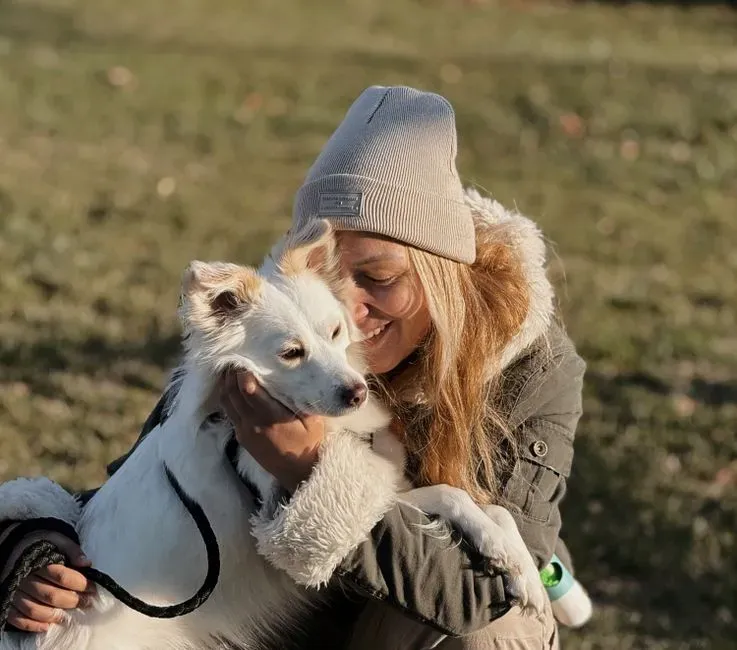
Leaning onto someone portrays comfort, reliance, and emotional trust. Dogs often lean towards reliable individuals for grounding and reassurance. It’s one of those understated gestures that’s easy to overlook, but carries real weight behind it.
If your dog leans their body weight against you or rests their head on your lap, it’s a sign of trust and attachment. They only do this with people they feel comfortable and secure around. Consider it a quiet way of saying: you’re the person I pick.
#8 They Follow You From Room to Room
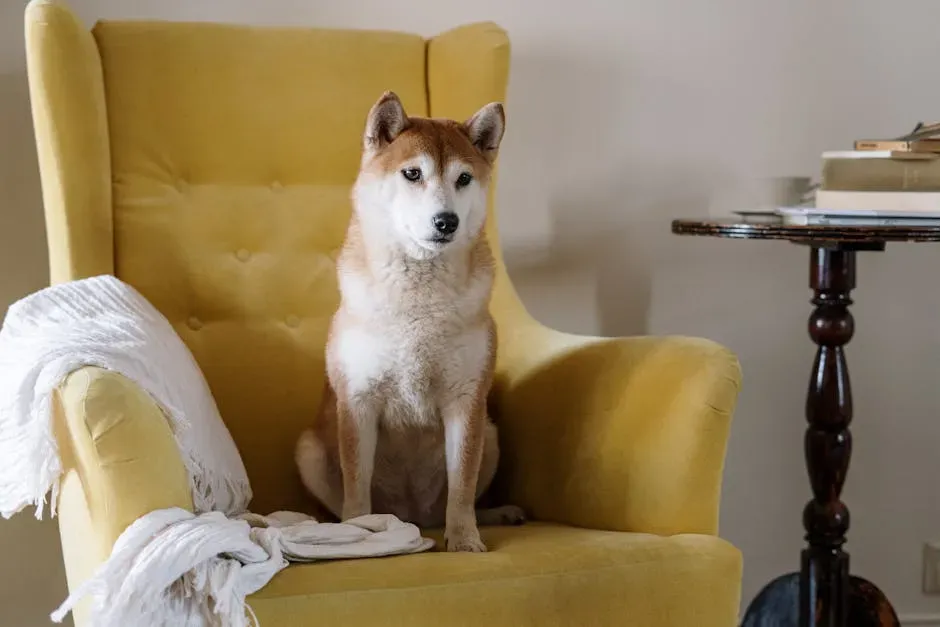
Dogs are pack animals, and in the wild, they follow their leader everywhere. When your dog follows you around the house, they’re not just looking for extra treats or attention. They’re treating you as their leader and showing that they trust your guidance. This behavior is based in trust and respect, not fear.
Dogs sometimes called “Velcro dogs” stick close to their favorite humans. There’s a difference, though, between a dog who trails you calmly and one who watches you anxiously. If your dog sticks to you with a cheerful attitude, that can be considered a strong affiliative behavior. To be sure which it is, always look at the full picture of body language.
#9 They Bring You Their Favorite Things
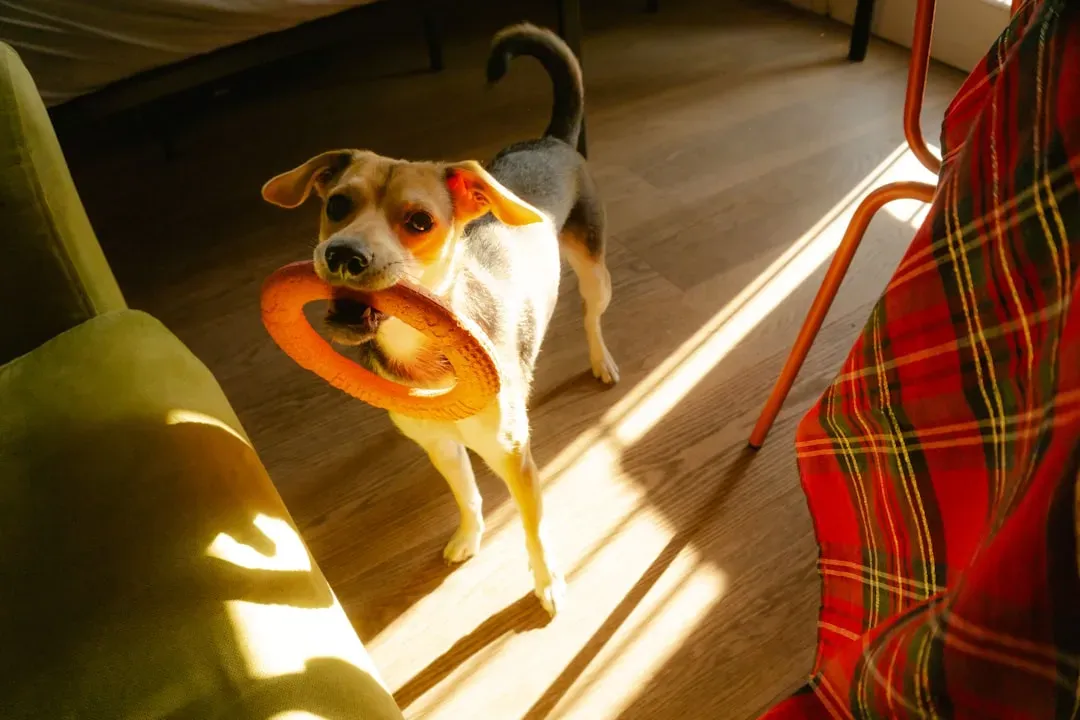
When your dog brings you their cherished item, like a favourite toy, they’re demonstrating that they value your presence and want to share something special. This shows they feel comfortable and emotionally open with you.
When your dog brings you their favorite toys or special items, they’re demonstrating both trust and a desire to share experiences with you. This behavior mirrors social bonding practices observed in wild canid populations. It’s a small act, but the instinct behind it runs very deep.
#10 They Stay Calm and Loose During Grooming or Care
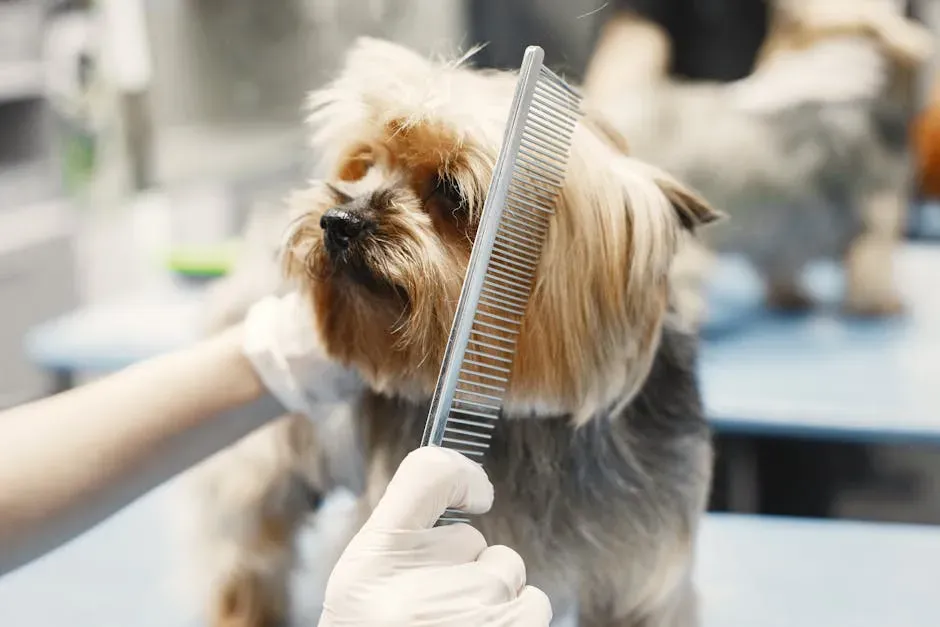
From teeth brushing to nail trimming, our pups require quite a few grooming and care tasks, and allowing us to perform them without a fuss is a clear indicator that your pup trusts you. Most of the handling required for care is awkward if not a little uncomfortable for dogs, so a dog who goes with the flow during unpleasant procedures shows how much they trust you.
Physical touch acceptance is another clear indicator. A trusting dog doesn’t pull away when you reach to pet them, remains calm during grooming or vet visits when you’re present, and may even seek out your touch for comfort during stress. Tolerating discomfort because they believe in you is a meaningful kind of faith.
#11 They Mirror Your Emotional State
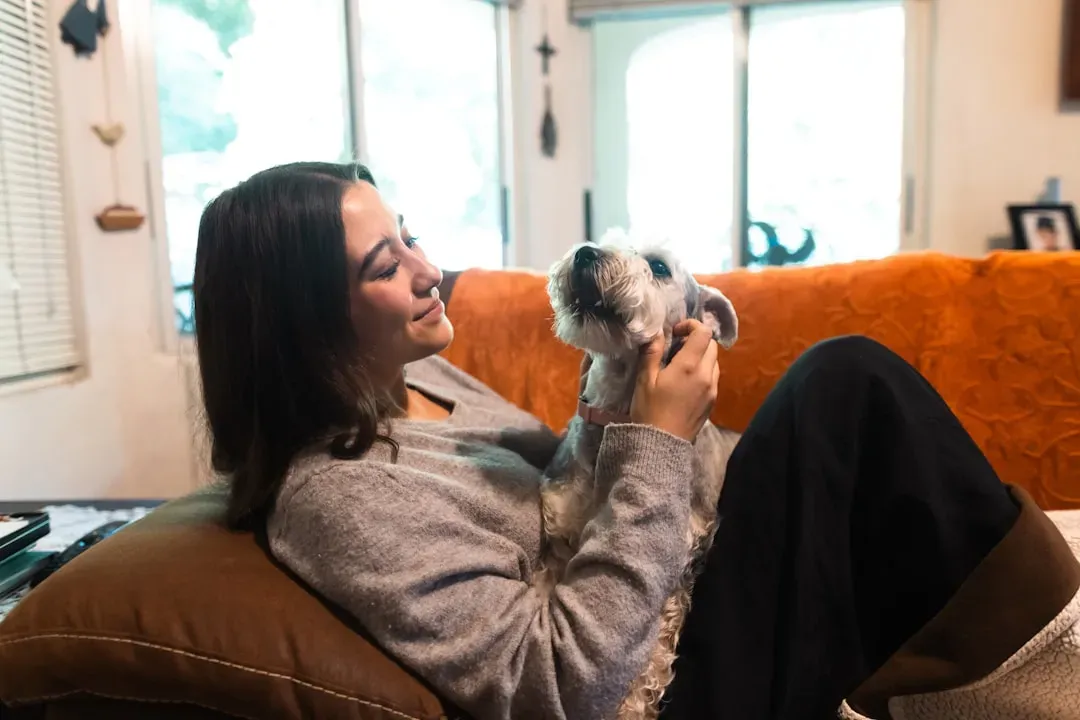
A study from Brigham Young University suggests that your dog can read your emotions and is less likely to trust you when you’re in a bad mood. Researchers tracked how dogs reacted when they saw humans point to a hidden reward, and when dogs saw negative behaviors including frowning and a harsh voice, they were less willing to search for the treat.
A dog that mirrors your calm, that settles when you settle, that checks your face before deciding how to react to something unfamiliar, is a dog deeply attuned to you. This attunement is only possible in a relationship of trust. Pay attention to how your dog acts when you’re relaxed versus stressed. Their behavior is a mirror of the safety you provide.
#12 They Yawn When You Yawn
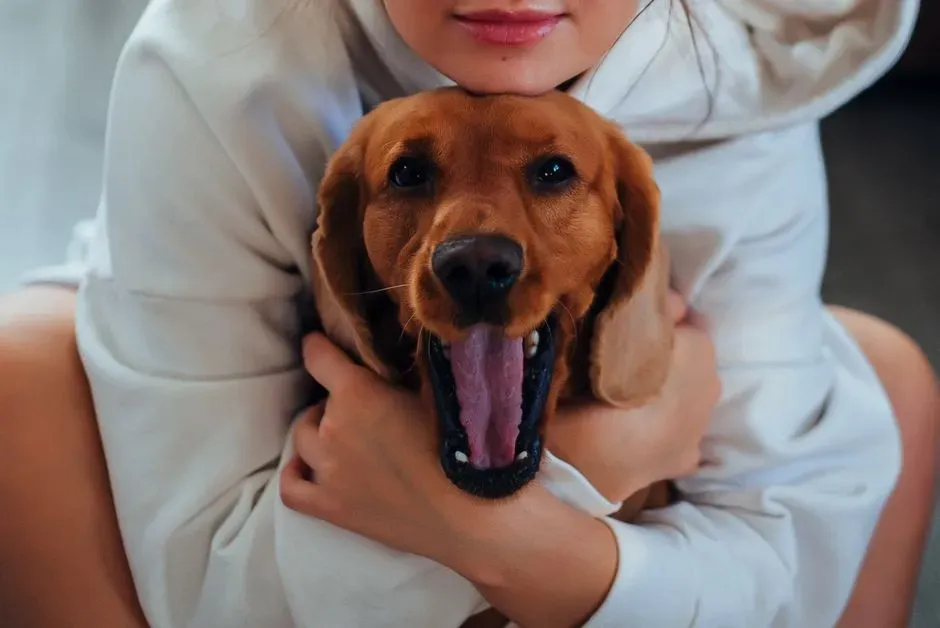
If your dog yawns right after you do, especially outside of sleepy times, this is a form of canine empathy. Studies show that dogs will “mirror” their owners’ yawns as a sign of loyalty and emotional link, demonstrating social bond strength.
It sounds almost too subtle to matter, but it actually reflects something quite layered. Dogs are remarkable in their ability to perceive human emotions visually and auditorily. They read facial expressions, tone of voice, and body language to understand your feelings and adjust their behavior accordingly. The yawn is just one small thread in that larger tapestry.
#13 They Initiate Physical Contact on Their Own Terms
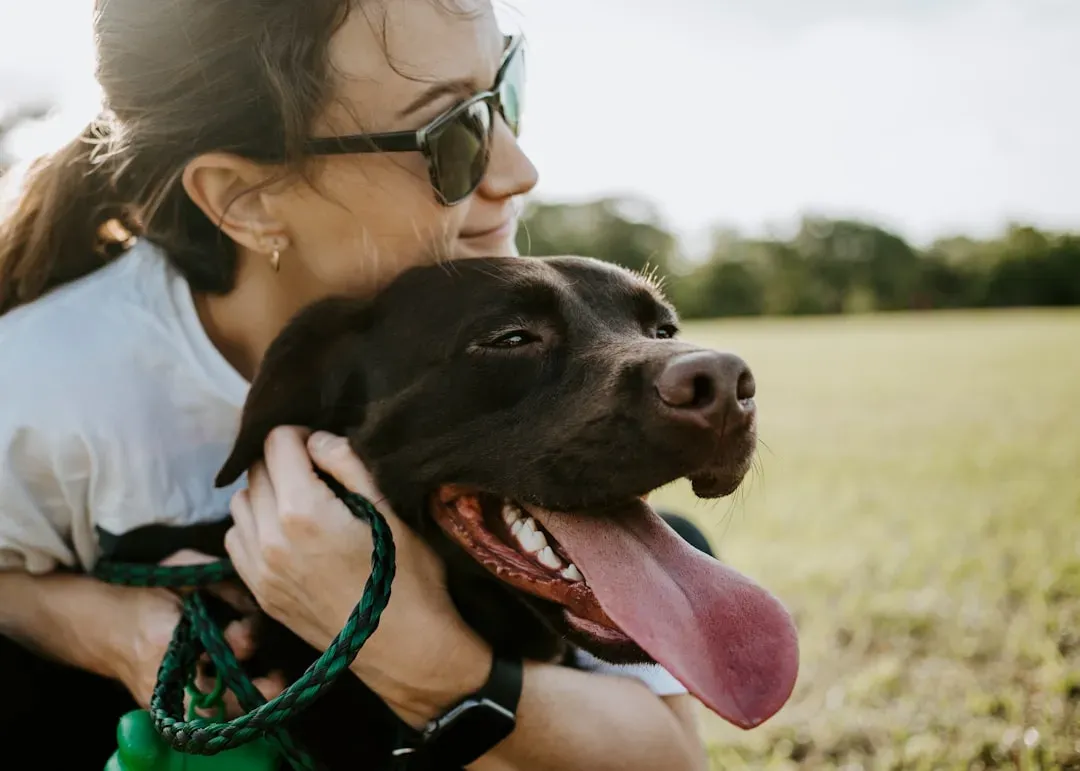
From gentle nudges to hopping onto your lap for a snuggle, dogs initiate physical touch as a form of bonding. This means they trust you enough to seek closeness. The key word here is “initiate.” A dog who chooses to come to you is different from one who simply tolerates being held.
Dogs often show their love through physical affection, especially cuddling. When it’s your dog’s idea, when they walk over unprompted and press against you, it carries a different quality entirely. The clearest sign of complete trust is when your dog maintains calm confidence in your presence, even during challenging moments. They don’t question your intentions; they follow your lead naturally and seek your company by choice rather than obligation.
#14 They Recover Quickly After a Surprise or Scare
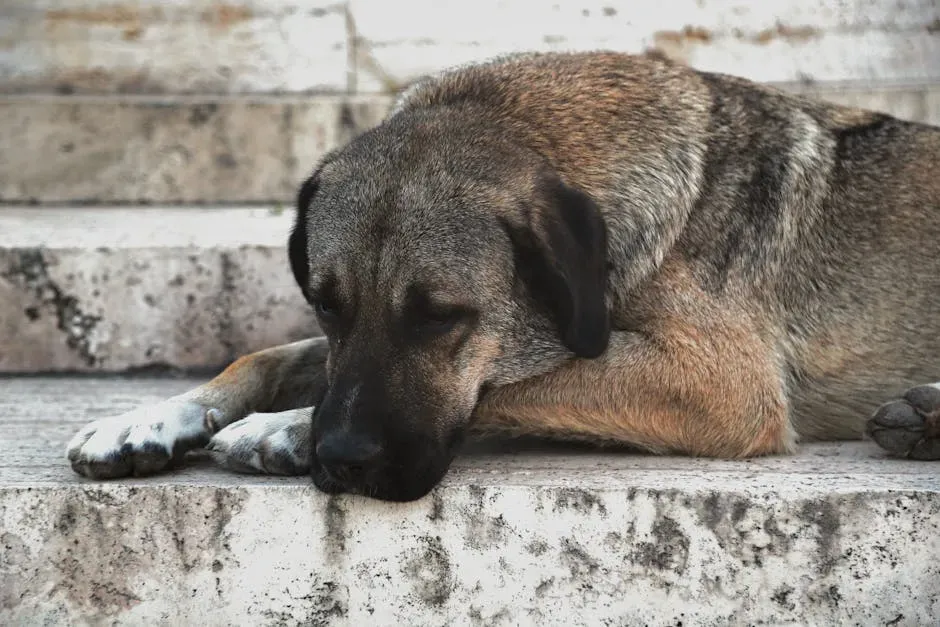
Trust also impacts your dog’s overall wellbeing. Dogs who trust their owners show lower stress levels, adapt better to changes, and recover faster from scary experiences. So if your dog startles at a loud noise but settles again within seconds of looking at you, that rapid recovery is its own kind of signal.
A dog with complete trust seeks your presence voluntarily, remains calm during handling or stressful situations, responds reliably to your commands, and shows relaxed body language around you. They look to you for guidance in new situations and recover quickly from accidents or mistakes. That resilience isn’t accidental. It’s the direct result of every calm, consistent interaction you’ve had with them.
Conclusion: Trust Is Built in the Quiet Moments
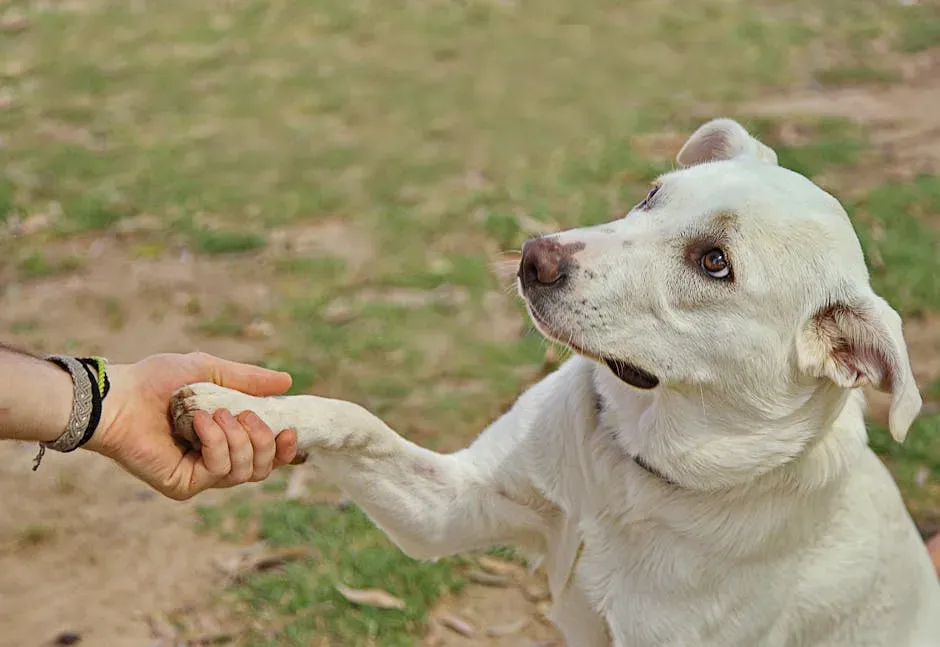
Trust develops silently through routine care, consistent behavior, and gentle communication. It isn’t earned in any single dramatic moment. It accumulates across hundreds of walks, quiet evenings, and small acts of patience that your dog quietly registers and stores.
Dogs show trust differently based on their personality and past experiences. A shy rescue dog’s trust looks different from a confident puppy’s trust, but both are equally valid and meaningful. So don’t compare your dog to others. Look at what your own dog is doing, and you’ll likely find the answer you were looking for.
Building trust is an ongoing, daily process, not a one-time achievement. The signs covered here aren’t benchmarks to check off a list. They’re a living conversation between you and your dog, one that keeps deepening as long as you keep showing up for it. That, perhaps more than anything, is what your dog has been trying to tell you all along.

- 12 Surprising Facts About Reindeer - July 30, 2026
- 10 Common Bird Feeder Mistakes That Could Harm Your Backyard Visitors - July 30, 2026
- How Beavers Are Naturally Restoring Wetlands and Preventing Flooding - July 30, 2026