
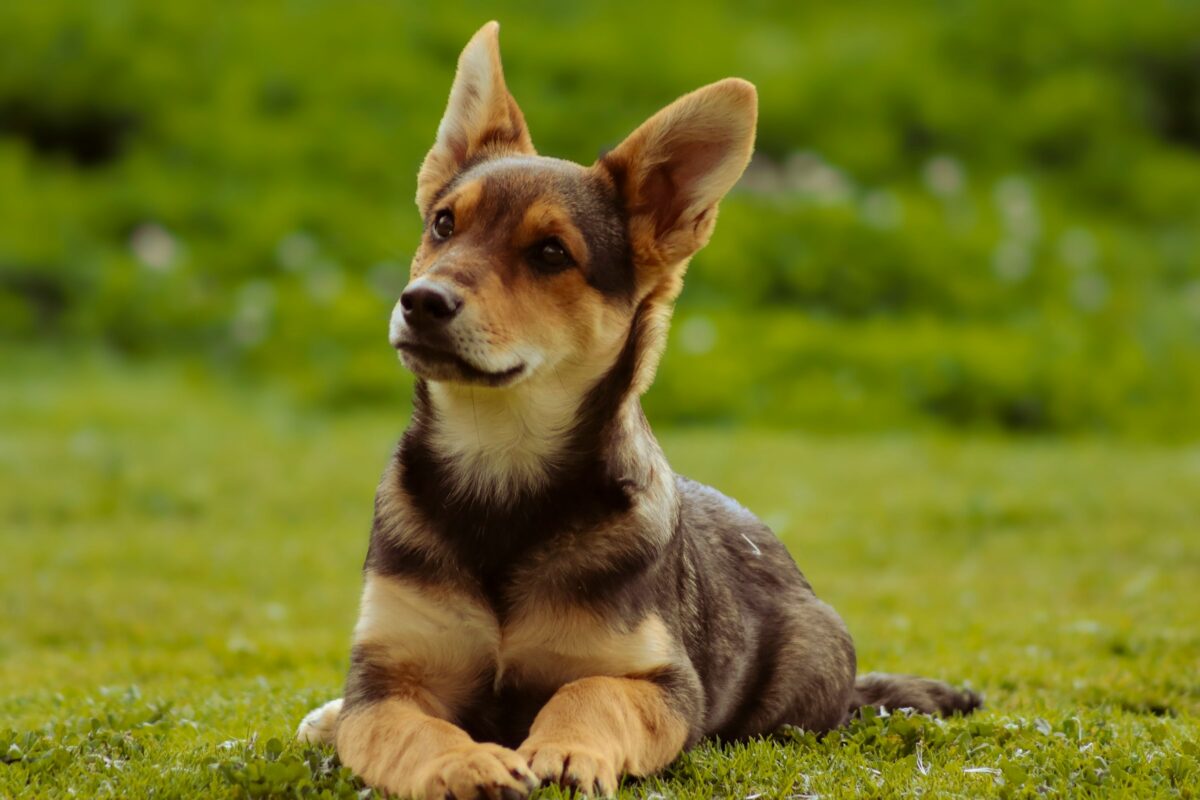
You spent forty bucks on a meditation app that keeps nagging you to “just breathe,” while the dog snoring on your couch never needed a single lesson. He’s not doing hard math on yesterday’s mistakes or tomorrow’s vet bill. He’s just… here. Fully, embarrassingly, joyfully here.
Most people write this off as “dogs are just simple.” That’s not quite right, and once you see the pattern, you can’t unsee it. Somewhere along the way, your dog quietly became better at being present than you are – and the proof is hiding in behaviors you’ve probably dismissed as cute background noise.
#1 – They Drop Grudges in Seconds Flat

🔥 Would you like to save this?
We'll email this post to you, so you can come back to it later!
You step on his tail by accident, brace yourself for the cold shoulder, and instead get a tail wag before you’ve even said sorry. There’s no silent treatment, no side-eye across the kitchen. The moment passes, and so does the memory of it, almost instantly.
His brain simply isn’t built for the kind of slow-simmer resentment humans specialize in. Meanwhile you’re still replaying that comment your coworker made three Tuesdays ago. He’s already moved on to scouting your hand for a belly rub.
#2 – Walks Are Never “Just Exercise” to Them
🔥 Would you like to save this?
We'll email this post to you, so you can come back to it later!
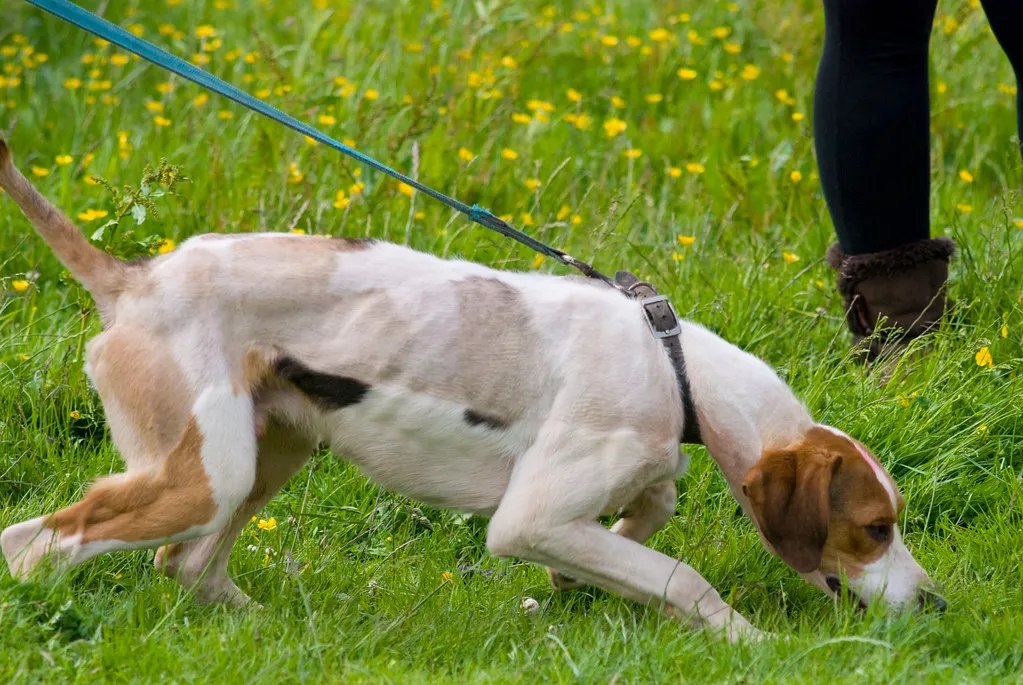
You’re counting steps, checking your watch, mentally rehearsing what you’ll say in tomorrow’s meeting. Your dog is doing none of that. Every cracked sidewalk square, every fire hydrant, every trace of the neighbor’s cat is a full news bulletin worth stopping for.
What looks like distraction is actually total absorption. A five-minute loop around the block becomes an entire sensory event, the way a sommelier can spend ten minutes on a single sip of wine. You treat the walk as a chore to check off; he treats it as the main event of his day.
Fast Facts
- Dogs have up to roughly 300 million scent receptors, compared to about 6 million in humans.
- Their sense of smell is estimated to be tens of thousands of times more sensitive than ours.
- A dog’s nose print is unique to that individual, much like a human fingerprint.
- That’s why a “boring” block can read like a full sensory documentary to them.
#3 – They Nap Without Guilt or Planning
🔥 Would you like to save this?
We'll email this post to you, so you can come back to it later!
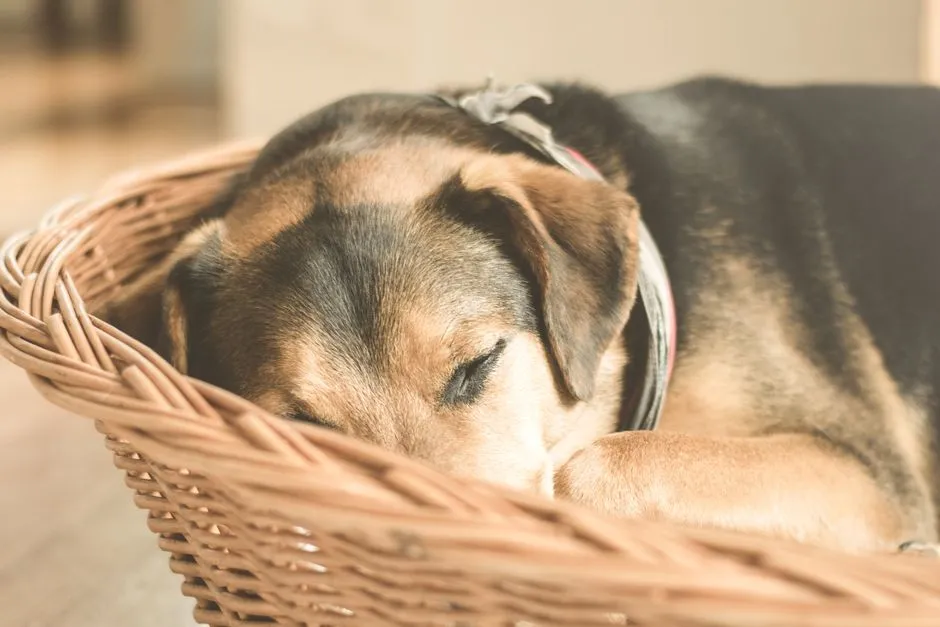
No calendar check. No “I really shouldn’t, I have things to do.” Your dog just drops, mid-afternoon, into deep, unbothered sleep, sprawled across whatever patch of floor feels right in that moment.
There’s no productivity guilt eating at the edges of his rest, which is probably why he bounces back from a nap faster than you do after a full night’s sleep interrupted by 2 a.m. worry spirals. You schedule recovery like it’s a task. He just takes it, no permission required.
#4 – Future Worries Simply Don’t Exist for Them
🔥 Would you like to save this?
We'll email this post to you, so you can come back to it later!
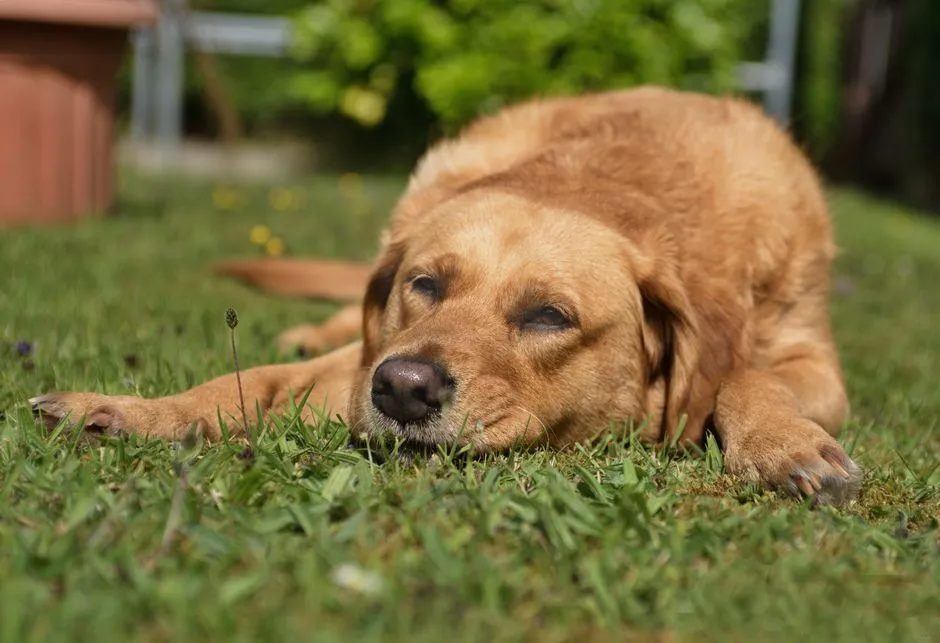
Your dog has no idea the vet appointment next month might involve a needle. He’s not lying awake wondering if you’re going to move, change his food, or leave for a trip. He reacts to what’s happening right now and nothing else.
That absence of anticipatory dread keeps his baseline calm steadier than most humans manage even with therapy and apps. While you’re doom-scrolling worst-case scenarios at midnight, he’s just assuming tomorrow will be as good as today – because why wouldn’t it be?
#5 – Simple Toys Hold Their Full Attention
🔥 Would you like to save this?
We'll email this post to you, so you can come back to it later!
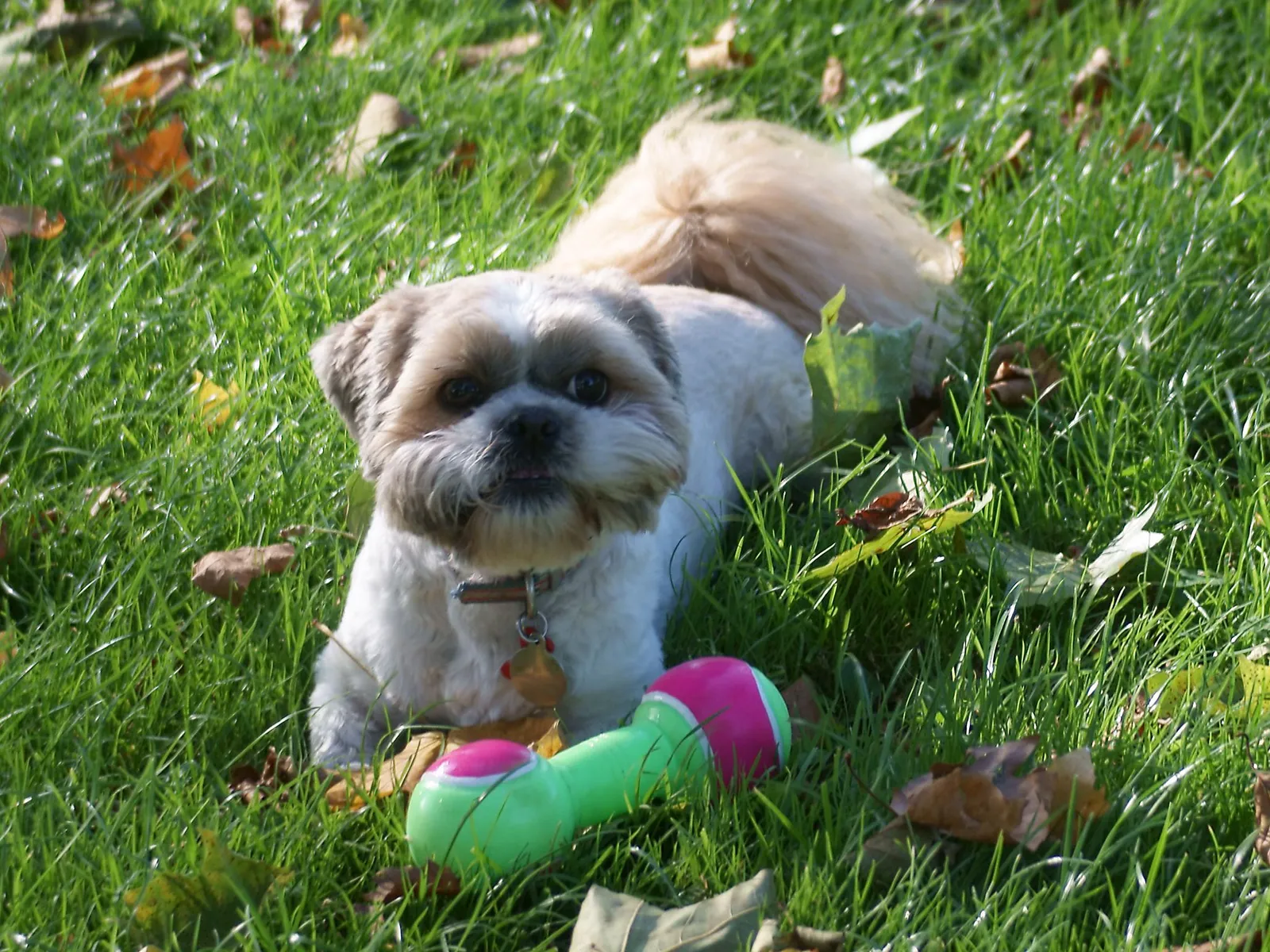
A squeaky ball. An old, slightly gross sock. Twenty straight minutes of total focus, no upgrade needed, no comparison to the neighbor’s dog with the fancier toy box. The joy isn’t in the object – it’s in the interaction itself.
Most adults can’t sit with one task for twenty uninterrupted minutes without their brain drifting to unread emails. Your dog does it with a piece of rubber shaped like a chicken, and he’s not bored for a second.
#6 – They Forgive You Instantly After a Scolding
🔥 Would you like to save this?
We'll email this post to you, so you can come back to it later!
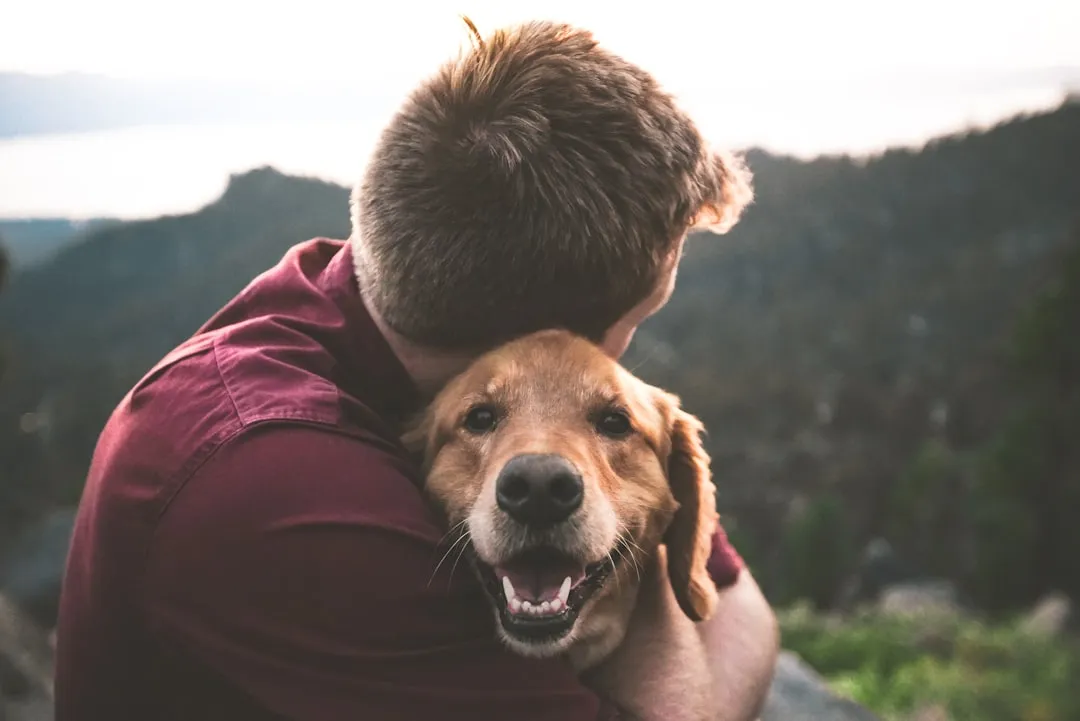
You say a sharp “no,” feel a flash of guilt, and brace for a sulky dog. Instead, within minutes he’s leaning into your leg again like nothing happened. The correction doesn’t rewrite how he sees you or the whole day.
That emotional elasticity is doing real work – it protects the bond instead of letting one bad moment spiral into hours of tension. You can replay an argument for an entire afternoon. He decided the moment was over the second it ended.
#7 – Bad Weather Never Ruins Their Mood
🔥 Would you like to save this?
We'll email this post to you, so you can come back to it later!
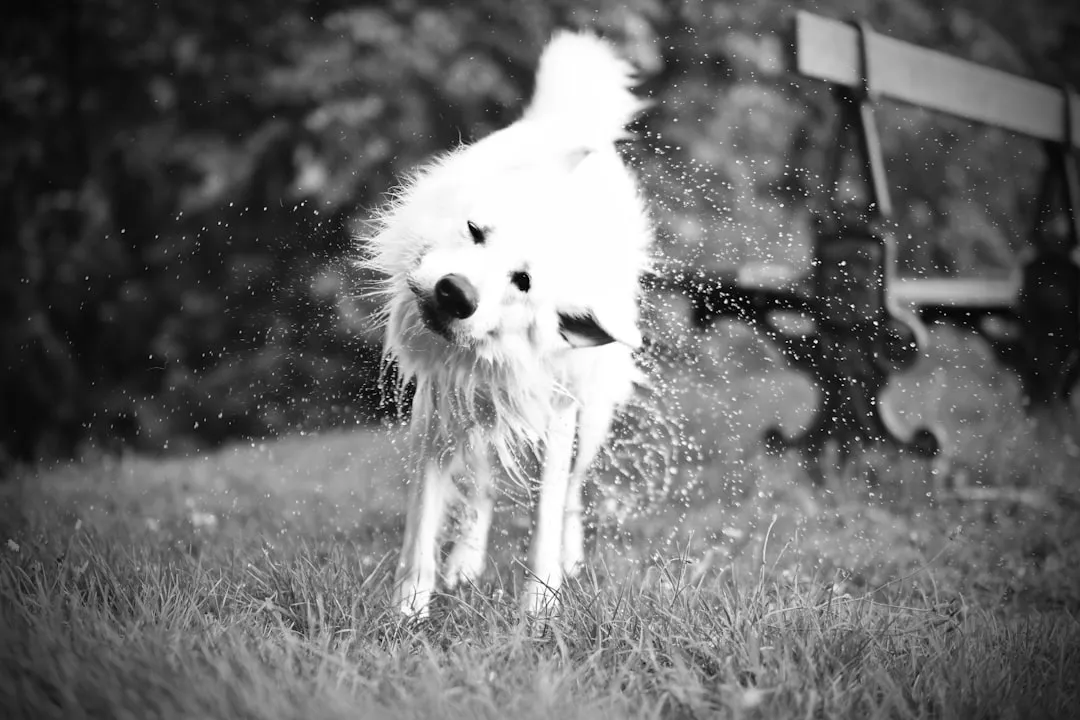
Rain, wind, a random cold snap – none of it cancels your dog’s enthusiasm for the backyard. There’s no huffing about the forecast, no scrolling through weather apps to decide if today is “worth it.”
Every puddle becomes part of the fun instead of an obstacle to complain about. Owners often project their own weather-related grumpiness onto their dog, but the dog never asked for that. He’s already three feet deep in a mud patch, having the time of his life.
Worth Knowing
- A dog’s normal body temperature runs around 101 to 102.5°F, noticeably warmer than a human’s 98.6°F baseline.
- Breeds with dense double coats, like huskies and malamutes, were literally developed for sub-zero climates.
- Wet fur and mud don’t carry the same “ruin my day” weight for a dog that they do for us.
- For most dogs, weather is just texture – not a mood-setting event.
#8 – Mealtimes Are Treated Like Celebrations, Not Fuel Stops
🔥 Would you like to save this?
We'll email this post to you, so you can come back to it later!
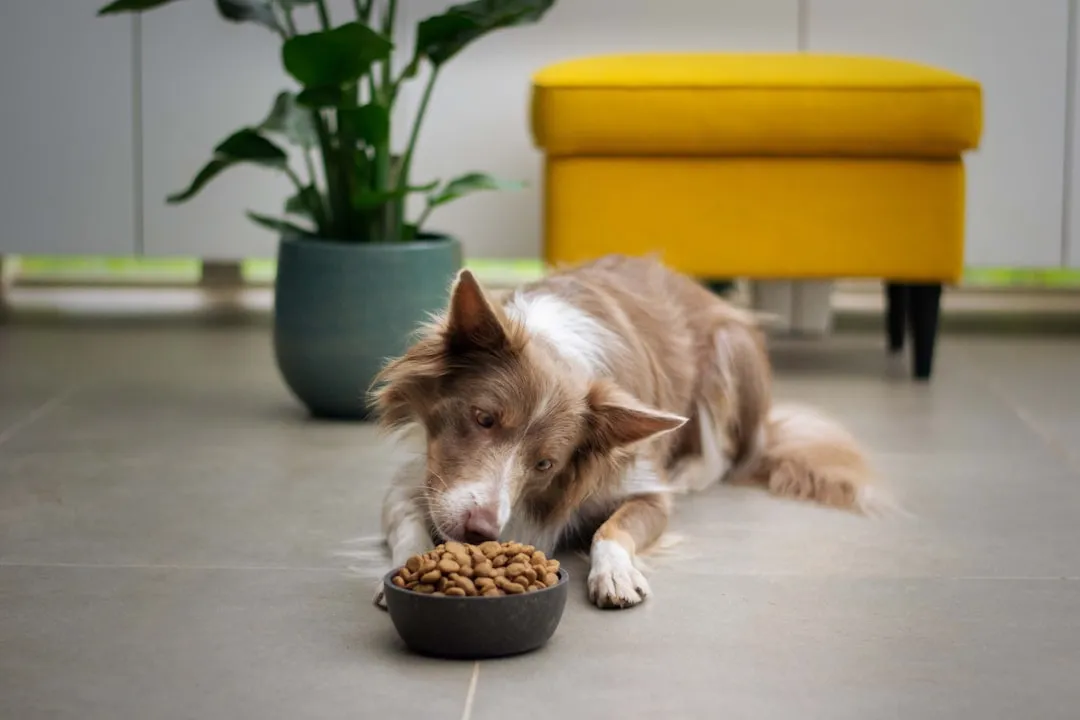
Every bowl gets approached like it’s the first meal he’s ever seen and the best one yet. No calorie math, no “should I really eat this,” no eating standing over the sink while scrolling a phone.
That complete presence during something as ordinary as dinner is a small, honest reminder of how distracted human meals have become. He’s not multitasking through his food. He’s just enjoying it, fully, every single time.
#9 – They Notice the Tiny Shifts You Miss in Yourself
🔥 Would you like to save this?
We'll email this post to you, so you can come back to it later!
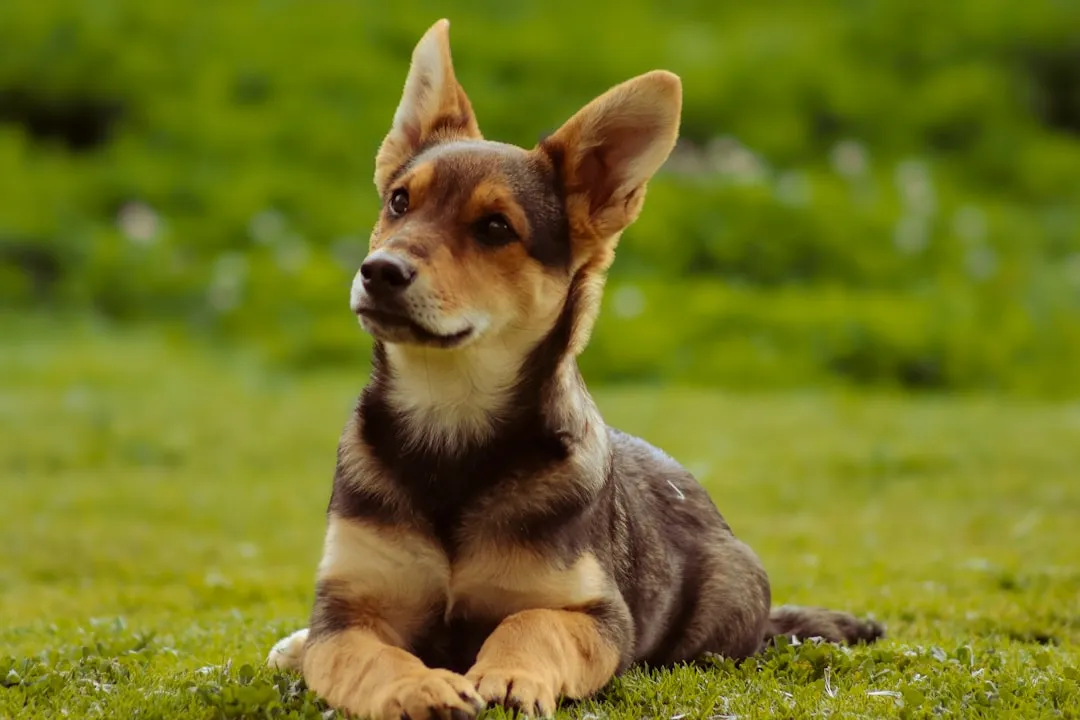
A slight change in your tone of voice. A different way you’re standing by the door. Your dog catches it instantly, ears perking before you’ve even said a word, because he’s tuned so tightly into the present that small cues register as major events.
That hyper-awareness keeps him safe and connected to you without any of the mental clutter humans carry – no constant self-monitoring, no second-guessing what a look meant. He just notices, reacts, and moves on.
#10 – Play Never Needs an Audience
🔥 Would you like to save this?
We'll email this post to you, so you can come back to it later!
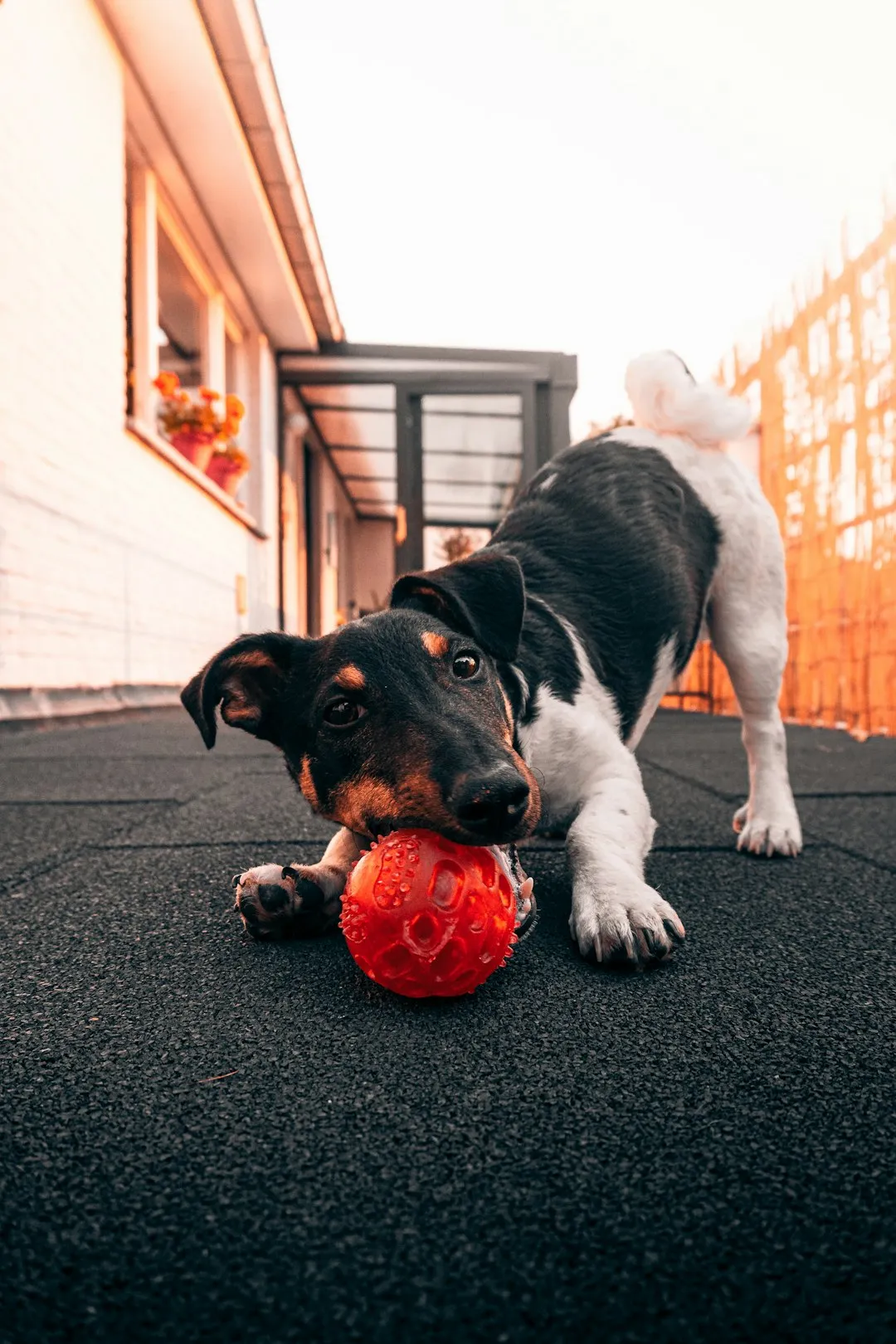
Your dog will chase his own tail in an empty room or wrestle a toy alone on the living room floor, completely unbothered that no one’s watching. There’s no performance happening, no need for anyone to validate that it was fun.
The act itself is the reward. Compare that to how often humans need a photo, a post, or someone else’s reaction to feel like an experience actually counted. Your dog skipped that step entirely.
#11 – They Reset Completely After Every Interaction
🔥 Would you like to save this?
We'll email this post to you, so you can come back to it later!
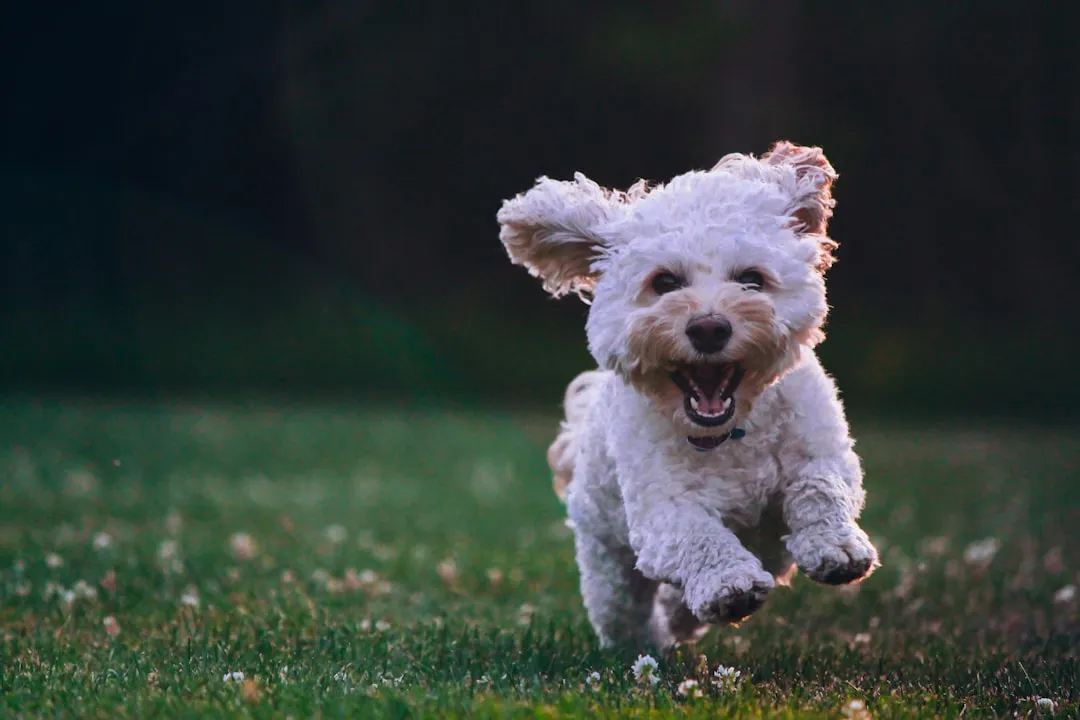
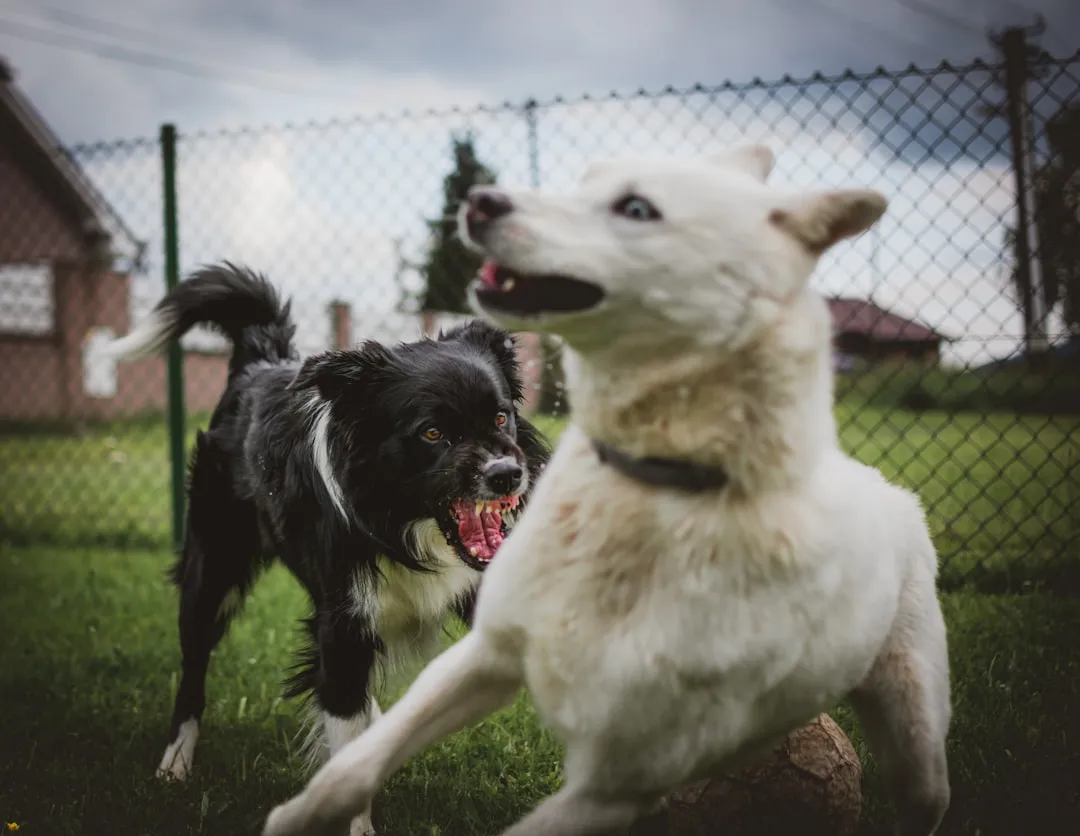
Whether it’s a happy greeting or a brief scuffle with another dog at the park, your dog returns to neutral fast. No lingering awkwardness follows him into the next five minutes, let alone the next encounter.
That clean-slate approach keeps his social world basically friction-free, compared with the grudges humans nurse for years over things that happened at a family dinner in 2019. He simply doesn’t carry it forward.
Why It Stands Out
- Dogs rely on body-language cues, like a play bow or a quick look-away, to defuse tension in real time.
- Once a signal is sent and received, the social “file” closes almost immediately.
- There’s no post-conflict replay loop keeping the tension alive.
- The next interaction genuinely starts from zero, not from leftover friction.
#12 – Sunbeams and Warm Spots Become Sacred Ground
🔥 Would you like to save this?
We'll email this post to you, so you can come back to it later!
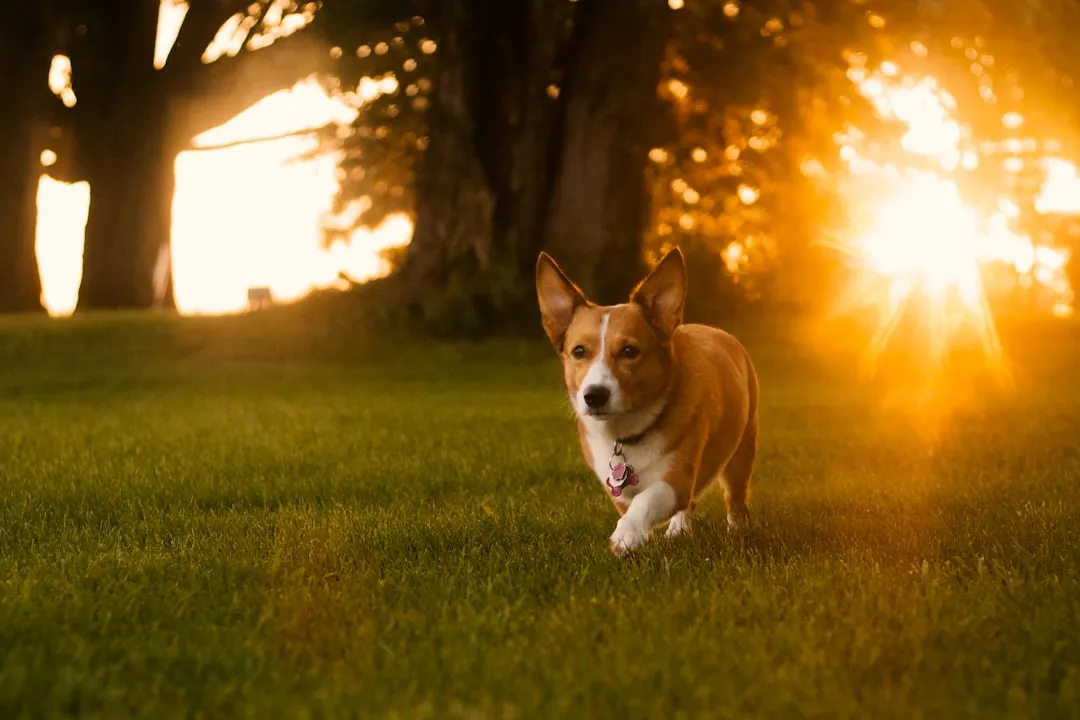
A single patch of afternoon sunlight on the carpet can hold your dog’s attention for hours. He’ll stretch out in it, eyes half-closed, completely still, with zero guilt about “doing nothing.”
There’s no internal voice telling him he should be productive right now. The warmth itself is the whole event – pure sensory bliss, no justification required, no achievement attached to it.
#13 – They Live Completely Free of “What If” Loops
🔥 Would you like to save this?
We'll email this post to you, so you can come back to it later!
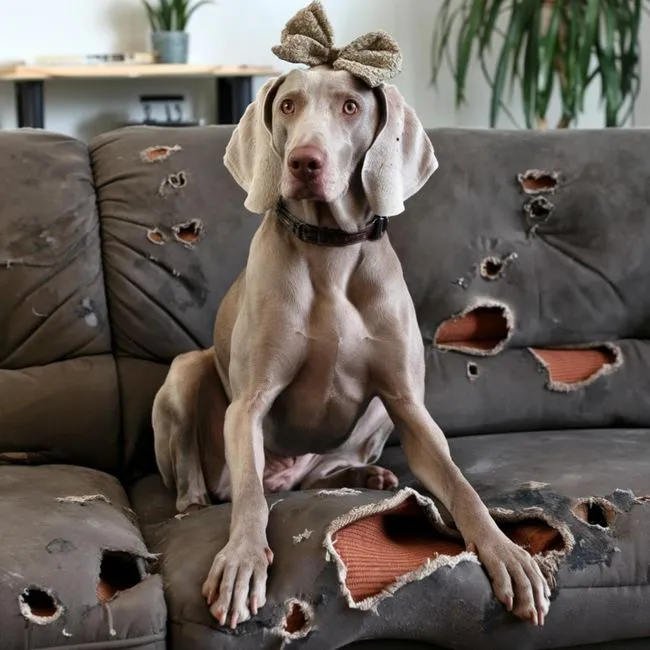
Your dog doesn’t replay decisions. He’s not lying by the door thinking, “maybe I should have barked at the mailman differently.” A choice happens in real time, and then it’s simply gone.
That freedom from counterfactual thinking spares him the low-grade anxiety tax that humans pay every single day, rehashing choices that can’t be changed anymore. He just moves forward.
#14 – Every Greeting Feels Like the First Time
🔥 Would you like to save this?
We'll email this post to you, so you can come back to it later!
You could be gone for five minutes or five hours – the reaction is basically the same. Full-body wiggles, maybe a happy bark, the kind of joy that looks almost excessive for someone who just went to grab the mail.
Most owners chalk this up to “cute but basic” dog behavior. It’s actually the clearest evidence on this whole list: the reunion never gets old, because your dog isn’t comparing it to yesterday’s reunion or worrying about tomorrow’s. It’s brand new every single time, because he’s not carrying the past into it at all.
The Bottom Line

🔥 Would you like to save this?
We'll email this post to you, so you can come back to it later!
Your dog isn’t less intelligent for living moment to moment – he’s operating with a kind of clarity most adults spent years, and probably some money, trying to get back. Every one of these 14 signs points to the same thing: presence isn’t a trick he’s missing, it’s a skill he never lost.
At a Glance
- No grudges, no resentment loops – conflicts end when the moment ends.
- Full sensory presence, whether it’s a walk, a meal, or a sunbeam.
- Zero guilt around rest, play, or simply doing nothing.
- No anticipatory dread about tomorrow, and no rehashing of yesterday.
The real surprise isn’t that dogs live in the now. It’s how many of these small, ordinary behaviors we’ve been dismissing as “just a dog thing,” when they’re actually the exact mindset humans keep chasing in books, apps, and Sunday retreats. Maybe the smartest move isn’t teaching your dog anything new – it’s paying attention to what he’s already been trying to show you.

- 7 Everyday Habits That Can Make Your Senior Dog Happier - November 5, 2026
- 10 Enigmatic Structures That Continue to Puzzle Scientists Today - November 5, 2026
- 10 Strange Ruins in the Americas That Challenge What We Know About Early History - November 5, 2026