
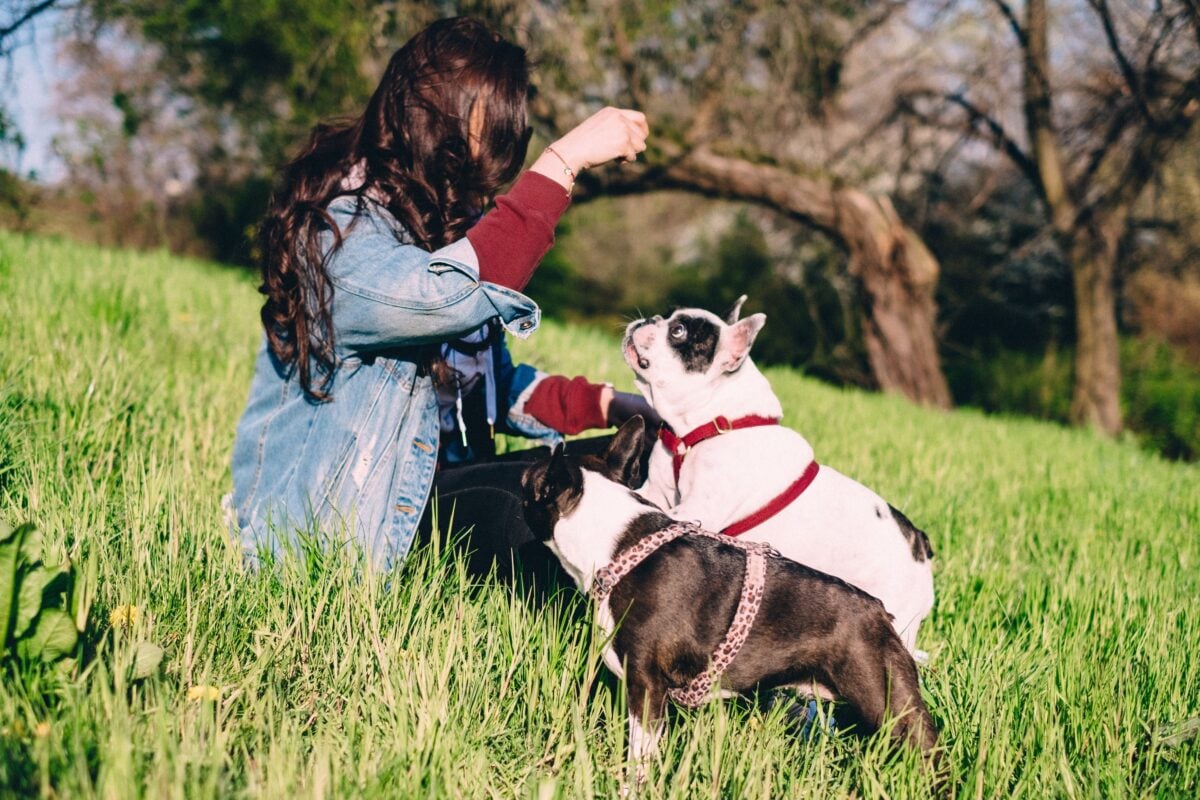
Ask any dog owner if they’d remember the small stuff – the exact week the gray hairs showed up around the muzzle, the first time their puppy flinched at thunder – and almost everyone says yes, of course. They’re almost always wrong.
Dogs tend to whisper before they shout. By the time you notice something is different, you’ve usually already forgotten when it actually started. Here are the 14 quiet moments and shifts that vets, and plenty of heartbroken owners, wish had been written down before the memory blurred.
14. The First Time They Hesitated on the Stairs
🔥 Would you like to save this?
We'll email this post to you, so you can come back to it later!
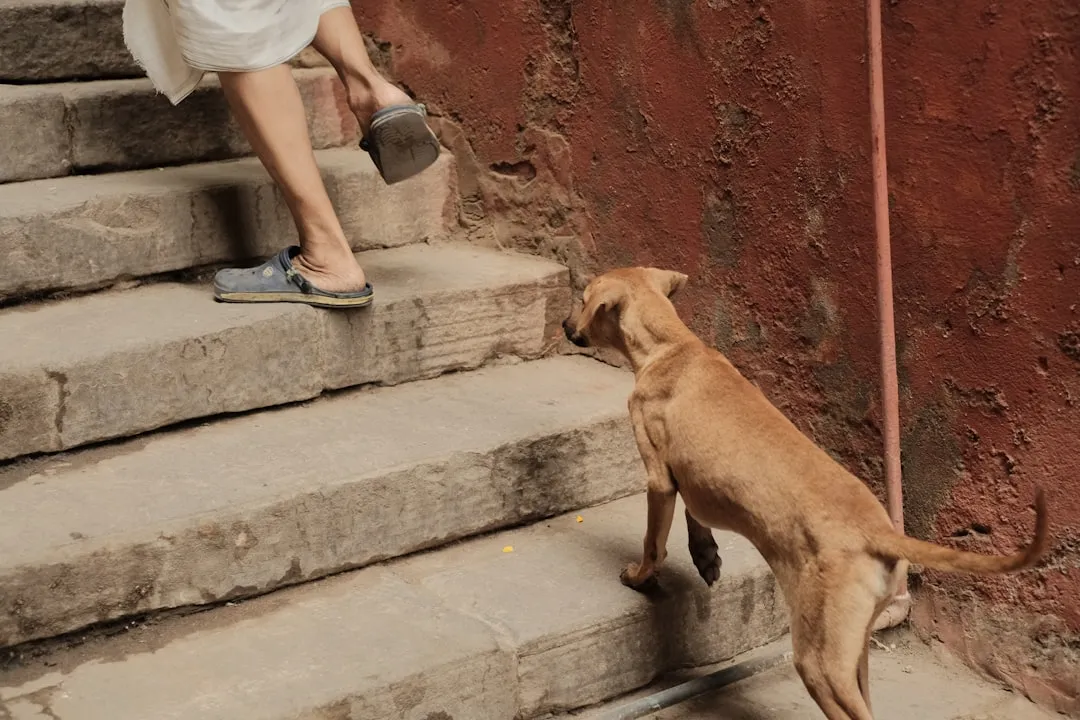
It’s rarely dramatic. One day your dog just pauses at the bottom step, or takes a beat longer to push themselves up from a nap. Most owners chalk it up to a tired afternoon and move on without a second thought.
That hesitation is often the earliest whisper of joint pain or arthritis, and the exact date it started matters more than you’d think. Cognitive fog, confusion, or a shifted sleep schedule can show up around the same time, and telling your vet “it’s been happening for months” is far less useful than telling them the week it began.
13. The Week the Scale Started Moving
🔥 Would you like to save this?
We'll email this post to you, so you can come back to it later!
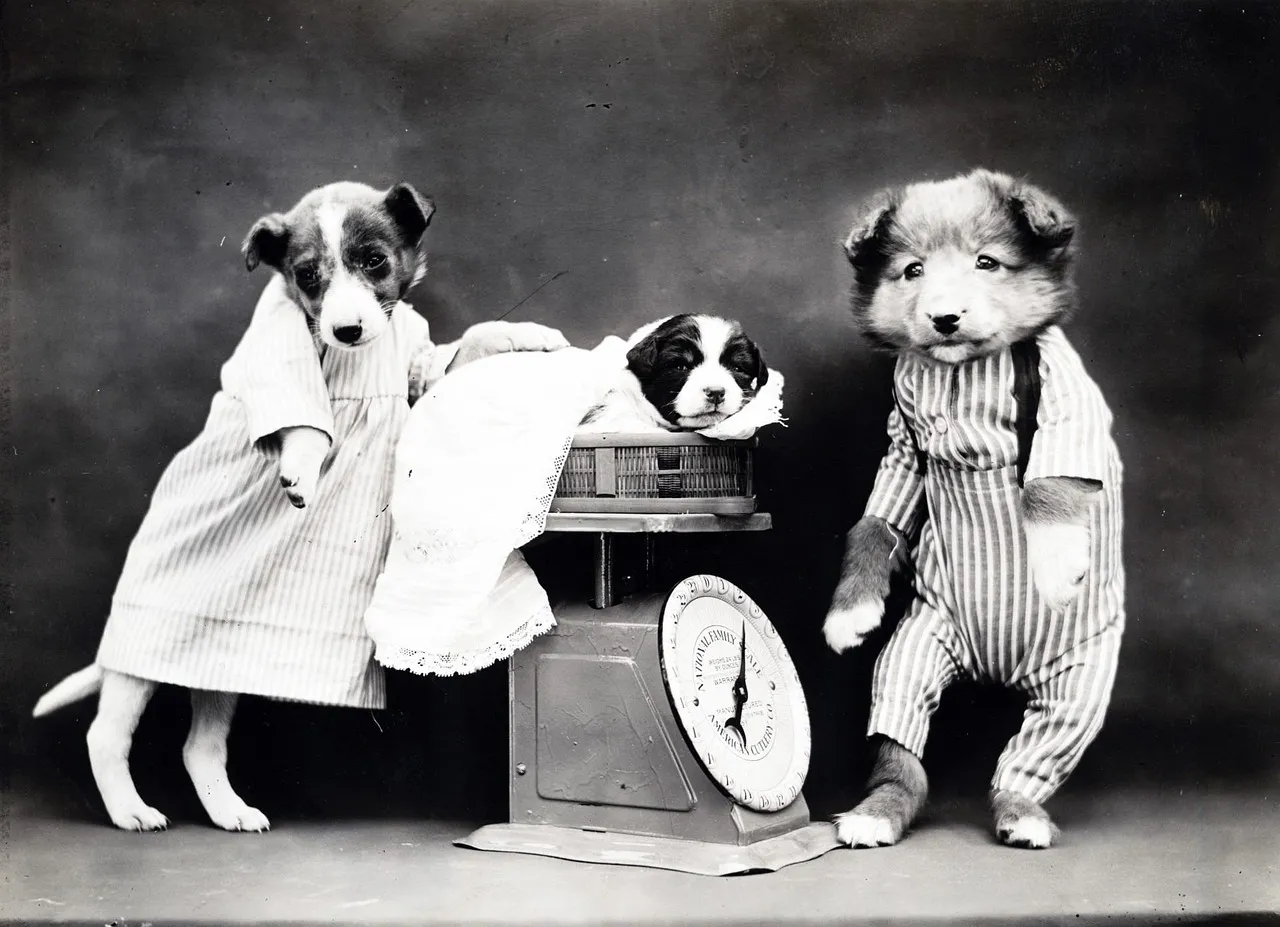
Weight doesn’t creep up or drop off overnight, which is exactly why it’s so easy to miss. A slower metabolism, less activity, or a health issue hiding underneath can all quietly shift the number on the scale.
A simple running log turns an invisible trend into a clear line you can actually see. That line is often what gets a vet to catch a problem while it’s still small, instead of after it’s become an emergency.
Fast Facts
- Vets use a Body Condition Score, usually on a 1 to 9 scale, to track healthy weight over time rather than relying on the number alone.
- A steady change in either direction, even a pound or two on a smaller dog, is worth mentioning at the next visit.
- Monthly weigh-ins on the same scale catch slow trends that a quick glance across the room never will.
12. Every Milestone in Their Mouth
🔥 Would you like to save this?
We'll email this post to you, so you can come back to it later!
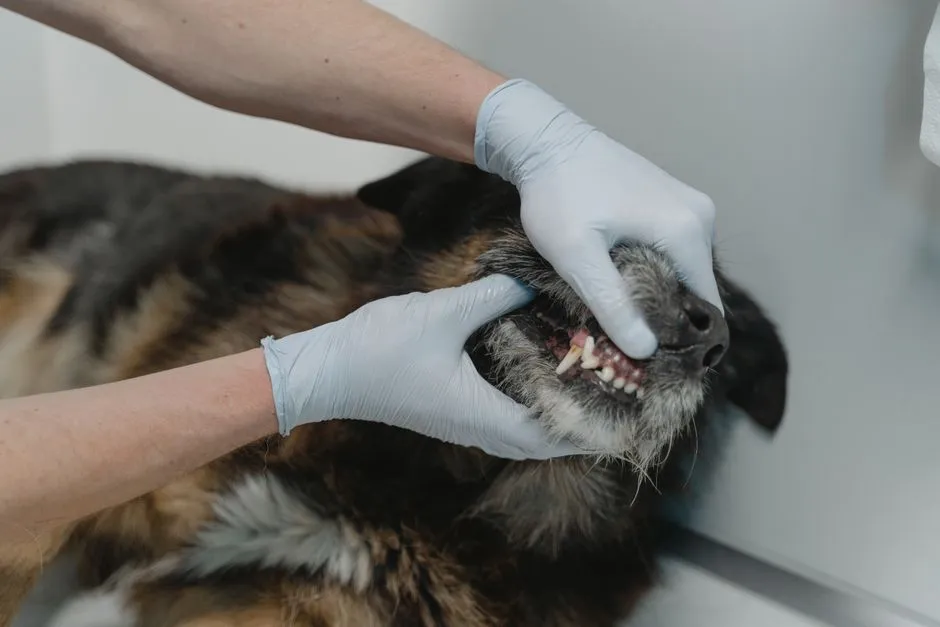
Baby teeth falling out, adult teeth coming in, the first cleaning, the first extraction – it all blurs together fast, especially if you have more than one dog. Yet dental health is one of the most underestimated pieces of a dog’s overall wellbeing.
Poor dental health can lead to systemic infections that affect the heart, liver, and kidneys. A simple record of check-ups and any signs of oral discomfort means problems get caught at the gumline, not after they’ve already spread somewhere far more serious.
11. The Day Your Social Butterfly Went Quiet
🔥 Would you like to save this?
We'll email this post to you, so you can come back to it later!
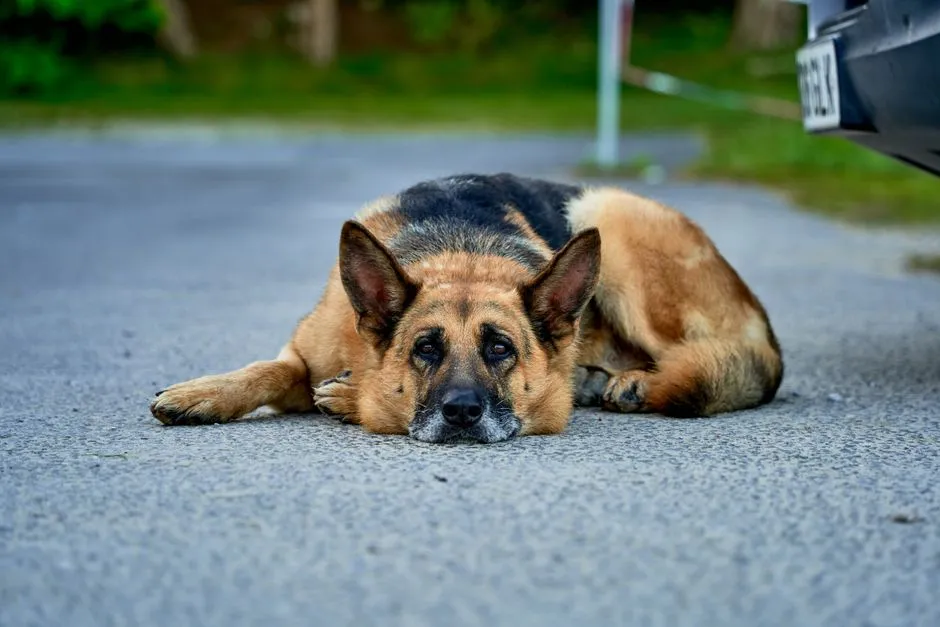
A dog who used to greet every visitor at the door and suddenly starts hiding in another room isn’t just “having an off week.” Increased withdrawal, new aggression, or sudden anxiety are often the body’s way of asking for help before anything shows up on an exam table.
A previously sociable dog turning reclusive can be a sign of pain, sensory loss, or something brewing beneath the surface. Detailed notes on when the shift happened, and what came before it, give a vet something concrete to work from instead of a vague “he’s just been different lately.”
10. When They Stopped Noticing You Walk In

🔥 Would you like to save this?
We'll email this post to you, so you can come back to it later!
Bumping into furniture that’s been in the same spot for years, or no longer looking up when you call their name, are easy to explain away in the moment. It’s tempting to assume they’re just distracted or tired.
Early detection allows for adjustments in their environment to maintain safety and quality of life. Writing down when the vision or hearing changes started makes it far easier to introduce hand signals, better lighting, or a safer layout before an accident forces the issue.
9. The Meal They Suddenly Refused

🔥 Would you like to save this?
We'll email this post to you, so you can come back to it later!
Dogs are famously food-motivated, which is exactly why a skipped meal or a sudden spike in hunger stands out so much once you actually track it. In the moment, it’s easy to assume they’re just being picky.
A logged pattern of appetite changes gives a vet a real timeline to work with, rather than a guess. That timeline can be the difference between catching a dental problem or a metabolic issue early, and missing it until the weight and energy start dropping too.
8. The Night They Couldn’t Settle Down

🔥 Would you like to save this?
We'll email this post to you, so you can come back to it later!
Restless pacing at 2 a.m., or a dog who sleeps through the entire day but can’t seem to settle at night, is one of the clearest signs something has shifted internally. It’s also one of the easiest things to sleep through yourself and forget by morning.
A dog who becomes restless at night may simply need a softer bed or a pain management plan, but you’d never know that without tracking the pattern first. Writing down when the restlessness started, and how often it happens, turns a fuzzy complaint into something a vet can actually act on.
Worth Knowing
- Nighttime restlessness in senior dogs is often linked to canine cognitive dysfunction, sometimes called “doggy dementia.”
- Arthritis pain tends to flare after long periods of rest, which can make settling at night harder.
- A late, heavy dinner or a walk too close to bedtime can play a role too, so timing is worth tracking as well.
7. The Jump They Stopped Making

🔥 Would you like to save this?
We'll email this post to you, so you can come back to it later!
The couch jump they used to nail without thinking. The car they used to leap into. When a dog quietly stops attempting the things they used to do without hesitation, it’s rarely random.
Early documentation allows for timely interventions such as physical therapy or medication to maintain mobility. Track the exact movements they’ve given up on, and you and your vet can build a plan to keep them active and comfortable for longer, instead of watching mobility slip away a little more each month.
6. The Lump You Almost Ignored
🔥 Would you like to save this?
We'll email this post to you, so you can come back to it later!
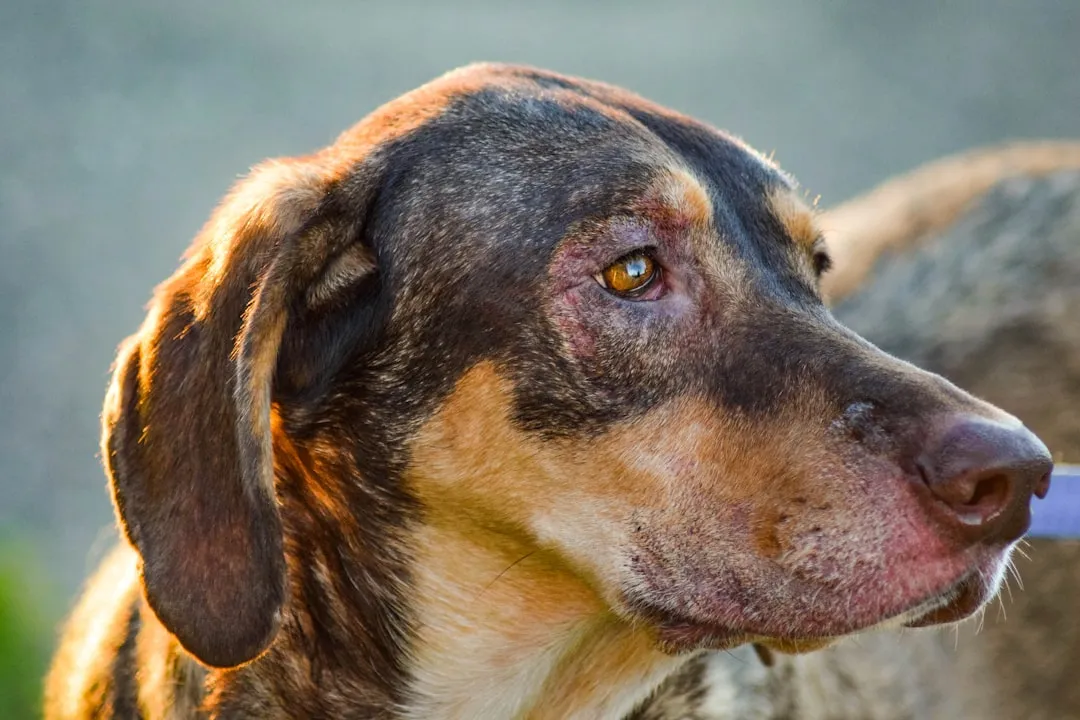
A dry patch of skin, thinning fur along the back, or a small lump you told yourself you’d “keep an eye on” – these are the details that get forgotten the fastest because none of them seem urgent on their own.
Some skin changes may indicate underlying health issues, including hormonal imbalances or cancer. A running note of when you first noticed a change, and how it’s evolved since, can be the single piece of information that leads to catching something early instead of late.
5. The Accidents That Became a Pattern
🔥 Would you like to save this?
We'll email this post to you, so you can come back to it later!
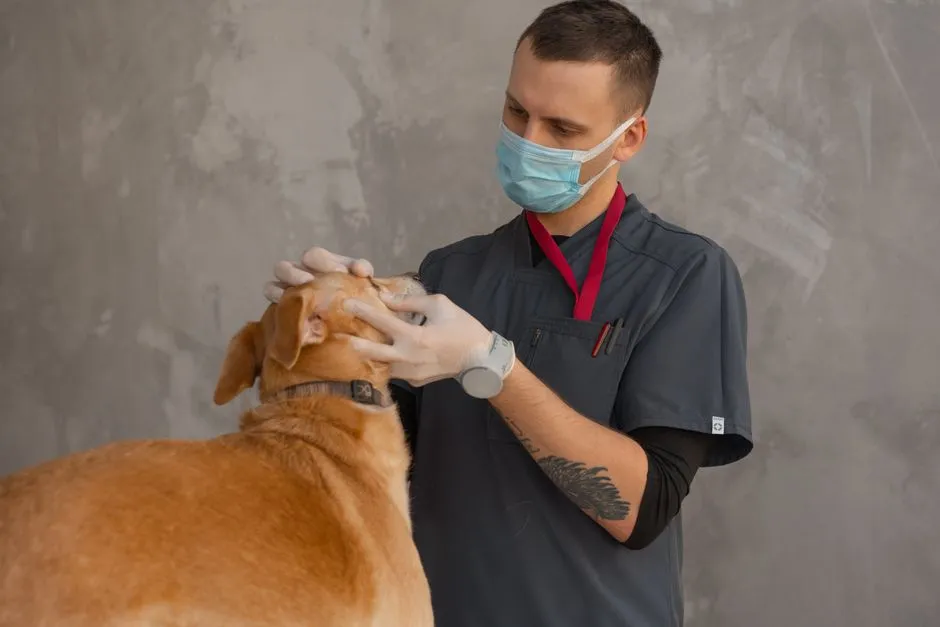
One accident in the house is nothing. A pattern of them, paired with straining or unusual frequency, is a different story entirely – and it’s a story that’s easy to lose track of when it’s happening in scattered moments across weeks.
A simple log of urinary and bowel changes turns scattered incidents into a clear medical history. That history is often the exact thing a vet needs to move from guessing to diagnosing.
Quick Compare
- One-off accident: Happens once, tied to a new treat, stress, or a missed walk.
- Pattern worth logging: Repeats across days or weeks, especially with straining or increased frequency.
- Red flag: Blood, sudden increased thirst, or accidents paired with lethargy.
4. The Commands They Used to Know By Heart
🔥 Would you like to save this?
We'll email this post to you, so you can come back to it later!
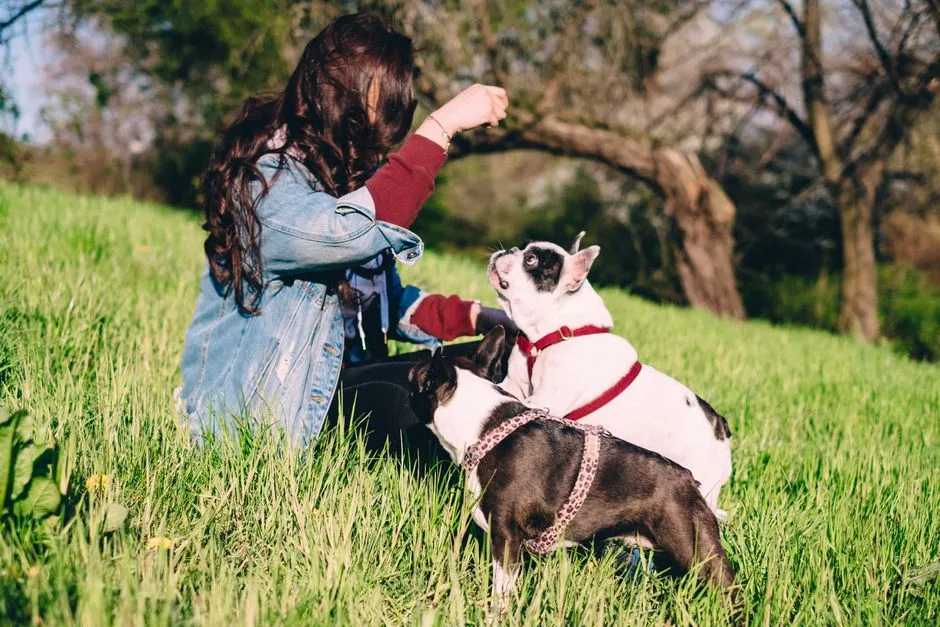
“Sit” used to be instant. Now it takes three tries, or doesn’t land at all. It’s easy to assume your dog is simply being stubborn, especially if they’ve always had a mind of their own.
A real decline in responsiveness often points to cognitive decline or sensory loss rather than defiance. Writing down when the change started helps separate a training issue from a medical one, which changes everything about how it should be handled.
3. The Way They Started Treating Strangers Differently
🔥 Would you like to save this?
We'll email this post to you, so you can come back to it later!
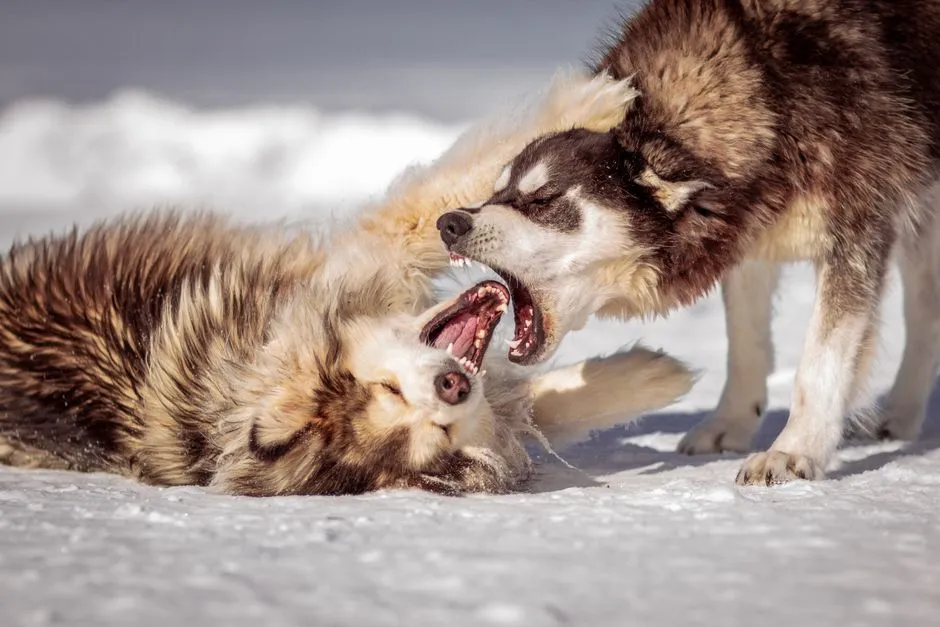
A dog who once greeted every stranger with a wagging tail and suddenly starts barking, hiding, or snapping isn’t just “having a personality shift.” Something usually triggered it.
Increased aggression or withdrawal may be signs of pain or cognitive issues. Noting exactly when the change appeared, and around whom, gives real clues instead of leaving you to wonder for months whether it’s behavioral or medical.
2. Their One Weird, Wonderful Habit
🔥 Would you like to save this?
We'll email this post to you, so you can come back to it later!
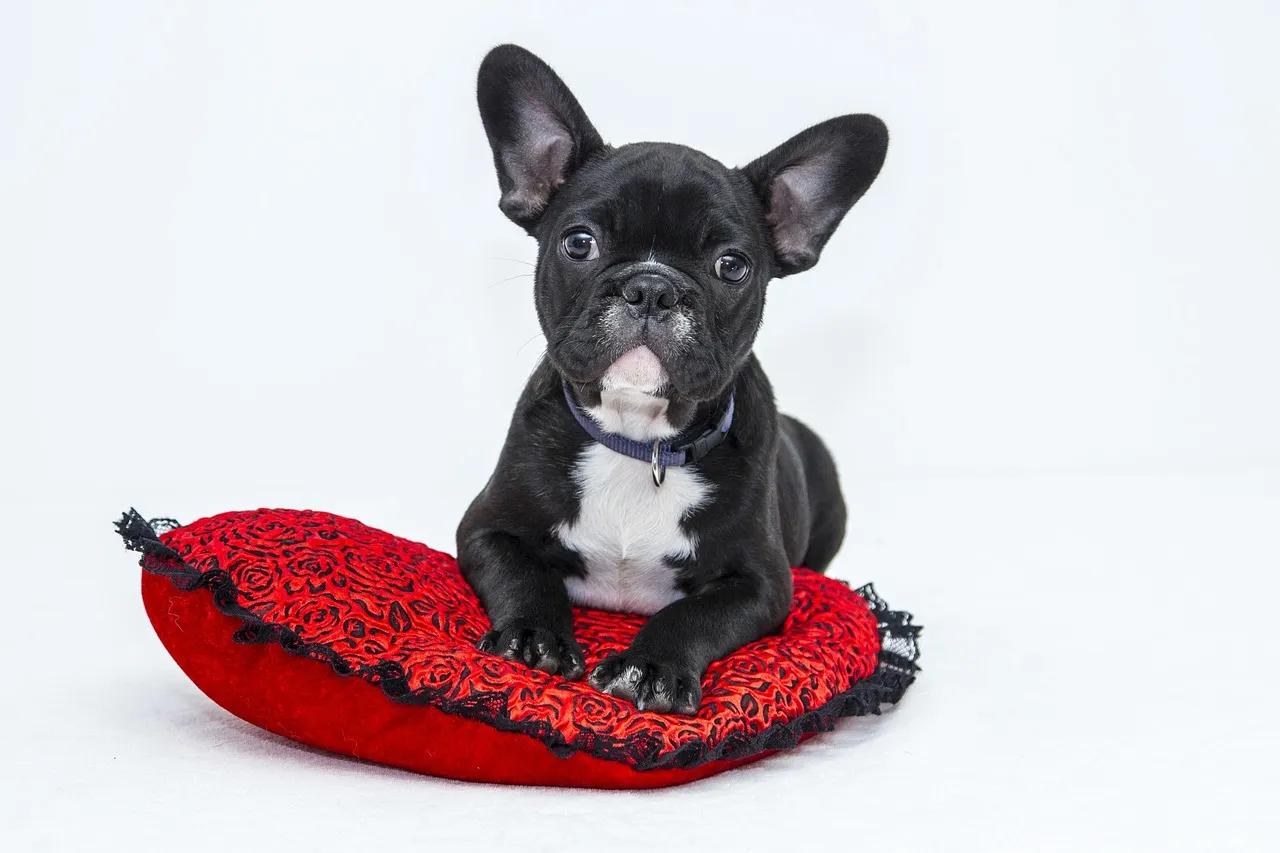
Not everything worth writing down is a warning sign. Every dog has that one small, specific quirk – the three spins before lying down, the particular growl reserved only for the mail truck, the way they tilt their head at one specific word. You’re certain you’ll never forget it.
You will. Years pass, new habits replace old ones, and the tiny signature behaviors that made your dog uniquely themselves quietly fade from memory if nobody writes them down. These aren’t medical notes – they’re the details that make the difference between remembering a dog and truly picturing them again.
At a Glance
- Dogs often develop small, repeated rituals, like spinning before lying down or greeting a favorite toy, that become part of their identity.
- These quirks tend to deepen over years together rather than staying static.
- Unlike medical symptoms, these habits are worth recording purely for the joy of remembering them later.
1. The Day You Brought Them Home
🔥 Would you like to save this?
We'll email this post to you, so you can come back to it later!
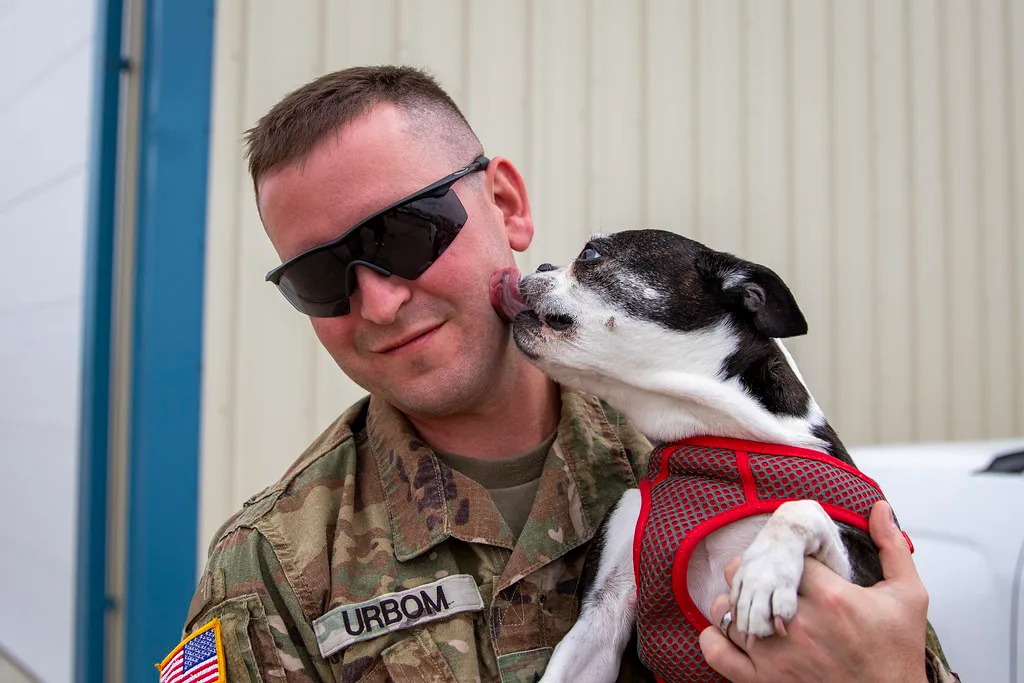
The smell of a new puppy. The sound they made the first night in an unfamiliar house. The exact spot on the floor where the first accident happened. In the chaos of that day, almost nobody thinks to write anything down, because you’re too busy living it.
That’s exactly why it’s the detail people regret losing the most. Years later, the story gets smoothed over and simplified, and the small, specific truths of that first day are the first casualties.
Dogs are not our whole life, but they make our lives whole.
Roger Caras
Write down the date, the weather, what they smelled like, what you said to them in the car. That day only happens once, and no amount of confidence in your memory will bring back the details you didn’t save.
No one is going to journal their dog’s entire life like a diary, and honestly, they shouldn’t have to. But the owners who jot down even a handful of these fourteen moments end up with something worth twice as much: a real map for their vet, and a memory that can’t quietly slip away. If you only start with one, skip the health logs for now and start with the last one. The day you brought them home only happens once, and you will never remember it as clearly as you think you do right now.

- 7 Everyday Habits That Can Make Your Senior Dog Happier - November 5, 2026
- 10 Enigmatic Structures That Continue to Puzzle Scientists Today - November 5, 2026
- 10 Strange Ruins in the Americas That Challenge What We Know About Early History - November 5, 2026