
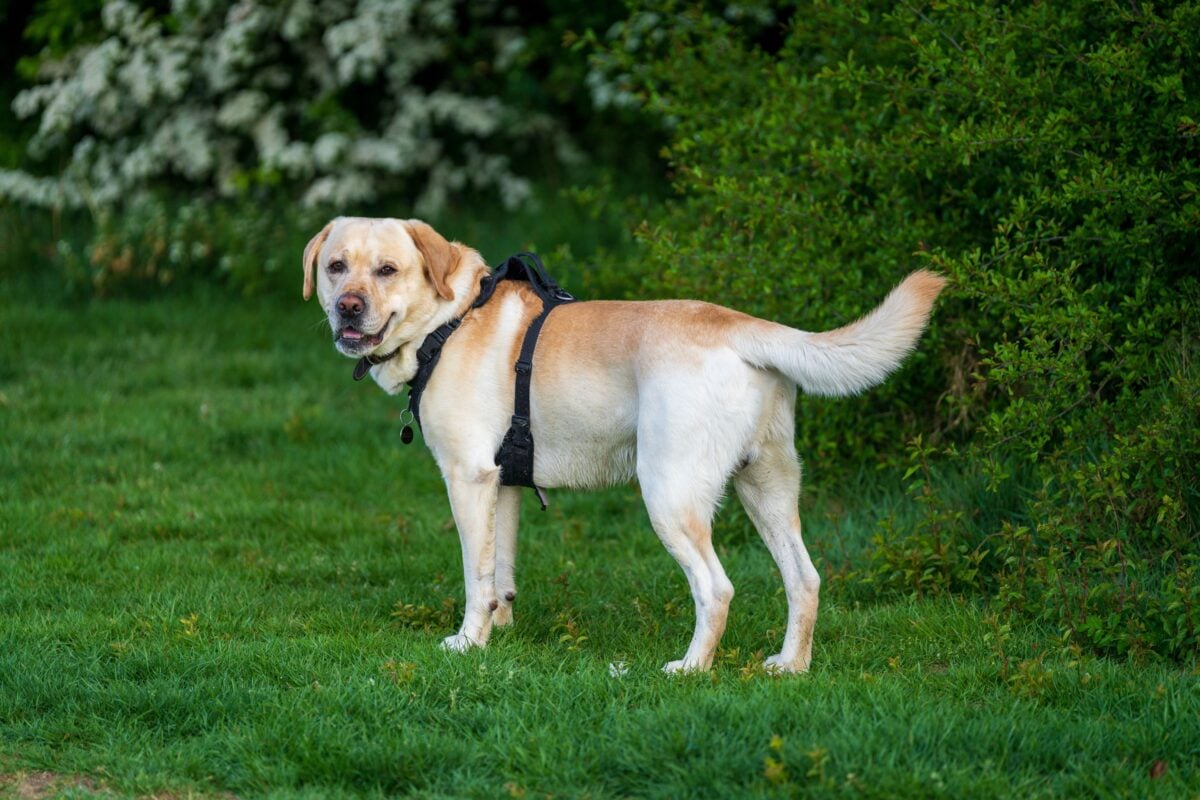
Most people think a wagging tail always means a happy dog. That “rule” is flat-out wrong way more often than owners want to admit, and the mistake isn’t harmless – it’s how avoidable bites, fights, and anxiety spirals actually happen.
Recent behavior research shows tail direction and the shape of the wag reveal something much more layered: stress, doubt, social pressure, even brewing aggression, all disguised inside a movement we’ve trained ourselves to read as “friendly.” Your dog has been talking this whole time. We just never learned the alphabet. Here’s what fourteen different tail signals are actually saying – and where owners keep getting it backwards.
#1 – A Tail Wagging More to the Right: Comfortable… But Not Always Friendly
🔥 Would you like to save this?
We'll email this post to you, so you can come back to it later!
When your dog’s tail swings a little more to the right side of their body, most owners never even clock it. But researchers have found that right-biased wagging is strongly linked to a more positive, relaxed emotional state toward whatever the dog is looking at. It’s not just enthusiasm – it can be quiet, subtle confidence, the tail equivalent of a small exhale.
Here’s the mistake: people assume a right-leaning wag guarantees friendliness toward everyone in the room. It doesn’t. Your dog might feel great about seeing you while still bracing for the loud kid behind you or the strange dog closing in from the side. Watch the rest of the body – soft eyes and loose muscles confirm comfort, while stiffness and staring mean the feeling is mixed, not settled.
#2 – A Tail Wagging More to the Left: The Stress Signal Owners Miss
🔥 Would you like to save this?
We'll email this post to you, so you can come back to it later!
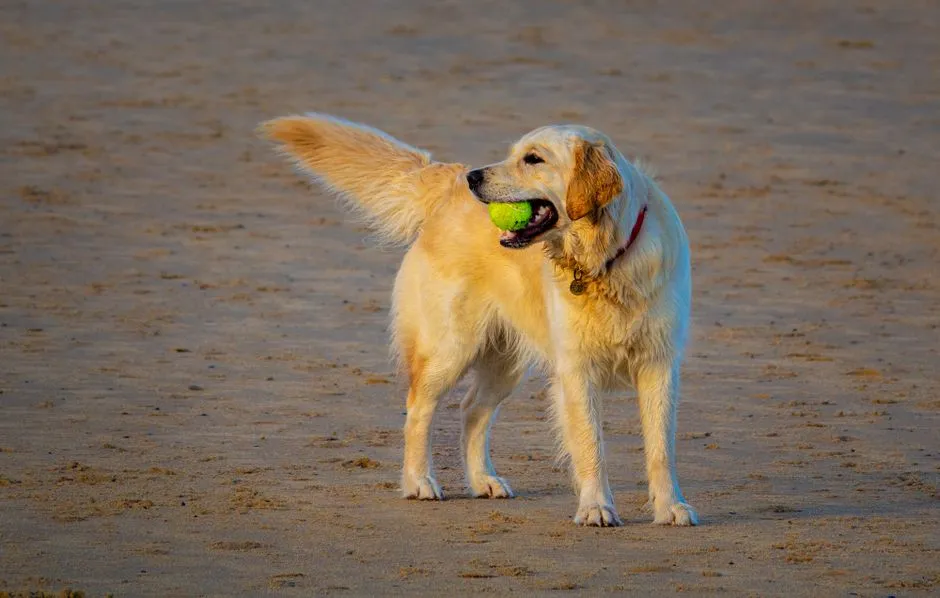
Nobody thinks about left versus right when they glance at a wagging tail, but behaviorists absolutely do. A wag that skews left is often linked with caution, uncertainty, or mild stress toward whatever the dog is looking at. It doesn’t mean instant aggression – it can simply mean “I’m not sure about this” or “you’re overwhelming me right now.”
You’ll often catch a left-biased wag when a dog first meets a stranger, spots a rival dog, or faces something scary from past experience, like the vet’s lobby. The tail keeps moving, but the body tightens – weight shifted back, ears stiff, mouth clamped shut. That’s the real tell: a wag can be happening while the dog is quietly trying to create distance. Pair a left-leaning wag with frozen posture and direct staring, and you’re not looking at a friendly hello – you’re looking at a dog barely holding it together.
Fast Facts
- The right vs. left wag pattern comes from brain-hemisphere asymmetry, not habit or personality.
- Studies observing dogs facing their owner, a stranger, an unfamiliar dog, and a cat found consistent left or right shifts tied to how the dog felt about each one.
- The left-side bias tends to show up strongest when dogs face an unfamiliar, assertive dog – the scenario closest to real social risk.
- Other dogs seem to notice the asymmetry too – research suggests canine observers get visibly more unsettled watching a left-biased wag than a right-biased one.
#3 – A Low, Slow Wag: “Polite” Isn’t the Same as Comfortable
🔥 Would you like to save this?
We'll email this post to you, so you can come back to it later!
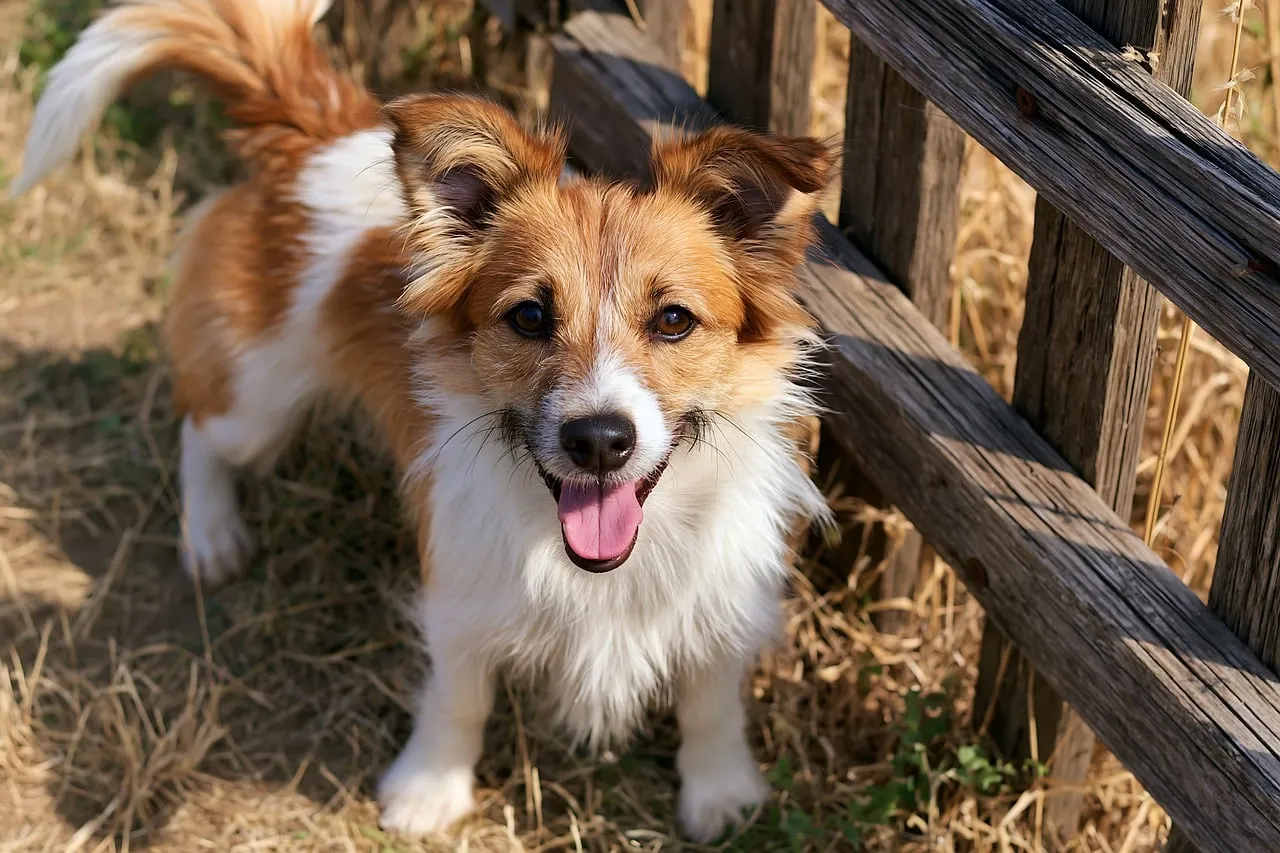
People love saying “look how polite he’s being” when a dog wags low and slow around other dogs. In reality, a low, measured wag is usually a negotiation, not happiness. The dog is saying, “I’m not here to fight, but I’m not relaxed either” – a nervous smile at a party they didn’t want to attend.
If the tail is held low, close to the hindquarters, and the wag is small, deliberate, and stiff, the dog is in a cautious state, often trying to defuse tension around pushy dogs or overly handsy humans. Owners who mistake this for full comfort keep shoving their dogs into greetings they’d rather skip – and that slowly teaches the dog to dread meeting anyone at all. A low, slow wag is asking for space, not more pressure.
#4 – A High, Stiff Wag: Confidence Right Before Trouble
🔥 Would you like to save this?
We'll email this post to you, so you can come back to it later!
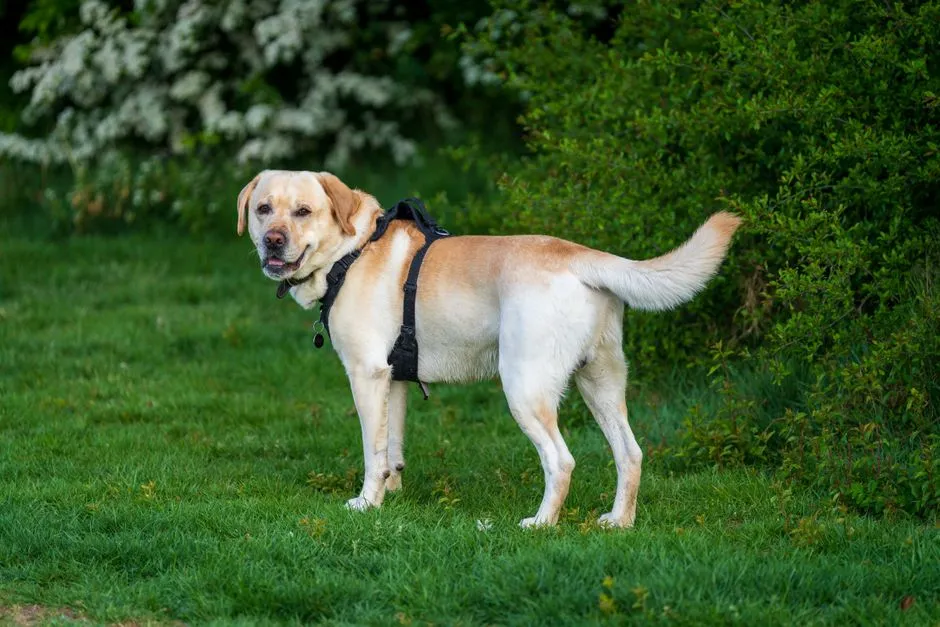
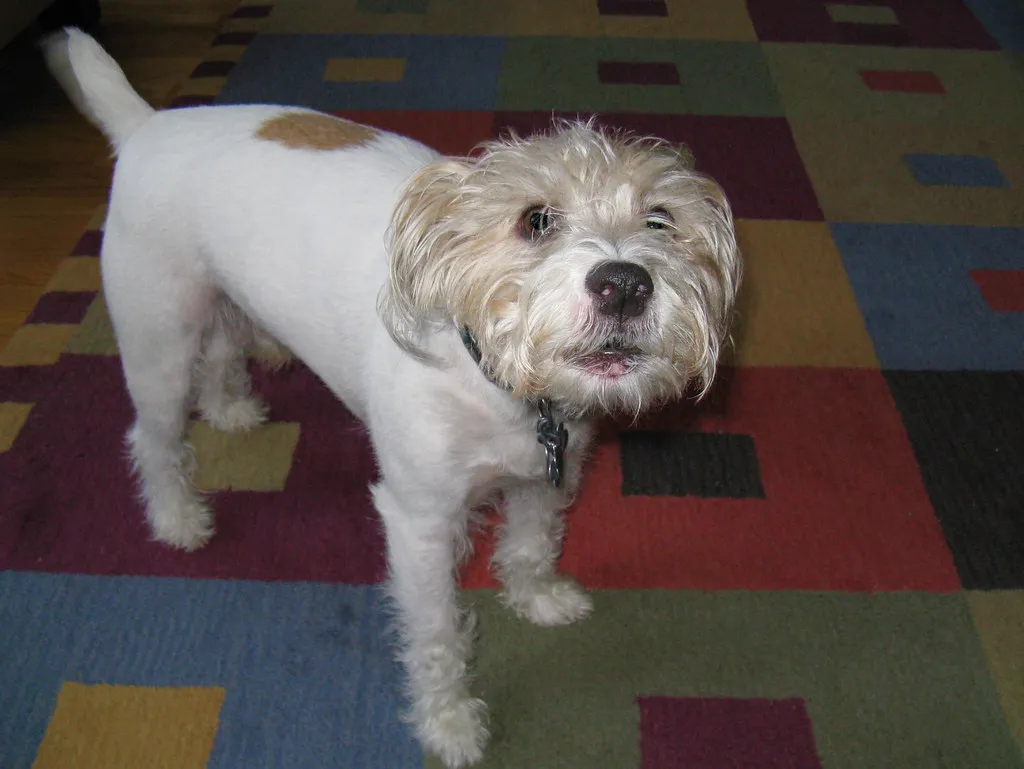
Here’s a hard truth: the proud, high flagging tail so many owners brag about can be a warning light. A tail held high over the back, moving in tight, rapid swings, usually means high arousal and confident engagement – not simple friendliness. Depending on context, that can mean “I’m owning this dog park” or “I’m ready to challenge you if I have to.”
Look closer before you relax. Are the hackles raised along the shoulders? Is the body leaning forward, chest puffed, eyes hard and locked on? That combination with a high, stiff wag means the dog is amped up and possibly one bad move from overreacting. Some breeds naturally carry their tails high, so compare it to that dog’s own baseline – and if it’s higher and tighter than usual, don’t drag them deeper into the interaction because “he just wants to play.” Step in and de-escalate.
#5 – The Neutral, Gentle Wag: The “Happy Dog” Signal Everyone Ignores
🔥 Would you like to save this?
We'll email this post to you, so you can come back to it later!
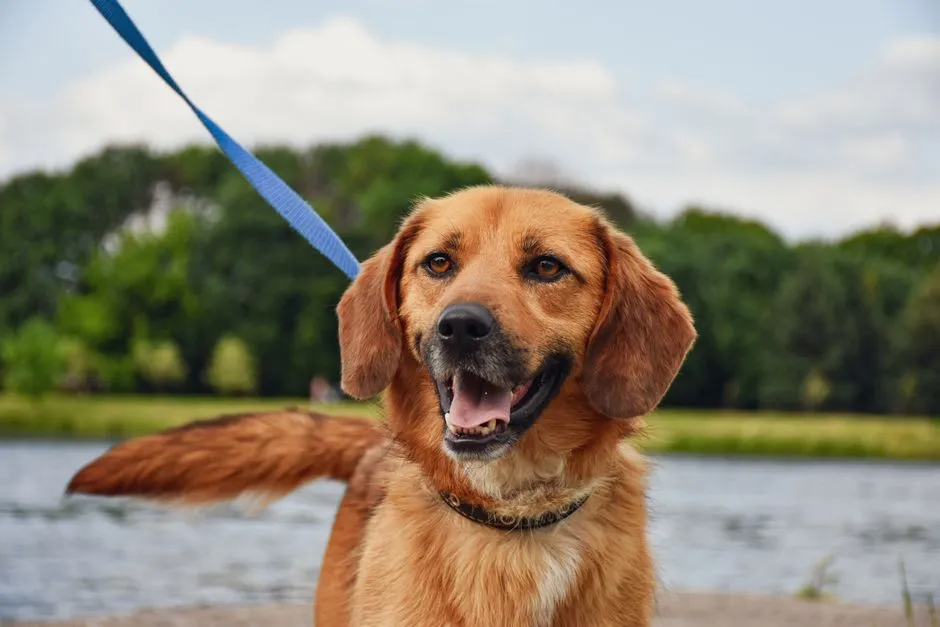
Ironically, the tail movement owners should get excited about is the one they barely notice. A tail at a neutral height for that dog – neither tucked nor flagged – moving in a loose, sweeping arc with relaxed hips and a wiggly body is the closest thing we have to a genuine “I feel good” signal. It doesn’t need to be dramatic. The happiest, most stable dogs often show this quiet version instead of anything flashy.
This is the wag you’ll see when your dog casually wanders over for petting or trots beside you with zero drama in the air. The rest of the body matches it – soft eyes, a slightly open mouth, that whole back-end sway people call a “butt wiggle.” Calm, rhythmic movement is more trustworthy than intensity, yet plenty of owners chase the high-arousal version and completely overlook this quieter, truly content posture staring them in the face.
#6 – Tiny, Tight Tip-Only Wags: “Please Don’t Push Me”
🔥 Would you like to save this?
We'll email this post to you, so you can come back to it later!
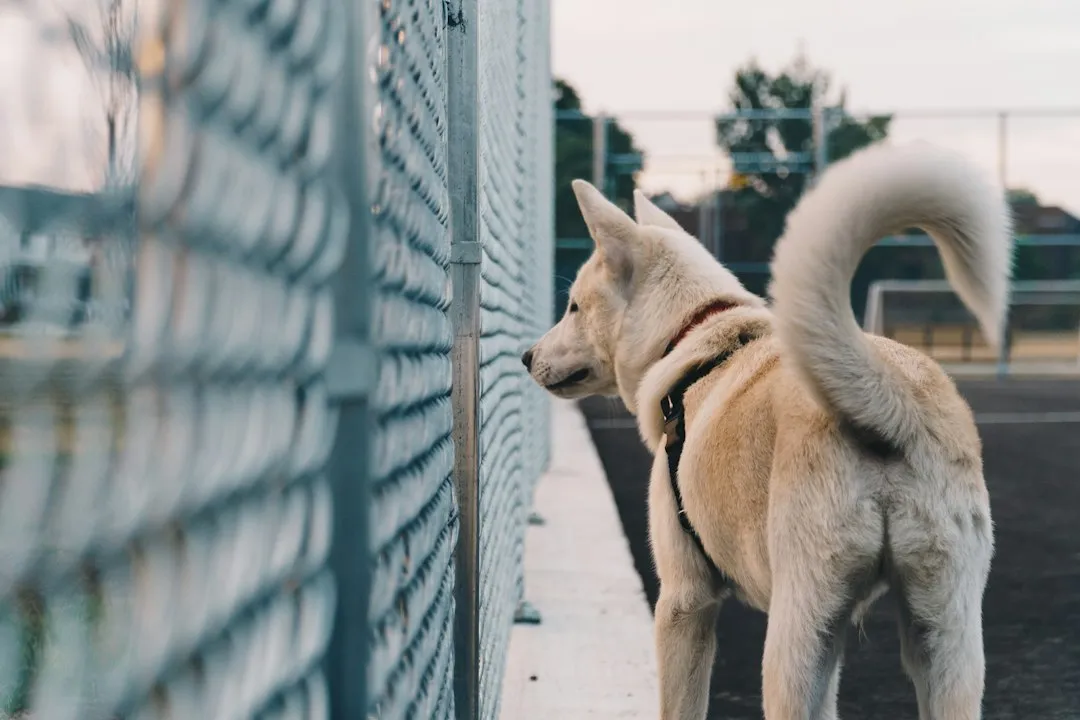
If you’ve ever seen a dog wag only the last couple inches of their tail, like a tiny vibrating metronome, you probably read it as shy-but-friendly. In reality, those small, tight tip-only wags often signal tension or social pressure – the body language version of laughing politely at a joke you didn’t think was funny, hoping the moment passes.
Watch how the rest of the dog reacts. Do they lean away when someone reaches in? Are they freezing between wags, turning their head, licking their lips? Pair that thin, twitchy wag with stiff legs and a shut mouth, and the dog isn’t inviting more contact – they’re enduring it. This is one of the most commonly misread signals, especially in “good family dogs” who rarely protest, and pushing past it is exactly how “he’s never done that before” moments get born.
#7 – Big, Whole-Body Side Wags: Real Joy That Can Still Backfire
🔥 Would you like to save this?
We'll email this post to you, so you can come back to it later!
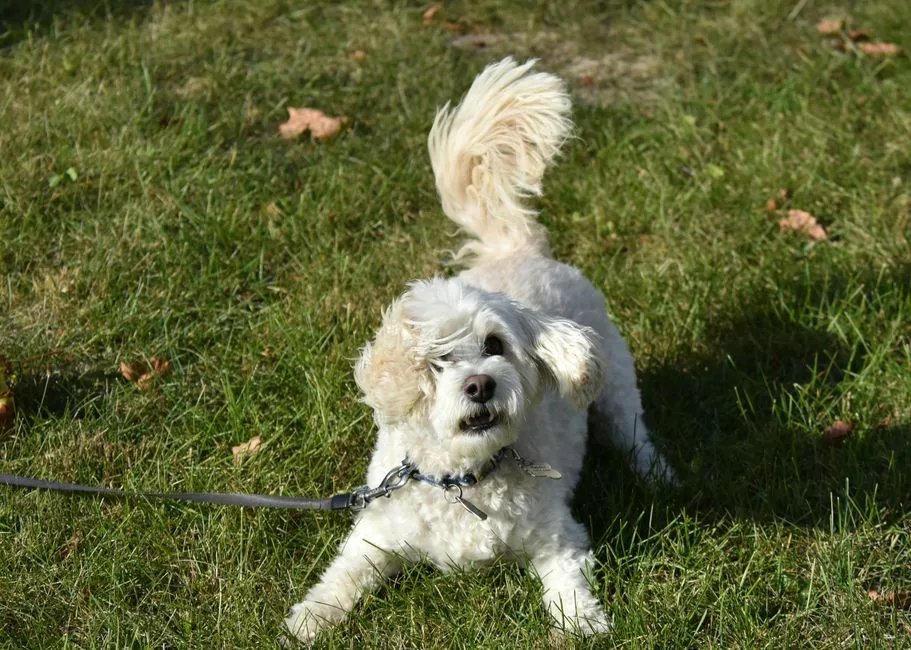
Here’s the image most people picture when they think “happy dog”: tail swinging in wide arcs, hips swaying, shoulders loose. They’re not wrong. A large, side-to-side wag that pulls the whole back end into motion is one of the clearest markers of genuine positive social excitement – the tail-equivalent of a full-body grin.
The nuance owners miss is that this joy can tip into overwhelm fast if the dog has no outlet. That friendly Labrador slamming into guests, whole butt wagging, isn’t misbehaving – he’s over-aroused with nowhere to put the energy. Friendly doesn’t always mean under control. Enjoy the big wag, then help the dog regulate: ask for a sit, offer a chew, build in small breaks before the bouncy joy turns into jumping or bowling over a kid.
Worth Knowing
- Big, loose wagging paired with jumping or mouthing often means a dog has plenty of joy but too little structure.
- A quick “sit,” a favorite chew, or a short pause in play can drain excess energy before it turns into knocking someone over.
- Dogs who never learn an off-ramp for big emotions tend to rehearse the same overwhelming greeting for years.
- Rewarding the calm moments between wags teaches a dog that settling gets attention too, not just bouncing.
#8 – The Diagonal Half-Tuck Wag: Conflicted to the Core
🔥 Would you like to save this?
We'll email this post to you, so you can come back to it later!
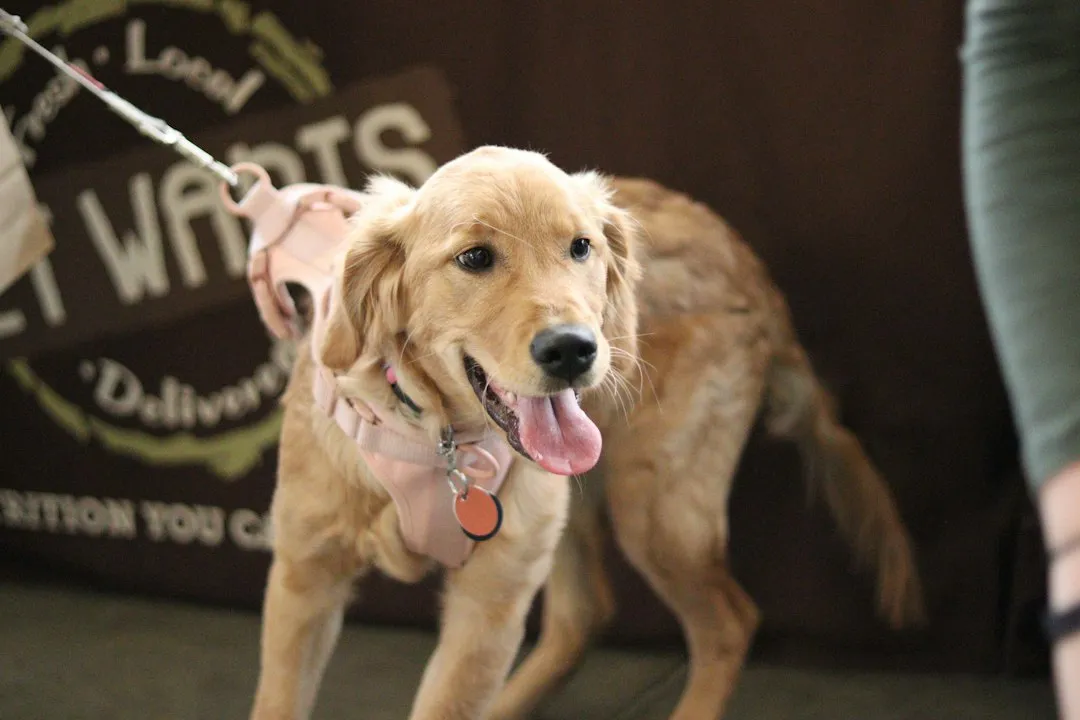
One of the most misread tail positions is the half-tuck – angled down or diagonal, but still moving. Owners insist this means the dog is “warming up” or “trying to be brave.” The truth is harsher: a partially lowered tail that still wags usually signals real emotional conflict, fear mixed with the pressure to keep engaging anyway.
Look for the base pulled slightly under while the tip still sways, and a body that leans away even as the dog stays put. People read this as “he’ll get used to it” and repeat the exact scenario that’s stressing the dog out. Over time, dogs stuck in chronic half-tuck situations can develop learned helplessness – or explode with no warning once they finally hit their limit. A diagonal wag is your cue to reduce intensity or offer an exit, immediately.
#9 – Tail Tucked with a Micro-Wag: Fear Dressed Up as Good Manners
🔥 Would you like to save this?
We'll email this post to you, so you can come back to it later!
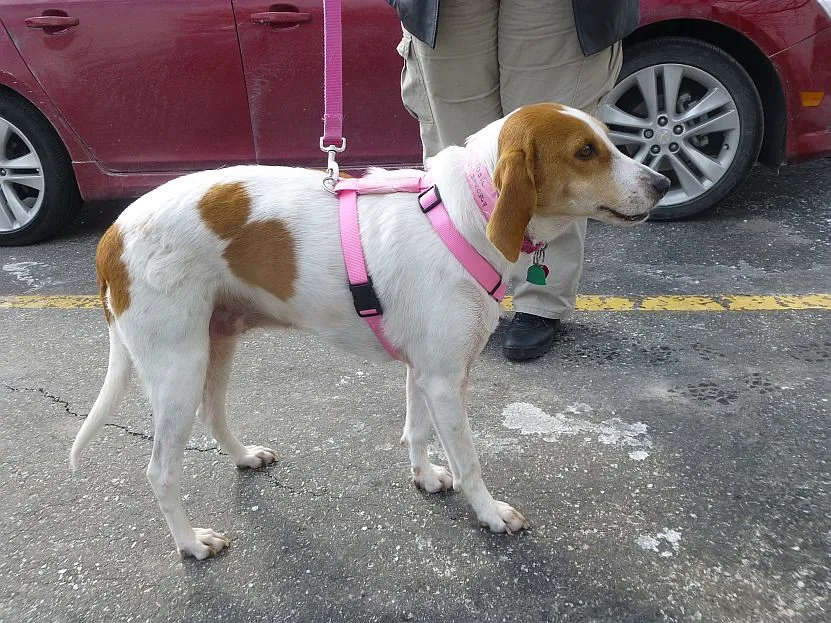
Few things are sadder than a dog with its tail fully tucked, still attempting a shy little flicker of a wag. People call this “submissive,” as if fear were a compliment. In reality, a fully tucked tail is a direct sign of deep insecurity, and that tiny movement is often a desperate bid to avoid conflict – not an invitation to pet, hug, or coo over the dog.
You’ll often see this in overwhelmed rescue dogs, dogs punished harshly for growling, or dogs stuck in chaos they can’t escape. The tail may tremble or tap while glued to the belly, paired with a hunched posture, lowered head, maybe even a nervous dribble of urine. Calling this “sweet submissiveness” is genuinely dangerous – it excuses fear as personality. These dogs need protection and predictability, not more forced cuddles disguised as confidence-building.
Dogs are always communicating with us; the trouble is that we’ve decided we already know what they’re saying.
Patricia McConnell, applied animal behaviorist
#10 – Rapid, High-Frequency Wagging: Overstimulated and On a Knife’s Edge
🔥 Would you like to save this?
We'll email this post to you, so you can come back to it later!
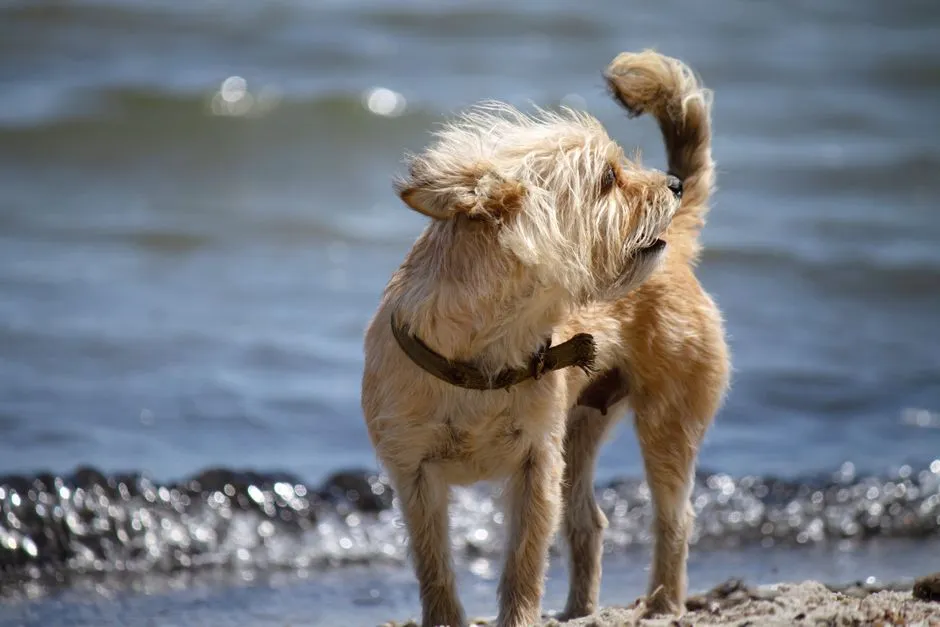
The internet loves videos of tails that blur with speed. Owners brag, “look how excited she is!” But behaviorists are increasingly blunt: very rapid, high-frequency wagging paired with a tight body often signals overstimulation – your dog is one step from losing impulse control, not celebrating.
Check the context. Is the dog barking sharply, fixated, snapping treats from your hand a little too hard? Dilated pupils, jerky movement, fast breathing? That buzzing tail isn’t joy, it’s adrenaline, and dogs in this state can misjudge pressure, bite too hard, or redirect frustration onto whatever moves nearest. Those “happy” clips of tail blurs at fences are often footage of fence-fighting brewing in real time. The fix isn’t scolding – it’s interrupting before the boiling point.
#11 – The Slow, Sweeping “Stop Sign” Wag: Tolerating, Not Enjoying
🔥 Would you like to save this?
We'll email this post to you, so you can come back to it later!
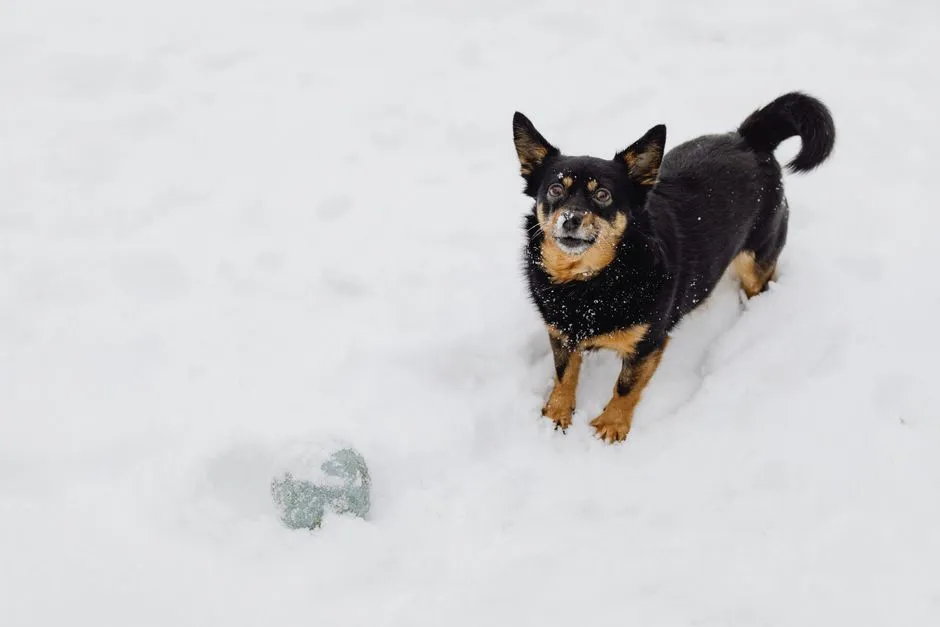
There’s a wag experienced trainers respect instantly: a slow, broad sweep at mid-height, paired with a very still body and an unblinking stare. Most owners call this “calm confidence.” Trainers call it a stop-sign wag – a warning that the dog is tolerating the moment while drawing a hard line. It means “I noticed you, I’m not running, but don’t push this.”
You’ll see it in dogs guarding resources, protecting their bed, or dealing with a pushy dog who won’t back off. The deadly mistake is assuming slow equals chill. Stillness plus a controlled, deliberate wag can precede a lunge or a bite if the pressure keeps building. The dog isn’t asking to play – it’s giving everyone time to make a better choice before it has to make the boundary physical.
Why It Stands Out
- Unlike a loose happy wag, the stop-sign wag stays slow and mechanical even as the body goes completely still.
- It often shows up around food bowls, favorite toys, or a bed the dog considers personal territory.
- Trainers treat this signal as a last warning, not a green light to keep petting or crowding in.
- Giving the dog space at this stage is usually enough to defuse things before a growl or snap becomes necessary.
#12 – One-Sided or Crooked Wags: Pain Hiding in Plain Sight
🔥 Would you like to save this?
We'll email this post to you, so you can come back to it later!
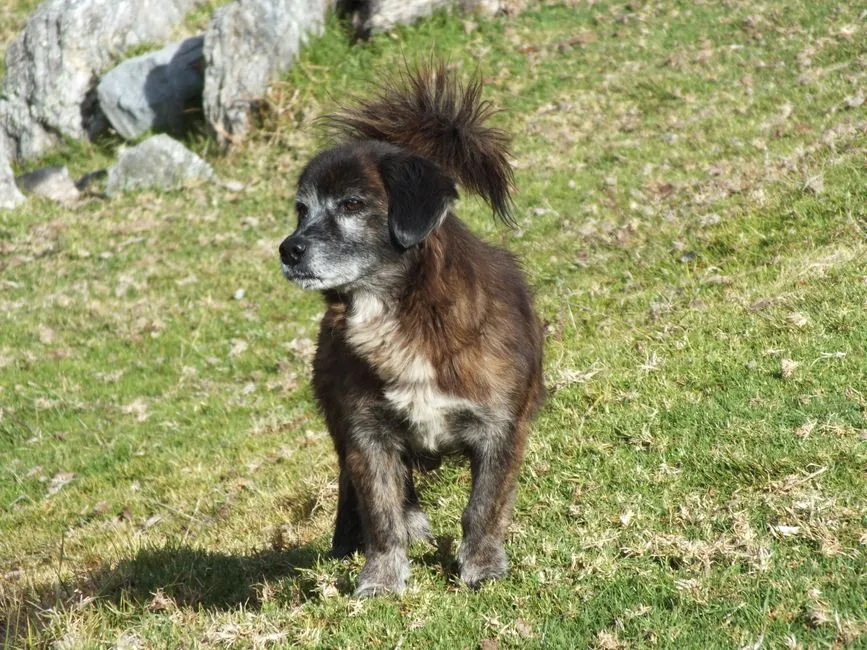
Most owners never notice their dog’s tail isn’t wagging symmetrically until a limp makes it obvious. But a consistently one-sided, crooked, or shortened wag can be a medical red flag, not a personality quirk. Spinal pain, tail injuries, hip problems, or neurological issues can all make a dog move only part of the tail, avoid lifting it, or swing it unevenly – and owners just say “he doesn’t wag much anymore.”
Track the change over time. Did big, loose wags quietly shrink into something smaller? Does touch near the base of the tail cause flinching or licking? Pain changes tail direction, height, and intensity long before a dog cries out or limps. Dismissing an odd wag pattern as “just his style” lets chronic discomfort simmer for months. When the pattern shifts with no emotional explanation, a vet check isn’t overkill – it’s basic care.
#13 – No Wag at All Around You: Emotional Shutdown, Not a Chill Personality
🔥 Would you like to save this?
We'll email this post to you, so you can come back to it later!
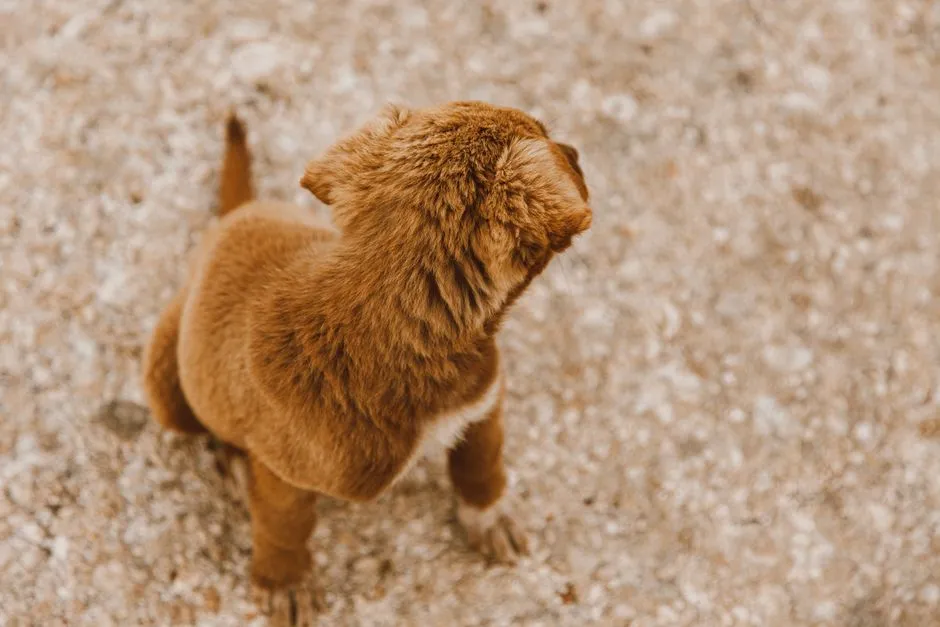
Here’s the one many people will argue with: a dog who rarely wags around their own family isn’t automatically “just calm” or “stoic.” Sometimes that’s true. But far more often, a chronic lack of tail movement in daily life points to emotional flatness, stress, or learned suppression – dogs who were punished for showing excitement or corrected for growling simply stop offering clear signals to the humans around them.
This shows up as dogs who greet their owners with barely a flicker, never wag during play, or only come alive during extreme moments like storms or fireworks. Many people mistake this for good manners because the dog doesn’t jump or bark. In reality, a house with no tail language is often a house where the dog doesn’t feel fully safe expressing anything. If your dog’s tail is quiet around you but lively at the park, that contrast is telling you something worth sitting with.
At a Glance
- Quiet at home but noticeably lively at the park or with other dogs
- Little to no tail movement during petting, play, or greetings
- Rare bursts of expression only during extreme events like storms or fireworks
- A history of being corrected for growling, barking, or other “loud” warning signals
#14 – The Helicopter Spin: Pure Joy and a Relationship Report Card
🔥 Would you like to save this?
We'll email this post to you, so you can come back to it later!
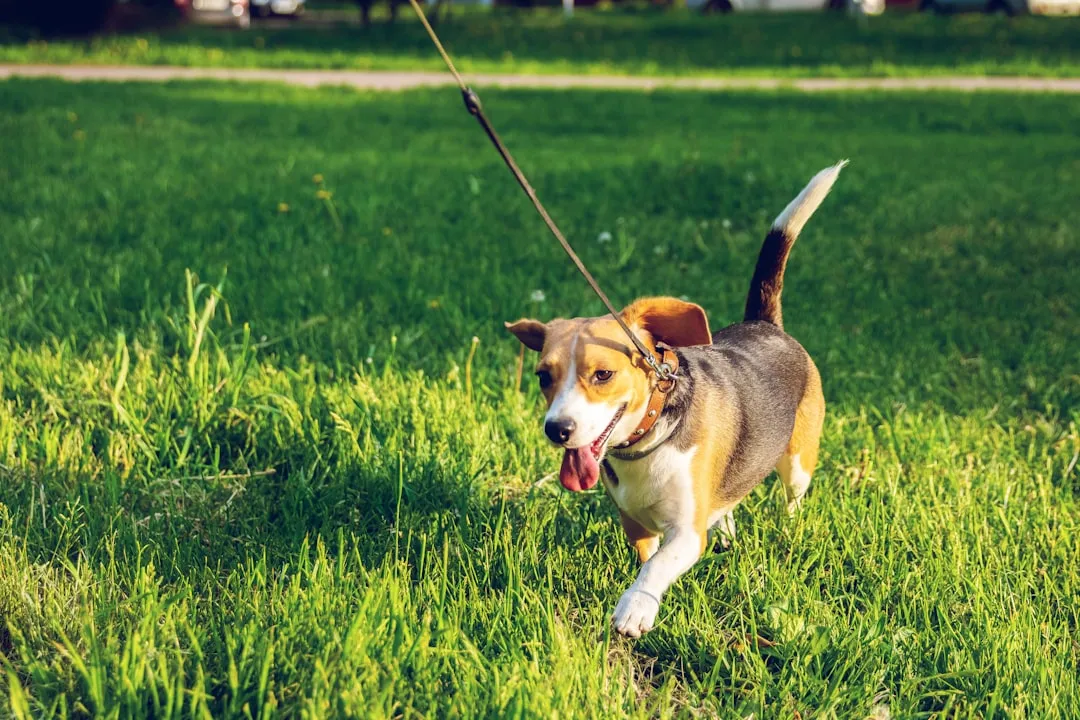
Finally, the one tail move almost everyone loves and almost nobody fully appreciates: the helicopter wag. When a dog’s tail spins in big circular sweeps at a neutral or slightly raised height, you’re looking at genuine, high-level social joy – usually reserved for a dog’s favorite people. It’s not just excitement, it’s excitement layered with trust.
You’ll see the helicopter when you come home after being away, pick your dog up from boarding, or when they spot someone they’ve deeply bonded with. The rest of the body confirms it – loose spine, relaxed mouth, squinty happy eyes, maybe a few little hops. This is as close to a 10-out-of-10 as a dog’s body language gets. If your dog never shows you a big, loose, all-direction wag, it doesn’t mean they don’t love you – but it’s worth asking how often you play in ways they actually enjoy, and how often you listen when they’re uncomfortable.
The Bottom Line
🔥 Would you like to save this?
We'll email this post to you, so you can come back to it later!
Most owners were taught the childish rule “wagging tail equals happy dog,” and it’s failing dogs everywhere, every day. Tail direction, height, and shape tell a far more serious story: right-leaning wags hint at comfort, left-leaning at caution, high stiff arcs can precede real trouble, and tucked micro-wags scream fear dressed up as good manners.
Ignoring those nuances is how we end up blaming “unpredictable” dogs instead of admitting we never bothered to learn their language in the first place. Here’s the uncomfortable opinion: if you still read every wag as friendliness, you’re part of the problem, even if you love that dog more than anything. The fix isn’t complicated – watch tail direction in context with the eyes, mouth, and body, and stop assuming motion always means joy. Your dog has been talking the whole time. Which tail signal surprised you the most, and be honest – have you been misreading your own dog all along?

- 7 Everyday Habits That Can Make Your Senior Dog Happier - November 5, 2026
- 10 Enigmatic Structures That Continue to Puzzle Scientists Today - November 5, 2026
- 10 Strange Ruins in the Americas That Challenge What We Know About Early History - November 5, 2026